
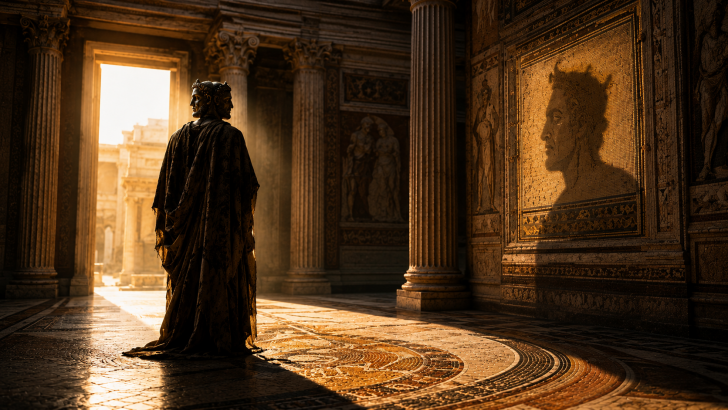
Have you ever wondered why January marks the beginning of a new year? The answer goes all the way back to ancient Rome and one of its most fascinating gods.
His name was Janus, and unlike the gods borrowed from Greek mythology, Janus was uniquely Roman.
He was the god of beginnings, endings, transitions, doorways, and new opportunities. Whenever the Romans started something important, they often honored Janus first.
What makes Janus especially memorable is his unusual appearance. He is almost always shown with two faces, one looking toward the past and the other toward the future.
Although he is less famous today than gods like Jupiter or Mars, Janus played a central role in Roman religion and daily life.
Here are eight interesting facts about Janus, the Roman god of beginnings.
1. Janus Had Two Faces
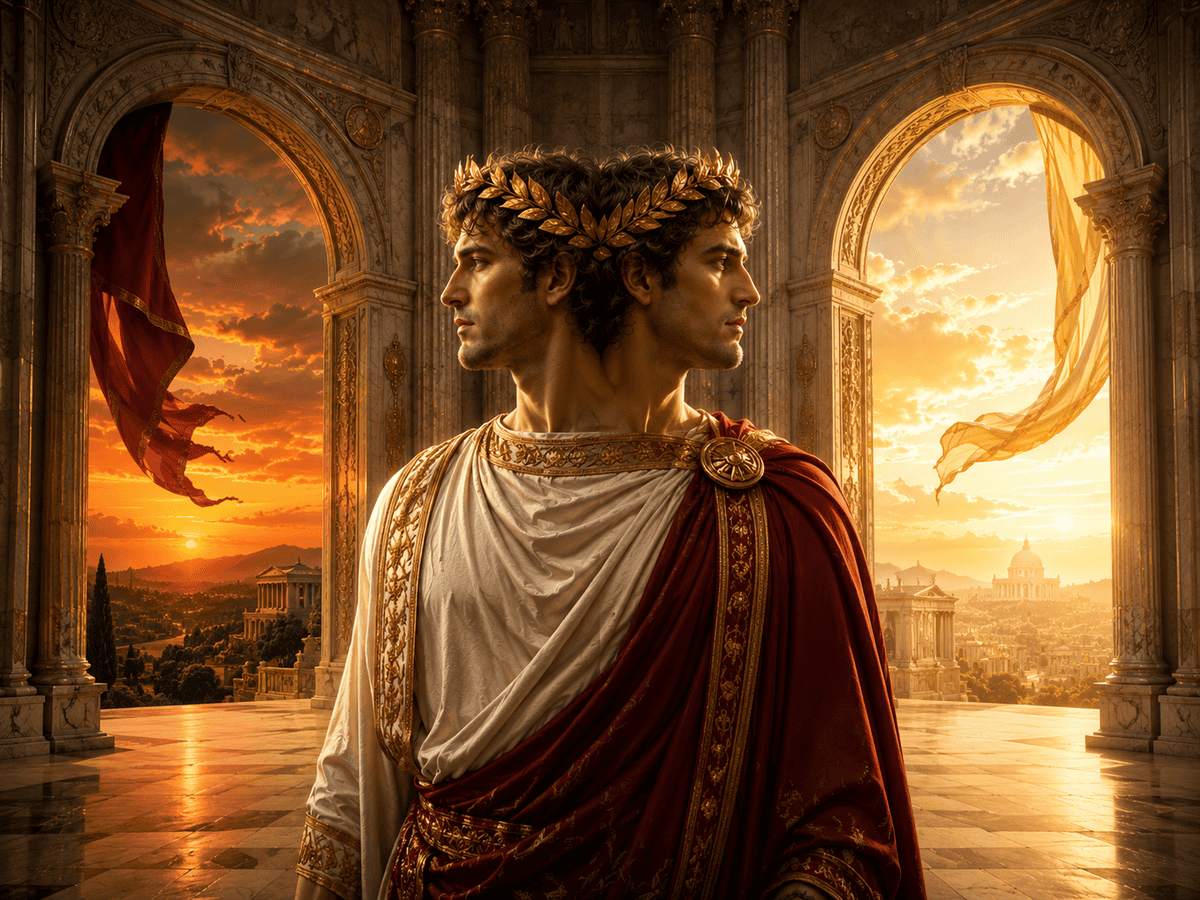
The first thing most people notice about Janus is his remarkable appearance. Ancient artists usually portrayed him with two faces looking in opposite directions.
One face looked toward the past, while the other faced the future. This unusual image perfectly reflected his role as the god of transitions.
One side leads to where you have been, while the other opens toward where you are going next. That is exactly what Janus represented.
His two faces reminded the Romans that every ending creates the possibility of a new beginning, making him one of the most symbolic gods in their mythology.
2. January Was Named After Him
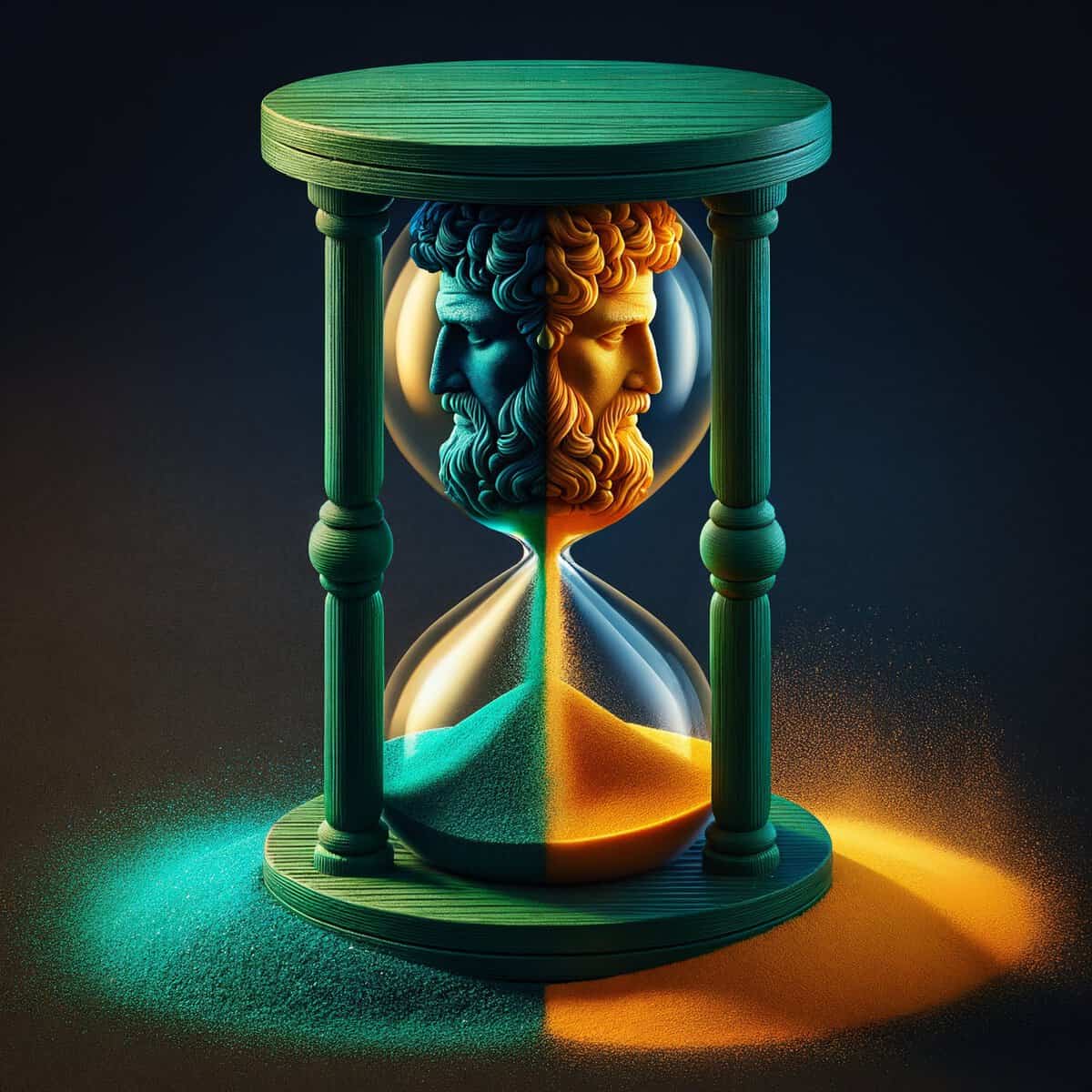
Every year, millions of people celebrate the arrival of January without realizing its ancient origin. The month’s name comes directly from Janus.
The Romans believed the beginning of the year was the perfect time to honor the god who watched over fresh starts and important transitions.
Think about everything people do in January. Many set goals, make resolutions, begin new projects, or look forward to positive changes.
Those traditions fit perfectly with Janus’s role as the guardian of new beginnings. Even today, his influence quietly remains part of the modern calendar.
3. He Was the God of Doorways and Gates
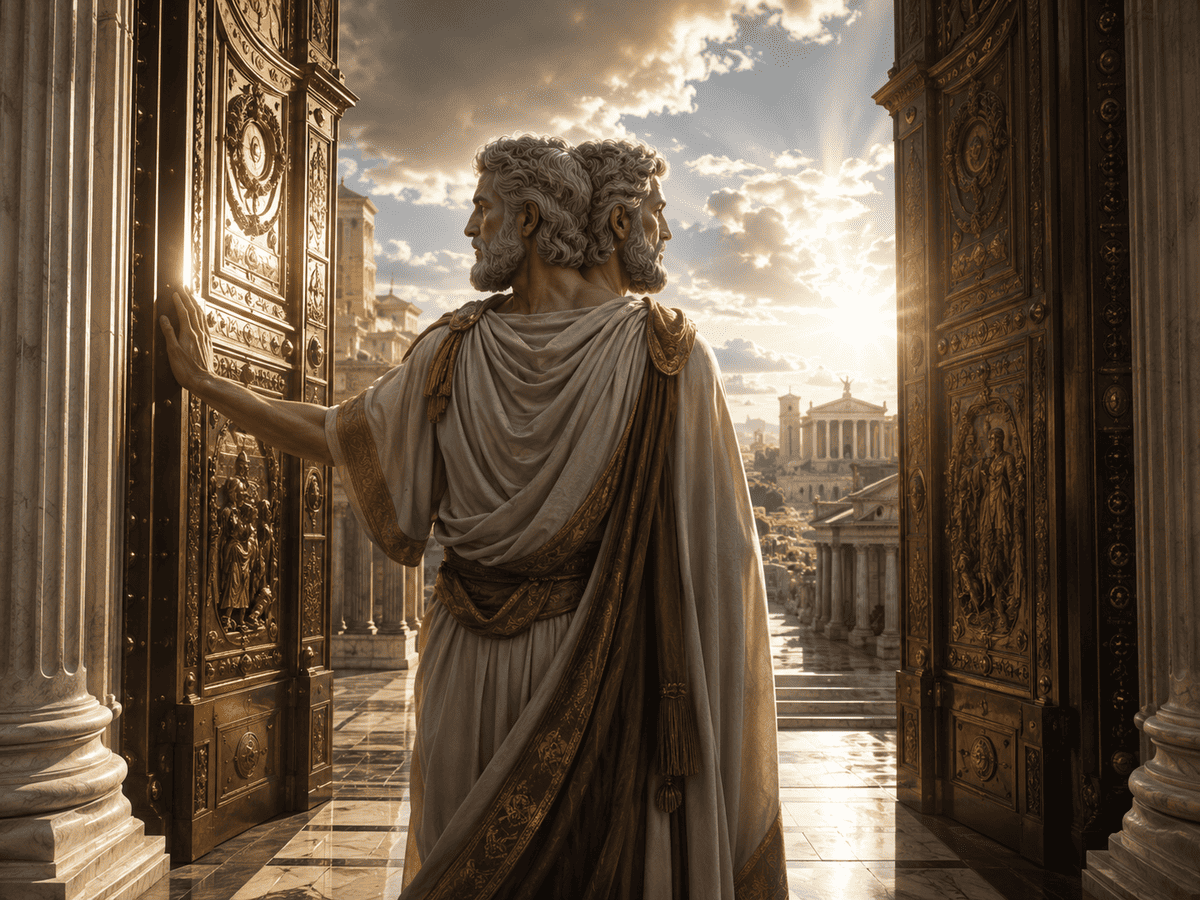
Janus ruled over more than just time. He was also associated with doors, gates, entrances, and passages.
The Romans viewed every doorway as a symbol of transition because it connected one place to another.
Imagine leaving your home each morning. Stepping through the front door represents moving from one part of life into another.
His connection to doorways also reflected larger life transitions, including journeys, marriages, and the beginning of important events.
4. Janus Was a Unique Roman God
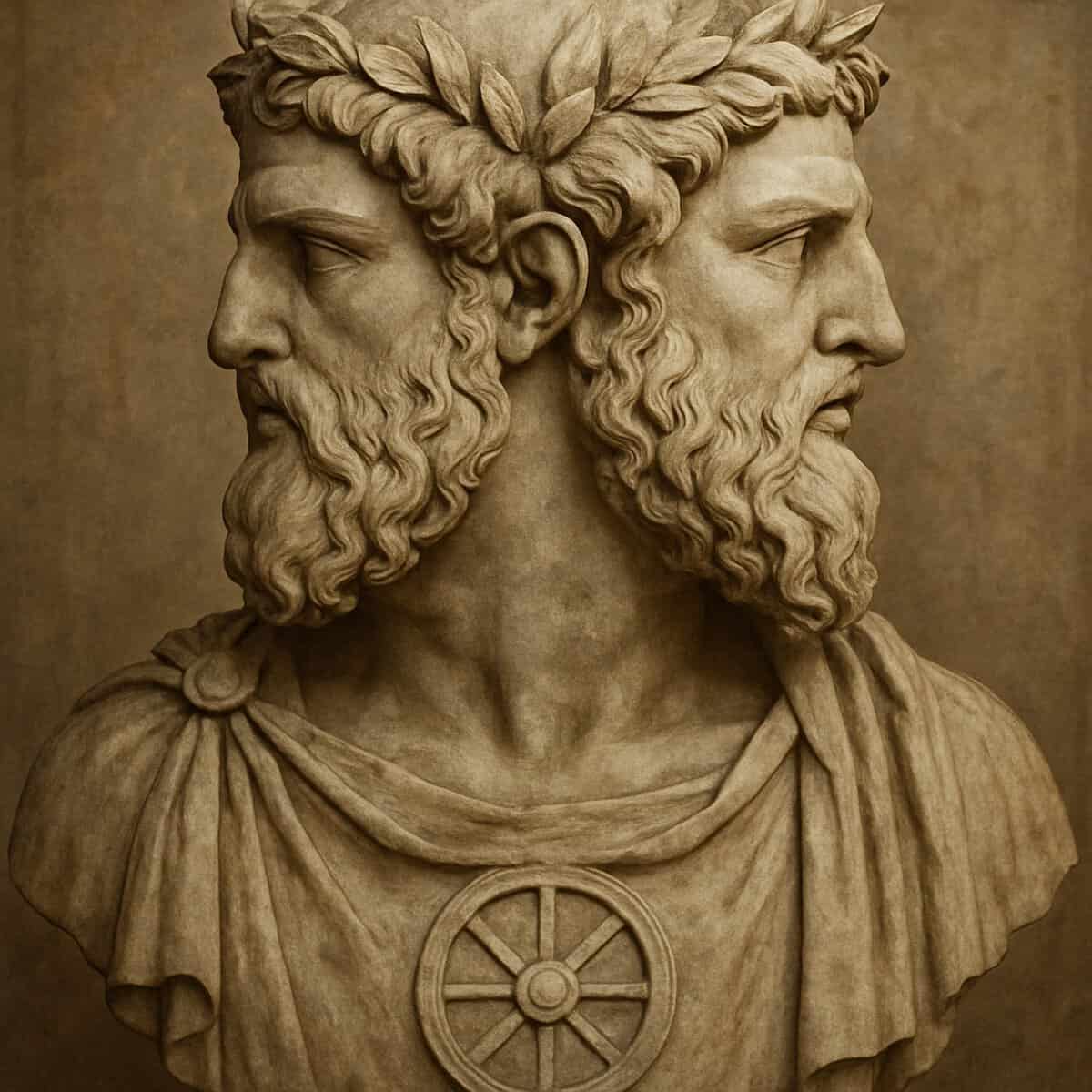
Many Roman gods were adapted from Greek mythology. Janus was different.
He had no direct Greek equivalent and was considered one of Rome’s original deities. This made him especially important within Roman religion.
While Jupiter resembled Zeus and Venus shared similarities with Aphrodite, Janus stood apart as a distinctly Roman figure.
His mythology reflected Roman values that emphasized order, tradition, and the importance of beginnings.
Because of this unique origin, Janus became one of the most recognizable symbols of ancient Rome itself.
5. Romans Honored Janus Before Other Gods
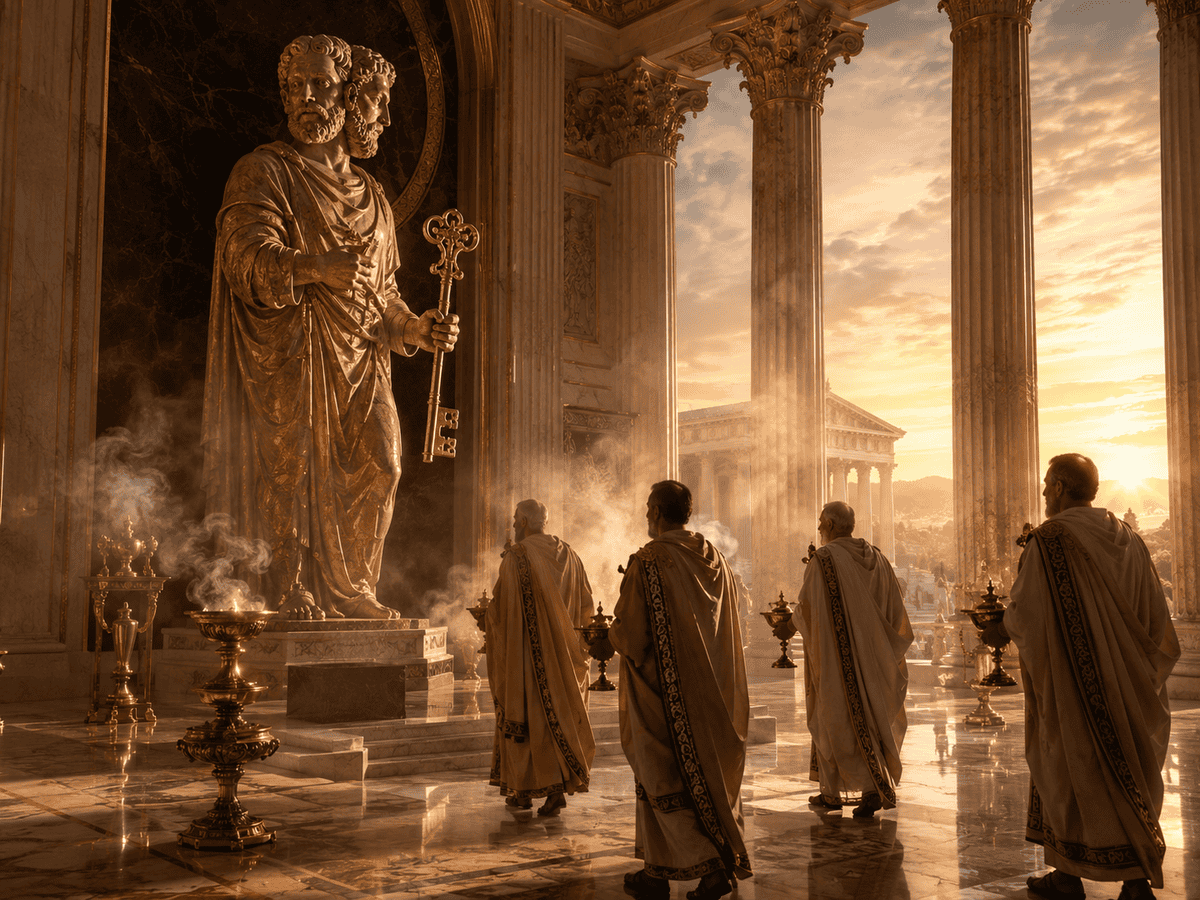
Whenever the Romans performed important religious ceremonies, they often honored Janus first.
Before asking other gods for help or blessings, prayers were commonly offered to him.
The reasoning was simple. Every important action begins somewhere, and Janus ruled all beginnings.
Starting an important journey without first opening the gate is impossible. That image helps explain why Janus always came first.
His role was to open the way for everything that followed, making him one of the most respected gods in Roman religious life.
6. The Gates of Janus Symbolized Peace and War
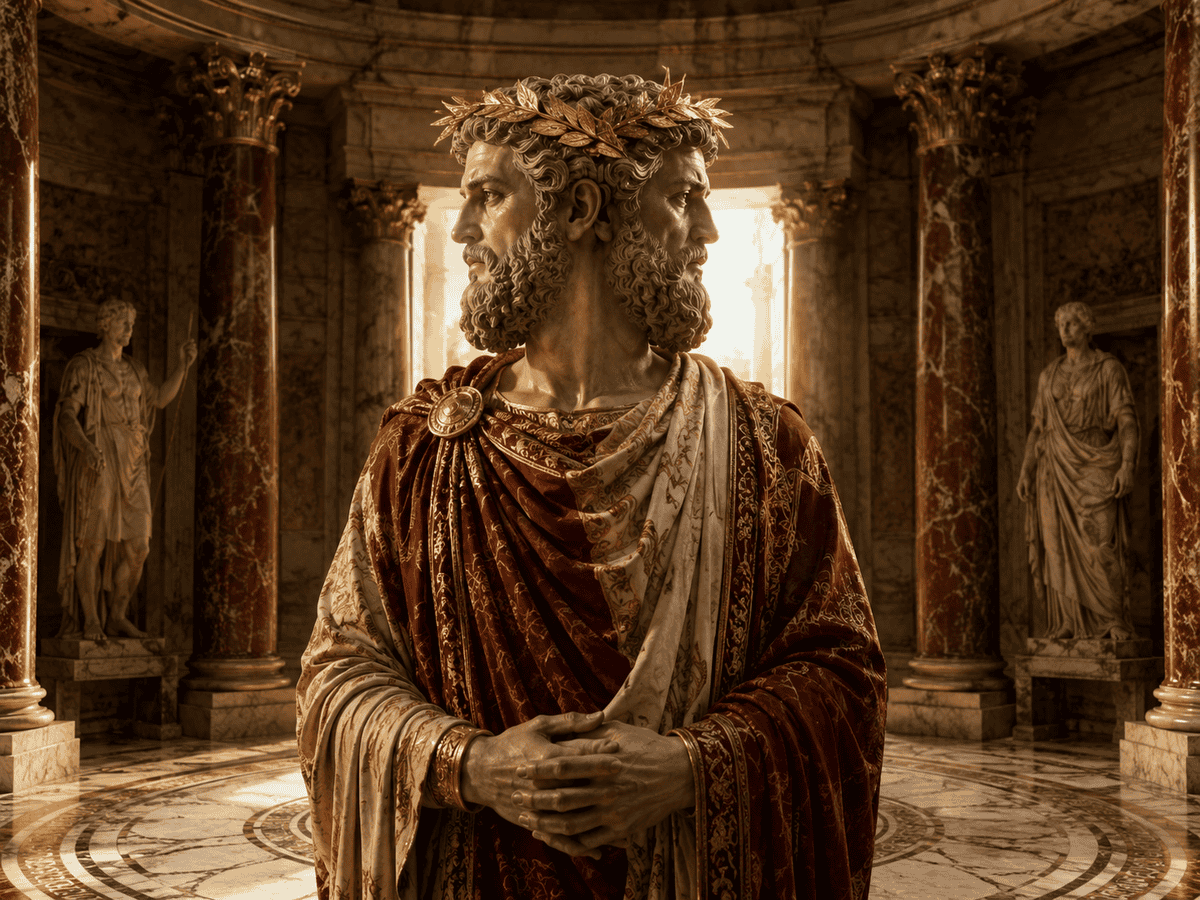
One of the most famous places connected to Janus was a special shrine in Rome that contained large ceremonial gates.
According to Roman tradition, these gates remained open when Rome was at war and were closed only during times of complete peace.
This made the shrine a powerful national symbol. Picture living in a vast empire where the closing of a pair of gates meant every major conflict had ended.
Because Rome spent much of its history at war, the gates were reportedly closed only on rare occasions. Their condition reflected the state of the entire empire.
7. Janus Was Associated With Time and Change
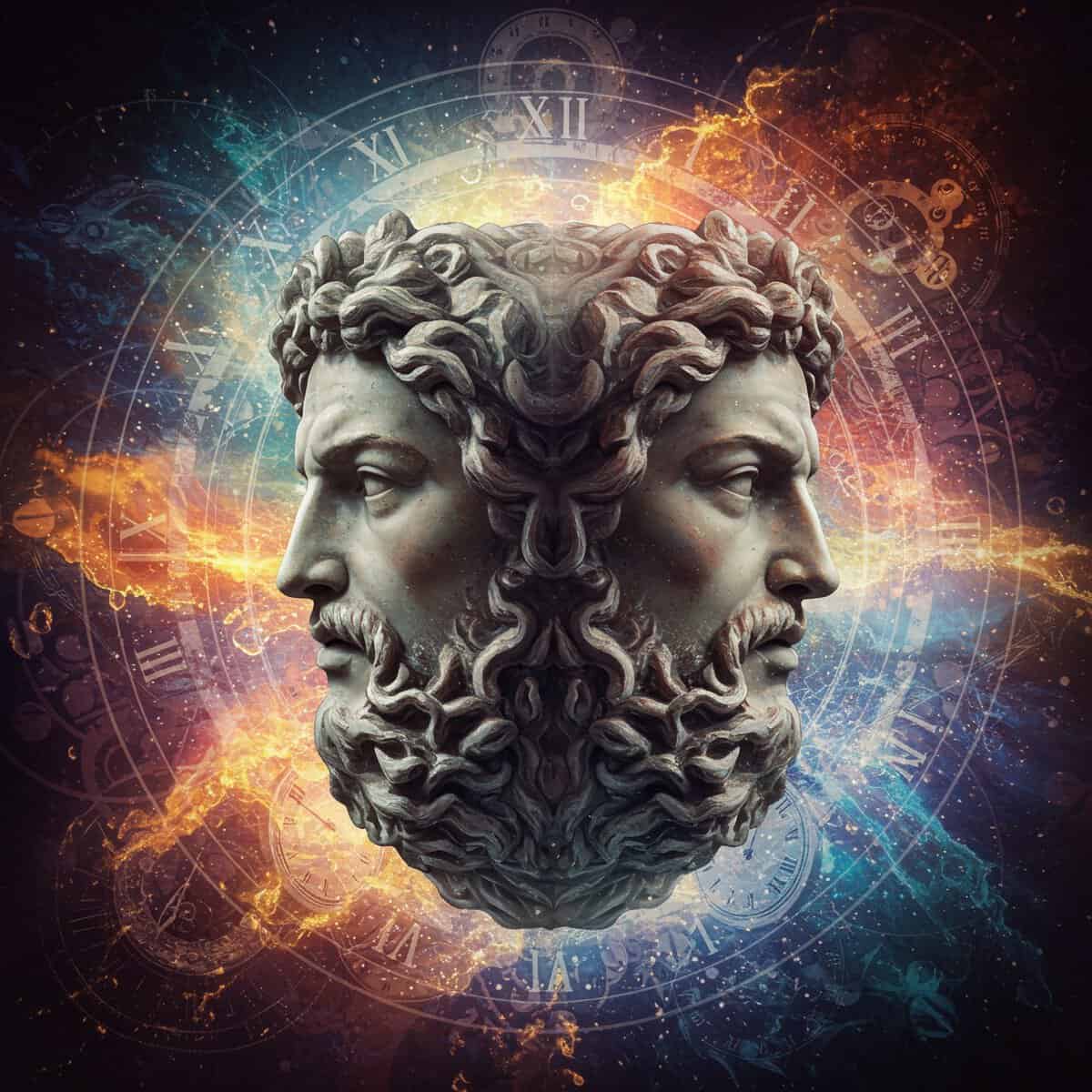
Janus represented far more than physical entrances. He symbolized every transition people experienced throughout life.
Birth, adulthood, marriage, retirement, and even the changing seasons all reflected his influence.
Think about how life is constantly changing. Every day becomes yesterday, and every tomorrow eventually becomes today.
Janus reminded the Romans that change was a natural part of existence. His symbolism remains surprisingly meaningful even in the modern world.
Rather than fearing new beginnings, they were encouraged to embrace them with confidence and hope.
8. Janus Was Often Shown Holding a Key
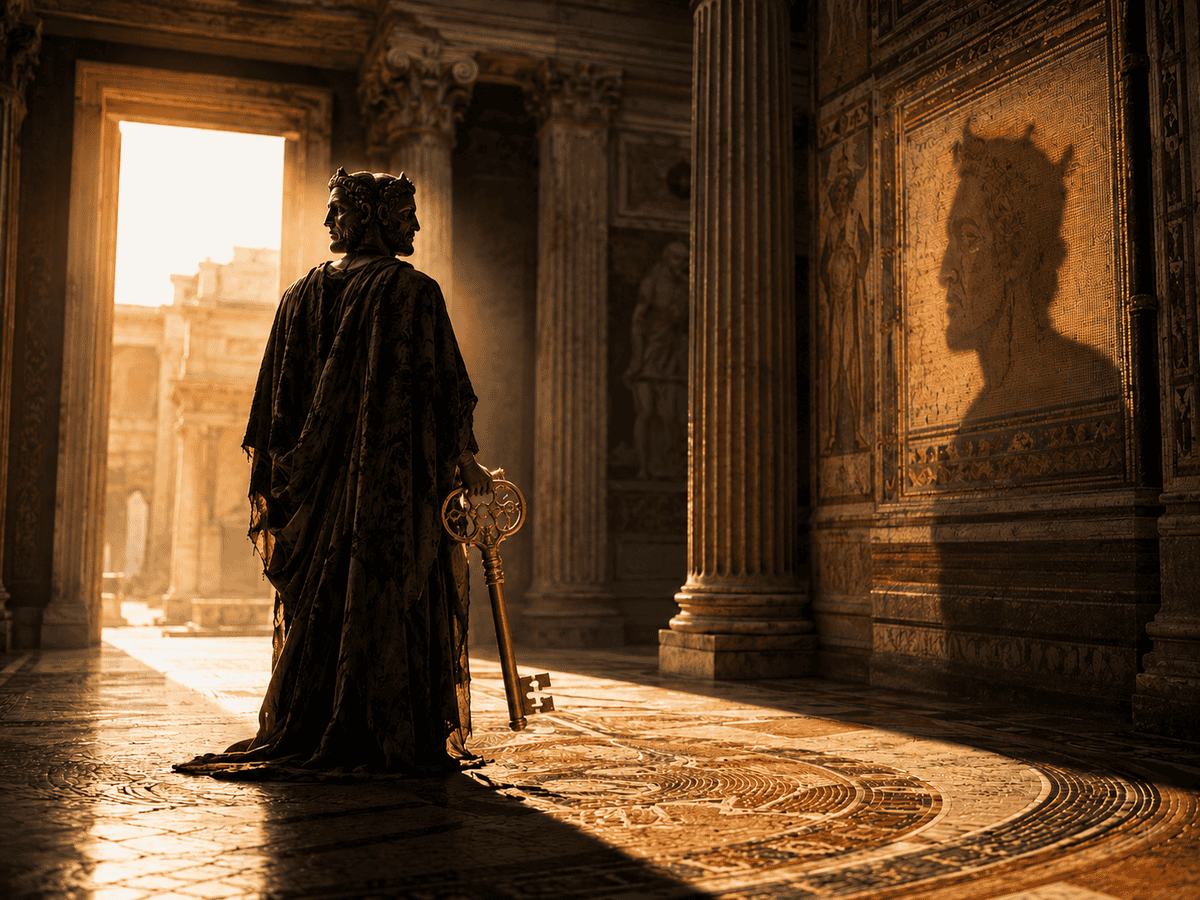
One of Janus’s most recognizable symbols was a key. In ancient Rome, keys represented much more than opening doors.
They symbolized access, opportunity, and the power to begin something new. This made the key a perfect object for the god of beginnings and transitions.
Opening the door with a key marked the start of a new journey, and the Romans believed Janus watched over that moment.
He was also sometimes shown carrying a staff alongside the key, symbolizing safe travel and guidance along new paths.
These symbols reminded people that every important opportunity begins with a single step through a doorway.
For the Romans, Janus did not simply guard physical entrances. He guarded the beginning of every new chapter in life.

I always felt a strong connection to the Divine since my birth. As an author and mentor, my mission is to help others find love, happiness, and inner strength in the darkest of times.