
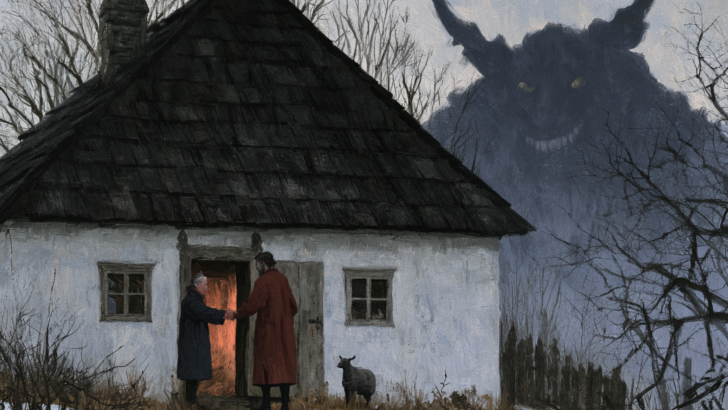
Slavic folklore is packed with rules that may make perfectly regular occurrences feel weirdly meaningful.
In Eastern, Central, and Southeastern Europe, generations have passed down warnings regarding thresholds, mirrors, midnight routines, presents, travel, and the home. The specific beliefs vary widely from country to country and family to family.
But many have an intriguing belief that ordinary actions can ruin good luck or welcome bad energy if they are done at the wrong time. These 10 superstitions can make you think twice about a few innocent practices.
1. Never Shake Hands Across A Doorway
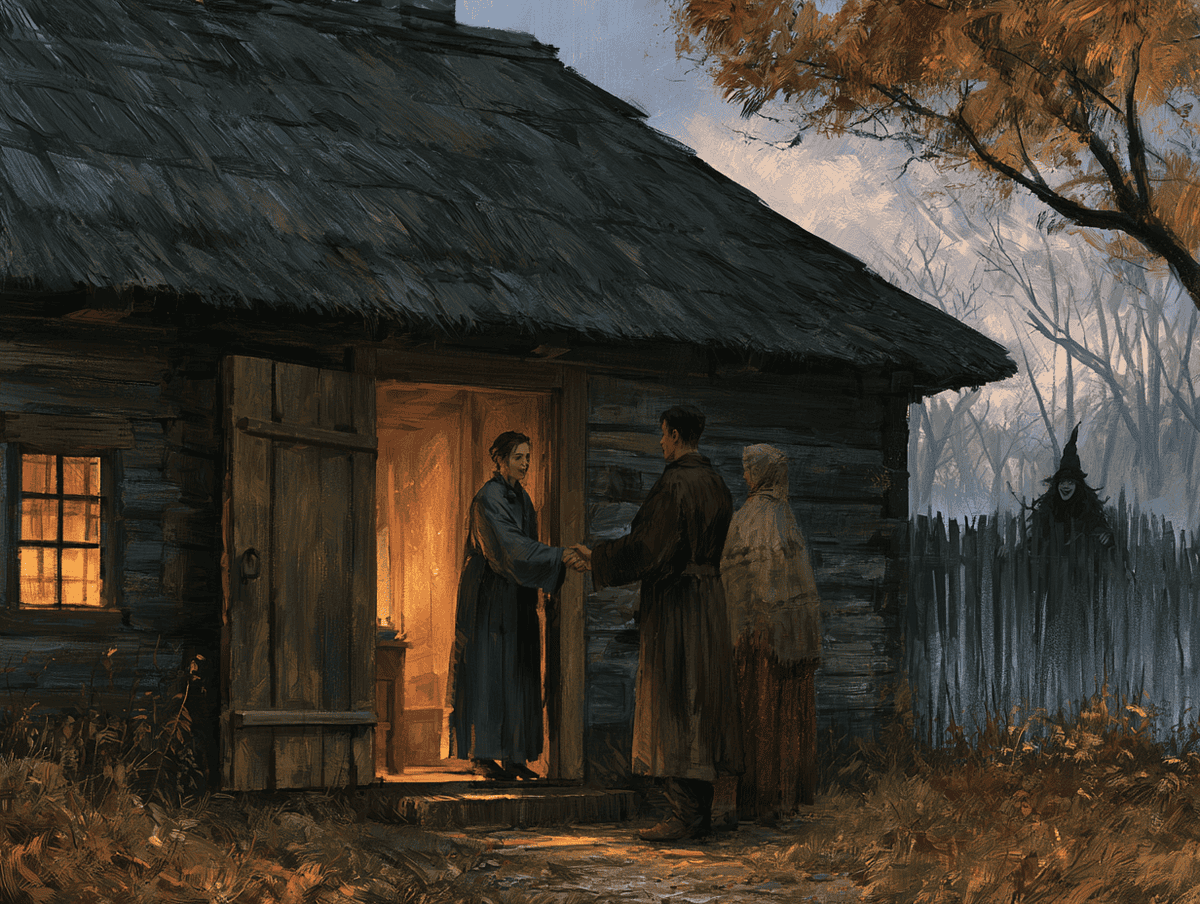
In many Slavic traditions, a doorway is not just an ordinary part of the house. It is the frontier of two spaces, and anything done right across it is symbolically dangerous.
So handshakes, hugs, or passing things across the barrier may be discouraged. Some versions say it can generate fights or hurt a relationship. The safest tradition is simple: one person goes all the way inside or outside first.
Even people who do not truly believe the superstition may instinctively follow it because they heard it from their older relatives.
2. Don’t Return Home After You’ve Already Left
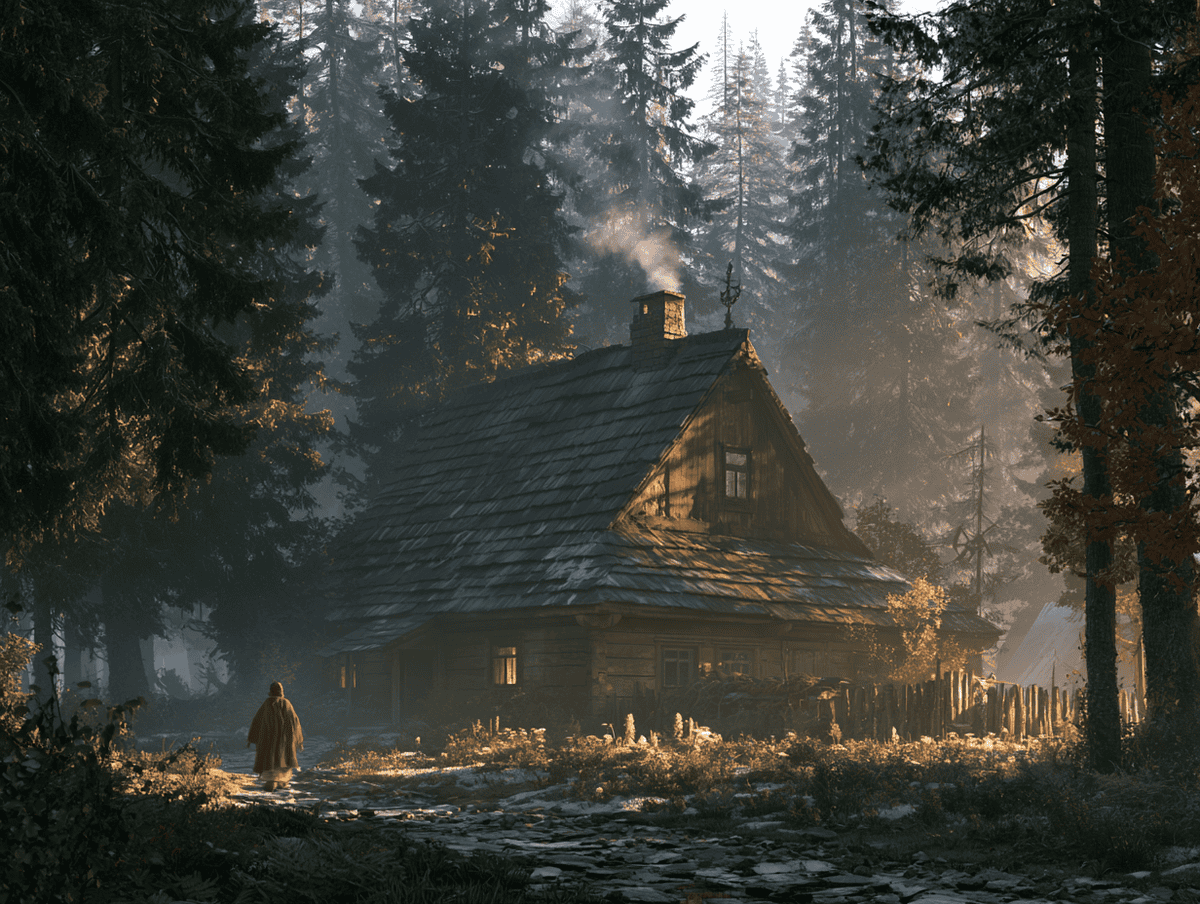
You leave home, walk halfway down the street, and then realize you forgot your wallet.
In some regions of the Slavic world, there is a superstition that if you return after you have started a journey, you will have bad luck, because you have broken the direction of your leaving.
Some customs have a cure: if you have to go back, glance in a mirror before you set off again. The reflection is used to reset or preserve the voyage.
3. Never Whistle Inside The House
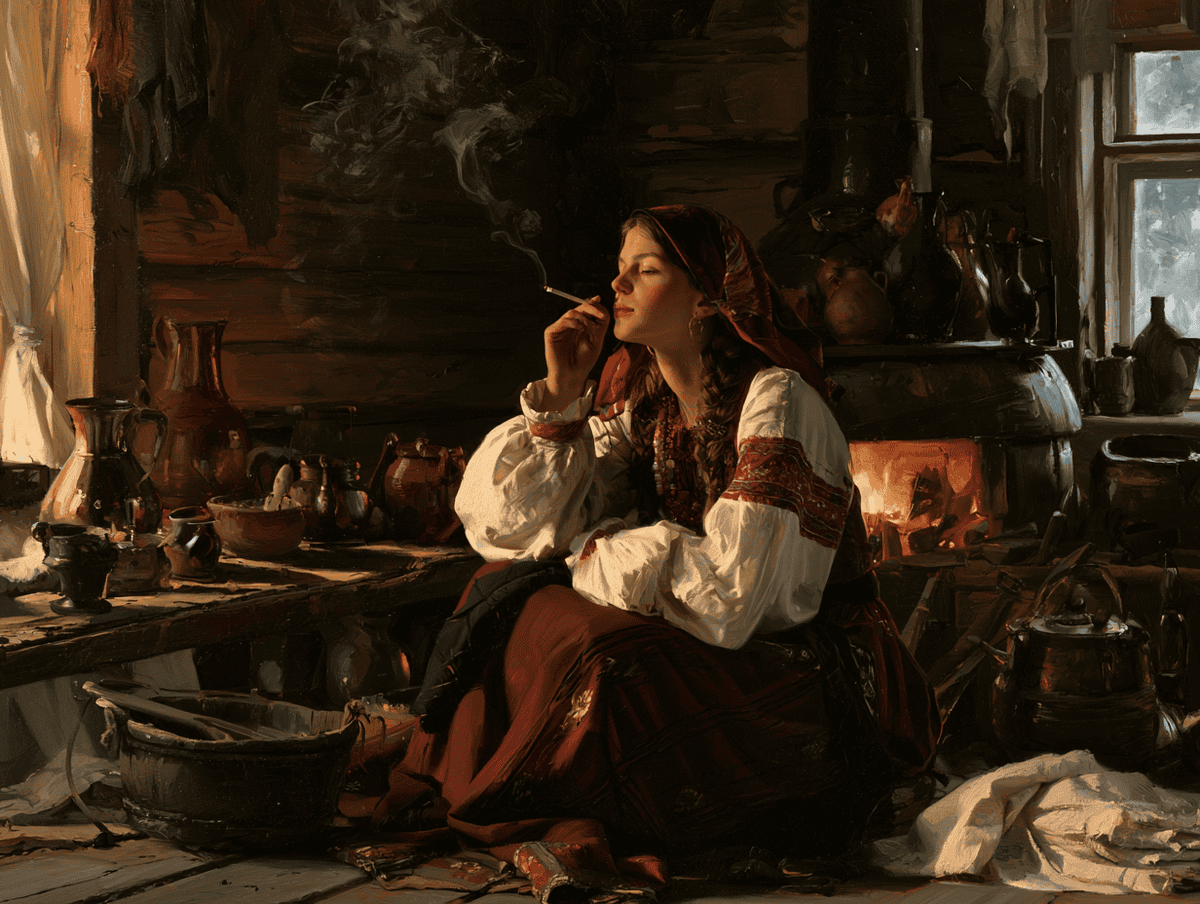
In various Slavic cultures, whistling inside is discouraged, notably for fear of loss of money or financial trouble.
In certain cases, you are basically “whistling your money away.” Other interpretations associate indoor whistling with drawing unwanted spirits or damaging the protective aura of the home.
While the notion differs by place, the financial warning is particularly prevalent.
4. Don’t Sit At The Corner Of A Table
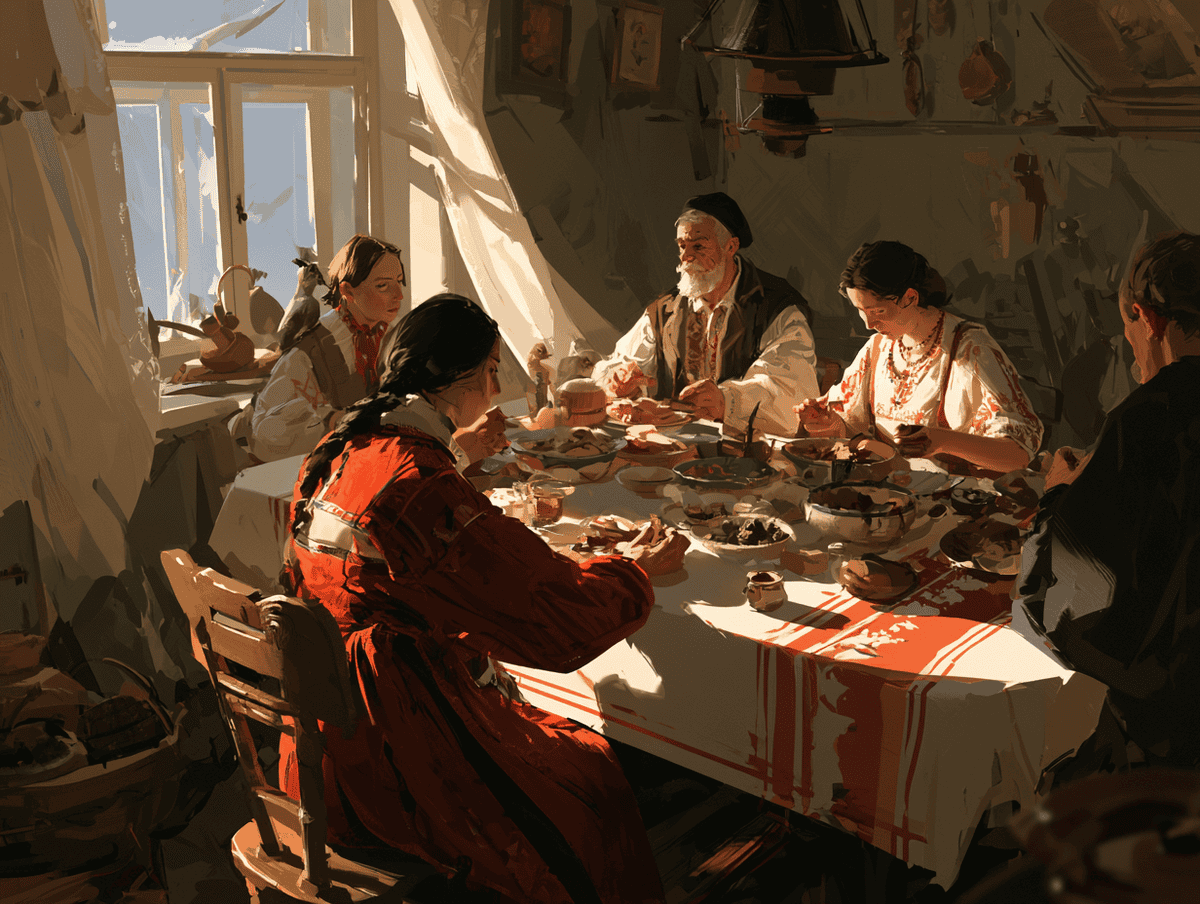
Your dining seat selection could allegedly affect your love life. Another popular superstition in several Slavic cultures is not to seat single persons exactly at the corner of the table.
Depending on the version, they may not be allowed to marry for seven years or have trouble finding a spouse.
The roots are not totally apparent, but table location has always been associated with social importance; hence, this concept is particularly noteworthy.
5. Never Give An Even Number Of Flowers
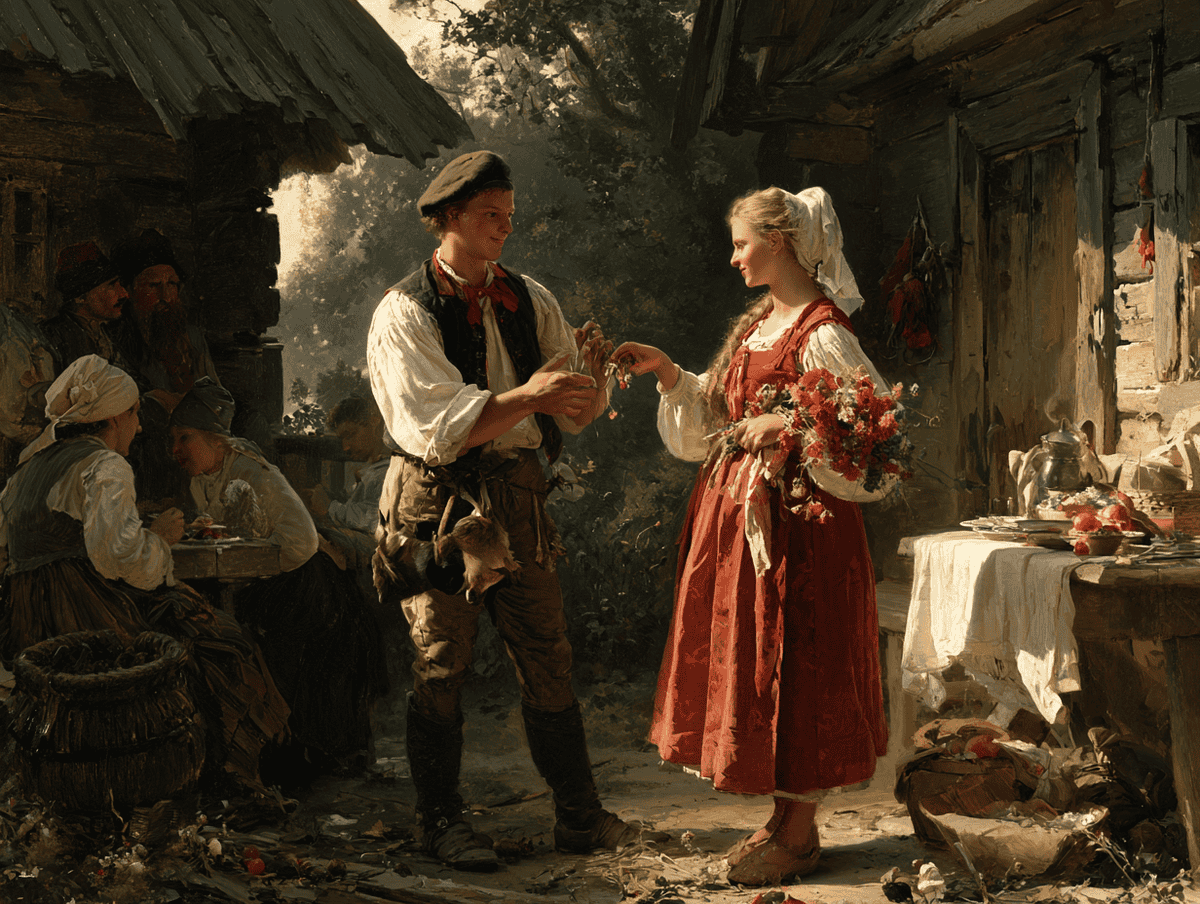
In many Slavic countries, it’s important to count the flowers while you’re buying them. The tradition is that for any celebration, date, birthday, or other pleasant occasion, an odd number of flowers should be included in the bouquet.
In some Slavic cultures, even numbers are intimately linked to funerals and graves. So giving someone a beautiful bouquet featuring an even number can therefore produce an unexpectedly awkward moment.
6. Don’t Take The Trash Out At Night
Some Slavic folk superstitions say not to take garbage out of the house after dark. It is not really clear why.
One explanation is that if you throw something out at night, you can mistakenly throw out the prosperity or luck the home has. Other readings associate nighttime with spirits and the fragility of the family after dark.
There were presumably also practical reasons to avoid venturing outside at night in the past.
7. Never Sweep Over Someone’s Feet
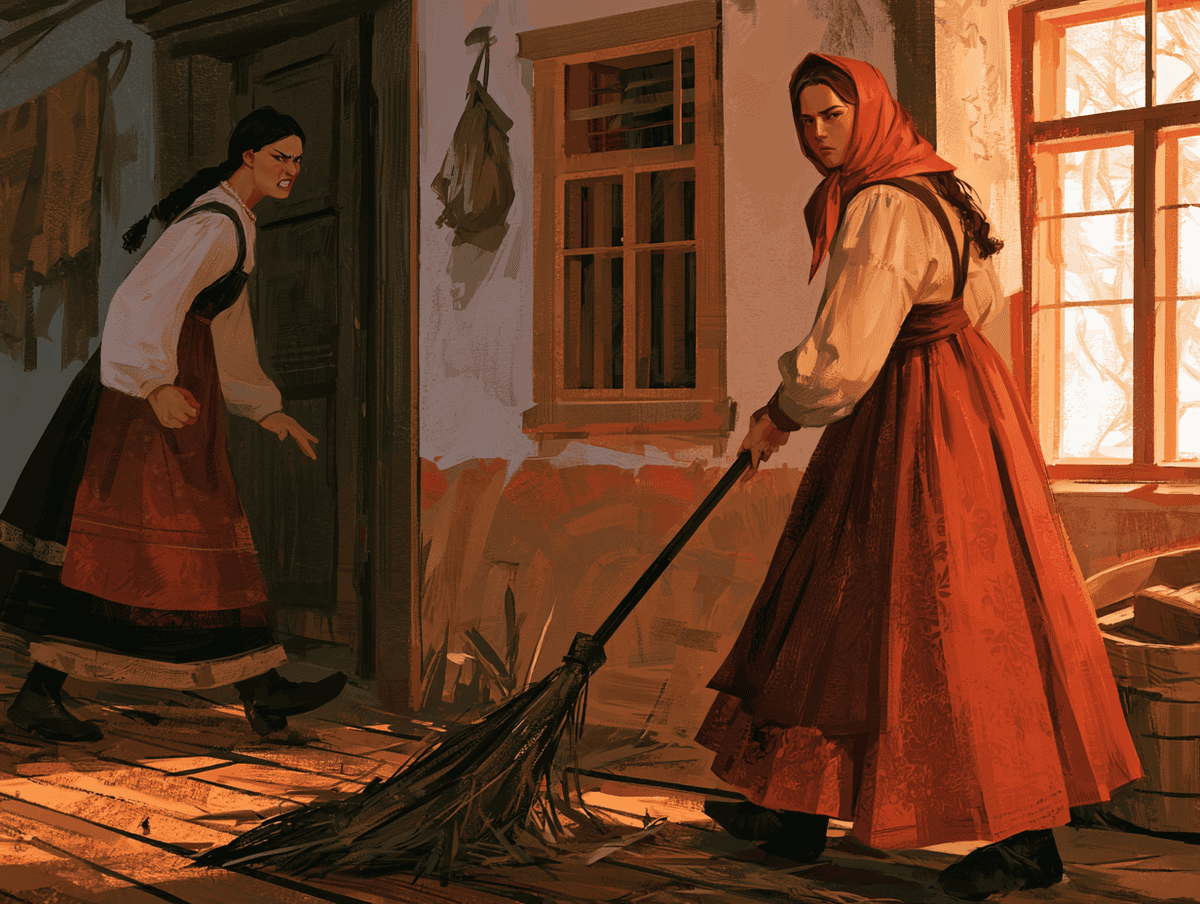
If someone is sweeping the floor, staying out of the broom’s way might safeguard more than just your socks.
Certain Slavic beliefs say that if a broom sweeps over the feet of a single individual, they may never marry or have poor luck in love.
Brooms have very symbolic significance in European folk tales, as they are associated with cleaning, boundaries, and removal of undesirable influences.
8. Don’t Celebrate Your Birthday Too Early
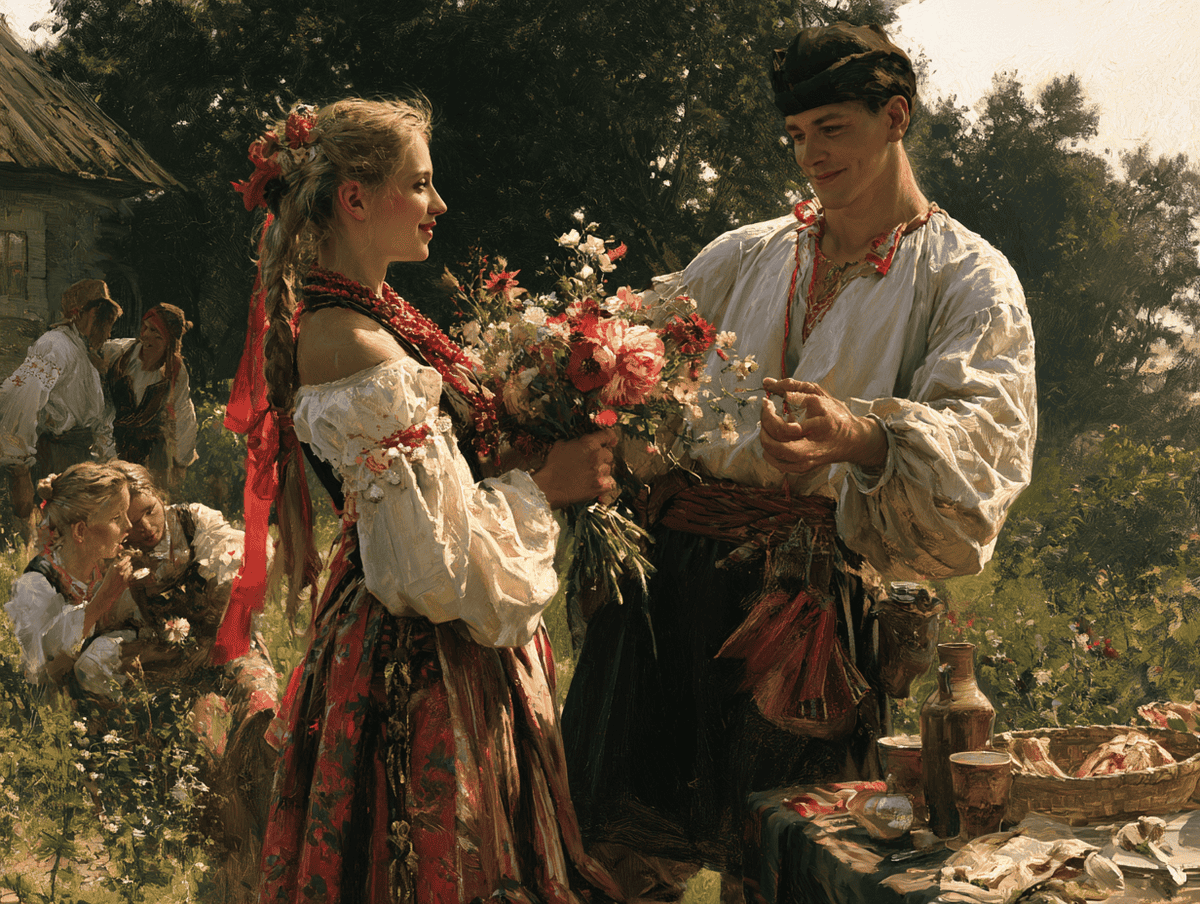
In some Slavic traditions, it is considered bad luck to celebrate a birthday before its true date. You don’t say congrats or have the party early, since it’s like you are presuming they are going to arrive safely on a day that has not yet come.
Similar birthday superstitions exist beyond Slavic cultures, too, but the warning remains familiar in sections of the region.
It can sound extremely dismal by modern birthday standards, but it reflects an ancient perspective about fate: don’t claim tomorrow’s bliss before tomorrow has actually been granted to you.
9. Never Leave An Empty Bottle On The Table
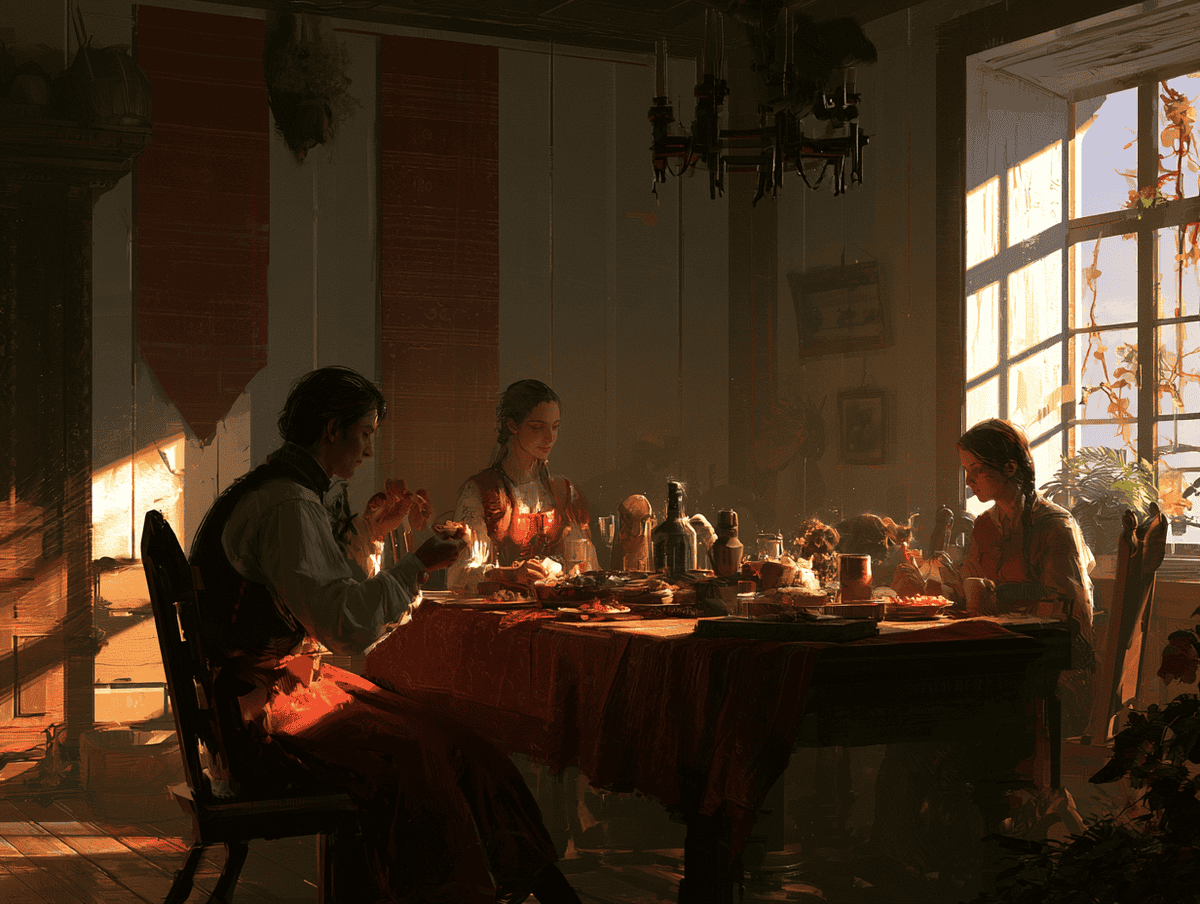
At a dinner or party, when a bottle is emptied, some individuals take it away from the table to the floor or somewhere else. An empty bottle on the table, legend says, brings poverty, bad luck, or an empty house.
There are many stories concerning the origins of the tradition, like historical military accounts; however, those are not always solid answers. Whichever the genesis of the practice, it is still recognizable in parts of Eastern Europe.
The premise is easy to understand symbolically: empty shouldn’t take a space associated with food, abundance, guests, and prosperity. Dump it before it spreads.
10. Don’t Say Goodbye Across The Threshold
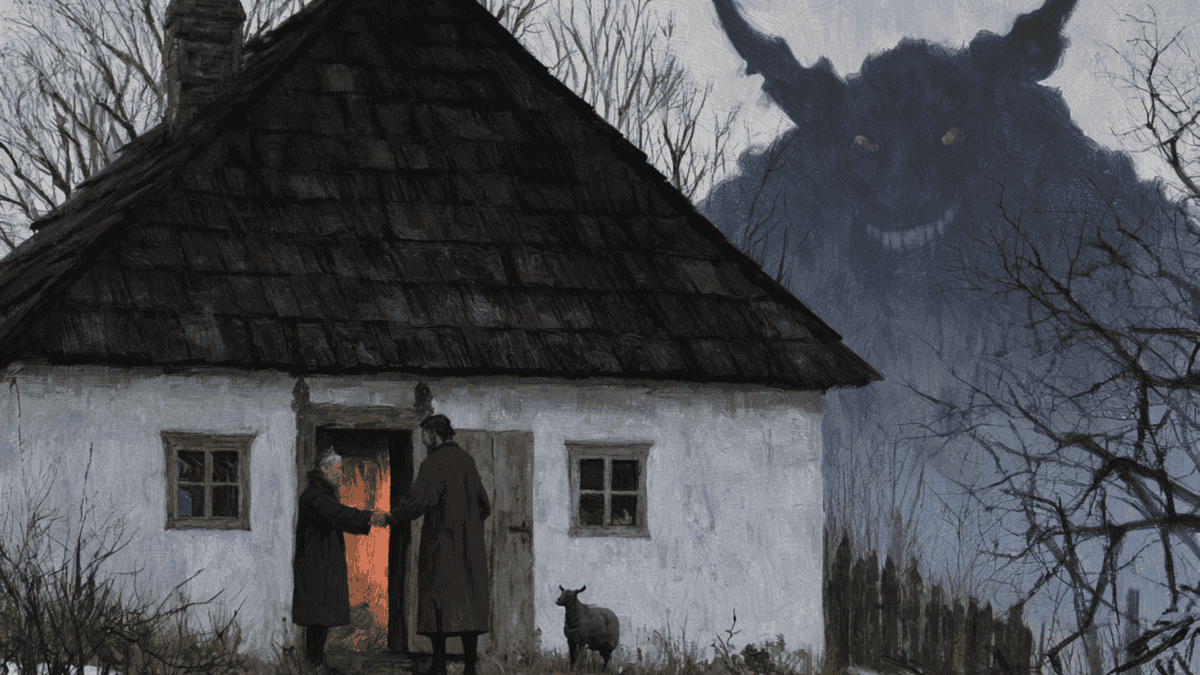
There is another caution at the door: traditionally, thresholds are loaded with strong symbolism in Slavic mythology.
In certain traditions, it is considered unfortunate to have a long goodbye or a kiss or hug while the two persons are on opposite sides of the threshold.
It may purportedly cause separation or conflict or prevent the person from returning. Rather, the two persons need to be on the same side before they can truly say farewell.

Born and raised in Bosnia and Herzegovina. Ever since I was a little girl, my imagination knew no bounds. I remember vividly how I’d scribble down short stories, each page bursting with adventures and characters conjured up from the whimsy of my mind. These stories weren’t just for me; they were my way of connecting with my friends, offering them a slice of my fantasy world during our playtimes. The joy and excitement on their faces as we dived into my fictional realms motivated me to keep writing. This early passion for storytelling naturally evolved into my pursuit of writing, turning a childhood hobby into a fulfilling career.