
Long before electric lights became common, people depended on flames to illuminate their homes, churches, and gathering places.
But candles were not always seen as ordinary objects. Candles have always had a mysterious reputation.
In European folklore and magical traditions, the behavior of a flame could carry a hidden message.
A candle that flickered unexpectedly might be interpreted as a warning.
A flame that burned unusually high could suggest powerful energy, while a candle that suddenly went out might make people wonder whether something unseen was nearby.
Some people even believed candles could reveal secrets about love, luck, and the future.
These interpretations were part of a broader practice known as candle divination, sometimes called ceromancy when it involved reading melted wax.
Here are eight traditional and modern folk beliefs about what it means when a candle burns strangely.
1. A Flickering Flame Means Someone Is Trying to Get Your Attention
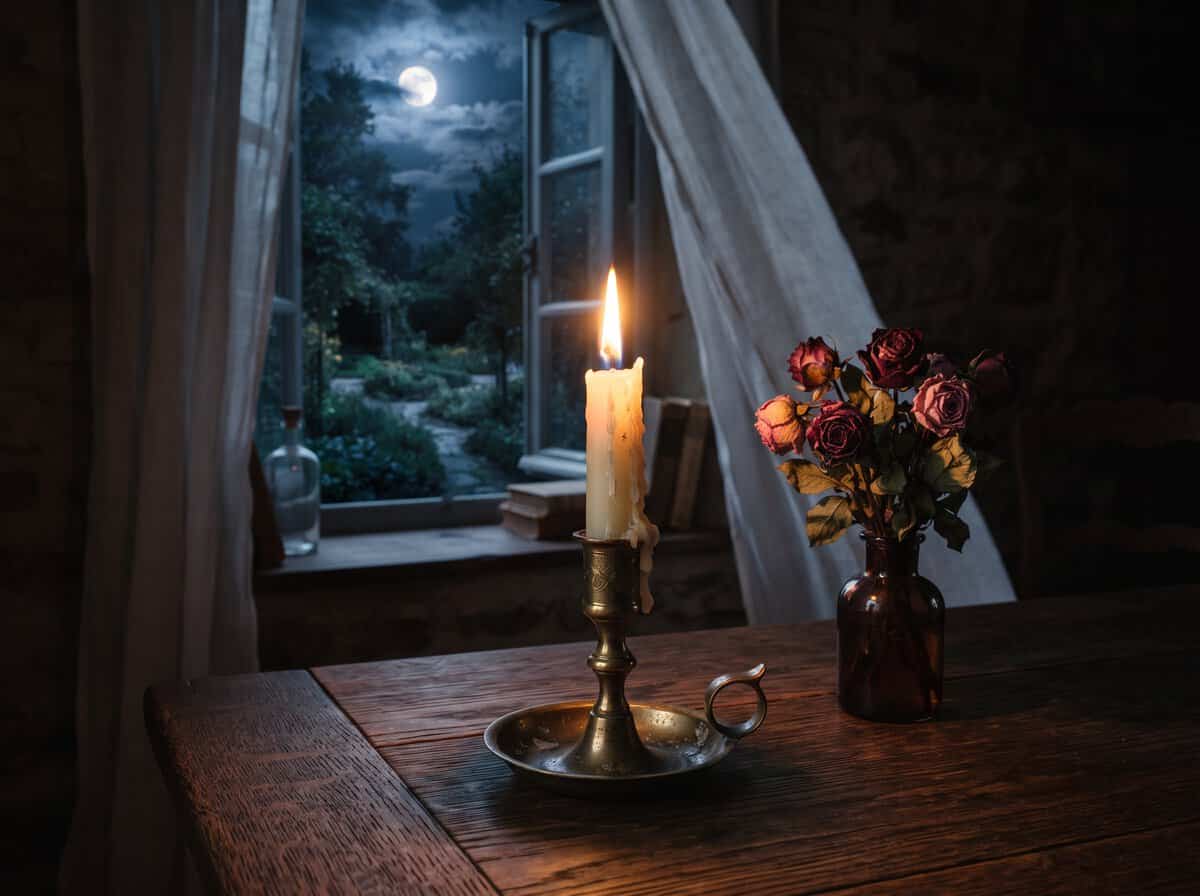
A candle flame that begins flickering without an obvious reason has long inspired supernatural interpretations.
In some European folk beliefs, unusual movements of a flame were associated with invisible presences.
People sometimes believed a spirit had entered the room or was attempting to communicate.
A flickering flame could be understood as a sign that something important deserved attention.
The meaning was not always frightening. Some people interpreted the movement as a comforting reminder of a departed loved one.
Others believed it represented a warning to become more aware of their surroundings.
In modern candle divination, a flickering flame is sometimes associated with uncertainty or changing emotional energy.
Perhaps a situation is developing in an unexpected direction. Maybe someone is feeling conflicted.
Or perhaps the person observing the candle is being encouraged to reconsider an important decision.
The symbolism is interesting because a flickering flame is constantly moving.
It never remains in one position for long. That makes it a natural image for change.
In practical terms, even a slight draft can cause a flame to flicker.
But in folklore, that little movement was sometimes enough to make an ordinary evening feel mysterious.
2. A Very Tall Flame Predicts Powerful Energy or Success
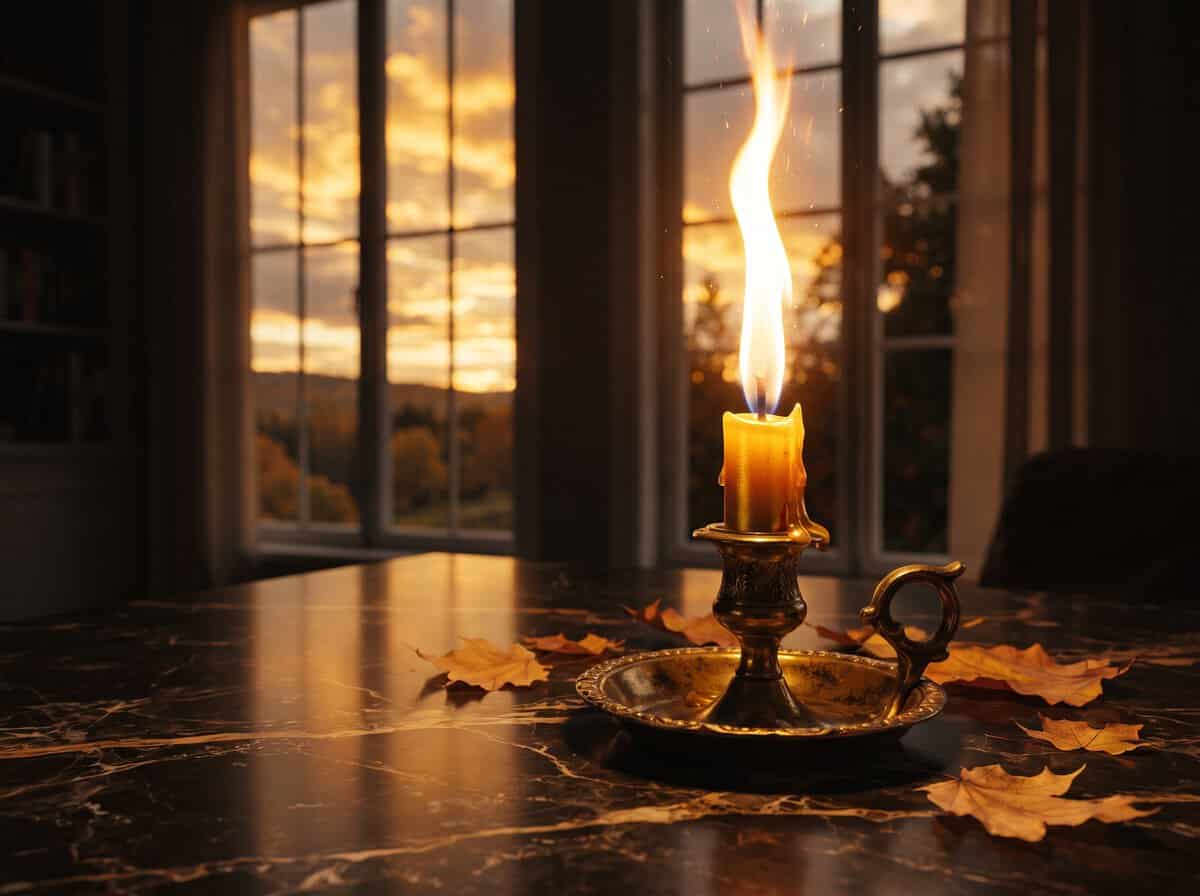
A candle that suddenly burns with an unusually tall flame can look impressive.
In modern candle-reading traditions, a high flame is often interpreted as a sign of strong energy.
Some practitioners believe it suggests that a wish or intention has gathered momentum.
Others associate it with confidence, determination, and the possibility of success.
The symbolism is easy to understand. A tall flame appears powerful.
It rises above the candle and seems to reach toward something beyond itself.
In older fire-divination traditions, the strength and movement of flames could also be interpreted as omens.
A high flame was not universally considered lucky. Context mattered.
In some interpretations, an unusually intense fire could also suggest excess, impatience, or emotions becoming difficult to control.
That gives the symbol an interesting double meaning. Power can help someone move forward.
But too much intensity can become overwhelming. It reminds us that enthusiasm is most useful when paired with good judgment.
3. A Weak Flame Suggests Delays or Obstacles
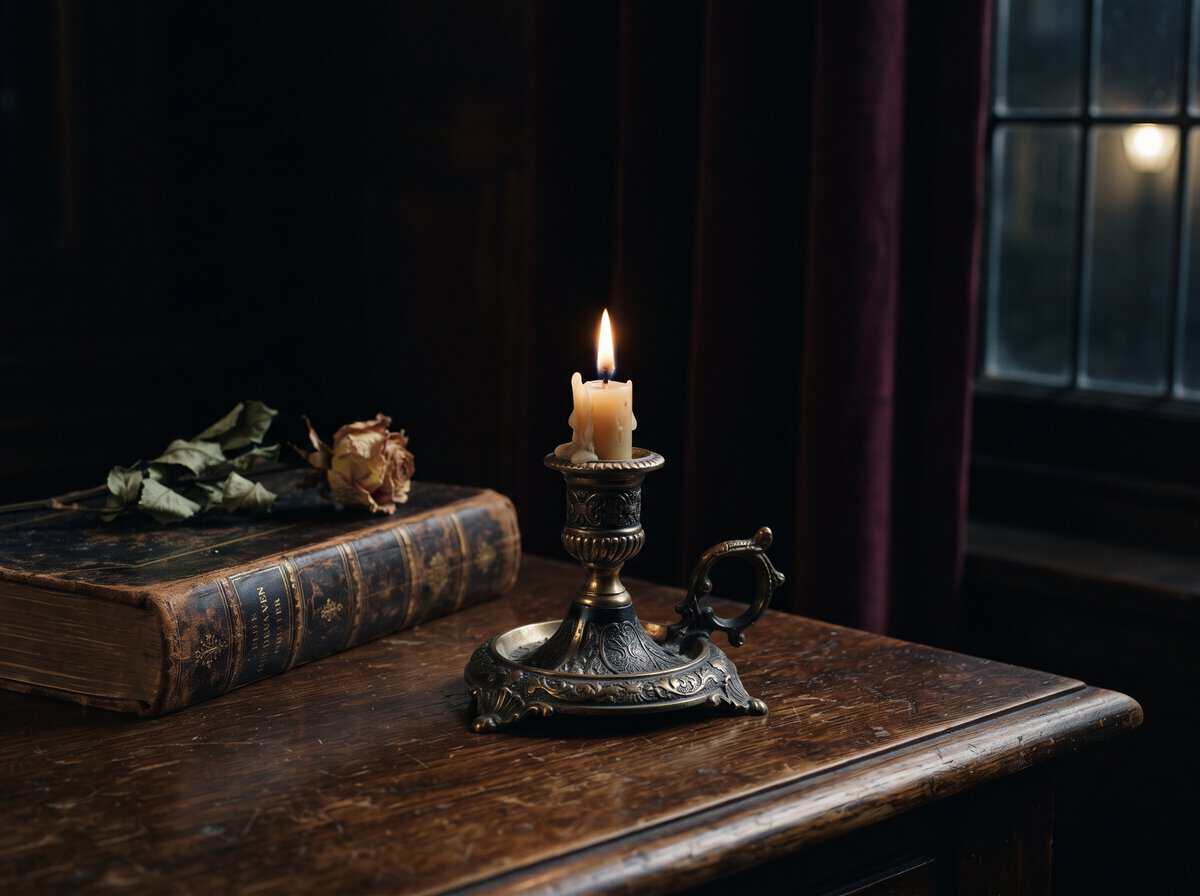
Not every candle burns with a bright, steady flame. Sometimes the light appears unusually small or weak.
In modern candle magic, this is often interpreted as a sign that something is moving slowly.
Perhaps an intention needs more time. Maybe a situation contains obstacles that have not yet been resolved.
Or perhaps the person performing a ritual is uncertain about what they truly want.
The belief reflects a familiar connection between fire and personal energy.
A strong flame symbolizes movement and determination. A weak flame suggests hesitation or difficulty.
But this interpretation does not necessarily mean failure. Some practitioners see a small flame as a reminder to be patient.
After all, not every meaningful change happens quickly. A relationship may need time to develop.
A personal goal might require additional preparation. And an important decision may deserve careful thought.
The physical reasons for a weak flame can include wick problems, insufficient oxygen, or unsuitable wax conditions.
Still, as a symbol, the small flame offers a gentle lesson. Slow progress is not always the same as no progress.
4. A Candle That Suddenly Goes Out Warns of an Unexpected Change
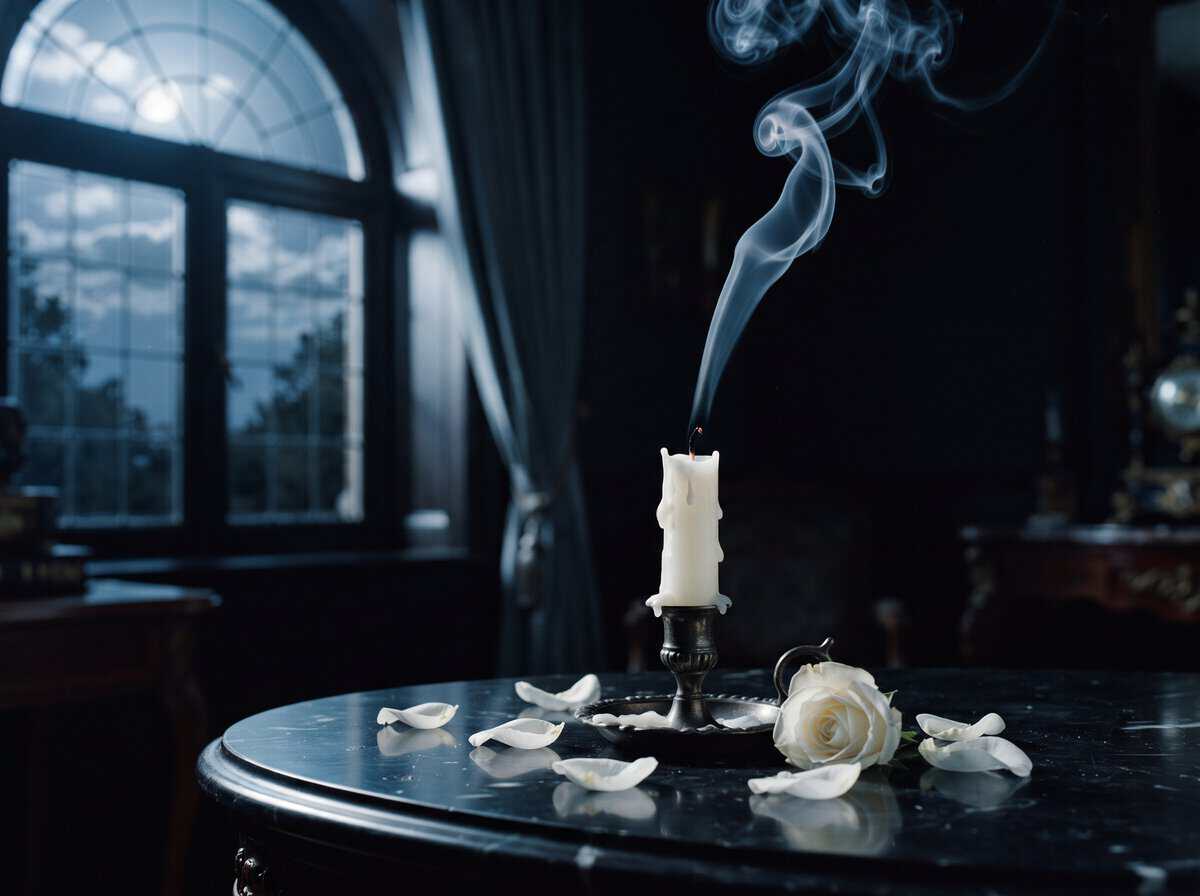
Few candle behaviors have inspired as much superstition as a flame that suddenly disappears.
In some traditional beliefs, an unexpected extinguishing was interpreted as an omen.
People sometimes associated it with a warning, an interruption, or the presence of an unseen force.
In later magical traditions, the meaning became more varied.
A candle going out during a ritual might suggest that an intention needed to be reconsidered.
Some practitioners interpreted it as a sign that the timing was not right.
Others believed it represented an ending that would make room for something new.
The symbolism comes from the sudden change. One moment, the room is illuminated.
The next, the light is gone. That dramatic contrast can naturally inspire thoughts about uncertainty.
But an extinguished candle does not have to represent something frightening.
It can also symbolize closure. Perhaps an old chapter has reached its natural conclusion.
Maybe a person is ready to release an expectation that no longer serves them.
The old belief shows how strongly people connected fire with the unpredictable nature of life.
5. A Candle That Drips Excessively Reveals Hidden Emotions
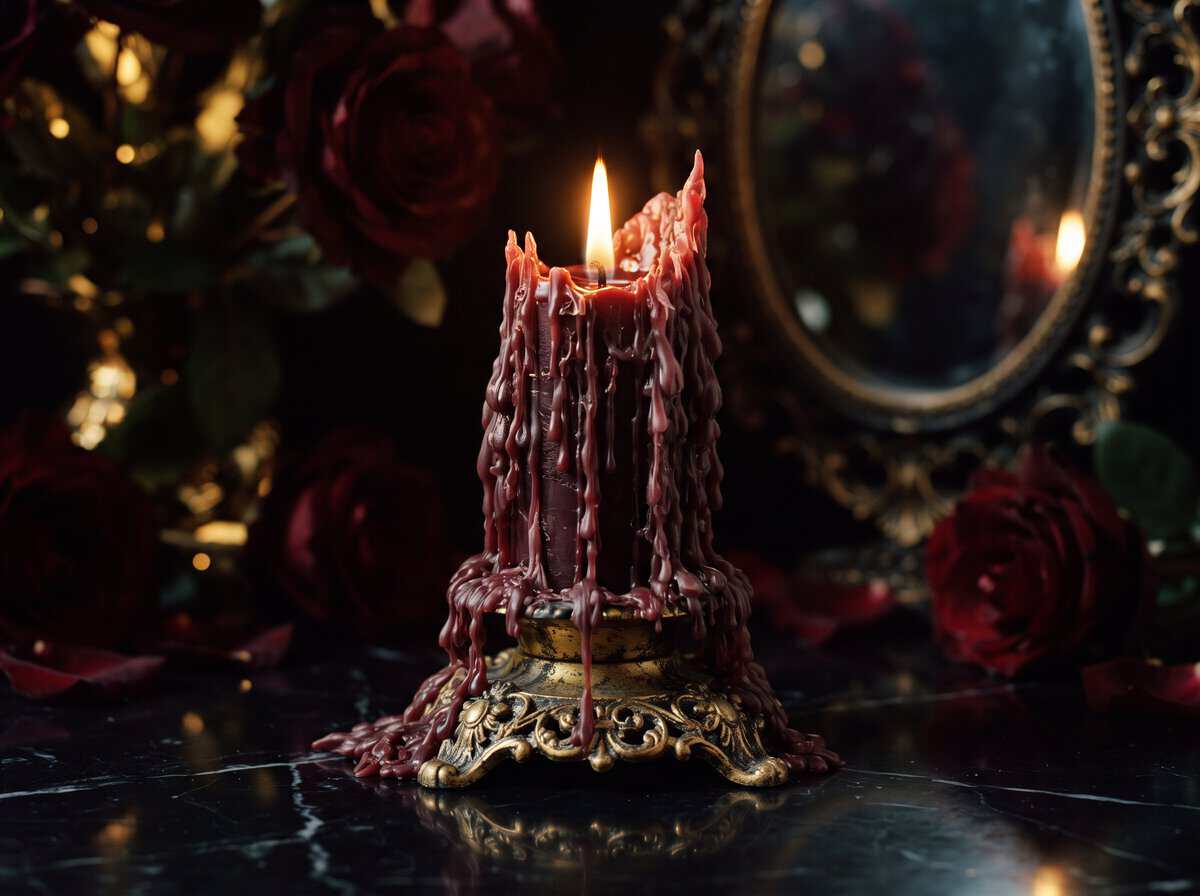
Melted candle wax has been used in divination traditions for centuries.
In different parts of Europe, people poured melted wax into water and interpreted the shapes it formed.
These practices were sometimes connected with seasonal celebrations and attempts to predict future events.
Modern candle-reading traditions also interpret wax that runs down the side of a candle.
Excessive dripping is sometimes described as candle tears.
Some practitioners associate these drops with sadness, emotional release, or unresolved feelings.
Others believe the direction and shape of the wax can reveal something about a situation.
For example, a long trail of wax might be interpreted as a sign that emotions have been building for some time.
That transformation resembles the way emotions can move from being hidden to being expressed.
The image of wax flowing down a candle remains one of the most recognizable symbols in candle divination.
6. A Crackling Candle Means News or Conversation Is Coming
A candle that makes unexpected popping or crackling sounds can create a surprisingly mysterious atmosphere.
In some modern candle-reading traditions, these sounds are associated with communication.
A crackling flame might be interpreted as a sign that news is approaching.
Other interpretations suggest someone is talking about the person observing the candle.
The belief resembles older superstitions involving unexplained household sounds.
A sudden noise could be treated as a sign that something was happening beyond ordinary awareness.
In candle magic, the exact interpretation often depends on the surrounding ritual.
A person focusing on friendship might associate the sound with an upcoming conversation.
Someone thinking about an important decision might interpret it as a reminder to pay attention to new information.
There is also a playful side to this belief. Imagine sitting in a quiet room, wondering whether someone will contact you.
Then the candle makes a tiny popping sound. It is easy to understand why people might connect the two events.
As a symbolic tradition, it reflects humanity’s long-standing fascination with messages and omens.
7. A Flame That Leans in One Direction Reveals Where Energy Is Moving
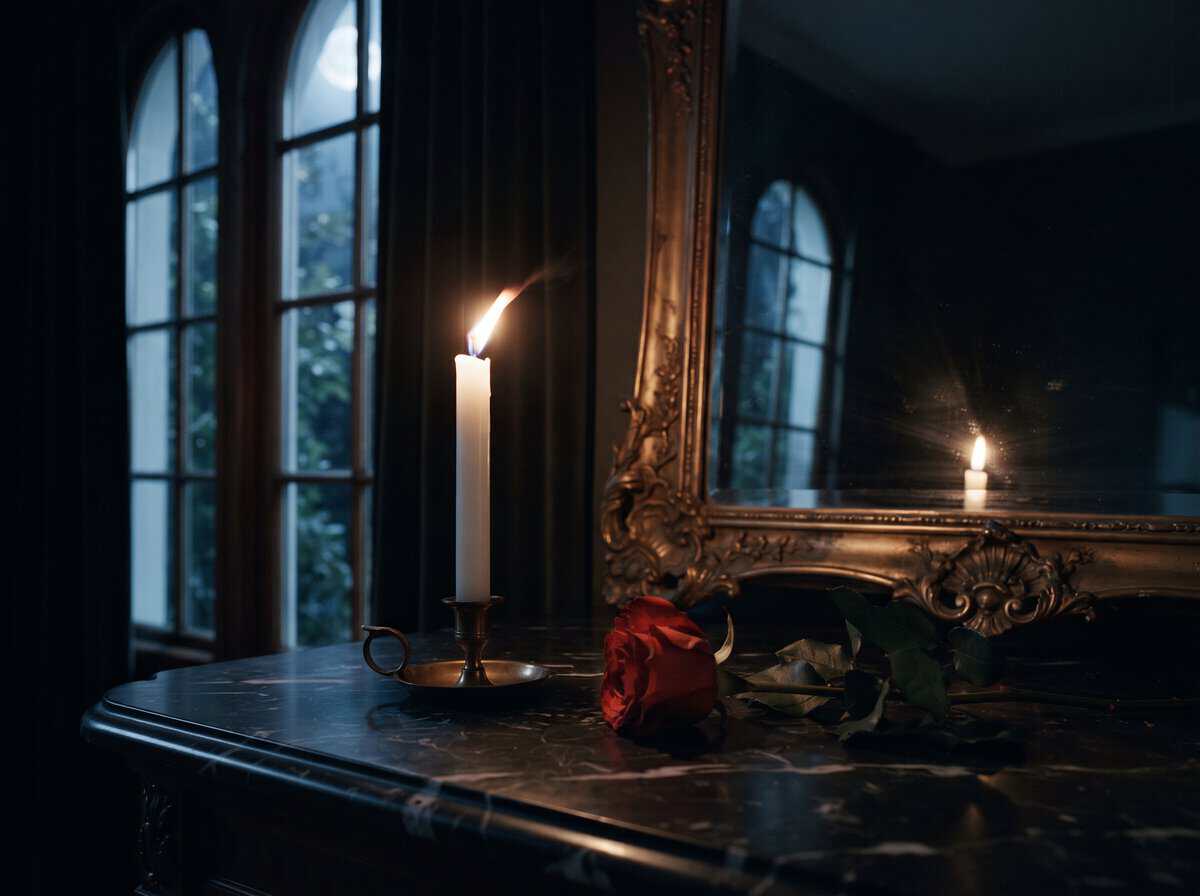
Sometimes a candle flame appears to lean consistently toward one side.
In modern candle divination, this movement can be given symbolic meaning.
Some practitioners believe the direction of the flame represents the movement of energy or attention.
Others associate it with the influence of another person or an approaching change.
There is no single traditional interpretation shared across all cultures.
The meaning often depends on the specific spiritual practice.
For example, a flame leaning toward an object might be interpreted as drawing attention to whatever that object represents.
A flame leaning away could symbolize distance or withdrawal.
These interpretations reflect a broader magical idea that physical movement can represent invisible influences.
But the image also works as a metaphor. People sometimes feel pulled in different directions.
One responsibility demands attention. Another possibility seems more exciting.
And an important decision may require choosing where to focus.
A leaning flame can symbolize that feeling of movement.
8. A Candle That Burns Completely and Cleanly Means a Wish Has Been Accepted

Among modern candle-reading beliefs, one of the most positive signs is a candle that burns evenly.
A steady flame and relatively clean burn are often interpreted as symbols of harmony.
Some practitioners believe this suggests that an intention is clear and unobstructed.
Others associate it with peace, successful completion, or favorable circumstances.
The idea reflects the importance of balance. A candle that burns steadily appears calm and controlled.
Its light remains consistent. And the wax is consumed without dramatic changes.
In symbolic terms, that can represent a situation developing naturally.
Perhaps someone has finally made peace with an important decision.
Maybe a personal goal is moving forward. Or perhaps an emotional situation feels less confusing than it once did.
Some modern traditions interpret a candle that finishes burning with little leftover wax as a sign that a wish has been accepted.
That belief should not be confused with a historical rule followed by every candle diviner.
Candle-reading customs have always varied, and modern practices continue to develop their own meanings.
A steady flame represents patience. A peaceful burn suggests balance.
And the candle gradually reaching its end can symbolize the completion of a chapter.
There is something comforting about that image. Not every meaningful change needs dramatic signs or mysterious warnings.
Sometimes the most reassuring symbol is a small, steady light that continues shining until its work is finished.

I always felt a strong connection to the Divine since my birth. As an author and mentor, my mission is to help others find love, happiness, and inner strength in the darkest of times.