
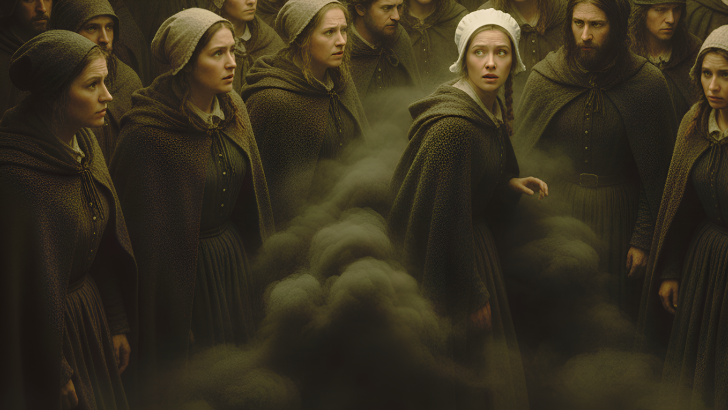
When most people think about witch trials in early America, their minds go straight to Salem. The images are familiar.
Dark courtrooms, frightened villagers, and the heavy fear that seemed to spread through every home.
But the truth is that Salem was not the first place where this panic took root. Long before the famous trials, another wave of fear swept through the colony of Connecticut.
It was quieter, smaller in number, and yet just as intense. These early trials shaped the way people understood danger, faith, and community.
A Colony Filled With Worry and Uncertainty
When the Connecticut settlers arrived, they built their towns with great effort. Life was hard from the start.
Winters were cold, harvests were unpredictable, and sickness often moved through families without warning.
People had very little control over their surroundings. When something went wrong, they searched for explanations.
They worried that the devil might be at work around them. This fear grew partly because many settlers came from strict religious backgrounds.
They believed strongly in the idea that evil could take human form. They believed that dark forces could harm crops, animals, and even children.
Because their lives were filled with real danger, the idea of a witch did not feel far away. It felt like a threat they needed to watch for.
When people got sick or when livestock died suddenly, they looked for someone to blame. A neighbor who acted strangely or lived alone seemed like an easy answer.
Suspicion grew slowly at first, then gained speed. The smallest rumor could spread throughout a town.
In 1647, the first known execution for witchcraft took place in the English colonies, and it happened in Connecticut.
The woman’s name was Alse Young. Very little is known about her life, but her death shows how powerful fear had become.
Families tried to protect themselves by behaving in ways that looked proper. They avoided drawing attention, since anything unusual could be seen as a sign of danger.
People learned that it was safer to blend in than to stand out. This pressure shaped how the towns grew.
The First Rumblings of Accusation and Fear

The early accusations in Connecticut often followed a familiar pattern. Someone in the community suffered a loss.
A cow died. A child fell ill. A heated disagreement took place. Soon after, people began to wonder if something more sinister was involved.
This wondering could turn into fear, and fear could turn into accusation. Once the accusation was spoken out loud, it was almost impossible to undo.
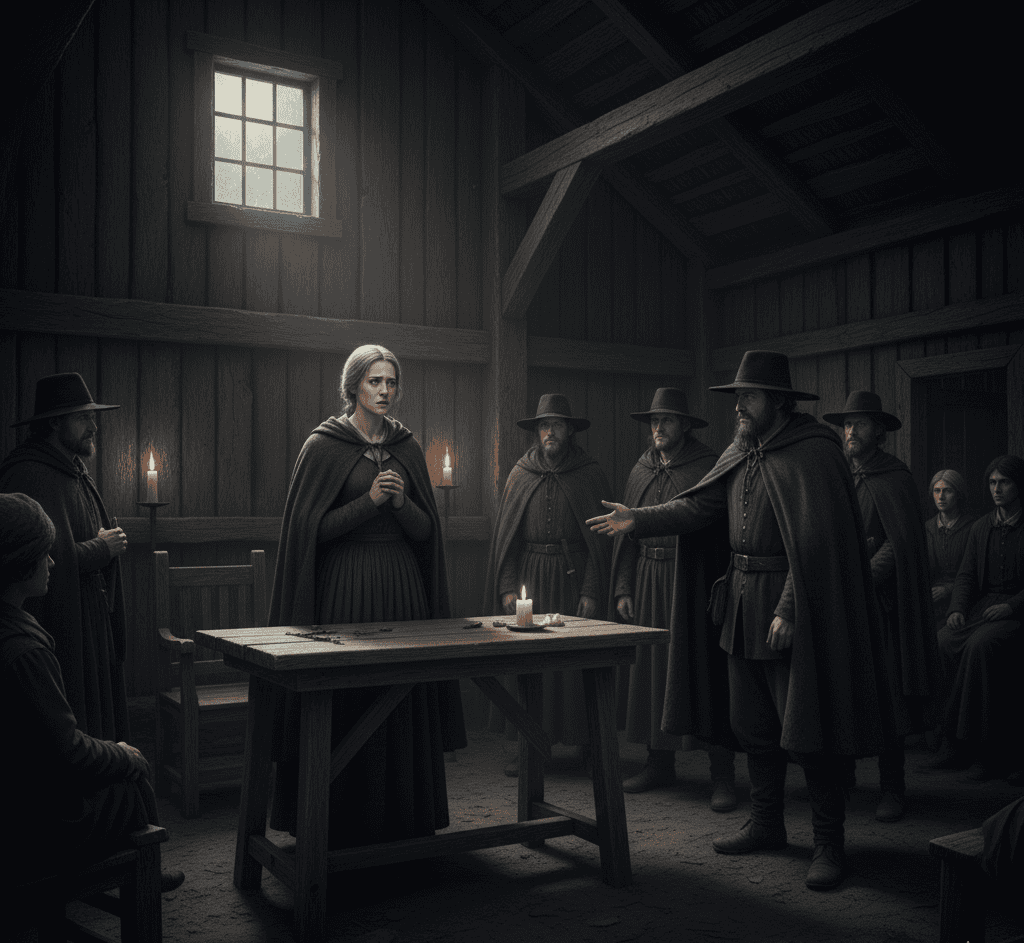
The courts listened to these claims with serious attention. They believed that witchcraft was a real crime, and they saw it as a threat to the colony.
Because of this belief, they relied on strange and unreliable forms of evidence. If someone had a sudden fit, it could be taken as a sign that a witch was near.
If a person had a birthmark or an unusual scar, it could be used against them. Even the testimonies of children were accepted, even though children were often frightened or confused.
Many of the accused were women who were outspoken or independent. Others were people who lived on the edges of society.
One well-known case involved a woman named Mary Johnson. She faced multiple accusations and was questioned for a long time.
Under pressure, she confessed to crimes that sounded impossible, including speaking with the devil.
These early trials show how fragile safety was at the time. People wanted to feel protected from danger, but their fear created new danger instead.
How the Panic Grew and What It Did to Communities
The Connecticut witch panic stretched across several decades. It was not one event but a series of moments that built on each other.
Each case reinforced the belief that witchcraft was a real threat. Every rumor made the next accusation more believable.
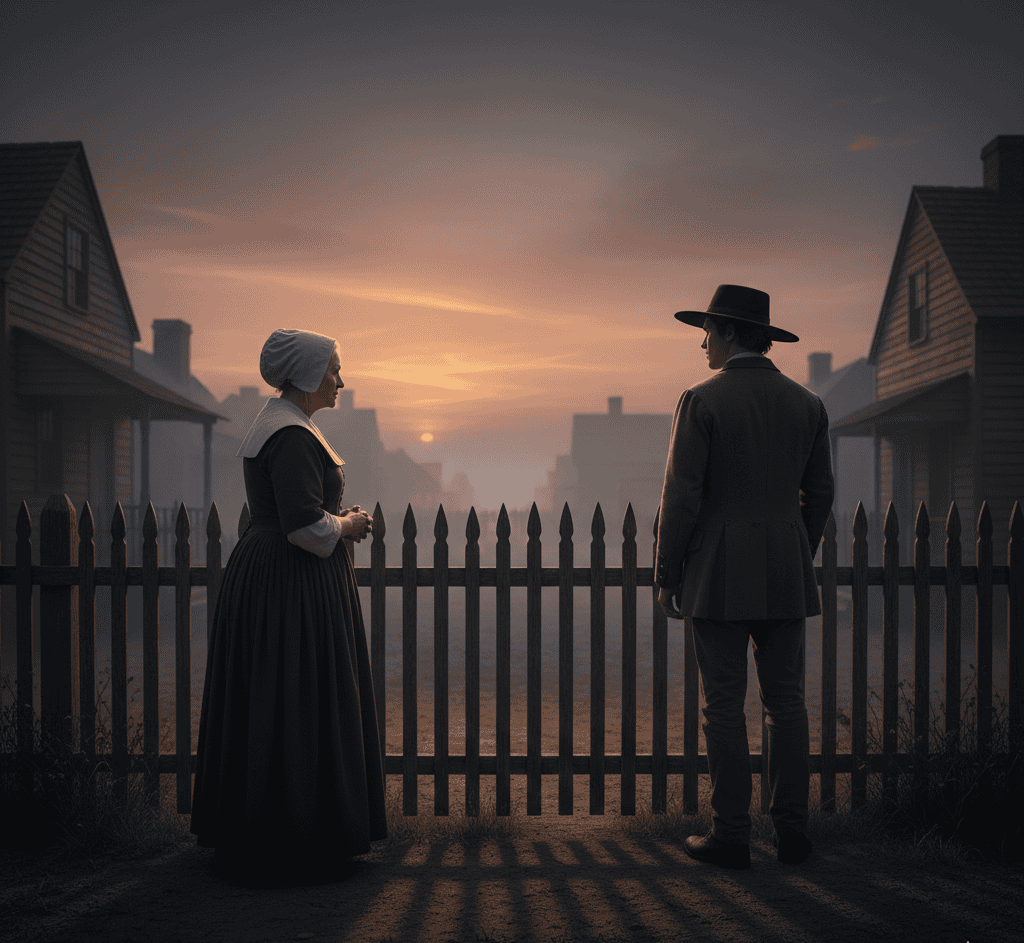
This pattern shaped how communities interacted with one another. It created distance between neighbors who had once trusted each other.
The panic also affected families. If one person was accused, the rest of the family often suffered. They might be avoided by neighbors or questioned in court.
Even after a trial ended, the stain of suspicion could follow them for years. This damage lasted long after the panic began to fade.
Some families carried the shame for generations, even though the accusations were built on fear rather than truth.
The courts continued to punish people for witchcraft until the early 1660s. During this period, the colony executed several individuals.
The turning point came when a few leaders began to question the trials. They realized that the evidence was weak and that fear had taken over reason.
Slowly, the courts changed their approach. They stopped accepting certain forms of testimony. They demanded stronger proof.
Why the Connecticut Witch Panic Still Matters Today

Even though the Connecticut witch panic is overshadowed by Salem, it holds important lessons. It shows how quickly fear can spread when people feel uncertain.
It shows how easy it is to blame others when life becomes difficult. Most of all, it shows how dangerous it can be when people trust fear more than reason.
This story also reminds us that justice is fragile. The courts of the time believed they were doing the right thing.
Once some leaders questioned the panic, the community slowly adjusted. They learned from their mistakes.
They grew more cautious about listening to rumors. This shift helped prevent even bigger tragedies from happening in the colony.
The ability to step back from fear and choose fairness is one of the most hopeful parts of the story.
Today, the Connecticut witch panic serves as a quiet but powerful reminder. It encourages people to question rumors, to protect fairness, and to stay calm.
It also helps us understand that fear can shape history in deep ways. By remembering these early trials, we learn to avoid repeating them.
We learn to look more kindly at the people around us. And we understand that even long before Salem ever burned, fear had already taken root in America.

I always felt a strong connection to the Divine since my birth. As an author and mentor, my mission is to help others find love, happiness, and inner strength in the darkest of times.