
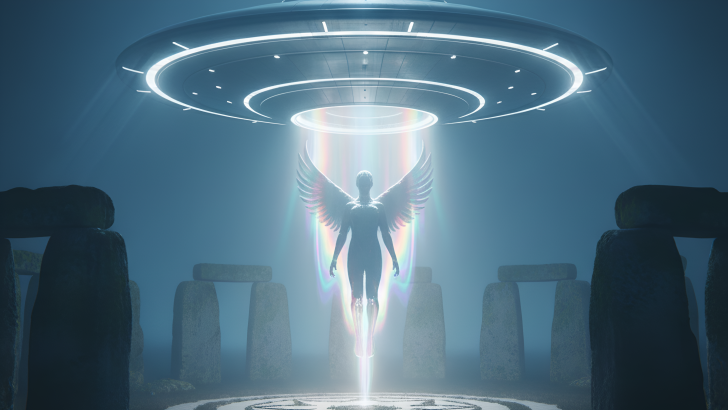
For thousands of years, angels have appeared in human stories as glowing messengers, warriors of light, and silent watchers between heaven and Earth.
They show up in sacred texts, ancient myths, and whispered personal experiences. Most people imagine them as spiritual beings sent by God, existing far above the physical world.
But in the last century, a strange group of whistleblowers, scientists, military insiders, and researchers began offering a very different explanation.
They claimed angels were not supernatural at all, but interdimensional beings, entities able to move between realities, appearing to humans in forms shaped by belief and fear.
These claims sit at the uneasy crossroads of science, religion, and secrecy, and they raise unsettling questions about what humanity has truly been encountering all along.
When Intelligence Insiders Started Talking
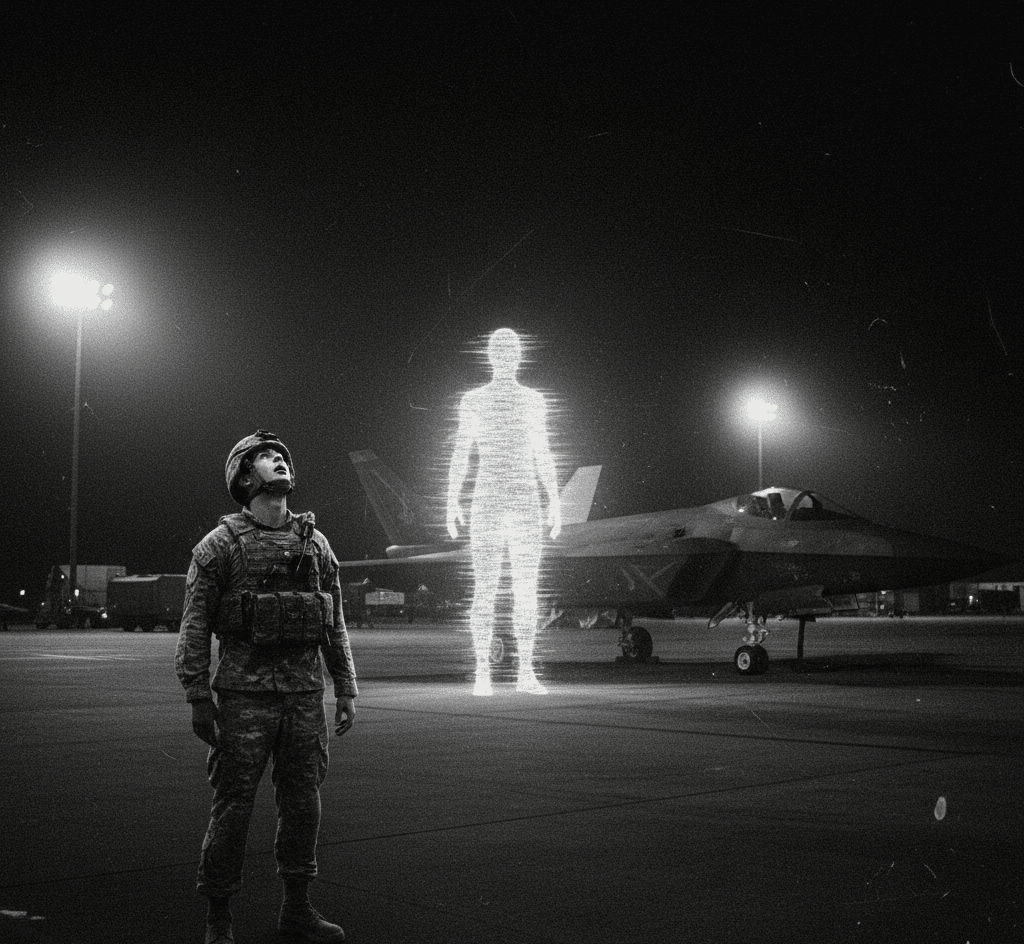
Some of the earliest modern claims came from individuals connected to intelligence agencies and military research programs.
These whistleblowers did not describe angels in religious terms. Instead, they spoke in the language of physics, consciousness, and dimensions.
According to them, certain unexplained encounters reported by soldiers and pilots matched ancient descriptions of angelic appearances far too closely to ignore.
One former defense contractor claimed that classified reports described luminous beings appearing during high-stress military operations.
These entities did not arrive in a spacecraft. They appeared suddenly, communicated without words, and vanished without leaving physical evidence.
The whistleblower suggested that these beings existed outside normal space and time, entering our reality briefly when conditions allowed it.
Another intelligence source pointed to radar anomalies and energy signatures that could not be explained by known technology.
These events often coincided with intense emotional states among witnesses, such as fear, awe, or near-death situations.
The whistleblower believed angels were ancient interpretations of encounters with nonphysical intelligence capable of crossing dimensional boundaries.
What made these claims especially disturbing was the suggestion that governments knew about these entities for decades.
Instead of calling them angels, officials allegedly labeled them interdimensional non-human intelligences.
Religion, the whistleblowers argued, was the earliest human framework for understanding encounters that science still struggles to explain.
Scientists Who Challenged the Spiritual Explanation
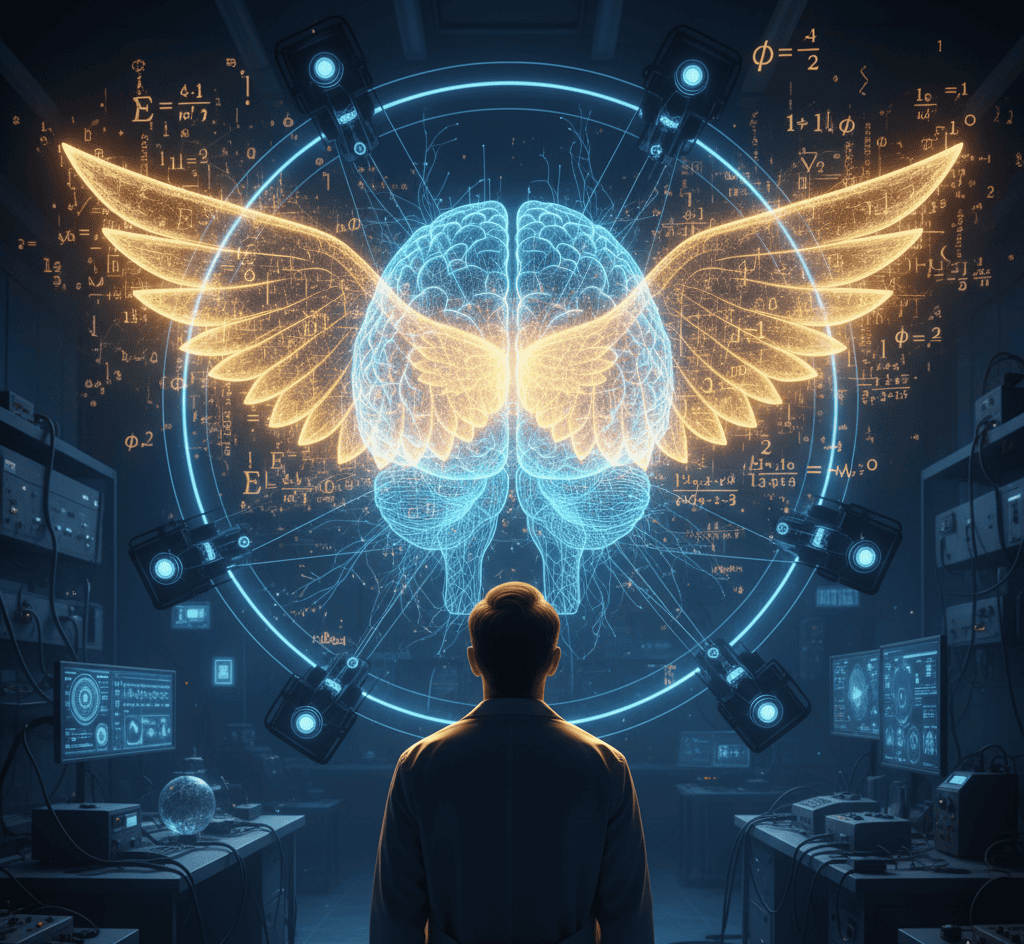
Outside government circles, a small number of scientists and researchers began quietly exploring similar ideas.
They did not claim angels were imaginary. Instead, they questioned whether the human brain interpreted encounters through cultural filters.
A physicist studying quantum mechanics once suggested that advanced intelligences might exist in dimensions beyond human perception, occasionally intersecting with our reality.
Neuroscientists studying near-death experiences noticed consistent patterns.
People from different cultures described beings of light who communicated telepathically, radiated calm, and seemed deeply familiar.
While Christians called them angels, others called them ancestors, guides, or star beings.
This consistency led some researchers to believe the experience was real, but the label was human-made.
One controversial researcher argued that angels could be energy-based life forms. According to this theory, these beings do not have fixed bodies.
They appear as light because that is how the human brain translates unfamiliar frequencies.
Wings, robes, and faces are symbolic projections created by the mind trying to understand something beyond normal perception.
Whistleblowers supporting this view claimed ancient people were not wrong, just limited by language.
They experienced interdimensional contact and described it using religious symbols.
Modern science, they argued, may be slowly circling back to the same truth through different words.
Angels, UFOs, and the Blurred Line Between Worlds
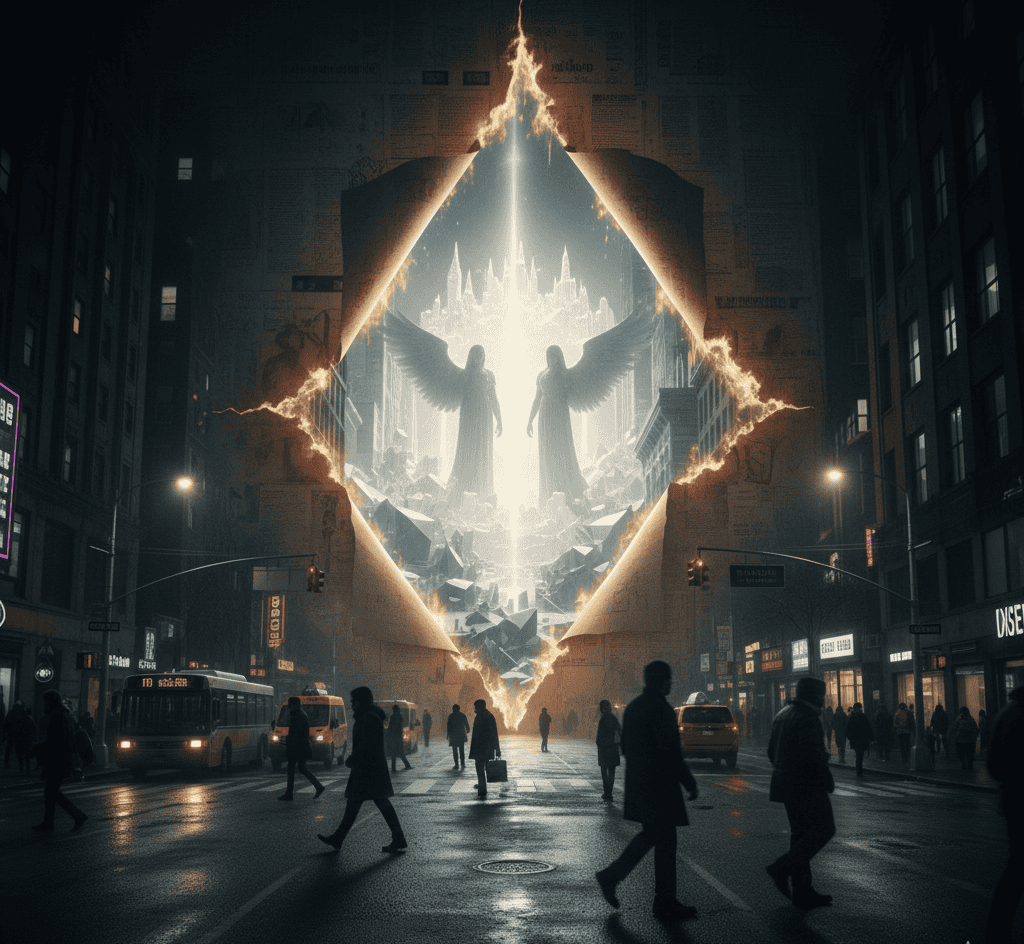
One of the most explosive claims came from whistleblowers who linked angels to UFO phenomena.
They pointed out that many UFO encounters involve beings who deliver warnings, moral messages, or instructions, similar to angelic visitations in scripture.
These beings often appear humanlike, radiate light, and vanish instantly.
A former aerospace engineer claimed that classified analysis suggested UFOs were not traveling through space, but shifting between dimensions.
This would explain why they seem to defy physics, disappear suddenly, and ignore conventional propulsion.
According to this insider, angels described in ancient texts behaved the same way. Some whistleblowers went even further.
They claimed angels and demons were two expressions of the same interdimensional intelligence.
Human perception, shaped by fear or comfort, determined whether the experience felt divine or terrifying.
This idea deeply unsettled religious authorities, but fascinated researchers who saw patterns across history.
Ancient texts describe angels appearing in overwhelming light, causing paralysis, confusion, and terror. Witnesses were often told not to be afraid.
Modern abductees report similar reactions. Whistleblowers argue this is not a coincidence. It is the same phenomenon experienced through different cultural lenses.
What This Means for Faith, Fear, and the Unknown
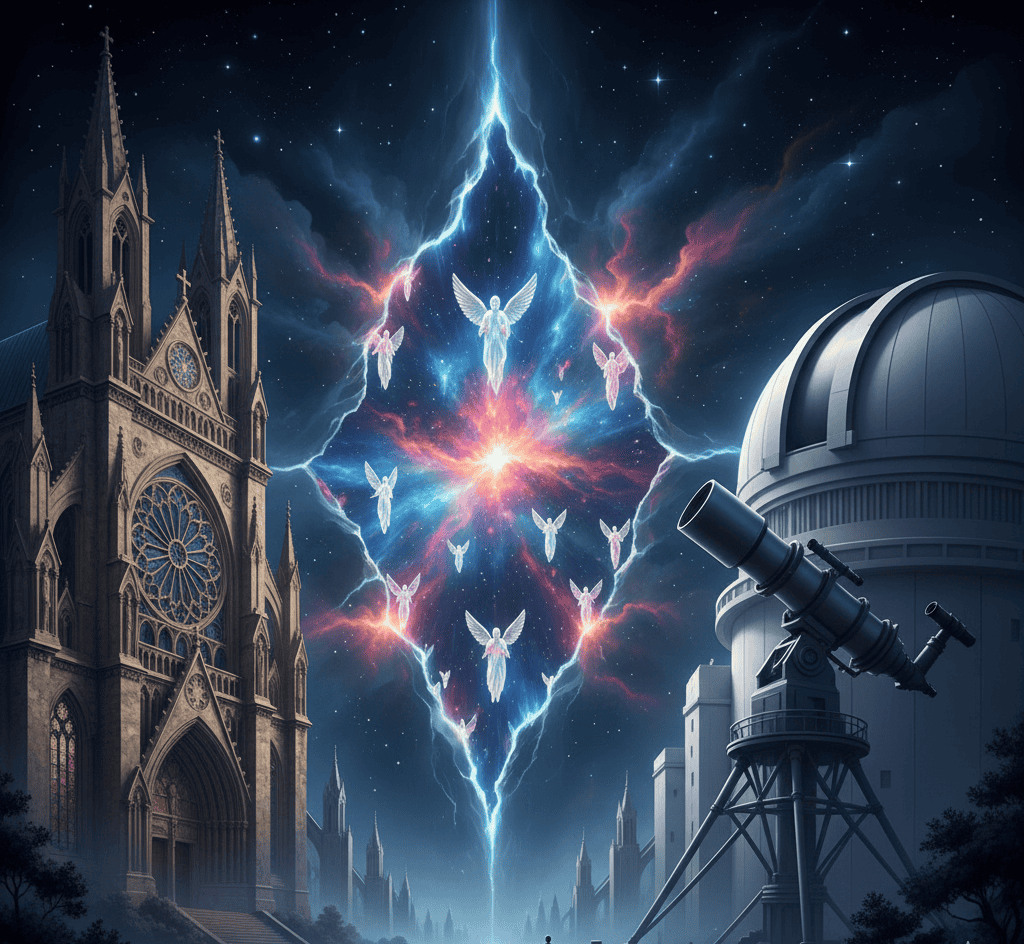
If angels are interdimensional beings, the implications are enormous. It does not necessarily erase faith, but it changes how faith is understood.
Whistleblowers often stress that recognizing a scientific explanation does not make the experience meaningless.
Instead, it suggests humanity has been interacting with a greater reality for far longer than we realize.
Some believe these beings act as observers, guiding humanity subtly without direct interference. Others fear they manipulate belief systems to control behavior.
Whistleblowers disagree on intention, but many agree on one point. Humans are not alone, and never have been.
For believers, this idea can feel threatening. Angels as messengers of God are comforting. Angels as unknown intelligences raise uncomfortable questions.
Who are they loyal to? Why do they appear only to some people? What happens when humanity understands them better?
Skeptics argue these claims reflect human imagination and neurological phenomena. But whistleblowers counter that too many reports across centuries align too closely.
They believe ancient people recorded real encounters, and modern institutions have quietly studied them while avoiding public panic.
Whether angels are divine beings, interdimensional travelers, or something entirely beyond human categories, the stories persist.
They refuse to disappear. Whistleblowers risk careers and reputations to speak about them, suggesting that whatever the truth is, it matters deeply.
Perhaps angels were never meant to fit neatly into one explanation. Maybe they exist at the edge of human understanding, where science, belief, and fear meet.
And maybe the question is not what angels are, but why they keep reaching across the veil, trying to be seen, heard, and remembered.

I always felt a strong connection to the Divine since my birth. As an author and mentor, my mission is to help others find love, happiness, and inner strength in the darkest of times.