

Most people see divorce as stemming from large problems, such as cheating, finances, or continuous conflict. However, many marriages fall apart for smaller reasons that may not appear significant to an outside observer.
These smaller issues slowly form a wall between partners, creating an emotional distance.
By the time a couple has filed for divorce, the true reason behind their separation may be shocking. Below are examples of some unusual reasons a couple has decided to get divorced.
1. Different Sleep Habits
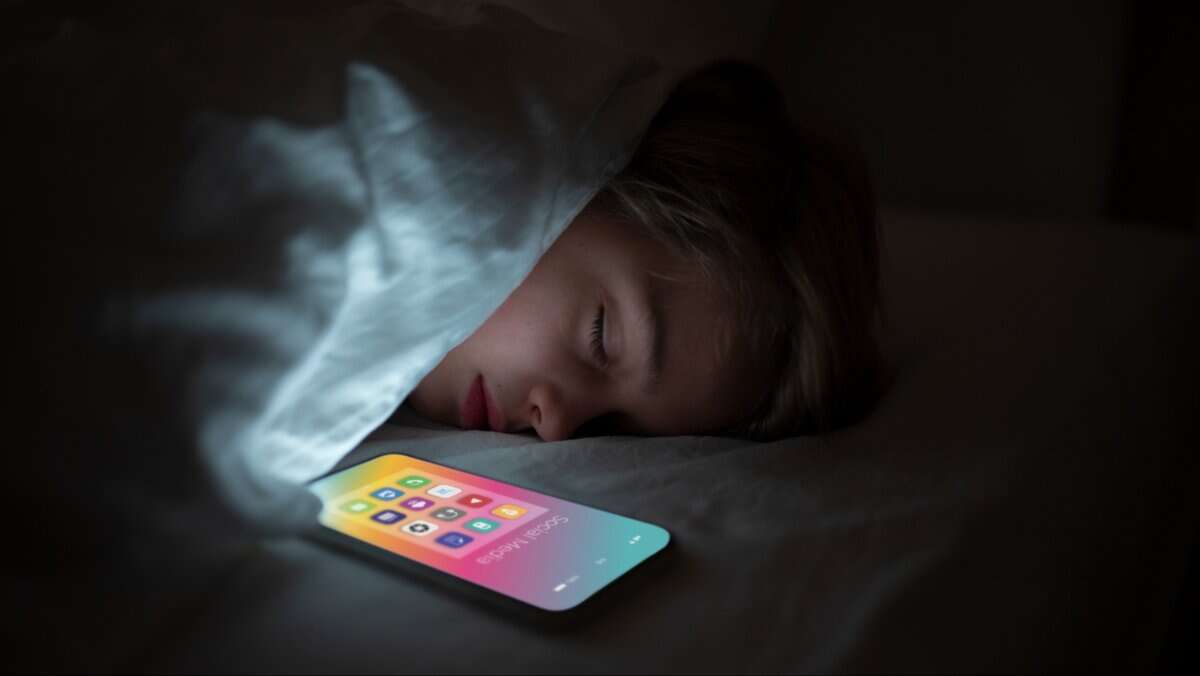
Mismatched sleeping habits may seem unimportant, but they can have a major impact on marriage. One partner’s loud snoring, staying up late, or waking early creates constant disruption to the other’s much-needed sleep environment, which requires peace and routine.
The cumulative effects of being exhausted from lack of sleep over time can cause changes in mood, patience, and intimacy between partners.
As partners begin to sleep separately, this creates a separation between them emotionally. Lack of sleep also increases irritability and resentment towards each other.
Without rest, small issues become magnified and lead couples towards breakup because chronic conflict surrounding sleep has diminished their connection.
2. Incompatible Cleaning Standards

Different cleanliness perceptions cause stress in relationships. One partner may feel stress from clutter, while the other does not notice or care about it.
The arguments between them will continue to repeat without resolution. One partner may feel they are being overwhelmed, and the other may feel their partner is being critical of them.
Over time, this dynamic creates an imbalance and builds resentment. The issue is not the mess; it is a lack of respect and shared responsibility. If couples do not feel supported or heard in everyday life, it increases the likelihood of divorce.
3. Social Media Obsession

Excessive social media usage can damage relationships. Many times, one partner may be neglected, compared, or publicly embarrassed by what their partner posts online.
Long hours scrolling through feeds do not include any real time spent being with your partner. Arguments arise over issues such as privacy, online flirting, or oversharing personal information.
Social media’s presence often reduces emotional closeness between two people. If a person replaces real emotional support with digital “likes,” they lose intimacy and trust with their partner. This form of social media usage often leads to the end of a relationship.
4. Different Attitudes Toward Pets

Disagreements that involve pets can highlight significant divisions of beliefs between partners. One partner views their pets as family, while the other views them as a hassle.
Conflict can continue to escalate over monetary issues, time for caring for a pet, or even an emotional connection to that pet. Feeling unsupported in something that is meaningful to you can significantly hurt your relationship.
When one partner does not understand the bond between the other partner and their pet, the one who has been disregarded may not feel any compassion toward that person. Over time, this disconnect creates negative feelings of insecurity and hurt toward the other person.
5. Conflicting Travel Preferences

Some crave adventure, while others want to stay home. This causes conflict between couples because one feels trapped and the other feels pressured.
Vacations turn into arguments, and dreaming about taking vacations together becomes impossible. This difference represents much deeper issues about how the couple views freedom, curiosity, and lifestyle.
If someone is not able to be their true self in a relationship, there is a chance they may end up getting divorced.
6. Different Humor Styles

Humor affects intimacy in ways that we probably do not recognize. When a partner makes a joke at your expense, dismisses your feelings, or offends you with a joke, it erodes trust.
One person may use sarcasm as a means of relating to the other, whereas the other may value sensitivity. When a partner makes you feel like you are the butt of the joke instead of laughing with you, this creates emotional distance between the two partners.
As time goes on, laughter becomes tension. When humor no longer seems safe, deep emotional connections suffer.
7. Clashing Morning Routines

The daily habits create the greatest influence on the emotional life of the couple. For example, one spouse may wake up slowly, needing a more mellow atmosphere, while the other will be loud and excited.
These personality traits can cause stress in the couple’s life on a daily basis. After a while, mornings become fights rather than times that are supposed to be spent together, and the little stresses build up over time.
As these stresses continue to happen in their day-to-day routines, they will erode their patience and affection for one another and may even lead to separation.
8. Disagreements Over Food Choices

Food is part of our culture, comfort, and values. Conflicting diets (and/or eating habits) can be a source of tension, with one partner feeling judged, restricted, and/or unsupported.
The meaning of shared meals is diminished, and cooking becomes an added stressor. As a result, over time, this disconnect will reveal much deeper differences in lifestyle and respect.
What feels like a small thing to one partner can become a significant symbol of feeling misunderstood to the other.
9. Different Conflict Styles

Some people communicate right away, while others need time apart. When two people have different conflict resolution styles, resolving the conflict becomes extremely difficult.
One partner feels like their partner is ignoring them, and the other partner feels overwhelmed. Therefore, the same arguments will keep happening, and neither partner can heal or recover from the argument.
Eventually, unresolved conflicts lead to someone emotionally shutting down, and feeling unsafe during a disagreement often has more significance than the disagreement itself.
Ultimately, the disparity between communication styles will destroy the connection that both partners have.
10. Growing In Opposite Directions
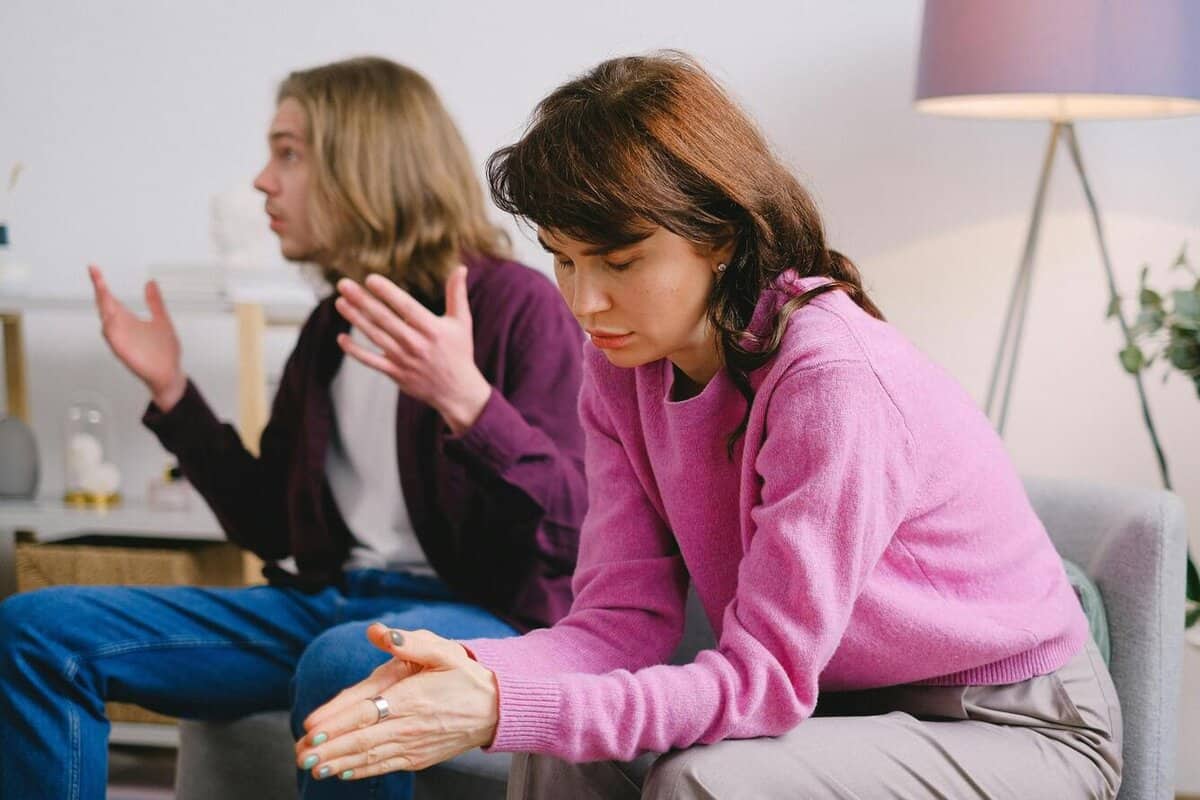
A divorce can happen due to differences in growth. Changes in interest, values, and priorities create distance between couples.
Couples simply find themselves not recognizing one another. Pretending to stay together is a mask worn to avoid facing the truth.
The failure to continue to grow together creates greater distance, and it can become a ‘sudden’ reason for divorce.

Born and raised in Bosnia and Herzegovina. Ever since I was a little girl, my imagination knew no bounds. I remember vividly how I’d scribble down short stories, each page bursting with adventures and characters conjured up from the whimsy of my mind. These stories weren’t just for me; they were my way of connecting with my friends, offering them a slice of my fantasy world during our playtimes. The joy and excitement on their faces as we dived into my fictional realms motivated me to keep writing. This early passion for storytelling naturally evolved into my pursuit of writing, turning a childhood hobby into a fulfilling career.