
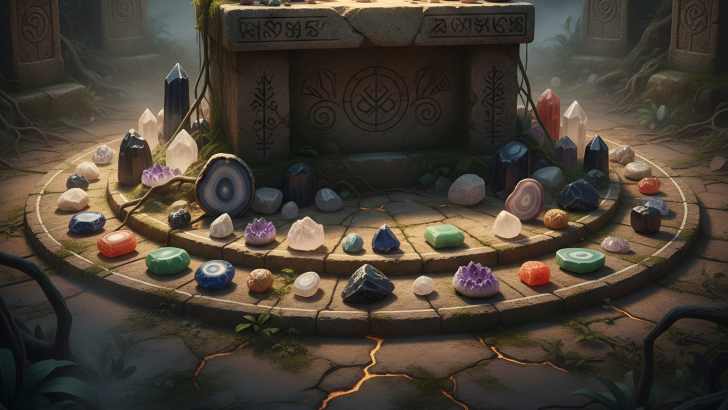
Since the earliest civilizations, humans have believed that the Earth itself carries protective power.
Stones, formed deep within the ground, shaped by time, pressure, and elemental forces, were seen as vessels of ancient wisdom.
Across cultures and continents, certain stones were trusted to guard against evil, misfortune, spiritual attack, and unseen dangers.
These sacred materials were worn as talismans, placed in homes, buried beneath temples, and used in rituals meant to shield both body and soul.
Long before modern science, people understood protection not just as physical defense, but as energetic balance.
Below are seven sacred stones that ancient cultures believed could protect, cleanse, and stabilize human life on both spiritual and earthly levels.
1. Obsidian – The Stone of Shadow Protection
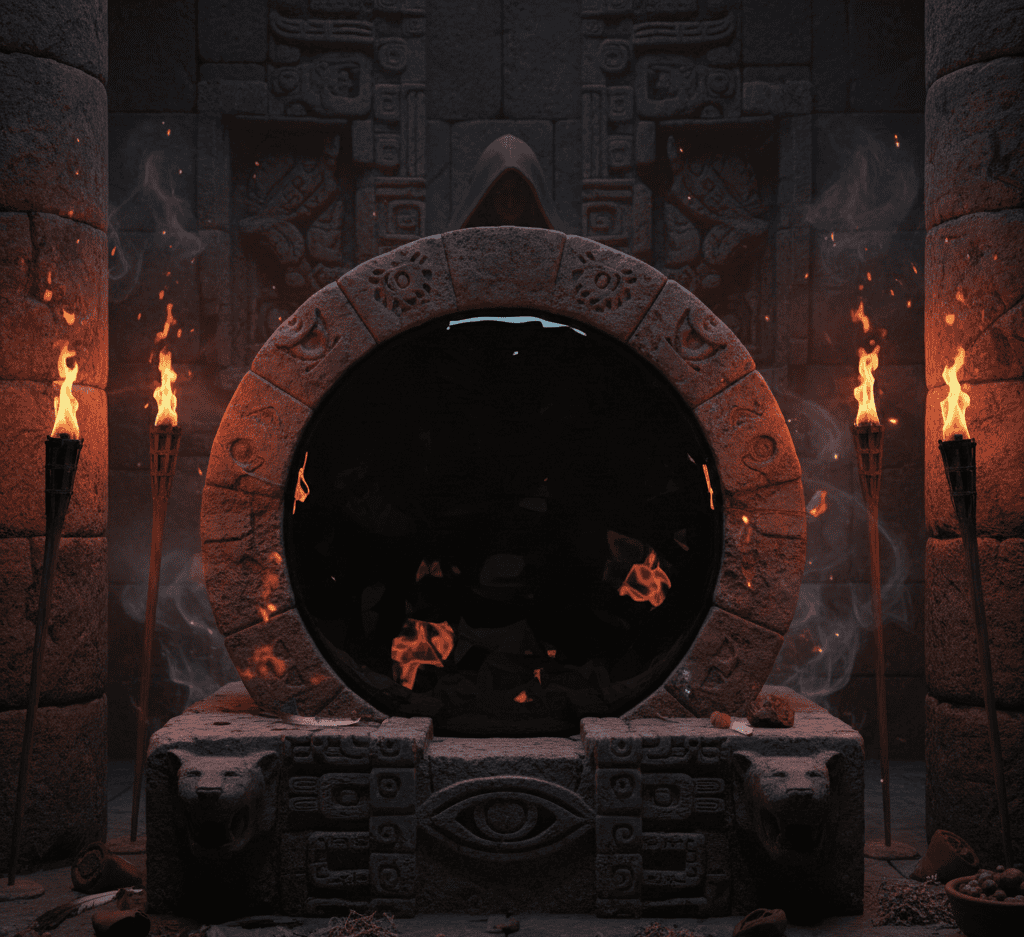
Obsidian was one of the most feared and respected stones in the ancient world. Formed from volcanic lava that cools rapidly, it was seen as a solidified force of fire and earth.
Mesoamerican civilizations such as the Aztecs and Mayans believed obsidian had the power to absorb negative energy and expose hidden truths.
Because of its dark, mirror-like surface, it was often associated with the underworld and spiritual realms beyond human sight.
Priests and shamans used obsidian blades in sacred rituals, believing the stone could cut through spiritual deception as easily as it cut through flesh.
Obsidian mirrors were used for scrying, divination practices meant to reveal dangers before they manifested.
The stone was thought to protect by reflecting harmful intentions back to their source, acting as a spiritual shield rather than a passive charm.
Obsidian amulets were commonly worn during times of war, travel, or emotional upheaval. Their protective energy was considered intense, honest, and uncompromising.
Ancient cultures believed it guarded the soul during transitions, especially when crossing thresholds between life stages, territories, or spiritual states.
2. Lapis Lazuli – The Guardian of Divine Truth
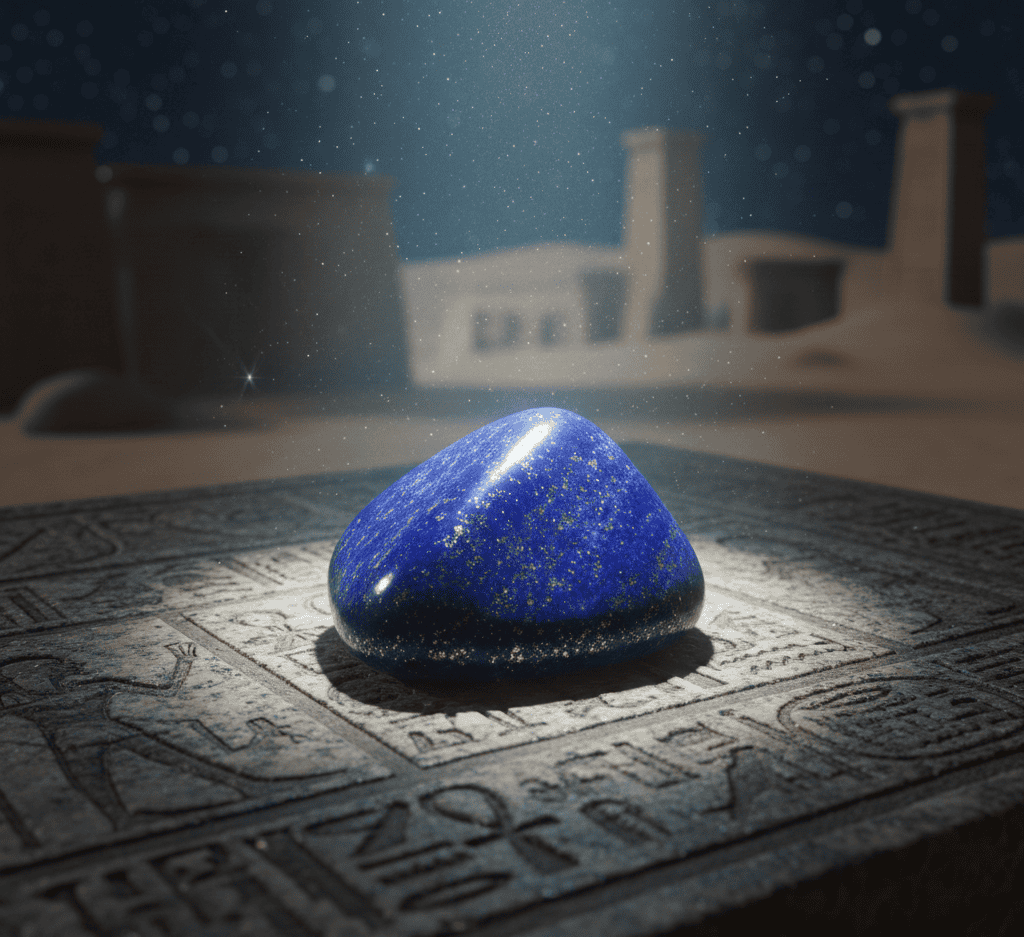
Lapis lazuli held immense importance in ancient Egypt, Mesopotamia, and Persia.
Its deep blue color, often flecked with gold-like pyrite, was associated with the heavens, divine authority, and eternal protection.
Egyptian pharaohs believed lapis connected them to the gods and ensured protection in both life and the afterlife.
The stone was carved into scarabs, amulets, and burial masks, placed over the heart or eyes of the deceased to guard their soul on its journey beyond death.
Lapis lazuli was also believed to protect against spiritual confusion and falsehood, acting as a guardian of truth.
Wearing it was thought to strengthen intuition while shielding the mind from manipulation.
In Mesopotamia, lapis lazuli was linked to the goddess Inanna and used in rituals meant to protect cities, rulers, and sacred laws.
Its protective power was not aggressive but stabilizing, preserving harmony between the human world and divine order.
3. Jade – The Stone of Life Preservation
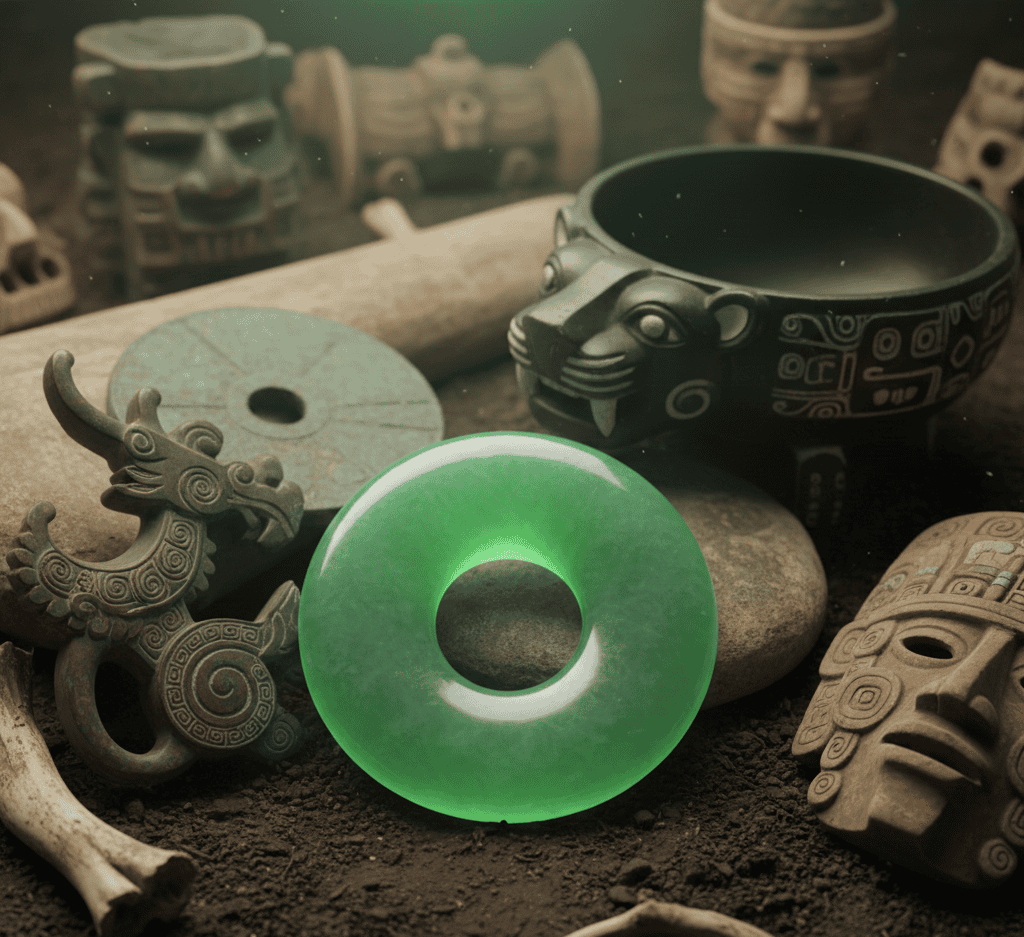
In ancient China and Mesoamerica, jade was considered more valuable than gold. It symbolized purity, longevity, and moral integrity.
Chinese emperors believed jade could preserve the body after death and protect the soul from decay or corruption. Jade burial suits were created to shield royal bodies from evil spirits and ensure immortality.
Jade was also worn daily as a protective charm against illness, accidents, and misfortune. It was believed to balance the body’s energy and strengthen vital life force.
If jade cracked or broke, it was seen as proof that the stone had absorbed harm meant for its wearer.
Among the Maya, jade represented life, fertility, and divine protection. It was placed in the mouths of the dead to ensure safe passage to the afterlife.
Jade’s protection was associated with continuity, guarding not only individuals, but entire bloodlines and civilizations.
4. Amethyst – The Stone of Spiritual Defense

Amethyst was widely used in ancient Greece, Rome, and Egypt as a stone of mental clarity and spiritual protection.
The Greeks believed amethyst protected against intoxication, not just from wine, but from emotional excess, obsession, and loss of control.
Its calming purple hue symbolized balance between earthly desires and higher wisdom.
Ancient priests wore amethyst to guard against negative spiritual influences during rituals and ceremonies.
The stone was believed to create a barrier around the mind, preventing intrusion from harmful thoughts, illusions, or external manipulation.
In medieval times, amethyst continued its protective role within religious contexts, often worn by clergy to defend against temptation and corruption.
Its ancient roots, however, reveal a deeper belief: that true protection begins within the mind and spirit, not the battlefield.
5. Turquoise – The Traveler’s Shield
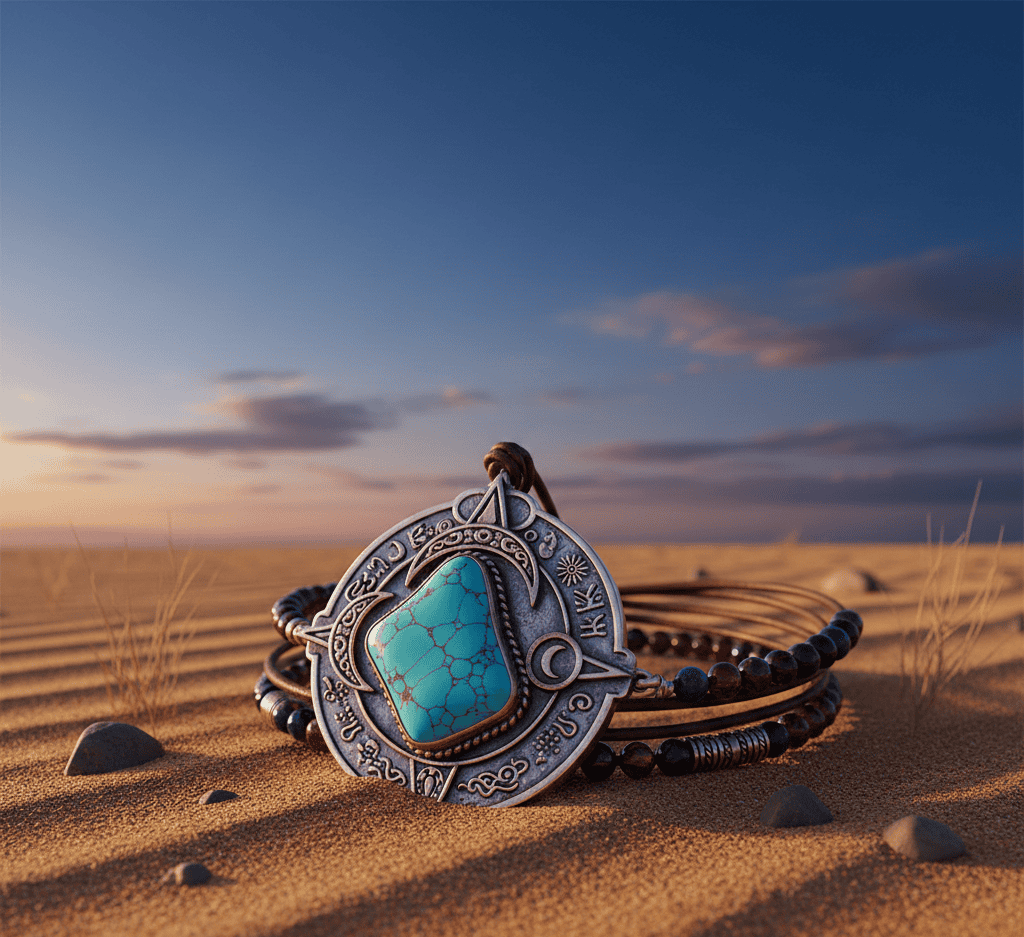
Turquoise was revered across ancient Egypt, Persia, Tibet, and Native American cultures as a powerful protective stone for travelers.
Its sky-blue and green tones symbolized the union of heaven and earth, making it a bridge between physical and spiritual protection.
Egyptians placed turquoise in tombs and jewelry, believing it guarded against sudden death and misfortune.
Persian warriors wore turquoise into battle, convinced it would warn them of danger by changing color.
Among Native American tribes, turquoise was used in ceremonial tools and amulets to protect hunters, warriors, and messengers.
Turquoise was thought to absorb negative energy and stabilize emotional turmoil.
Its protection extended beyond the individual, often believed to safeguard entire communities, especially during migrations or times of environmental uncertainty.
6. Onyx – The Stone of Silent Strength
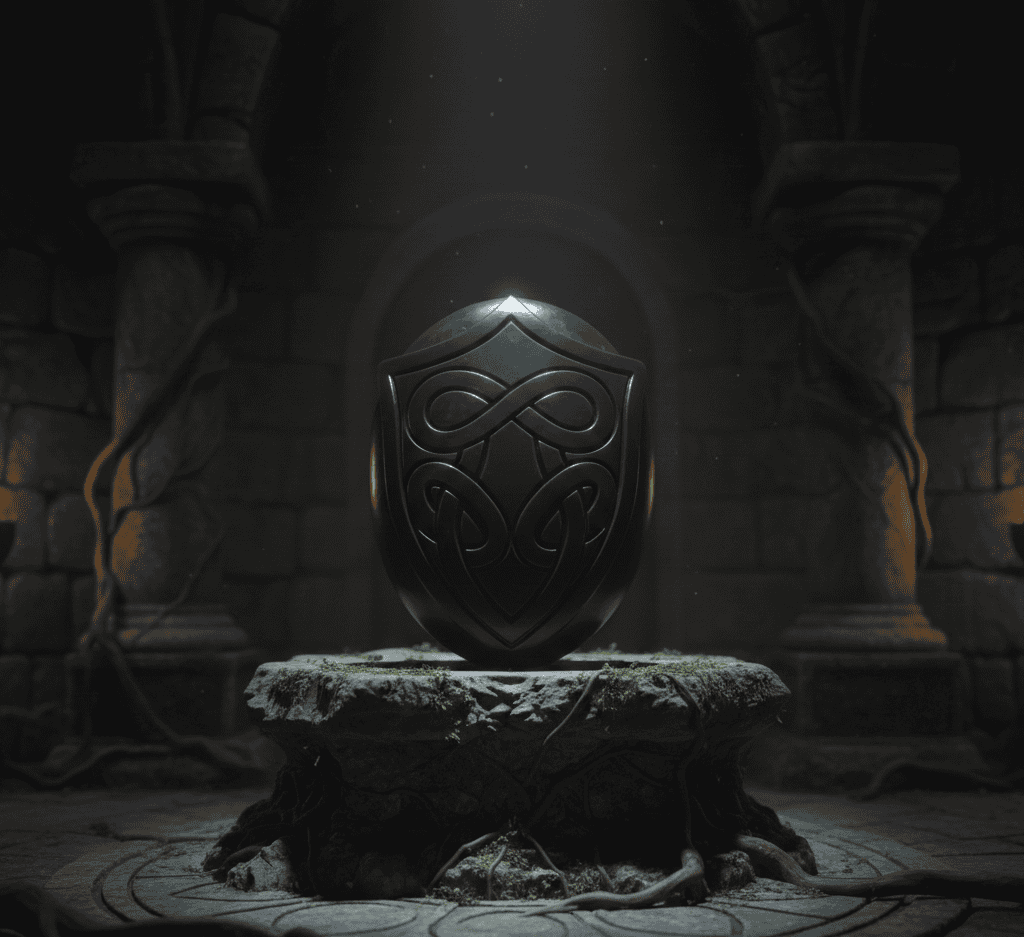
Onyx was widely used in ancient Rome, India, and Egypt as a stone of inner strength and protection during hardship.
Its deep black layers symbolized endurance, grounding, and resilience. Unlike stones associated with divine light, onyx was believed to protect by anchoring the soul firmly to reality.
Roman soldiers wore onyx carved with protective symbols to guard against fear and weakness in battle.
In ancient India, onyx was believed to protect against evil spirits, nightmares, and sudden emotional collapse.
It was often used during times of grief or loss to prevent despair from overwhelming the soul.
Onyx was not seen as a stone of joy, but of survival. Its protection was quiet and steady, helping individuals endure darkness without being consumed by it.
7. Hematite – The Stone of Earthly Armor
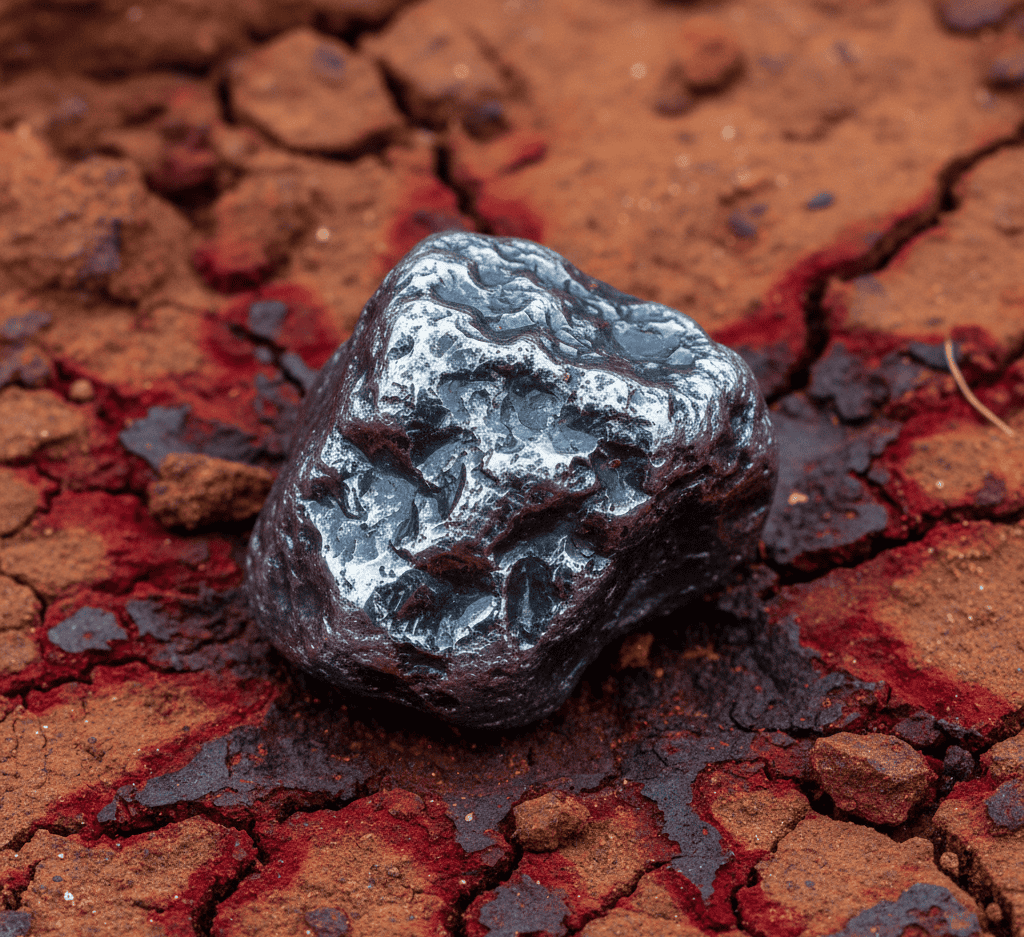
Hematite, rich in iron, was closely associated with blood, war, and physical protection. Ancient Egyptians used hematite amulets to guard against illness and blood-related dangers.
Warriors across cultures believed hematite strengthened the body and made the wearer less vulnerable to injury.
Because of its grounding energy, hematite was thought to pull chaotic or harmful forces down into the earth, neutralizing them.
It was commonly worn during battles, childbirth, and dangerous labor, where physical survival was uncertain.
In ancient spiritual practices, hematite symbolized the armor of the soul protection not through escape, but through presence and strength.
It reminded its wearer to remain rooted, alert, and resilient in the face of threat.

I always felt a strong connection to the Divine since my birth. As an author and mentor, my mission is to help others find love, happiness, and inner strength in the darkest of times.