

Have you ever wondered why the Bible describes so many angelic appearances, while such events seem far less common today?
Throughout the Old and New Testaments, angels delivered important messages, protected God’s people, offered guidance, and announced life-changing events.
They appeared to prophets, kings, shepherds, apostles, and ordinary individuals during some of history’s most significant moments.
Many people have asked why these dramatic encounters seem much rarer now.
Different Christian traditions offer different answers, and no single explanation is accepted by everyone.
Since the Bible does not directly answer this question, much of the discussion is based on interpretation rather than certainty.
Here are five common reasons many Christians and Bible scholars have suggested.
1. Angels Appeared Most Often During Important Moments in God’s Plan

One reason many scholars point to is that angels appeared most frequently during key events in biblical history.
Throughout Scripture, angelic visits often happened when God was revealing something new or preparing people for major changes.
Angels announced the births of Isaac, Samson, and John the Baptist. They appeared to Mary before the birth of Jesus and later announced Christ’s resurrection to the women at the tomb.
These were not ordinary moments. They marked turning points in God’s plan of salvation.
Because the Bible records these extraordinary events together, angelic appearances can seem more common than they may have been across everyday life.
Many believers think angels were sent whenever a crucial message needed to be delivered directly from God.
From this perspective, the purpose of many biblical appearances was connected to specific moments in salvation history rather than serving as constant public events throughout every generation.
These appearances also strengthened the faith of those who received them, giving reassurance during uncertain times.
Each encounter pointed people toward God’s greater purpose instead of drawing attention to the angels themselves.
2. The Bible Was Completed

Another common explanation is that God’s written revelation has already been given.
Many Christians believe the books of the Bible contain everything necessary for understanding God’s plan of salvation, faith, and righteous living.
During biblical times, prophets and angels sometimes delivered messages because Scripture was still being revealed.
Once the biblical canon was complete, many believers concluded that frequent angelic messages were no longer necessary for revealing new doctrine.
This does not mean angels no longer exist or serve God. Many Christians believe their work continues in unseen ways, while the Bible remains the primary source of God’s truth.
Different Christian traditions understand this idea somewhat differently, but it has become one of the most widely discussed explanations for the apparent decline in recorded angelic appearances.
Supporters of this view often emphasize reading and studying Scripture rather than expecting new revelations.
They believe God continues speaking through His Word, allowing believers to grow in wisdom, faith, and spiritual maturity.
3. Angels May Still Work Without Being Recognized
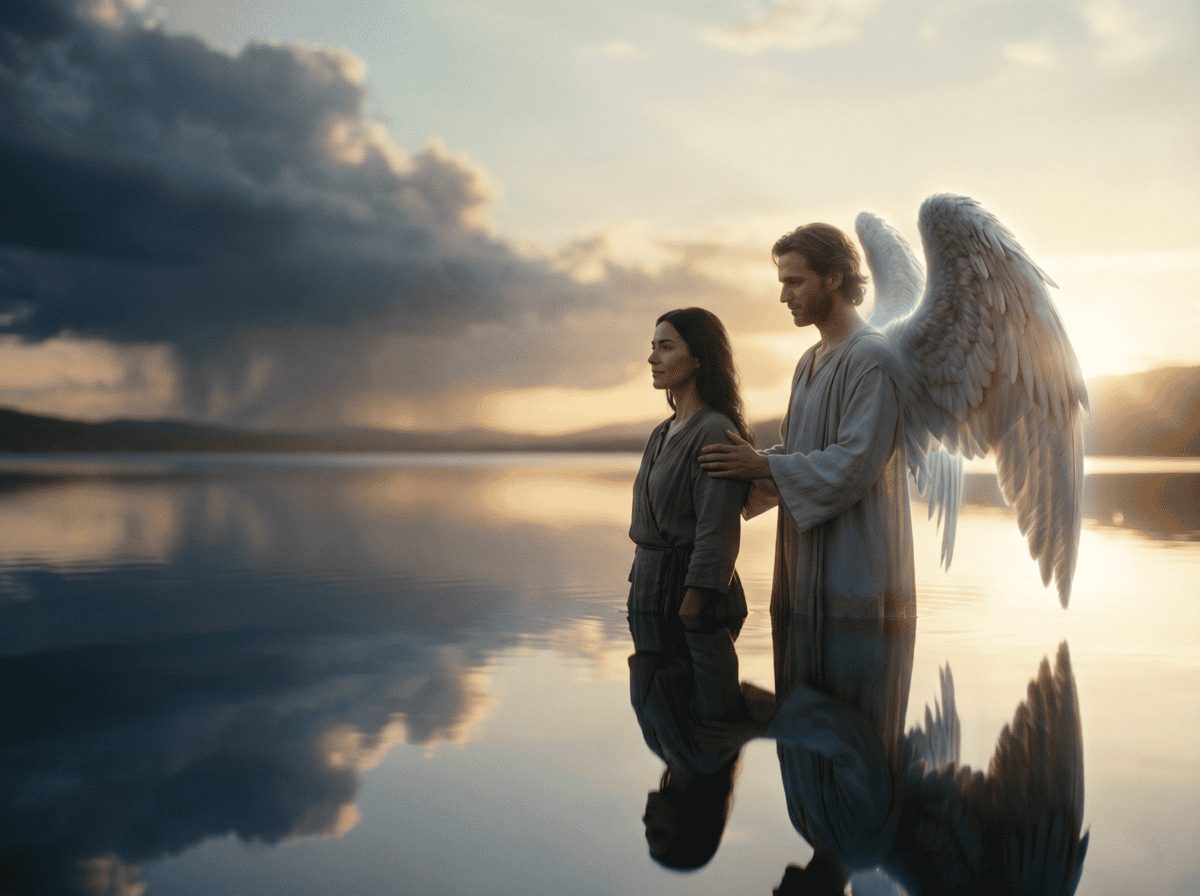
Some Christians believe angels remain active today but usually work quietly rather than appearing in visible form.
This view points to passages such as Hebrews 13:2, which says that some people have entertained angels without realizing it.
Instead of dramatic visions, angelic help may come through protection, guidance, encouragement, or unexpected acts of kindness that people never recognize as supernatural.
Many believers have shared personal stories of mysterious strangers who appeared during moments of great need before disappearing just as unexpectedly.
Although these accounts cannot usually be verified, they reflect a widespread belief that angels continue carrying out God’s purposes behind the scenes.
According to this perspective, the difference is not that angels have disappeared but that their work is often hidden from human eyes.
For many believers, this understanding encourages gratitude for God’s unseen care.
Even when no miracle is visible, they believe divine protection and guidance may still be quietly unfolding throughout everyday life.
4. The Bible Records Extraordinary Events, Not Everyday Life

Another important point is that the Bible covers thousands of years while focusing on the most significant events in Israel’s history and the early Christian Church.
When people read one miraculous story after another, it can create the impression that angelic appearances happened constantly.
In reality, many biblical figures lived their entire lives without ever seeing an angel.
Long periods passed between many recorded encounters, even though those gaps are easy to overlook while reading Scripture from beginning to end.
The Bible highlights events that served God’s larger purposes rather than documenting every ordinary day experienced by its people.
This means angelic appearances may have been relatively rare even during biblical times, despite how frequently they appear within the pages of Scripture.
Remembering this broader timeline helps place these stories into context. The Bible presents carefully selected events that reveal God’s plan, not a complete record of every experience shared by every believer.
5. Christians Hold Different Views About Modern Angelic Appearances

Not all Christians agree on whether angels still appear today. Just like in everything else, opinions are different.
Some believe visible angelic encounters continue to happen occasionally according to God’s will.
Others believe such appearances became much less common after the apostolic age.
Still others remain open to modern reports but encourage careful discernment, noting that personal experiences should always be evaluated alongside biblical teaching.
Despite these differences, most Christian traditions agree on one important point.
The central focus of the Christian faith is God rather than seeking supernatural experiences.
The Bible consistently encourages believers to trust God’s presence whether or not they ever witness extraordinary events.
For many Christians, faith is built on God’s promises and character, not on the expectation of dramatic angelic appearances.
This shared belief helps unite many Christians despite differing opinions about modern angelic encounters.
Most agree that a faithful relationship with God depends on trust, obedience, and hope rather than extraordinary supernatural experiences.

I always felt a strong connection to the Divine since my birth. As an author and mentor, my mission is to help others find love, happiness, and inner strength in the darkest of times.