
Many of us tend to dismiss biblical stories and myths as just that, thinking that there’s no way they could have a real historical backing.
However, for a while now, archaeology has been quietly revealing some pretty astonishing truths, confirming events and people long thought to be legendary.
These discoveries are challenging how we see biblical history!
Here are 8 huge archaeological finds that prove some of the Bible’s biggest stories are rooted in reality.
1. The Mount Ebal Curse Tablets
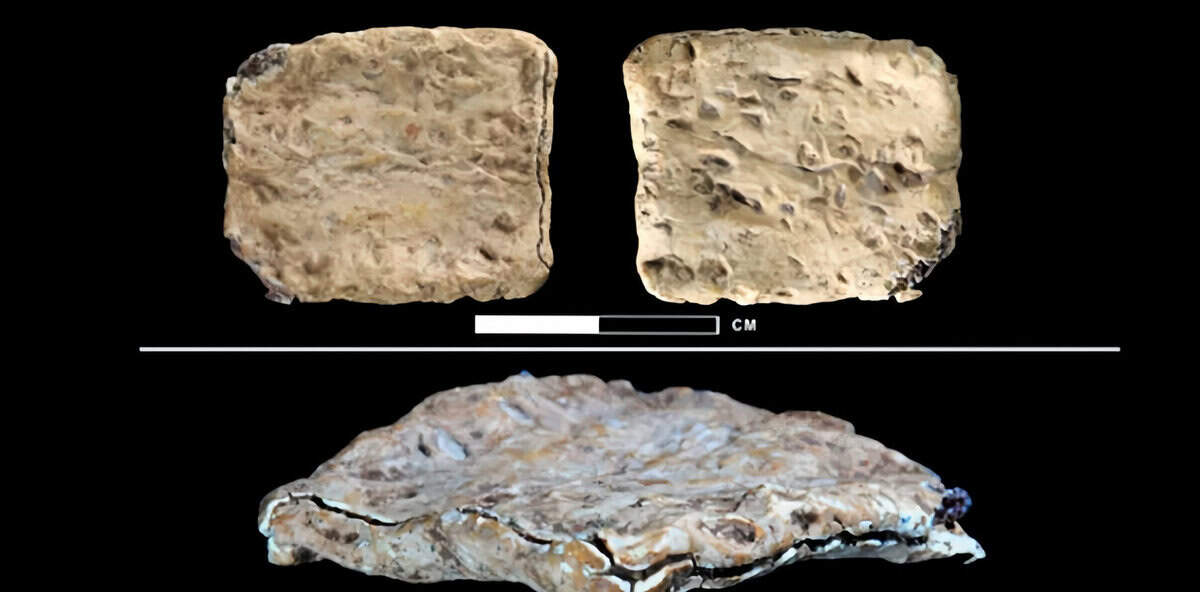
At the site where Joshua built an altar on Mount Ebal, archaeologists unearthed a set of inscribed stones dating back to 1200 BC – now known as the curse tablets.
These tables contain an ancient curse formula matching the language in Deuteronomy 27.
They are among the earliest examples of Hebrew writing ever found, dating back more than 3,200 years!
The inscriptions directly link to biblical accounts of curses pronounced on Mount Ebal.
This discovery is a solid piece of evidence that some major events described in the Bible were rooted in actual history, not just symbolism or myth.
2. Hezekiah’s Tunnel
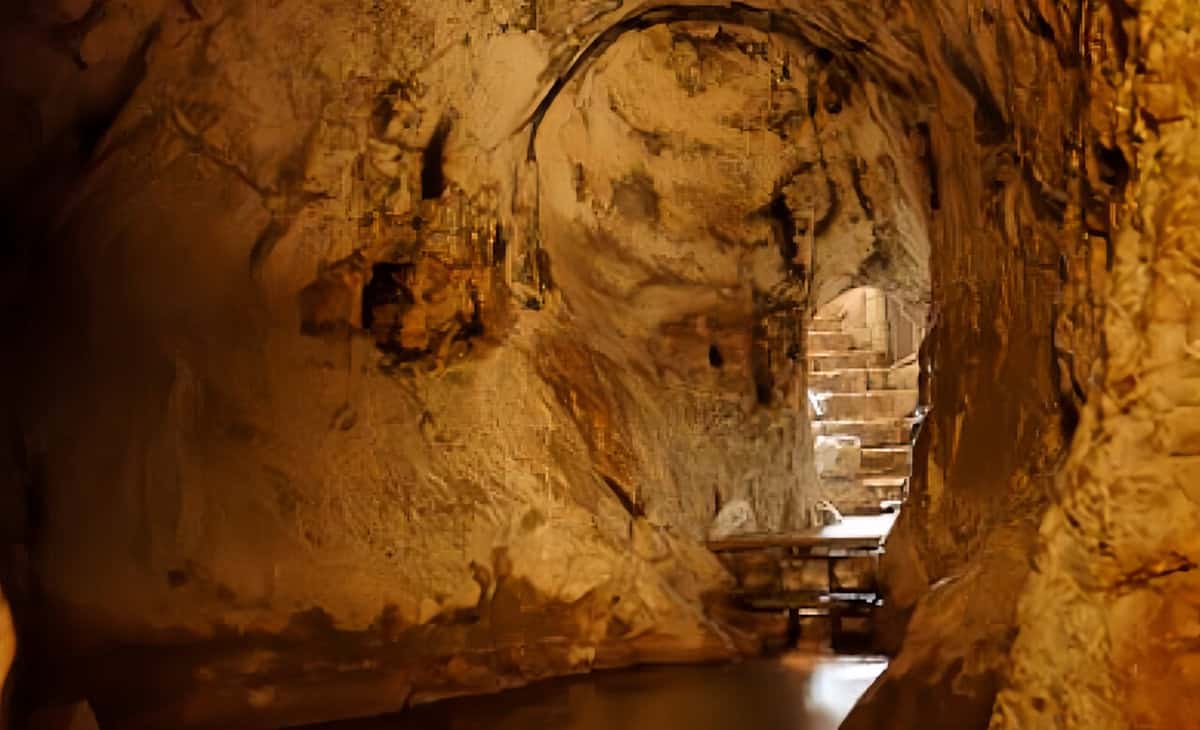
In 1838, archaeologists uncovered a remarkable tunnel beneath Jerusalem that exactly matches the biblical description in 2 Kings 20.
Known as Hezekiah’s Tunnel, it’s about 500 meters long and was built during King Hezekiah’s reign in 701 BC.
The tunnel was carved out of solid rock and was designed to channel water from the Gihon Spring into the city, especially during the sieges.
You can still walk through it today, and experience for yourself the place that ancient defenders relied on.
This discovery confirms the biblical account of Hezekiah’s engineering feat, proving that Jerusalem’s defenses and water systems were sophisticated so long ago.
3. The Oldest Christian Artifact in Europe
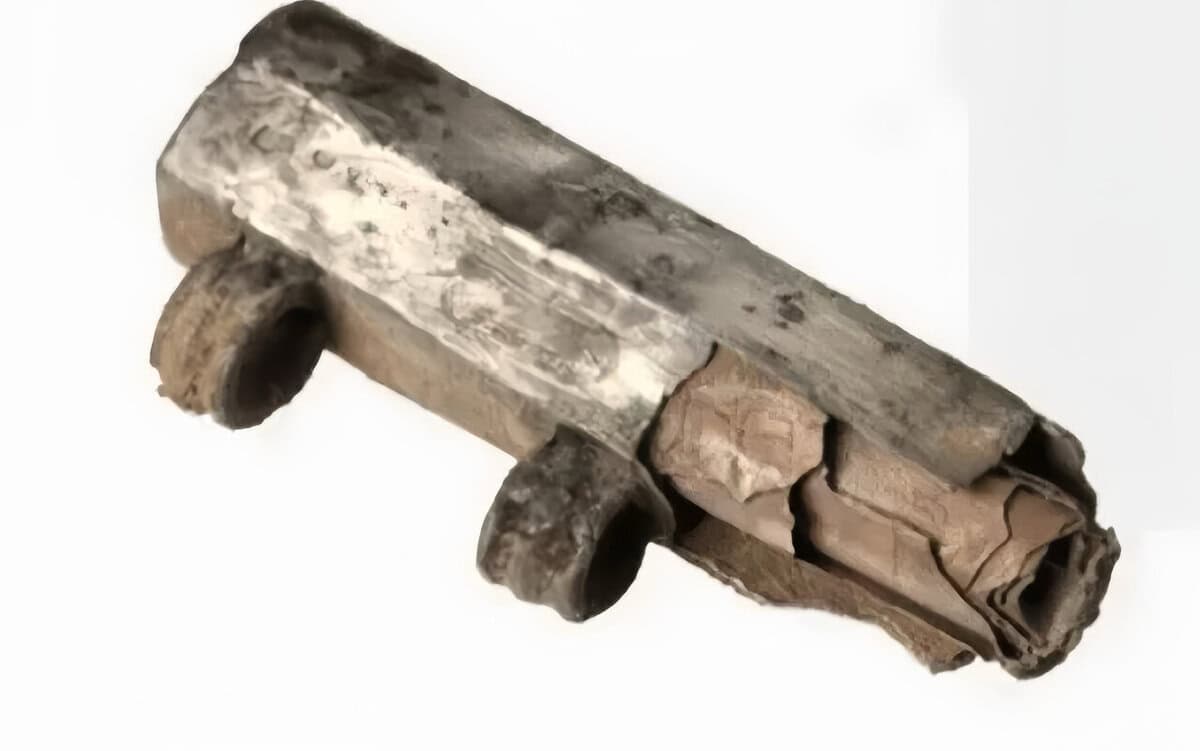
Archaeologists found a tiny silver amulet in Frankfurt, Germany, that’s over 1700 years old!
When they digitally unrolled it, they discovered that it was actually a 2nd-century AD prayer amulet.
Inside was a prayer to Christ, offering one of the earliest pieces of tangible evidence of Christianity in Europe.
This tiny artifact shows that early believers were already practicing their faith openly, even though they were a minority.
It also confirms that Christianity spread quickly across Europe, even in regions where it was still completely new.
Such artifacts help us see the faith’s roots in everyday life, proving Christianity’s presence and influence far earlier than most of us thought.
4. “Jesus Is God” Inscription
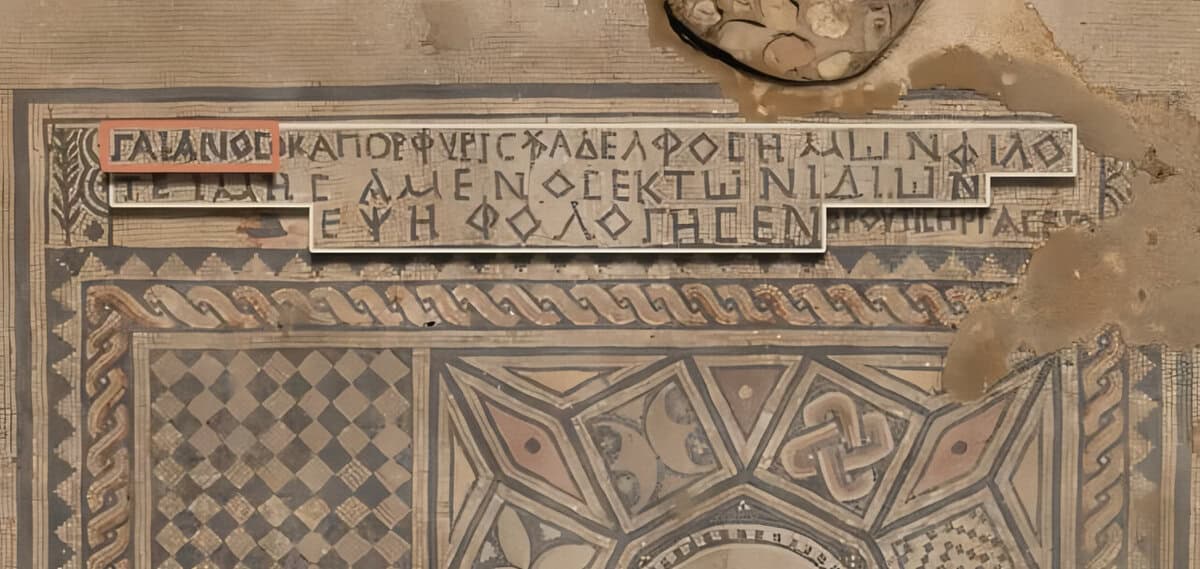
In 2024, archaeologists made another stunning discovery: a Greek inscription from the 3rd century AD that boldly states: “Christ, born of Mary. Jesus is God.”
And it’s also one of the oldest instances of Christian belief explicitly affirming Jesus’s divine nature.
The inscription was found in a Roman-era site, and experts consider it a crucial piece in understanding how early Christians expressed their faith.
It shows that just three centuries after Jesus’s death, the belief in His divinity was already well established.
This discovery connects the dots between biblical teachings and early Christian communities, proving that the new faith was clear and unwavering from the very start.
5. Peter’s House in Capernaum
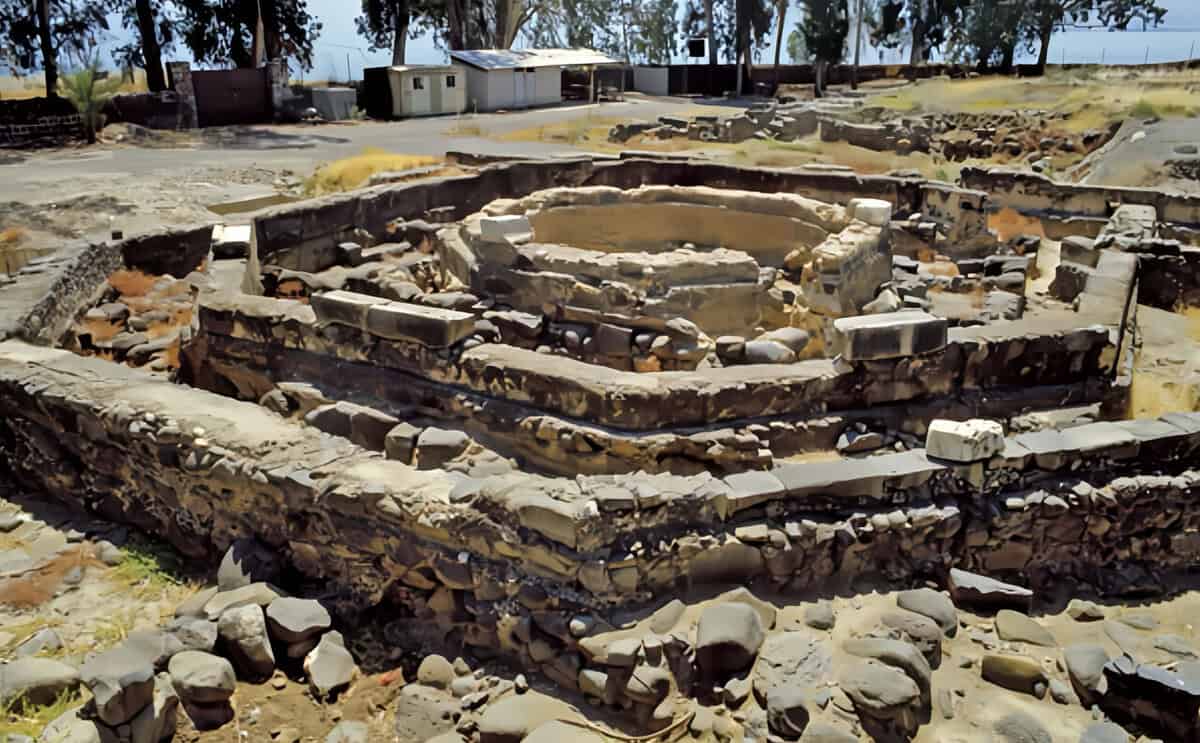
In Capernaum, archaeologists uncovered a small house beneath a Byzantine church that’s been called “Peter’s House” for centuries.
It’s a humble structure from the 1st century AD, filled with early Christian graffiti and symbols.
Pilgrims have visited it for hundreds of years, believing it was the home of Jesus’s disciple Peter.
Recent excavations confirm that the house dates back to Jesus’s time and fits perfectly with biblical descriptions.
This discovery makes the biblical account of Peter’s association with Capernaum even more real.
It’s a tangible connection to Jesus’s early ministry, and millions of pilgrims continue to reaffirm the site’s importance in Christian history.
6. Pontius Pilate’s Inscribed Stone
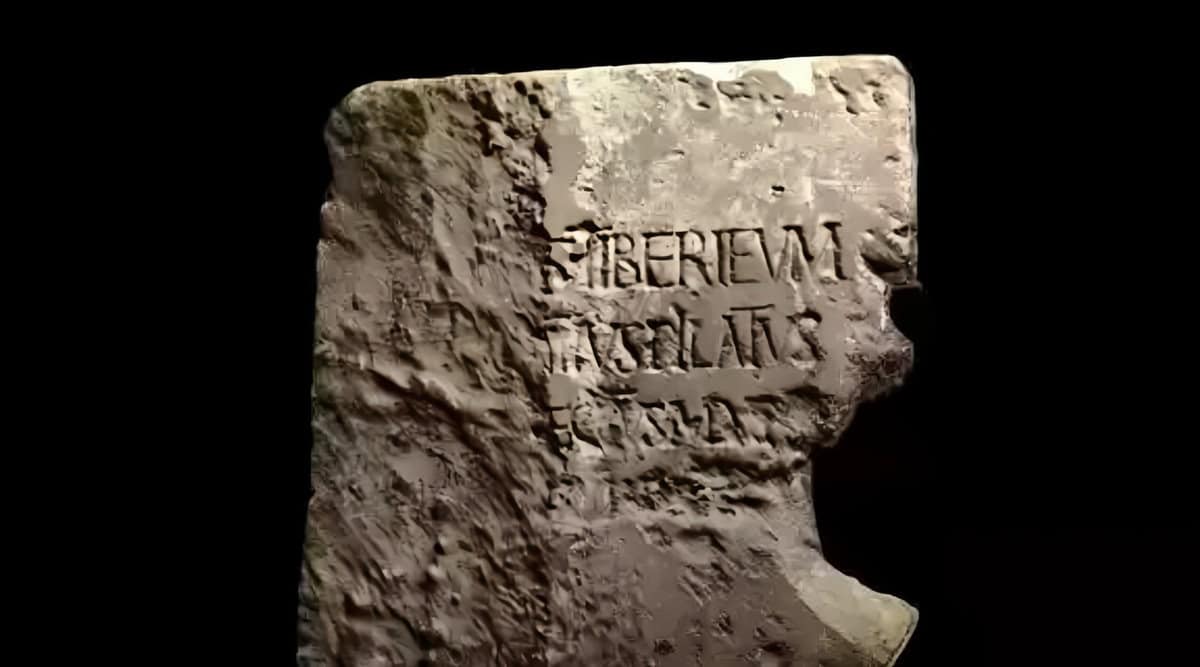
For the longest time, people doubted the existence of Pontius Pilate, the Roman official who presided over Jesus’s trial.
That changed in 1961 when a stone was unearthed at Caesarea Maritima with his name and title: “Pontius Pilatus, Prefect of Judea.”
This inscription provided concrete proof that Pilate was a real person who held official authority, and not a fictional figure.
It also tied directly into the biblical narrative, and bridged the gap between religious texts and a documented reality.
It gave us a clear image of the political landscape during Jesus’s time, and it solidified Pilate’s role in history.
7. The City of David
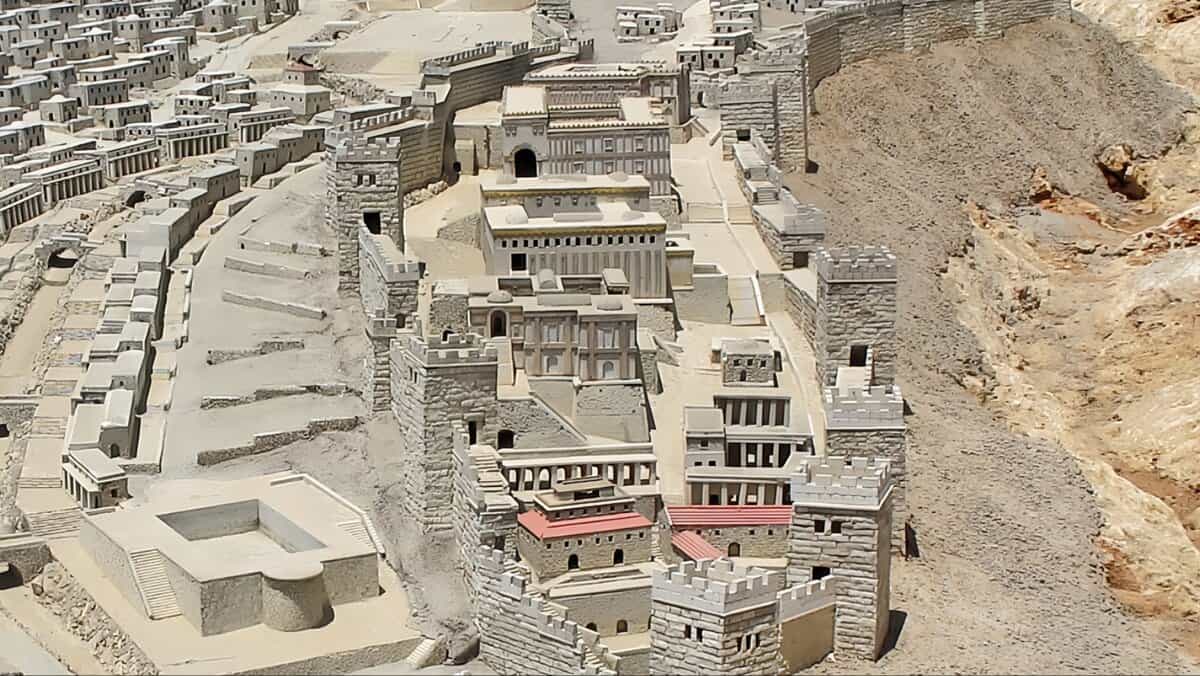
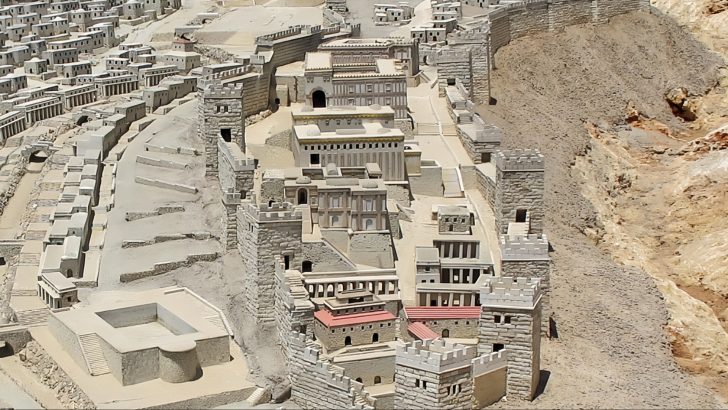
For a long time, critics have argued that the kingdom of David was just a legend. However, excavations near the Temple Mount have turned the tide.
Archaeologists uncovered walls, pottery, and structures dating to around 1000 BC – exactly when David was supposed to rule.
These ruins match biblical descriptions of Jerusalem’s ancient core. The site is now called the “City of David.”
This discovery is a huge deal because it shifts the perception of these religious narratives from mythology to history.
It’s proof that David’s kingdom was real and that Jerusalem’s roots go back over 3,000 years.
8. The Walls of Jericho
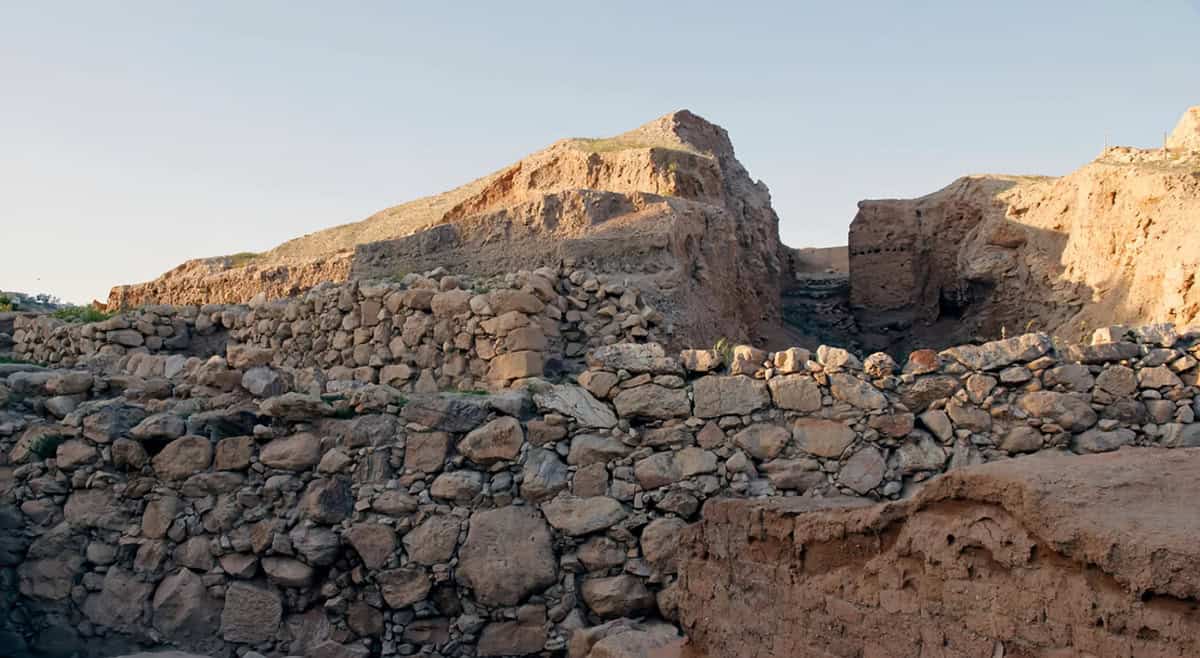
The archaeological digs at Jericho are fascinating because they seem to match the story in the Book of Joshua.
When they uncovered the ancient city, they found a rare kind of collapse in the city walls – they fell outward.
That’s exactly how the Bible describes Jericho’s walls falling down after the Israelites marched around them.
There’s also a thick layer of burn ash on top, which also matches the biblical accounts of the city being destroyed.
While some skeptics debate the details, the match between the findings and the accounts from the Bible makes Jericho’s destruction one of the most intriguing pieces of evidence.
After all, it is extremely rare to see walls collapse outward, and it lines up with the story of divine intervention.

A little Aquarius, devoted to writing and embroidery. Through my writing, I hope to empower readers to align with their true selves and navigate life’s mysteries with confidence.