

The Bible is filled with stories of triumph, faith, and divine guidance, but it also contains narratives of heartbreak, failure, and loss.
Many figures faced tragic endings despite their devotion, wisdom, or courage, showing that life in the biblical world was often unpredictable and harsh.
These stories serve as moral lessons, cautionary tales, and reflections on human frailty, divine judgment, and the consequences of choices.
Examining their lives provides insight into the struggles, mistakes, and suffering that shaped these individuals. Here are eight biblical figures whose stories ended tragically.
1. Samson

Samson, known for his extraordinary strength, was a judge of Israel whose life ended in devastation.
Betrayed by Delilah, who discovered the secret of his strength was his uncut hair, he was captured by the Philistines.
Blinded and imprisoned, he prayed for one final act of vengeance, bringing down the temple on his enemies and himself.
Samson’s story highlights the dangers of temptation, the consequences of personal weakness, and the tragic cost of betrayal.
Despite his victories, his life ended in destruction, showing that even the strongest can fall.
2. Saul

King Saul, the first king of Israel, began his reign with promise but ended in despair and death.
His disobedience to God, jealousy toward David, and growing paranoia led to his downfall.
Saul’s reign ended on the battlefield, mortally wounded and filled with regret. His story illustrates the dangers of pride, insecurity, and failing to follow divine guidance.
Despite early successes, Saul’s life demonstrates that leadership without humility and obedience can lead to tragedy and ruin.
3. Absalom

Absalom, the son of King David, was handsome, ambitious, and charismatic, but his desire for power led to rebellion against his father.
His coup ultimately failed, and he was killed in battle, caught by his hair in a tree. Absalom’s story shows how ambition and pride can destroy even the most beloved individuals.
His tragic death, despite his popularity and talents, underscores the consequences of betrayal, the complexities of family loyalty, and the fragile nature of human success.
4. Judas Iscariot
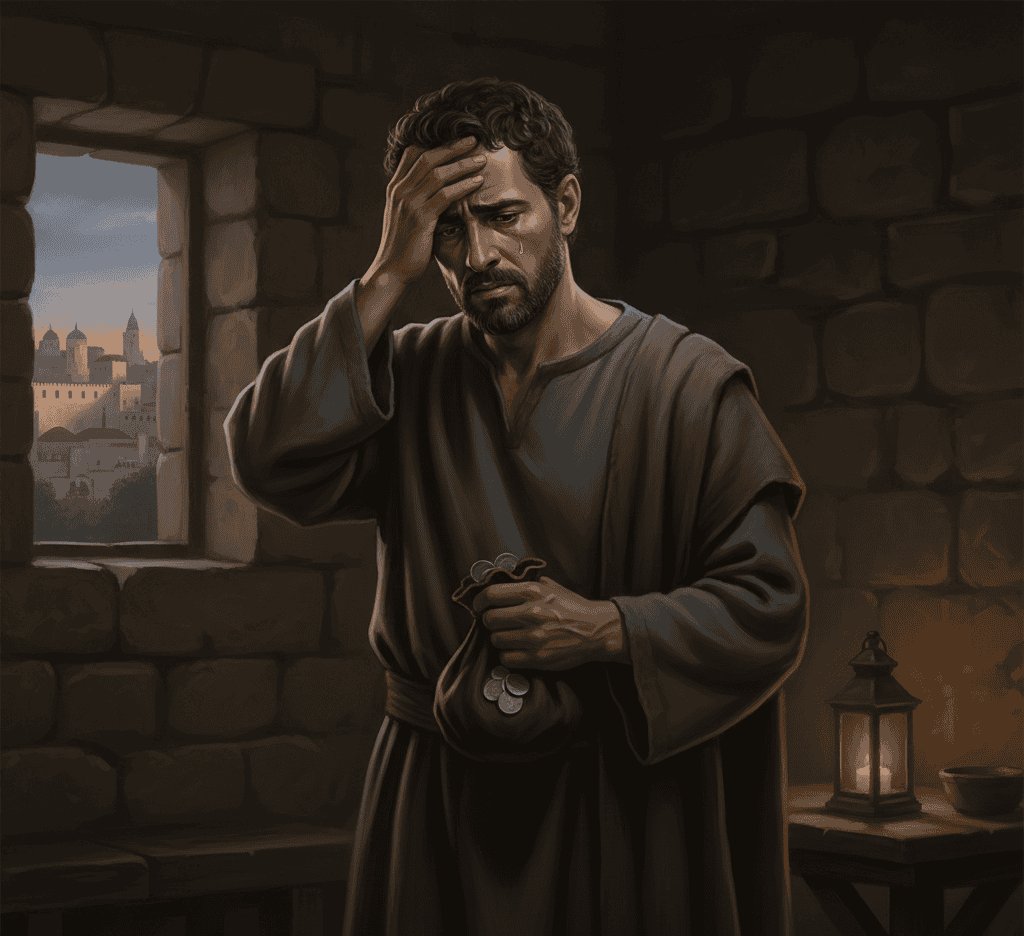
Judas Iscariot, one of Jesus’ twelve disciples, is infamous for betraying Christ for thirty pieces of silver.
His actions led to the crucifixion, and consumed by guilt, he ultimately took his own life. Judas’ story is a cautionary tale of greed, disloyalty, and remorse.
It reflects the devastating consequences of moral failure and the emotional weight of betrayal.
His life and tragic death serve as a stark warning about the dangers of turning against those we trust and the irreversible results of unethical decisions.
5. King Ahab

King Ahab of Israel was ambitious and politically savvy but notoriously influenced by his wife, Jezebel, and often disobeyed God.
His reign was marked by conflict, idolatry, and eventual defeat in battle. Ahab was mortally wounded by an enemy archer, ending a life that might have been remembered for wisdom and leadership.
His story emphasizes the tragic outcome of succumbing to corrupt influences, ignoring divine guidance, and prioritizing personal gain over moral responsibility.
6. Samson’s Father-in-Law
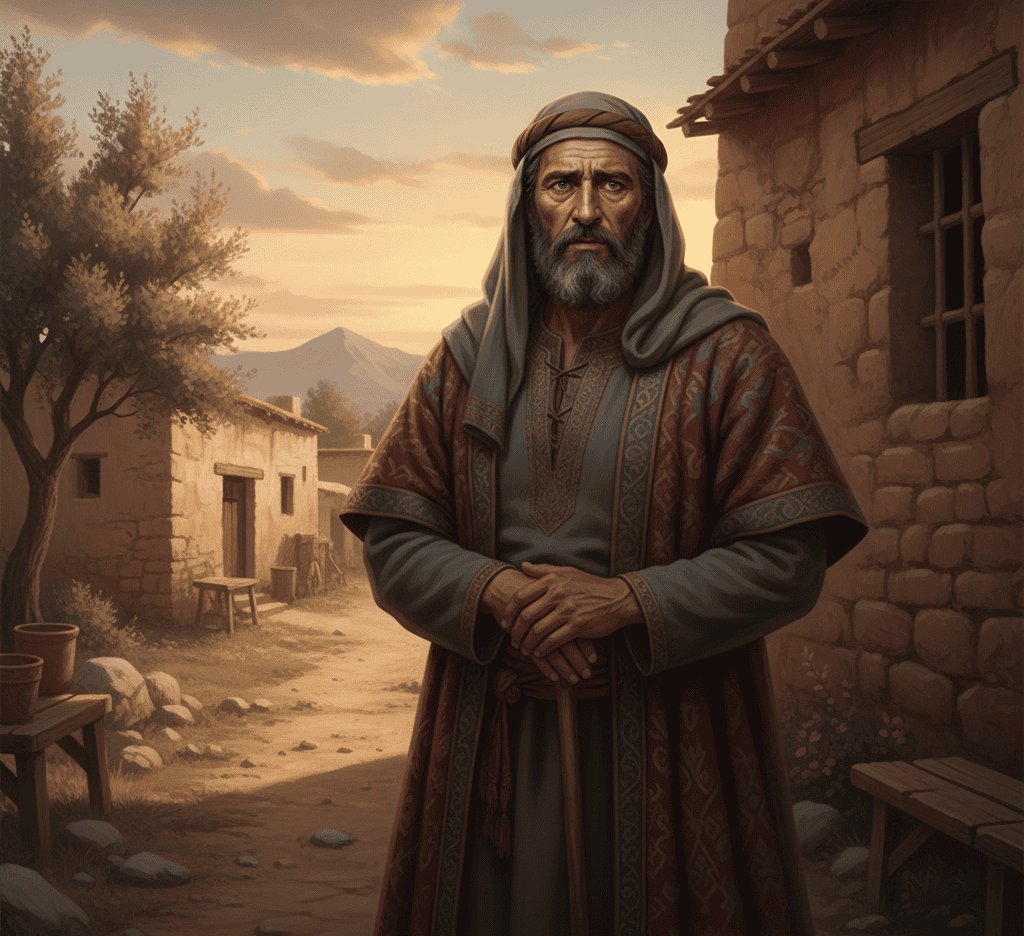
While lesser known, Samson’s father-in-law also suffered tragic consequences due to his association with Samson.
He lost his daughter and eventually faced destruction alongside his community.
His story highlights the collateral damage often caused by the actions of others and the interconnected nature of tragedy in biblical narratives.
This example illustrates that even the innocent or peripheral figures in these stories can face heartbreaking outcomes, reinforcing the moral complexity of biblical life.
7. Lot’s Wife

Lot’s wife is remembered for her tragic fate in the story of Sodom and Gomorrah.
Despite being warned not to look back at the destruction, she disobeyed and was transformed into a pillar of salt.
Her story serves as a cautionary tale about disobedience, attachment to the past, and failure to heed divine instruction.
The sudden and irreversible nature of her punishment emphasizes the weight of choices and the often unforgiving nature of divine judgment in biblical narratives.
8. King Hezekiah

King Hezekiah of Judah was a righteous and faithful ruler, yet his life ended in personal regret and national hardship.
Despite trusting in God and initiating reforms, he struggled with pride and was punished with illness, facing the consequences of vanity and pride.
His story reflects the complexity of human nature and the tension between faithfulness and personal weakness.
Even devout leaders were not immune to tragedy, showing that devotion alone does not guarantee a smooth or happy ending.

I always felt a strong connection to the Divine since my birth. As an author and mentor, my mission is to help others find love, happiness, and inner strength in the darkest of times.