
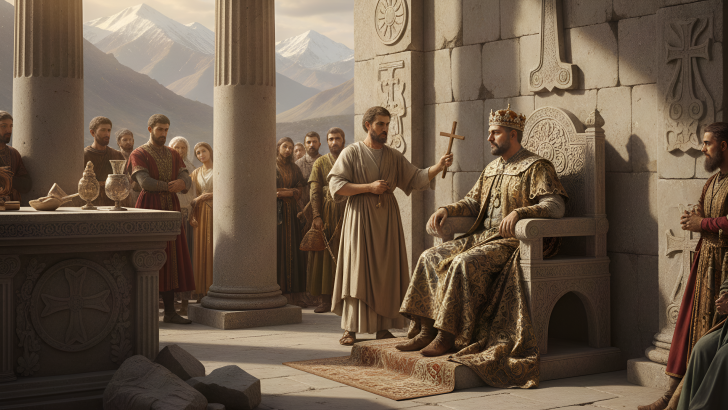
Many people think that Rome was the first Christian nation because it became the center of the Church and eventually the heart of Western Christianity.
But the truth is surprising: the first nation to officially adopt Christianity was not Rome at all, it was Armenia.
In the early 4th century, King Tiridates III declared Christianity the state religion, making Armenia a pioneer in the Christian world.
This bold decision shaped the culture, identity, and traditions of the Armenian people for centuries.
Churches were built, the Bible was translated into Armenian, and Christianity became part of daily life.
Even when facing invasions or pressures from neighboring empires, Armenians kept their faith strong.
The story of Armenia shows how a small nation could make a huge impact on world religion.
Here are five facts about Armenia, as the first Christian nation, that show why it holds such an important place in history.
1. Armenia Adopted Christianity in 301 CE
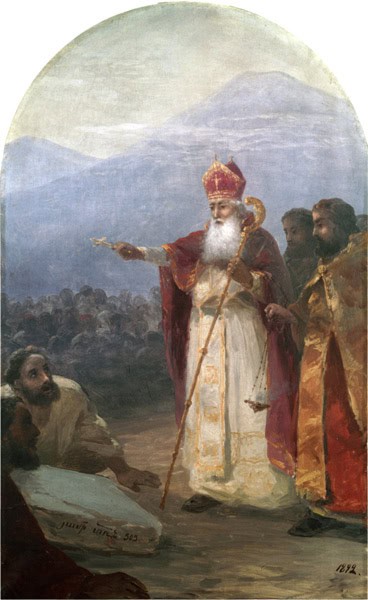
Armenia became the first nation to make Christianity its official religion in 301 CE, long before the Roman Empire officially converted in 313 CE under Emperor Constantine.
This happened because King Tiridates III was influenced by St. Gregory the Illuminator, a Christian who had survived years of imprisonment for his faith.
Once Tiridates converted, he declared Christianity the state religion, which changed the country forever.
Pagan temples were destroyed or turned into churches, and Christian rituals became central to daily life.
Schools and monasteries were founded to teach people the faith, and the king’s support encouraged the entire population to follow suit.
This early adoption helped Armenia unite as a nation under a single religion and created a unique Christian identity that distinguished it from neighbors like the Persian Empire, which followed Zoroastrianism, or pagan Roman territories.
The decision gave Armenia an important place in Christian history as a trailblazer for other nations.
2. St. Gregory the Illuminator Was the Key Figure
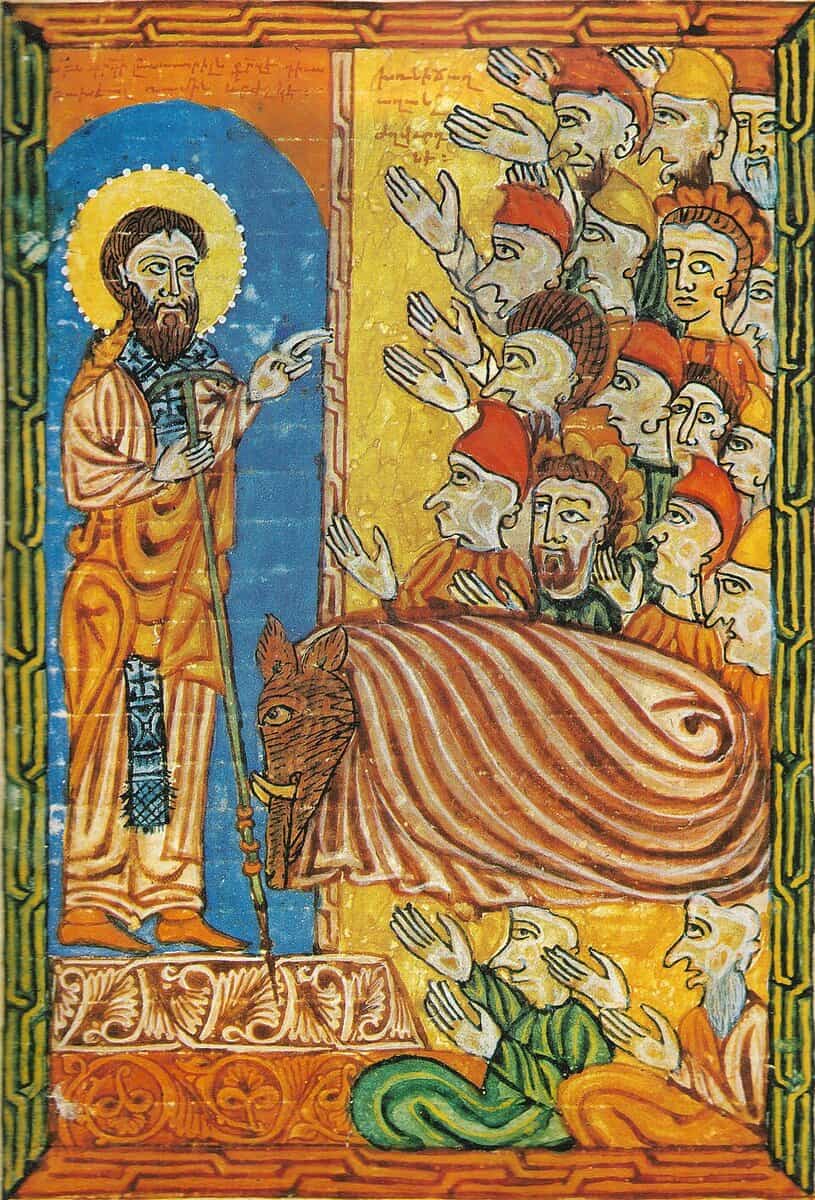
St. Gregory the Illuminator played the most important role in bringing Christianity to Armenia. He endured years of imprisonment in a deep pit because he refused to abandon his faith.
When King Tiridates III learned of Gregory’s devotion, he was inspired and eventually converted to Christianity.
Gregory became the first Catholicos, the head of the Armenian Church, and helped establish the first churches across the kingdom.
He also educated the people about Christian teachings and encouraged devotion to God.
Gregory’s work created a strong foundation for Armenia’s religious life and ensured that the Christian faith would survive for generations.
Without him, it is possible that Armenia would have remained pagan for much longer.
His courage, wisdom, and persistence were key to turning Armenia into the world’s first Christian nation, and his legacy is still honored today in the Armenian Church and throughout the country.
3. Christianity Shaped Armenian Culture
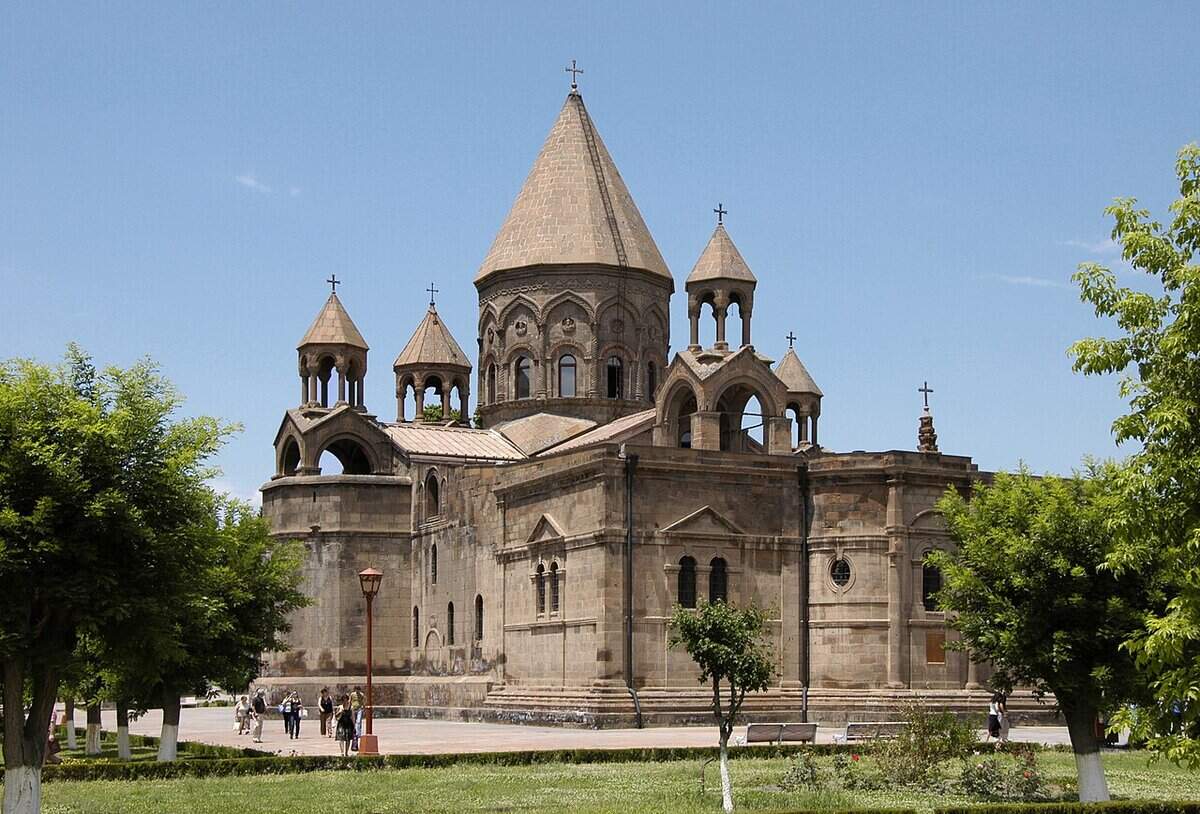
Once Christianity was adopted, it quickly became central to Armenian culture. The nation created its own alphabet in 405 CE to translate the Bible and educate people in their language.
Churches and monasteries became centers of learning, art, and religious life.
Christian festivals, traditions, and rituals were celebrated nationwide, shaping social life and strengthening national identity.
Christianity also influenced art, architecture, and literature, leaving a rich cultural heritage that survives to this day.
Even in times of invasion or occupation, Armenians maintained their Christian culture, which helped preserve the language, traditions, and sense of identity.
The adoption of Christianity transformed Armenia from a pagan kingdom into a spiritual and cultural beacon, influencing neighboring regions and inspiring future generations.
This strong religious identity helped Armenia survive as a unique nation despite centuries of challenges.
4. Armenia Faced Many Threats for Its Faith
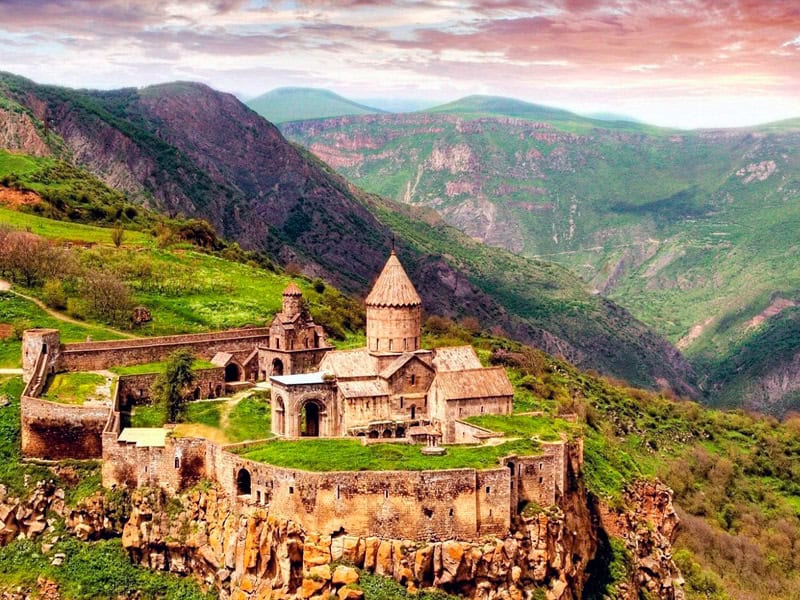
Being the first Christian nation did not come without challenges. Armenia was surrounded by powerful empires with different religions, like Zoroastrian Persia and the pagan territories of Rome.
The Armenians faced invasions, political pressure, and even threats from within their own kingdom.
Despite these dangers, the Armenian people stayed committed to Christianity, guided by leaders like St. Gregory.
They rebuilt churches, maintained religious practices, and taught the faith to younger generations.
The strength and resilience of the population allowed Christianity to survive even when rulers changed or armies invaded.
This dedication helped make Christianity a permanent part of Armenian life and culture.
Armenia’s ability to hold onto its faith shows how deeply the nation valued its spiritual identity and how important religion was in uniting its people during difficult times.
5. Armenia’s Christian Legacy Lives On
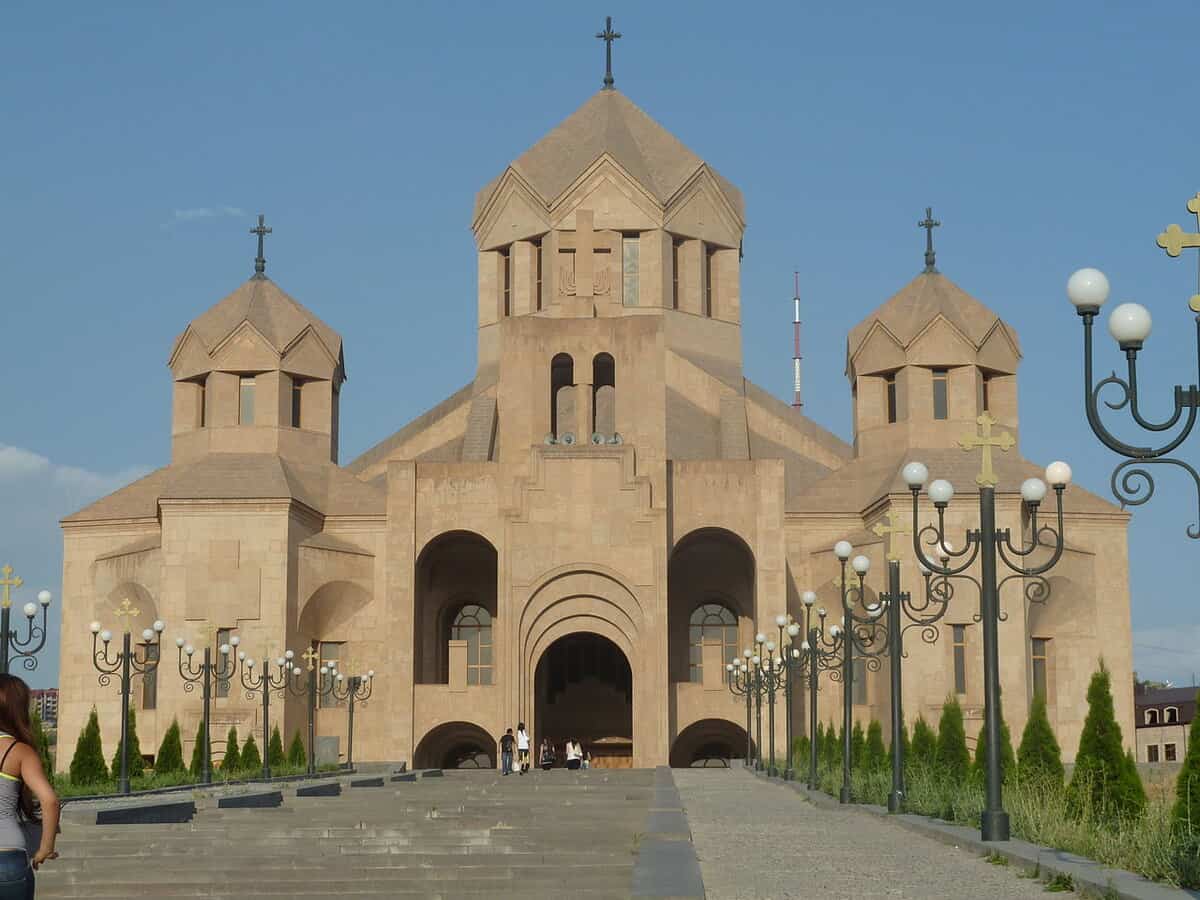
Armenia’s status as the first Christian nation gave it a lasting influence on world history. Its early conversion inspired other countries and helped shape Christian traditions in the region.
Armenian missionaries spread Christianity, and the nation’s churches and monasteries became cultural and spiritual landmarks.
Armenian art, architecture, and literature were deeply influenced by Christian teachings.
Despite invasions and centuries of political upheaval, Armenians preserved their faith and culture, showing the power of religion in creating national identity.
Today, Armenia celebrates its Christian heritage with pride, honoring its place in history as the first nation to embrace Christianity officially.
The story of Armenia proves that even a small country can have a major impact on religion and culture worldwide, leaving a legacy that continues to inspire people today.

I always felt a strong connection to the Divine since my birth. As an author and mentor, my mission is to help others find love, happiness, and inner strength in the darkest of times.