
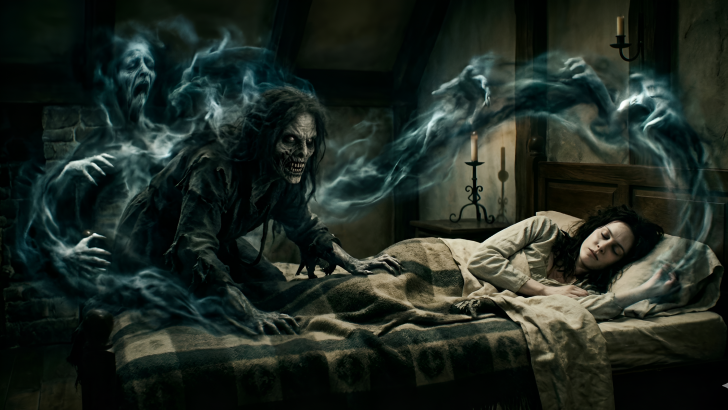
Throughout history, many cultures have told stories about creatures that steal human souls. These beings are often feared because they are believed to take a person’s life force, spirit, or energy.
Legends describe them in different ways. Some are shadowy figures, others appear as animals, and some take human-like forms.
Many stories warn people to be cautious at night, in forests, or near certain places, suggesting these creatures hunt when humans are most vulnerable.
Whether seen as literal beings or symbolic warnings, these legends reveal how cultures try to explain suffering, illness, or sudden death.
Tales of soul-stealing creatures appear in mythology, folklore, and even religious texts. Here are nine creatures that different cultures believe steal souls.
1. Alp
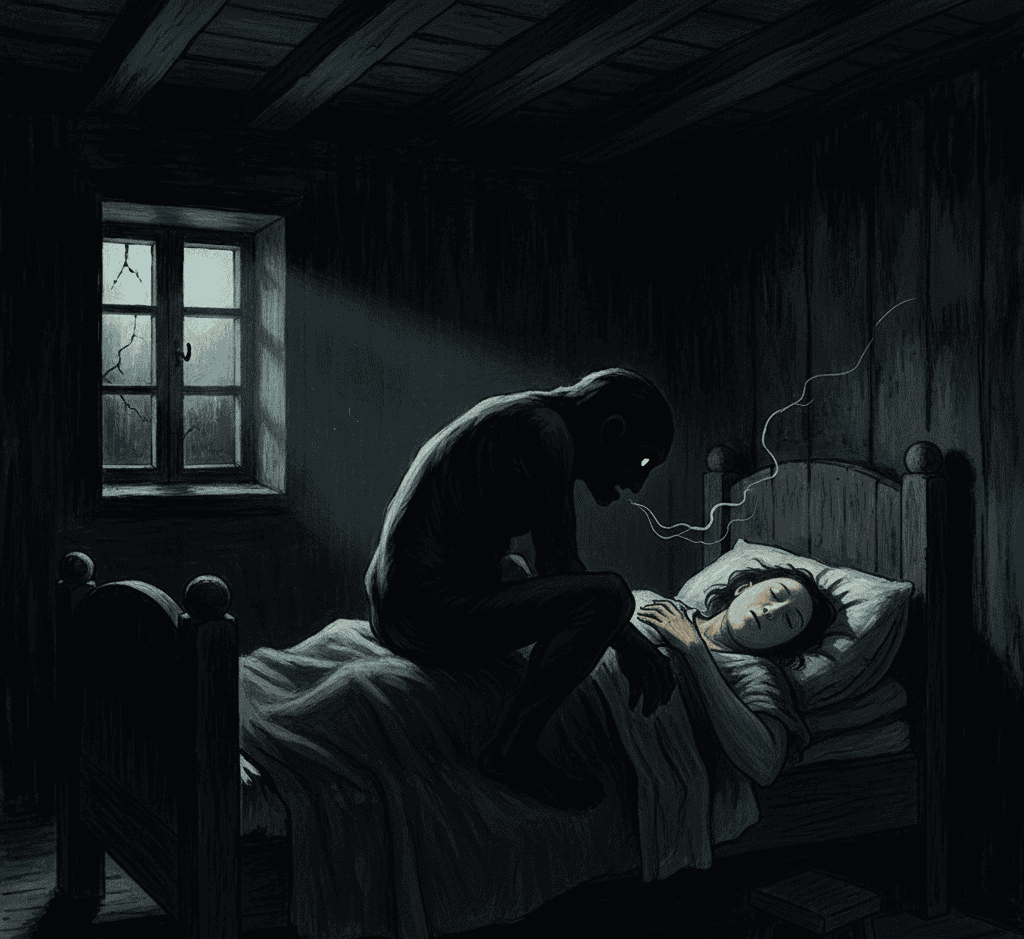
The Alp is a creature from German folklore that attacks people while they sleep. It is often described as a small, dark being that sits on a person’s chest, causing nightmares.
Legends say the Alp feeds on the victim’s energy or soul, leaving them weak and drained.
People believed wearing protective charms or placing objects like a broom or iron near the bed could prevent an Alp attack.
The Alp is sometimes linked to mental or physical illness, with folklore serving as a way to explain sudden weakness or disturbing dreams.
Stories warn that encountering an Alp can result in spiritual harm if the proper precautions are not taken. This creature reflects the fear of losing one’s life force to an unseen predator.
2. Pontianak
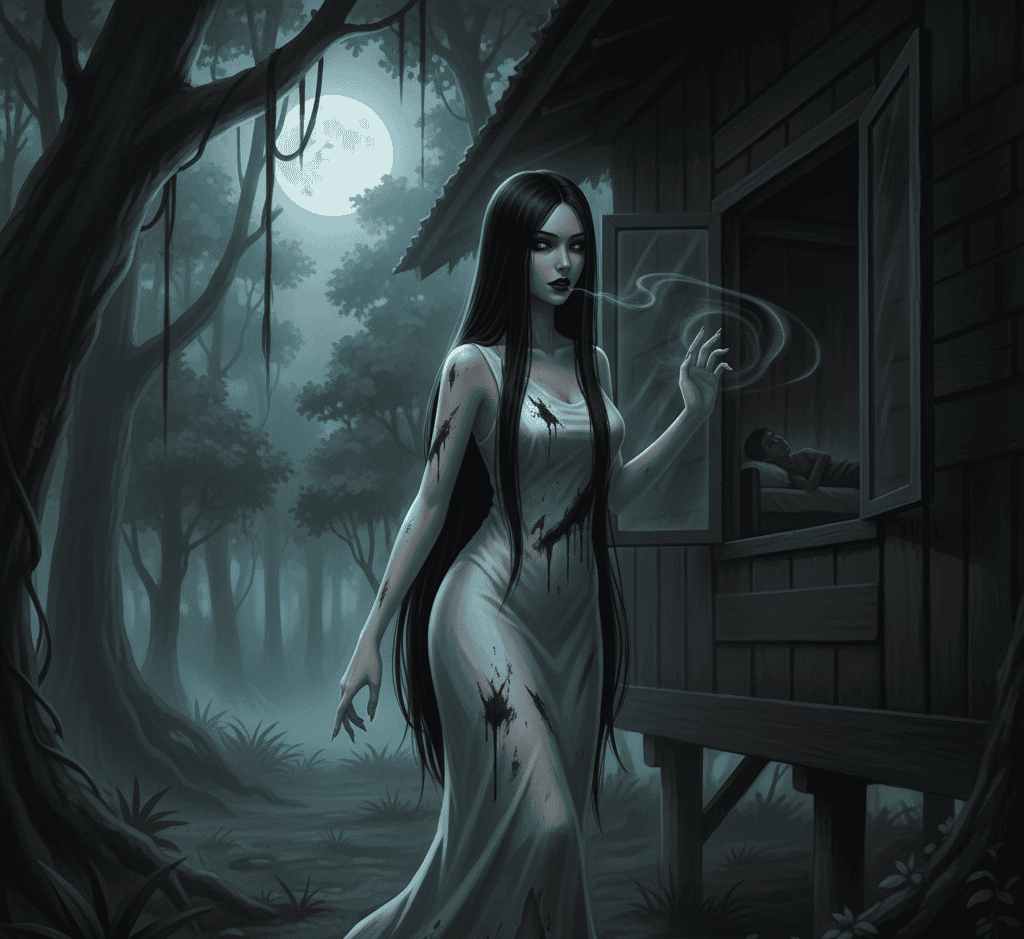
The Pontianak is a female spirit in Southeast Asian folklore, said to be the soul of a woman who died during childbirth.
She appears as a beautiful woman with long black hair, often near trees or dark areas. Legends say the Pontianak attacks men and steals their life force, leaving victims pale and weak.
Some stories claim she can even kill people by removing their souls. People use charms, garlic, or protective rituals to keep her away.
The Pontianak embodies fear of untimely death, loss, and unresolved trauma. Folklore warns communities to respect the dead and follow rituals to prevent restless spirits from harming the living.
3. Churels
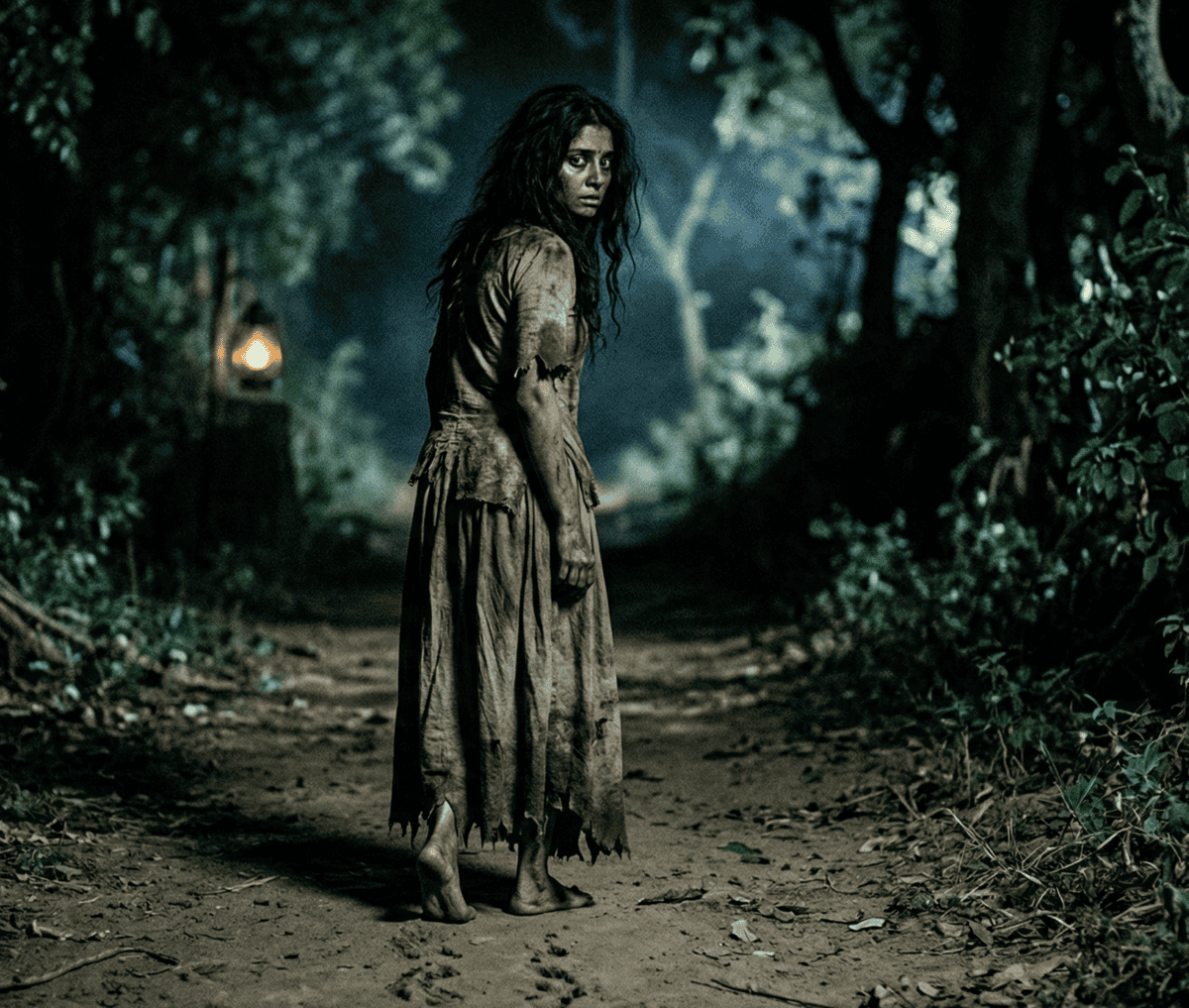
Churels are spirits from Indian folklore, often believed to be women who died violently or during childbirth.
They are described with backward feet and a terrifying appearance. Legends say Churels wander at night, seeking revenge, and they can steal the soul or life energy of men who encounter them.
People avoid dark forests or cemeteries at night, and some use protective symbols or chants to keep Churels away.
The Churel reflects fears of untimely death, injustice, and the power of spirits to affect the living. These legends served as moral and safety warnings, telling communities to respect life and death.
4. Jorogumo
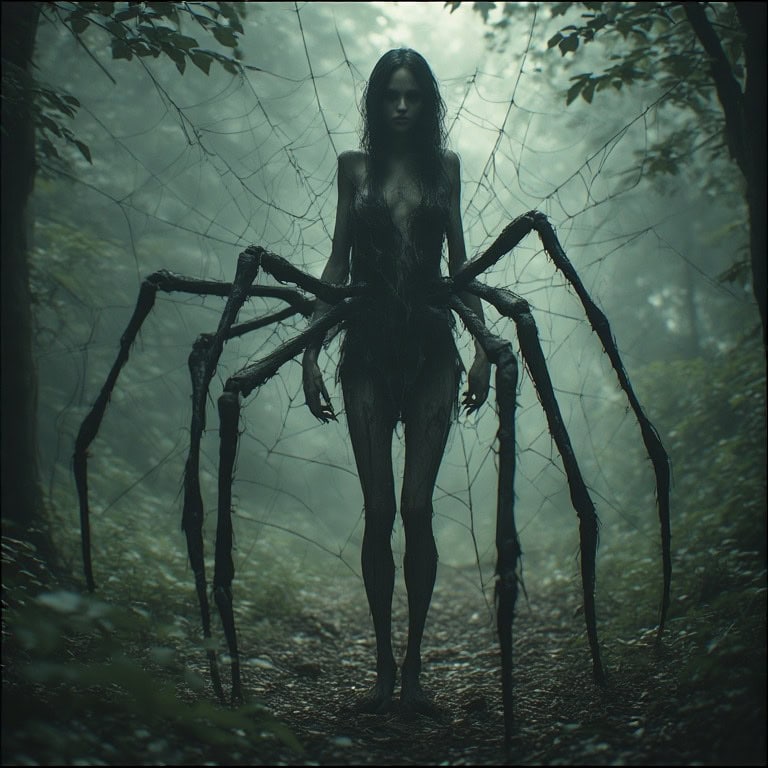
The Jorogumo is a Japanese creature that appears as a beautiful woman but can transform into a giant spider.
She lures men to her lair, then feeds on their life energy or soul. Legends describe the Jorogumo as patient and cunning, often using her charm to trap victims.
People were warned not to enter secluded forests or caves where she lived. The story of the Jorogumo combines fear of betrayal, death, and the unknown.
It also teaches caution and the dangers of being seduced by appearances. Her legends remain a warning about the balance between attraction and danger.
5. Strigoi
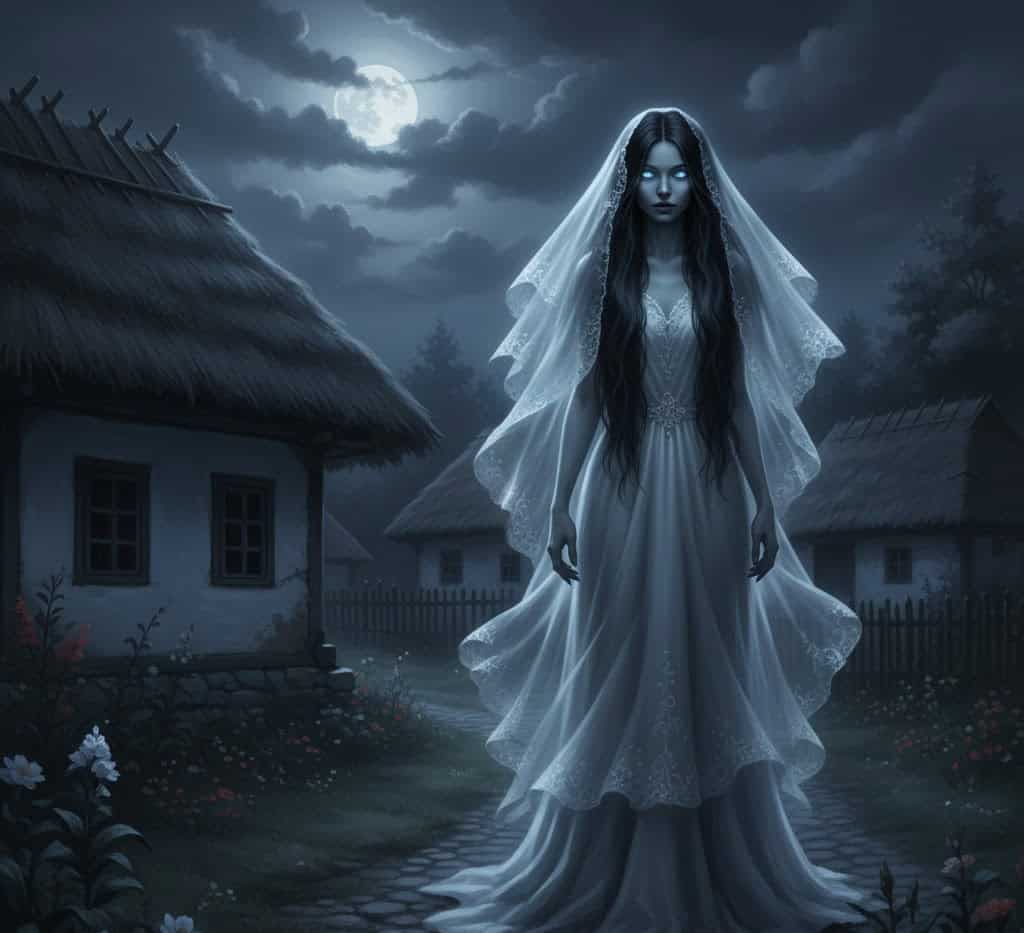
Strigoi are spirits from Romanian folklore, often linked to vampires. They are said to rise from the grave and drain the life or soul of the living.
Strigoi can be living or dead, and their victims often experience weakness, illness, or death. Protective measures include garlic, holy water, or burial rituals to prevent them from rising.
The Strigoi symbolizes fears of death, disease, and the inability to control what happens after death.
Legends served to explain sudden illness or misfortune and warned communities to honor the dead properly.
6. Gaki
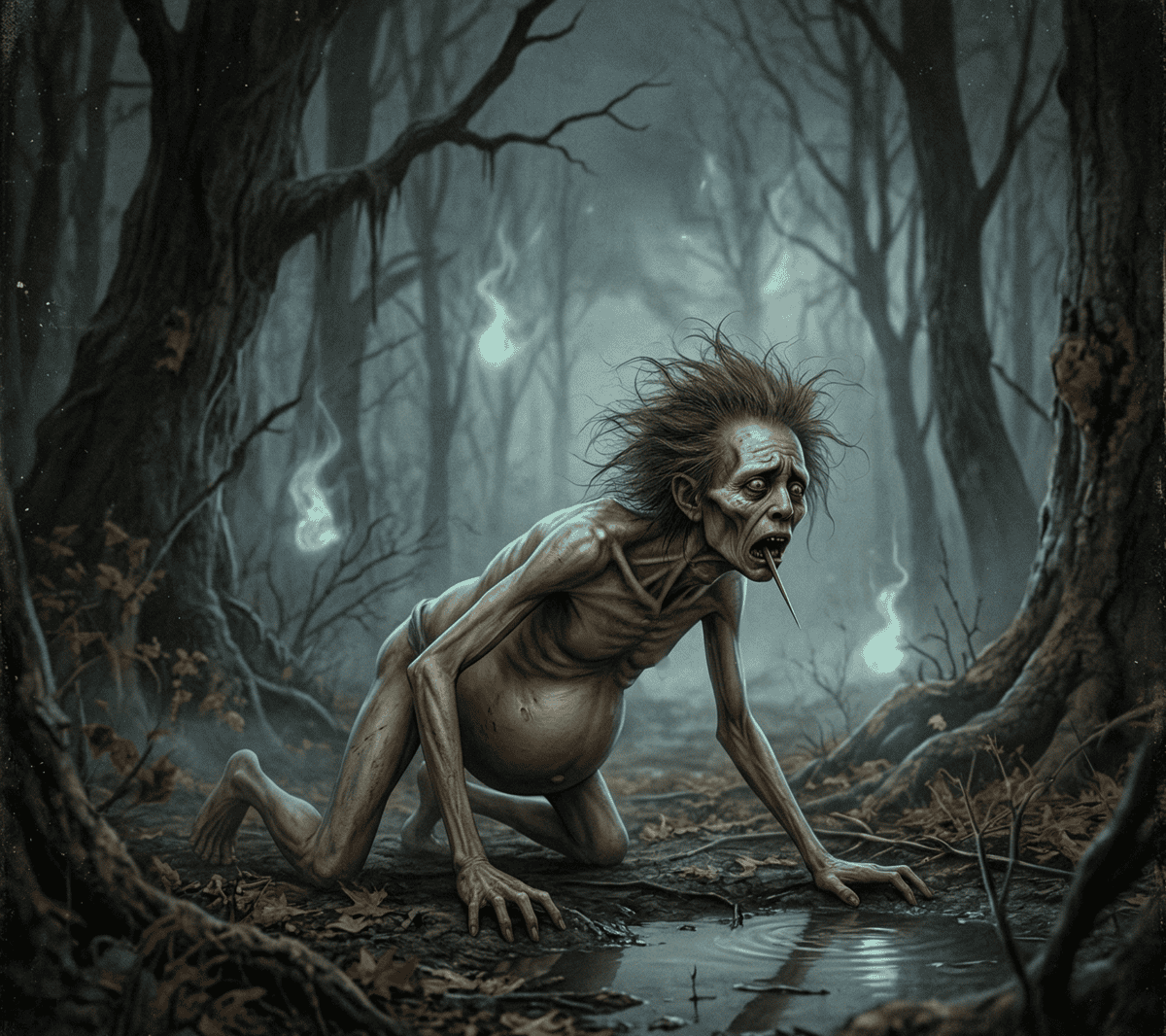
Gaki, or hungry ghosts, are spirits of people who lived greedy or sinful lives. They are always hungry and may steal energy, life force, or soul from the living to satisfy their cravings.
In folklore, encountering a Gaki brings weakness, illness, or misfortune. They are depicted with thin bodies and large bellies, symbolizing insatiable desire.
Offerings and rituals are performed to appease them, preventing harm to the living. The legend warns against selfishness and greed while emphasizing the need for spiritual balance and respect for spirits.
7. Tikoloshe
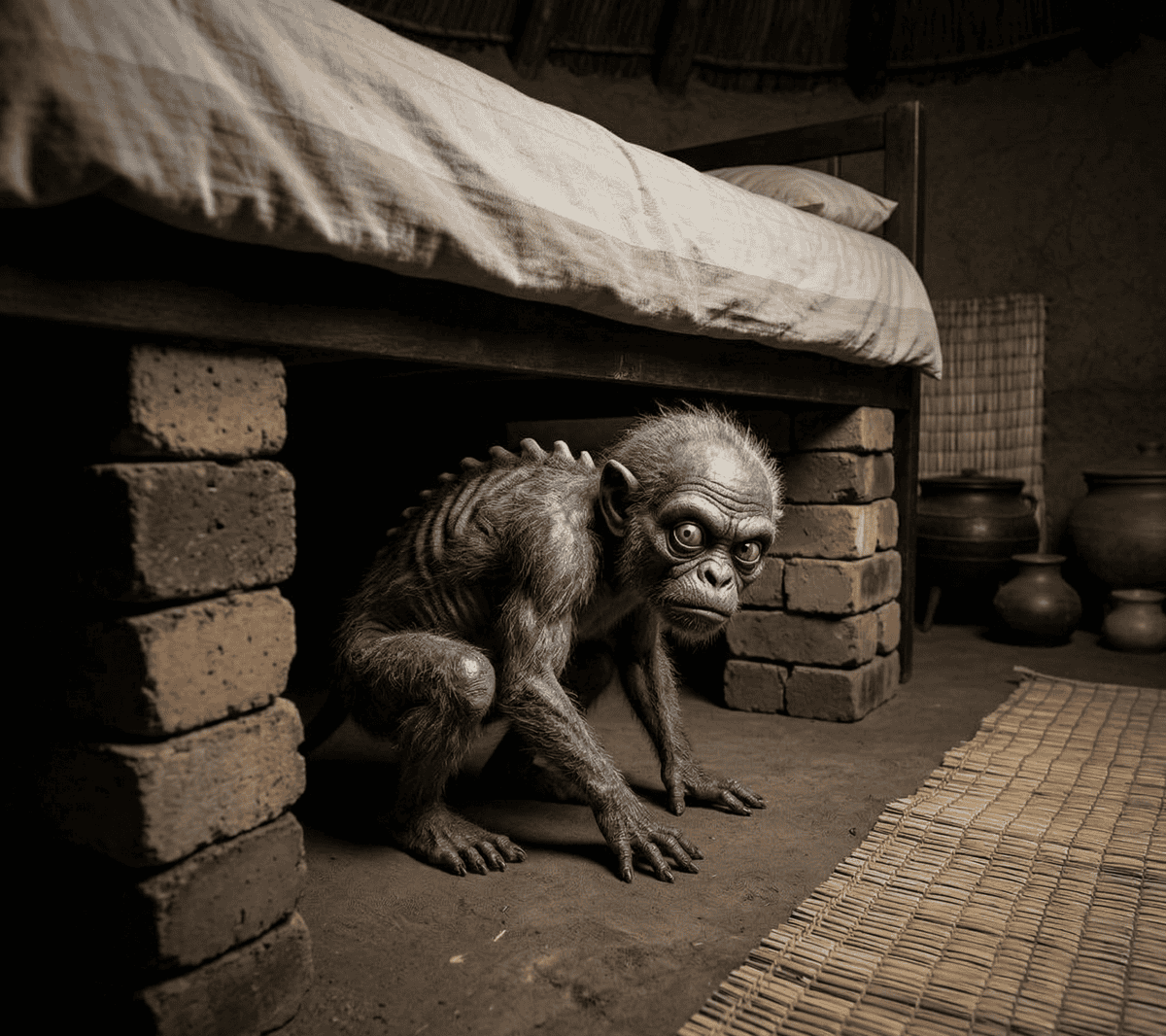
The Tikoloshe is a dwarf-like creature in Zulu folklore, believed to attack humans at night. It can steal a person’s soul or energy, leaving them weak or sick.
People use charms, protective herbs, or special sleeping arrangements to avoid the Tikoloshe. Legends say shamans or witches can control it for revenge, making it a symbol of spiritual danger.
The Tikoloshe embodies fear of unseen forces and teaches respect for traditional knowledge and rituals. Communities use the stories to explain sudden misfortune, illness, or unexplained deaths.
8. Wendigo
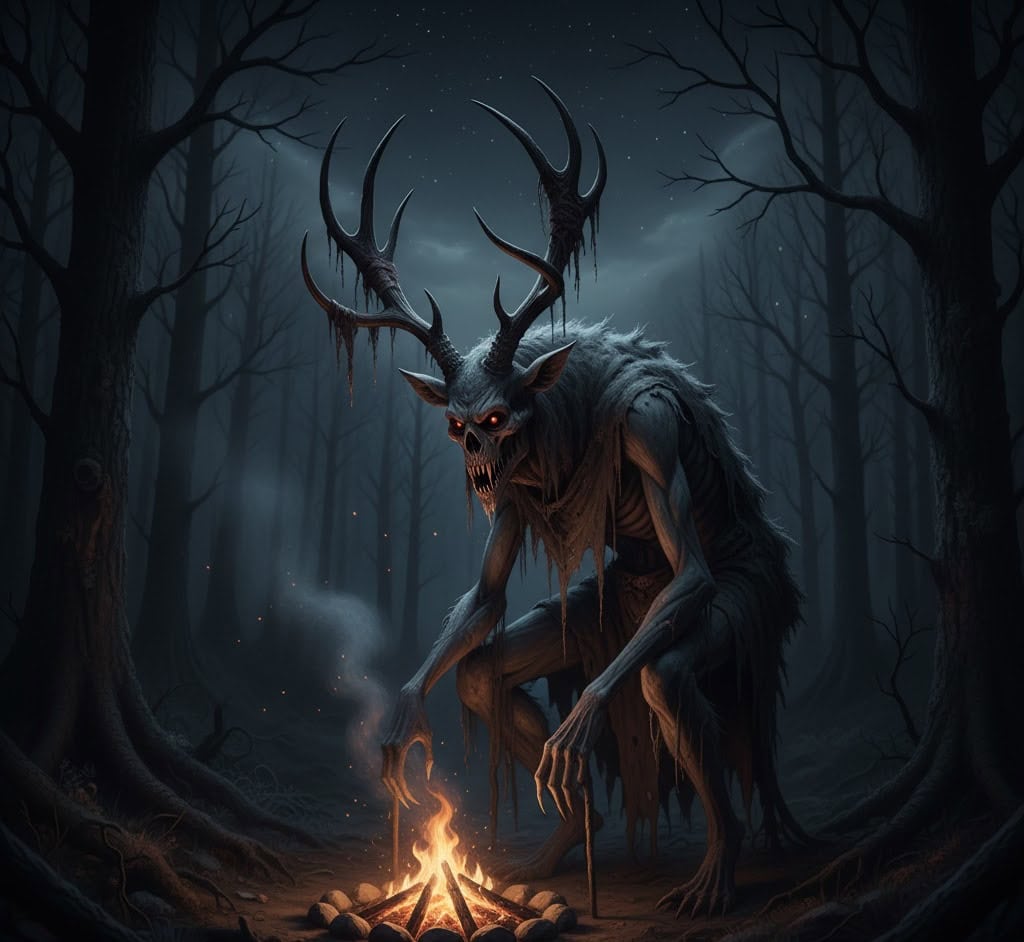
The Wendigo is a spirit from Algonquian folklore, associated with cannibalism, cold, and greed. It is said to consume humans’ souls, turning them into hollow, lifeless beings.
The Wendigo is enormous and terrifying, representing the dangers of excess and moral corruption.
Legends warn travelers and tribes to avoid selfish or cruel behavior, as the spirit can punish by stealing life force.
Its story serves as both a moral lesson and a supernatural cautionary tale, teaching respect for nature, community, and spiritual balance.
The Wendigo reflects human fears of starvation, isolation, and spiritual destruction.
9. Dybbuk
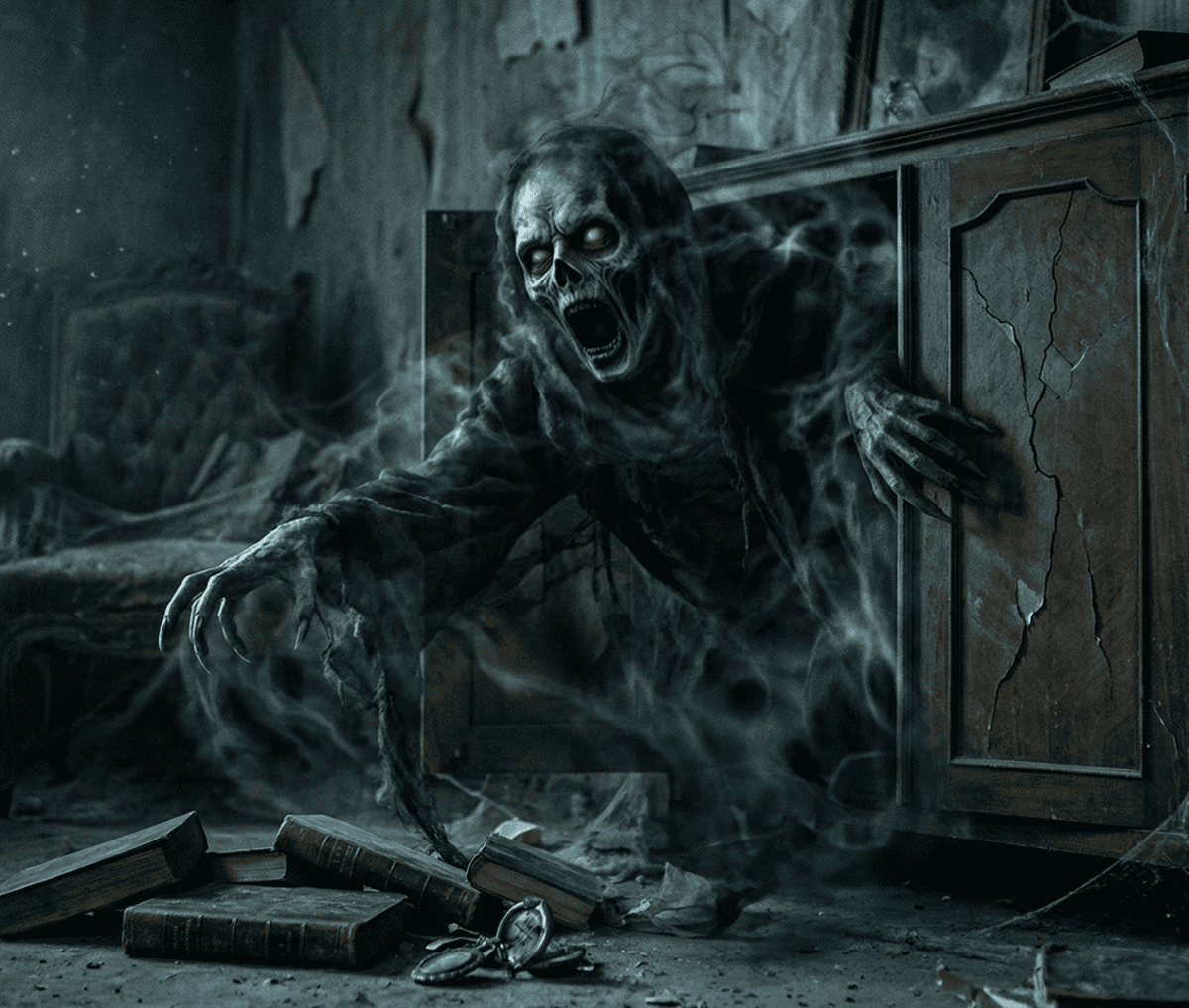
The Dybbuk is a malicious spirit in Jewish folklore that attaches to a living person, often to settle unfinished business or revenge.
It is believed to steal energy, influence behavior, or even take control of the host. Exorcisms or religious rituals are performed to remove a Dybbuk safely.
The stories warn against disrespecting the dead and highlight the importance of spiritual purity. Dybbuks can symbolize guilt, unresolved issues, or lingering sins.
Legends emphasize the need to maintain balance in life and honor both spiritual and moral responsibilities.
These tales remind communities that the soul can be vulnerable to outside forces if not properly protected.

I always felt a strong connection to the Divine since my birth. As an author and mentor, my mission is to help others find love, happiness, and inner strength in the darkest of times.