
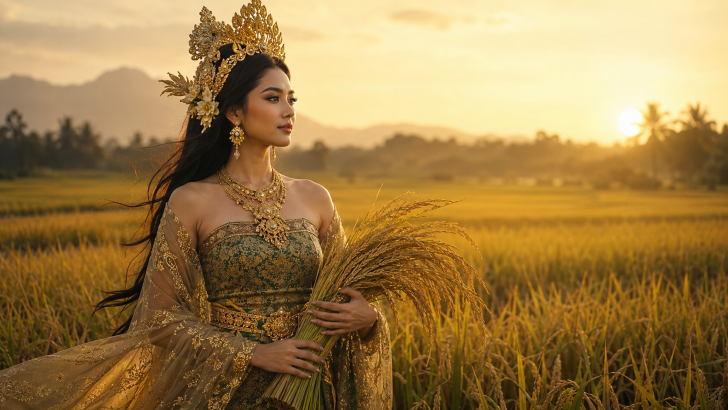
Among the many revered figures in Southeast Asian mythology, Dewi Sri stands out as one of the most beloved.
For centuries, she has been associated with rice, fertility, prosperity, abundance, and the well-being of the land.
Her stories have been passed down through generations, especially in Indonesia, where rice has long been one of the most important crops.
Because agriculture played such a vital role in daily life, Dewi Sri became far more than a harvest goddess.
She came to symbolize life itself, along with the hope that fields would remain fertile and families would have enough food to eat.
Here are ten fascinating facts about Dewi Sri, the goddess of rice and prosperity.
1. Dewi Sri Is One of Indonesia’s Most Beloved Goddesses
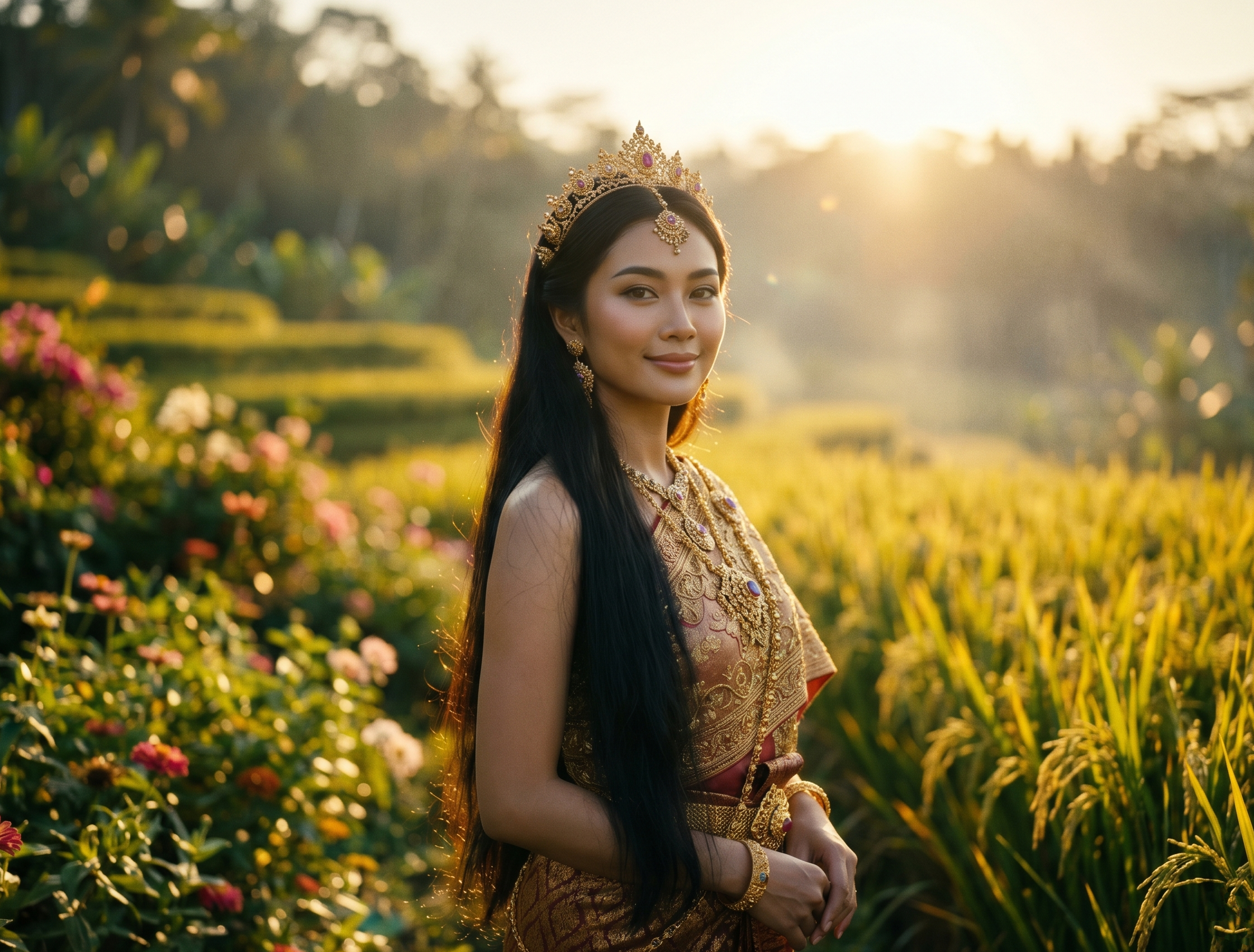
Dewi Sri has been honored for centuries throughout parts of Indonesia.
She is especially important in Javanese and Balinese traditions, where she is closely connected with agriculture and abundance.
For many communities, rice was the foundation of survival. Because of this, a goddess associated with rice naturally became one of the most respected figures in local beliefs.
Stories about Dewi Sri were shared from generation to generation and became deeply woven into cultural traditions.
Her influence extended beyond mythology and into everyday life. Farmers often viewed successful harvests as signs of her blessing and protection.
This close connection to food and survival helped make Dewi Sri one of the most enduring and beloved goddesses in the region.
2. She Is Closely Associated With Rice
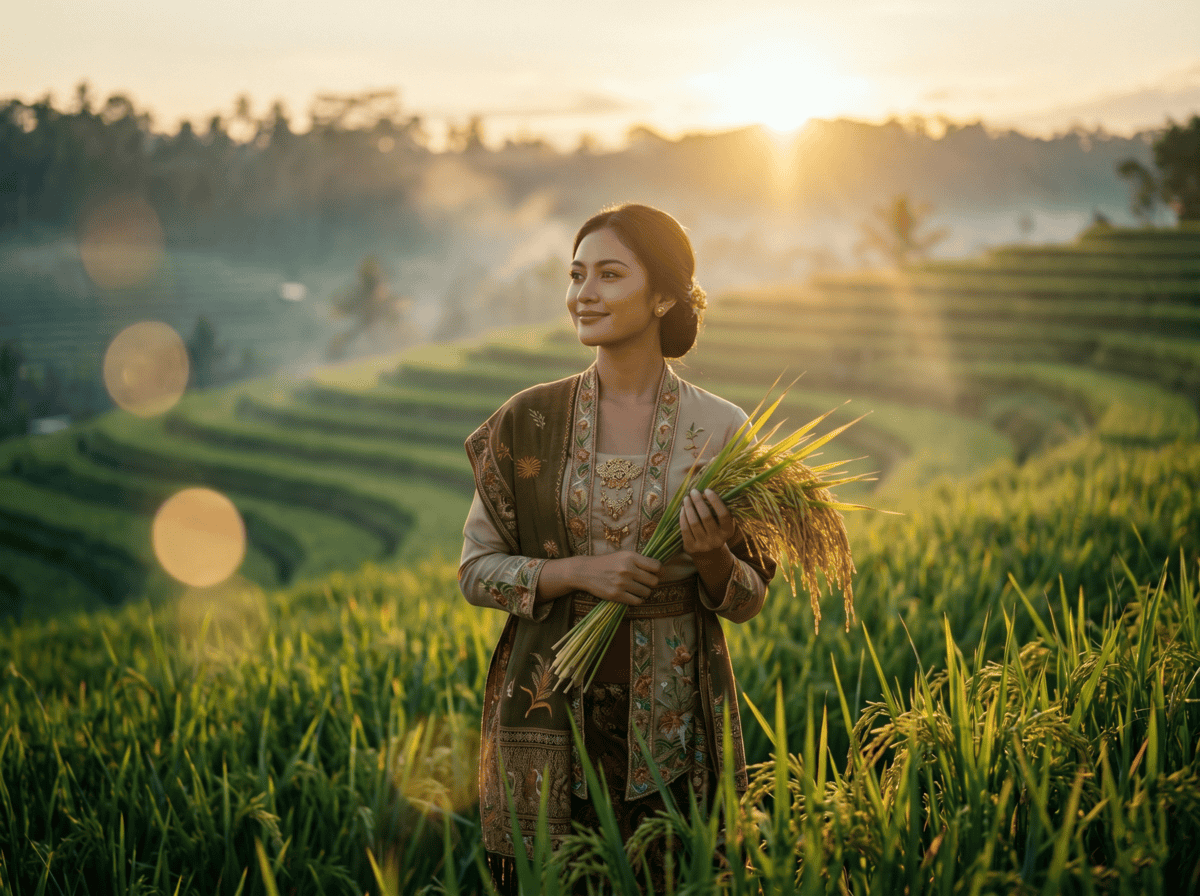
Rice is the symbol most strongly connected to Dewi Sri. In many traditions, she is regarded as the guardian and protector of rice crops.
Because rice has fed millions of people across Southeast Asia for centuries, it became much more than a simple food source.
It represented life, security, and prosperity. Dewi Sri’s connection to rice made her especially important to farming communities.
Many stories describe her presence in the fields and her influence over successful harvests. Her role reflects how deeply agriculture shaped traditional societies.
The health of the rice crop often determined whether a community would experience abundance or hardship, making Dewi Sri’s symbolism especially meaningful.
3. She Is Considered a Goddess of Prosperity
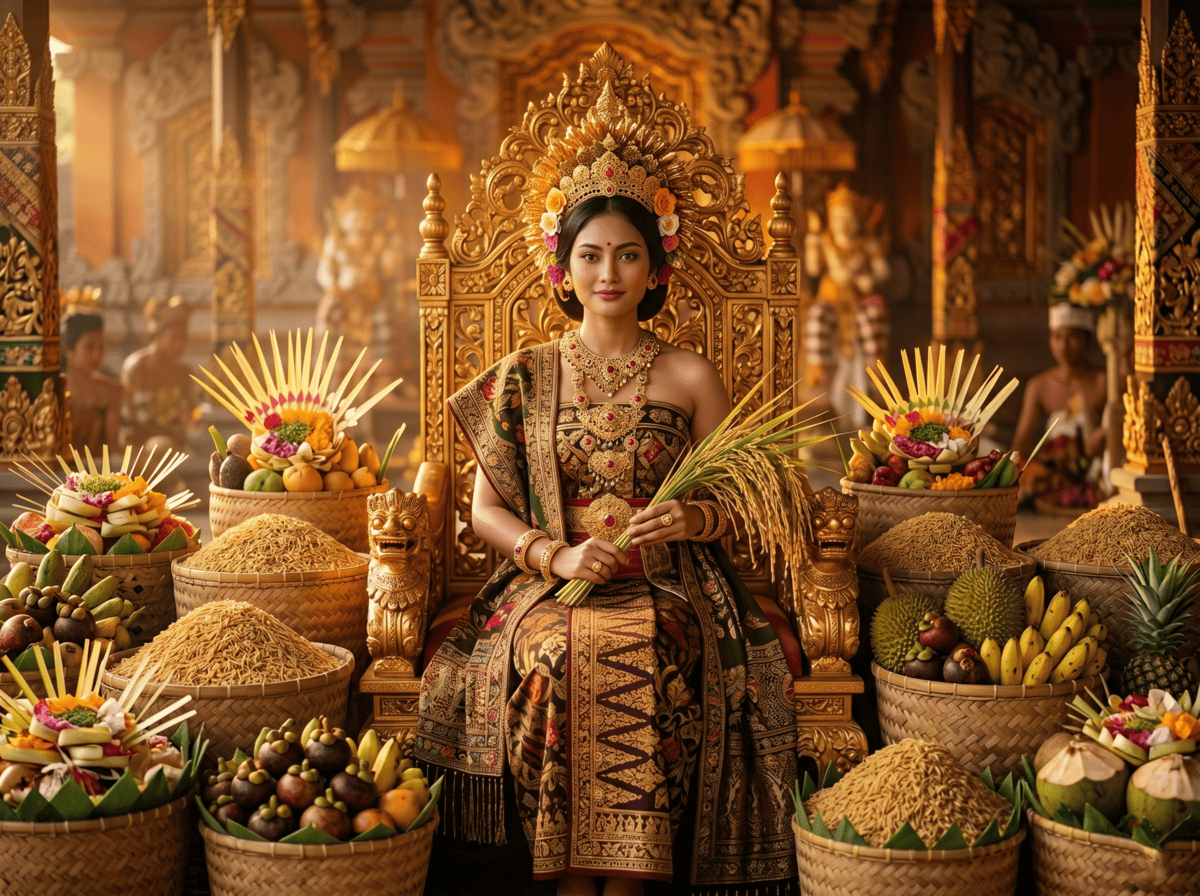
Beyond rice, Dewi Sri is also associated with prosperity and abundance. People often viewed her blessings as extending to the well-being of families and communities.
A successful harvest could provide food, trade opportunities, and economic stability. Because of this connection, prosperity naturally became part of her symbolism.
Dewi Sri came to represent more than material wealth. She was also linked to harmony, wellbeing, and a secure future.
Her stories often emphasize the idea that true prosperity involves both physical needs and community stability.
This broader meaning helped increase her importance throughout many regions where her worship became widespread.
4. Many Legends Describe Her as a Source of Life
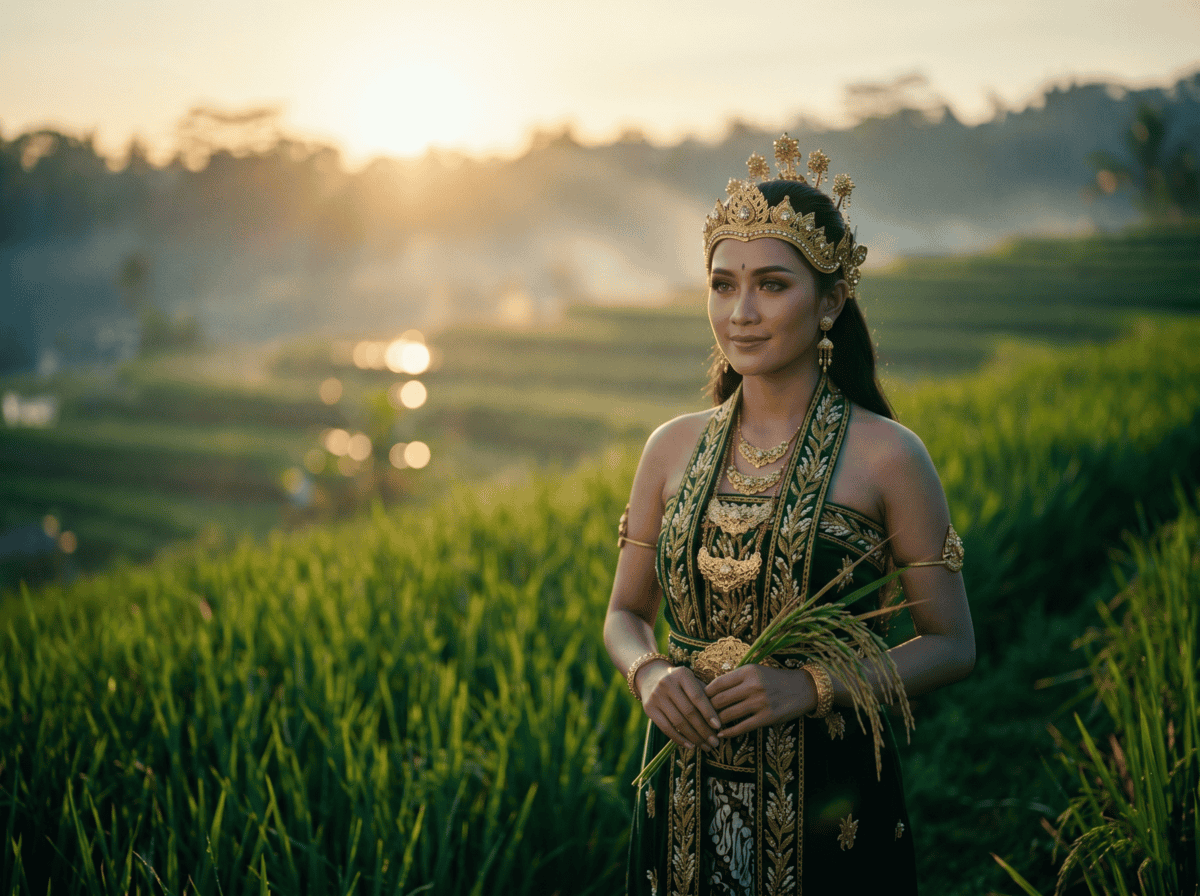
Several traditional stories describe Dewi Sri as bringing life and fertility to the earth. Different versions of her legend exist, but many focus on themes of growth, renewal, and nourishment.
These stories often explain how important crops came into existence.
In some versions, her connection to the natural world is so strong that life-giving plants emerge through her influence.
Such myths helped explain the origins of agriculture and reinforced the sacred value of food.
The stories also highlighted the belief that nature should be respected rather than taken for granted.
Dewi Sri’s role as a life-giving figure remains one of the most important parts of her mythology.
5. Farmers Traditionally Honored Her
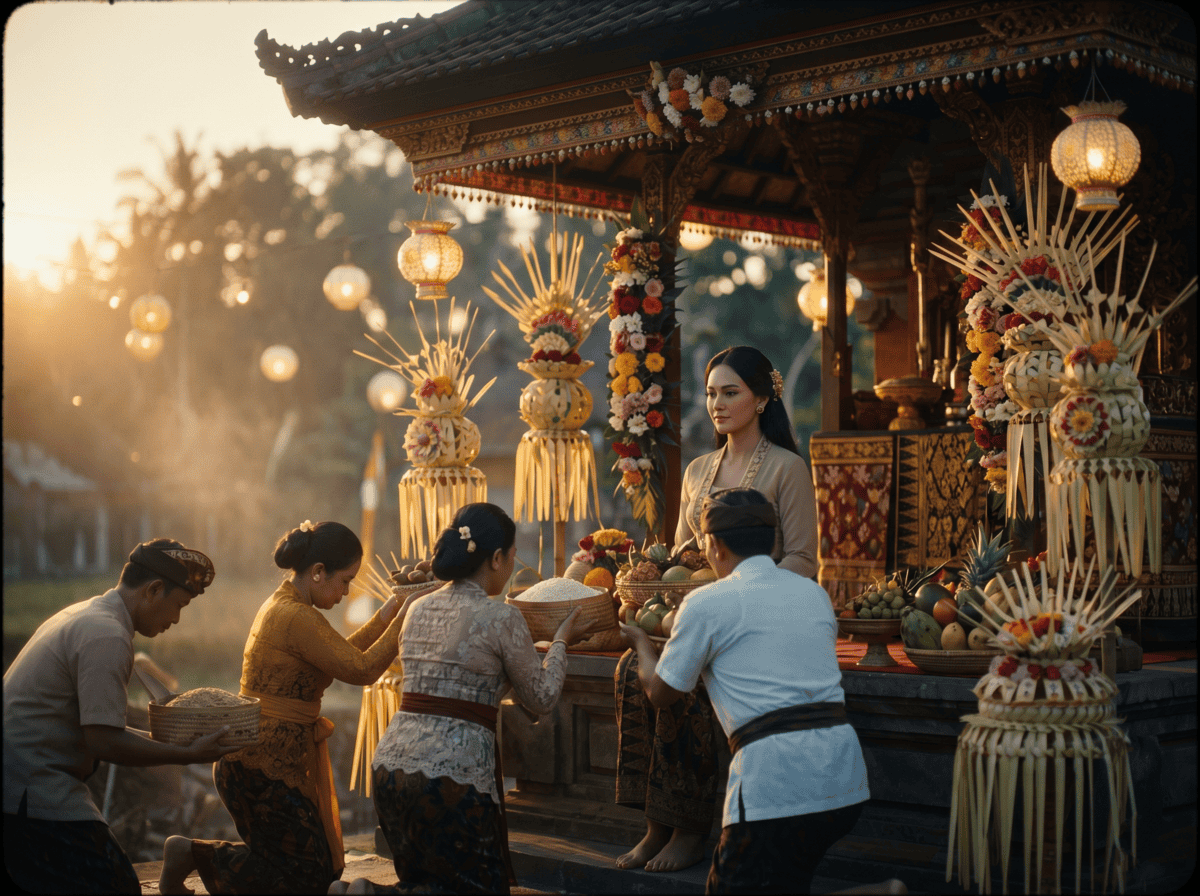
For generations, farmers have shown respect for Dewi Sri through customs and ceremonies.
Agricultural communities often developed traditions intended to express gratitude for successful harvests.
These practices varied from region to region, but many centered on honoring the goddess and seeking continued blessings.
Special offerings and celebrations were sometimes held during important parts of the farming cycle. The goal was often to encourage fertility in the fields and abundance in future harvests.
These traditions demonstrate the close relationship between spiritual beliefs and agriculture.
For many communities, farming was not only practical work but also an activity deeply connected to faith and tradition.
6. She Is Often Depicted as Beautiful and Graceful

Artists and storytellers frequently portray Dewi Sri as a beautiful and elegant goddess.
Her appearance often reflects qualities associated with fertility, abundance, and harmony.
Many depictions show her wearing traditional clothing and surrounded by rice plants or symbols of harvest.
These artistic choices reinforce her role as a provider of nourishment and prosperity. Beauty in mythology often symbolizes life, health, and blessings.
Dewi Sri’s graceful image reflects the positive qualities people hoped to see in their communities and fields.
Her appearance also helps distinguish her from warrior deities or gods associated with conflict. Instead, she embodies growth, peace, and generosity.
7. Her Stories Emphasize the Importance of Nature

The mythology surrounding Dewi Sri often highlights humanity’s relationship with the natural world.
Her connection to crops reminds people that survival depends on healthy land and successful harvests.
Many traditional stories encourage respect for nature and appreciation for its gifts. This message remains relevant even today.
Communities that depended on farming understood how important weather, soil, and seasons could be. Dewi Sri became a symbol of these life-sustaining forces.
Her legends often encourage gratitude for the resources that make life possible and remind people that prosperity begins with caring for the earth.
8. She Remains Important in Modern Culture

Although many centuries have passed since her earliest legends appeared, Dewi Sri continues to hold cultural significance.
Her image can still be found in art, literature, festivals, and traditional celebrations.
Many people view her as an important symbol of heritage and cultural identity.
Even those who no longer follow older religious traditions may recognize her influence on local history and customs.
The continued popularity of Dewi Sri demonstrates the lasting power of mythology.
9. She Is Connected With Fertility
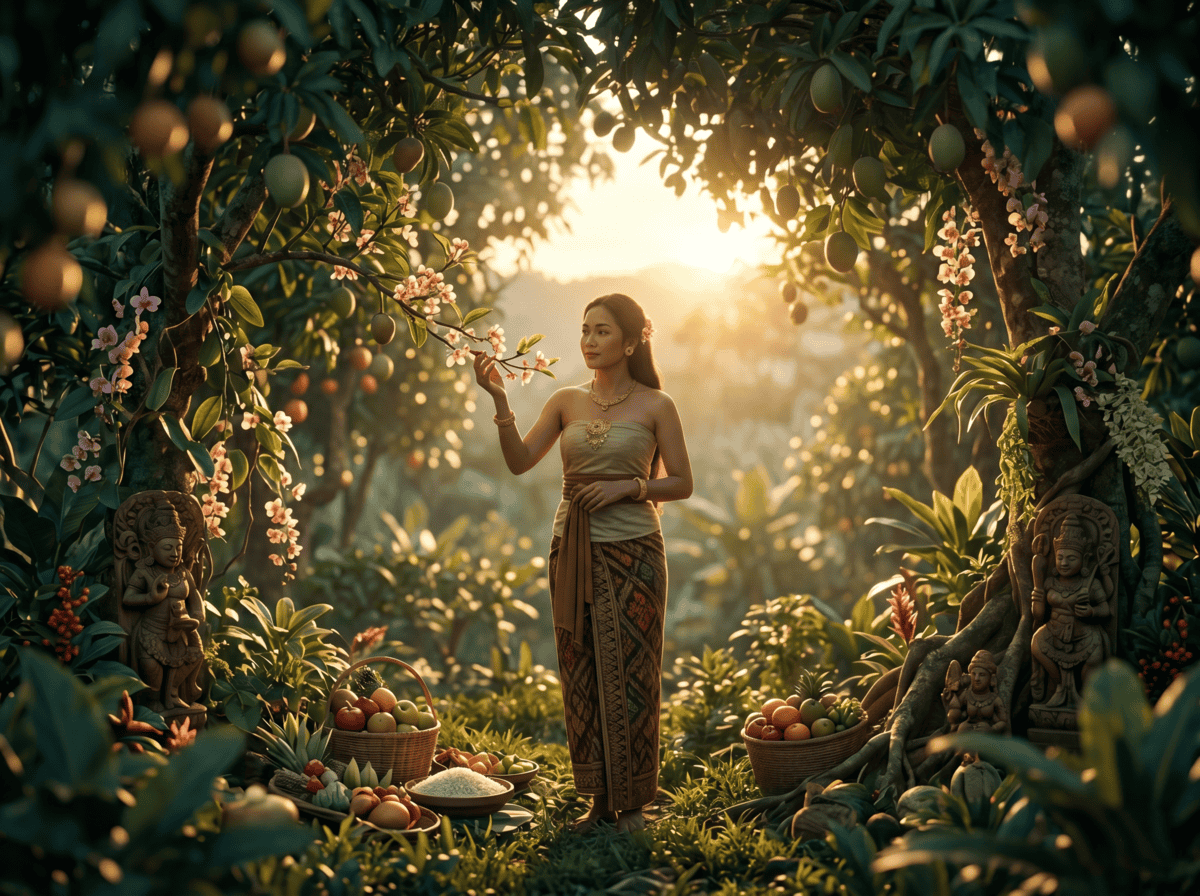
Dewi Sri’s symbolism extends beyond crops and harvests. She is also associated with fertility and the continuation of life.
In agricultural societies, fertility was important not only for families but also for fields, animals, and entire communities.
A fertile landscape meant food, stability, and future growth. Because of this, fertility became one of the central themes in her mythology.
This connection helped establish Dewi Sri as a goddess whose influence touched nearly every aspect of traditional life, from farming to family wellbeing.
Dewi Sri remains one of the most respected and recognizable goddesses in Southeast Asian folklore and tradition.

I always felt a strong connection to the Divine since my birth. As an author and mentor, my mission is to help others find love, happiness, and inner strength in the darkest of times.