
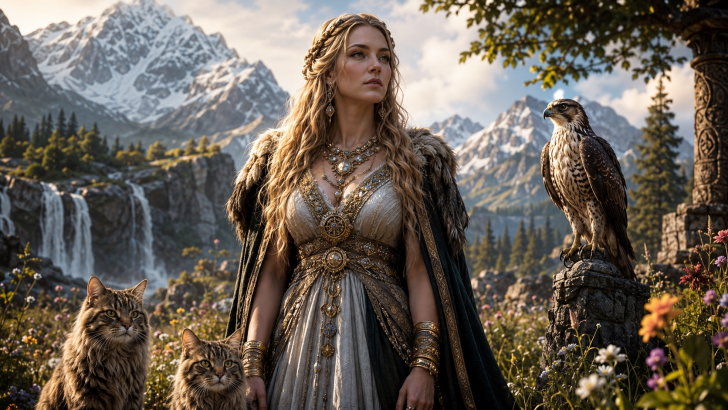
Have you ever noticed that many ancient goddesses of love are remembered mainly for beauty and romance? Freyja was different.
In Norse mythology, she was certainly associated with love, attraction, and desire, but that was only part of her story.
Freyja was also connected to magic, war, wealth, fertility, and even the fate of fallen warriors.
She was one of the most respected and powerful figures in the Norse world. Gods admired her, giants desired her, and humans prayed to her for blessings in both love and life.
Thousands of years after the Vikings told stories about her, Freyja remains one of the most fascinating figures in mythology.
Here are eight fascinating facts about Freyja, the Norse goddess of love.
1. Freyja Was One of the Most Powerful Goddesses in Norse Mythology
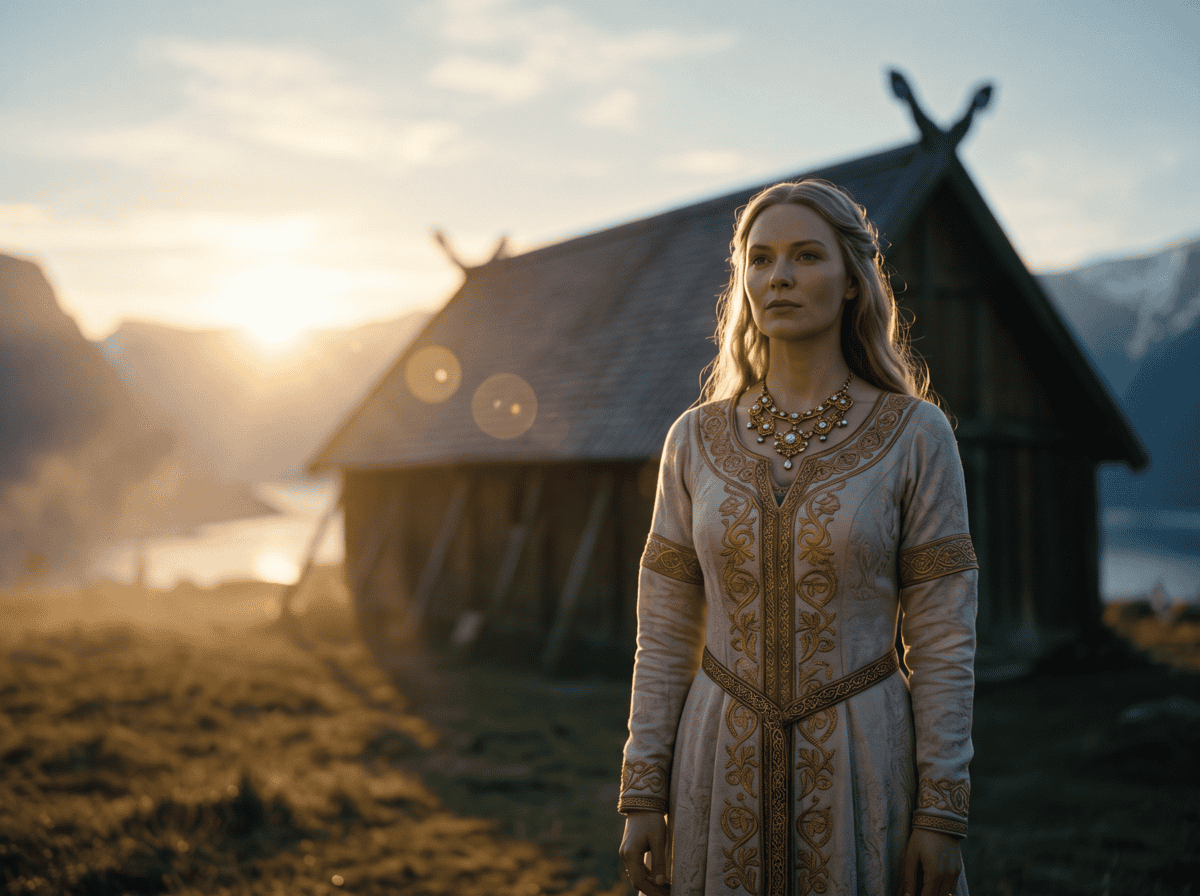
When people first hear that Freyja was a goddess of love, they sometimes imagine a gentle figure whose role was limited to romance.
The myths paint a very different picture. Freyja was one of the most influential deities in the Norse pantheon.
She belonged to the Vanir, a group of gods associated with fertility, prosperity, and nature. After a great war between the Vanir and the Aesir, Freyja came to live among the main Norse gods.
Her importance quickly became clear. She was welcomed into the divine world not as a minor figure but as a goddess whose powers and wisdom were highly valued.
You can think of Freyja as someone who wore many crowns at once. She represented love and beauty, but she was also connected to magic, wealth, and destiny.
2. She Rode a Chariot Pulled by Cats
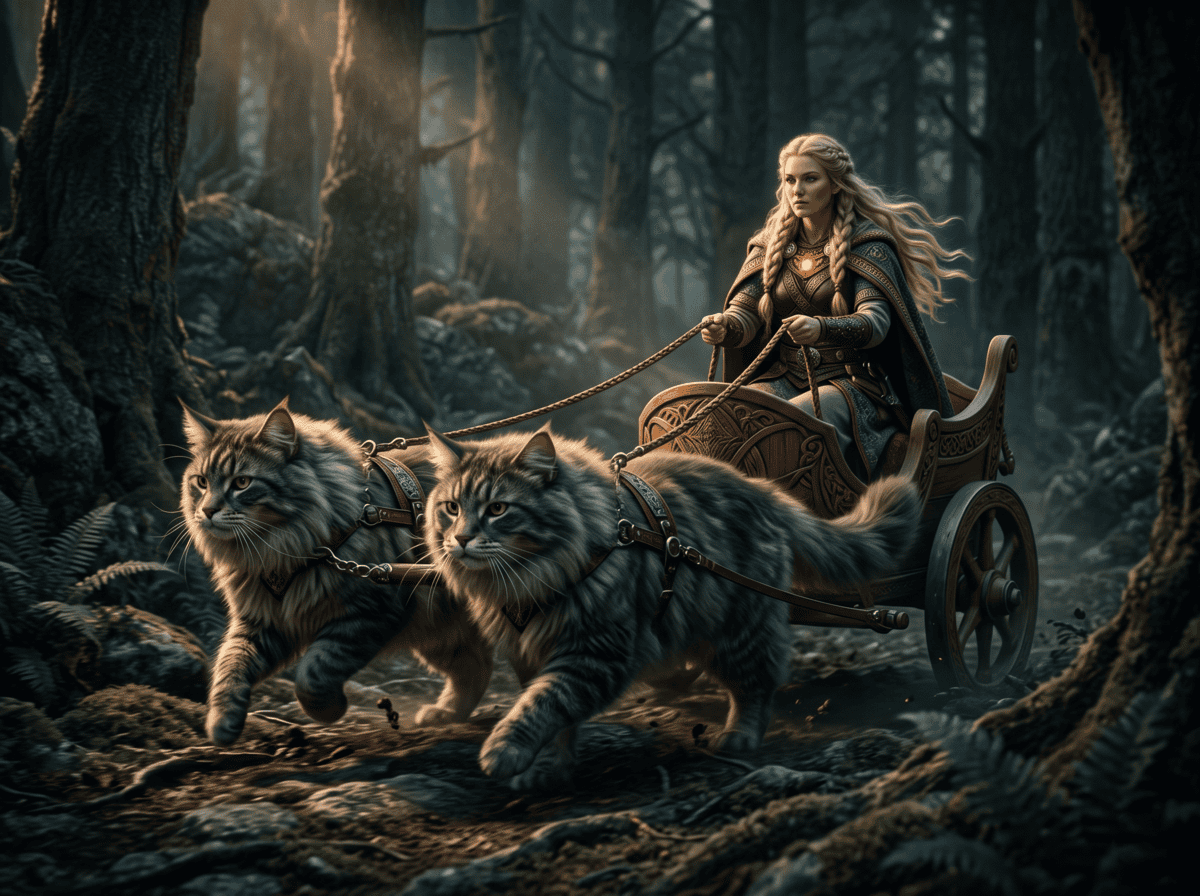
Many gods travel in impressive ways, but Freyja’s choice of transportation is especially memorable. According to Norse mythology, she rode a chariot pulled by two large cats.
While the myths never clearly describe the cats in detail, they were powerful enough to carry one of the most important goddesses in the Norse world.
It is easy to imagine how striking this sight would have been. Instead of horses or mythical beasts, Freyja traveled with animals that many people still admire today.
Cats were often associated with independence, grace, and mystery, qualities that fit Freyja perfectly.
This unusual image helped make her one of the most recognizable figures in Norse mythology.
Even now, when people think of Freyja, they often picture her traveling across the sky in her cat-drawn chariot.
3. Freyja Owned a Famous Necklace Called Brisingamen
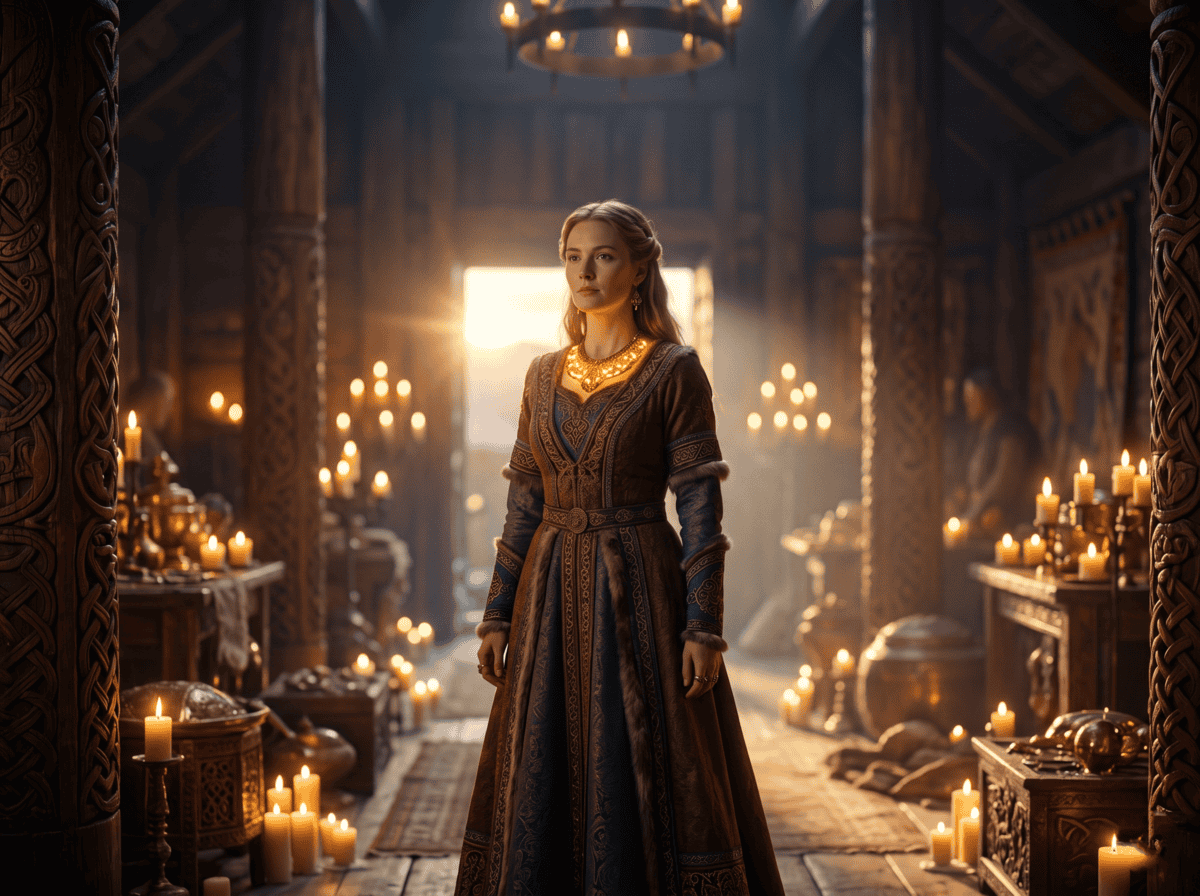
Among Freyja’s many treasures, none was more famous than a magnificent necklace known as Brisingamen.
The necklace was said to be extraordinarily beautiful and became one of Freyja’s most treasured possessions. Several myths revolve around it, showing just how important it was.
Jewelry often symbolizes status and power, and Brisingamen was no exception. The necklace reflected Freyja’s beauty, influence, and prestige among the gods.
Imagine possessing an object so valuable that stories are told about it for centuries. That was the reputation Brisingamen held in Norse mythology.
The necklace also highlights an important aspect of Freyja’s character. She appreciated beauty and luxury, but these qualities never diminished her strength or independence.
For the Norse people, Brisingamen became one of the most famous magical treasures in their mythology and remains closely associated with Freyja today.
4. She Was a Master of Magic

One of Freyja’s most remarkable abilities involved a form of magic known as seidr.
This powerful practice was associated with influencing events, shaping fate, and gaining hidden knowledge.
In many stories, Freyja is described as one of the greatest practitioners of this magical art.
According to the myths, she even taught seidr to Odin, the chief of the gods. That detail alone reveals how respected her abilities were.
Think about how impressive that is. Odin is often portrayed as one of the wisest beings in Norse mythology, yet even he learned from Freyja.
5. Freyja Shared the Fallen Warriors With Odin
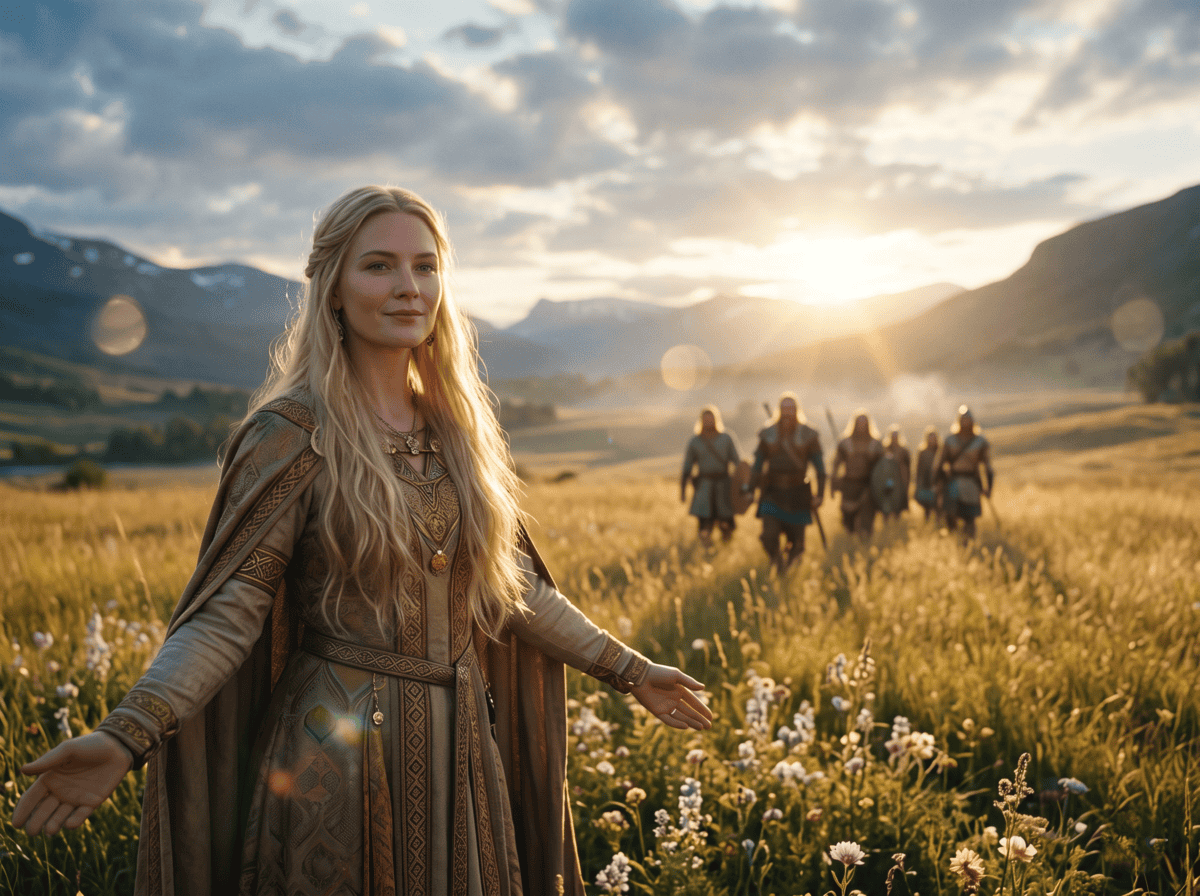
Most people associate fallen warriors with Odin and his famous hall, Valhalla. However, Freyja played an important role in their fate as well.
According to Norse mythology, warriors who died bravely in battle did not all go to Odin. Freyja received half of them in her own realm, known as Folkvangr.
This fact surprises many people because it reveals another side of her character. Freyja was connected not only to love and fertility but also to courage and warfare.
You can see why the Norse people respected her so deeply. She represented both the gentler and the more formidable aspects of life.
Her role in welcoming fallen warriors showed that strength and compassion could exist side by side.
6. Her Tears Were Said to Turn Into Gold

One of the most beautiful stories about Freyja involves her tears. According to legend, Freyja’s husband, Odr, often traveled far from home.
During his absences, she missed him so deeply that she wept. The myths claim that her tears became drops of gold when they fell upon the earth.
This image is both poetic and memorable. It transforms sadness into something precious and beautiful.
The story also reveals a more emotional side of Freyja. Despite her immense power, she experienced longing and heartbreak just like humans do.
That combination of strength and vulnerability helped make her relatable to those who worshipped her.
7. Friday May Be Named After Her
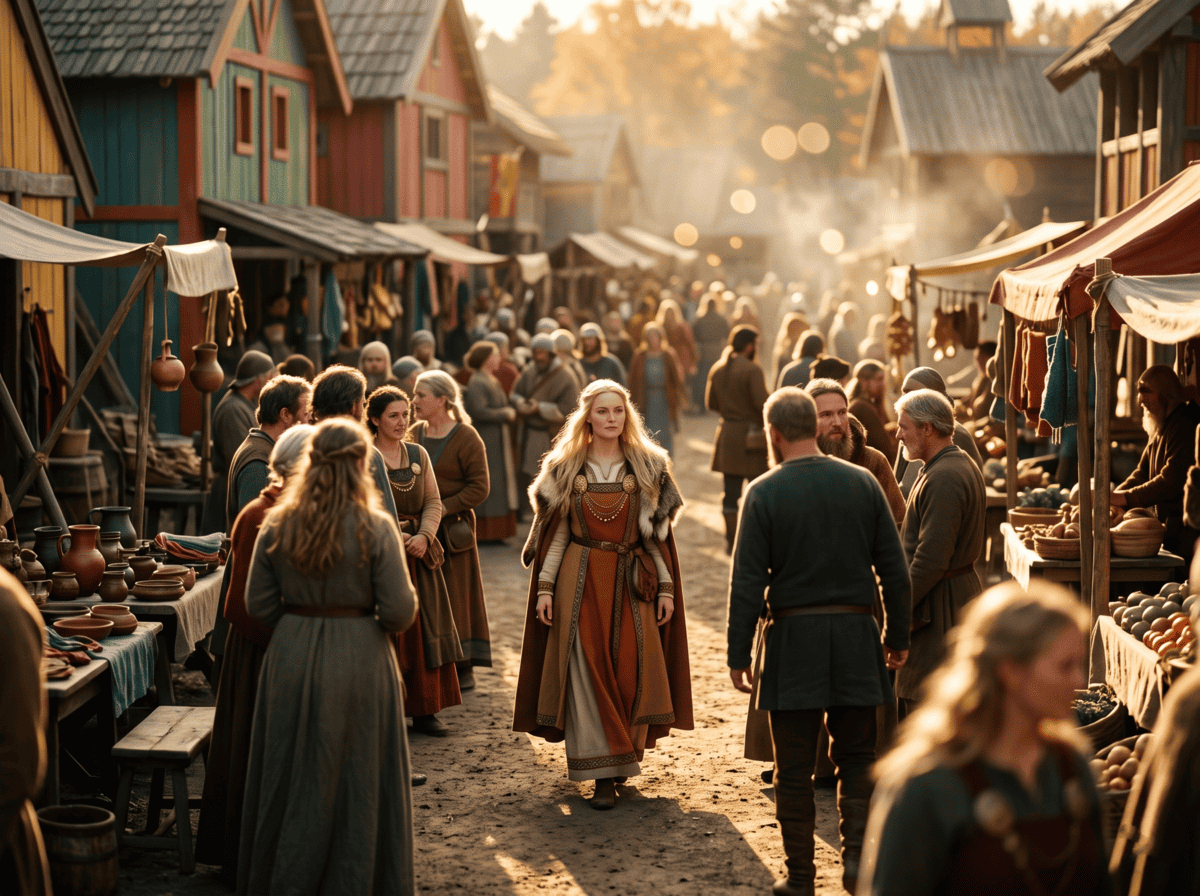
Have you ever wondered where the names of the days of the week come from? Many English day names have roots in Germanic and Norse traditions.
Some scholars believe that Friday may be linked to Freyja, although others connect it to the goddess Frigg.
The exact answer remains debated, but Freyja is often included in discussions about the origin of the day’s name.
Whether or not the connection is direct, it demonstrates how deeply Norse mythology influenced everyday life and language.
Imagine having a day of the week potentially connected to your name. That is a remarkable legacy.
8. Freyja Remains One of the Most Beloved Norse Goddesses
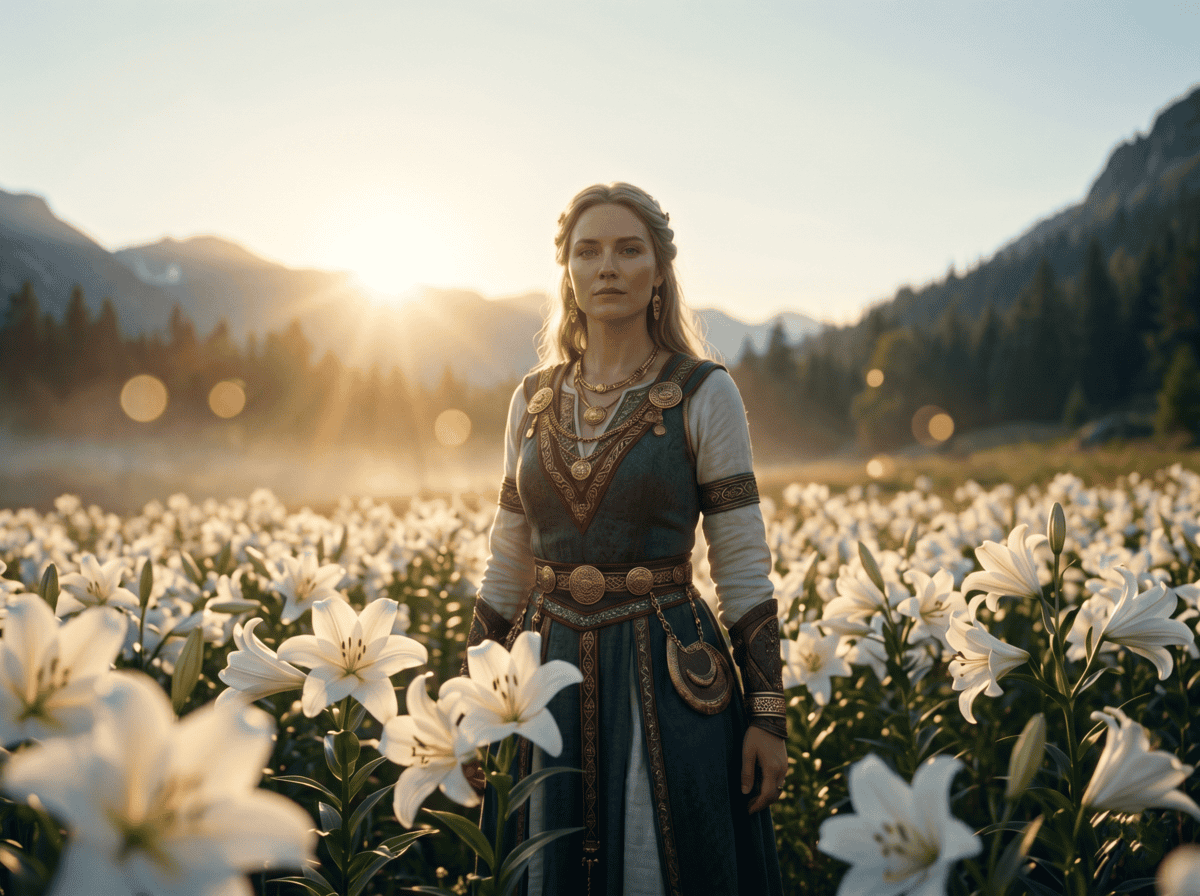
Many mythological figures fade into obscurity over time, but Freyja has remained popular for centuries.
Her enduring appeal comes from the remarkable variety of qualities she represents. She is beautiful but powerful, compassionate but fearless, elegant but fiercely independent.
People often connect with Freyja because she feels complex and human despite being a goddess.
She experiences love, loss, determination, and strength, all while maintaining her place among the most respected figures in Norse mythology.
More than a goddess of love, Freyja became a symbol of courage, wisdom, and resilience.

I always felt a strong connection to the Divine since my birth. As an author and mentor, my mission is to help others find love, happiness, and inner strength in the darkest of times.