
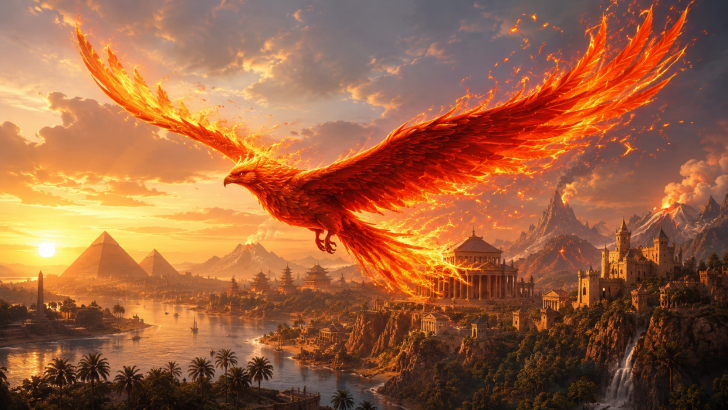
Across different cultures and civilizations, stories emerged about a remarkable bird that could do something no ordinary creature could accomplish.
It could die and then be reborn from its own ashes. This legendary creature became known as the Phoenix.
The Phoenix is one of the most famous mythical beings in history. It appears in ancient stories, religious traditions, works of literature, and modern movies.
It is easy to see why people continue to love the Phoenix. Its story reminds us that endings do not always have to be permanent.
Here are ten fascinating facts about the Phoenix in world mythology.
1. The Phoenix Is Famous for Rising From Its Own Ashes
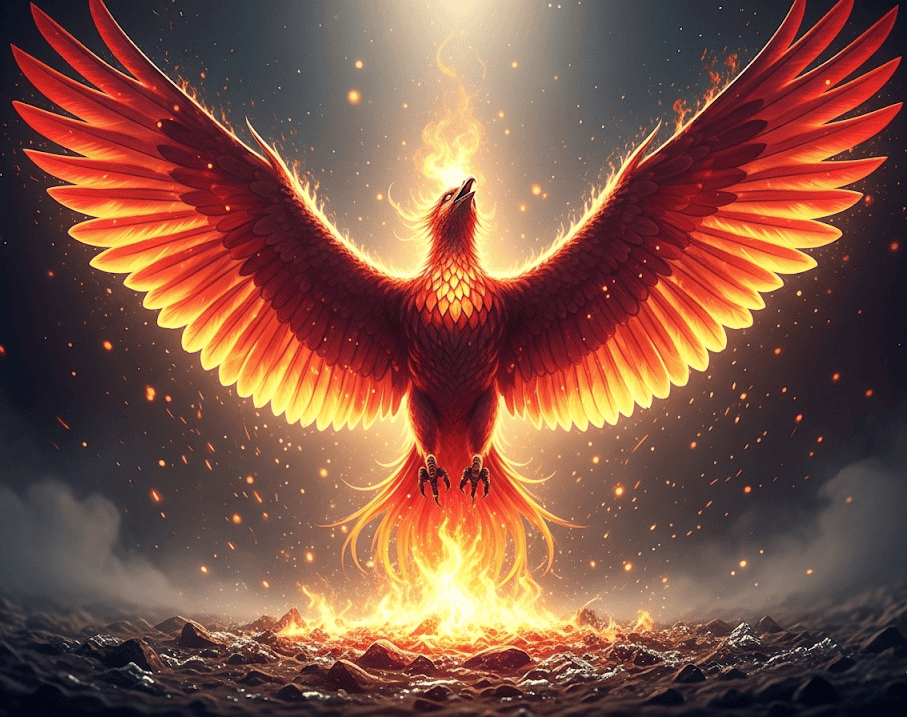
When most people think about the Phoenix, they immediately picture its most famous ability.
According to legend, the bird eventually reaches the end of its life and bursts into flames.
What happens next is what makes the story extraordinary. From the ashes of the old bird, a new Phoenix emerges and begins life again.
Imagine witnessing something like that. One moment, the creature is gone, and the next it is reborn.
That idea has resonated with people for centuries because everyone experiences setbacks, failures, and difficult transitions.
The Phoenix reminds us that new opportunities can emerge even after our most challenging moments.
2. Ancient Egypt May Have Inspired the Legend
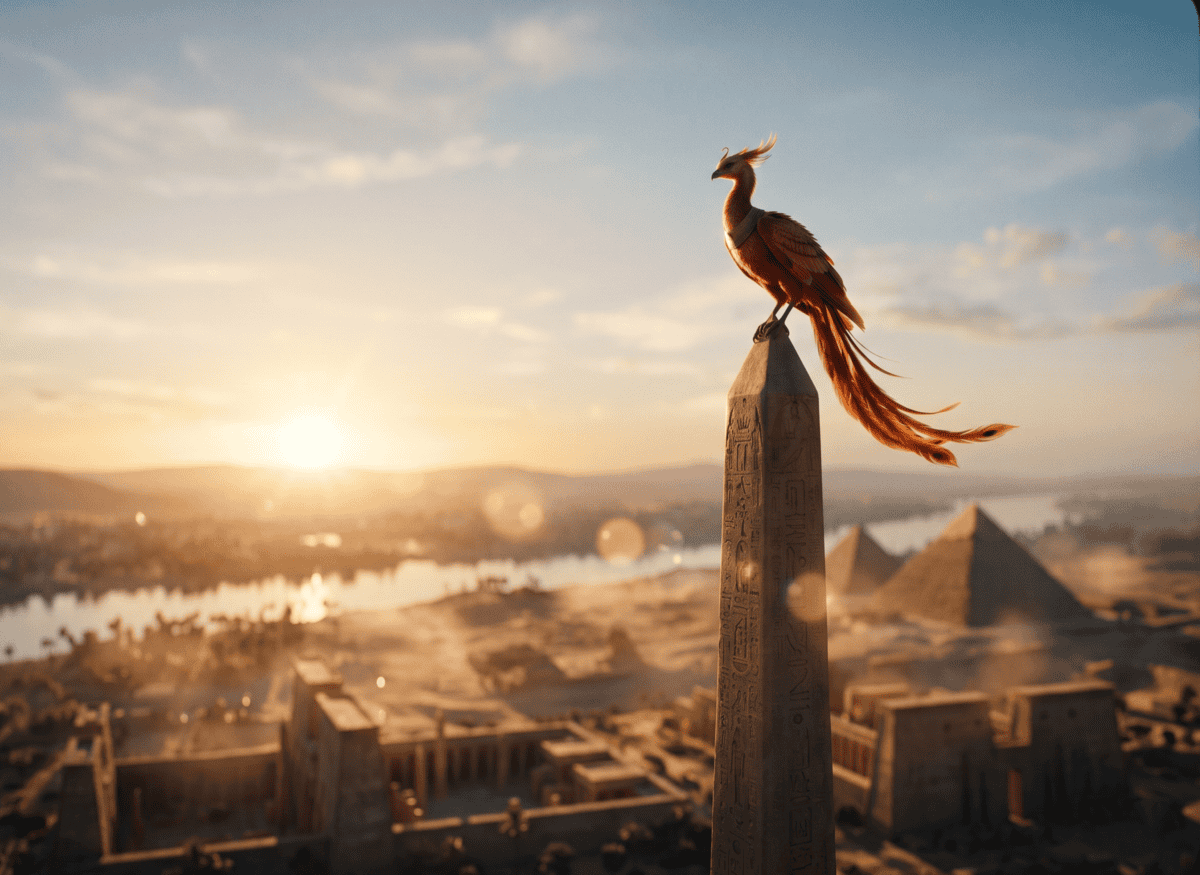
Many historians believe the roots of the Phoenix myth can be traced back to ancient Egypt.
The Egyptians told stories about a sacred bird known as the Bennu. This bird was associated with the sun, creation, and cycles of renewal.
Like the later Phoenix, the Bennu symbolized rebirth and the continuation of life. It was closely connected to the daily journey of the sun across the sky and its return each morning.
You can see how these ideas may have influenced later myths. Ancient people often looked to nature for inspiration, and the sunrise itself seemed like a form of rebirth.
Over time, stories evolved and spread between cultures, helping create the legendary Phoenix known today.
The connection shows how myths often grow from older traditions rather than appearing out of nowhere.
3. The Greeks Helped Make the Phoenix Famous
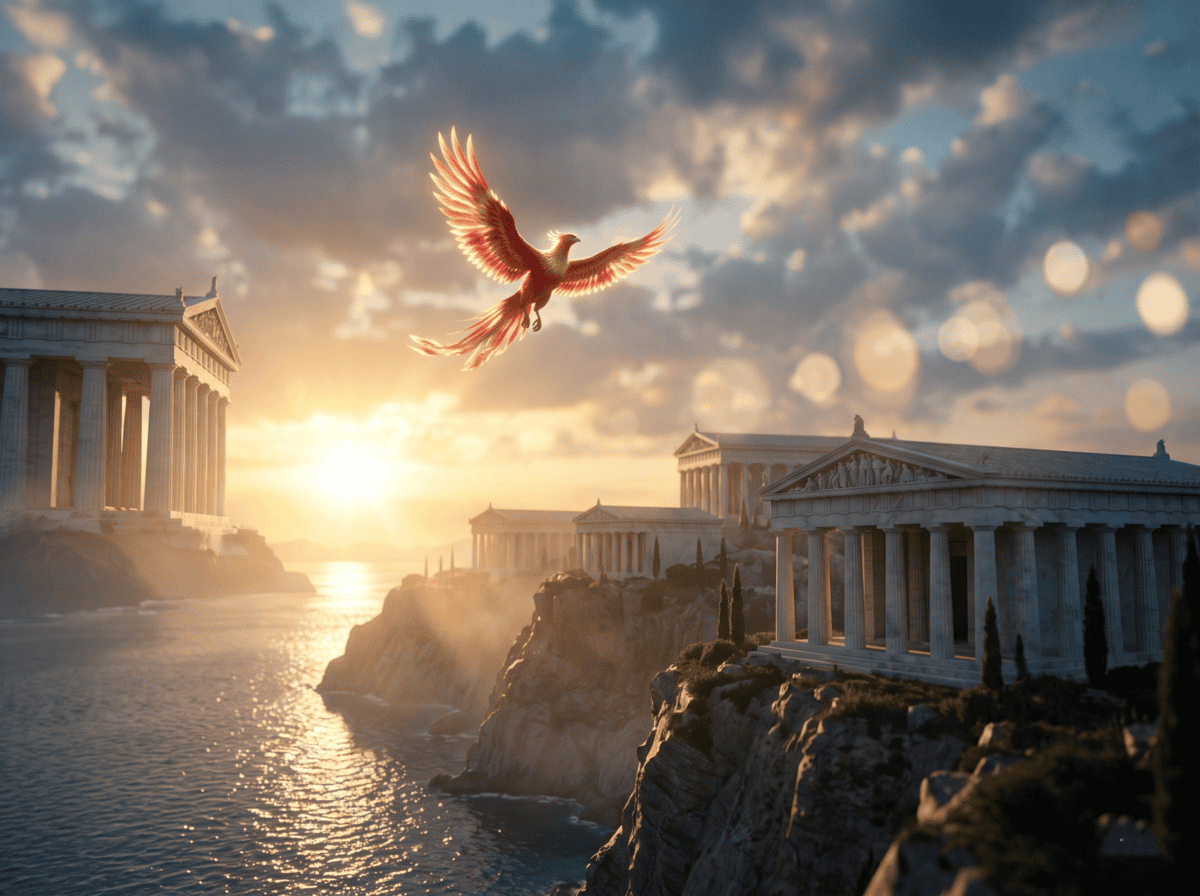
While the story may have older origins, the ancient Greeks played a major role in popularizing the Phoenix.
Greek writers described a magnificent bird with brilliant feathers and an incredibly long lifespan.
According to some accounts, the Phoenix lived for hundreds of years before beginning its cycle of rebirth.
These stories captured people’s imaginations because they combined beauty, mystery, and immortality.
Think about how unusual such a creature would seem. Most living things age and disappear, but the Phoenix could continuously renew itself.
4. The Phoenix Is Often Connected to the Sun
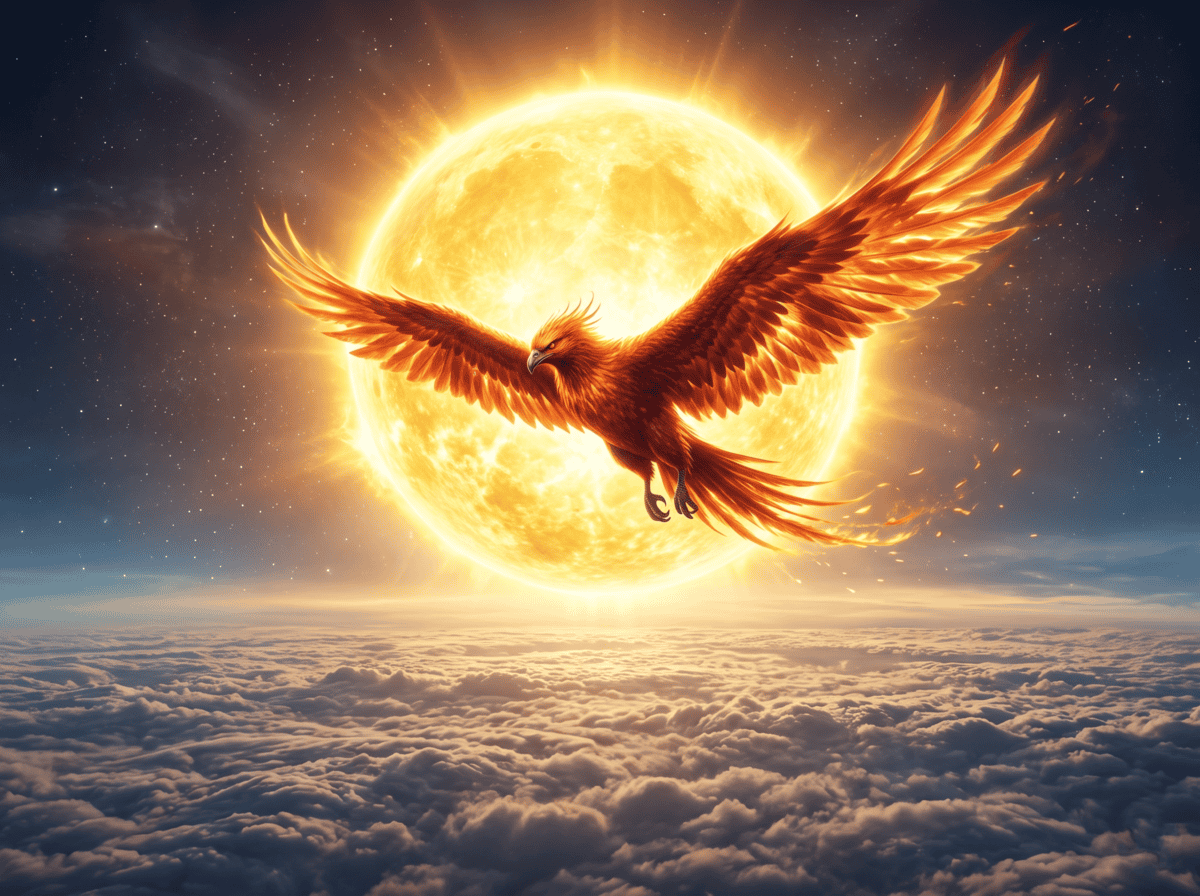
Fire and sunlight appear repeatedly in Phoenix legends. Many traditions describe the bird as glowing with golden, red, and orange feathers that resemble flames.
Others connect it directly to solar deities and the movement of the sun. It is easy to understand why.
The sun itself follows a daily cycle that resembles rebirth. It disappears each evening and returns every morning.
The Phoenix became a living representation of the sun’s ability to return after darkness. It embodied warmth, energy, and the promise of another day.
This connection helped strengthen the bird’s reputation as a symbol of hope and renewal.
5. Similar Mythical Birds Exist in Other Cultures

The Phoenix may be the most famous reborn bird, but it is not the only one.
Many cultures have stories about extraordinary birds connected to renewal, wisdom, or divine power.
In Chinese mythology, for example, the Fenghuang is a majestic bird associated with harmony, virtue, and prosperity.
Although it does not rise from ashes like the Phoenix, it shares qualities that make it equally legendary.
This pattern appears throughout history. Different civilizations often created myths that explored similar ideas even when they lived far apart.
6. The Phoenix Became a Symbol of Immortality
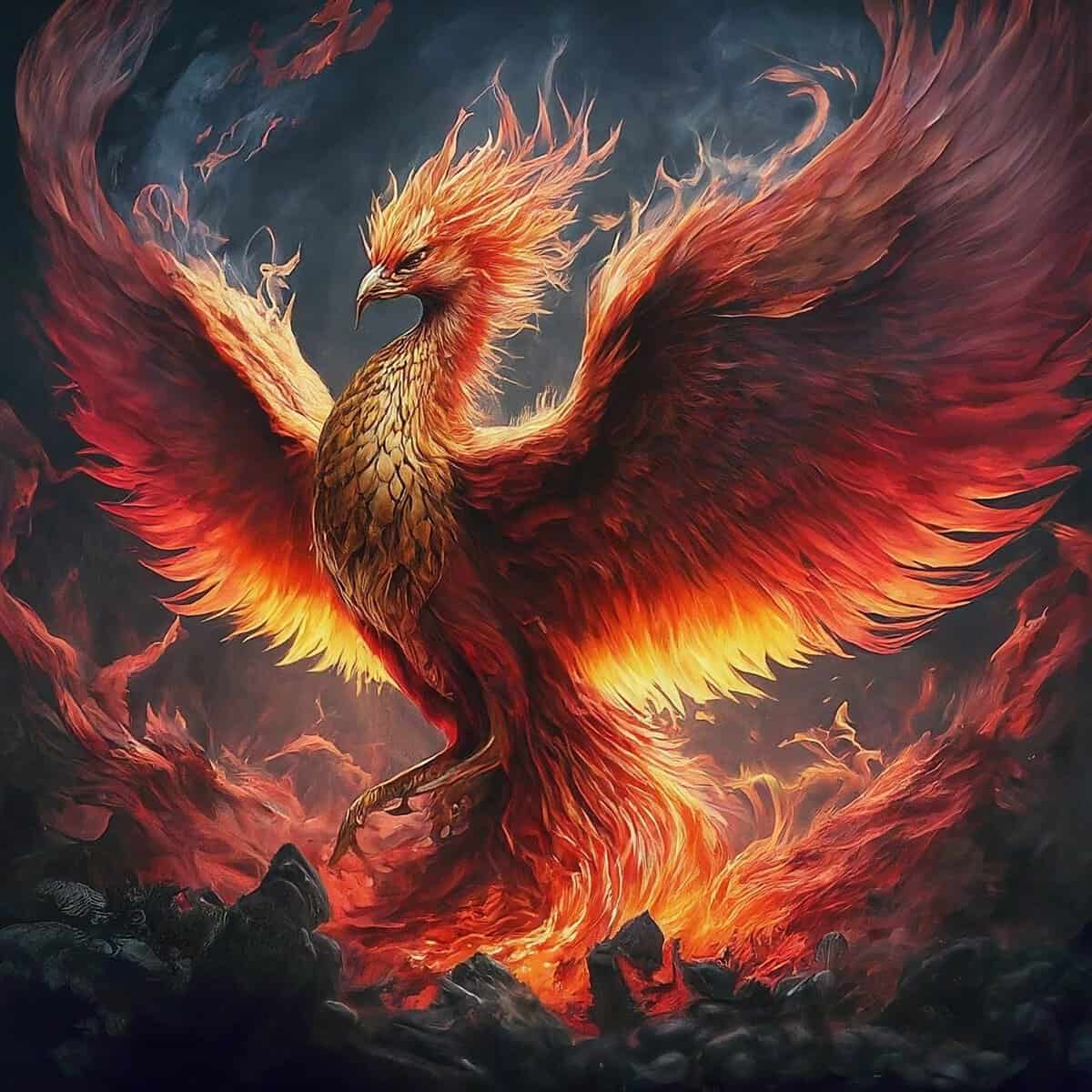
For many people, the Phoenix represented far more than a magical bird.
Because it continually renewed itself, it became a symbol of immortality and the enduring nature of life.
Ancient thinkers were fascinated by questions about death and what might come afterward. The Phoenix offered a hopeful answer by suggesting that endings could lead to new beginnings.
You can imagine why this idea appealed to so many people. Life often feels uncertain, and symbols of continuity provide comfort.
The bird’s ability to survive its own destruction made it a powerful reminder that life can persist even through dramatic change.
7. Early Christians Adopted the Phoenix as a Symbol
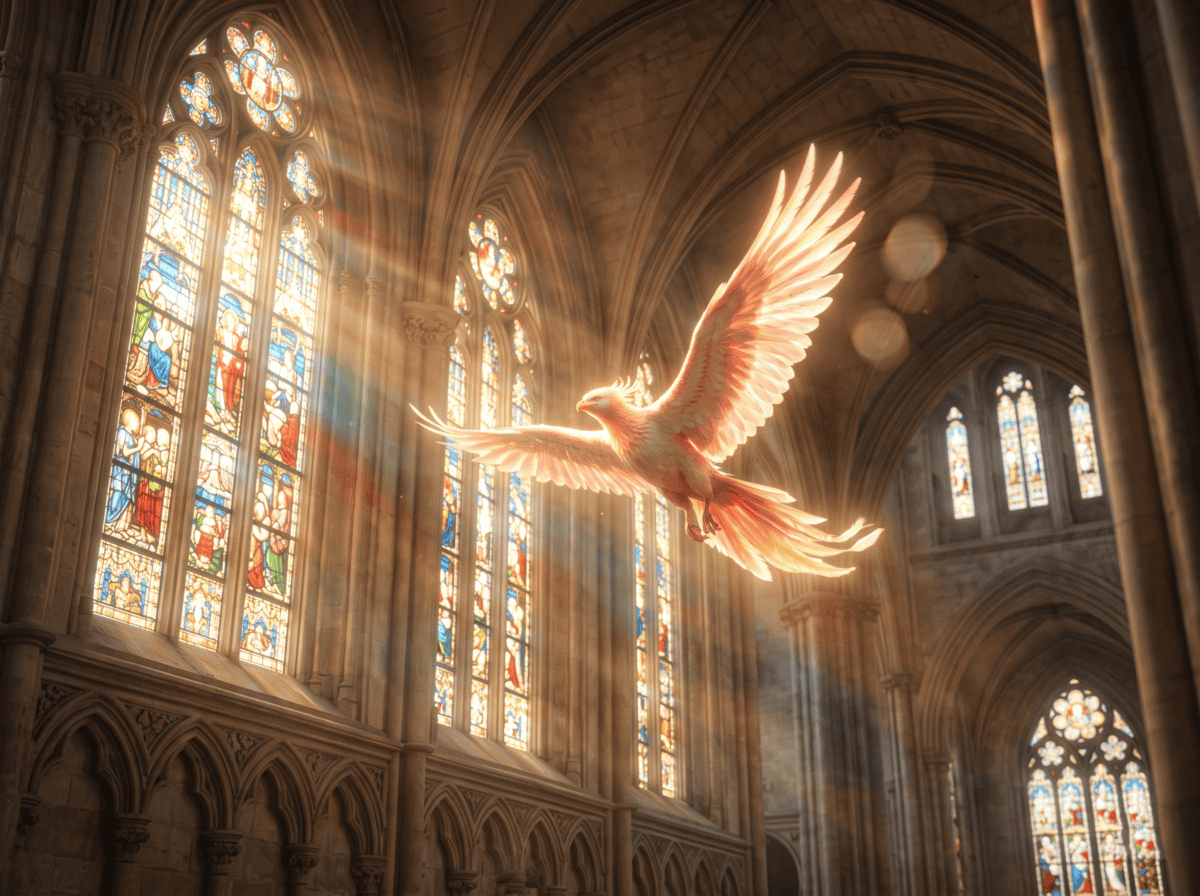
The Phoenix was not limited to pagan mythology. Early Christians sometimes used the bird as a symbol of resurrection and eternal life.
Its cycle of death and rebirth made it a natural illustration of spiritual renewal. Religious writers occasionally referred to the Phoenix when discussing themes of hope and transformation.
The bird’s story offered a visual way to explain complex ideas about faith and renewal.
Even when traditions change, meaningful images often continue to inspire people in new ways.
The Phoenix proved flexible enough to remain relevant across different historical periods and religious contexts.
8. Medieval People Treated the Phoenix Almost Like a Real Creature

Today, most people view the Phoenix as a mythical being. During the Middle Ages, however, some individuals believed the bird might actually exist.
Medieval books sometimes described the Phoenix alongside real animals. Travelers’ tales and popular stories blurred the line between fact and legend.
Imagine living in a world where much of the planet remained unexplored. Extraordinary creatures often seemed possible because there was still so much that people did not know.
As a result, stories about the Phoenix continued to spread and evolve. Whether people believed the tales completely or not, the bird remained a source of fascination and wonder.
9. The Phoenix Appears in Countless Modern Stories

Few mythical creatures have remained as popular as the Phoenix. The legendary bird appears in novels, movies, television shows, video games, and works of fantasy around the world.
Modern creators continue finding new ways to use its symbolism. The reason is simple.
The idea of rising after hardship remains just as meaningful today as it was thousands of years ago.
People still face setbacks, disappointments, and challenges. Stories about overcoming those difficulties continue to resonate.
Whenever a character rebuilds their life after failure, the spirit of the Phoenix often appears in some form.
10. The Phoenix Represents Hope Above All Else
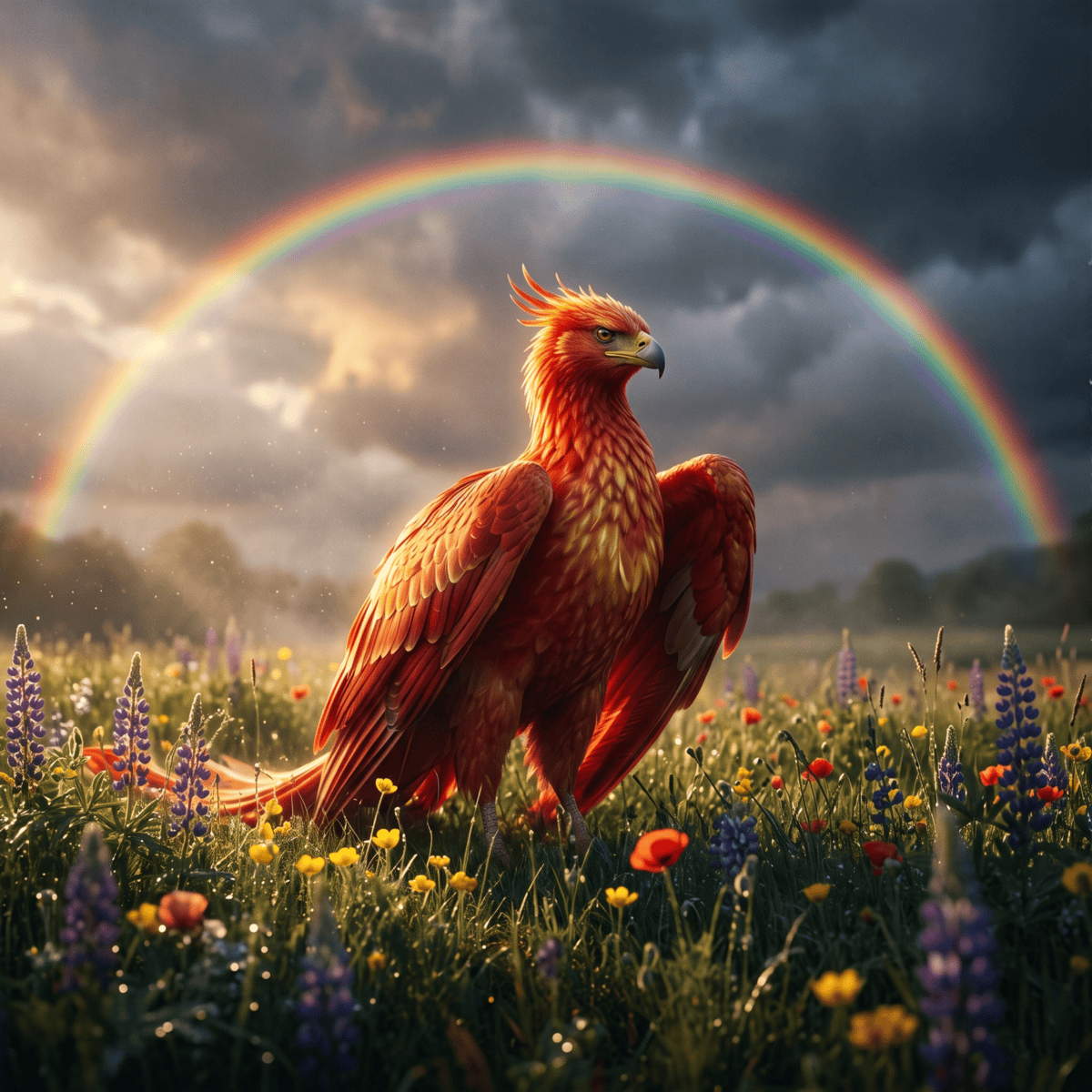
Of all the meanings associated with the Phoenix, hope may be the most important.
The bird’s story is not really about fire or magic. It is about what happens after hardship. It teaches that difficult endings do not have to define the future.
Think about why the legend has survived for so long. Every generation faces challenges, losses, and unexpected changes.
The Phoenix offers a reassuring message. No matter how dark things may seem, renewal remains possible.
More than a mythical bird, the Phoenix became a symbol of resilience, transformation, and the belief that after every ending, a new beginning can emerge from the ashes.

I always felt a strong connection to the Divine since my birth. As an author and mentor, my mission is to help others find love, happiness, and inner strength in the darkest of times.