
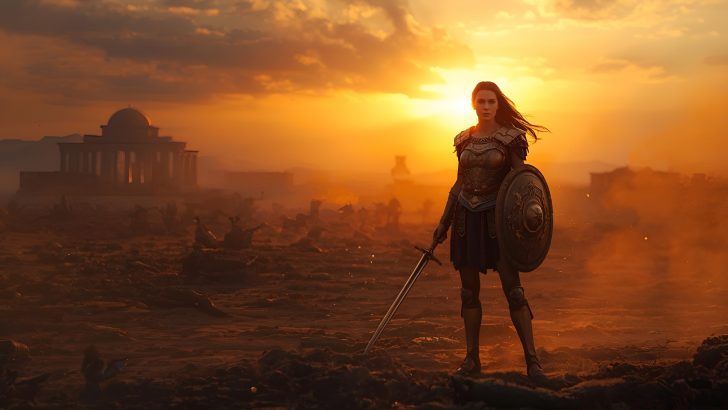
Greek mythology is filled with epic battles that shaped the stories of gods, heroes, and mortals alike.
These battles were not only physical confrontations but also symbolic struggles between good and evil, chaos and order, or fate and free will.
They often involved gods, demigods, and legendary creatures, showing the high stakes of mythological conflicts.
Many of these battles were used to explain natural events, human behavior, or the origins of cities and civilizations.
From clashes of titans to heroic duels, each fight carried lessons, cultural values, and moral significance.
Understanding these famous battles helps us see the richness of Greek mythology and how it influenced literature, art, and storytelling for centuries.
These myths continue to inspire modern media, showing the timeless power of legendary conflicts.
1. The Titanomachy
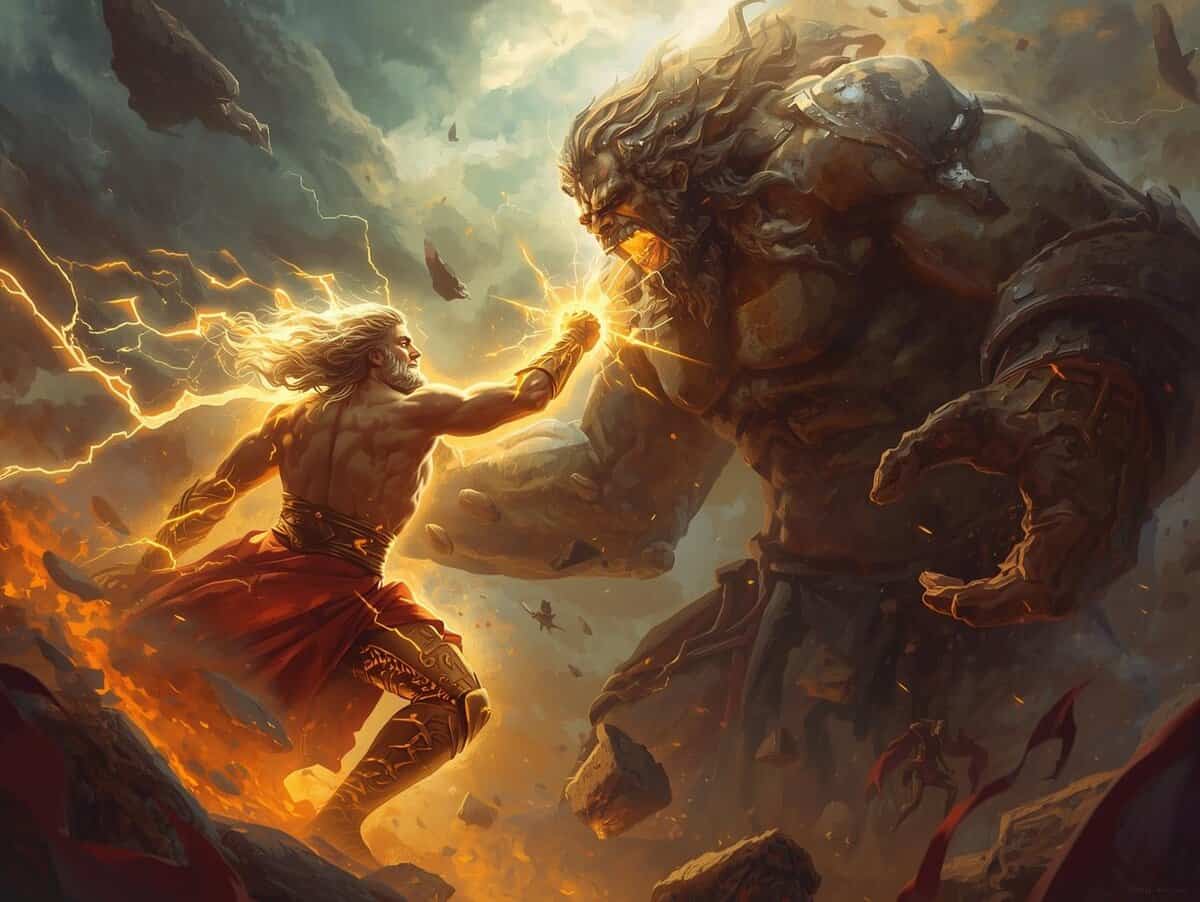
The Titanomachy was the legendary war between the Titans, led by Cronus, and the Olympian gods, led by Zeus.
This battle determined the rulers of the cosmos and shaped the order of the universe. Lasting ten years, it involved immense forces and destructive power, with mountains shaken and seas stirred.
The Olympians eventually triumphed, imprisoning the Titans in Tartarus, securing their place as the new divine rulers.
The Titanomachy symbolized the struggle between old and new orders, chaos and stability, and power passed through generations.
Mortals were affected indirectly, as the battle explained the divine hierarchy and the world’s order.
This story emphasizes courage, strategy, and perseverance, showing how even gods faced challenges before achieving ultimate victory, establishing the foundation of Greek mythology.
2. The Gigantomachy
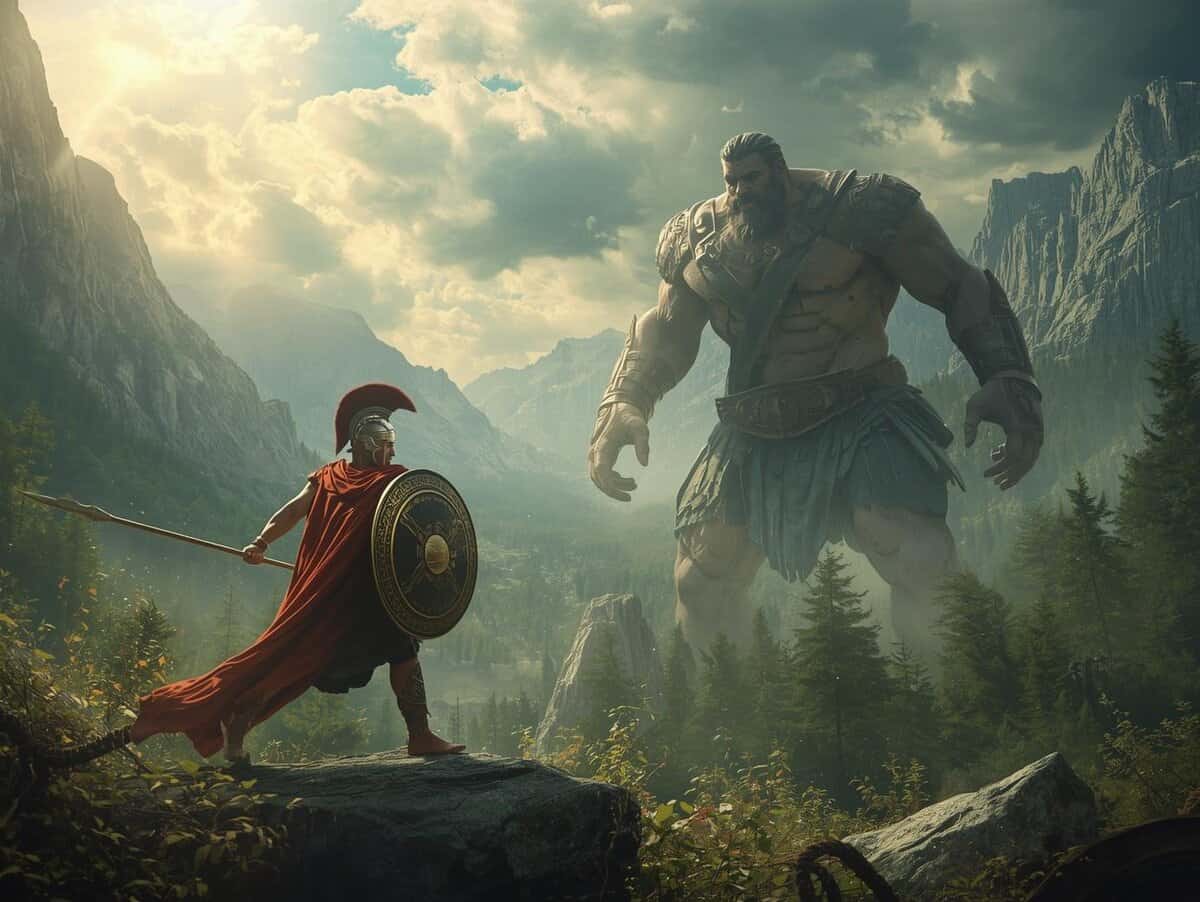
The Gigantomachy was the epic battle between the Olympian gods and the Giants, offspring of Gaia, born from the blood of Uranus.
The Giants sought to overthrow the gods and rule the cosmos, directly challenging divine authority.
Gods and heroes, including Heracles, fought fiercely to maintain order and protect the heavens.
The battle took place across mountains, forests, and rivers, with massive destruction and supernatural feats demonstrating the immense power of both sides.
The Gigantomachy symbolizes the triumph of order over chaos and the importance of unity in facing great threats.
It reinforced the gods’ dominance and served as a lesson to mortals about respecting divine power, loyalty, and courage in times of crisis.
3. The Trojan War
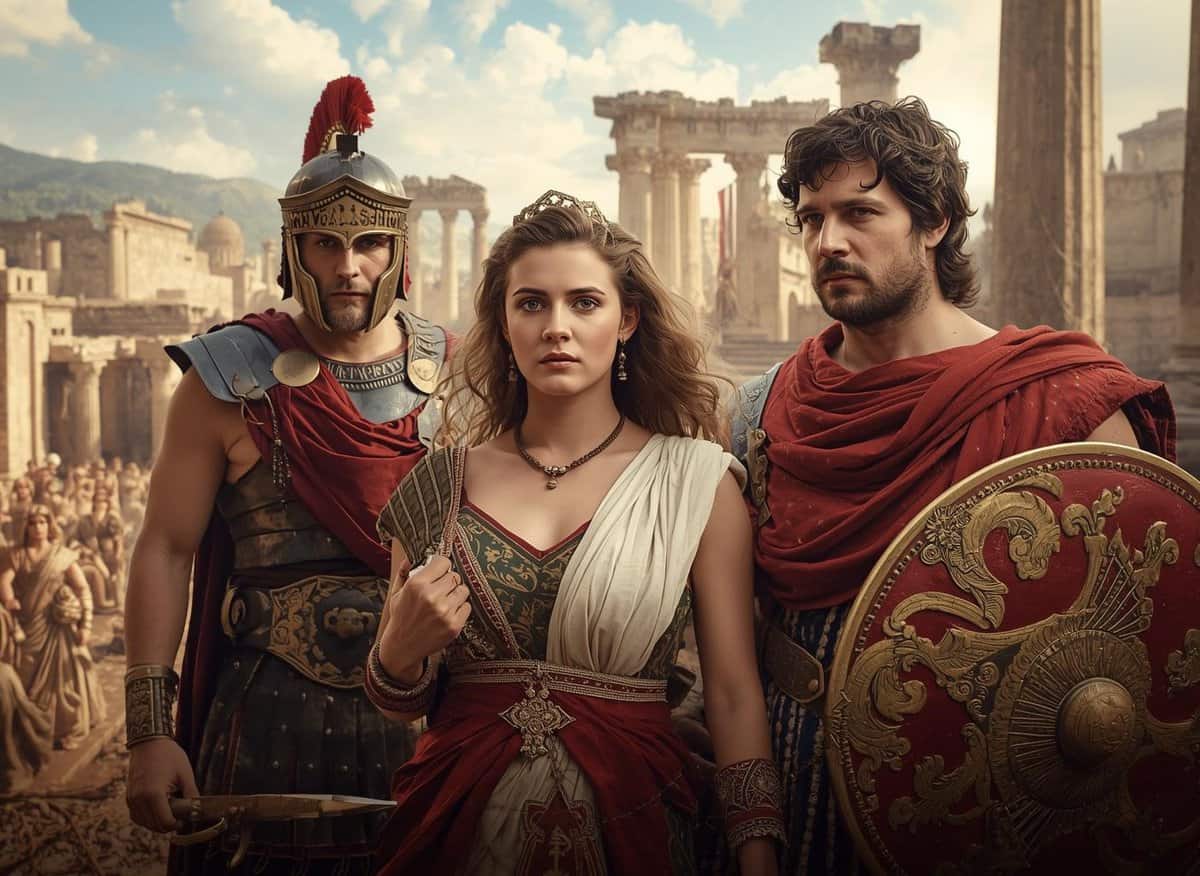
The Trojan War is one of the most famous battles in Greek mythology, sparked by the abduction of Helen by Paris.
Lasting ten years, the war involved legendary heroes such as Achilles, Hector, and Odysseus, as well as gods who actively intervened.
The conflict combined strategy, valor, and tragedy, with countless lives lost on both sides, leaving lasting scars on generations.
It ended with the cunning use of the Trojan Horse, allowing the Greeks to breach the city’s walls.
The Trojan War illustrates themes of honor, fate, revenge, and divine intervention.
It also influenced countless works of literature, including Homer’s Iliad, and highlights the complex interaction between human ambition and divine will in Greek myth.
4. The Battle of the Lapiths and Centaurs
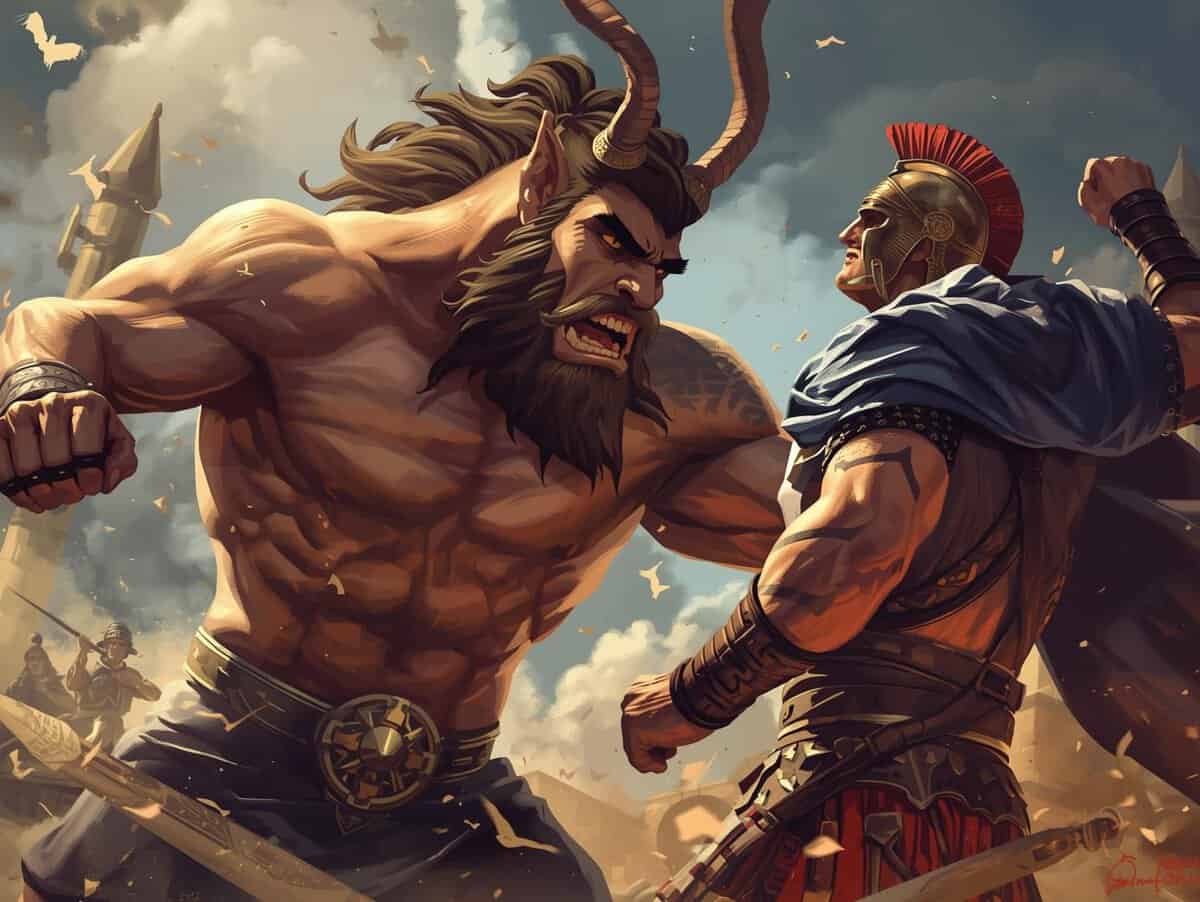
This battle took place at the wedding feast of Pirithous, king of the Lapiths, when centaurs, invited as guests, became drunk and attempted to abduct the bride and other women.
The Lapiths fought back fiercely, turning the celebration into a legendary struggle between order and chaos, civilization versus barbarism.
The battle involved intense hand-to-hand combat, showing the strength and skill of both sides.
It symbolized the dangers of excess, lack of self-control, and the clash between reason and primal instinct.
Gods and heroes often intervened or observed, reinforcing moral lessons.
This myth was widely depicted in Greek art and sculpture, emphasizing the dramatic tension and cultural importance of this violent but symbolic confrontation in storytelling.
5. The Seven Against Thebes
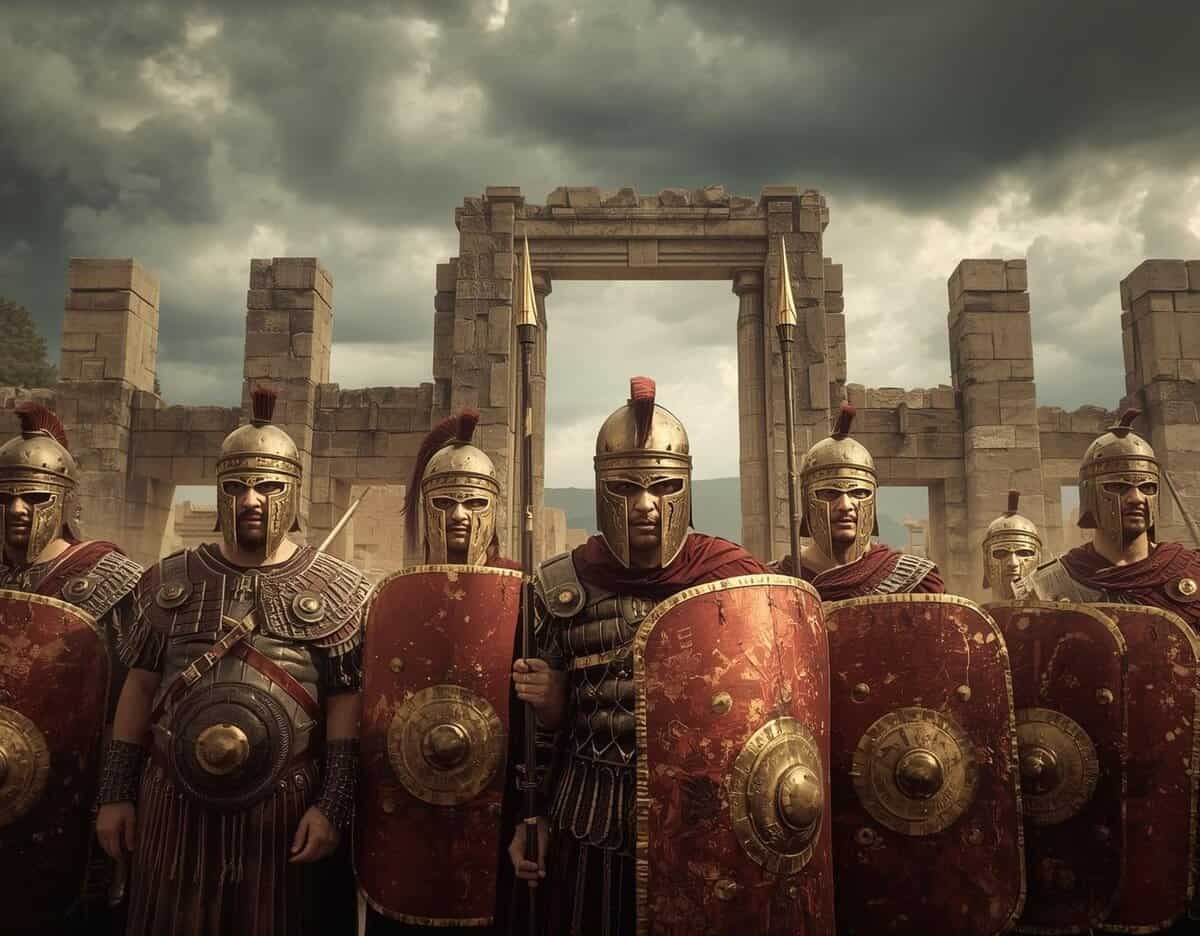
The Seven Against Thebes was a legendary war between seven champions who attacked the city of Thebes to restore Polynices to the throne.
The defenders included Eteocles, Polynices’ brother, and other Theban heroes, leading to intense battles and tragic losses.
The conflict was marked by betrayal, heroism, and tragic consequences, as family loyalty clashed with ambition and divine prophecy.
Each warrior faced immense challenges, and many met fatal ends during this violent struggle.
The story reflects themes of fate, prophecy, and the tragic consequences of pride and family conflict.
It also highlights strategic warfare, courage, and the moral lessons of obedience, hubris, and loyalty in Greek mythology.
6. The War of the Epigoni
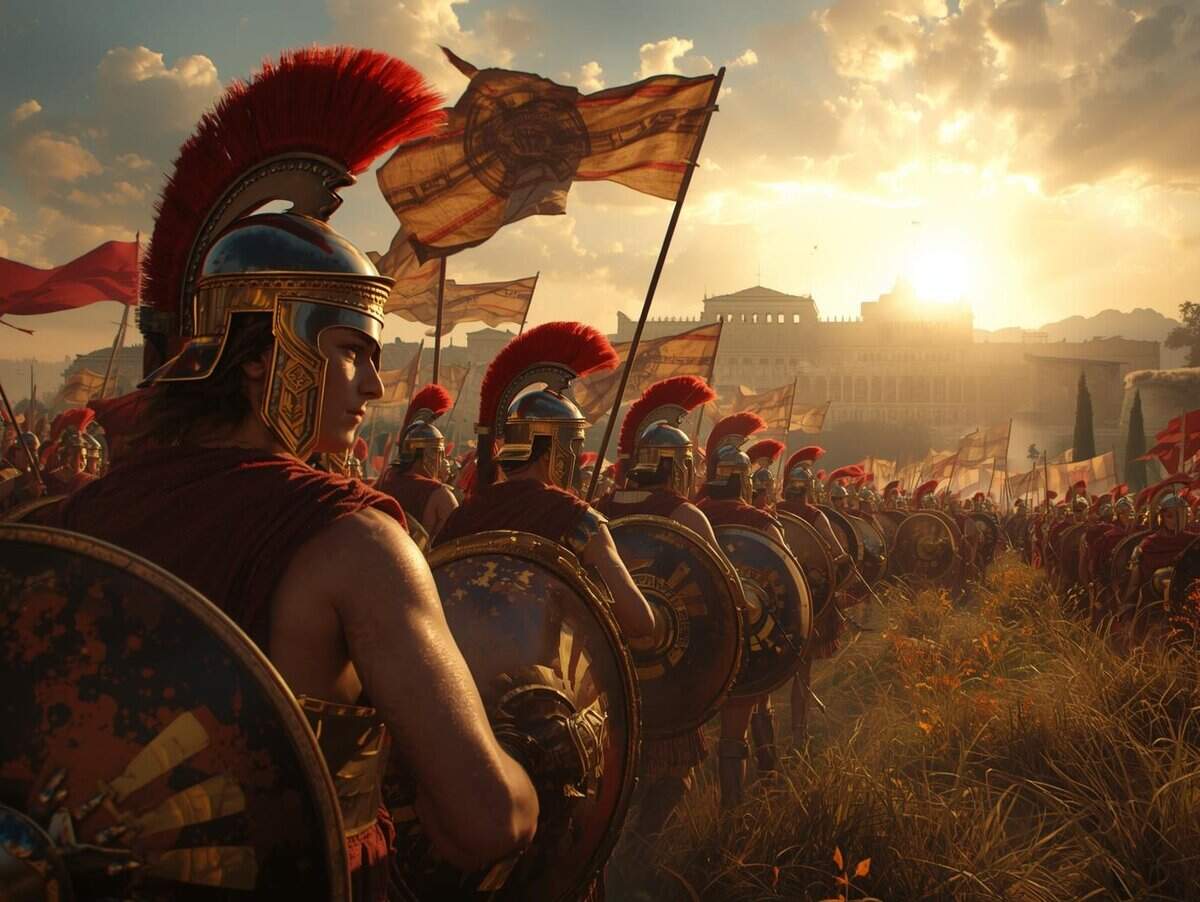
The War of the Epigoni followed the failed attempt of the Seven Against Thebes.
The sons of the original warriors, known as the Epigoni, sought to avenge their fathers’ deaths and reclaim the city of Thebes.
Unlike their fathers, the Epigoni succeeded, fulfilling the prophecy and capturing the city.
This battle emphasizes the generational consequences of past conflicts, the fulfillment of fate, and the role of determination, courage, and strategy in achieving victory.
It symbolizes perseverance, justice, and the continuation of legacy, teaching that patience and planning can overcome previous failures.
The story demonstrates how Greek myths often explored consequences across generations, blending heroism, morality, and divine influence.
7. The Battle with the Amazons
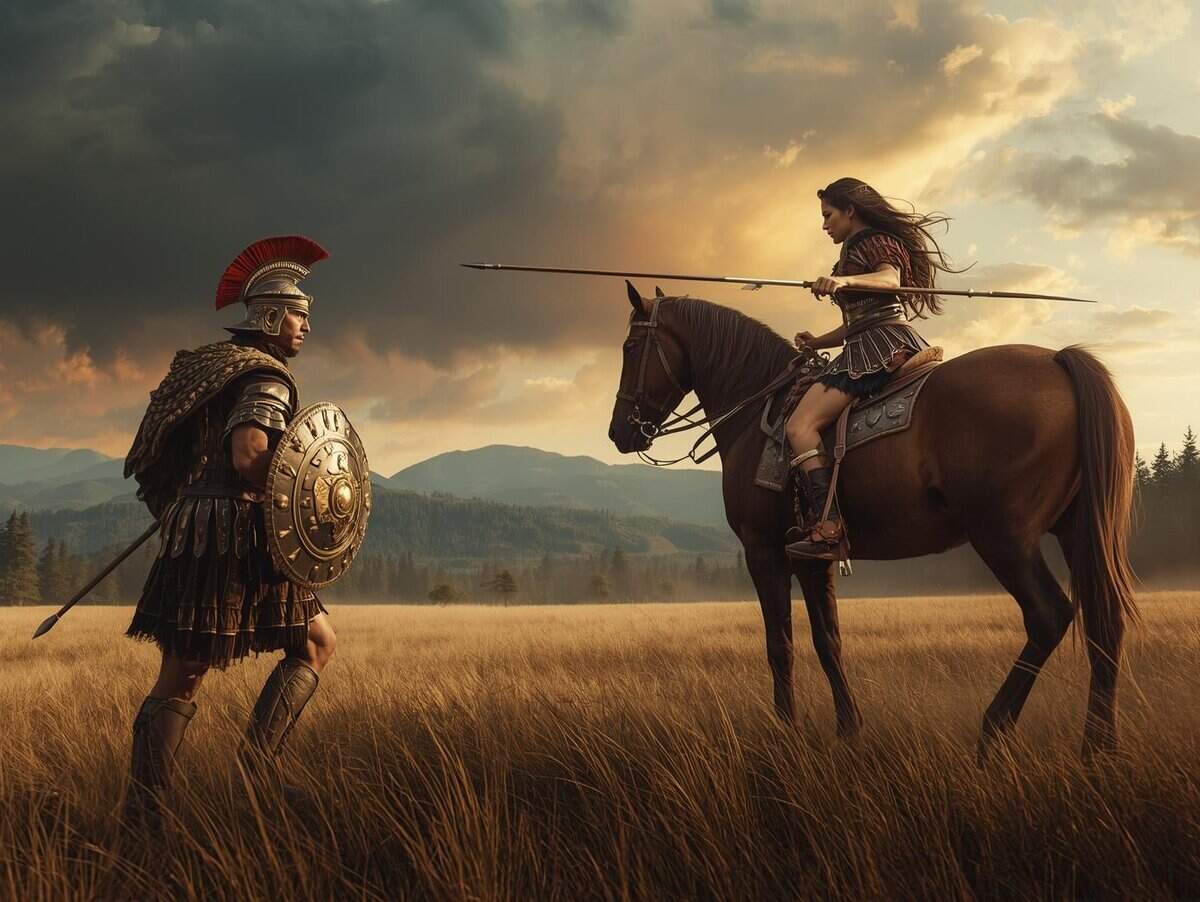
Greek heroes frequently faced the Amazons, a tribe of fierce warrior women renowned for their combat skills and bravery.
Battles with the Amazons occurred in multiple myths, including confrontations with Theseus, Heracles, and other legendary figures.
These conflicts showcased the heroism, strategy, and divine favor of Greek warriors while highlighting the challenge of facing formidable opponents.
The myths often symbolized the struggle between order and chaos, male and female power, and civilization confronting the unknown or unconventional.
These encounters reinforced values of bravery, leadership, and honor.
The battles with the Amazons remain iconic in Greek mythology, demonstrating the epic scope of legendary warfare and inspiring generations of art, literature, and storytelling with their extraordinary drama.

I always felt a strong connection to the Divine since my birth. As an author and mentor, my mission is to help others find love, happiness, and inner strength in the darkest of times.