
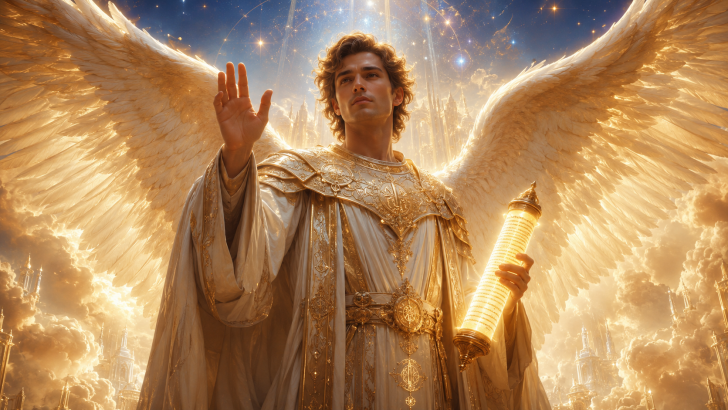
Among the angels mentioned in sacred texts, Gabriel is one of the most respected and recognizable figures.
Unlike warrior angels often connected to battle, Gabriel is usually associated with messages, prophecy, wisdom, and divine revelation.
Again and again, scripture presents Gabriel as the messenger chosen to deliver life-changing announcements to humanity.
His appearances are often connected to major spiritual turning points that shaped the future of entire nations and religious traditions.
For centuries, believers have viewed Gabriel as a symbol of truth, guidance, and communication between heaven and earth.
Here are eight reasons Gabriel the Archangel became such an important figure in scripture and spiritual history.
1. Gabriel Was Chosen to Deliver Divine Messages
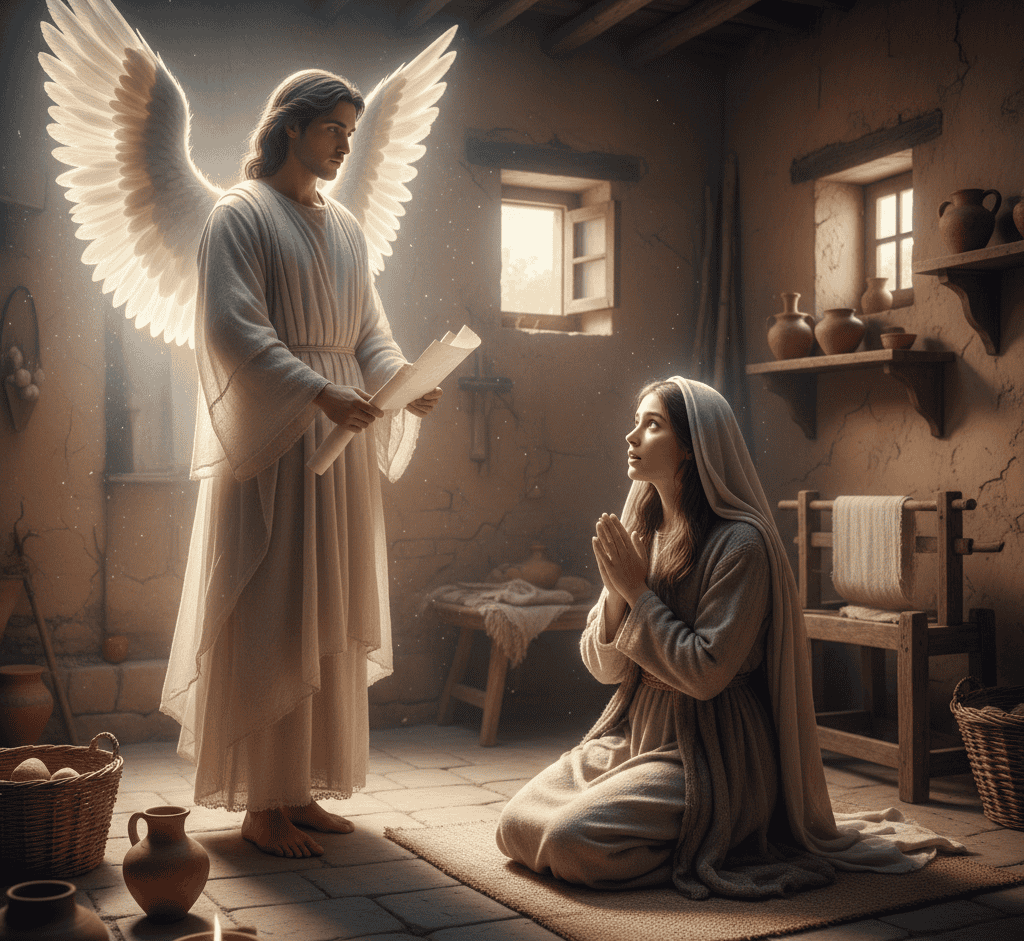
Gabriel is most famous for serving as a messenger between God and humanity.
In scripture, his appearances usually happen during moments when extremely important revelations must be delivered.
Unlike ordinary messengers, Gabriel’s words often carried enormous spiritual meaning capable of changing the course of history itself.
His presence symbolized divine communication and heavenly authority.
For believers, Gabriel became a reminder that sacred guidance can arrive during unexpected moments and completely transform human understanding and destiny forever.
His role as a messenger also gave people comfort because it reflected the belief that heaven still communicates with humanity during times of uncertainty and fear.
2. He Spoke to Zechariah About the Birth of John the Baptist
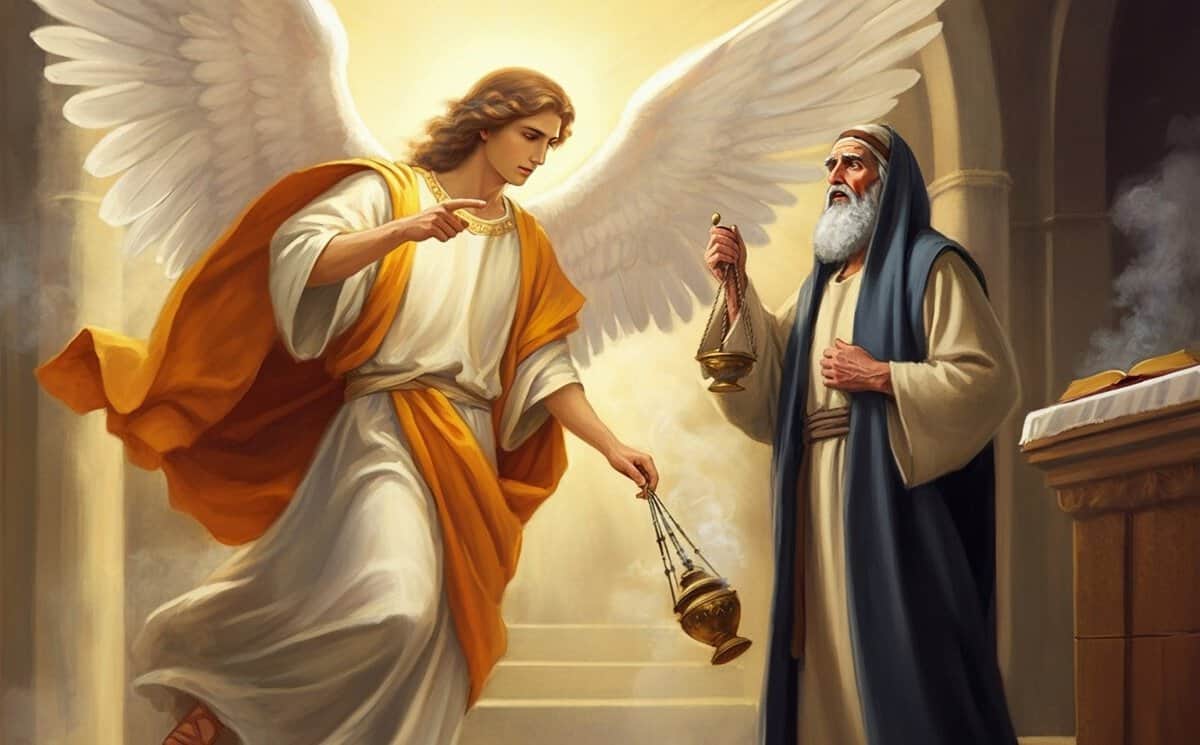
Gabriel appears in the Gospel of Luke when he visits Zechariah, a priest serving in the temple.
During this encounter, Gabriel announces that Zechariah and his wife Elizabeth will have a son, even though they were old and believed it was impossible.
This child would become John the Baptist, a major prophetic figure who prepares the way for Jesus.
The moment is significant because Zechariah initially doubts the message and becomes unable to speak until the prophecy begins to unfold.
This story shows Gabriel not only as a messenger but also as a bearer of unexpected divine intervention that challenges human logic.
3. He Appears in Multiple Religious Traditions
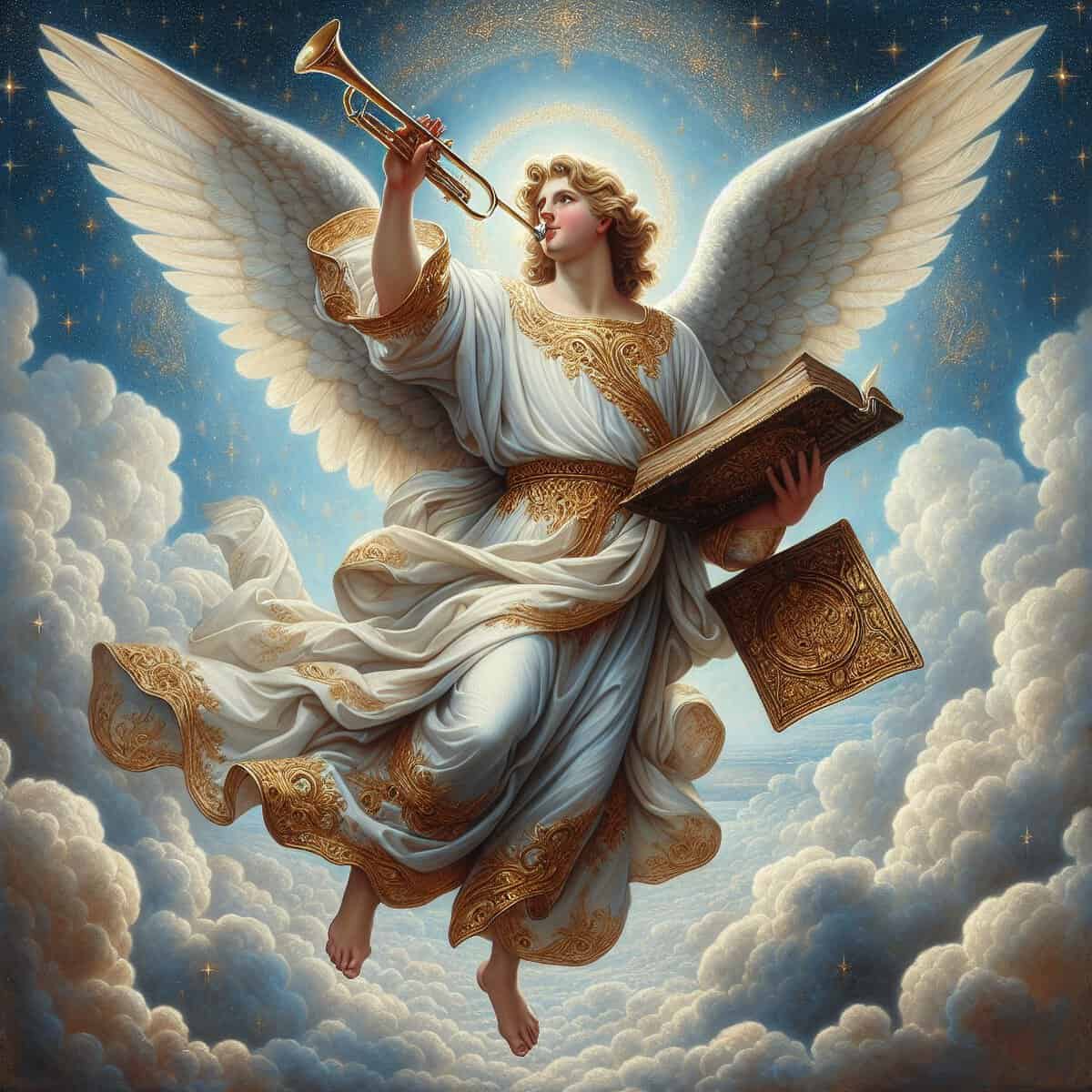
Gabriel is respected in Christianity, Judaism, and Islam, making him one of the most important angelic figures across several major religions.
Although traditions describe him differently, he is consistently connected to revelation, prophecy, and spiritual truth.
This wide presence helped make Gabriel one of the most recognized angels in history.
His importance stretches across cultures, languages, and centuries of belief.
The fact that so many religious traditions honor Gabriel reflects how deeply people connect with stories about divine guidance and communication from higher spiritual realms.
His repeated appearances across scripture also add to the mysterious and timeless image surrounding him.
4. Gabriel Announced the Birth of Jesus
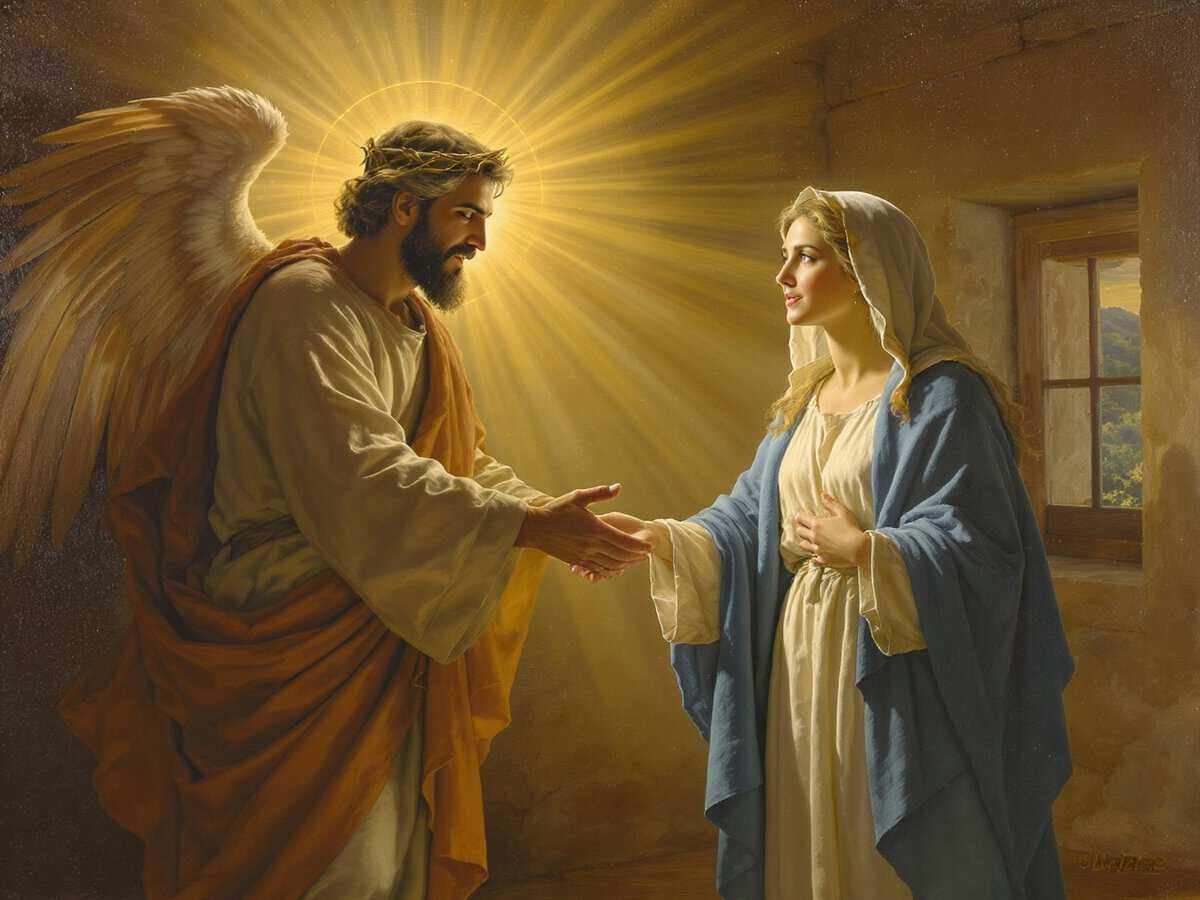
One of Gabriel’s most famous appearances occurs in the Christian story of the birth of Jesus Christ.
According to scripture, Gabriel appeared to Mary and announced that she would give birth to Jesus.
This moment became one of the most important scenes in Christian history.
The message carried by Gabriel represented hope, transformation, and the fulfillment of ancient prophecy.
For centuries, this story has symbolized faith, divine purpose, and the belief that extraordinary events can begin quietly through simple human lives and unexpected moments.
Gabriel’s role in this event made him forever connected to one of the central moments within Christian belief and tradition.
5. He Also Appeared to the Prophet Daniel
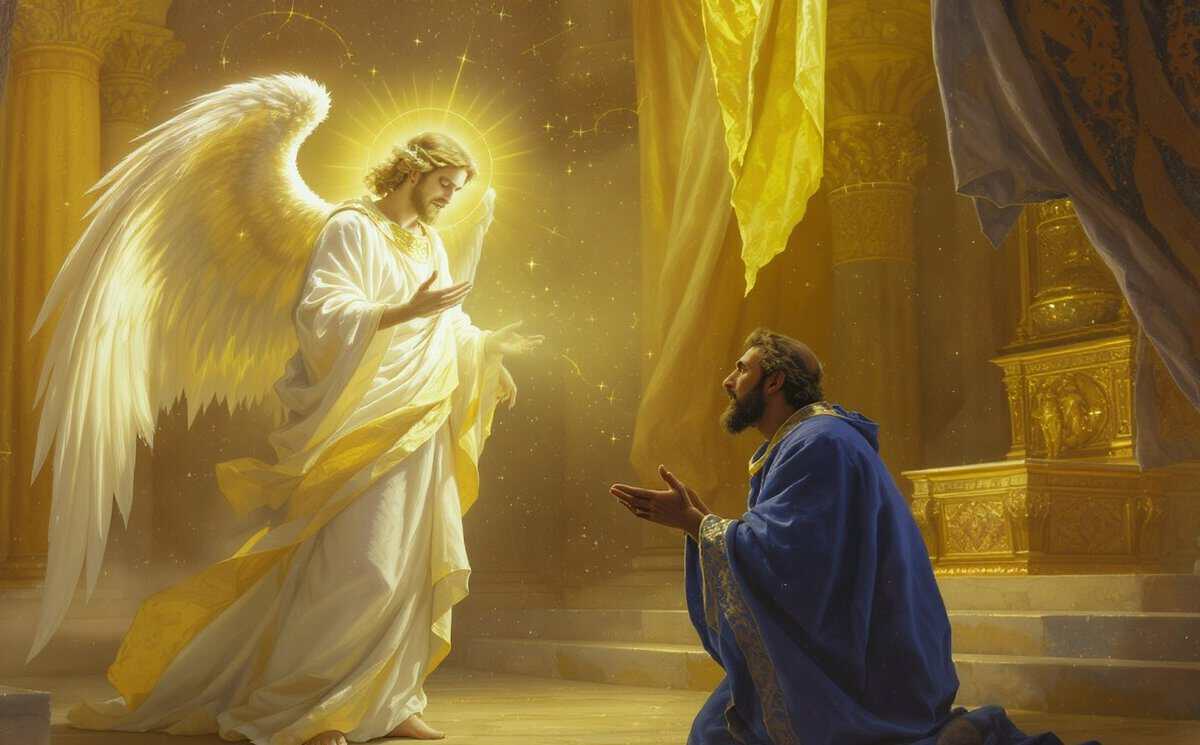
Gabriel appears in the Book of Daniel, where he helps explain mysterious visions and prophecies.
The visions described in these scriptures were difficult and symbolic, filled with strange imagery and future predictions.
Gabriel’s role was to provide understanding and spiritual interpretation.
This connection made him strongly associated with wisdom and hidden knowledge.
For many believers, Gabriel became a symbol of clarity during confusing or uncertain times when deeper spiritual understanding feels difficult to reach alone.
His appearance beside Daniel also strengthened the idea that divine wisdom exists even when human understanding feels limited or incomplete.
6. Gabriel Is Closely Connected to Revelation
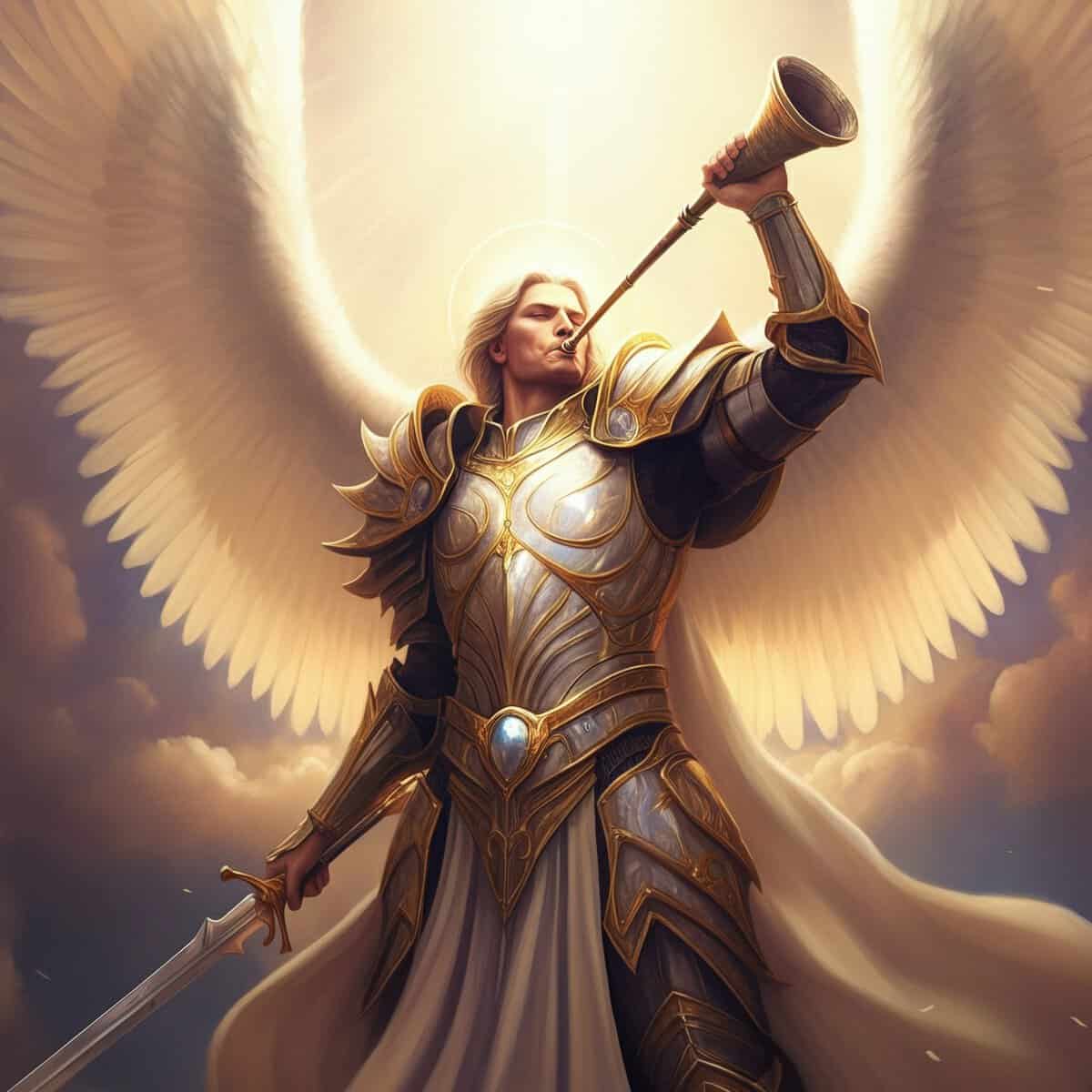
Throughout scripture, Gabriel often appears during moments involving prophecy, revelation, or major spiritual announcements.
His presence usually signals that something important is about to change.
Unlike angels connected mainly to protection or battle, Gabriel’s purpose focuses more on communication and understanding.
This made him deeply connected to the truth and spiritual awakening.
People throughout history often viewed Gabriel as a figure representing insight, divine wisdom, and the uncovering of hidden spiritual meaning within the world.
His role in revelation also reflects the human desire to understand mysteries larger than ordinary life and daily experience.
7. Islamic Tradition Gives Gabriel a Central Role
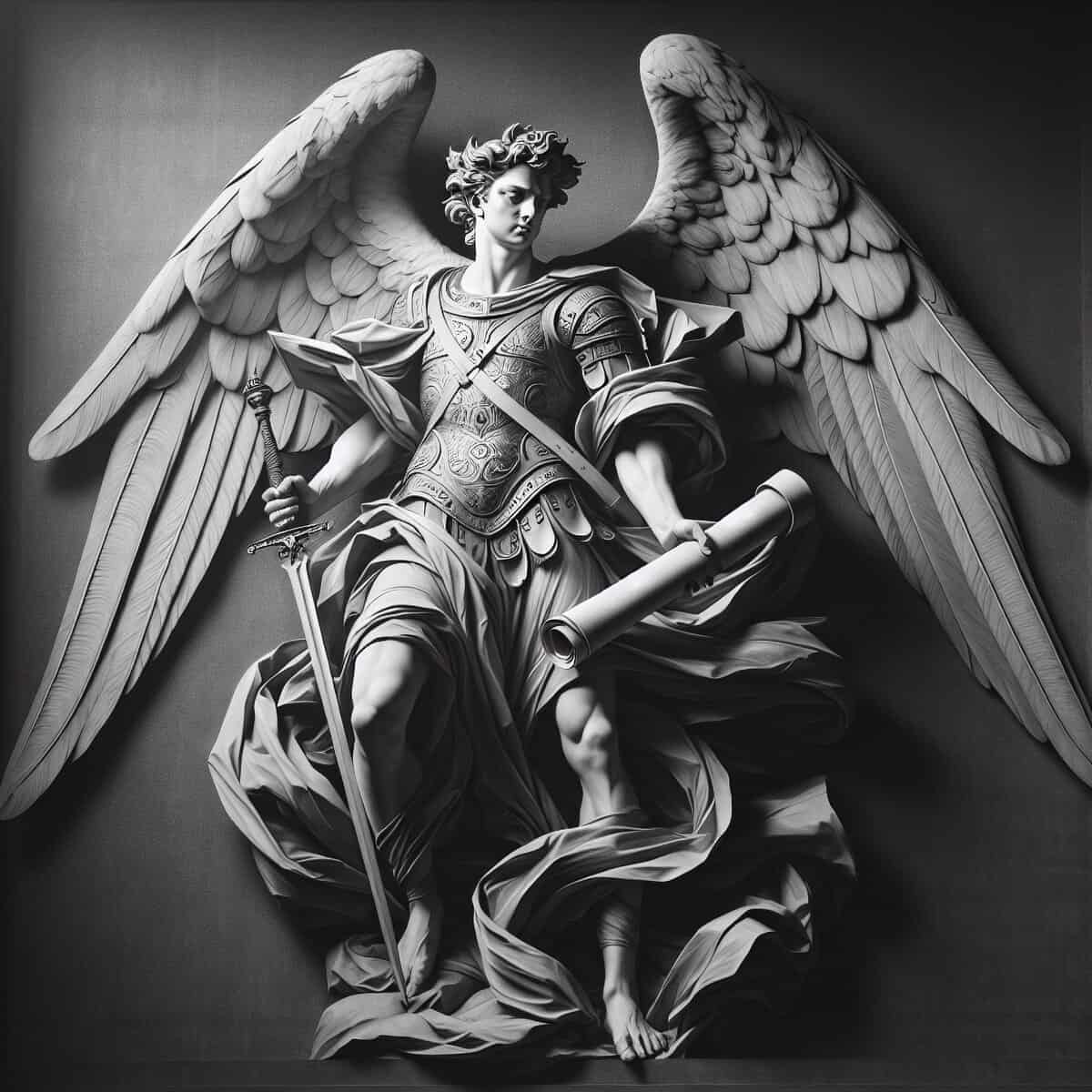
In Islamic tradition, Jibril holds enormous importance as the angel who delivered revelations to the Prophet Muhammad. These revelations became the foundation of the Quran.
Because of this role, Gabriel became associated with sacred knowledge, guidance, and divine truth within Islam.
His connection to revelation is central to Islamic belief and spiritual history.
For millions of believers, Gabriel represents the bridge between heaven and humanity through the transmission of sacred words and divine wisdom.
His role also highlights the enormous spiritual importance attached to communication between God and human beings.
8. Gabriel Symbolizes Peace and Hope
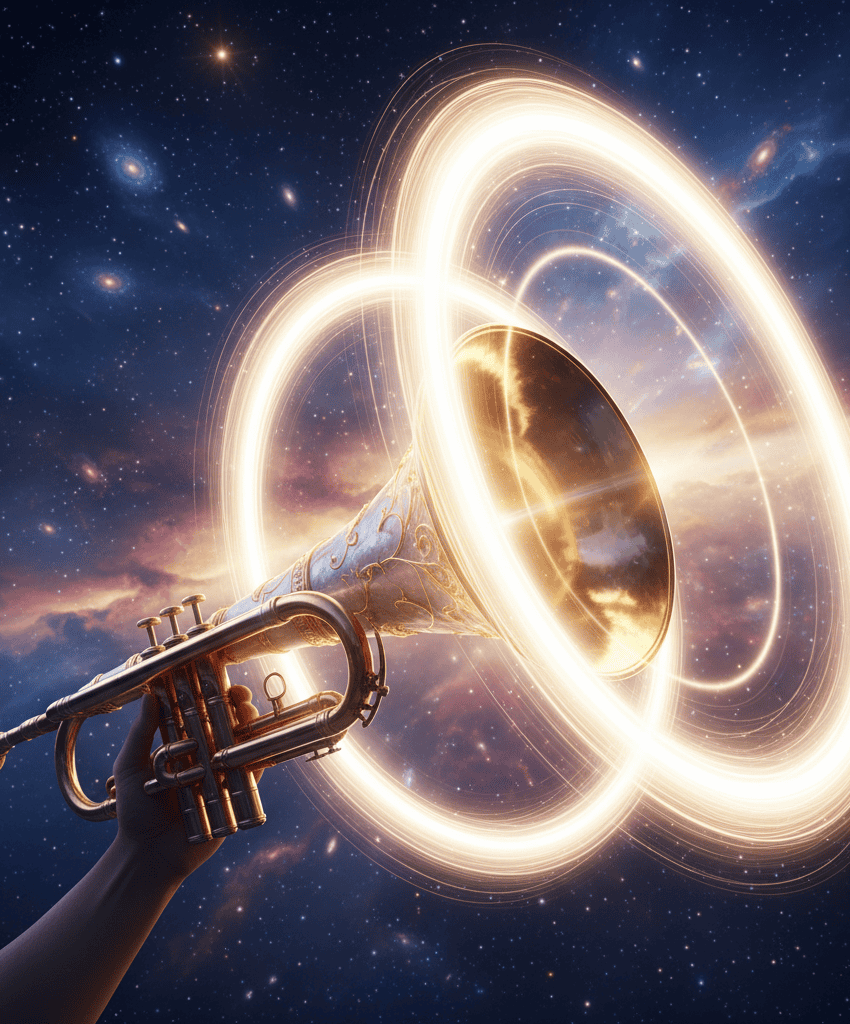
Unlike angels commonly shown in battle scenes, Gabriel is often portrayed with calmness, light, and peaceful authority.
Religious art frequently shows him delivering messages with dignity and serenity rather than violence or fear.
This imagery helped Gabriel become associated with comfort, hope, and reassurance.
His appearances often happened during emotionally overwhelming moments when guidance was deeply needed.
For many people, Gabriel symbolizes the idea that divine truth can arrive gently and bring clarity during fear, uncertainty, or emotional confusion within life.
His calm presence also helped create an image of spiritual wisdom connected more to understanding than force.

I always felt a strong connection to the Divine since my birth. As an author and mentor, my mission is to help others find love, happiness, and inner strength in the darkest of times.