

The Viking Age is filled with powerful warriors and legendary rulers, but some of the most influential figures worked behind the scenes.
Gunnhild, often called the Mother of Kings, was one of the most feared and respected women in Norse history.
She lived during the 10th century and played a major role in the politics and power struggles of Norway.
Known for her intelligence, ambition, and strong will, she helped guide her sons as they fought for control of the kingdom.
Her story combines history and legend, making her one of the most fascinating and mysterious women of the Viking world.
1. She Was Married to King Eric Bloodaxe
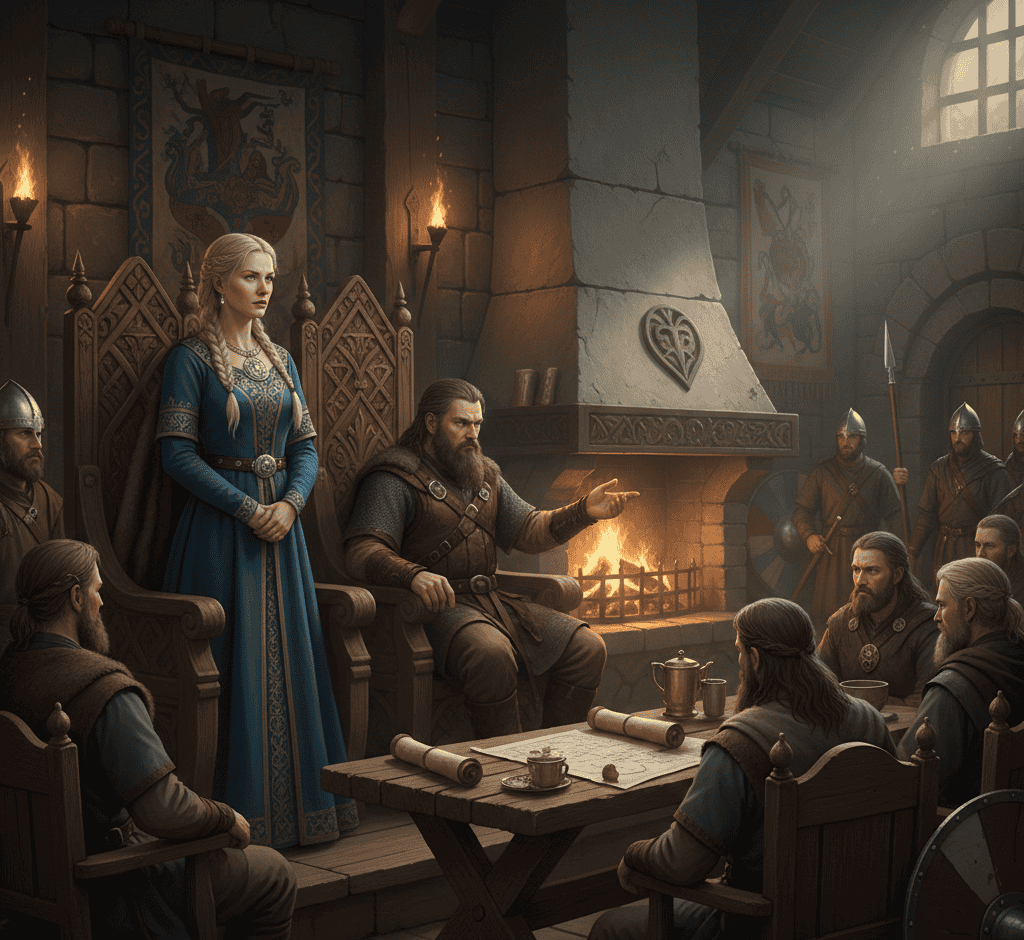
Gunnhild became queen through her marriage to Eric Bloodaxe, a powerful but controversial Viking ruler.
Eric was the son of King Harald Fairhair and fought to maintain control over Norway. As queen, Gunnhild was not simply a passive royal figure.
Historical sources suggest she advised her husband and supported his political decisions.
Their rule faced strong opposition from rival leaders and even members of Eric’s own family.
Gunnhild’s position beside Eric gave her early experience in the dangerous world of Viking politics and power struggles.
2. She Was Known as the Mother of Kings

Gunnhild earned the title Mother of Kings because several of her sons later ruled parts of Norway.
After Eric’s death, she focused her efforts on protecting their claims to power. She encouraged unity among them and helped them challenge their rivals.
In a time when leadership often depended on strength and loyalty, her guidance helped her sons maintain influence.
Her role as a political advisor and organizer was unusual for a woman of that era.
The title reflects her lasting impact, showing that her influence extended beyond her own lifetime through the rule and actions of her children.
3. She Was a Skilled Political Strategist

Sources from the Viking Age describe Gunnhild as highly intelligent and politically aware. She understood the importance of alliances, timing, and negotiation.
When her family lost power in Norway, she helped them find support in other regions, including England and Denmark.
Rather than accepting defeat, she worked to rebuild their influence step by step.
Her ability to adapt to changing circumstances helped her family remain relevant during years of conflict.
In a world where power shifted quickly, her strategic thinking allowed her sons to return and reclaim authority.
Her reputation for clever planning made both allies and enemies cautious around her.
4. Legends Say She Practiced Magic

Later sagas describe Gunnhild as a powerful sorceress who practiced seidr, a form of Norse magic.
These stories claim she could influence events, curse enemies, and see hidden truths. They reflect how feared and mysterious she became in popular tradition.
Accusing powerful women of magic was common in medieval storytelling, especially when they held strong political influence.
Whether true or symbolic, the stories suggest that people believed she possessed unusual power.
Her reputation for supernatural ability added to her image as a dangerous and formidable figure in Viking society.
5. She Lived in Exile for Many Years
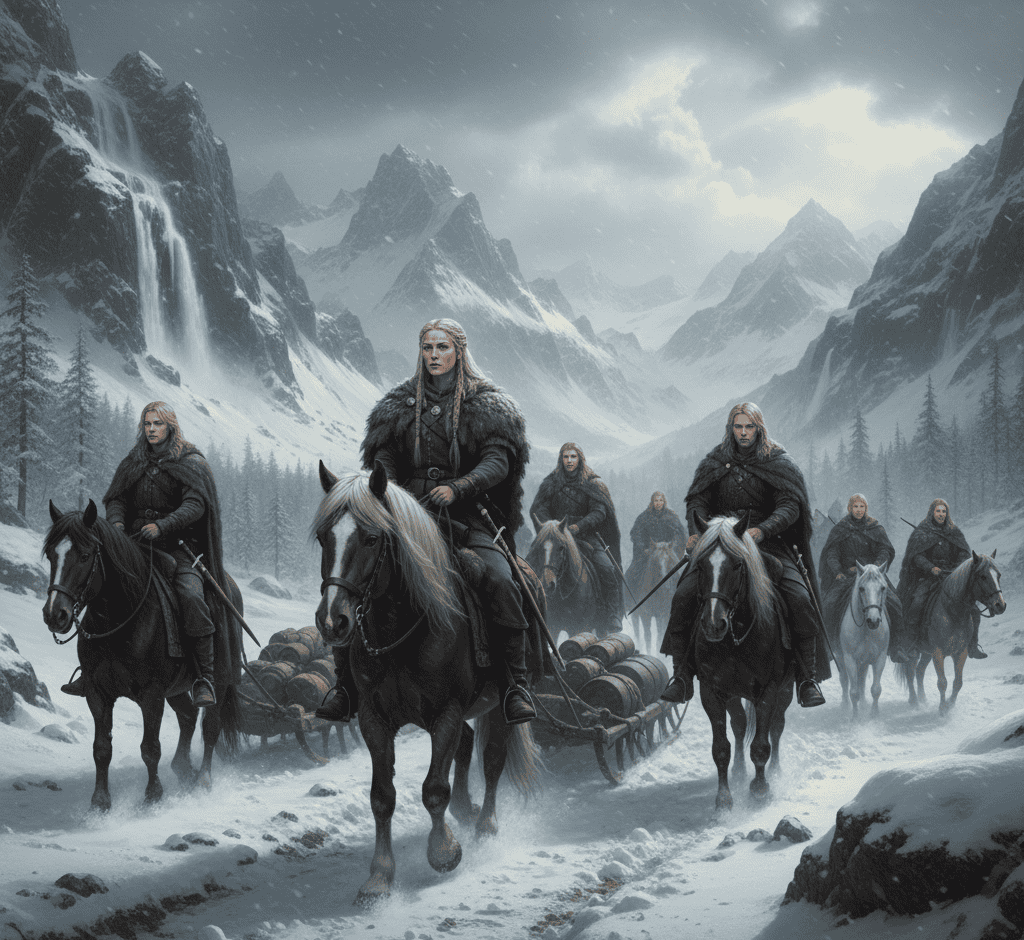
After Eric Bloodaxe was defeated and killed in England, Gunnhild and her sons were forced into exile.
They spent years away from Norway, seeking protection and support from foreign rulers.
Life in exile required patience, planning, and the ability to maintain loyalty among their followers.
Gunnhild played a key role in keeping the family united during this difficult period. Rather than fading into obscurity, she used the time to prepare for a return to power.
Her determination during exile showed her resilience and refusal to accept defeat, even after major losses and political setbacks.
6. She Helped Her Sons Regain Norway

Gunnhild’s long-term goal was to restore her family’s control over Norway. With support from Denmark, her sons eventually returned and established themselves as rulers.
She continued to guide and advise them as they faced resistance from local leaders and rivals.
Her experience in politics helped them navigate the complex system of alliances and conflicts that shaped Viking rule.
The successful return of her sons strengthened her reputation as a determined and capable leader.
Her influence during this period played a major role in securing her family’s place in Norwegian history and royal succession.
7. She Was Feared by Her Enemies
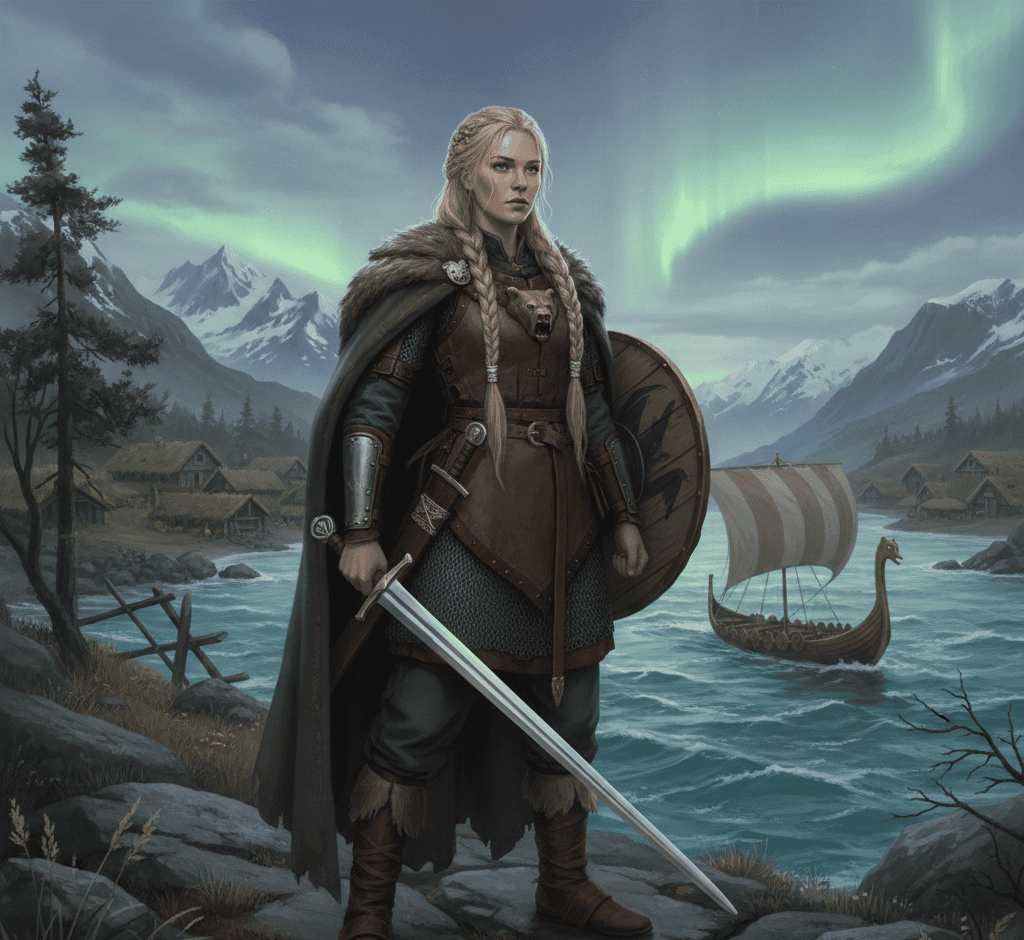
Many historical and literary sources describe Gunnhild as a woman her enemies feared deeply.
She was said to be ruthless toward those who threatened her family’s power.
Stories claim she arranged punishments, encouraged revenge, and showed little mercy to rivals.
While some of these accounts may be exaggerated by hostile writers, they reflect the strong impression she made on those around her.
In the violent world of Viking politics, strength and decisiveness were necessary for survival.
Her reputation for harsh action may have helped discourage opposition and protect her sons’ authority during unstable times.
8. She Was a Powerful Female Figure in a Male World

The Viking Age was dominated by male warriors and rulers, yet Gunnhild managed to gain and hold significant influence.
She participated in political decisions, advised kings, and shaped major events.
Her leadership shows that women in Viking society could exercise power, especially within royal families.
Although she did not rule directly, her guidance affected the direction of the kingdom.
Her story challenges the idea that Viking women were only passive figures.
Instead, she represents the important but often overlooked role women played in leadership, strategy, and the preservation of family power and legacy.
9. Her Story Comes from Both History and Saga

Much of what we know about Gunnhild comes from Icelandic sagas written centuries after her lifetime.
These sources mix historical events with storytelling and legend. As a result, it is sometimes difficult to separate fact from exaggeration.
Some descriptions portray her as wise and determined, while others present her as cruel or dangerous.
These mixed portrayals reflect the political biases and dramatic style of medieval writers.
Even so, the repeated attention she receives in multiple sources suggests she was a significant and memorable figure whose actions left a strong mark on Viking history.
10. Her Legacy Shaped Norwegian Royal History

Gunnhild’s greatest legacy was the continued rule and influence of her sons in Norway.
Through years of conflict, exile, and political struggle, she helped secure their position and protect their claim to power.
The period of their rule became an important chapter in the development of the Norwegian monarchy.
Her determination ensured that her family remained part of the royal line despite repeated challenges.
Today, she is remembered as one of the most powerful and controversial women of the Viking Age, a figure whose ambition and strength helped shape the course of Scandinavian history.

I always felt a strong connection to the Divine since my birth. As an author and mentor, my mission is to help others find love, happiness, and inner strength in the darkest of times.