
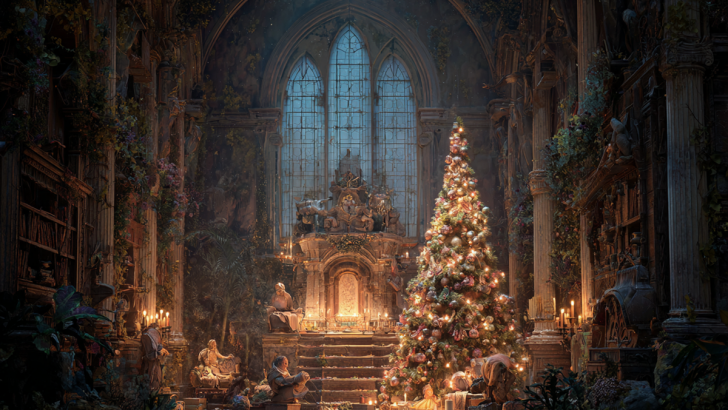
Christmas in America has always been a patchwork holiday — a blend of European customs, early Christian symbolism, folk superstition, immigrant traditions, and good old-fashioned commercial invention.
But as the years passed, certain rituals that once shaped the season quietly slipped out of fashion.
Some disappeared because technology changed. Others faded because culture shifted. And a few vanished simply because… well, they were kind of strange to begin with.
Here are ten Christmas traditions Americans usato to follow — and why most people don’t anymore.
1. Telling Ghost Stories on Christmas Eve
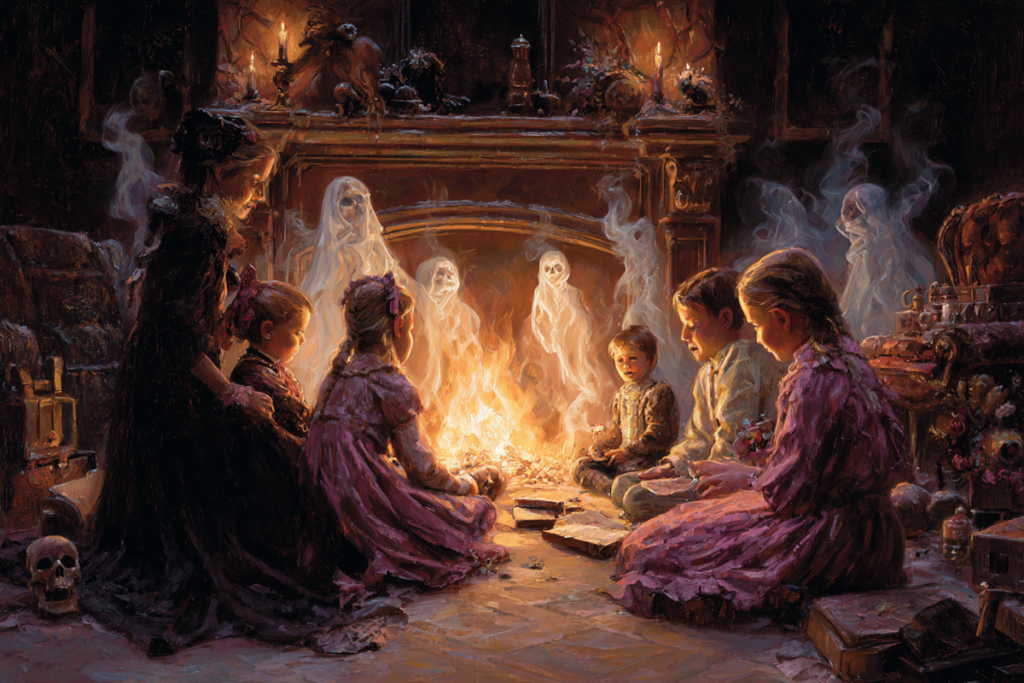
Before Christmas became a Hallmark-channel marathon, it was a season for spooky storytelling. Victorians loved gathering around the fire on December 24 to share eerie tales, a tradition immortalized in “A Christmas Carol.”
But by the mid-20th century, the holiday vibe shifted toward cheerfulness and family wholesomeness. Ghosts got relegated to Halloween, and Christmas lost its spooky edge.
2. The Twelve Days of Christmas (Actually Following Them)
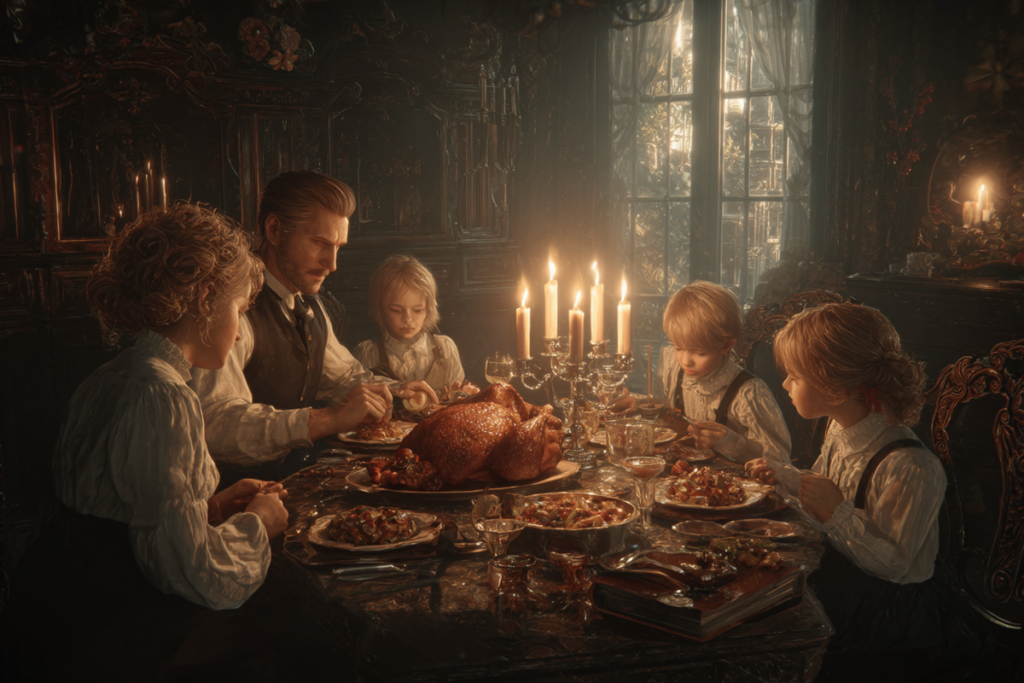
Americans sing about the twelve days but rarely observe them. Historically, Christmas ran from December 25 to January 6 — with feasts, gifts, and gatherings spread throughout the period.
Industrial work schedules, school calendars, and the rise of New Year’s Eve culture condensed the celebration into one day (or one frantic weekend).
3. Big, Elaborate Christmas Feasts with Multiple Courses
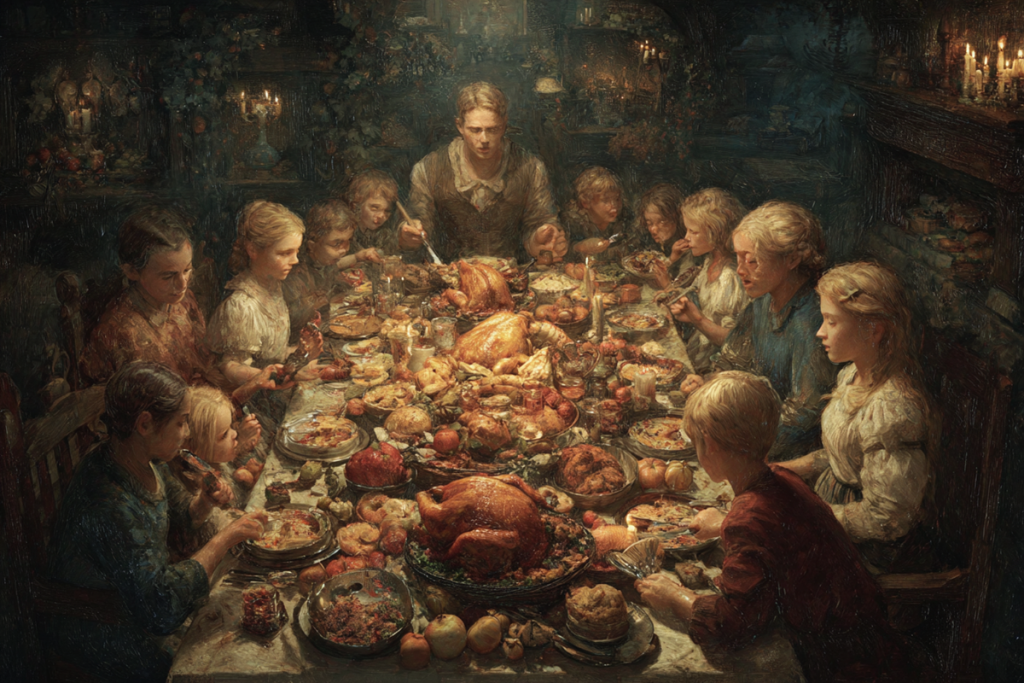
Early American Christmas dinners resembled European banquets with goose, oysters, plum pudding, and enough food to feed a kingdom. As cooking became faster and family sizes shrank, the need for sprawling feasts faded.
Turkey took over, convenience became king, and the culinary drama of Christmas mellowed into something more manageable.
4. Wassailing (Yes, the Carols Were Literal)
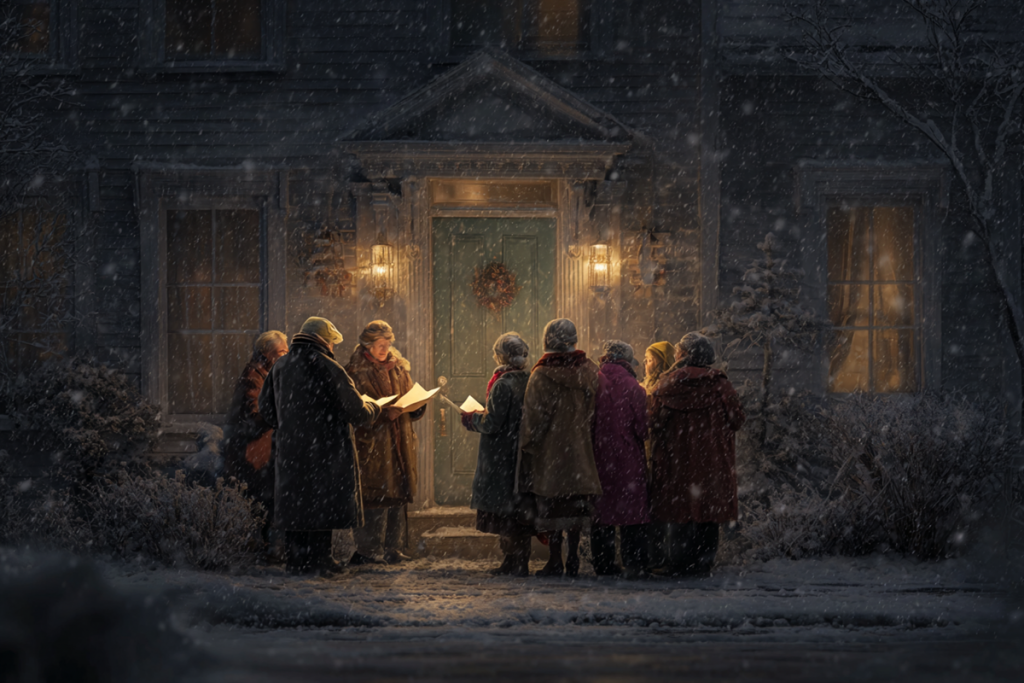
“Here we come a-wassailing” originally meant traveling door-to-door offering songs in exchange for a drink from someone’s spiced cider bowl. Think early caroling with a social twist.
By the early 1900s, the custom disappeared as communities grew less walkable and more private. Today’s caroling is much tamer — no open bowls of alcohol involved.
5. Hanging Actual Candles on the Tree

Before electric lights, people placed real candles on their Christmas trees — a tradition equal parts beautiful and mildly terrifying. Unsurprisingly, house fires were common.
By the 1920s, electric lights replaced the hazard. The nostalgia remains; the danger, thankfully, does not.
6. Fruitcake Gifting (When It Was a Sign of Affection, Not a Punchline)
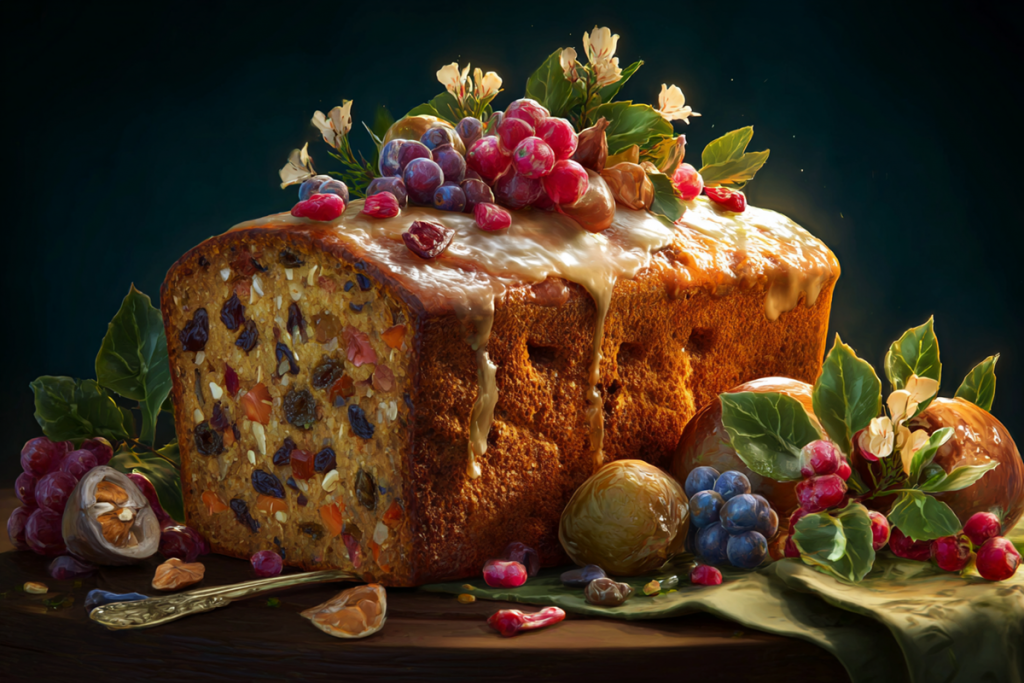
There was a time when fruitcake was a luxury: imported spices, preserved fruits, alcohol — it was expensive and meaningful.
Mass production in the mid-20th century made it cheaper, denser, and far less tasty. Eventually, fruitcake went from desirable to comedic, and gifting one became code for “I panicked and bought this last-minute.”
7. Making Homemade Ornaments
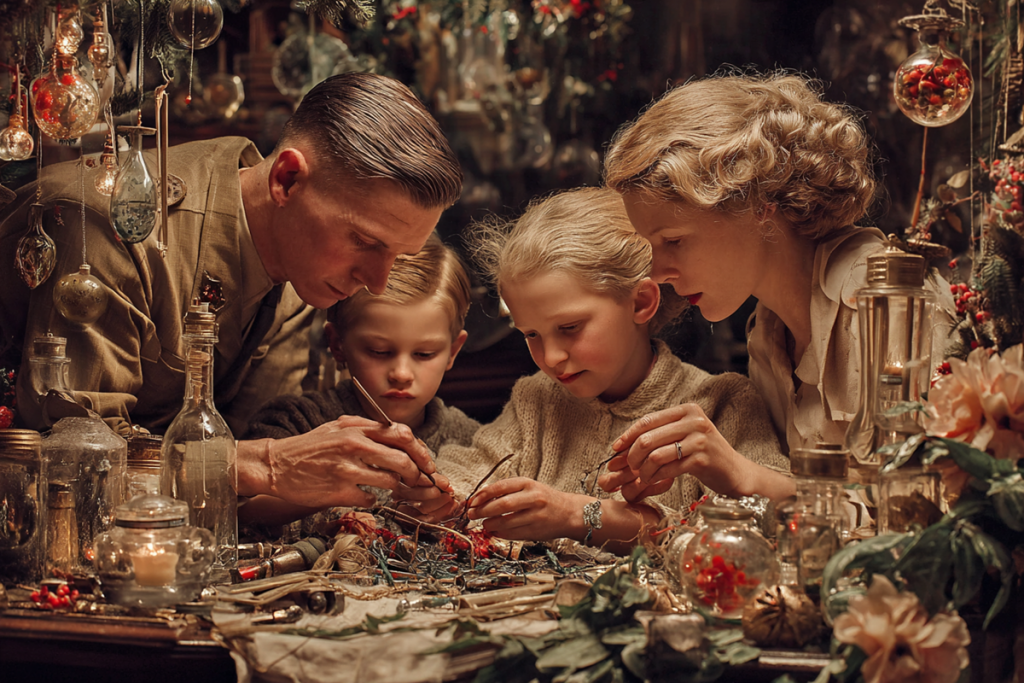
Victorian and early American families handcrafted most of their decorations: paper garlands, cookies, glass baubles, spun cotton figurines.
As mass production rose and trends changed, store-bought ornaments replaced the homemade charm. Today’s décor is glossier but less personal — and often changed out every few years instead of passed down through generations.
8. Community Christmas Games and Outdoor Festivities
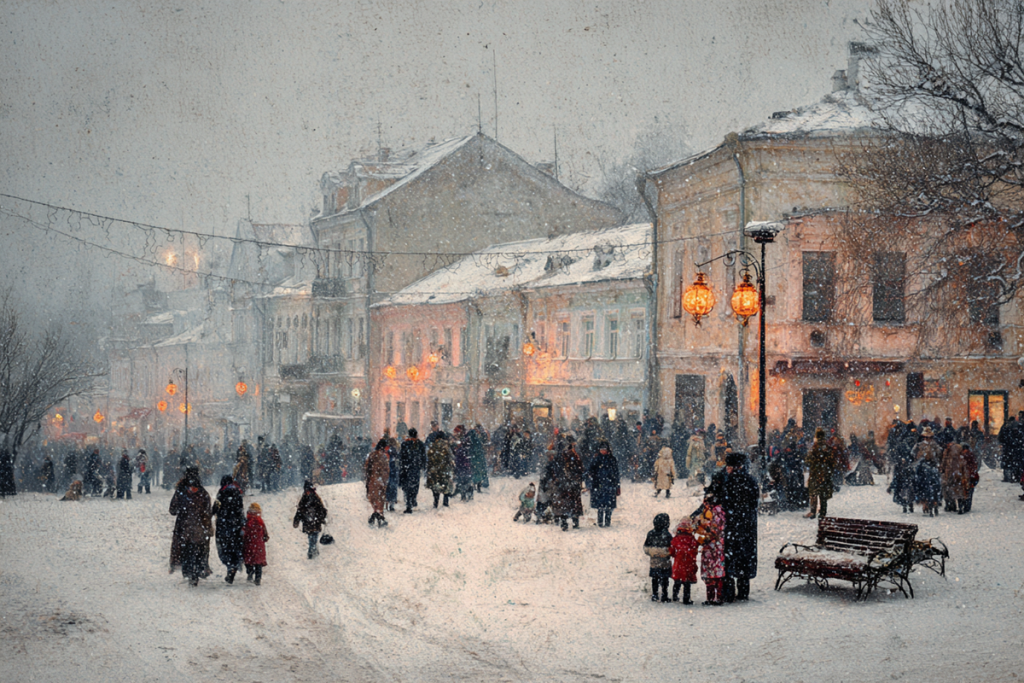
Before indoor heating and screens, towns gathered for group celebrations: sledding races, village dances, community bonfires, and even public pageants.
These events built local bonds, but as suburbanization spread and winter lifestyles shifted indoors, communal outdoor traditions dwindled. Today, Christmas is more private, more home-based, and less publicly festive.
9. Christmas Cards Sent to Everyone You Know (Not Just a Select Few)
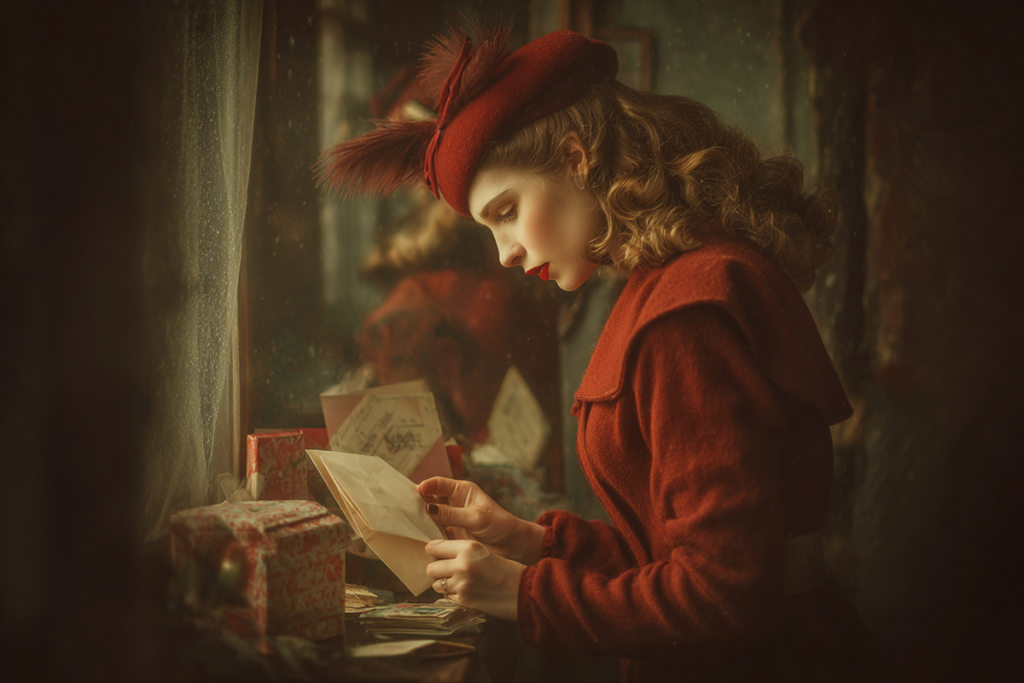
For nearly a century, sending physical cards was an essential December task. Families kept lists, wrote updates, and mailed dozens — sometimes hundreds — of cards.
But digital communication, rising postage prices, and general burnout trimmed card culture down to immediate family and close friends. The mailbox isn’t as festive as it used to be.
10. Waiting Until Christmas Eve or Christmas Day to Put Up the Tree

For much of the 19th and early 20th century, trees went up late — sometimes even on Christmas morning as part of the magic. Today the season starts earlier each year, pushed forward by retail cycles, social media aesthetics, and the general need for more joy in winter.
December 1 is practically “late”; November trees are becoming normal. The slow buildup is gone — replaced by “put it up as soon as socially acceptable.”
11. Why These Traditions Faded — and Why Some Might Return
Many of these customs disappeared because American culture moved faster: less time, more work, smaller communities, bigger expectations.
But nostalgia has a funny way of reviving old favorites. Homemade ornaments are trending again. Slow, multi-day celebrations appeal to people burned out on holiday chaos. Even ghost stories are sneaking back into December.
Traditions never truly vanish — they hibernate until someone rediscovers their charm.

Lover of good music, reading, astrology and making memories with friends and spreading positive vibes! 🎶✨I aim to inspire others to find meaning and purpose through a deeper understanding of the universe’s energies.