
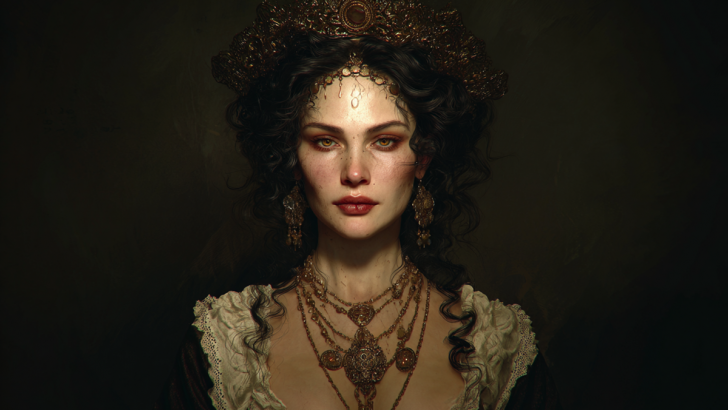
History has a complicated relationship with powerful women. Label them “dangerous,” and suddenly their intelligence becomes threatening, their ambition becomes scandalous, and their influence becomes something to fear rather than admire. But what does it really mean to be dangerous? Is it cruelty? Rebellion? Or simply the refusal to be controlled?
The truth is, many of history’s most “dangerous” women weren’t just feared—they were formidable. They challenged systems, reshaped empires, defied expectations, and in some cases, ruled with a level of strategy and precision that left their enemies scrambling. Some were revolutionaries, some were rulers, and others were outlaws who refused to play by society’s rules.
Whether admired, misunderstood, or outright feared, these women prove one thing: power in female form has always had the ability to disrupt, transform, and leave a legacy that refuses to be ignored.
1. Cleopatra
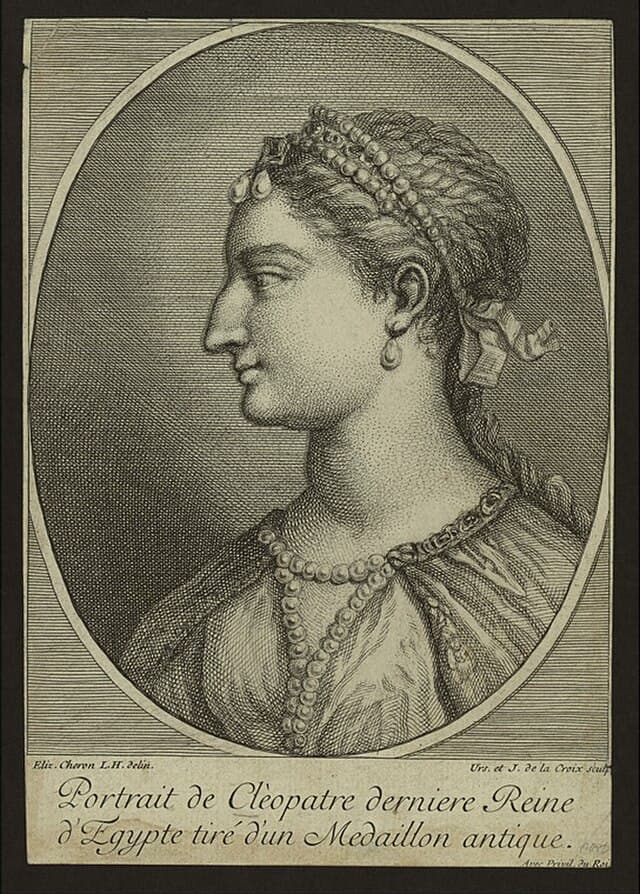
Cleopatra VII Philopator was not just a symbol of beauty and seduction, as history often oversimplifies her—she was a brilliant political strategist operating in one of the most volatile periods of ancient history. Fluent in multiple languages and deeply educated, she knew exactly how to navigate power, alliances, and perception.
Her relationships with Julius Caesar and Mark Antony weren’t just romantic—they were calculated political moves that helped her maintain Egypt’s independence while Rome threatened to consume it. Cleopatra understood influence on a level that made her both admired and feared.
What made her “dangerous” wasn’t manipulation—it was intelligence combined with boldness. She played the game of empire-building with some of the most powerful men in history—and held her own.
2. Joan of Arc
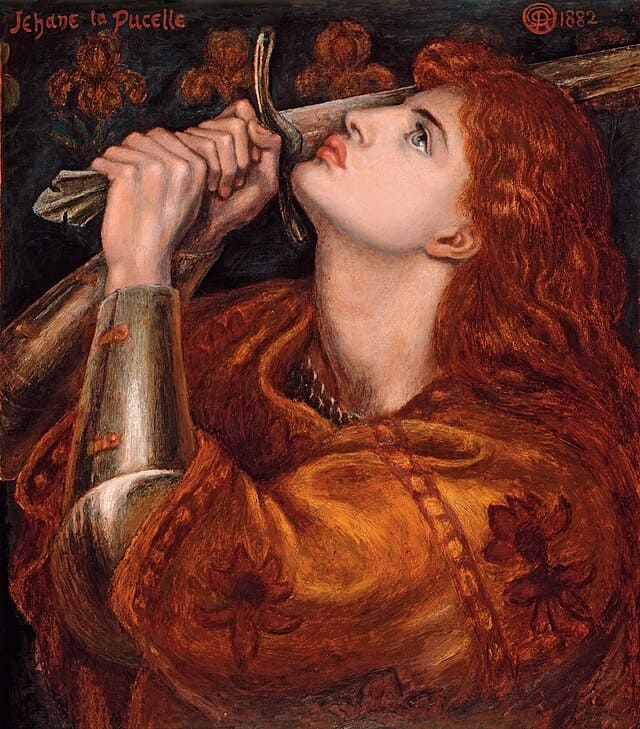
Joan of Arc was a teenage girl who claimed divine guidance—and then proceeded to lead armies into battle. Already, that’s enough to make anyone in power nervous.
At just 17, she convinced the French court to let her command troops during the Hundred Years’ War, inspiring soldiers and shifting the momentum of the conflict. But her true power wasn’t just military—it was spiritual. She gave people hope at a time when defeat felt inevitable.
Her unwavering faith made her impossible to control. And that’s what made her dangerous. She didn’t rely on status, wealth, or traditional authority—she relied on belief. And belief, when strong enough, can move entire nations.
3. Catherine the Great
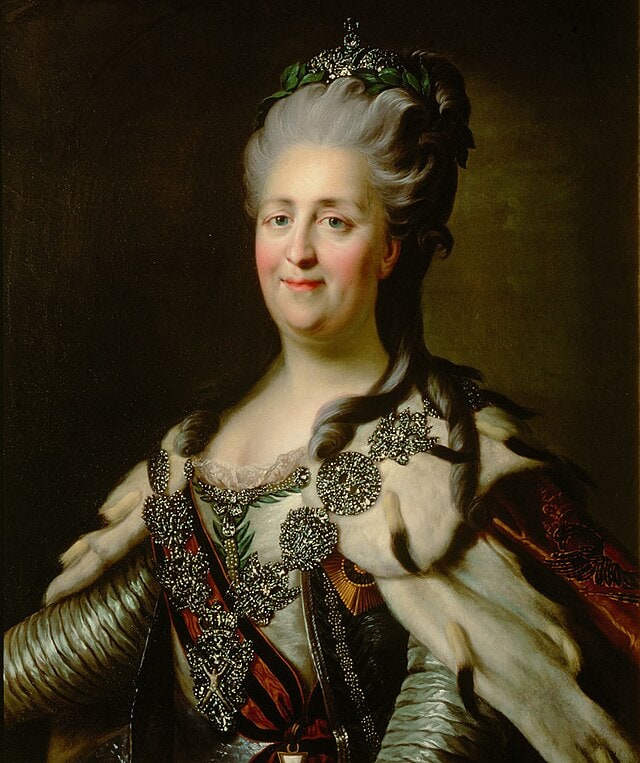
Catherine the Great didn’t inherit power quietly—she took it. After orchestrating a coup against her husband, she became one of the most powerful rulers in Russian history.
Her reign was marked by expansion, reform, and a sharp understanding of politics. She modernized Russia, supported education and the arts, and strengthened her empire significantly. But she also ruled with a level of ambition that made her formidable to both allies and enemies.
Catherine’s danger came from her refusal to be underestimated. She wasn’t content to simply hold power—she expanded it, shaped it, and used it strategically.
4. Marie Antoinette
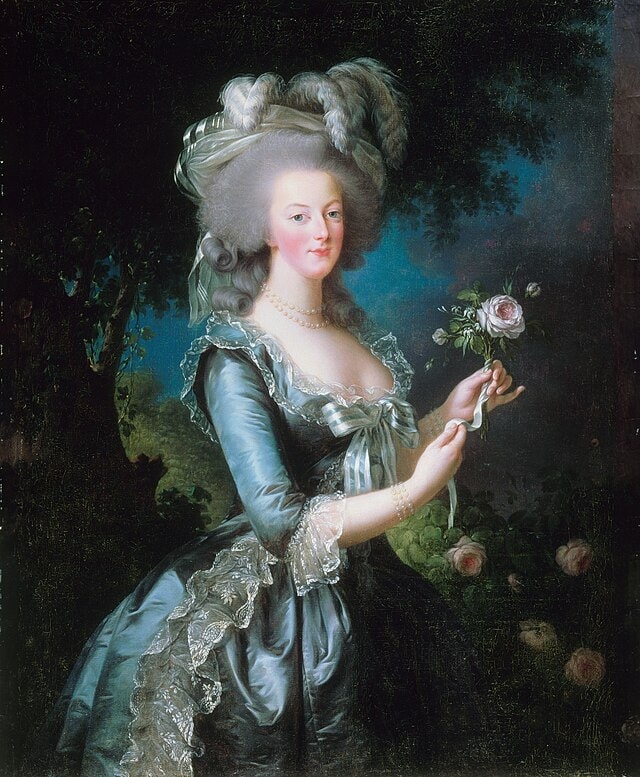
Marie Antoinette is often remembered for excess and detachment, but her “danger” lies in something more symbolic. She became the face of inequality during a time of immense social unrest in France.
Whether she truly embodied the extravagance people accused her of or not, she represented a system that was collapsing. Her image fueled anger, resentment, and ultimately revolution.
In this way, her power wasn’t in action—but in perception. She became a symbol strong enough to ignite one of the most significant upheavals in history. And that kind of influence? That’s a different kind of dangerous.
5. Mata Hari
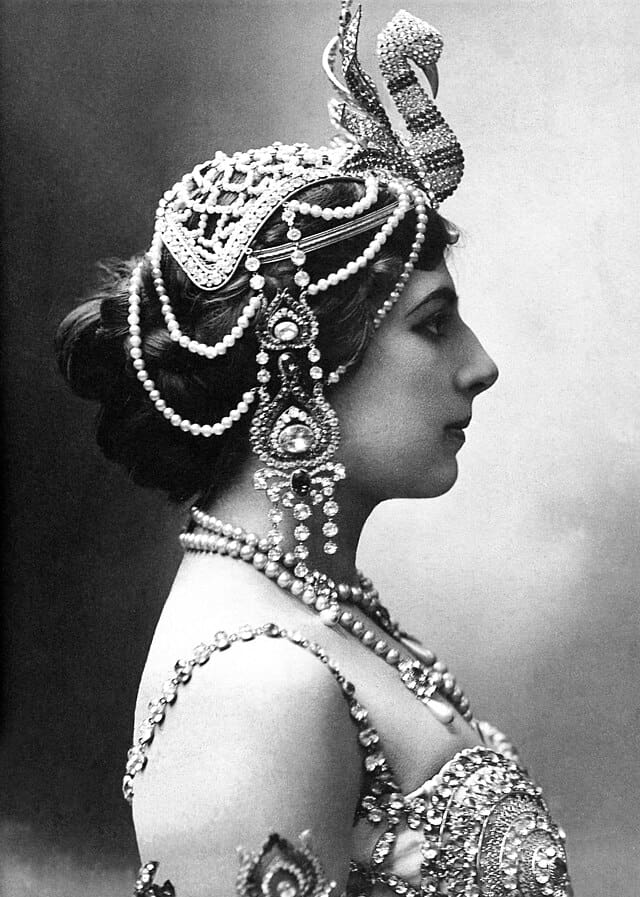
Mata Hari lived a life wrapped in mystery, glamour, and suspicion. As a dancer and courtesan during World War I, she moved in elite circles, gaining access to powerful men and sensitive information.
Accused of being a double agent, she was ultimately executed for espionage by the French. Whether she was truly guilty or simply a convenient scapegoat remains debated.
Her danger came from her ambiguity. She existed in a space where charm, intelligence, and secrecy overlapped—and that made her impossible to fully understand or trust.
6. Queen Elizabeth I
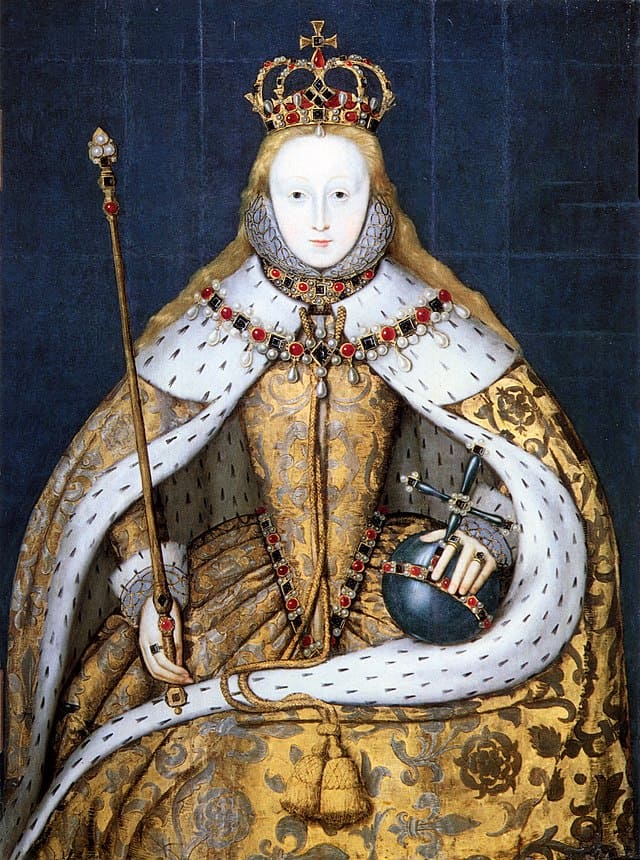
Elizabeth I ruled in a time when a woman on the throne was seen as a vulnerability. Instead, she turned it into her greatest strength.
Refusing to marry, she maintained full control over her power and political alliances. Her reign brought stability, cultural growth, and military success, including the defeat of the Spanish Armada.
Elizabeth’s danger was strategic independence. She didn’t conform to expectations, and by doing so, she reshaped what leadership could look like.
7. Wu Zetian
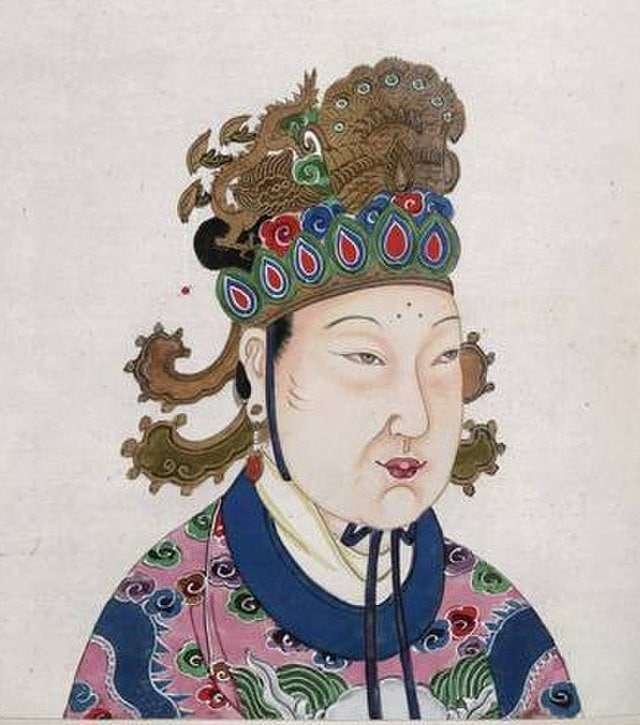
Wu Zetian rose from concubine to emperor—a path that required intelligence, patience, and an unshakable understanding of power dynamics.
She ruled during the Tang Dynasty, implementing reforms, strengthening the government, and promoting capable officials regardless of their background.
Her rise and rule challenged deeply ingrained societal norms. What made her dangerous wasn’t just her authority—it was the way she proved that authority could belong to someone society had never intended it for.
8. Bonnie Parker
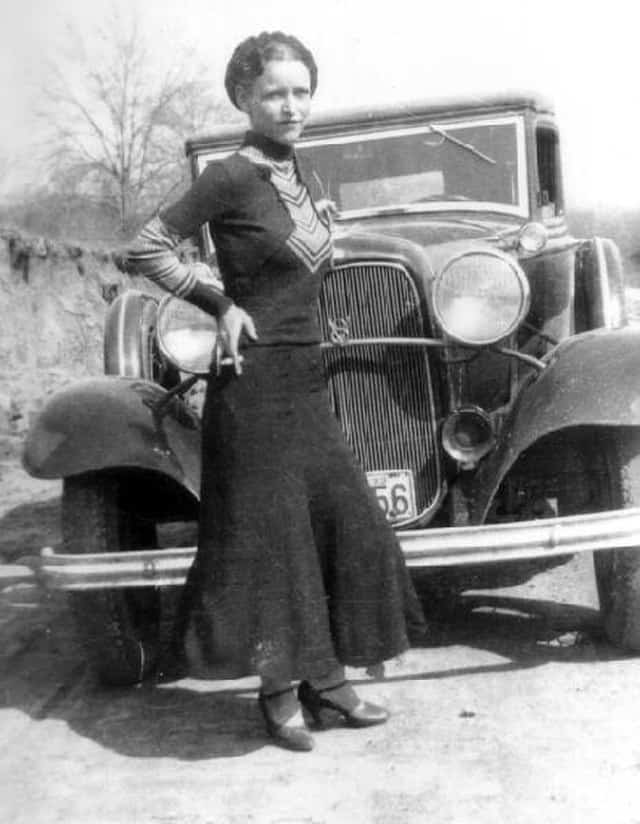
Bonnie Parker became one half of the infamous Bonnie and Clyde duo during the Great Depression.
More than just a criminal, she became a cultural icon. Her story captured the public’s imagination, blending rebellion, romance, and defiance.
Her danger wasn’t just in her actions—but in her image. She represented a refusal to accept societal limitations, and that made her both captivating and unsettling.
9. Griselda Blanco
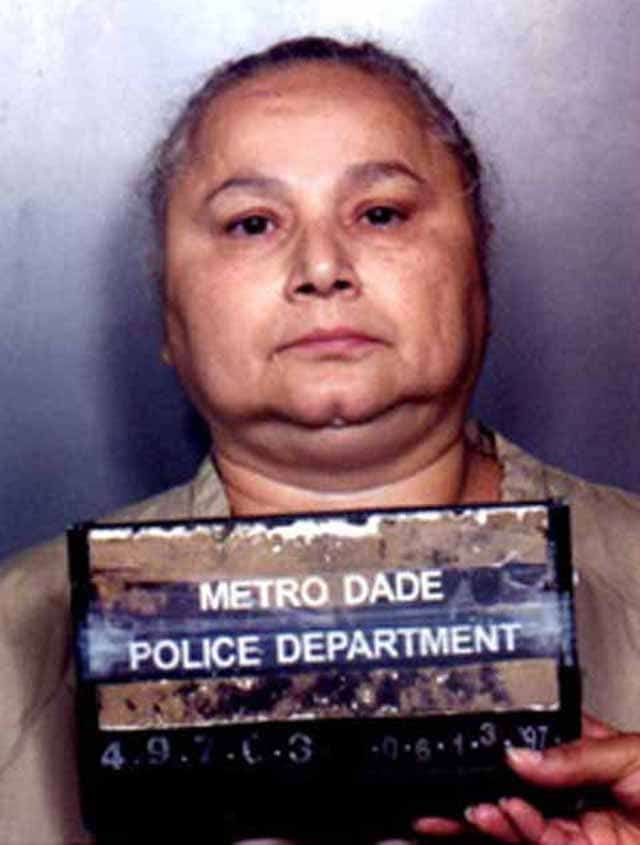
Griselda Blanco was a key figure in the rise of the cocaine trade in the United States during the late 20th century.
Known for her ruthlessness and strategic mind, she built an empire in an industry dominated by men. Her methods were extreme, and her reputation became legendary.
Her danger came from her ability to command fear and loyalty simultaneously. She didn’t just participate in power—she controlled it.
10. Empress Dowager Cixi
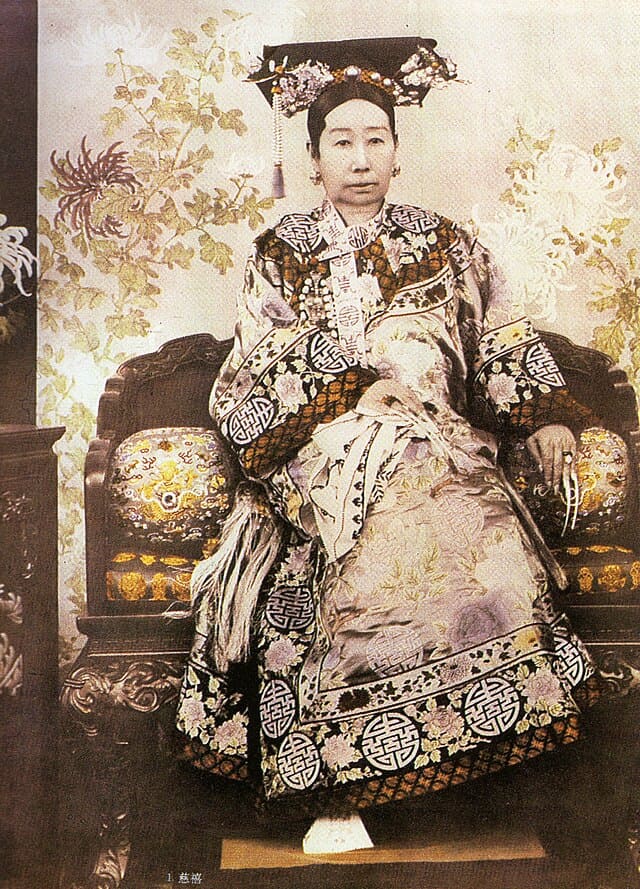
Empress Dowager Cixi ruled China from behind the scenes for decades, navigating political intrigue with remarkable skill.
She rose from concubine to one of the most powerful figures in Chinese history, influencing decisions, policies, and leadership without formally holding the throne.
Her danger was subtle but absolute. She understood that power doesn’t always need to be visible to be effective—and she used that to her advantage masterfully.

Lover of good music, reading, astrology and making memories with friends and spreading positive vibes! 🎶✨I aim to inspire others to find meaning and purpose through a deeper understanding of the universe’s energies.