
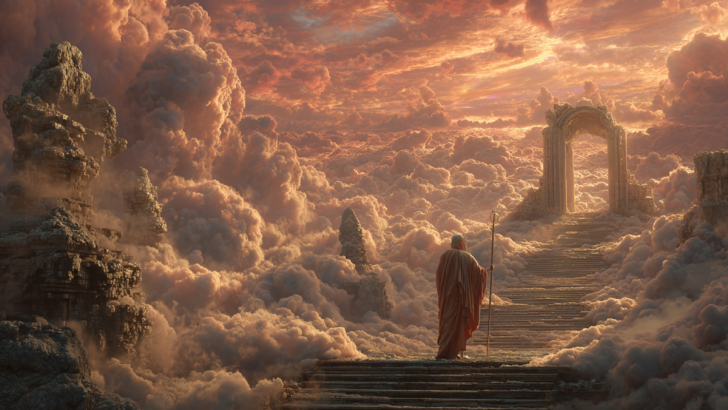
The afterlife is one of humanity’s favorite mysteries—right up there with “What’s the meaning of life?” and “Why did I say that embarrassing thing in 2012?” Every culture, religion, and late-night overthinker has tried to map out what happens after we die, and somehow we’ve ended up with a mix of clouds, paperwork, karma points, and at least one version involving a river you have to pay to cross.
The truth? Most popular ideas about the afterlife are… let’s say highly simplified. Some are comforting, some are dramatic, and some sound suspiciously like they were invented by someone trying to make people behave. Here are 10 things people tend to get wrong about the afterlife—served with a side of humor and a sprinkle of existential curiosity.
1. “It’s Just Heaven or Hell—Pick a Lane”
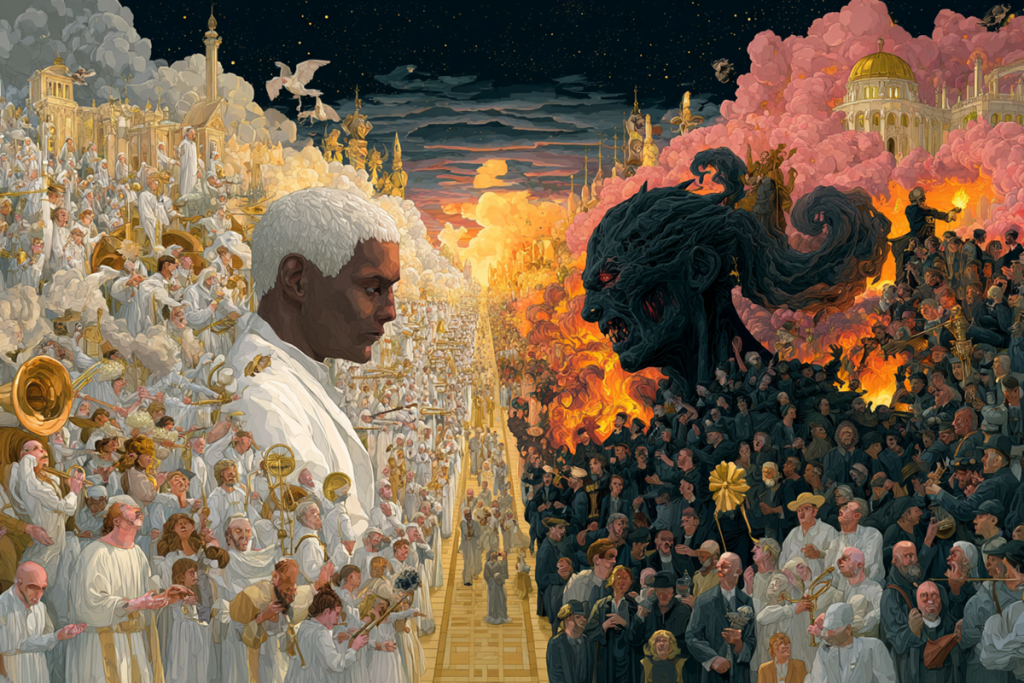
A lot of people grow up thinking the afterlife is basically a cosmic sorting hat: you’re either rewarded with eternal bliss or sentenced to eternal regret. Simple, right? Not exactly.
Across world religions and philosophies, the afterlife is far more nuanced. Some traditions include multiple layers of existence, temporary states, or cycles of rebirth. Even within belief systems that fare include heaven and hell, interpretations vary wildly. Is hell literal? Symbolic? Temporary? Eternal? Depends who you ask—and they’ll probably answer with the confidence of someone who’s definitely not guessing.
The idea of a strict two-option system is appealing because it’s easy to understand. But reality (or whatever comes after it) might be more like a complicated Netflix menu than a yes-or-no checkbox. And no, there’s probably no “skip intro” button.
2. “Everyone Becomes an Angel”
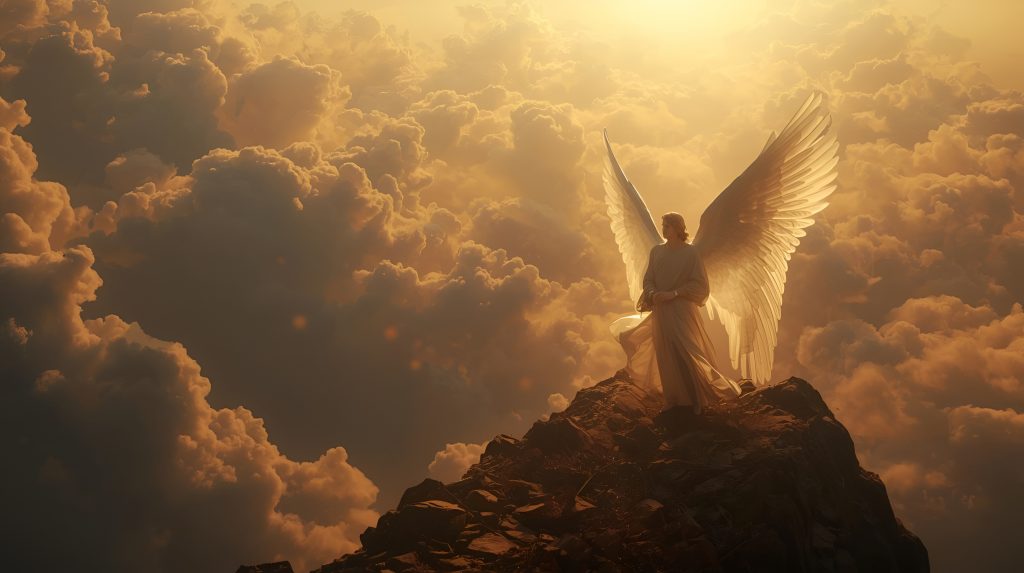
Somewhere along the way, people decided that dying automatically upgrades you to “angel status,” complete with wings and a glowing personality. It’s a comforting thought—who wouldn’t want a celestial promotion?
But in most religious traditions, angels are entirely separate beings, not former humans. They have specific roles, purposes, and in some cases, very intense job descriptions that go way beyond floating around looking serene.
The confusion likely comes from poetic language and the human need to imagine loved ones as protected and elevated. Which is fair—but turning Grandma into a winged being who monitors your life choices from above might not be the original plan.
Still, if imagining your ancestors with wings brings you comfort, no one’s stopping you. Just don’t expect them to start filing official angel reports.
3. “It’s Basically Eternal Cloud Lounging”
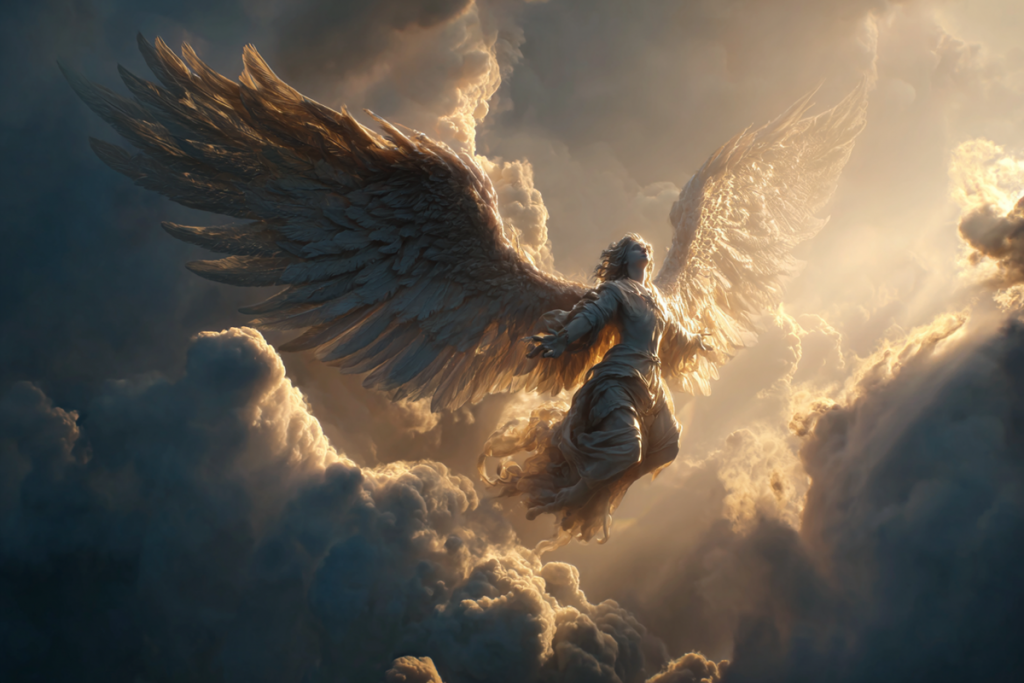
Pop culture has convinced us that the afterlife—especially the “good place”—involves a lot of sitting on clouds, wearing white, and generally doing… not much. It’s peaceful, sure, but also suspiciously boring.
Many spiritual traditions describe the afterlife as something far more dynamic: a place (or state) of growth, awareness, connection, or even continued purpose. The idea isn’t eternal inactivity—it’s transformation.
Because let’s be honest: if you kept your personality intact, you wouldn’t last five minutes doing nothing forever. You’d reorganize the clouds, start a hobby, or ask someone if there’s a better seating arrangement.
The “cloud aesthetic” is nice for paintings, but reality is likely a lot less passive and a lot more… engaging.
4. “Time Works the Same Way”

People often imagine the afterlife as an extension of earthly life—just longer. Forever longer. But here’s the catch: many beliefs suggest that time as we know it doesn’t apply at all.
Without physical bodies, aging, or day-night cycles, the concept of time might not even make sense. There’s no “waiting,” no deadlines, and no awkwardly checking the clock during conversations.
This completely breaks our brains because we’re wired to think in timelines. Beginning, middle, end. But the afterlife—if it exists—might operate outside that structure entirely.
So no, you probably won’t be sitting around thinking, “Wow, it’s been 300 years already.” It might feel like no time has passed… or like time never existed in the first place. Which is both comforting and mildly unsettling.
5. “You’ll Still Care About Earthly Drama”
A common assumption is that people in the afterlife are still deeply invested in everything happening on Earth—watching, judging, maybe even facepalming at your life choices.
While some traditions do suggest awareness of the living world, many also emphasize a shift in perspective. The idea is that once you’re no longer tied to physical life, your priorities change.
That thing you’re stressing about right now? The awkward conversation? The career dilemma? It might not even register anymore. Not because it doesn’t matter—but because your understanding of “what matters” evolves.
So if anyone is watching from the beyond, they’re probably less concerned with your minor mistakes and more like, “Ah, yes, the human experience. Complicated, but understandable.”
6. “It’s the Same for Everyone”
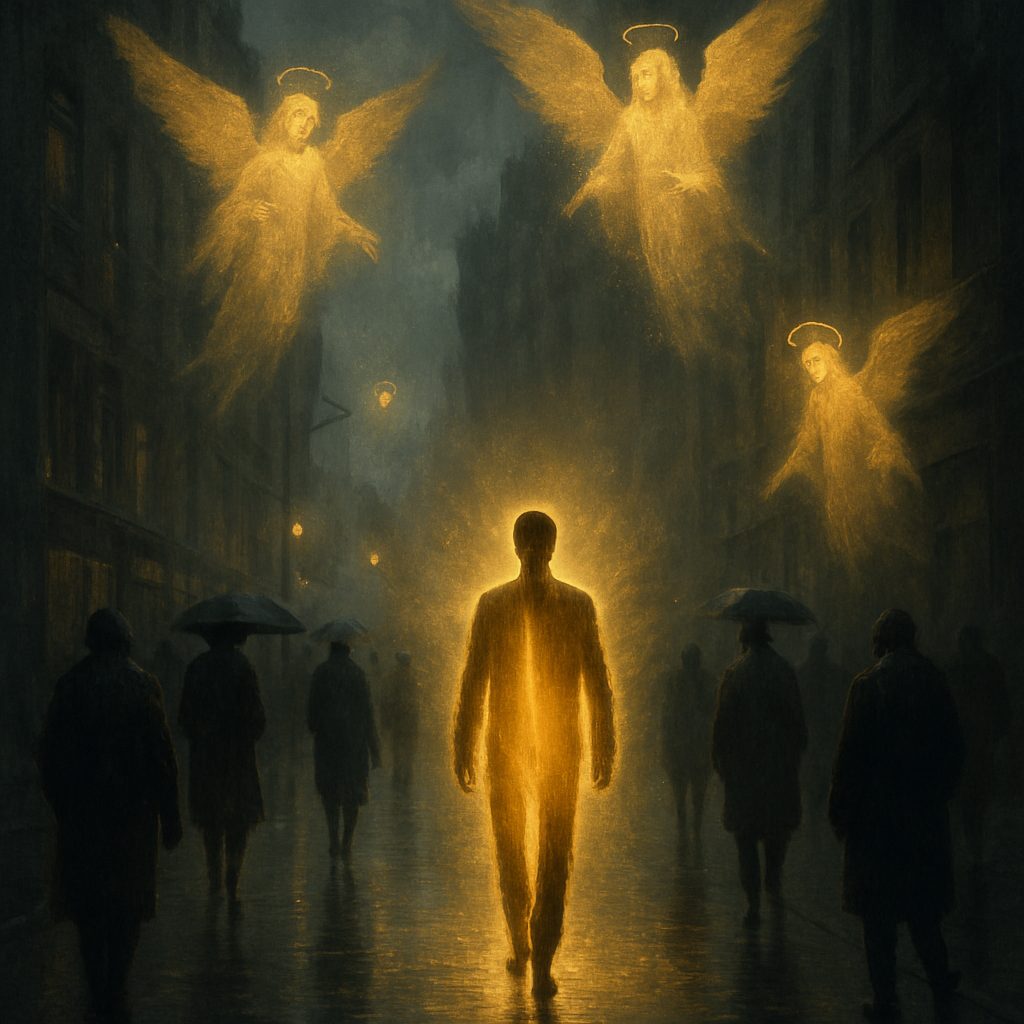
People love a universal rulebook, but the afterlife doesn’t seem to follow one-size-fits-all logic.
Different cultures describe vastly different experiences—reincarnation, ancestral realms, spiritual unions, judgment processes, or complete dissolution of the self. Even within the same belief system, interpretations can vary depending on philosophy, tradition, and personal understanding.
Some theories even suggest that the afterlife experience could be shaped by your own beliefs or consciousness. Meaning… your expectations might influence what you encounter.
So instead of a single standardized experience, it might be more personalized—like a cosmic “for you” page, but significantly more meaningful.
7. “You’ll Instantly Know Everything”
It’s comforting to imagine that once we die, all confusion disappears and we suddenly understand the universe, existence, and why people clap when planes land.
But not all beliefs agree on instant enlightenment. Some suggest a gradual process of understanding, growth, or adjustment. Think less “instant download of all knowledge” and more “orientation period, but spiritual.”
After all, if existence continues in some form, it makes sense that learning and awareness might continue too. Otherwise, what’s the point of eternity if you’ve already unlocked everything in the first five minutes?
So yes, clarity might come—but it may not be as immediate or all-encompassing as people assume.
8. “Your Personality Stays Exactly the Same”

People often picture the afterlife as “you, but immortal.” Same preferences, same habits, same tendency to overthink texts.
But many traditions suggest that the self evolves beyond its earthly version. You might retain your essence—your core identity—but without the limitations, fears, and quirks shaped by physical life.
So no, you’re probably not going to spend eternity worrying about what people think of you or replaying awkward moments. That version of you is tied to your human experience.
Instead, think of it as an upgraded perspective—still you, just without the unnecessary baggage. Which, frankly, sounds like a relief.
9. “It’s All About Reward and Punishment”
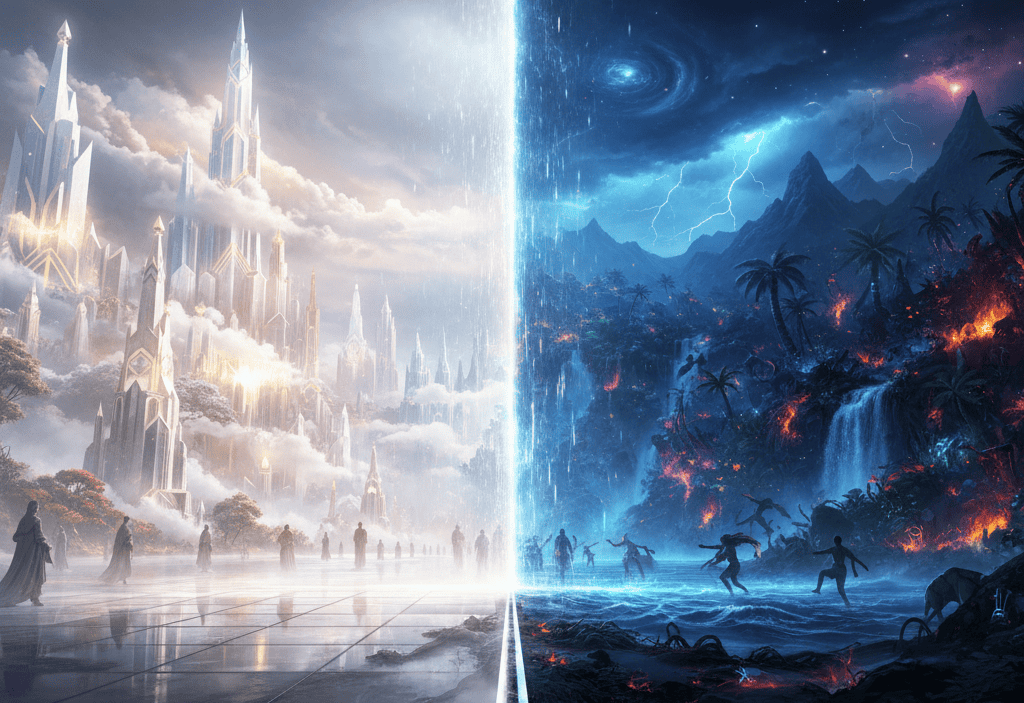
The idea of the afterlife as a giant moral scoreboard is deeply ingrained: do good, get rewarded; do bad, face consequences.
While some traditions do include judgment, many also emphasize growth, balance, or understanding rather than simple punishment. The focus isn’t always on “you messed up, now suffer”—it’s often on learning, transformation, or restoring harmony.
This shifts the narrative from fear-based to development-based. It’s less about being graded and more about evolving.
Which doesn’t mean actions don’t matter—they absolutely do. But the outcome might be more complex than a pass/fail system.
10. “We Can Fully Understand It Now”
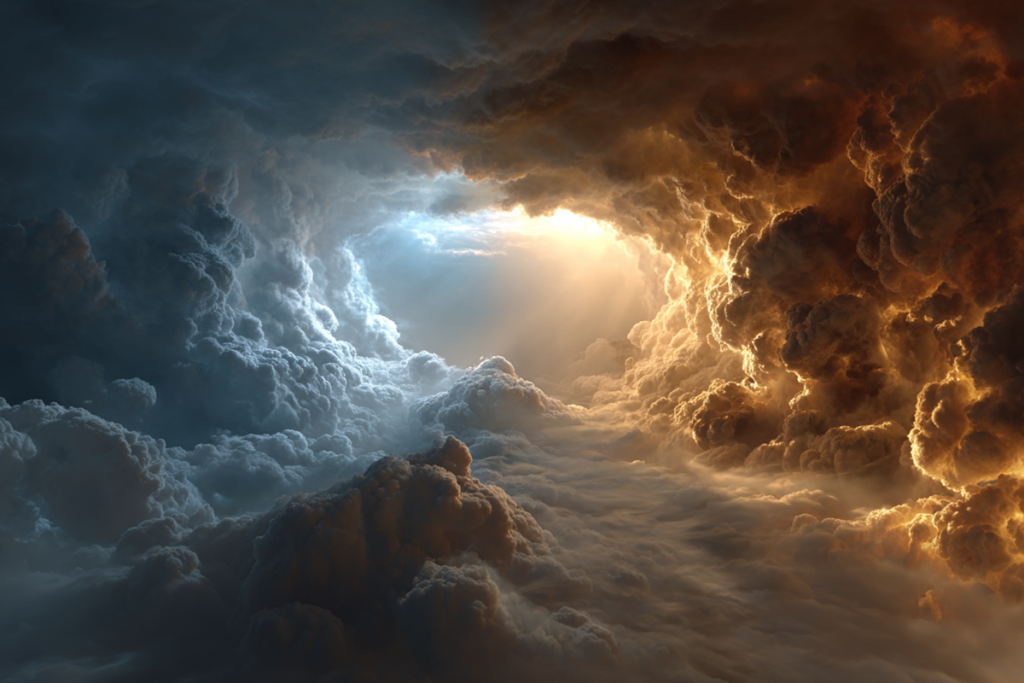
Perhaps the biggest misconception of all is that we can completely figure out the afterlife while still alive.
Humans are excellent at creating models, metaphors, and explanations—but we’re still working with limited information. Every description of the afterlife is filtered through human language, culture, and imagination.
It’s like trying to explain color to someone who’s never seen it—you can get close, but not all the way there.
And maybe that’s the point. The mystery keeps people curious, reflective, and occasionally spiraling at 2 a.m. But it also leaves room for wonder.
Because if the afterlife exists, it’s probably far more complex—and far more interesting—than anything we’ve managed to come up with so far.

Lover of good music, reading, astrology and making memories with friends and spreading positive vibes! 🎶✨I aim to inspire others to find meaning and purpose through a deeper understanding of the universe’s energies.