
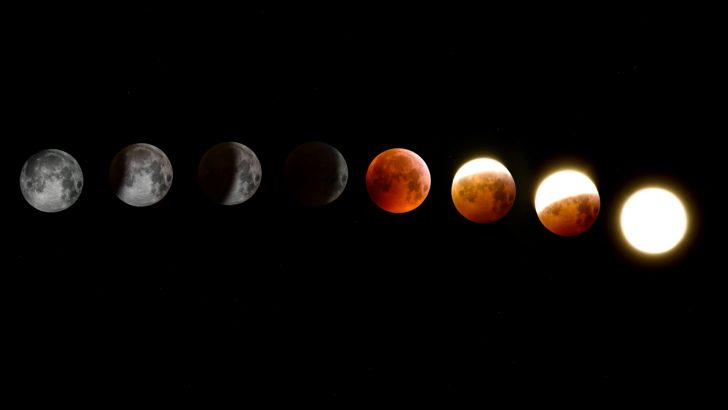
The Gregorian calendar is a relatively recent invention, and it’s pretty far removed from how we originally tracked our days and seasons.
Up until 1582, most cultures known to us relied on a 13-moon calendar, which aligned more closely with natural rhythms, tides, and fertility cycles.
But somewhere along the line, it was decided that 12 uneven months were the better alternative.
So, let’s explore why the old calendar matters and what this change means for our natural rhythm.
The Gregorian Calendar
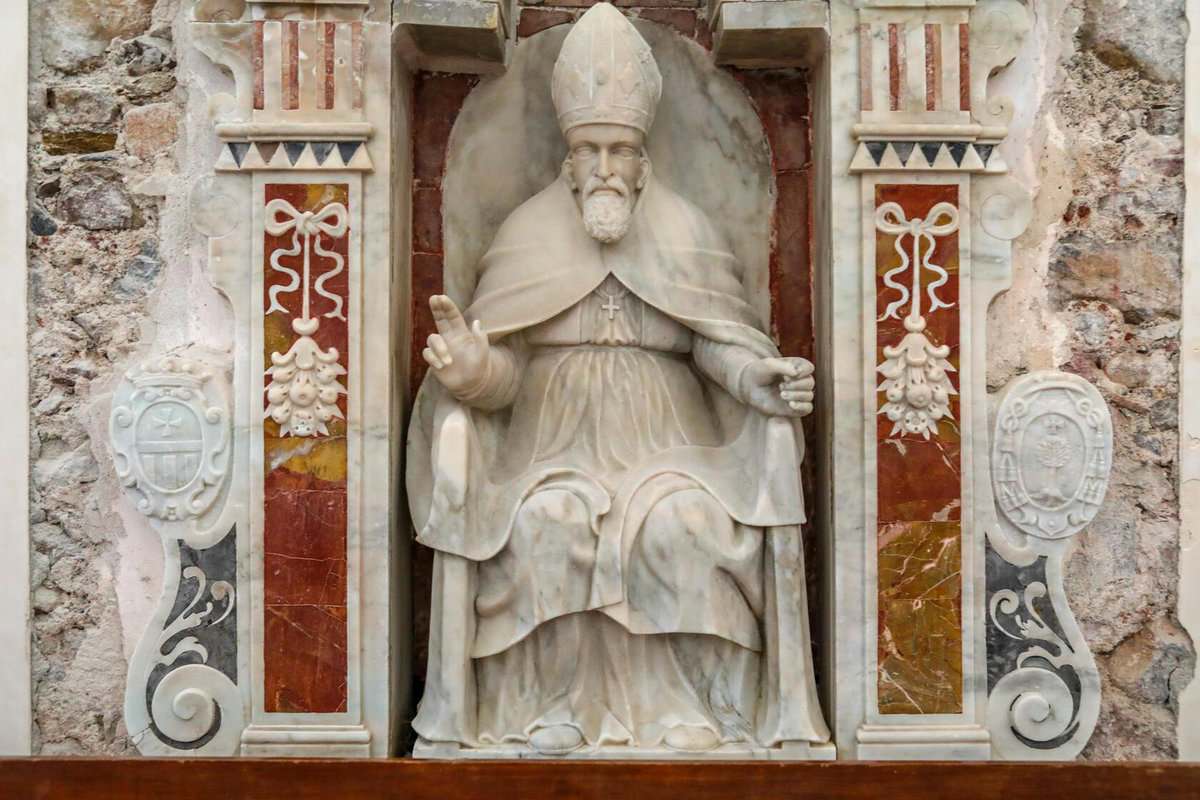
In 1582, Pope Gregory XIII announced a calendar reform that changed everything. The Gregorian calendar replaced the Julian calendar, which had been around since 45 BCE.
The main goal of this reform was to fix the shift of equinoxes, which was messing with the Easter day that the church had set.
However, in doing so, it also overhauled how we view the year, removing us from the natural lunar and solar cycles.
Instead of 13 months di 28 days, with one extra day for leap years, the new system splits the year into 12 uneven months.
It suited religious and political agendas at the time, but disconnected us from the natural order.
Breaking Humanity’s Rhythms

The switch to the Gregorian calendar didn’t just change dates; it shifted our entire day to day rhythm.
The old 13-month calendar was in sync with lunar cycles, tides, and fertility patterns – things that governed life on Earth!
The new system, with its uneven months and artificial leap years, created a disconnect.
Our internal clocks, which evolved over millennia to match the moon and sun, started losing their natural alignment.
It’s believed that this break from natural cycles may have contributed to feelings of disorientation, emotional fatigue, and the sense that time is rushing past us.
We’re no longer in harmony with nature’s pulse.
The Ancient 13-Month Calendar
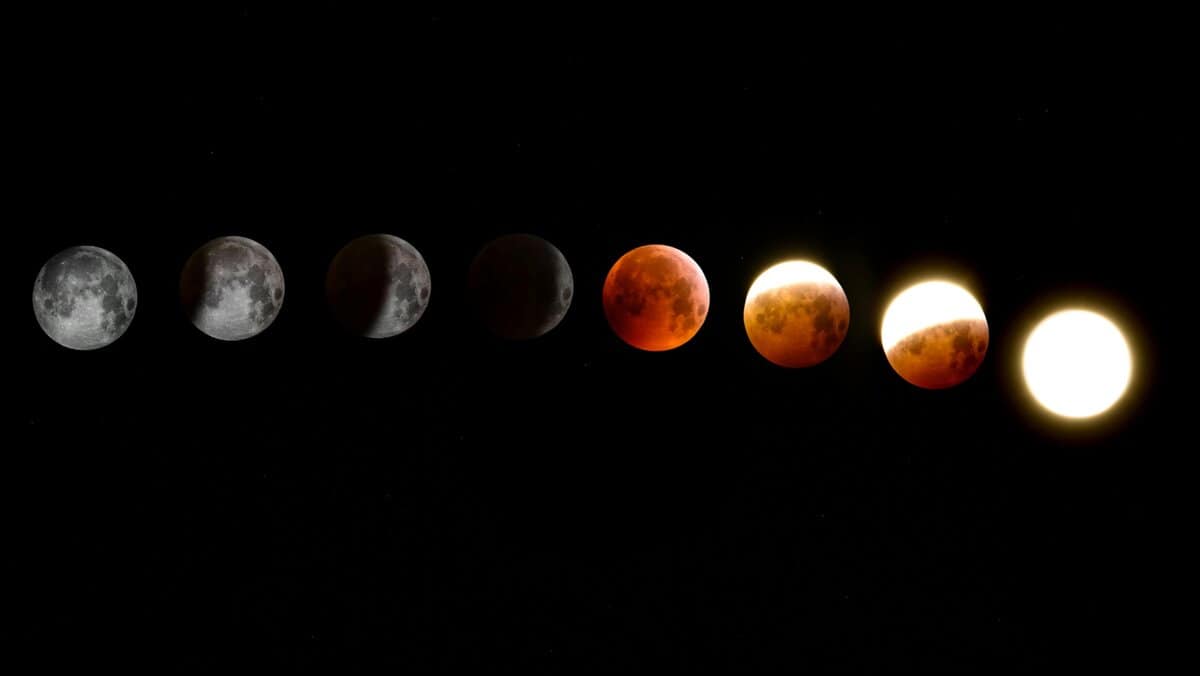
Many indigenous cultures, including Mayans, Druids, e Vedic seers, kept a 13-moon calendar that marked each month with sacred significance.
These calendars usually made up a year that totaled 364 days – a perfect fit for Earth’s natural cycles.
They also celebrated solstices, equinoxes, and lunar phases, creating a rhythm that supported fertility and community activities.
It fostered a deep connection between people and the earth, aligning life’s events with cosmic patterns.
It wasn’t just tracking time; it helped us stay in harmony with the universe’s natural flow.
Psychological and Emotional Impact

The shift to a 12-month calendar has had profound psychological effects.
It created a sense of fragmentation. The misalignment with natural cycles can make time feel unpredictable and messy.
We ended up feeling less grounded and more travolto. We’re no longer connected to the seasonal changes; instead, we treat them as something that happens separately from us.
It turned time linear, and it might have cost us our inner peace.
The Gregorian calendar, designed for practicality, may have accidentally fostered stress, anxiety, and a sense of alienation from nature and ourselves.
Essentially, the 12-month calendar is out of sync with our biological and emotional needs.
How 2025 Is Different
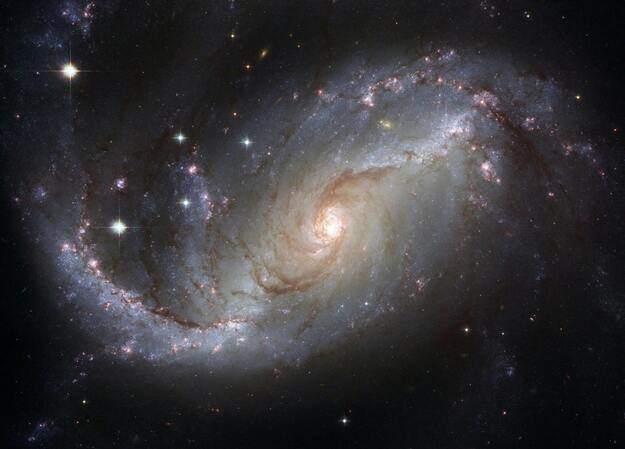
Some huge cosmic shifts have happened in 2025!
Just this October, Pluto moved through Aquarius, and the Phi/Pi frequency, associated with sacred geometry and natural ratios, is making a comeback.
Many believe these alignments mark the end of the “Gregorian spell.”
Earth’s electromagnetic grid is tuning back into natural cycles, and people are starting to feel it.
Alcuni individuals anche report that they’ve started to organize their lives around the 13-month cycle. Many of them claim to experience more clarity and a stronger connection to nature.
These changes suggest that a new, more harmonious way of living and thinking might be emerging; one rooted in the natural rhythms.
Personal Revolution

More and more people are choosing to organize their lives around the 13-month cycle, at least on a personal level.
They follow lunar phases, celebrate solstices and equinoxes, and sync their routines with natural rhythms whenever possible.
They report feeling more centered and emotivamente equilibrato. They also say that focus comes more easily.
They believe that this shift helps them reconnect with their intuition, reduce stress, and foster a deeper sense of purpose.
It’s like reclaiming a lost piece of ourselves.
Some believe that the return to the 13-month system might be the key to restoring balance between us and the planet.
The Mystical Significance
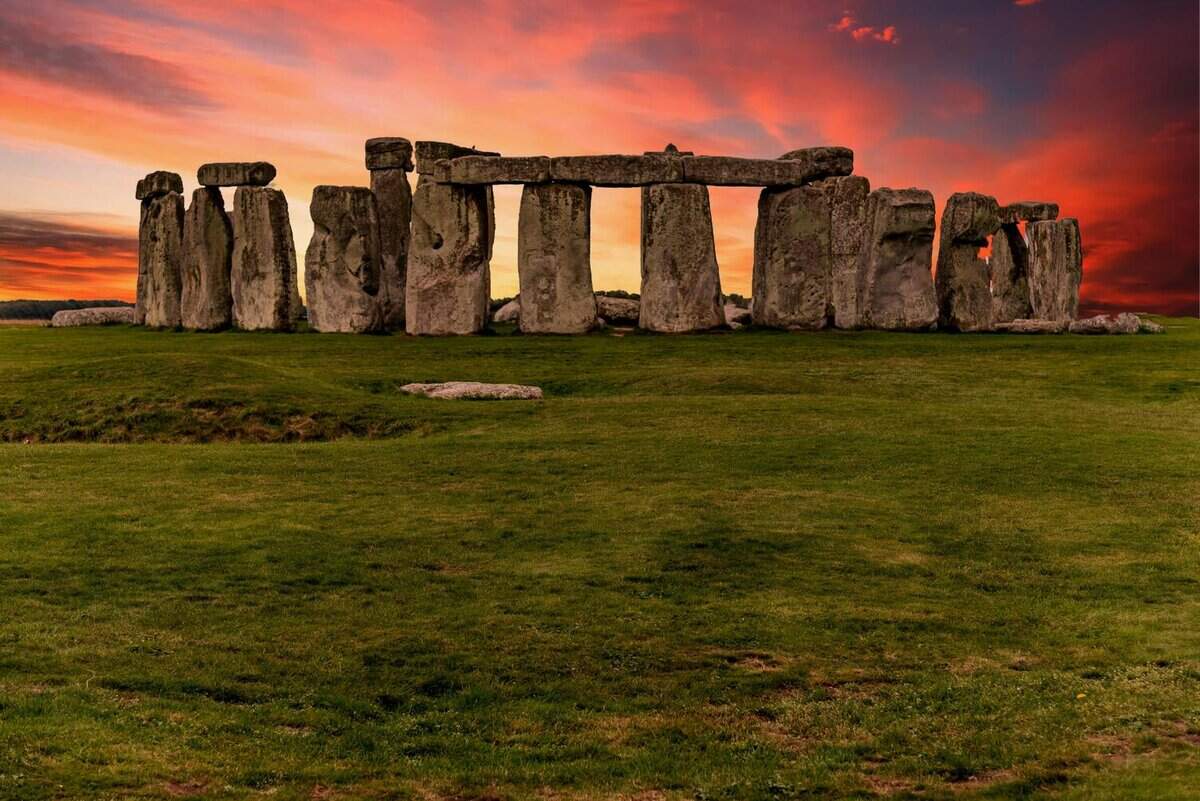
Science backs up the positive effects of tuning into natural cycles.
Earth’s electromagnetic field, il Schumann resonance, and planetary alignments are all shifting back into harmony with the 13-month rhythm.
Some believe that this natural rhythm might be causing a collective awakening.
The alignment with sacred geometric principles like Phi and Pi reinforces the idea that the universe is built on harmonious ratios.
Some even see this as a larger evolutionary step – accepting the fact that we are inherently linked to the cosmos and that living in sync with these cycles is essential for our well-being.
Return to Ancient Timekeeping

The revival of the 13-month calendar is a personal choice for now, but many people strongly believe that it should be a cultural movement.
Indigenous communities, spiritual groups, as well as individuals, are rediscovering and adopting these ancient timekeeping systems.
They see it as a way to reclaim lost wisdom and reconnect with the Earth.
This movement challenges the dominance of the Gregorian calendar, offering an alternative that emphasizes harmony and community.
After all, these ancient systems have served us for ages, long before the church created a calendar to serve its agenda.

A little Aquarius, devoted to writing and embroidery. Through my writing, I hope to empower readers to align with their true selves and navigate life’s mysteries with confidence.