
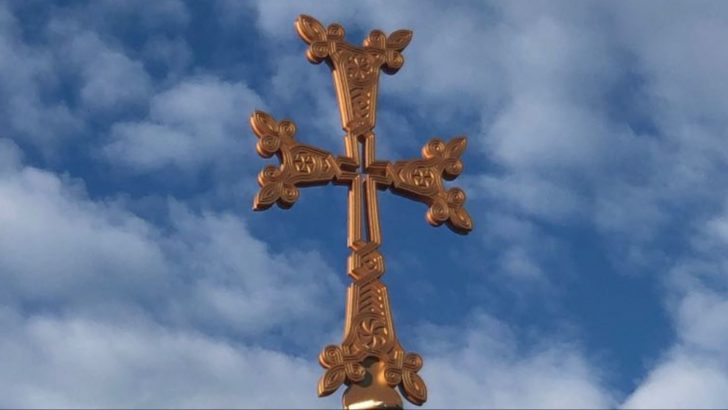
After the Christian cross became a symbol of faith, it also became a representation of history and culture.
Different regions and eras have given us unique crosses, each with its own story and significance.
Some are ornate, others simple, but all carry deep meaning rooted in tradition.
Let’s go through 23 Christian crosses and uncover their unique stories.
1. St. Cuthbert’s Cross
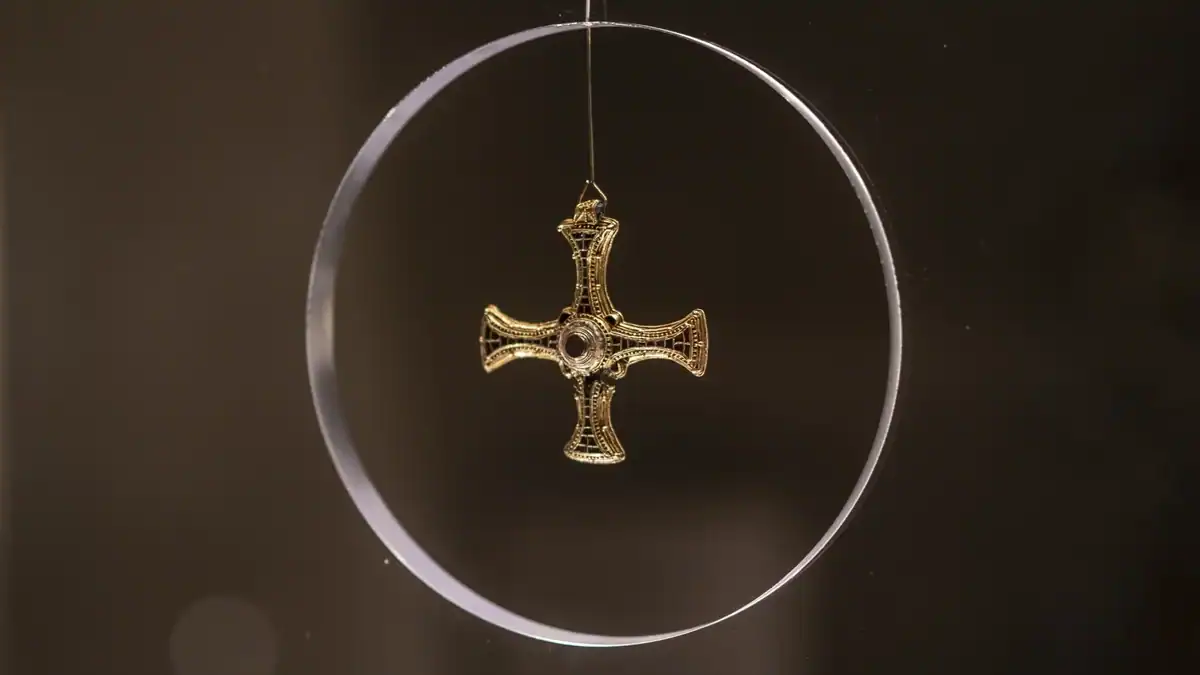
This is a simple yet powerful symbol associated with St. Cuthbert of Lindisfarne, an early Northumbrian saint.
It features a plain cross, often carved from wood or stone, as to represent humility and faith.
The cross is linked to the Celtic Christian tradition and the early religious community in northern England.
St. Cuthbert’s influence spread through monastic communities, emphasizing prayer and spiritual devotion.
The cross is found in relics and church artifacts, serving as a reminder of the saint’s role in spreading the faith in Britain.
2. Armenian Cross
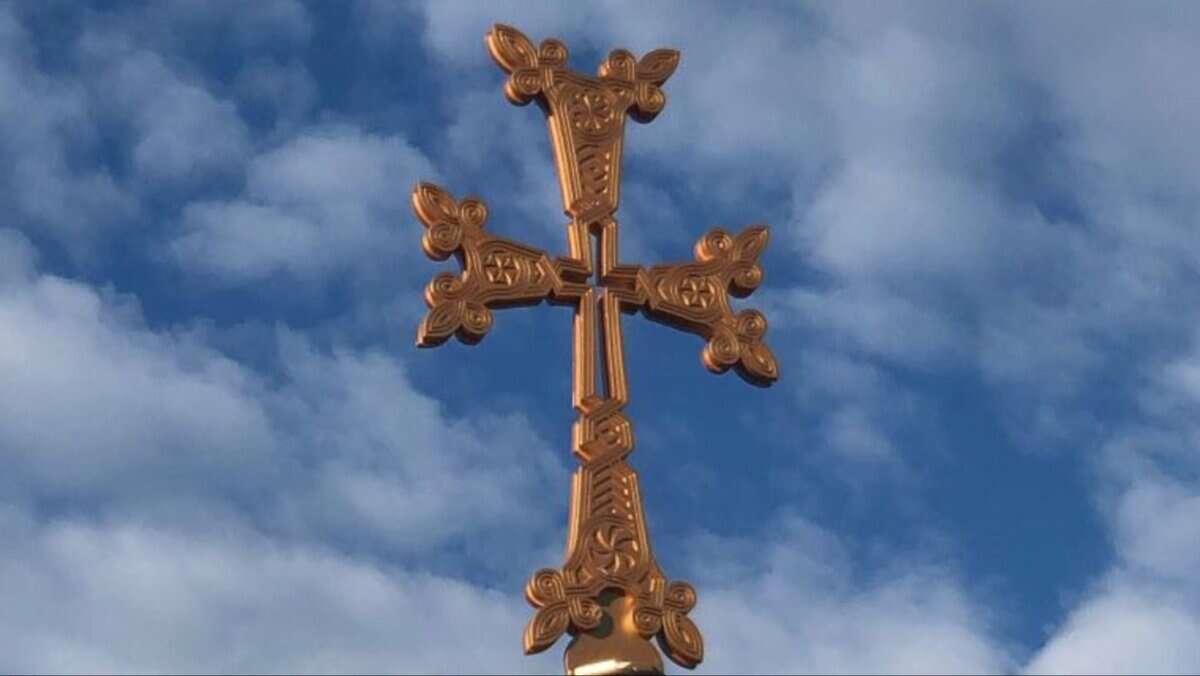
The Armenian Cross is a distinctive symbol of Armenian Christianity, dating back to the early medieval period.
It often features intricate designs with a cross surrounded by ornate patterns, reflecting Armenian art and culture.
It’s closely associated with the Armenian Apostolic Church, one of the oldest denominations.
It appears on churches, monuments, and jewelry.
It symbolizes faith, resilience, and national identity, especially given Armenia’s history of persecution and survival.
It’s a powerful emblem of spiritual heritage and cultural pride.
3. Sacred Heart Cross
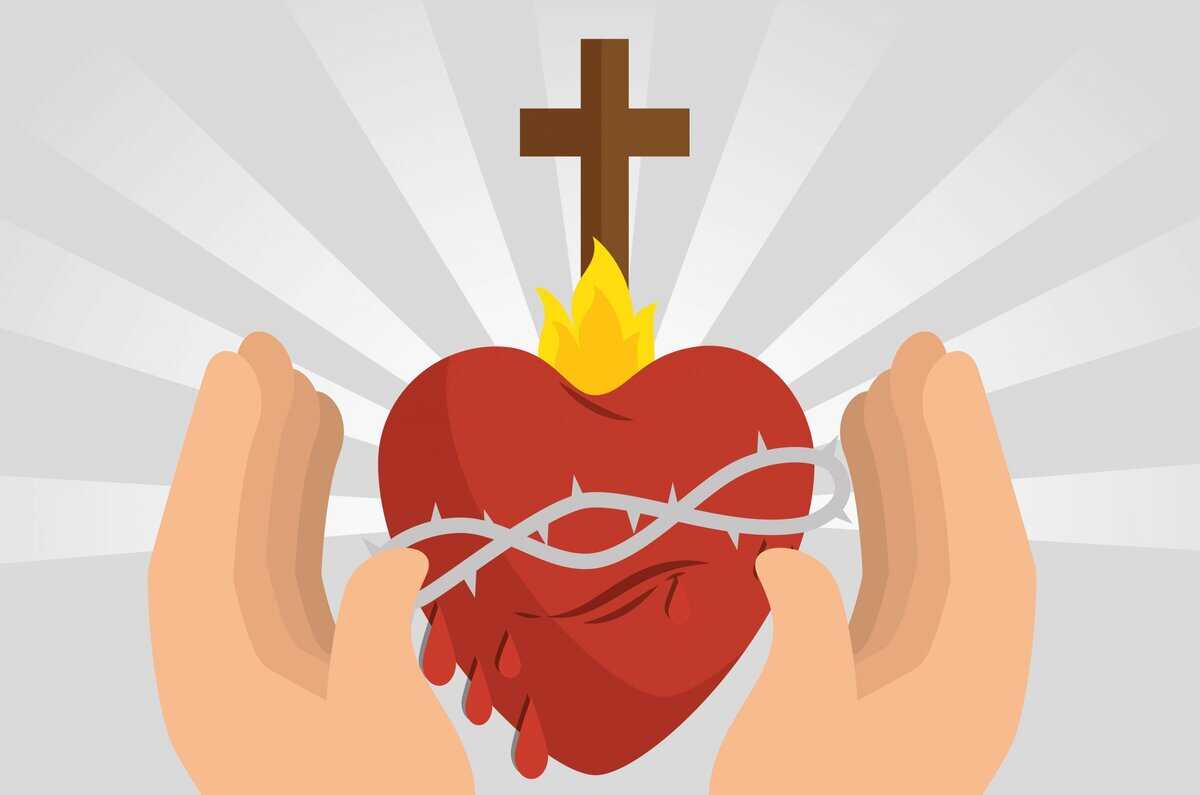
This cross combines the symbol of the Sacred Heart of Jesus with the traditional Christian cross.
It emphasizes Jesus’s amore divino e sacrificio for humanity.
Often, it’s depicted as a heart encircled by thorns and flames, placed at the intersection of the cross.
It’s popular in Catholicism, reminding the believers of Christ’s love and the importance of personal faith.
It’s frequently found in religious art and jewelry.
The Sacred Heart Cross serves as a call to love and devotion, inspiring believers to emulate Jesus’s compassion in their daily lives.
4. Anchor Cross

The Anchor Cross is a symbol of hope and duty, often associated with Christian sailors.
Its design resembles an anchor combined with a cross, representing faith as a grounding force amid life’s storms.
This symbol emerged early in Christianity, especially among persecuted believers who found solace in their faith during journeys at sea.
This cross also signifies hope and stability, reminding believers that faith is a safe harbor in turbulent times.
It’s frequently seen in art and jewelry, and serves as a personal emblem of hope.
5. Camargue Cross
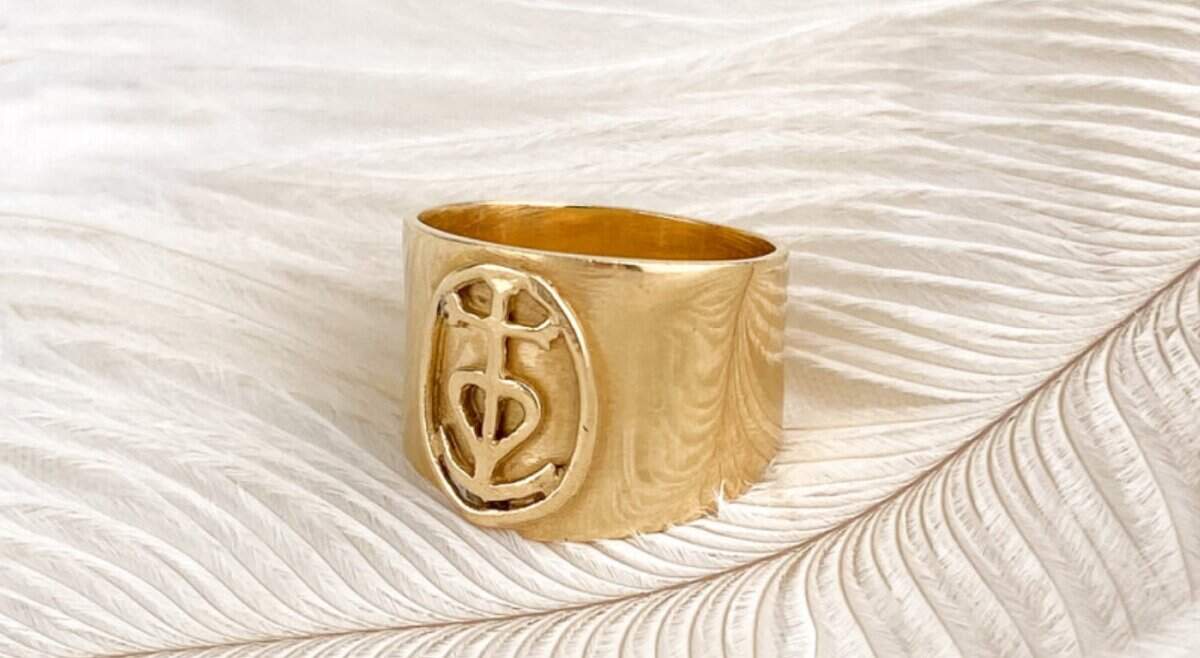
This cross is a unique symbol from the Camargue region in southern France.
It combines the Christian cross with elements inspired by local culture, including a shepherd’s crook and a fleur-de-lis.
Historically, it was used by shepherds and farmers as a symbol of protection.
The cross reflects the region’s pastoral traditions and the faith of its inhabitants.
Its design is simple yet meaningful. Today, it stands as a cultural emblem, blending regional identity with religious devotion.
6. Lorraine Cross
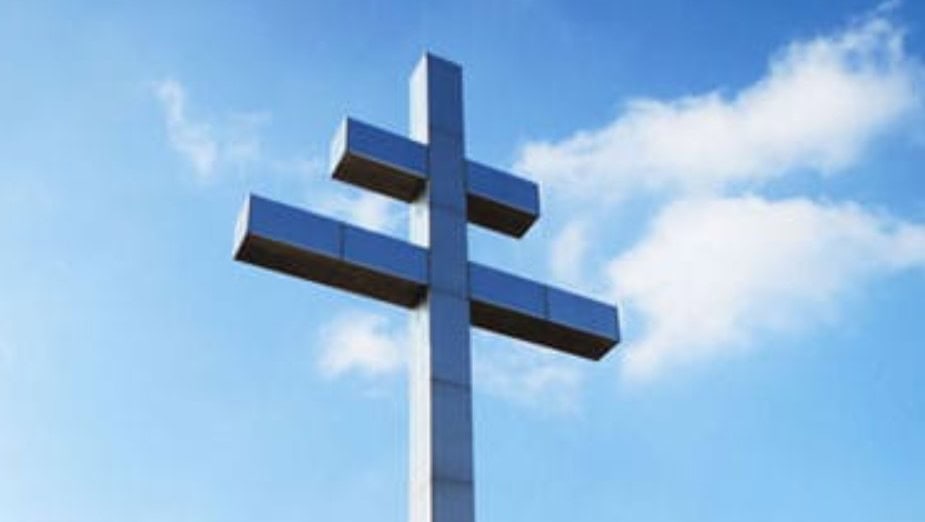
Also known as the Cross of Lorraine, this Christian cross is a symbol of freedom and resistance.
It originated in the Lorraine region of France and became famous during WWII when the Free French Forces adopted it as a symbol of liberation from the Nazis.
The cross has two horizontal bars, with the lower one longer than the upper.
Historically, it’s linked to the Duchy of Lorraine in medieval times and was used as a royal emblem.
Today, it’s a sign of faith and those who fight for justice and liberty.
7. Bolnisi Cross
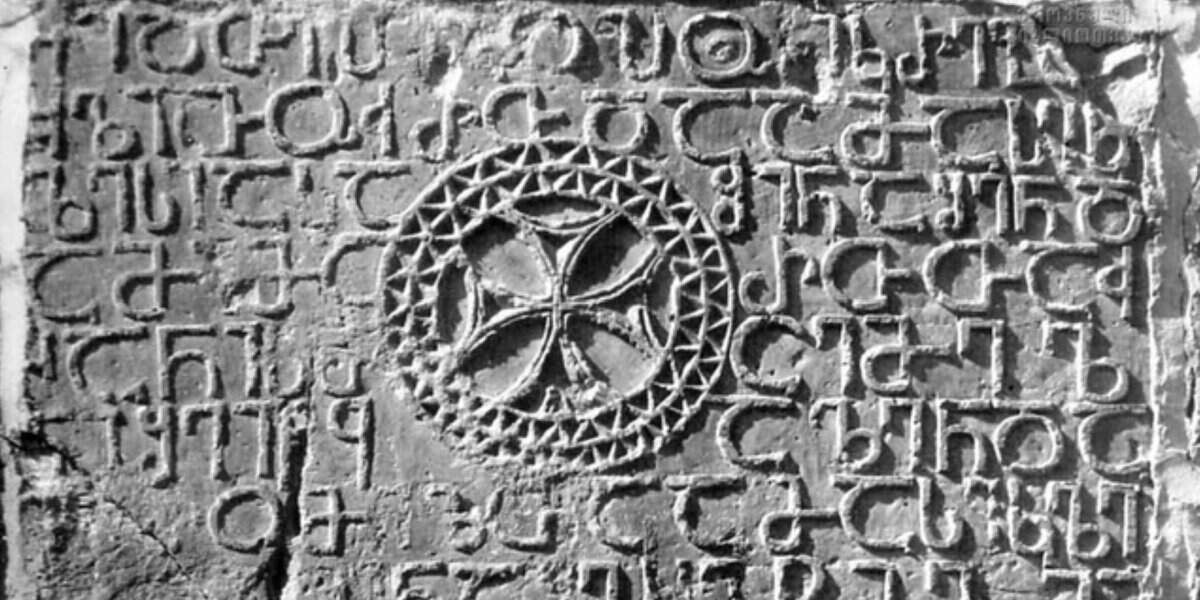
The Bolnisi Cross is a distinctive Georgian cross from the 5th century, seen on the Bolnisi Sioni basilica.
It features a simple cross with extended ends, symbolizing eternità e divine perfection.
The design reflects early Christian art in Georgia, highlighting faith and national identity.
The cross has deep historical roots, marking Georgia’s Christian heritage and resilience through centuries of foreign domination.
It’s a symbol of unity, faith, and cultural pride.
8. Armenian Khachkar Cross
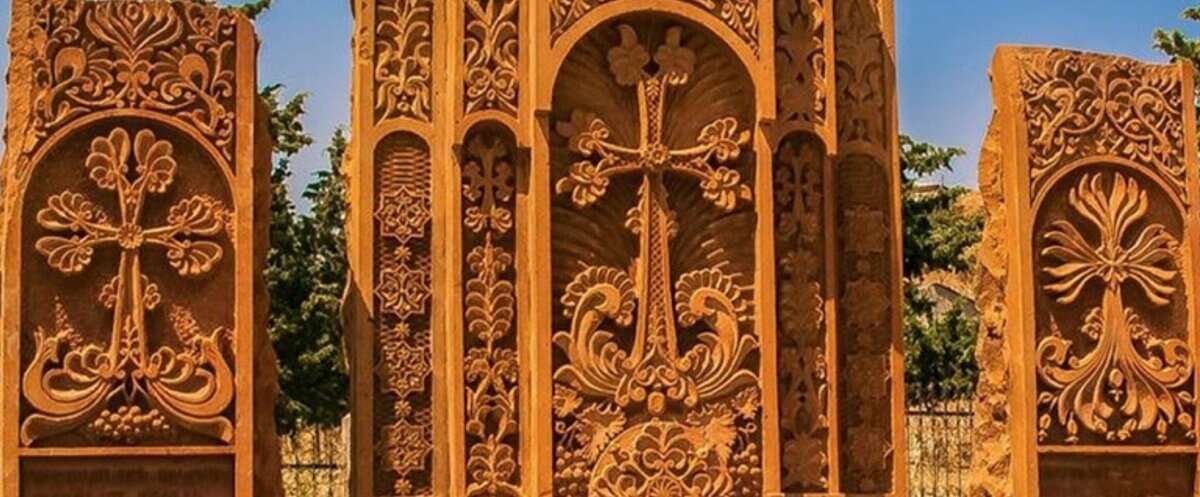
The Khachkar, or Armenian cross-stone, is a carved cross that dates back to the 9th century.
These intricate monuments feature a cross surrounded by detailed patterns, often with floral and geometric motifs.
Khachkars serve as memorials and markers of historical significance.
The craftsmanship reflects a deep spiritual and artistic tradition.
Today, they’re cherished cultural artifacts, symbolizing the people’s enduring faith.
9. Byzantine Cross Crosslet
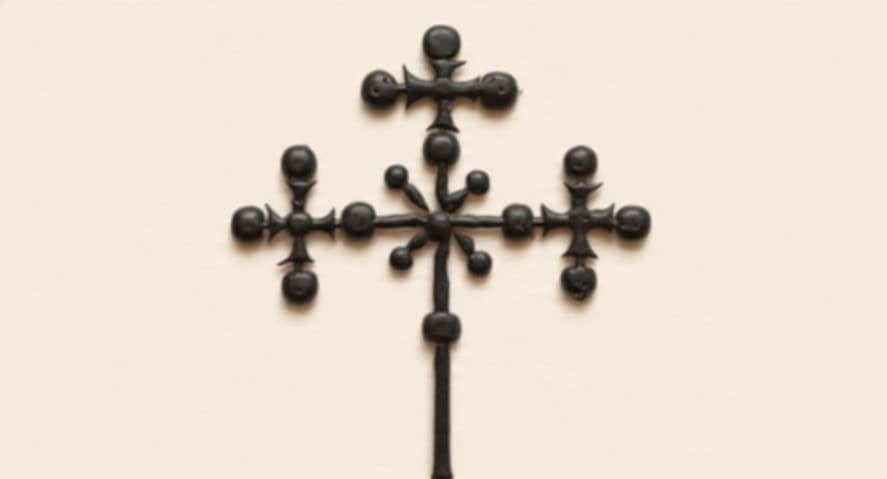
The Byzantine Cross Crosslet is a style characterized by small extensions or “crosslets” at the ends of each arm.
It’s deeply rooted in Byzantine Christian art, and symbolizes the spread of the faith across borders and cultures.
It was widely used in Byzantine mosaics, icons, and church architecture.
The cross also symbolized divine authority and the connection between heaven and earth.
It remains a powerful visual reminder of the Byzantine Empire’s cultural influence on the religion.
10. Coptic Cross
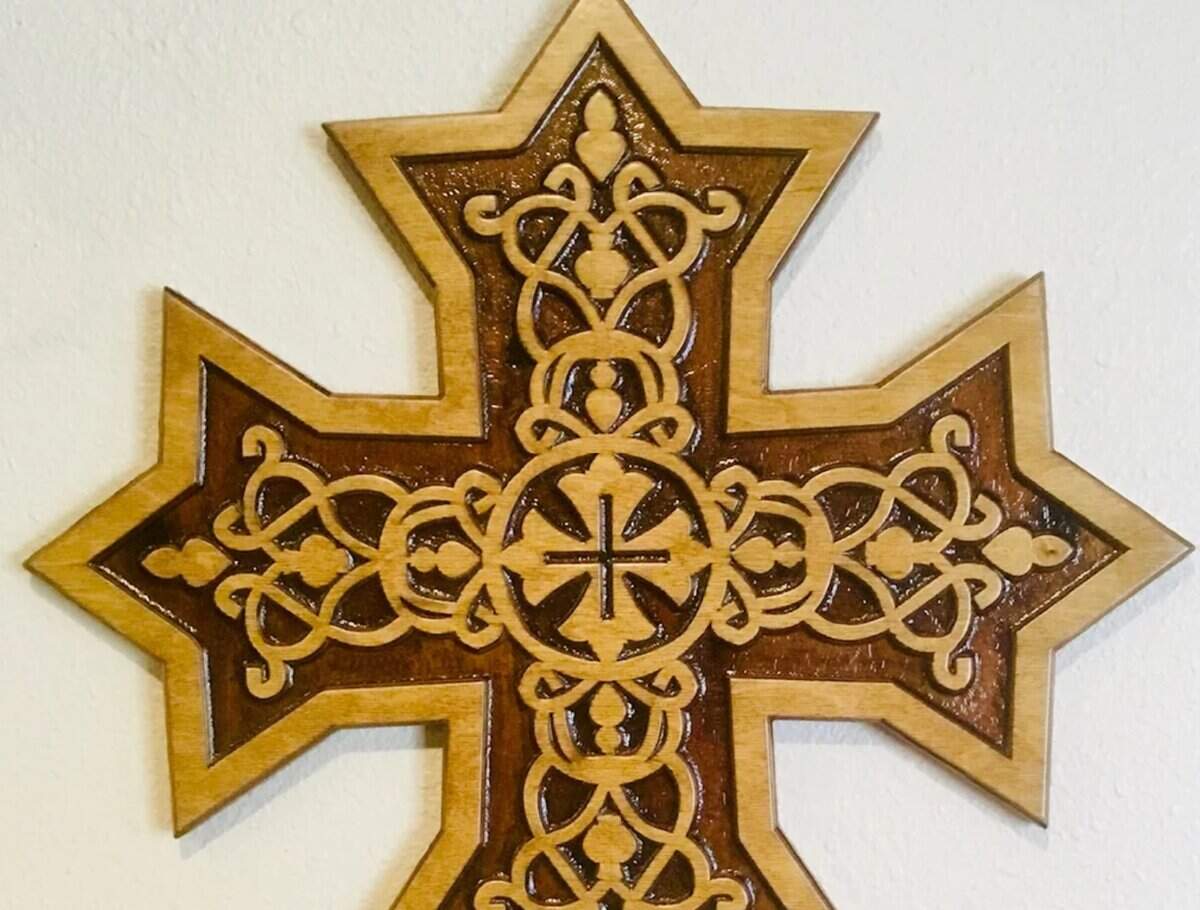
The Coptic Cross is a distinctive Egyptian symbol with a circular shape and intricate design.
It’s associated with the Coptic Orthodox Church, one of the earliest Christian communities in Africa.
It often features floral and geometric motifs, symbolizing eternal life and divine love.
It’s often used in religious art and church decorations.
The Coptic Cross also represents resilience and faith, given the Coptic community’s history of persecution.
It combines Christian symbolism with ancient Egyptian artistic influences.
11. East Syriac Cross
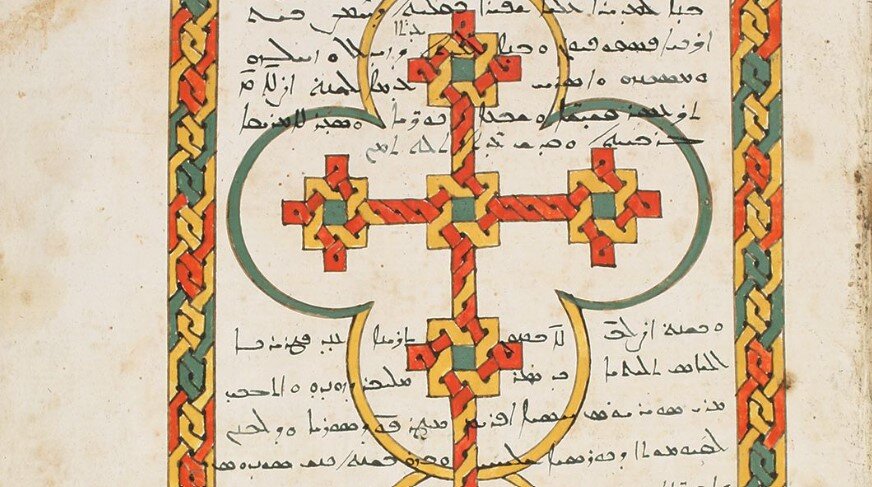
The East Syriac Cross features a distinctive design with a flared cross shape.
It’s associated with the ancient Christian communities of Iraq and Iran, particularly the Chaldean and Assyrian churches.
The cross often incorporates decorative motifs and symbolizes the rich cultural heritage of these peoples.
It reflects their deep roots in the faith, dating back to the early centuries after crucifixion.
This cross is a symbol of enduring faith e cultural identity amidst adversity.
12. Occitan Cross
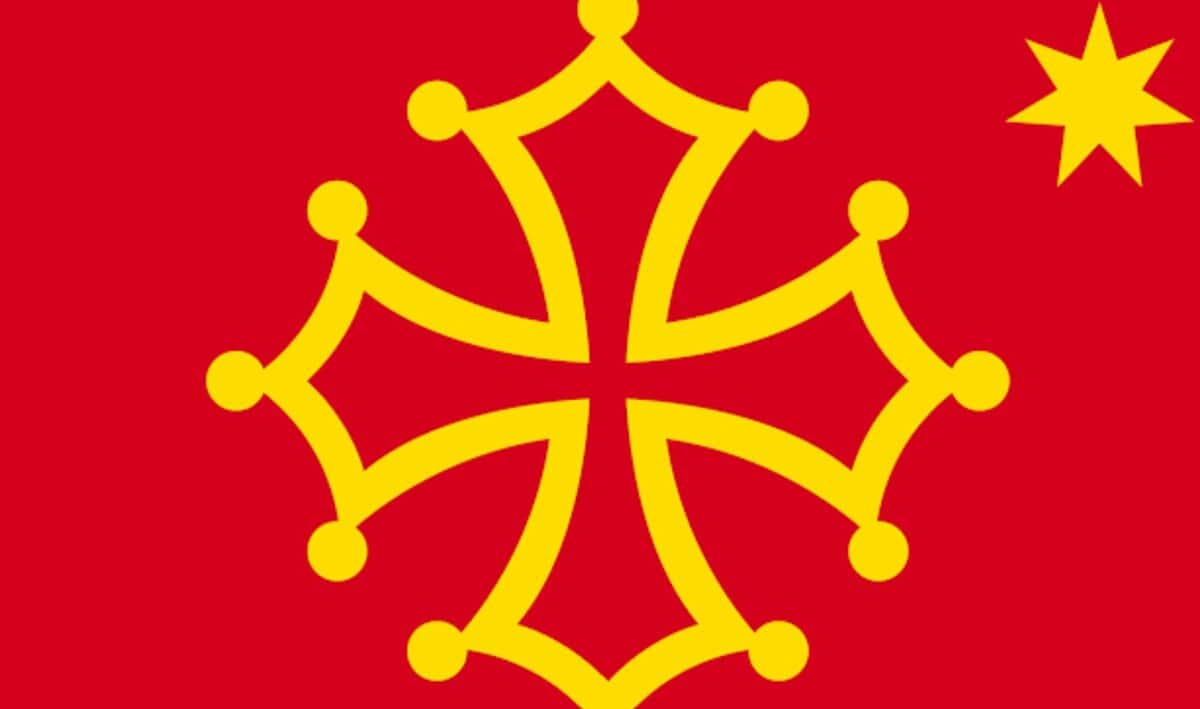
Also called the Cross of Toulouse, this cross is a heraldic symbol from southern France.
It features a cross with flared ends, often decorated with fleur-de-lis and other regional motifs.
Historically, it represented the Counts of Toulouse and the Occitan culture.
Its design symbolizes regional pride, faith, and historical sovereignty. It’s also not strictly religious, as it often appears in civic contexts.
Today, it remains an emblem of regional heritage.
13. Staurogram Cross
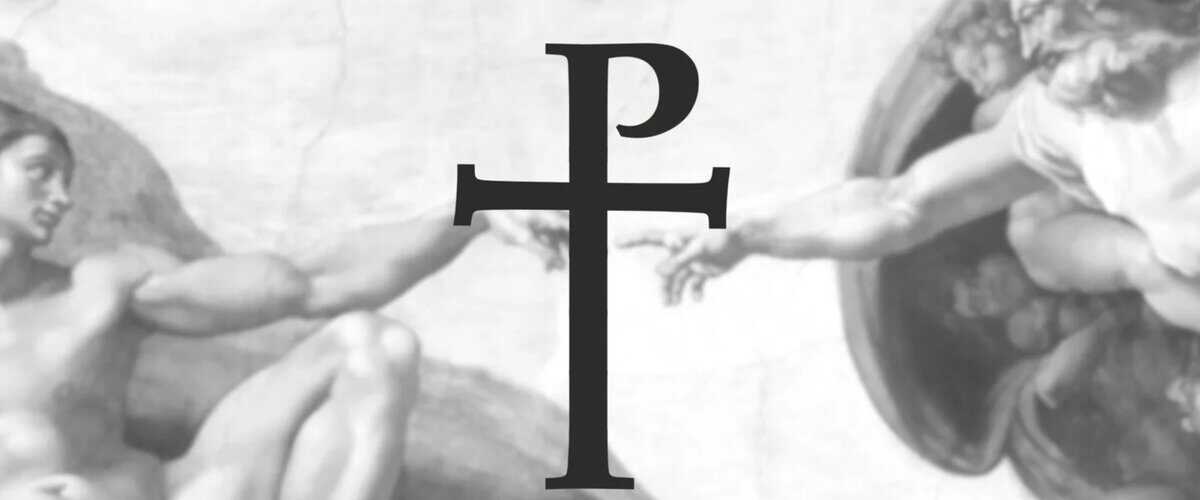
The Staurogram is an early Christian symbol combining the Greek letters tau (T) and rho (P), which form a monogram for Christ.
It appears as a cruciform shape, symbolizing Jesus’s crucifixion.
It was used in early religious manuscripts and inscriptions, dating back to the 2nd and 3rd centuries.
It’s a secret sign of faith among early believers and emphasizes Christ’s sacrifice. Its simple design connects people across history, reminding them of Jesus’s divine love.
14. Iota Chi Cross
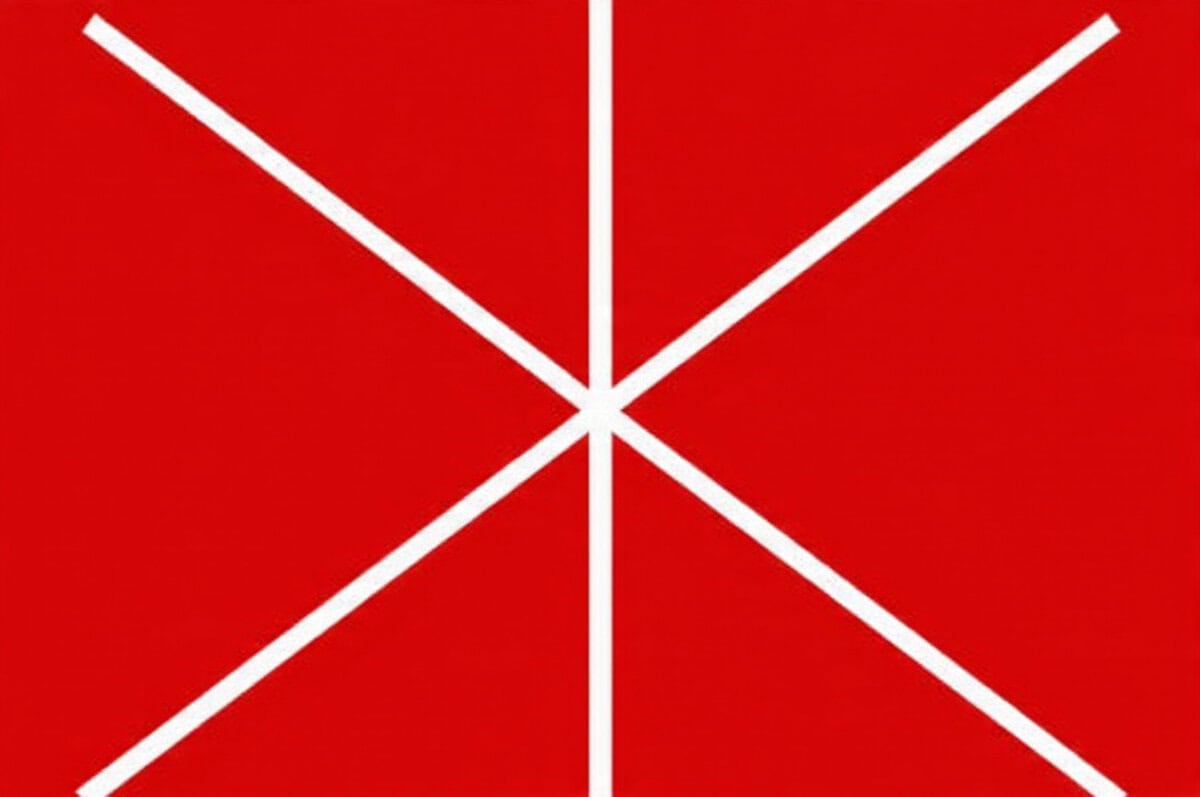
The Iota Chi Cross is a monogram combining the Greek letters iota (I) and chi (X), representing the initials of Jesus Christ in Greek.
It’s a significant symbol in religious art, especially in early Byzantine and Orthodox traditions.
The Iota Chi is often depicted as a cross with the letters intertwined. It emphasizes the centrality of Jesus’s name and religious identity.
It’s a powerful reminder of Jesus’s presence and authority in the lives of believers.
15. Globus Cruciger
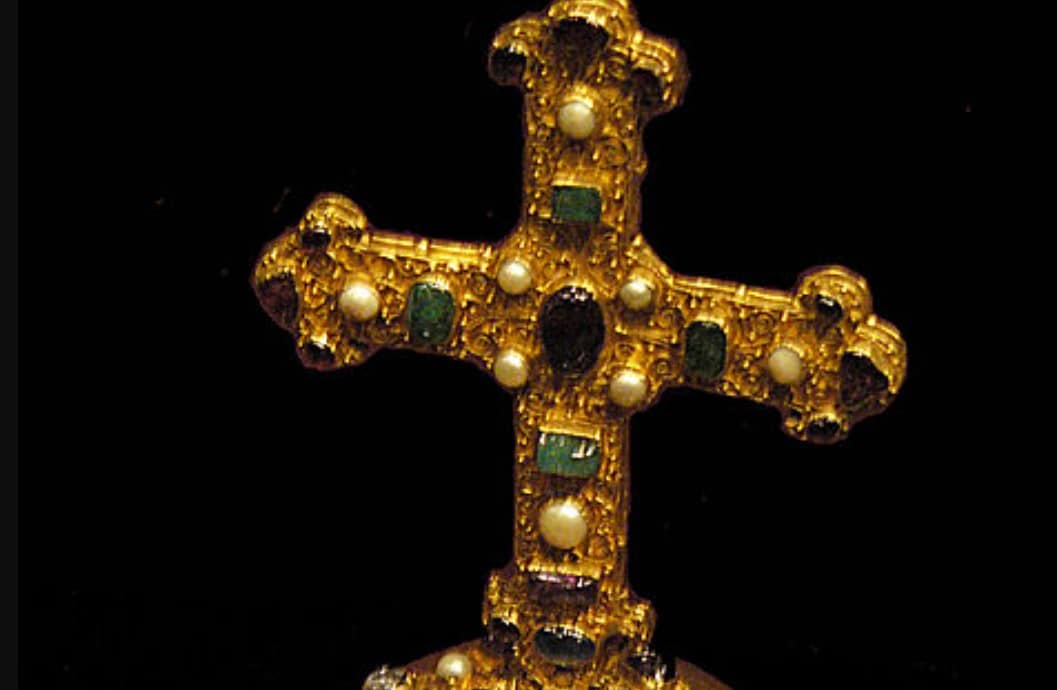
The Globus Cruciger, meaning “Cross Bearing Globe,” is a medieval Christian symbol representing Jesus’s sovereignty over the world.
It features a globe topped with a cross.
Used in royal objects and religious art, it signifies divine authority and kingship.
It became prominent during the Holy Roman Empire and European monarchies.
It reminds believers that Jesus is the ruler of all creation and that faith guides worldly authority.
16. Sun Cross
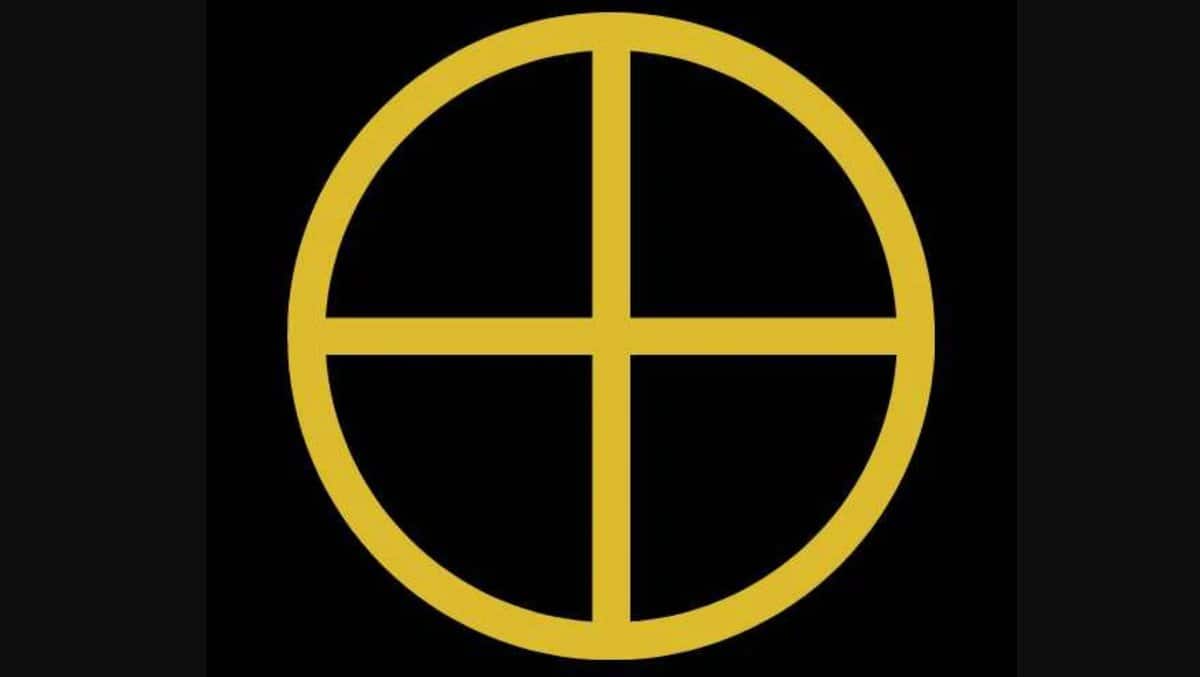
The Sun or Solar Cross is an ancient symbol that predates Christianity but was incorporated into the religion over time.
It features a circle divided into four quadrants by a cross.
Historically, it represented the sun, seasons, e cicli della natura.
In Christian contexts, it symbolizes the harmony of creation and the divine order. Some interpret it as a representation of the four evangelists.
Its simplicity and universality made it a popular symbol across cultures and faiths.
Today, it’s often used as a symbol of spiritual enlightenment and divine perfection.
17. St. Brigid Cross
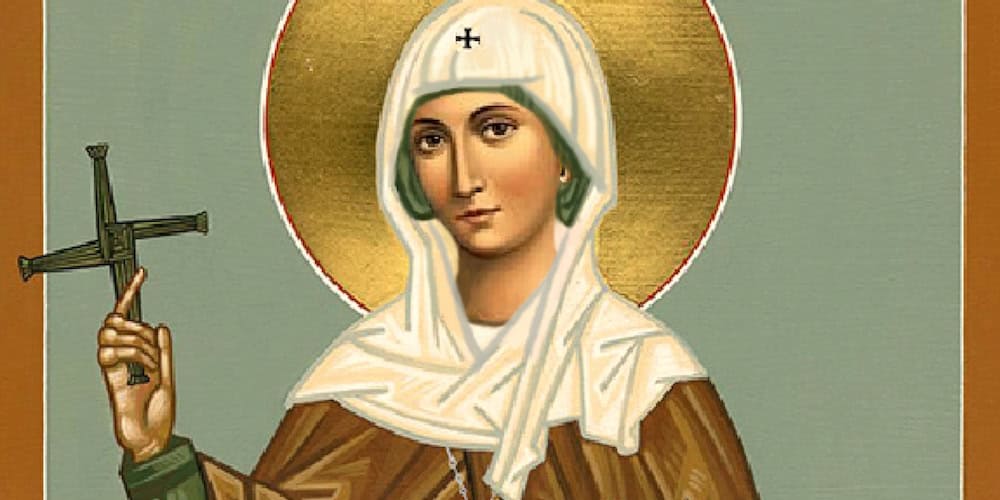
The St. Brigid Cross is an Irish symbol associated with St. Brigid of Kildare.
Traditionally woven from rushes, it features a cross with a central circle representing eternity. The cross is hung in homes to protect against evil spirits and bring good luck.
It also predates Christianity, with origins that date back to ancient Celtic traditions, where it was associated with the goddess Brigid.
St. Brigid is known for her compassion and miracles, and her cross reflects themes of protection and community.
The weaving of the cross is a communal activity, highlighting unity and spiritual protection.
18. Novgorod Cross
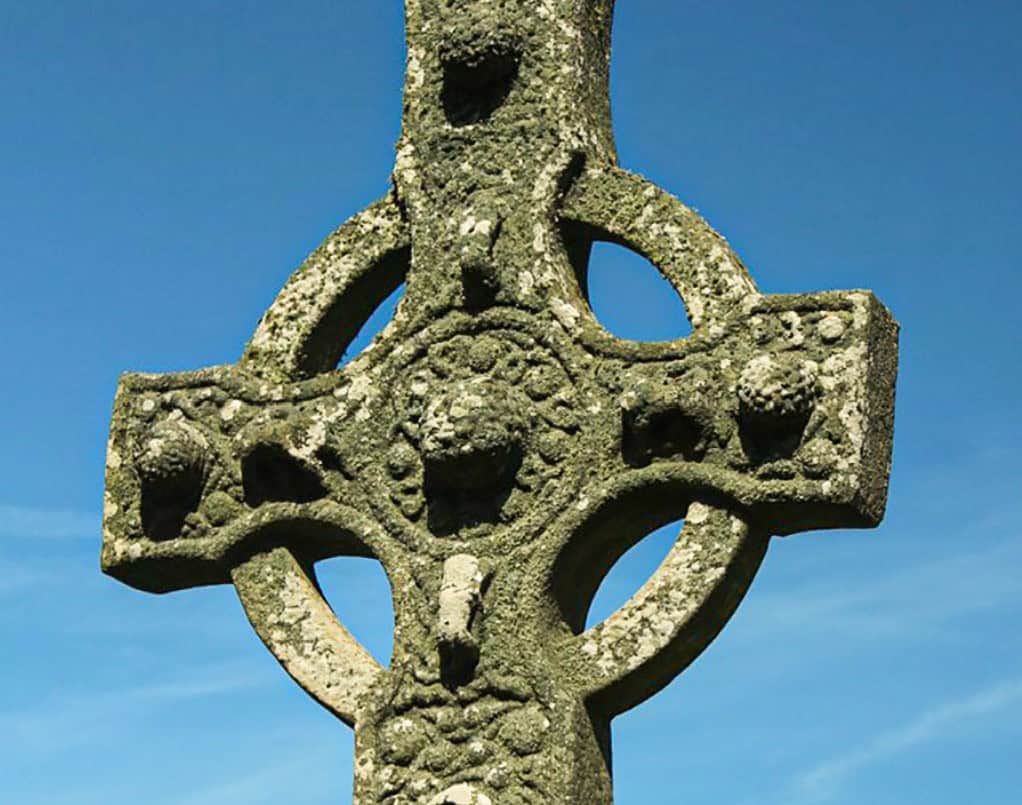
The Novgorod Cross hails from medieval Russia and is characterized by its ornate design, often with intricate carvings and gold accents.
It was used in religious processions and as a personal prayer item.
The cross symbolizes the unity of faith and the cultural identity of the Novgorod region.
It often features additional symbols like saints and angels to highlight divine protection.
The Novgorod Cross reflects the deep roots of Christianity in Russia, which have shaped its cultural identity throughout history.
19. St. Philip’s Cross
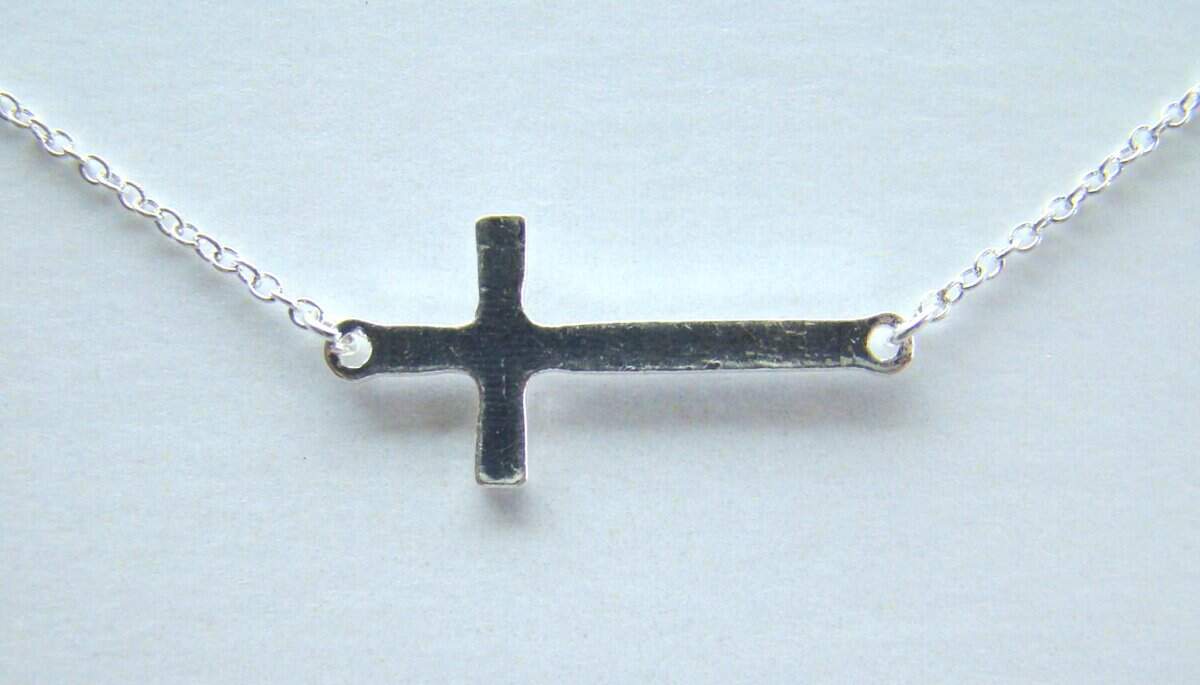
St. Philip’s Cross is a lesser-known symbol associated with St. Philip the Apostle. It often appears as a simple cross, emphasizing humility and service.
The cross signifies the spreading of Christianity and the missionary work of St. Philip.
It’s sometimes depicted with a staff or a quill, symbolizing evangelism and teaching.
It honors St. Philip’s role in early Christian history as a disciple who helped bring others to Jesus.
The cross is often depicted sideways, as a symbol of St. Philip’s crucifixion.
20. Templar Cross
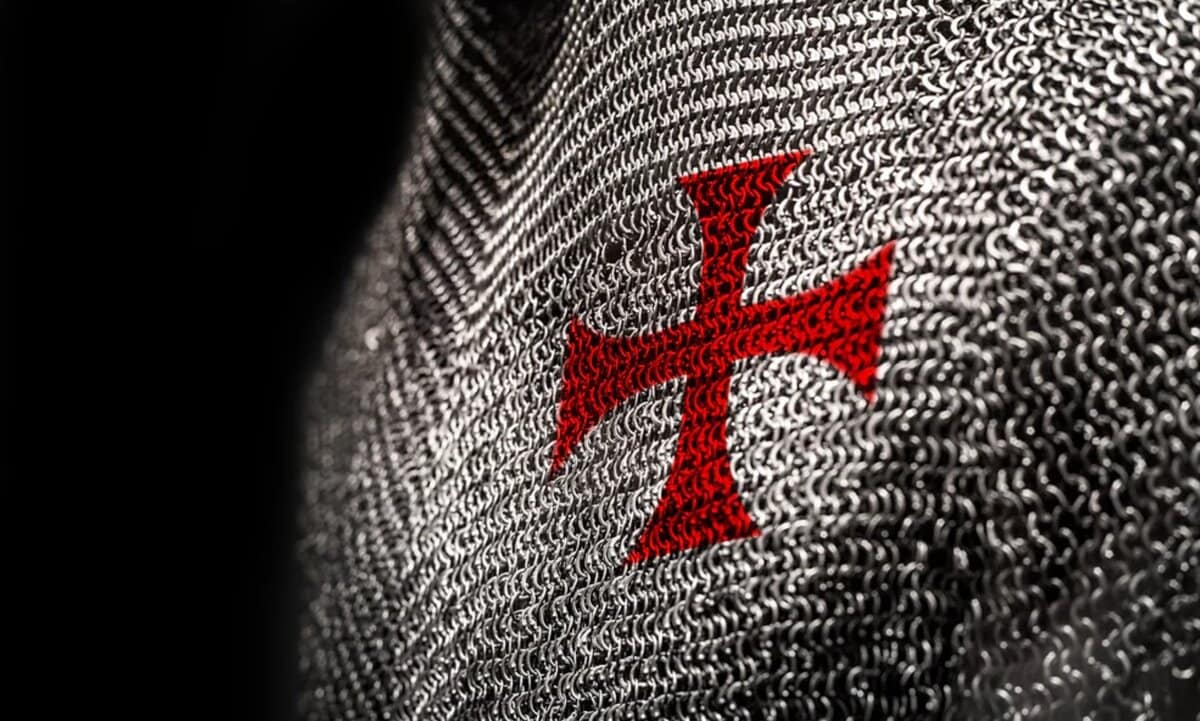
The Templar Cross is one of the most recognizable medieval crosses, associated with the Knights Templar.
It features a simple red cross with equal arms, symbolizing sacrifice, courage, e fede.
The Templar order was a medieval Christian military order founded to protect pilgrims in the Holy Land.
Over time, it has also been linked with the idea of protection and chivalry.
The Templar Cross remains a powerful emblem of faith and the martial aspect of the religion.
21. Cross of Jeremiah
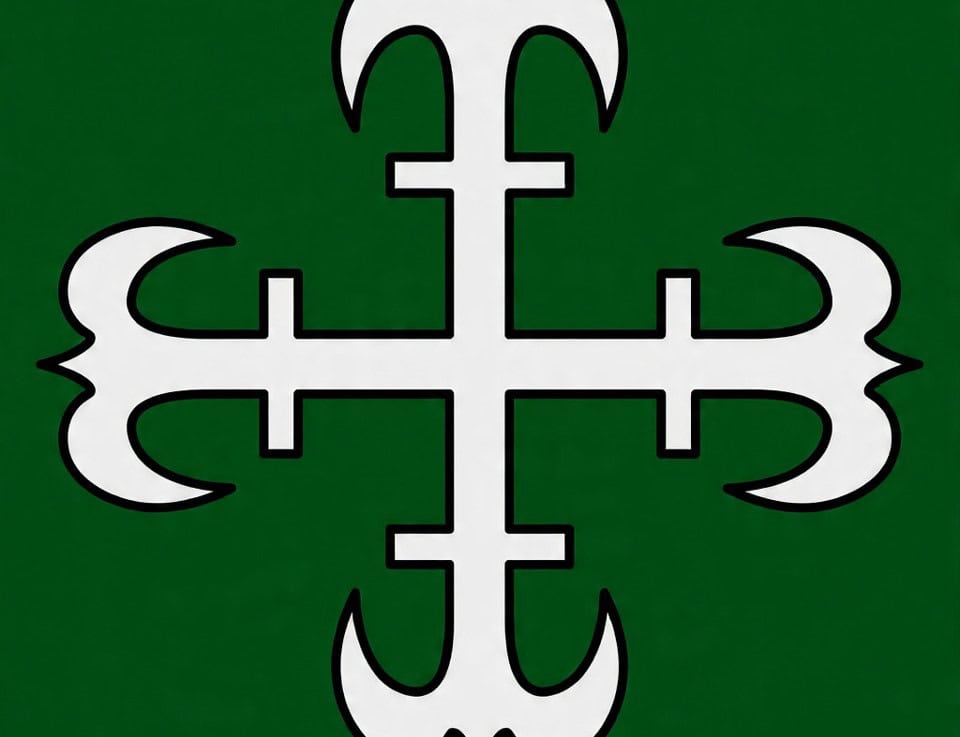
The Cross of Jeremiah is a lesser-known Christian symbol linked to the biblical prophet.
It features a simple cross combined with inscriptions from the Bible or symbols representing prophecy and divine guidance.
It emphasizes faithfulness and divine communication.
The cross symbolizes the prophet’s role as a messenger of God, warning and guiding the people of Israel.
Its design varies, but it consistently highlights the connection between divine revelation and faith.
22. St. Andrew’s Cross
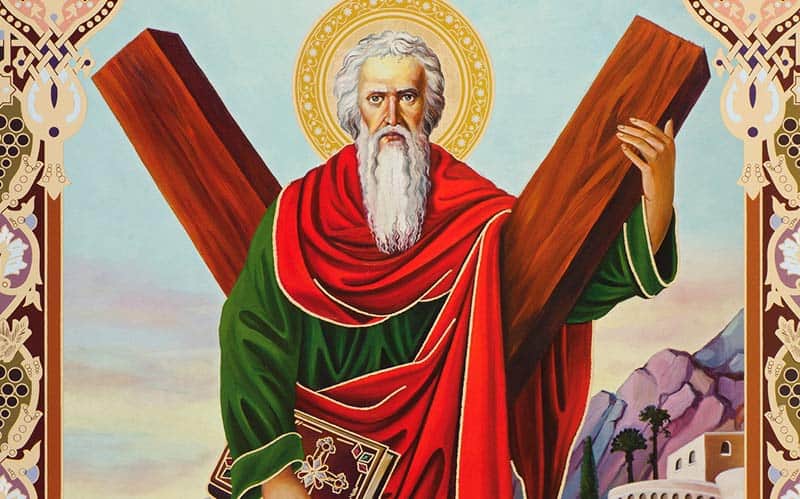
St. Andrew’s Cross, also known as Saltire, is associated with the apostle and patron saint of Scotland.
It features a diagonal cross, symbolizing the manner of St. Andrew’s martyrdom – crucifixion on an X-shaped cross.
The Saltire appears on the Scottish flag and many Christian emblems. It represents humility and unwavering faith.
Its distinctive design has become a national symbol, linking faith with Scottish identity.
It reminds believers of St. Andrew’s devotion and sacrifice, and highlights perseverance in the face of challenge.
23. St. Chad’s Cross
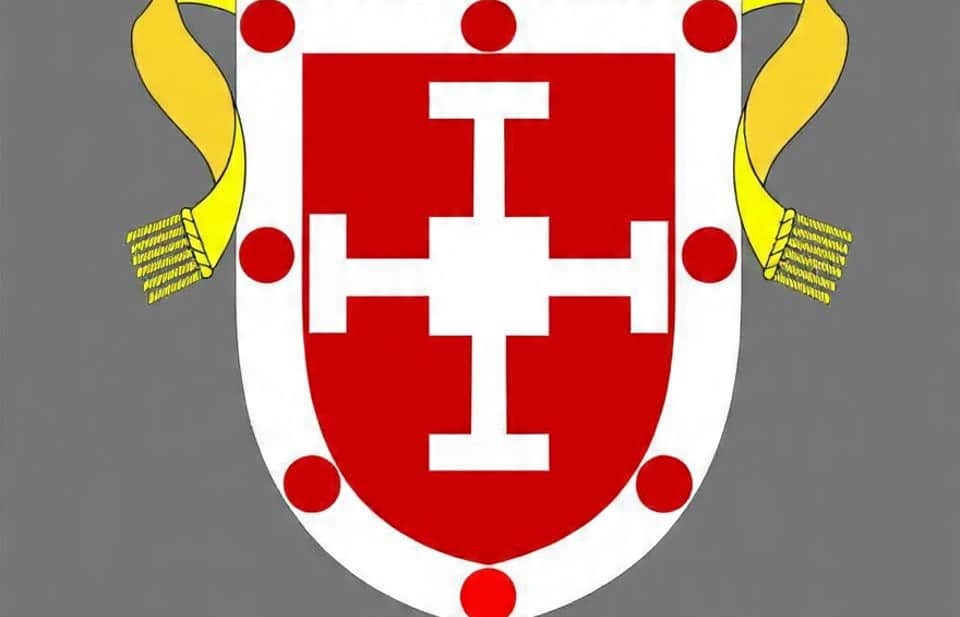
St. Chad’s Cross is a simple Latin cross associated with St. Chad, one of the early bishops of Mercia in England.
It’s often depicted in church heraldry and religious art.
The cross symbolizes humility and spiritual leadership.
St. Chad was known for his pastoral care and dedication to spreading Christianity in Britain. The cross also serves as a reminder of faith-led leadership.
Today, it remains a symbol of religious service and the enduring legacy of British Christianity.

A little Aquarius, devoted to writing and embroidery. Through my writing, I hope to empower readers to align with their true selves and navigate life’s mysteries with confidence.