
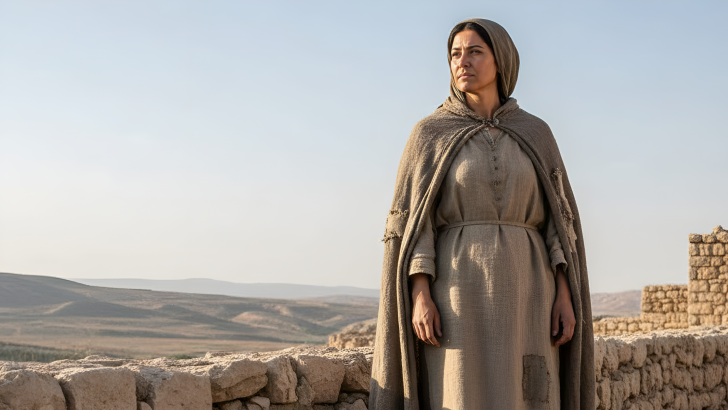
When people think about the Bible, they usually remember well-known figures like Moses, David, Mary, or Jesus.
However, the Bible is filled with many other characters who played important roles but are rarely discussed.
These individuals appear briefly, yet their actions, choices, or stories carry deep meaning.
Some were brave, some were flawed, and some were quiet servants who shaped events without receiving much attention.
Below are ten biblical characters people rarely talk about, yet each one adds an important layer to the larger story.
1. Ebed-Melech the Ethiopian
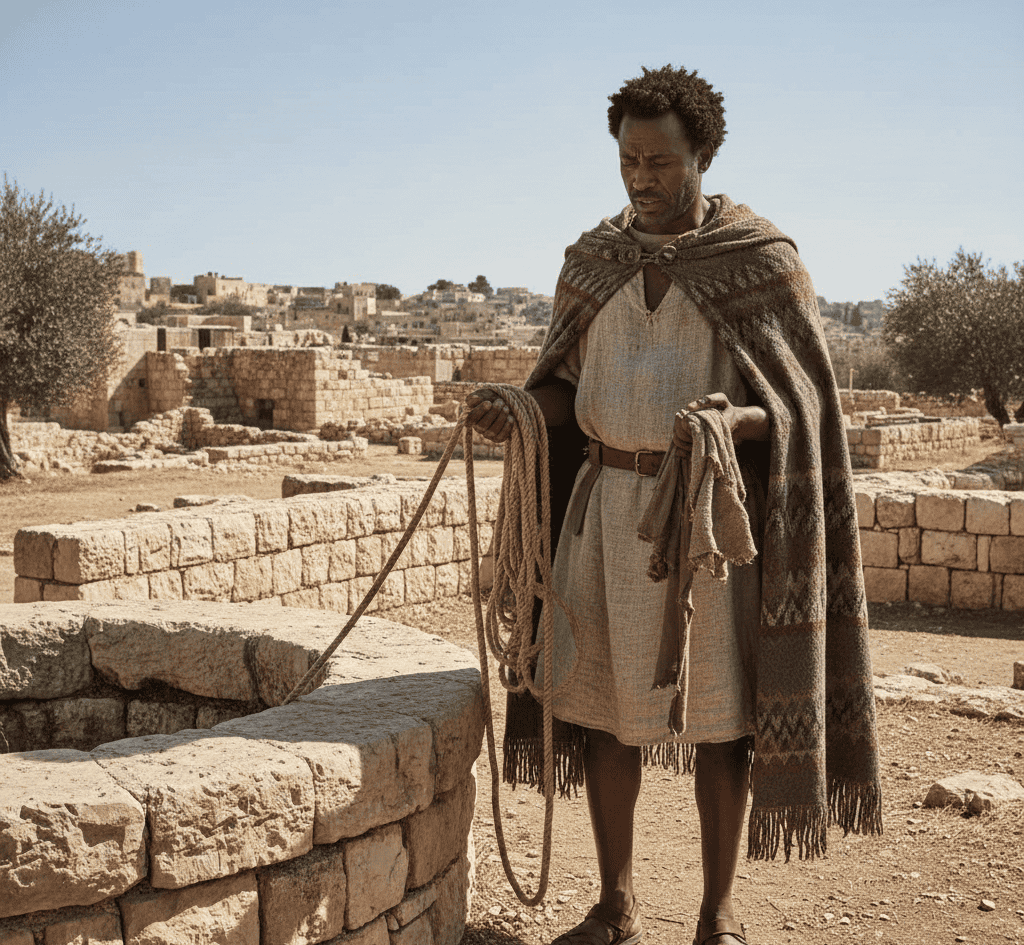
Ebed-Melech was a foreigner living in Jerusalem during the time of the prophet Jeremiah.
When Jeremiah was thrown into a muddy cistern and left to die, most people ignored his suffering.
Ebed-Melech, however, chose to act. He went directly to the king and spoke up for Jeremiah, risking his own safety.
With permission, he organized a rescue using ropes and old cloth to protect Jeremiah from injury. His kindness and courage saved a prophet’s life.
Later, God promised to protect Ebed-Melech during the fall of Jerusalem because he trusted and did what was right, showing that faith is not limited by nationality or status.
2. Jael the Tent Dweller
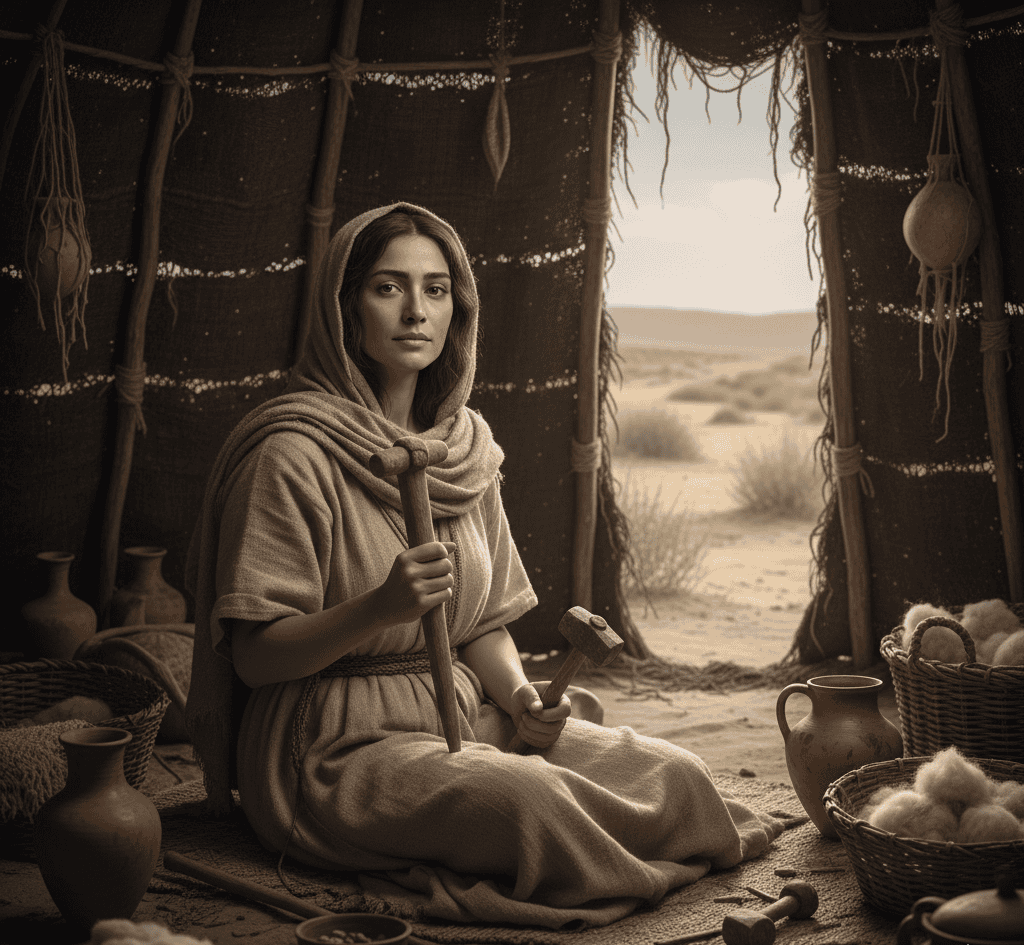
Jael appears briefly in the Book of Judges but leaves a strong impression. During a war, an enemy commander named Sisera fled into her tent seeking refuge.
According to custom, she offered him hospitality. When Sisera fell asleep, Jael killed him, ending a major threat to Israel.
Her action fulfilled a prophecy that victory would come through a woman, not a warrior.
Jael’s story is uncomfortable for some readers, yet it highlights how unexpected people can change history. She was not a soldier or leader, but her decisive action altered the outcome of a war.
3. Huldah the Prophetess
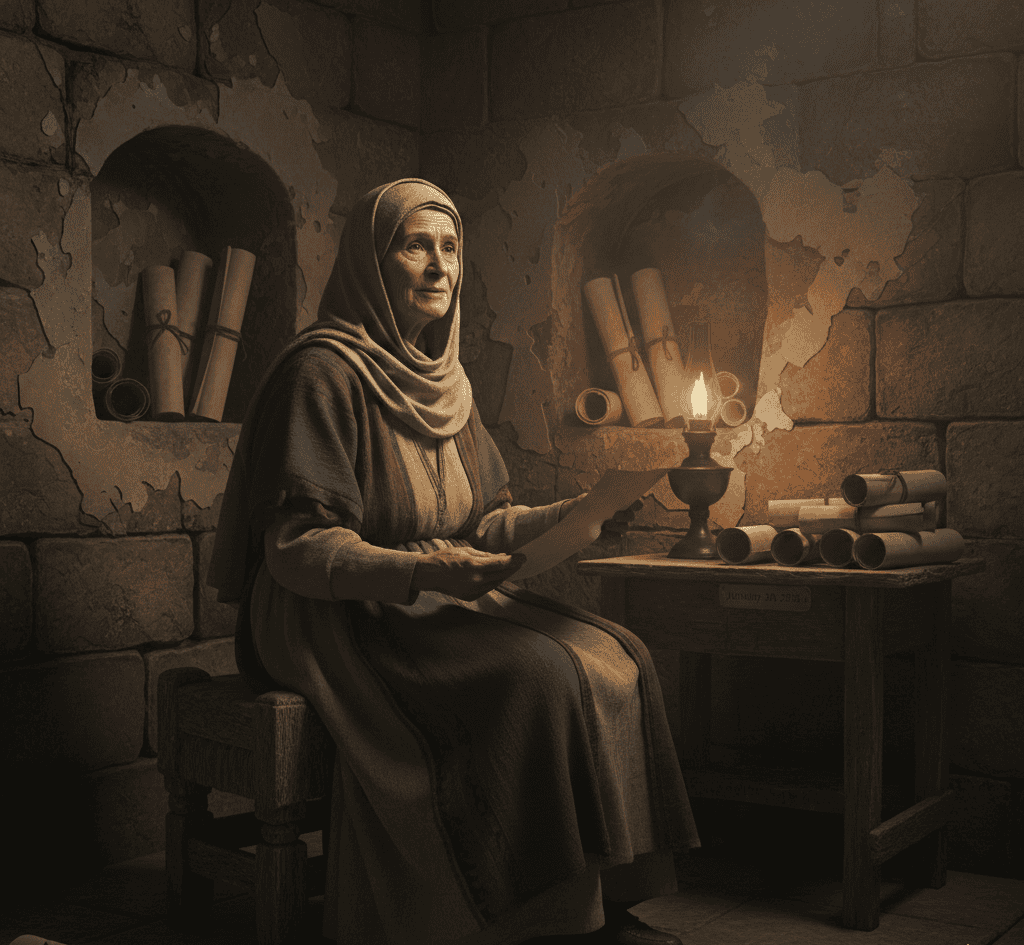
Huldah was a prophetess during the reign of King Josiah. When a lost book of the law was discovered in the temple, the king’s officials did not consult Jeremiah or other well-known prophets.
Instead, they went to Huldah. She confirmed that the words in the book were true and warned of coming judgment, while also offering hope.
Her message influenced major religious reforms in Judah.
Despite her authority and wisdom, Huldah is rarely mentioned, even though her role shaped an entire generation’s spiritual direction.
4. Obed-Edom the Ark Keeper
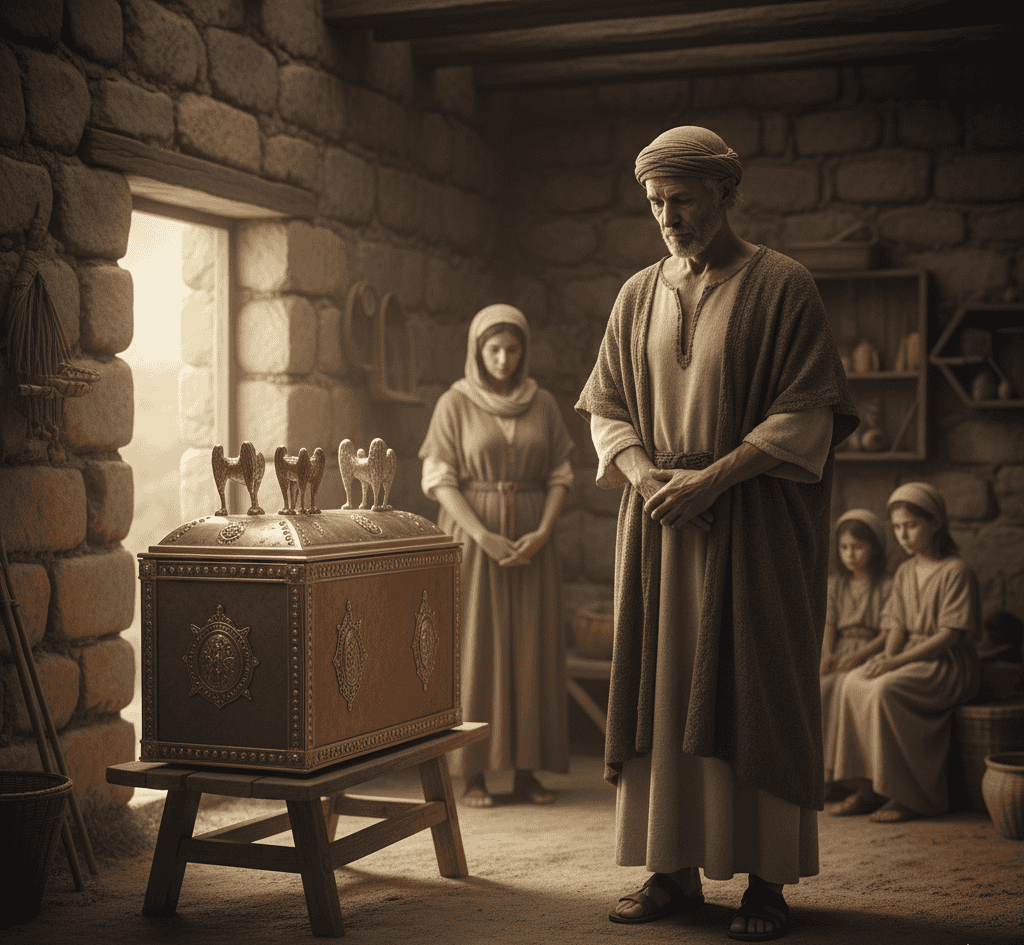
Obed-Edom is remembered for one simple but powerful moment. When the Ark of the Covenant caused fear after a man died touching it improperly, King David left the Ark in Obed-Edom’s house.
Instead of bringing harm, the Ark brought blessing. Obed-Edom and his household prospered during the time the Ark stayed with them.
This changed David’s understanding and encouraged him to bring the Ark to Jerusalem.
Obed-Edom’s quiet obedience showed that reverence and care bring blessing, not fear.
5. Rizpah the Watchful Mother
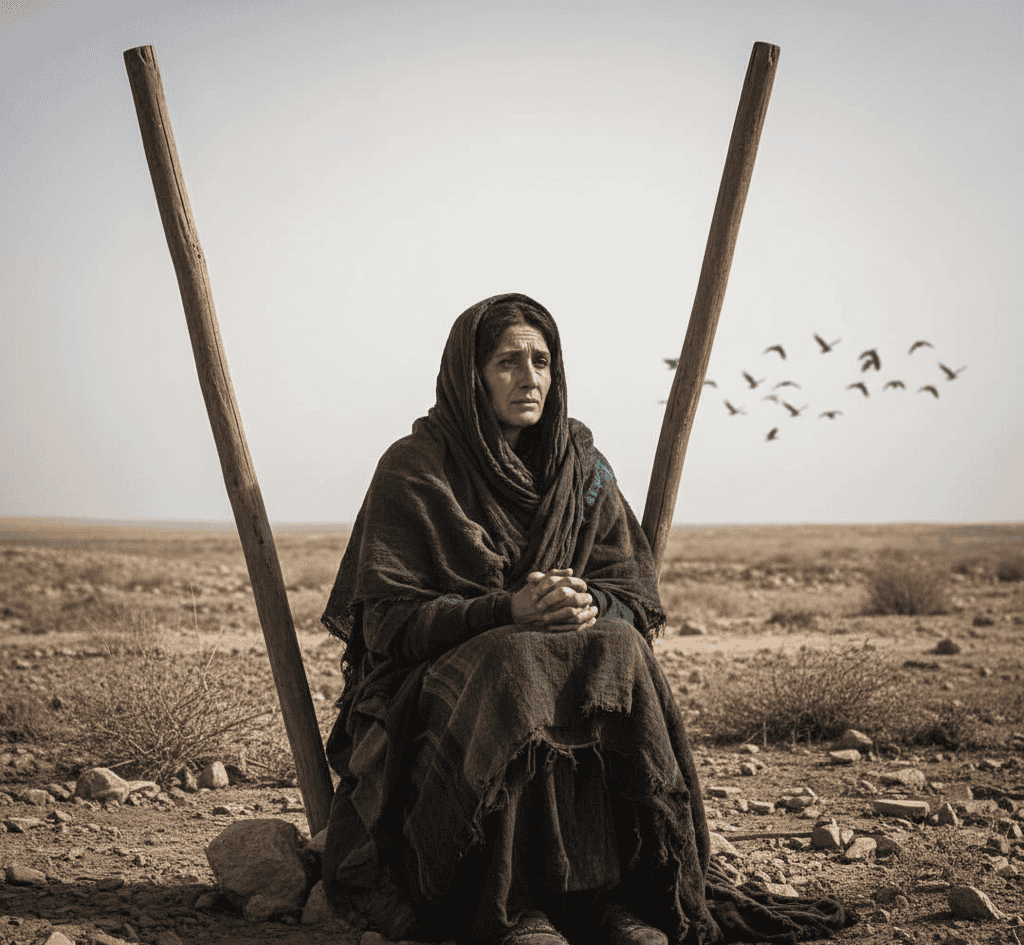
Rizpah was a concubine of King Saul whose sons were executed as part of a national judgment. After their deaths, their bodies were left exposed as a warning.
Rizpah refused to leave them. For months, she guarded their bodies from birds and wild animals, showing devotion and grief without words.
Her actions moved King David to give the dead a proper burial. Rizpah’s silent endurance became a powerful symbol of love, dignity, and persistence in suffering.
6. Ehud the Left-Handed Judge
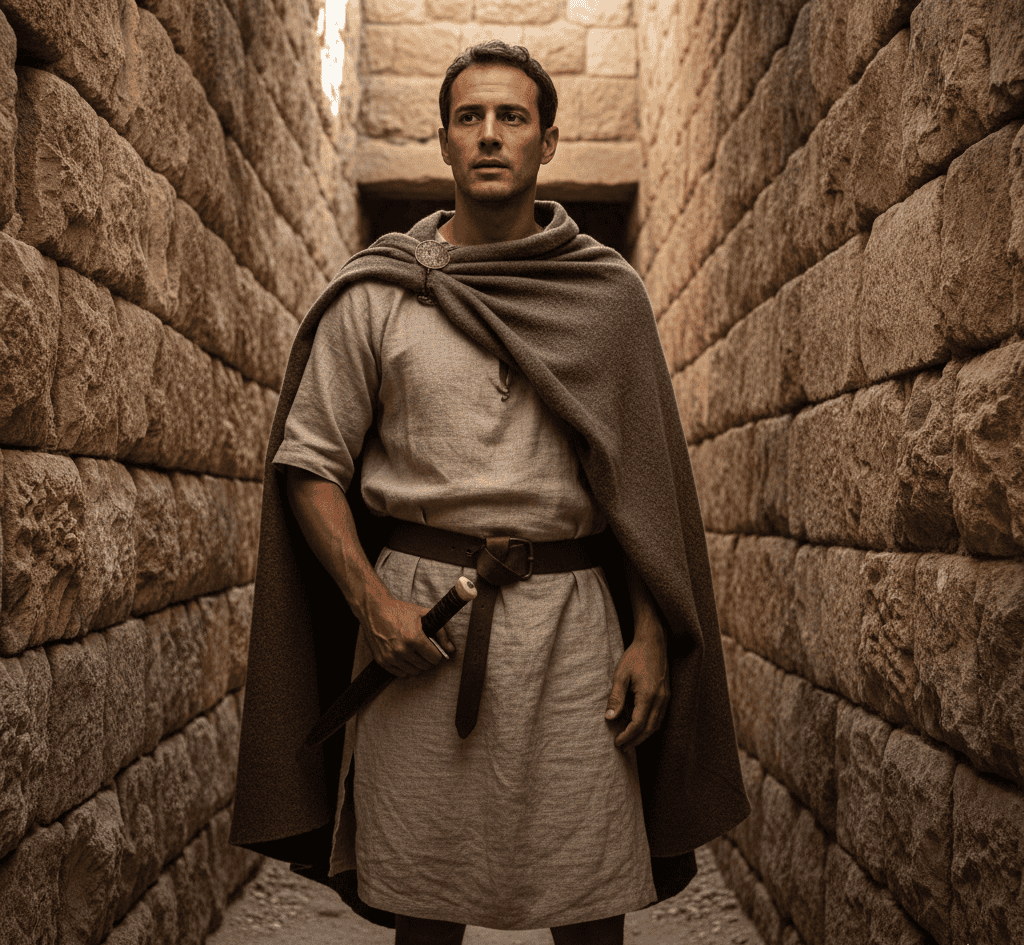
Ehud was a judge of Israel who delivered the people from oppression. What made him unique was that he was left-handed, something considered unusual at the time.
He used this trait to his advantage, hiding a weapon where guards would not expect it. His strategy allowed him to defeat a powerful enemy king.
Ehud’s story shows how differences can become strengths and how God uses unexpected traits to bring change.
7. Tychicus the Faithful Messenger
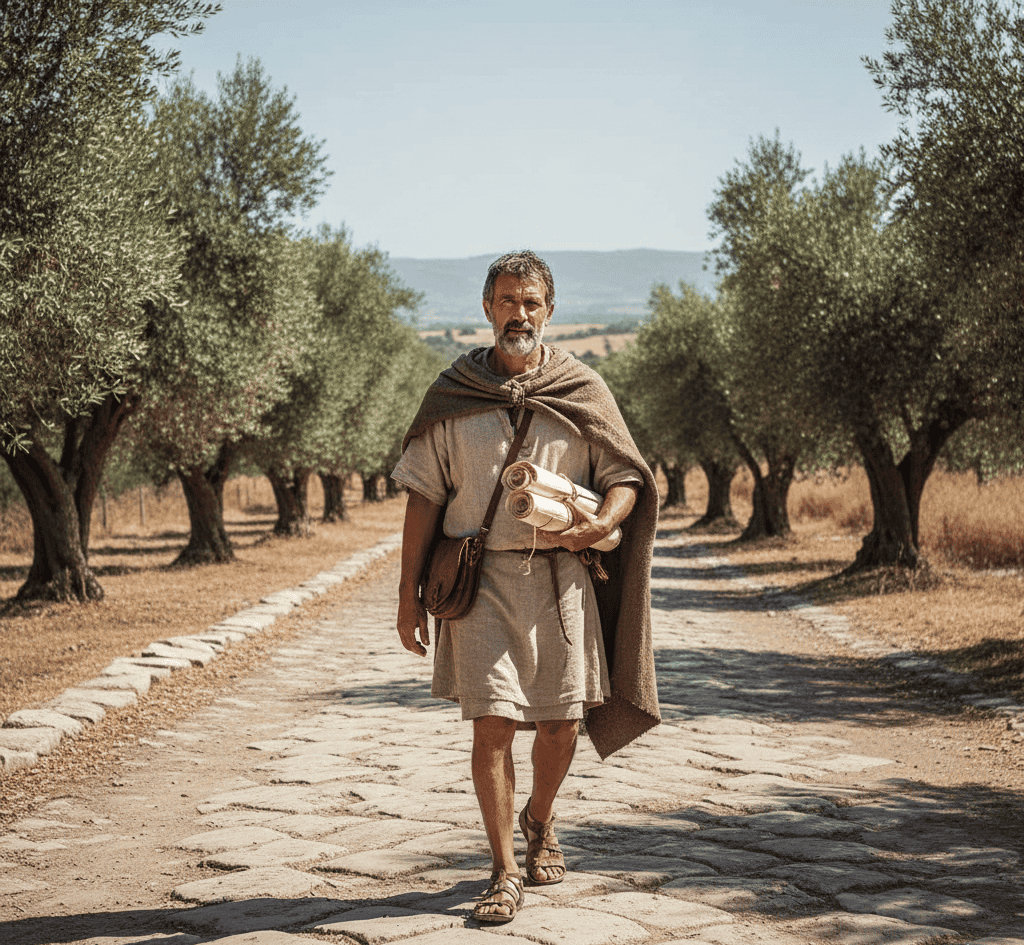
Tychicus appears in the New Testament as a companion of the Apostle Paul. His role was not glamorous. He carried letters, delivered messages, and supported churches.
Paul trusted him deeply, sending him on important missions. Tychicus represents the many unseen workers who keep communities strong.
Without people like Tychicus, many early churches would have struggled. His faithfulness reminds readers that support roles are just as important as leadership.
8. Anna the Prophetess

Anna was an elderly widow who spent her life fasting, praying, and serving in the temple. When Mary and Joseph brought the infant Jesus to the temple, Anna recognized who he was.
She praised God and spoke about the child to others who were waiting for redemption. Her recognition confirmed Jesus’ identity at a very early stage.
Anna’s story highlights patience, devotion, and the power of spiritual awareness developed over a lifetime.
9. Baruch the Scribe
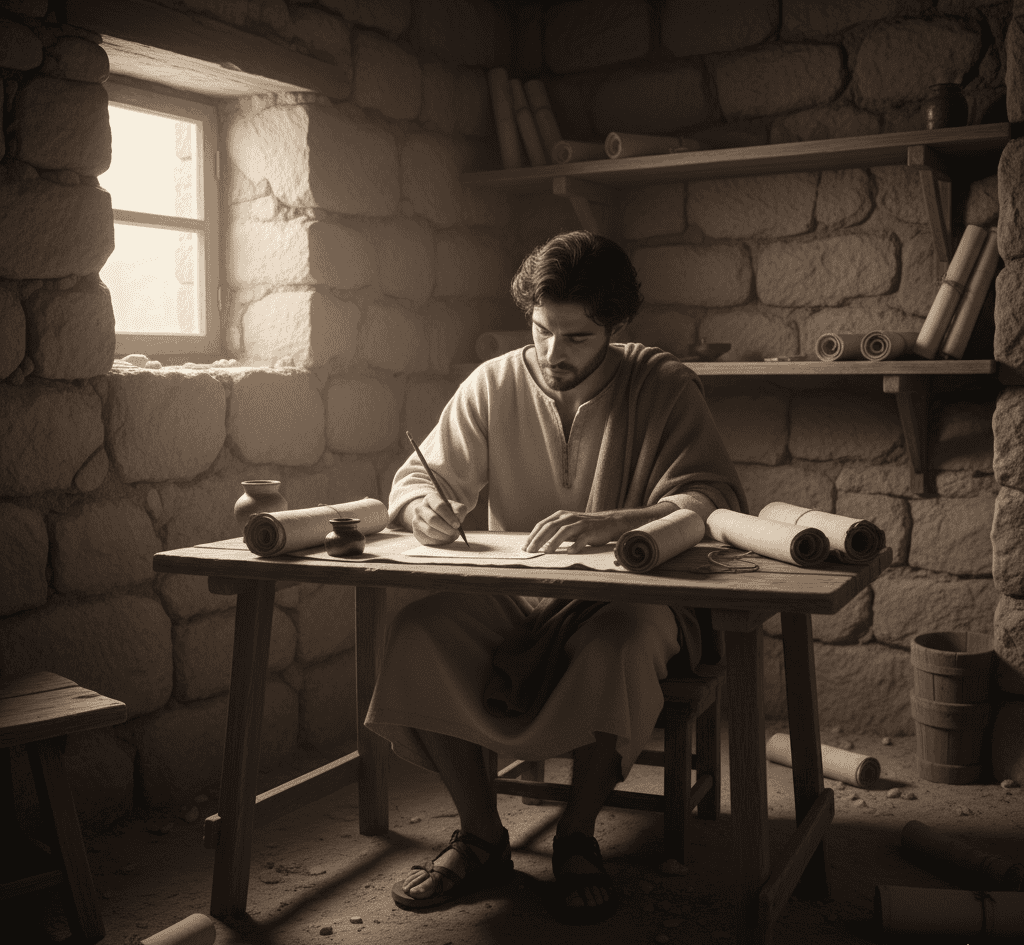
Baruch was the scribe of the prophet Jeremiah. He wrote down Jeremiah’s messages and read them publicly, even when they were unpopular and dangerous.
When the scrolls were destroyed by the king, Baruch rewrote them. His work preserved important prophetic words that would have otherwise been lost.
Baruch’s loyalty and endurance ensured that truth survived opposition and censorship.
10. Onesimus the Runaway Slave
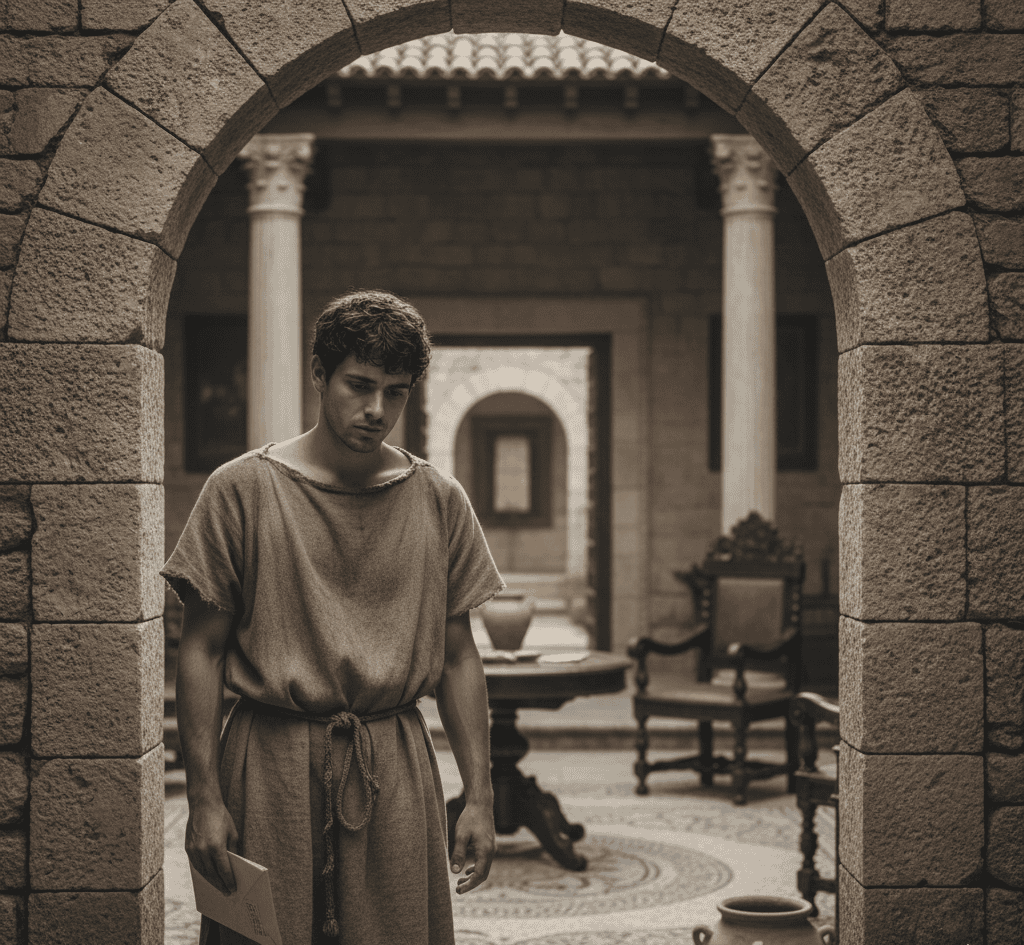
Onesimus was a slave who ran away and later encountered the Apostle Paul. Paul did not ignore his situation but wrote a personal letter asking that Onesimus be received back, not as a slave, but as a brother.
This small letter challenged social norms and planted seeds for future change. Onesimus’s story shows how personal transformation can influence larger systems.
Though his role was quiet, Onesimus became a symbol of dignity, forgiveness, and new identity.

Ho sempre sentito una forte connessione con il Divino fin dalla mia nascita. Come autrice e mentore, la mia missione è aiutare gli altri a trovare l'amore, la felicità e la forza interiore nei momenti più bui.