
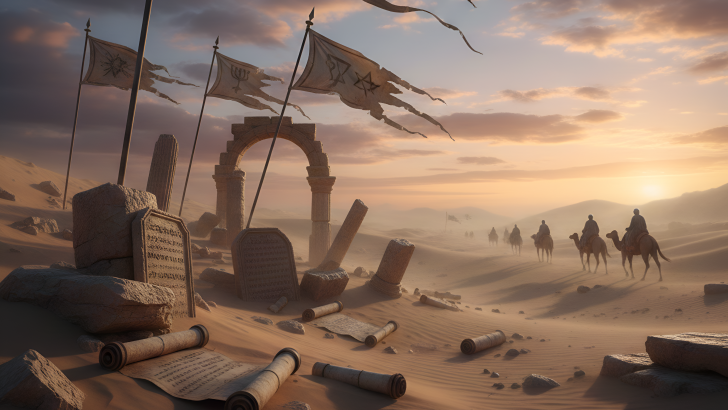
The Bible tells us that Jacob, also called Israel, had twelve sons. Each son became the father of one of the twelve tribes of Israel.
These tribes were the foundation of the Israelite nation and played important roles in history. Over time, however, some of these tribes disappeared.
They are called the “Lost Tribes of Israel.” People have wondered for centuries what happened to them.
Some tribes stayed in the land, while others were scattered, conquered, or mixed into other nations. The Bible and other old texts give us hints, but many details remain unclear.
Exploring the lost tribes can help us understand early history, culture, and human migration. Here are ten tribes that are often mentioned as lost or mysterious.
1. The Tribe of Reuben
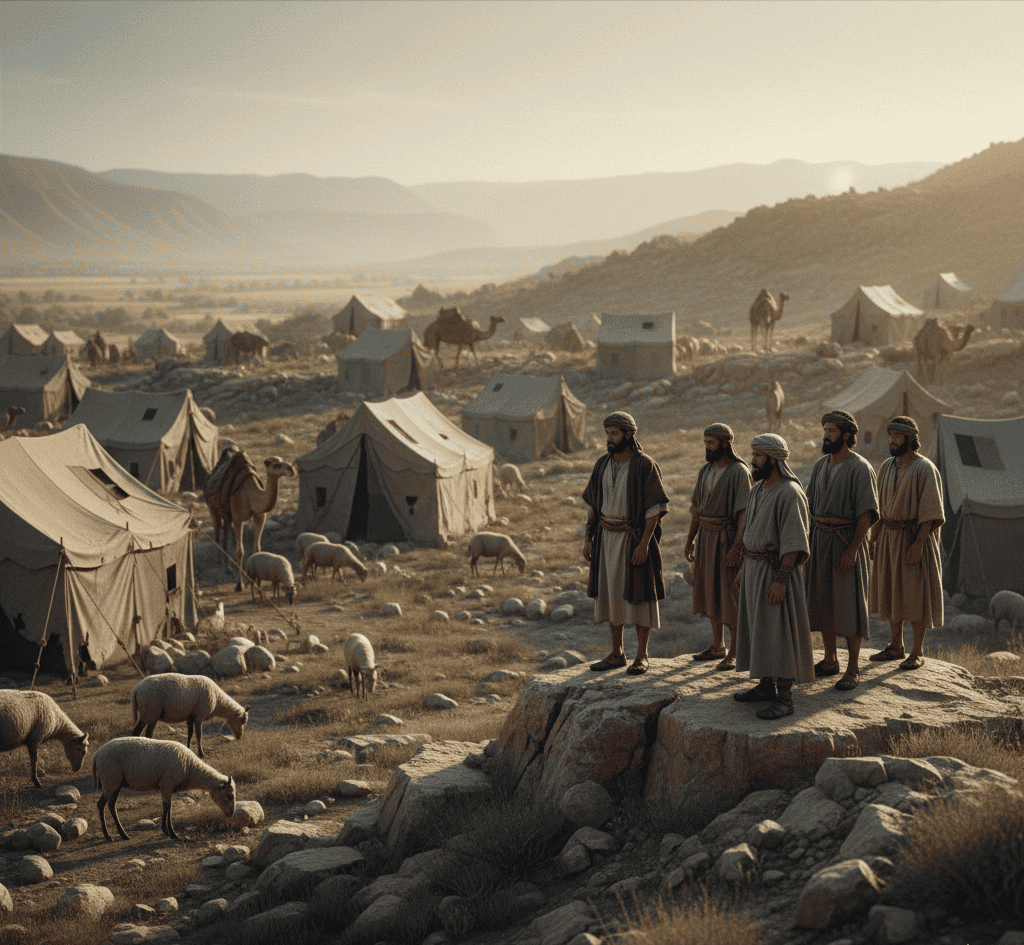
Reuben was the firstborn son of Jacob. His tribe settled east of the Jordan River. The Bible tells us that Reuben made mistakes, including acts of disrespect and impulsive behavior.
Because of this, the tribe lost some favor and influence. Later, Reuben’s people were scattered or absorbed into other nations.
They do not appear much in later biblical history. Some stories suggest that Reuben’s descendants moved far away, but we do not know exactly where. This makes Reuben one of the first lost tribes.
2. The Tribe of Simeon
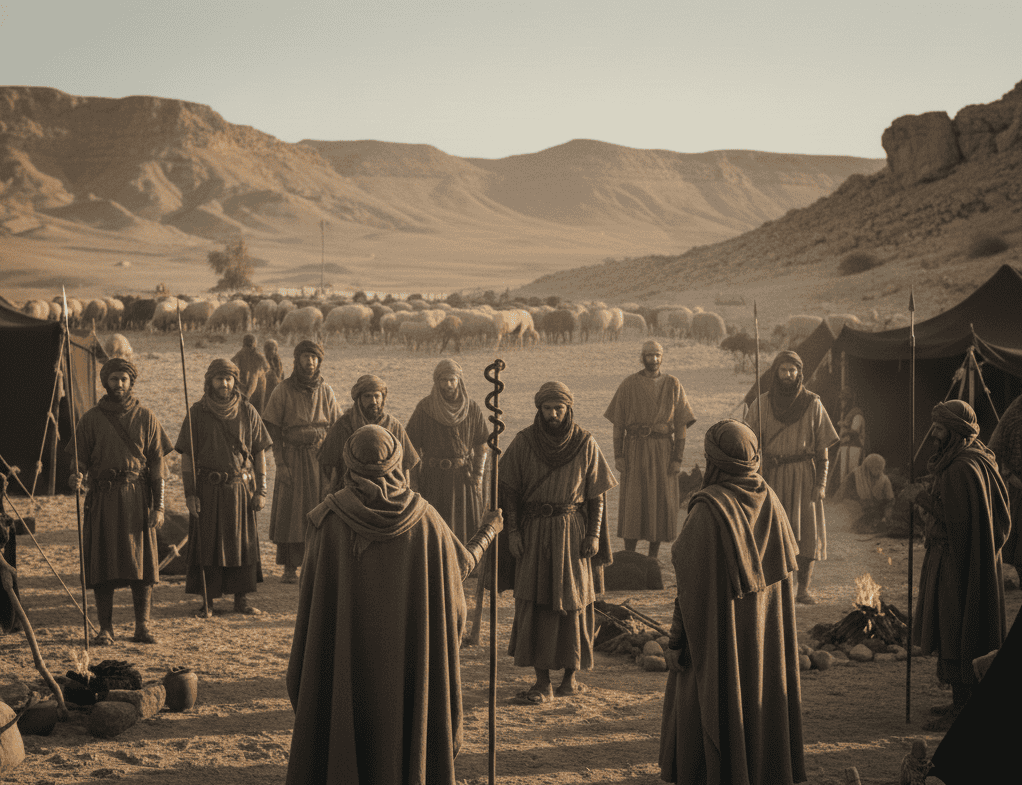
The tribe of Simeon lived in the southern part of Israel. Over time, Simeon’s people mixed with Judah, another tribe, and lost their distinct identity.
Simeon’s disappearance shows how smaller tribes could vanish when surrounded by bigger, stronger neighbors.
The Bible mentions Simeon less and less, and historians have little evidence of their later history.
Some traditions suggest Simeon may have migrated to other regions, but no clear records exist.
The story of Simeon reminds us that population shifts and intermarriage can erase a group’s identity over time.
3. The Tribe of Levi

Levi was different from the other tribes because its members were priests and religious leaders.
They did not receive much land like the other tribes. Instead, they lived scattered among the other tribes to perform religious duties.
Even though Levi was important in religion, the tribe did not act like the others politically or militarily.
Over time, Levi’s distinct tribal identity faded because their role focused on spiritual matters rather than territory or power.
This shows that tribes could disappear not only through war but also by blending into larger communities.
4. The Tribe of Dan
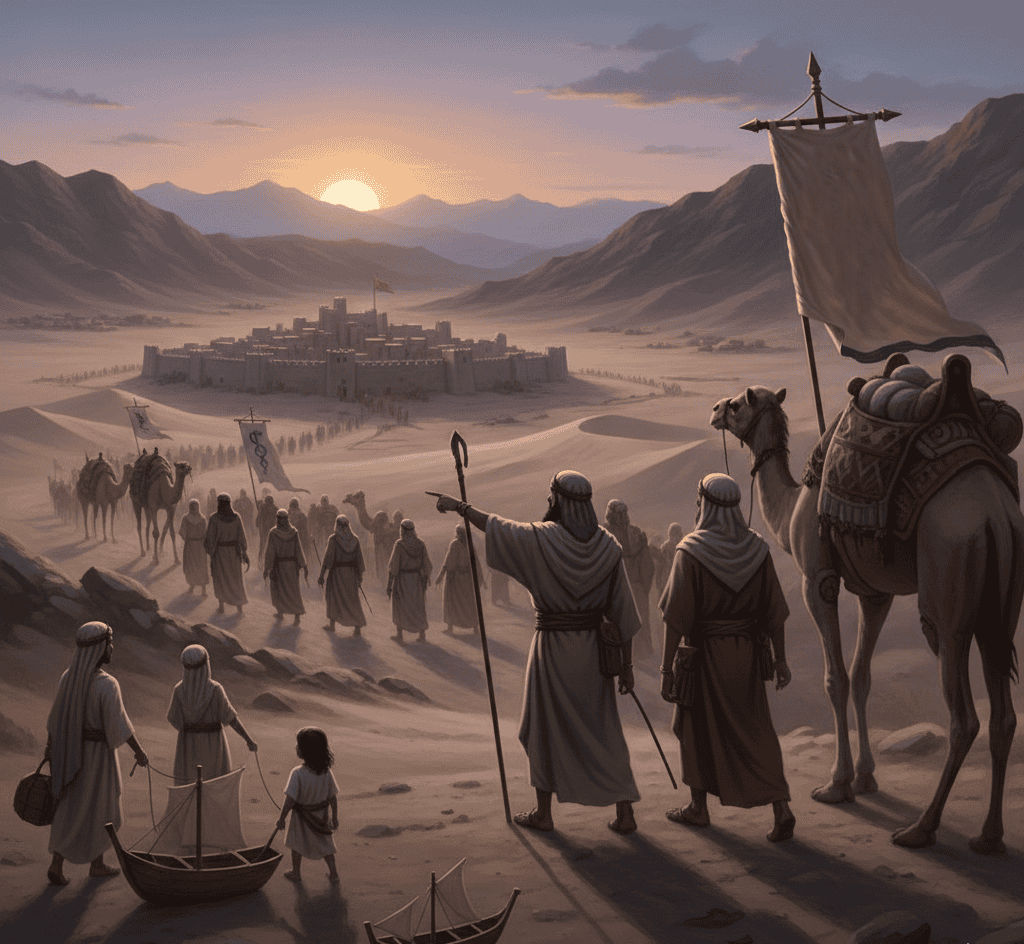
The tribe of Dan originally lived along the coastal plain, but they faced conflicts with stronger neighboring peoples.
Some Danites moved north, while others were absorbed into other nations.
The Bible mentions Dan occasionally, but later references are rare. Some stories say the Danites became sailors, explorers, or migrated to faraway lands.
This movement contributed to their “lost” status. Dan shows that migration and conflict can remove a tribe from history while leaving only scattered legends.
5. The Tribe of Naphtali
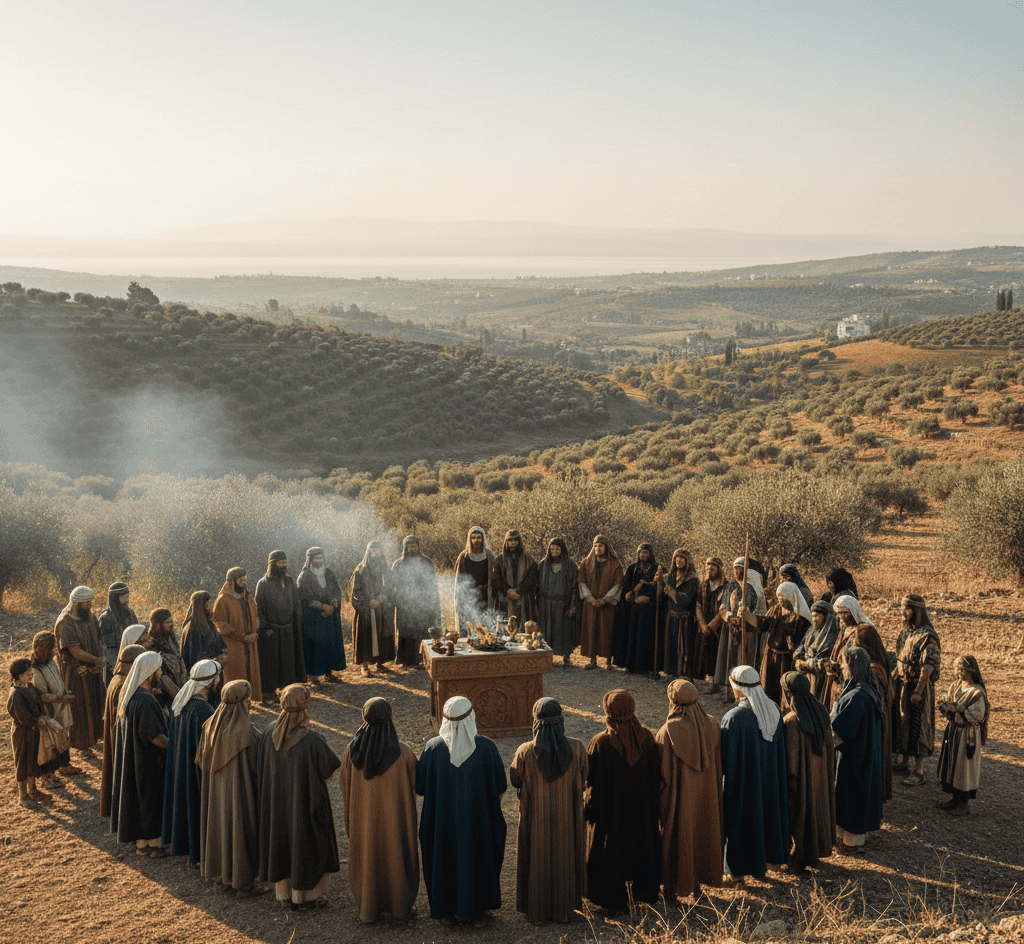
Naphtali settled in the northern region of Israel. The tribe was known for its bravery and skill in battle.
During the Assyrian conquest, many Naphtali people were scattered or taken into exile. After that, Naphtali disappears from biblical records.
Historians believe their descendants merged with other groups or moved to unknown areas. Naphtali’s story illustrates how war and foreign invasions can erase tribal identities over time.
6. The Tribe of Gad
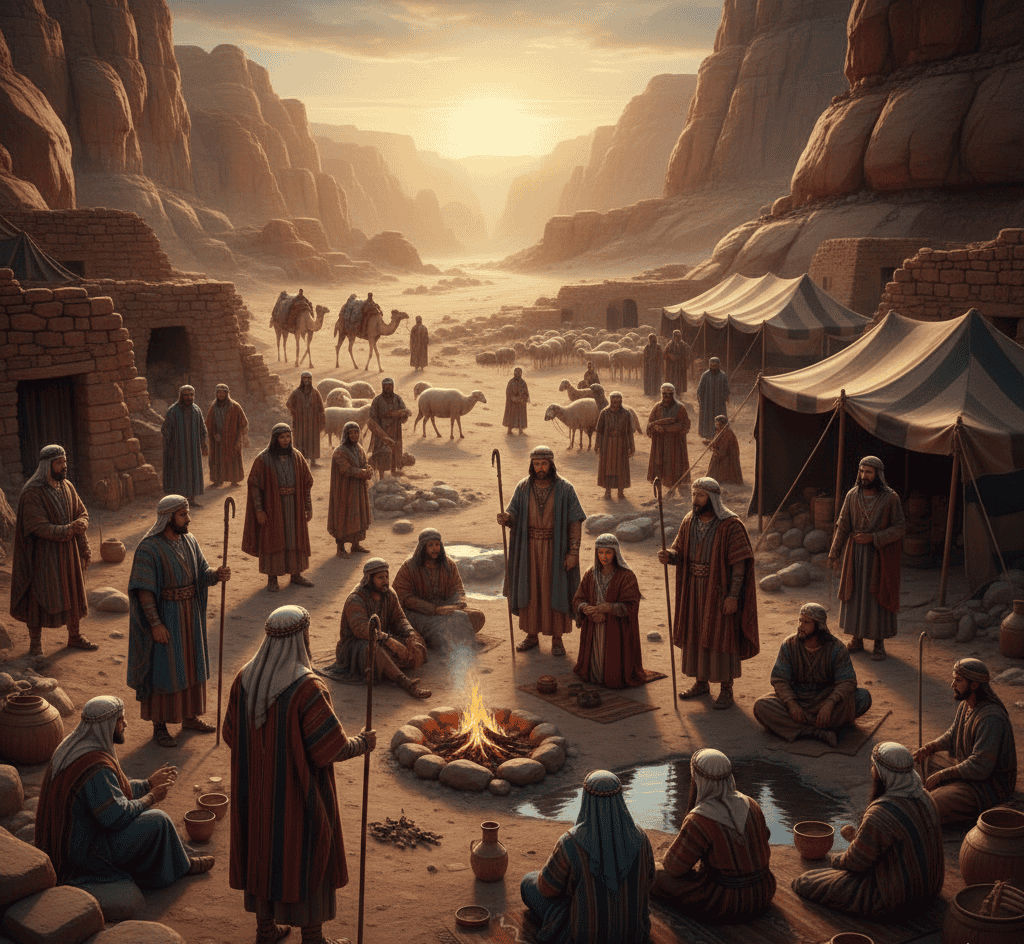
Gad lived east of the Jordan River and was known for its strong warriors. The tribe often faced invasions and challenges from neighboring nations.
Despite their strength, Gad was gradually scattered or absorbed into other populations. Over time, the tribe lost its separate identity in history.
Gad’s story shows that even powerful tribes could disappear if external pressures were strong enough. Survival depended not only on strength but also on political circumstances.
7. The Tribe of Asher
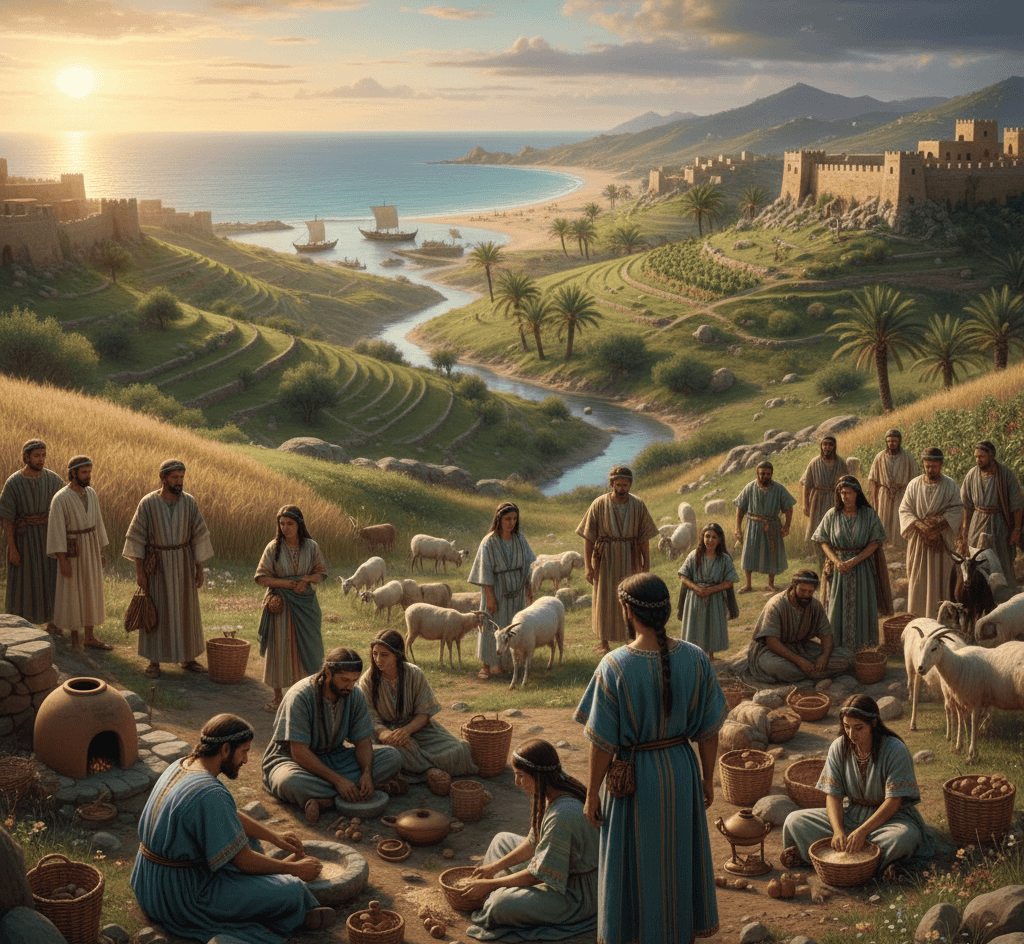
Asher lived in fertile lands near the northern coast. They were known for wealth, good harvests, and prosperity.
Despite their resources, Asher’s presence fades in later history. Many members may have moved or joined other tribes.
Over generations, Asher became part of other communities, and its distinct tribal identity vanished.
This demonstrates that even prosperous tribes can become lost due to migration and blending with others.
8. The Tribe of Issachar
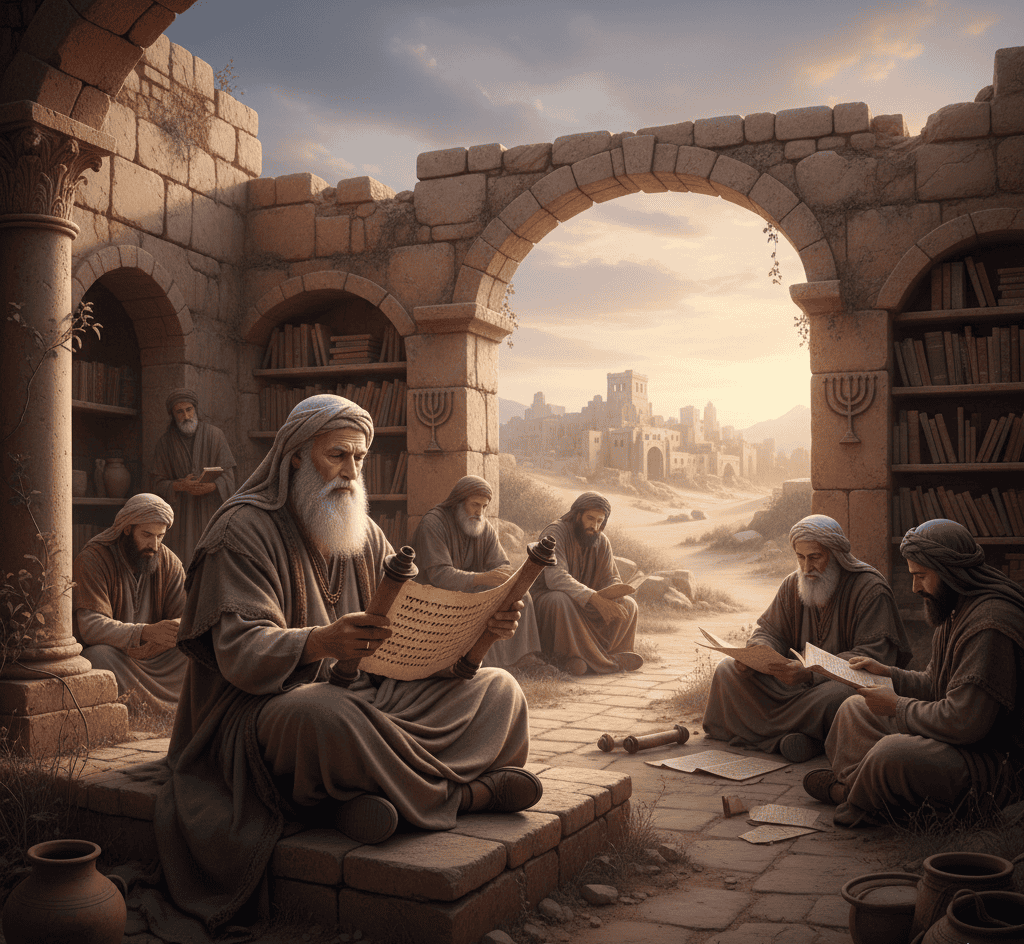
Issachar was known for wisdom and understanding. They were scholars, advisers, and interpreters of events.
Even with knowledge and skill, Issachar eventually disappears from historical accounts. Their story shows that intelligence and wisdom cannot always protect a tribe from being absorbed or forgotten.
The loss of Issachar reminds us that knowledge alone does not guarantee survival in a changing world.
9. The Tribe of Zebulun
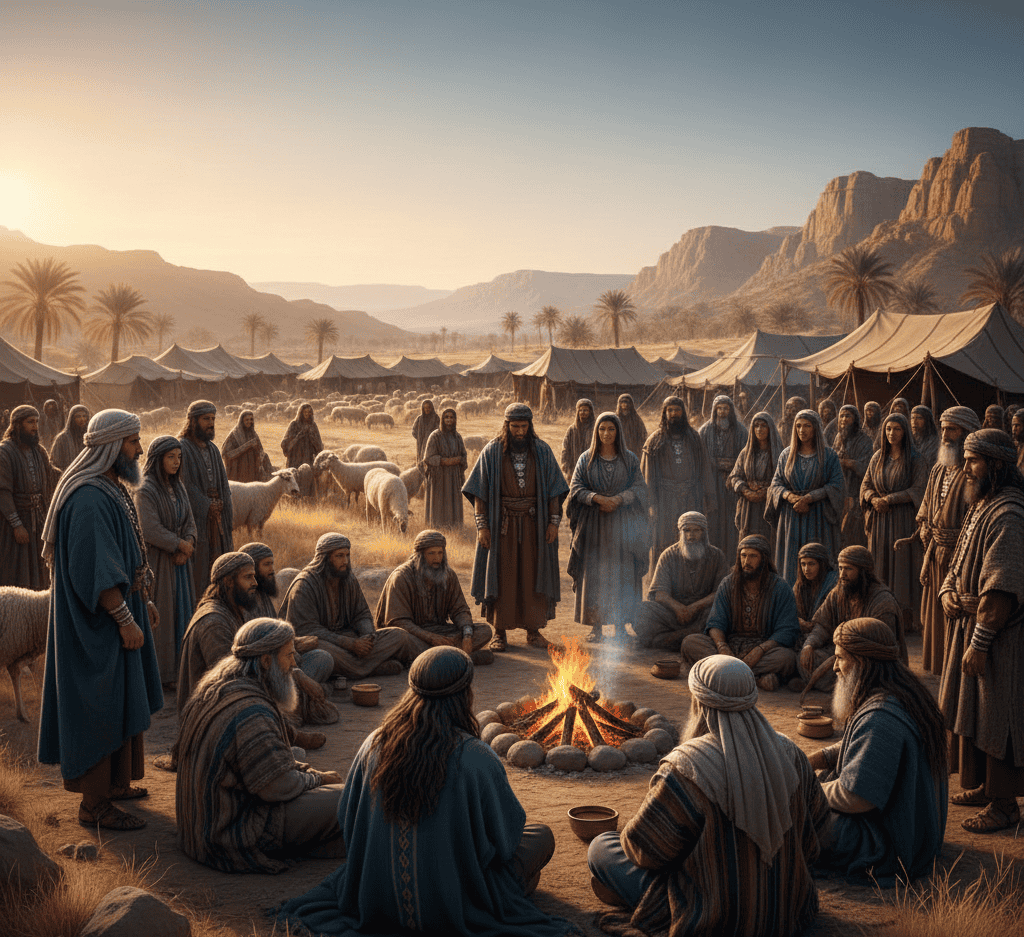
Zebulun lived in the northern region, near trade routes and the coast. They were involved in commerce and military efforts.
The tribe’s location made them vulnerable to attacks and invasions. Like Naphtali and Dan, Zebulun was scattered or absorbed into other groups.
Over time, the tribe’s name disappears from records. Zebulun’s story highlights how geography, trade, and conflict all affect the survival of a people.
10. The Tribe of Benjamin
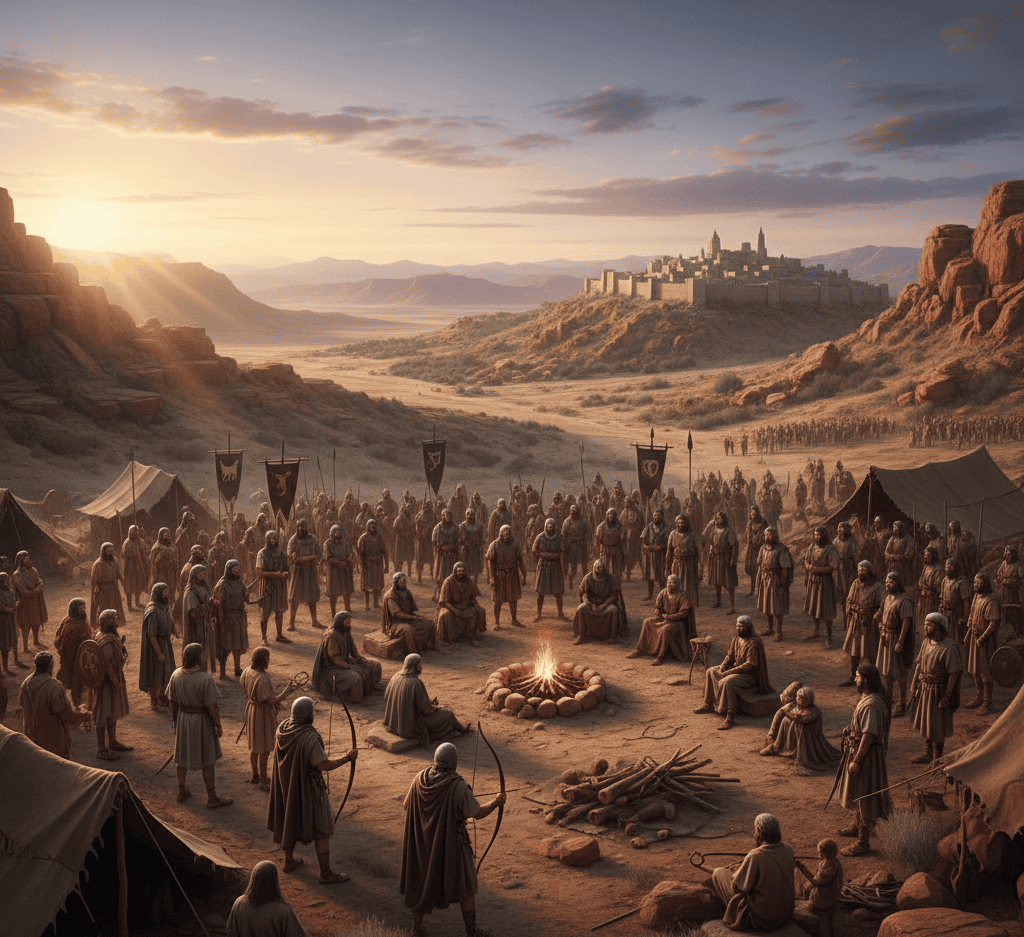
Benjamin was a small tribe but played an important role in Israelite history. They were known for warriors and leaders and had close connections with Judah.
Benjamin survived longer than some other tribes but eventually became part of Judah’s larger population.
While they were not completely lost, Benjamin’s separate identity faded. The story shows that even important tribes can lose independence over generations, blending into larger groups or nations.

Ho sempre sentito una forte connessione con il Divino fin dalla mia nascita. Come autrice e mentore, la mia missione è aiutare gli altri a trovare l'amore, la felicità e la forza interiore nei momenti più bui.