
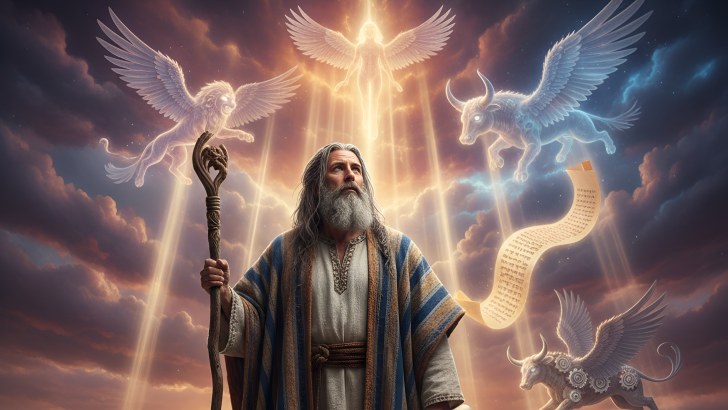
The Bible contains numerous prophets whose visions were vivid, symbolic, and often terrifying.
Many of these visions describe cosmic upheaval, divine judgment, or mysterious events that sound apocalyptic to modern readers.
They combine moral warning, spiritual insight, and symbolic imagery that could confuse or frighten audiences both then and now.
Understanding these prophets allows us to see how God communicated through startling and extraordinary visions, calling people to repentance, obedience, and faith.
These visions reveal the intensity, creativity, and depth of God’s messages, showing that prophecy is not only predictive but also instructive for moral and spiritual guidance.
1. Daniel
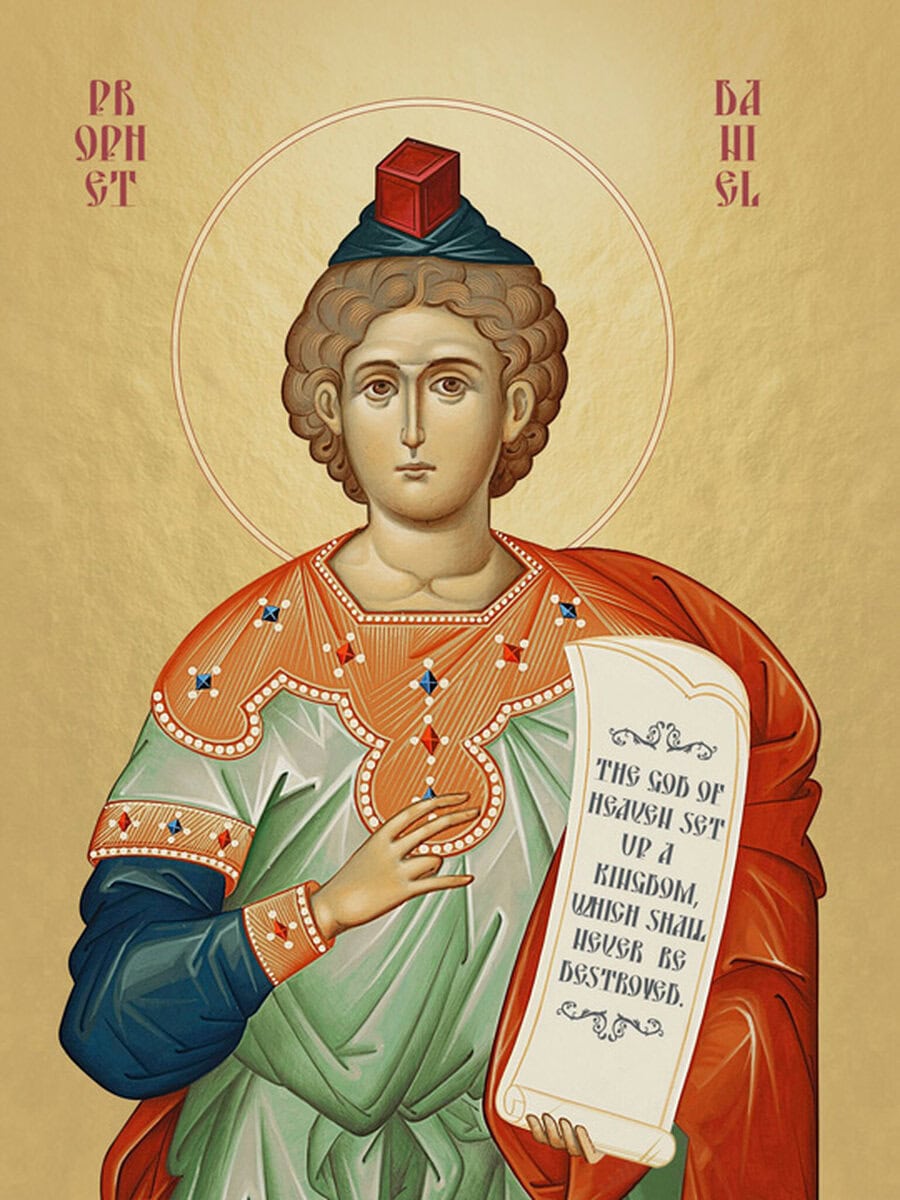
Daniel’s visions, particularly in chapters 7–12, include beasts, horns, symbolic kingdoms, and mysterious celestial phenomena.
These images represent future powers, divine justice, and the ultimate triumph of God’s kingdom.
The vivid and often confusing imagery combines human history with cosmic spiritual battles, illustrating God’s sovereignty and the inevitability of divine judgment.
Daniel’s visions challenge readers to interpret symbolism carefully while demonstrating that faith and patience during periods of uncertainty are essential.
They also reveal that God communicates in ways beyond human comprehension, using powerful, sometimes frightening images to ensure the importance and urgency of His message is fully understood.
2. Ezekiel

Ezekiel’s visions are some of the most dramatic in the Bible, including the famous chariot with wheels within wheels and creatures with multiple faces and wings (Ezekiel 1).
These beings convey God’s omnipresence, authority, and judgment, combining awe-inspiring imagery with moral instruction.
Ezekiel also depicts the destruction of Jerusalem and restoration of Israel, blending apocalyptic warning with hope.
His visions challenge human perception, showing the complexity of divine power and justice.
They illustrate the seriousness of sin, the consequences of disobedience, and God’s ultimate control over history and human destiny.
Ezekiel’s work emphasizes that prophetic messages often use shocking imagery to communicate spiritual truths.
3. Isaiah
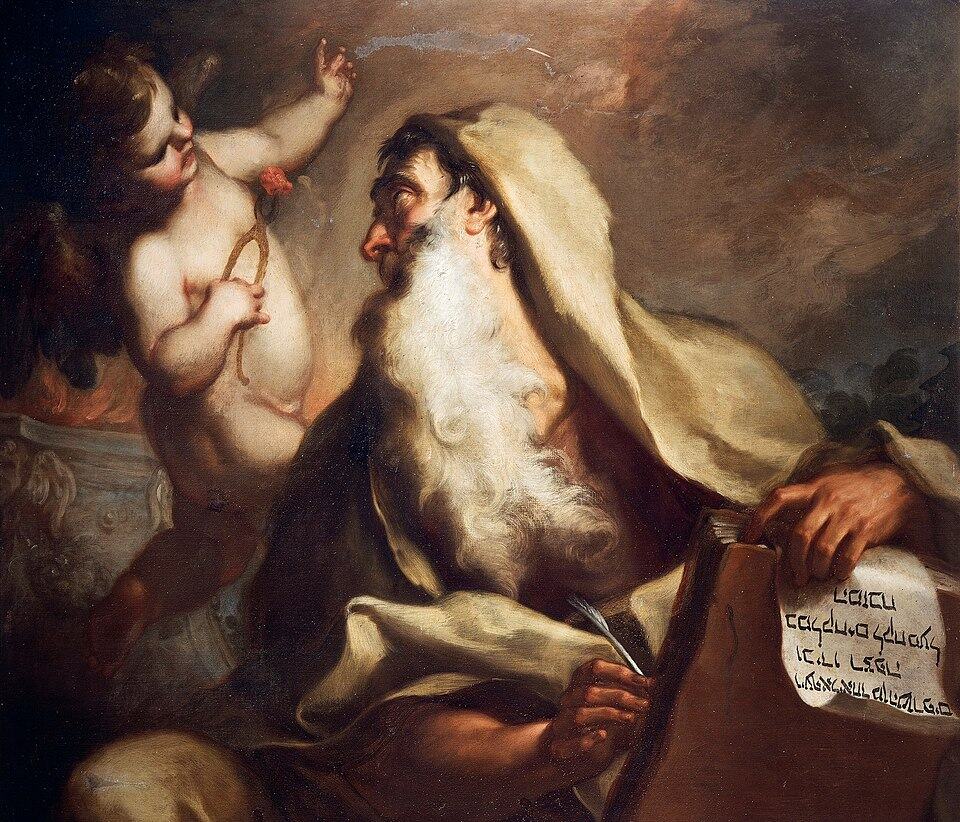
Isaiah delivers prophecies filled with apocalyptic imagery, especially in chapters 24–27 and 34–35, describing cosmic disturbances, nations destroyed, and divine intervention.
His visions combine judgment and hope, warning the disobedient while promising restoration to the faithful.
Vivid descriptions of fire, devastation, and celestial upheaval create a sense of awe and urgency.
Isaiah’s apocalyptic language emphasizes God’s moral and cosmic authority and the ultimate consequences of rebellion.
These visions are both a moral and spiritual call to action, urging readers to recognize the seriousness of sin, the inevitability of divine justice, and the importance of aligning their lives with God’s purposes.
4. Joel

Joel’s visions, particularly in chapters 2–3, depict the day of the Lord as a time of cosmic upheaval, judgment, and divine retribution.
He speaks of locust plagues, darkness, fire, and blood, symbolizing both literal devastation and spiritual consequences for disobedience.
The apocalyptic imagery warns of the seriousness of moral failure and the need for repentance.
At the same time, Joel includes a promise of restoration, showing God’s mercy and hope for those who turn back to Him.
His visions are intended to provoke moral reflection, emphasize accountability, and awaken people to the spiritual realities underlying earthly events.
5. Zechariah

Zechariah’s visions are symbolic, mysterious, and full of apocalyptic elements, including flying scrolls, horses, and horns (Zechariah 1–6).
They predict the coming of God’s kingdom, the triumph of righteousness, and judgment on wickedness.
The imagery can appear surreal or fantastical, yet it communicates deep spiritual truths about divine sovereignty, justice, and moral responsibility.
Zechariah’s visions emphasize the connection between cosmic events and human choices, showing that God’s plan unfolds through both historical and spiritual processes.
These apocalyptic prophecies invite careful interpretation, reflection on moral choices, and a recognition that ultimate justice will prevail, no matter how chaotic current circumstances may appear.
6. Amos
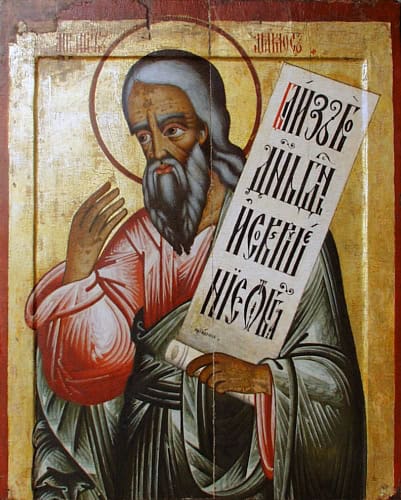
Amos delivers apocalyptic visions of locusts, fire, and plumb lines (Amos 7–9), portraying judgment on Israel and the surrounding nations.
His imagery is vivid, terrifying, and morally charged, designed to provoke repentance and reflection.
Amos emphasizes God’s intolerance for injustice, corruption, and exploitation.
His visions combine immediate consequences with ultimate judgment, showing that apocalyptic prophecy is not only about future events but also ethical living and societal responsibility.
These prophecies highlight the connection between human behavior and divine response, demonstrating that God’s moral order is absolute, and rebellion carries dramatic, unavoidable, and sometimes catastrophic consequences.
7. John
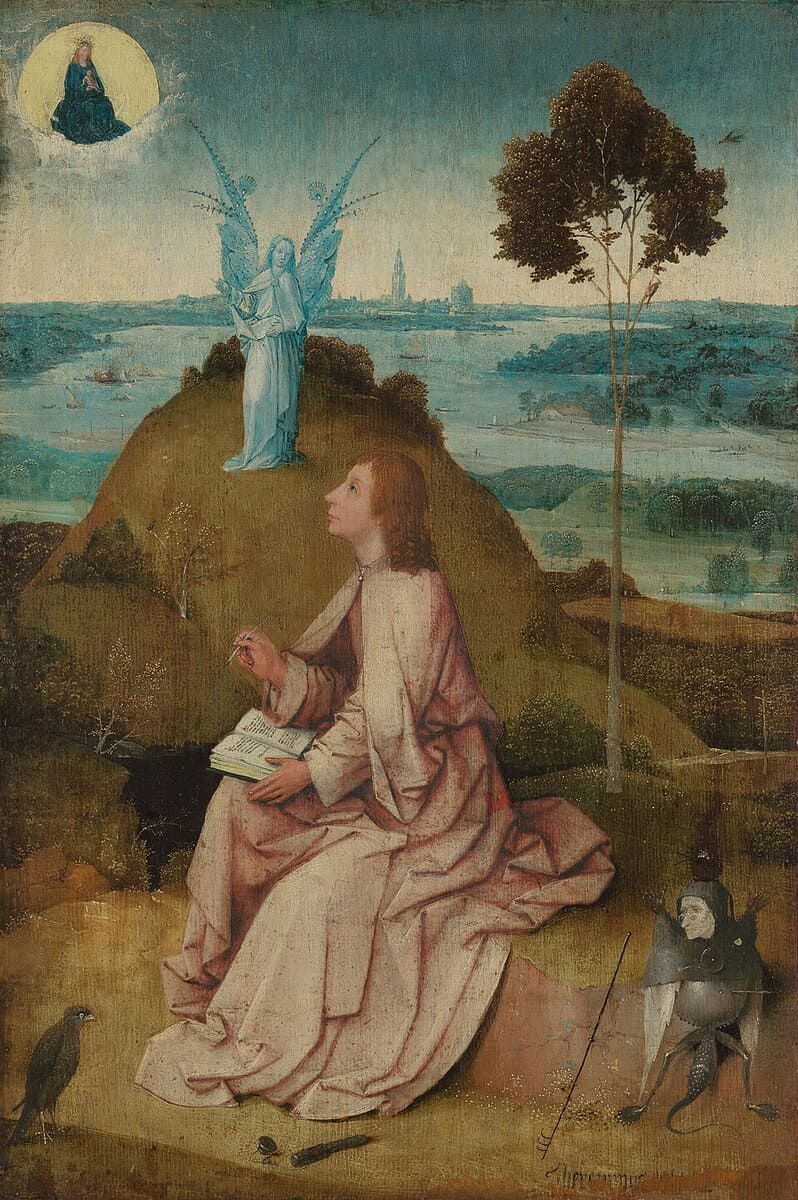
John, the author of Revelation, presents the most extensive apocalyptic visions in the Bible, from the seven seals to the four horsemen and the final judgment (Revelation 4–22).
These visions contain strange creatures, cosmic destruction, moral reckoning, and divine intervention.
John’s prophecies are intended to inspire awe, warn the wicked, and encourage endurance among believers.
The symbolic and often frightening imagery conveys spiritual truths about justice, redemption, and the ultimate victory of good over evil.
John’s visions demonstrate that God uses extraordinary, sometimes incomprehensible imagery to communicate eternal truths and provide guidance for moral and spiritual living.

Ho sempre sentito una forte connessione con il Divino fin dalla mia nascita. Come autrice e mentore, la mia missione è aiutare gli altri a trovare l'amore, la felicità e la forza interiore nei momenti più bui.