
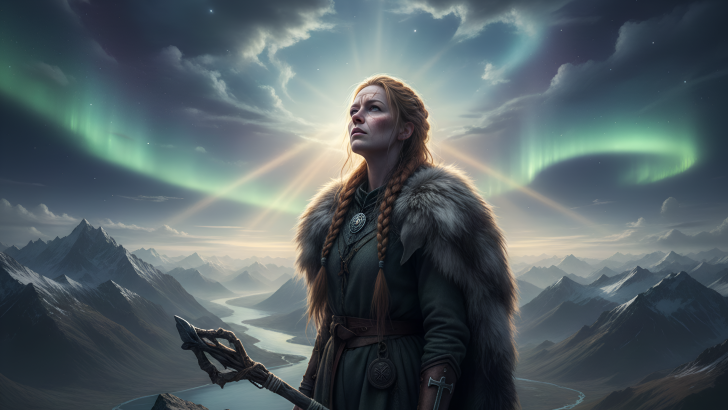
Norse mythology is often associated with powerful figures like Odin and Thor, but the ancient stories describe many other gods who played important roles in the world of the Vikings.
These lesser-known deities ruled nature, protected homes, influenced luck, and shaped everyday life in ways that were deeply meaningful to ancient people.
Some were wise and gentle, while others were mysterious, unpredictable, or even feared.
Learning about these gods gives a fuller picture of Norse belief and shows how the spiritual world was connected to farming, travel, weather, and family life.
These forgotten figures reveal a rich and complex mythology that goes far beyond the most famous heroes and warriors.
1. Forseti
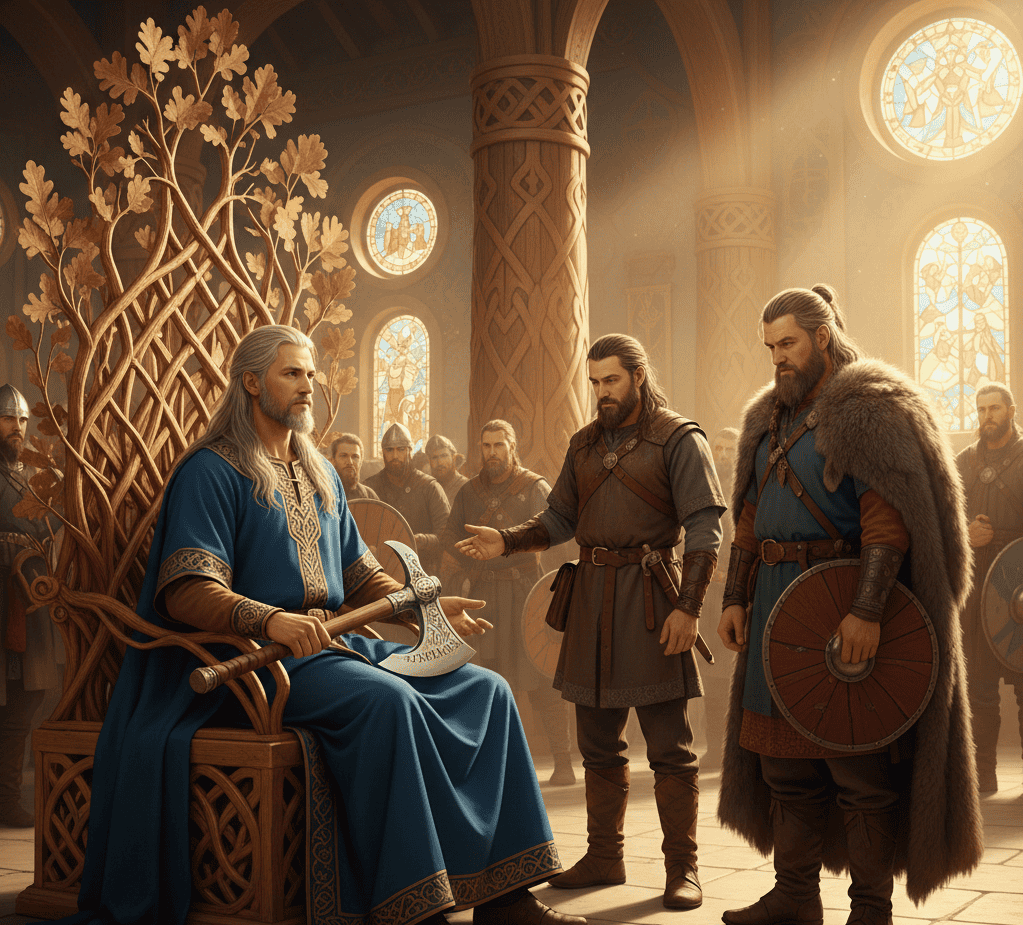
Forseti was the Norse god of justice, peace, and fair judgment. He was known for his calm nature and his ability to settle disputes in a way that satisfied everyone involved.
According to tradition, he held court in a shining hall where people and gods came to resolve conflicts.
Unlike many Norse gods who were linked to war or battle, Forseti represented harmony and cooperation.
His role was especially important in a culture that valued honor and agreements. People believed that fairness helped maintain order in both society and the divine world.
Forseti’s presence reminds us that peace and wise judgment were just as important as strength in Norse belief and daily life.
2. Eir
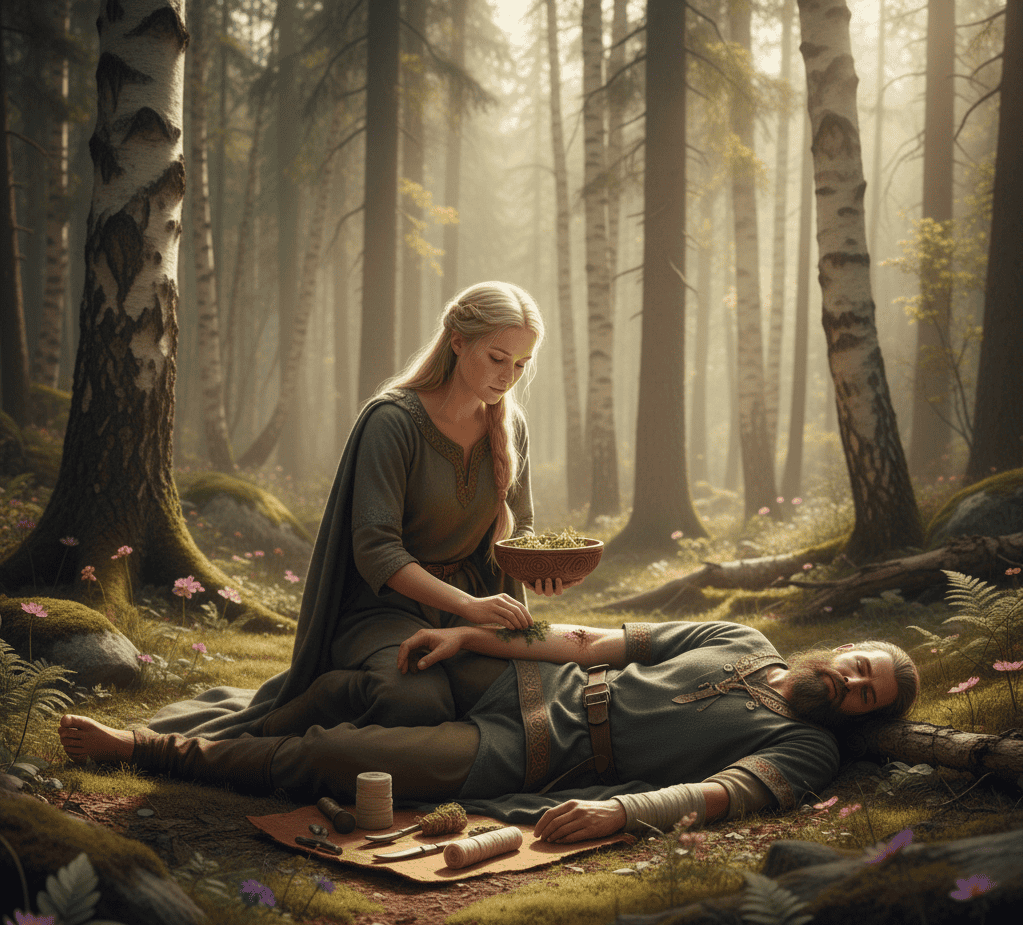
Eir was the goddess of healing and medicine, and she was considered one of the most skilled healers among the gods.
Some traditions describe her as a servant or companion of the goddess Frigg, while others see her as a powerful divine figure in her own right.
People believed she could cure illnesses and treat injuries that ordinary healers could not handle.
In a harsh world where sickness and wounds were common, her protection would have been highly valued.
Eir represents care, patience, and the hope of recovery during difficult times.
Her role shows that Norse mythology included compassion and healing alongside its more famous themes of battle and survival.
3. Vidar
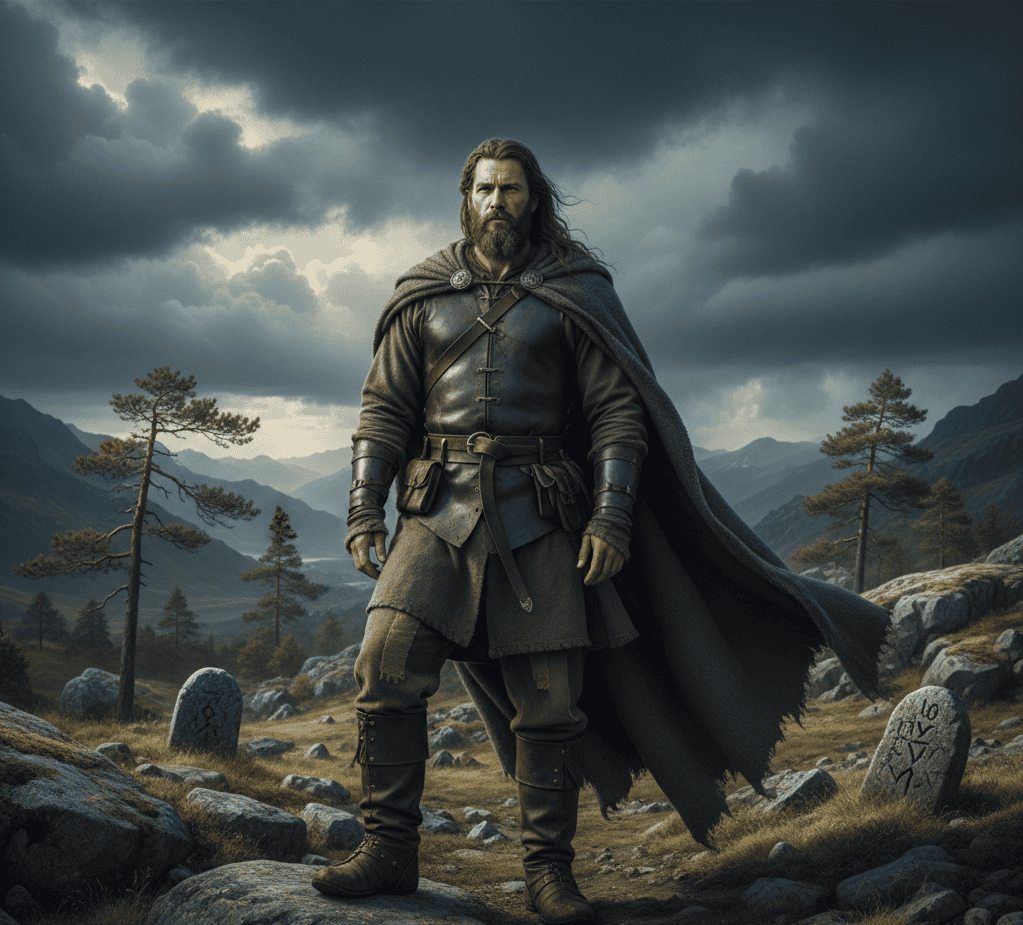
Vidar was the quiet god of vengeance, strength, and survival. He was the son of Odin and was known for speaking very little, yet possessing great power.
Vidar’s most important role comes during Ragnarok, the final battle, when he avenges Odin by defeating the great wolf Fenrir.
He is also one of the few gods who survive the destruction of the world and help rebuild a new one.
This connection makes him a symbol of endurance and renewal after disaster.
Vidar represents silent determination and the idea that strength does not always need to be loud or visible to be effective and lasting.
4. Vali
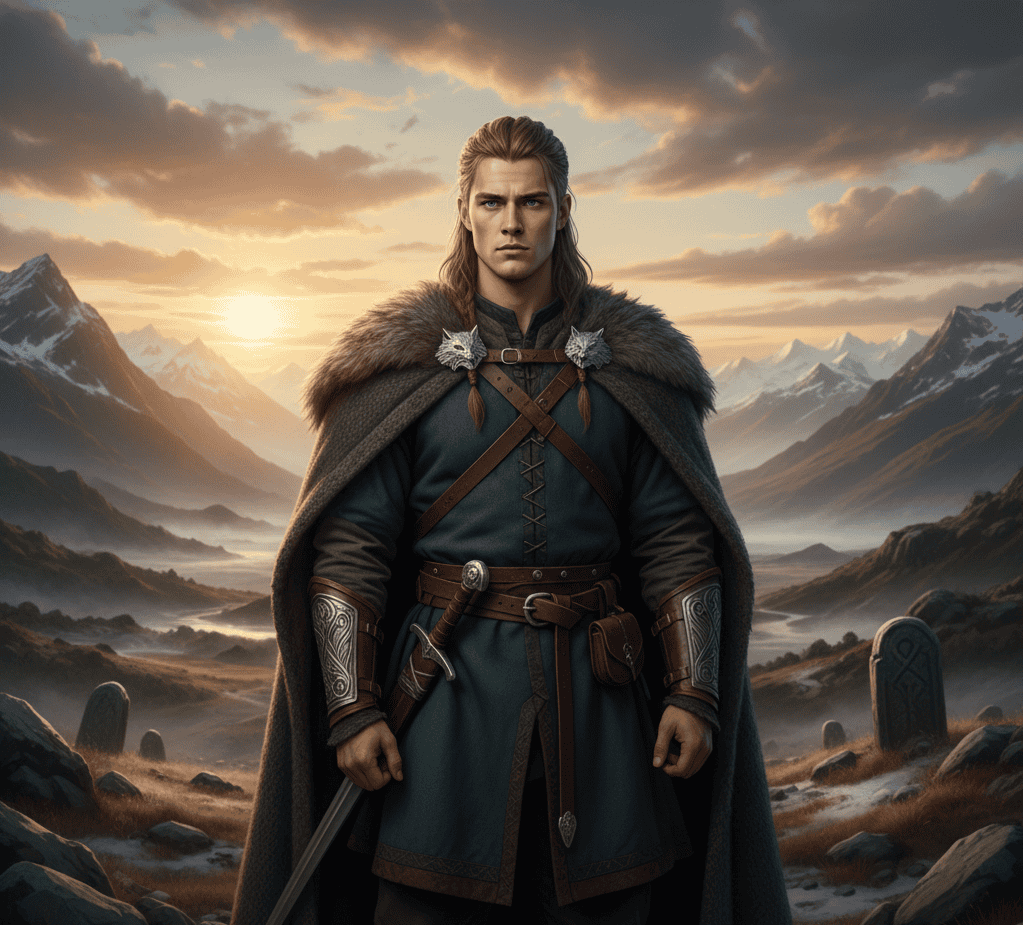
Vali was another god connected with vengeance and justice, born specifically to carry out a divine task.
He was the son of Odin and was destined to avenge the death of the beloved god Balder.
According to the myths, Vali grew to adulthood in a single day so he could fulfill his purpose without delay.
This unusual story highlights the Norse belief in fate and the importance of restoring balance after wrongdoing.
Vali is also said to survive Ragnarok, helping to rebuild the world alongside other surviving gods.
His story reflects the idea that justice may come slowly, but it cannot be avoided or prevented.
5. Bragi
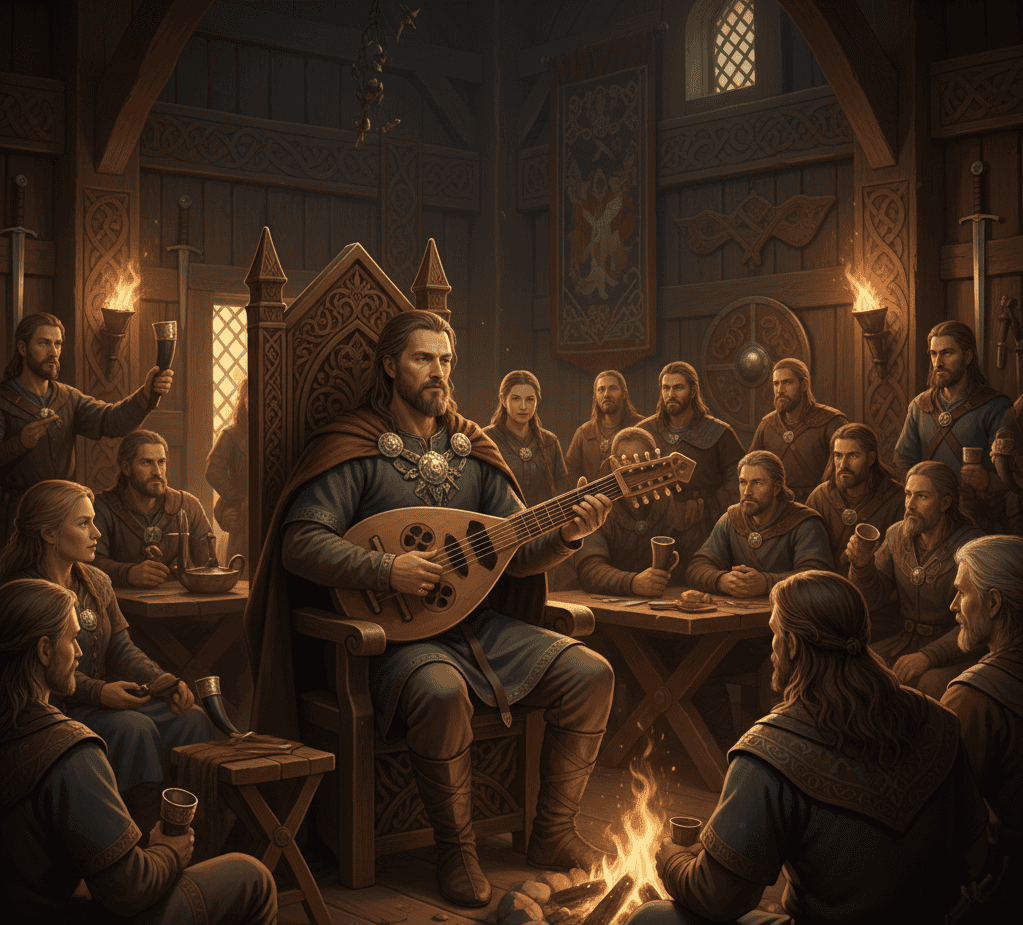
Bragi was the god of poetry, music, and storytelling, and he was known for his wisdom and eloquence.
His name is closely connected with the Old Norse word for poetry, and he was believed to inspire poets and singers.
In a culture that valued oral tradition, storytelling was essential for preserving history, honor, and memory.
Bragi welcomed fallen warriors into Valhalla and entertained them with songs and tales.
His presence shows that creativity and art held an important place in Norse society.
Bragi represents the power of words to inspire courage, preserve culture, and give meaning to both victory and loss.
6. Idunn
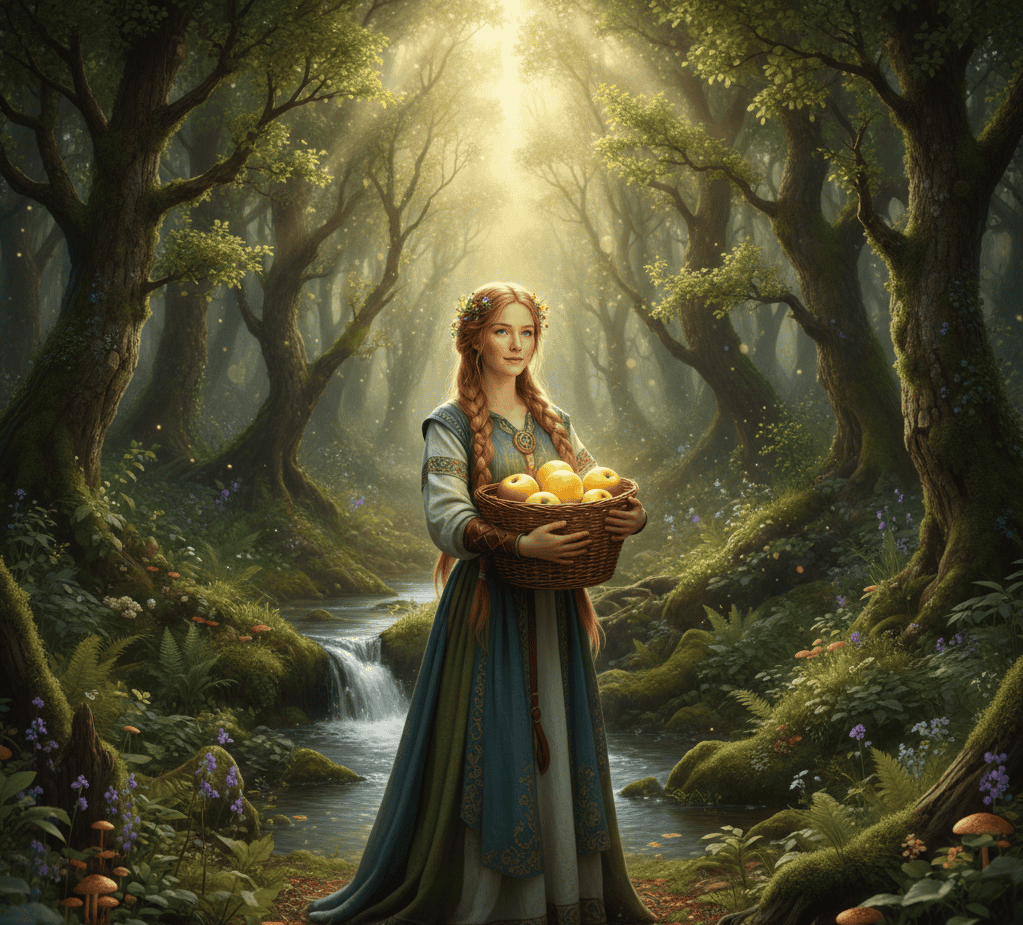
Idunn was the goddess who guarded the magical apples that kept the gods young and strong. Without her and her fruit, the gods would grow old and weak.
One famous myth tells how she was kidnapped by a giant, causing the gods to quickly age until she was rescued.
This story highlights how important her role was to the survival of the divine world. Idunn represents renewal, vitality, and the fragile balance that keeps life strong.
Her presence reminds us that even powerful beings depend on care and renewal, and that youth and strength must be protected and maintained over time.
7. Njord
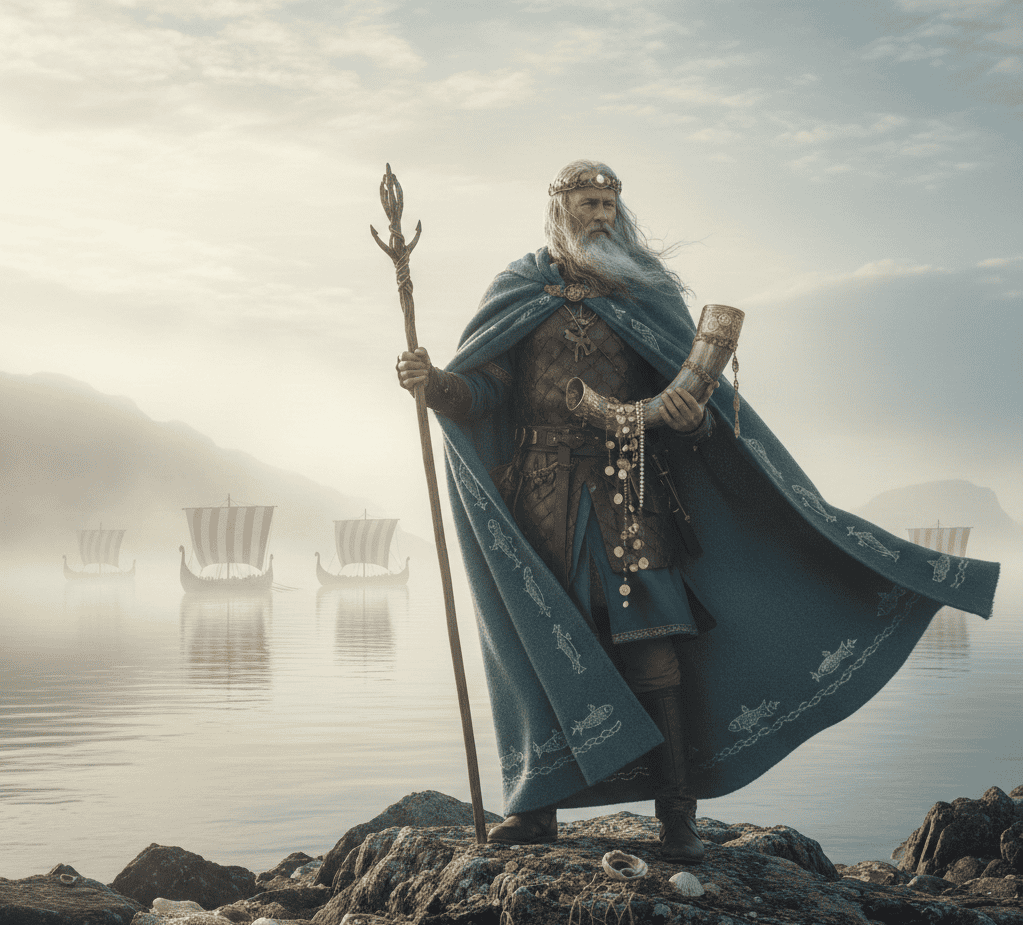
Njord was the god of the sea, winds, and wealth gained through trade and fishing.
He was especially important to sailors, merchants, and coastal communities who depended on safe voyages and good catches.
Njord was associated with calm waters, prosperity, and good fortune. He was also the father of the fertility gods Freyr and Freyja.
Although powerful, his story includes a difficult marriage to the giantess Skadi, showing the challenges of balancing different worlds and lifestyles.
Njord represents the deep connection between Norse people and the sea, as well as the hope for safety, success, and abundance.
8. Skadi
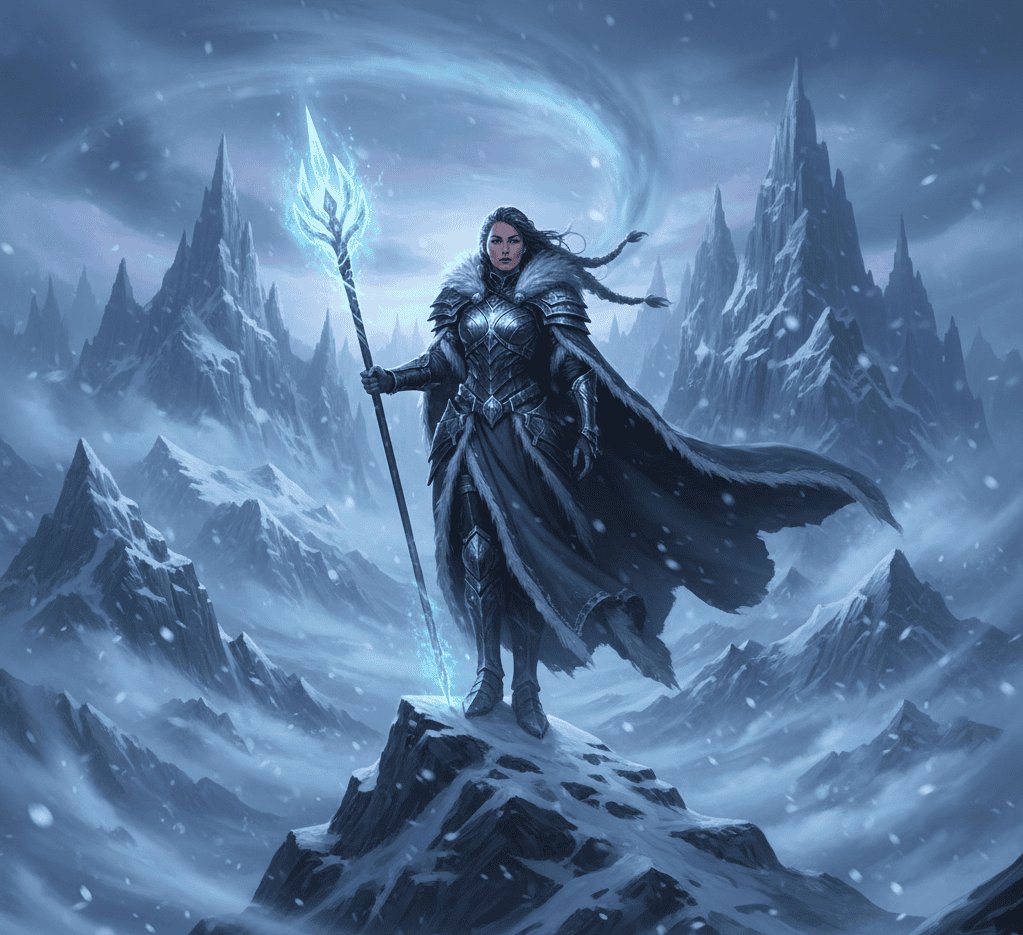
Skadi was a goddess of winter, mountains, and hunting, known for her independence and strength.
She was originally a giantess who joined the gods after seeking justice for her father’s death.
Skadi preferred cold landscapes and snowy wilderness rather than the comfort of the gods’ homes.
Her story reflects the harsh northern environment and the skills needed to survive in it. She represents endurance, self-reliance, and the power of nature.
Skadi’s presence shows that Norse mythology respected strong female figures who could live independently and face difficult conditions with confidence and determination.
9. Hoenir
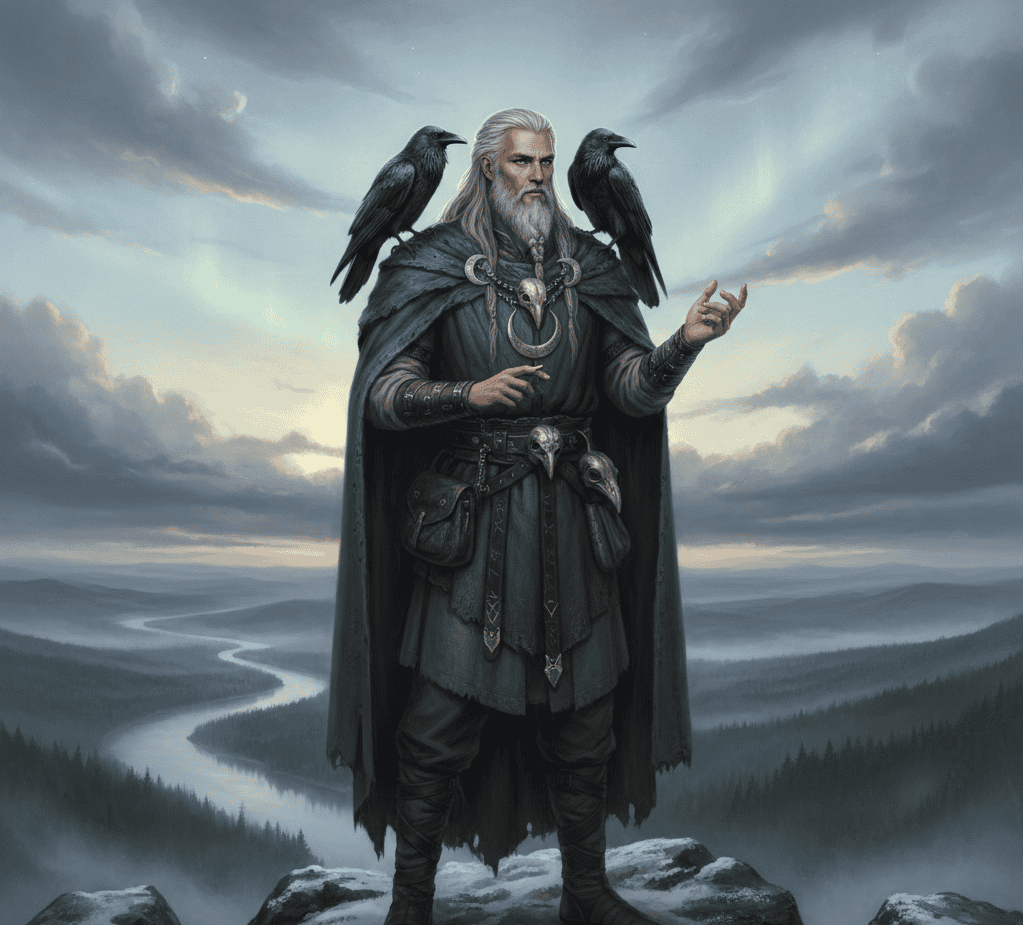
Hoenir was a mysterious god often mentioned alongside Odin and Loki during their travels.
He was associated with wisdom, decision-making, and leadership, although some stories describe him as hesitant when left on his own.
In one myth, he helped create the first humans by giving them understanding and awareness.
Hoenir’s character reflects the idea that wisdom sometimes depends on cooperation and guidance.
His role shows that intelligence and judgment were seen as shared responsibilities rather than individual strengths alone.
Hoenir represents thoughtful leadership and the importance of working together to make wise and balanced decisions.
10. Ullr
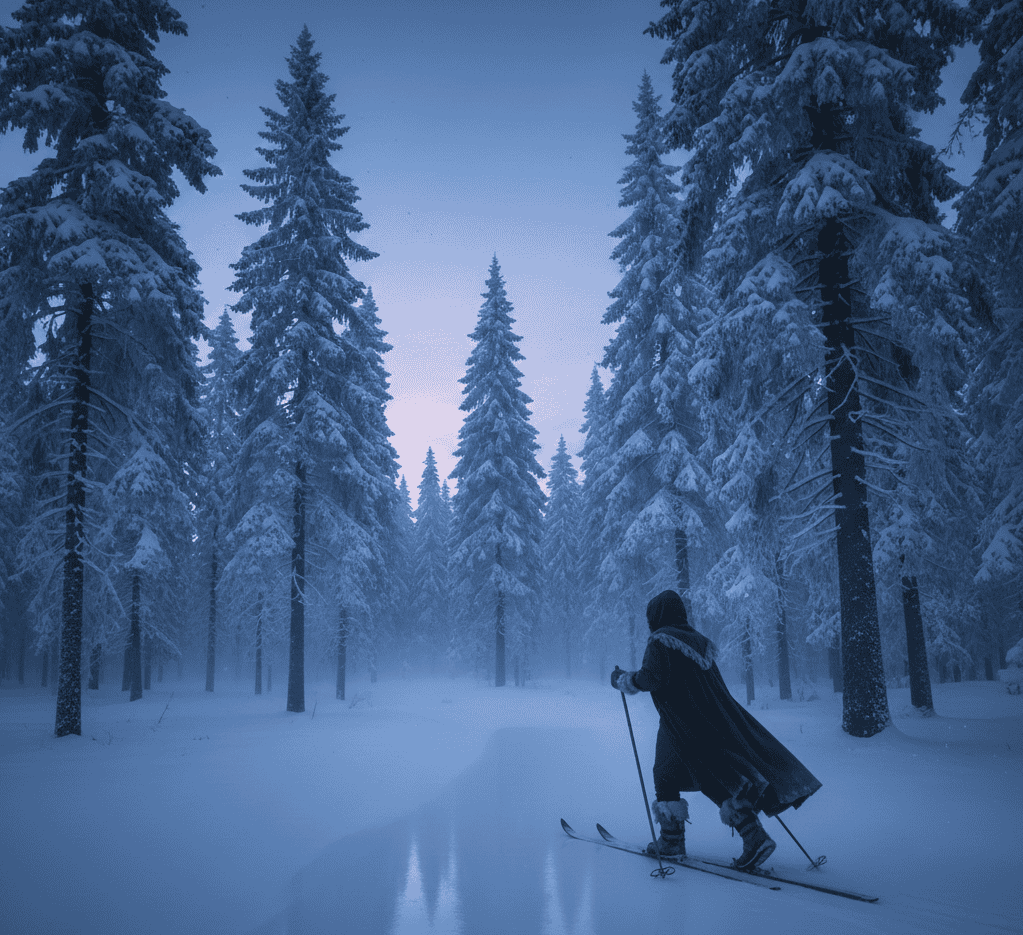
Ullr was the god of archery, skiing, and winter survival, making him especially important in the cold northern regions.
He was known as a skilled hunter and warrior who could move easily across snow and ice. Some evidence suggests that Ullr was once widely worshiped, with places named in his honor.
He was also associated with oaths and honor, meaning people trusted his name when making serious promises.
Ullr represents skill, focus, and the ability to adapt to difficult environments. His story reflects the practical needs of Norse life and the respect given to those who mastered nature through patience and discipline.

Ho sempre sentito una forte connessione con il Divino fin dalla mia nascita. Come autrice e mentore, la mia missione è aiutare gli altri a trovare l'amore, la felicità e la forza interiore nei momenti più bui.