
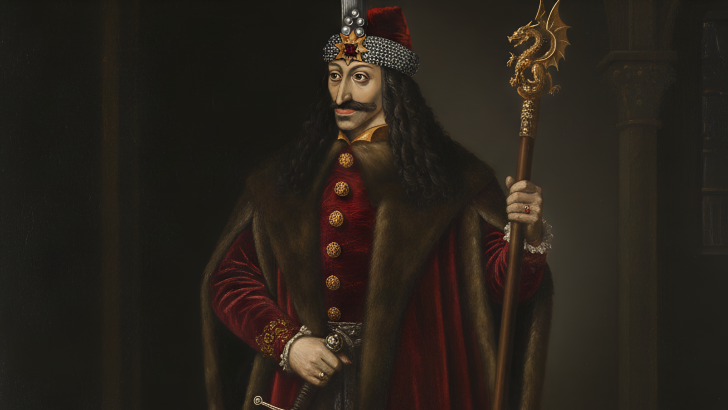
The name Dracula instantly brings to mind dark castles, shadowy legends, and the famous vampire created by Bram Stoker.
But behind the myth stands a very real historical figure, Vlad III of Wallachia, often called Vlad the Impaler.
His story is far more complex than fiction suggests. He belonged to a noble bloodline, was connected to powerful European rulers, and was part of a mysterious chivalric society known as the Order of the Dragon.
His family legacy shaped politics, warfare, and legend across Eastern Europe. Here are ten surprising facts about the real Dracula’s family legacy and their connection to the Dragon Order.
1. Vlad III Was the Son of Vlad II Dracul
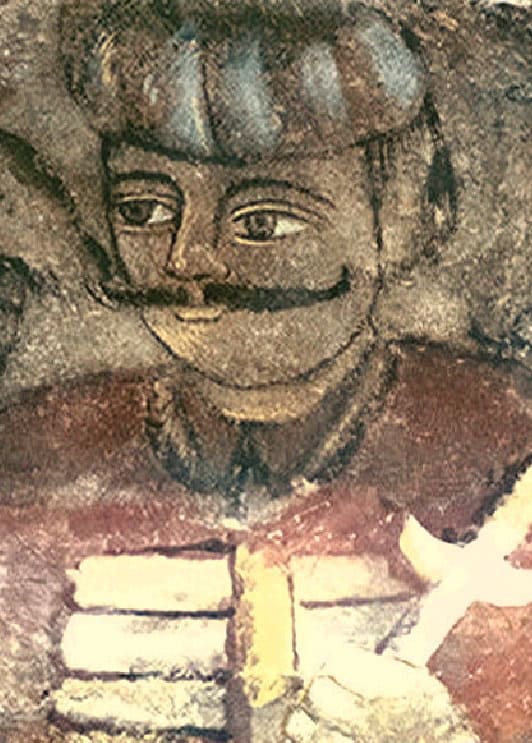
The historical Dracula was Vlad III Dracula, ruler of Wallachia in the 15th century.
His father, Vlad II Dracul, earned the nickname Dracul, meaning Dragon or Devil. The name Dracula actually means Son of Dracul.
This was not originally a dark or demonic title. It reflected his father’s membership in a prestigious knightly order.
The family name became associated with fear because of Vlad III’s brutal punishments, especially impalement.
Over time, the meaning shifted in popular imagination from dragon symbolism to something more sinister. The family legacy began not with horror, but with politics and loyalty.
2. The Order of the Dragon Was a Christian Military Brotherhood
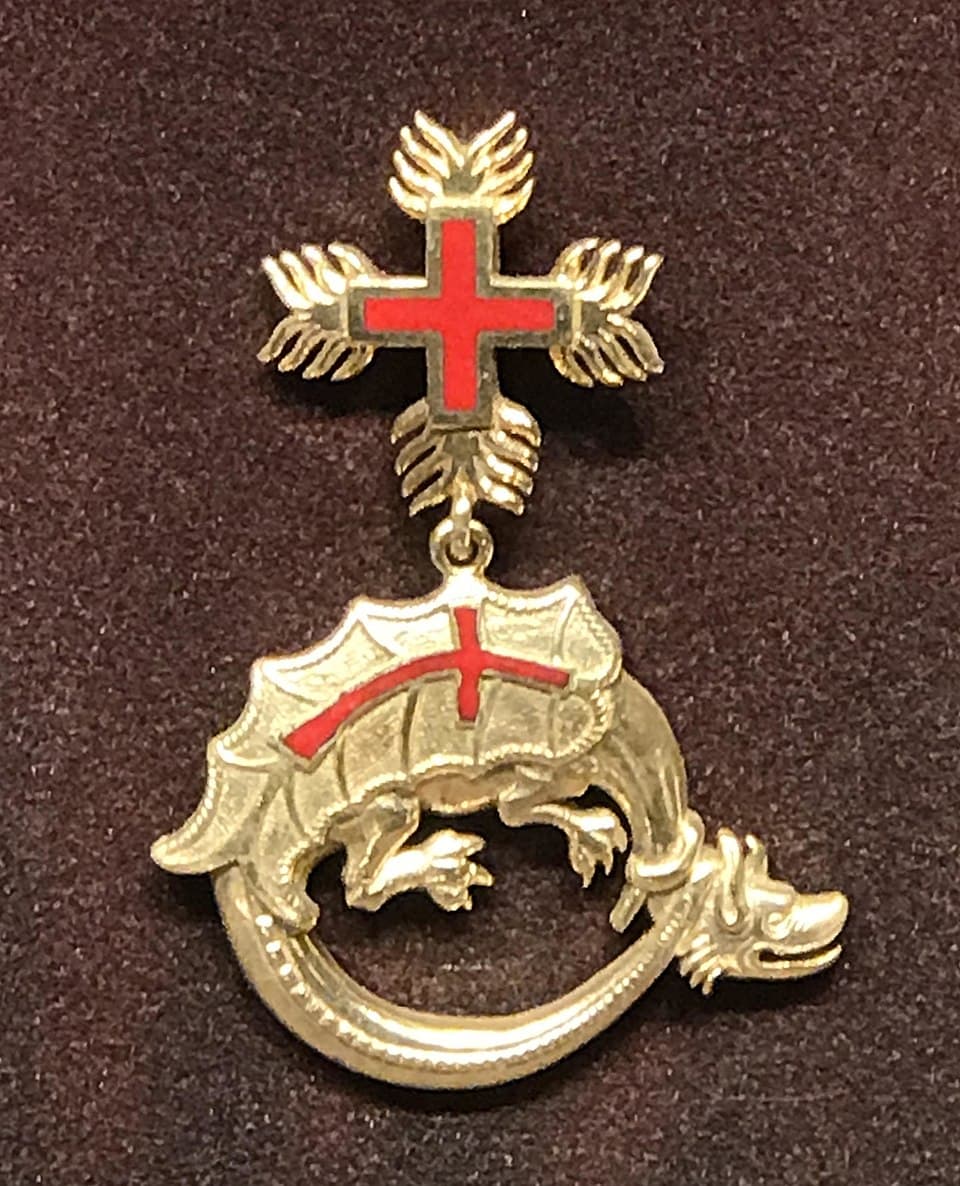
The Order that shaped the Dracula name was the Order of the Dragon, founded in 1408 by Sigismund of Luxembourg.
Its purpose was to defend Christianity in Eastern Europe, especially against the expanding Ottoman Empire.
Members wore a dragon symbol, representing the strength and protection of the faith.
Vlad II Dracul joined this elite circle, which elevated his family’s political status.
The dragon emblem later influenced the Dracula name. Rather than symbolizing evil, it originally stood for loyalty and holy warfare.
This surprising detail shows how later legends transformed a religious symbol into something dark and mysterious.
3. Vlad III Grew Up as a Political Hostage
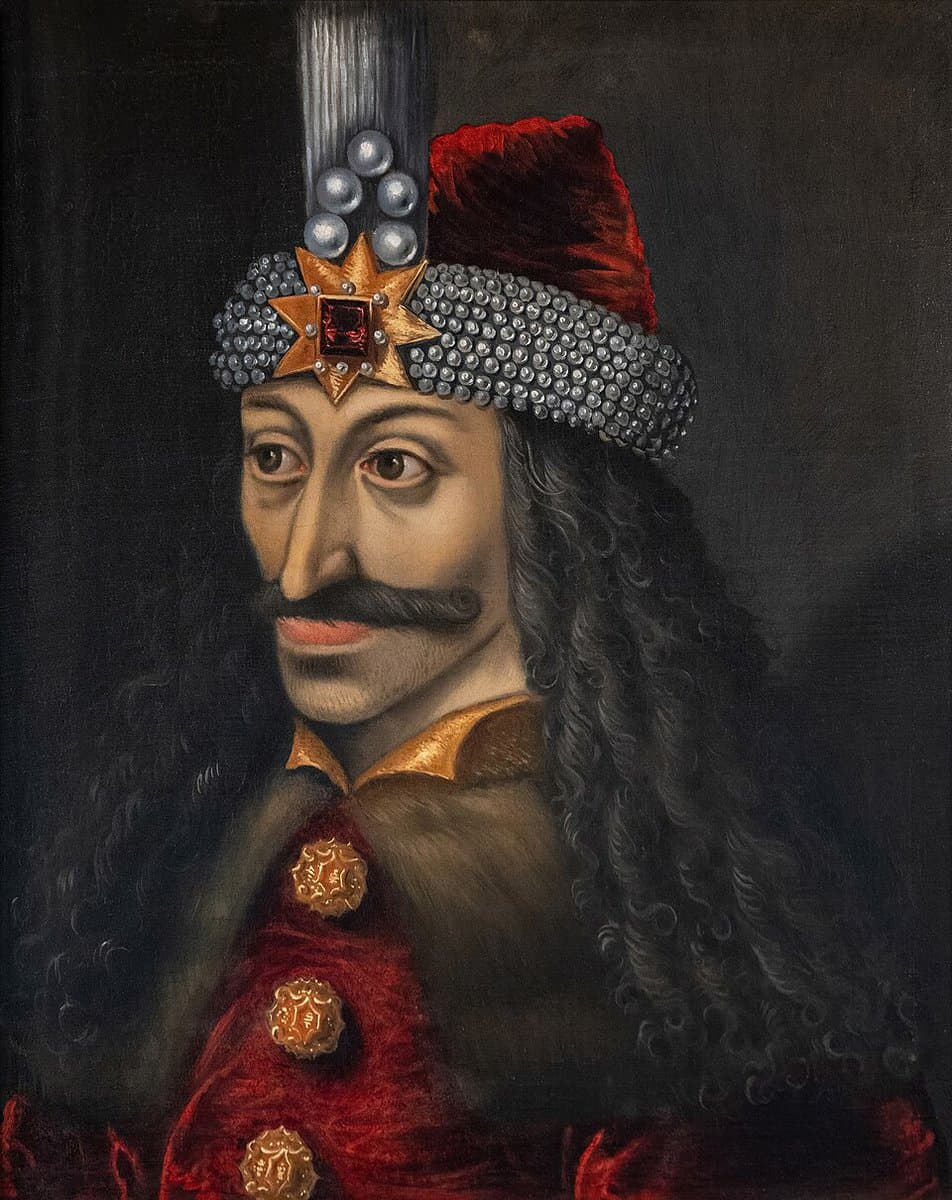
As a child, Vlad III and his brother were sent to the Ottoman court as hostages to secure their father’s loyalty.
They lived under the watch of the Ottoman Sultan for several years. This experience deeply shaped Vlad’s worldview.
Some historians believe it hardened his personality and influenced his later ruthlessness. Being raised among future enemies created a complicated legacy.
His family balanced between powerful empires, trying to survive shifting alliances.
The hostage years were not unusual for noble families at the time, but for Dracula’s lineage, they added tension, betrayal, and trauma to an already volatile political environment.
4. His Family Was Part of a Violent Power Struggle
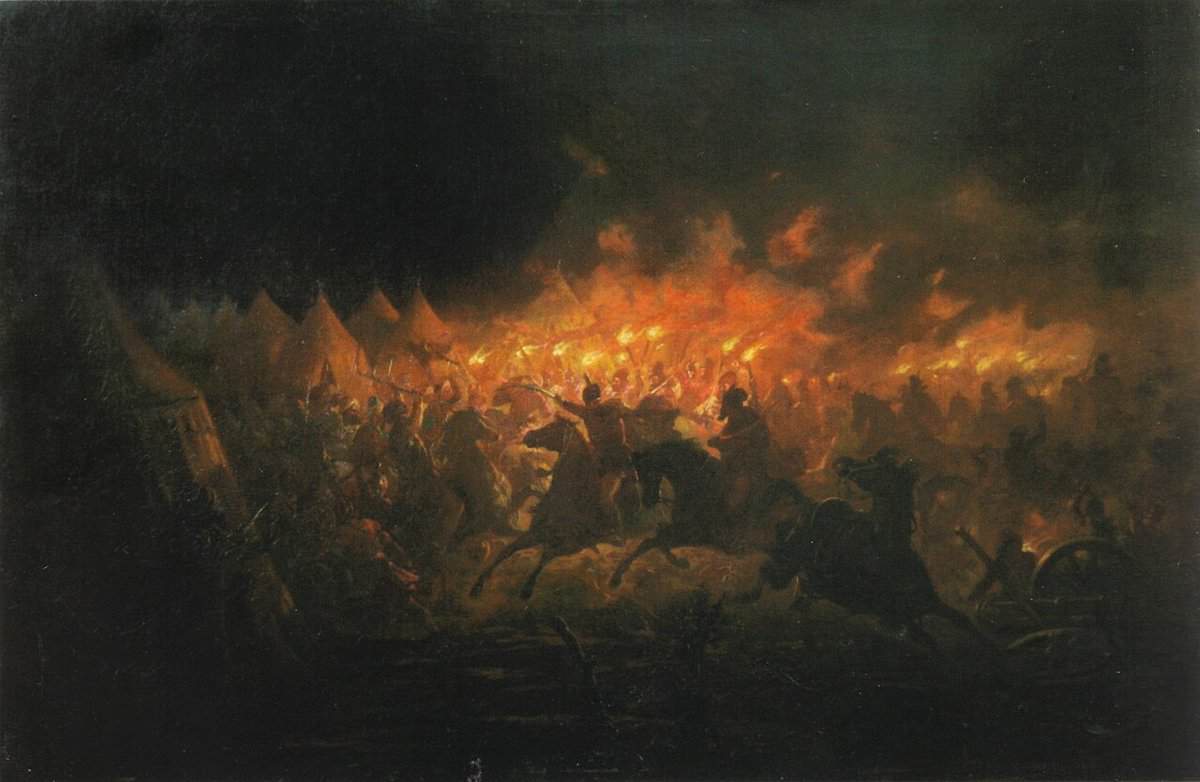
Wallachia was caught between the Kingdom of Hungary and the Ottoman Empire. Vlad III’s family constantly fought to maintain control of their throne.
Assassinations, betrayals, and shifting loyalties were common. Vlad’s father was eventually killed, and his older brother was buried alive by rivals.
These brutal events were part of the region’s political reality. The Dracula legacy grew in an atmosphere of constant danger.
Vlad III’s harsh rule can partly be understood in this context. He ruled through fear to prevent rebellion.
His family story was not just about cruelty, but about survival in a violent medieval landscape.
5. Dracula’s Cousins Ruled Neighboring Lands
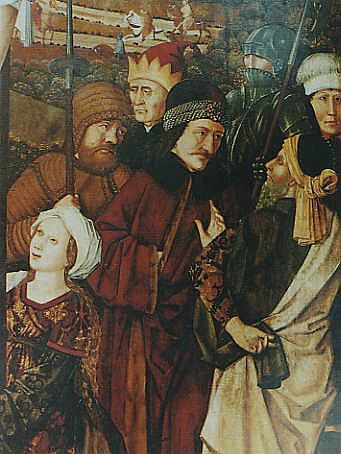
The Dracula family was connected to other noble houses across Eastern Europe. Through marriage alliances, they were tied to powerful families in Hungary and Transylvania.
These connections helped secure military support but also drew the family into larger conflicts.
Their influence extended beyond Wallachia’s borders. The legacy of the Dragon Order strengthened these ties, since many nobles across the region shared membership.
Dracula’s story was never isolated. It was woven into a broader network of dynasties competing for land and power.
This wider family influence helped spread his name across Europe long before vampire legends appeared.
6. The Impaler Reputation Spread Through Political Propaganda
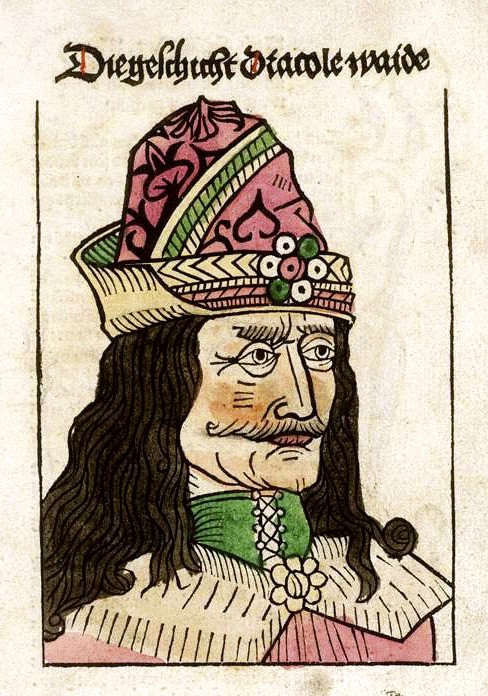
Much of Vlad III’s terrifying reputation came from pamphlets printed in German-speaking regions.
These early publications described gruesome punishments and mass impalements. Some accounts were exaggerated or politically motivated.
Rival merchants and political enemies had reason to damage his image. Printing technology allowed these stories to spread quickly across Europe.
The Dracula family name became associated with extreme cruelty. Whether fully accurate or partly exaggerated, these reports shaped his historical image.
The legacy of fear surrounding Dracula owes as much to early media as to documented events.
7. His Burial Place Remains a Mystery
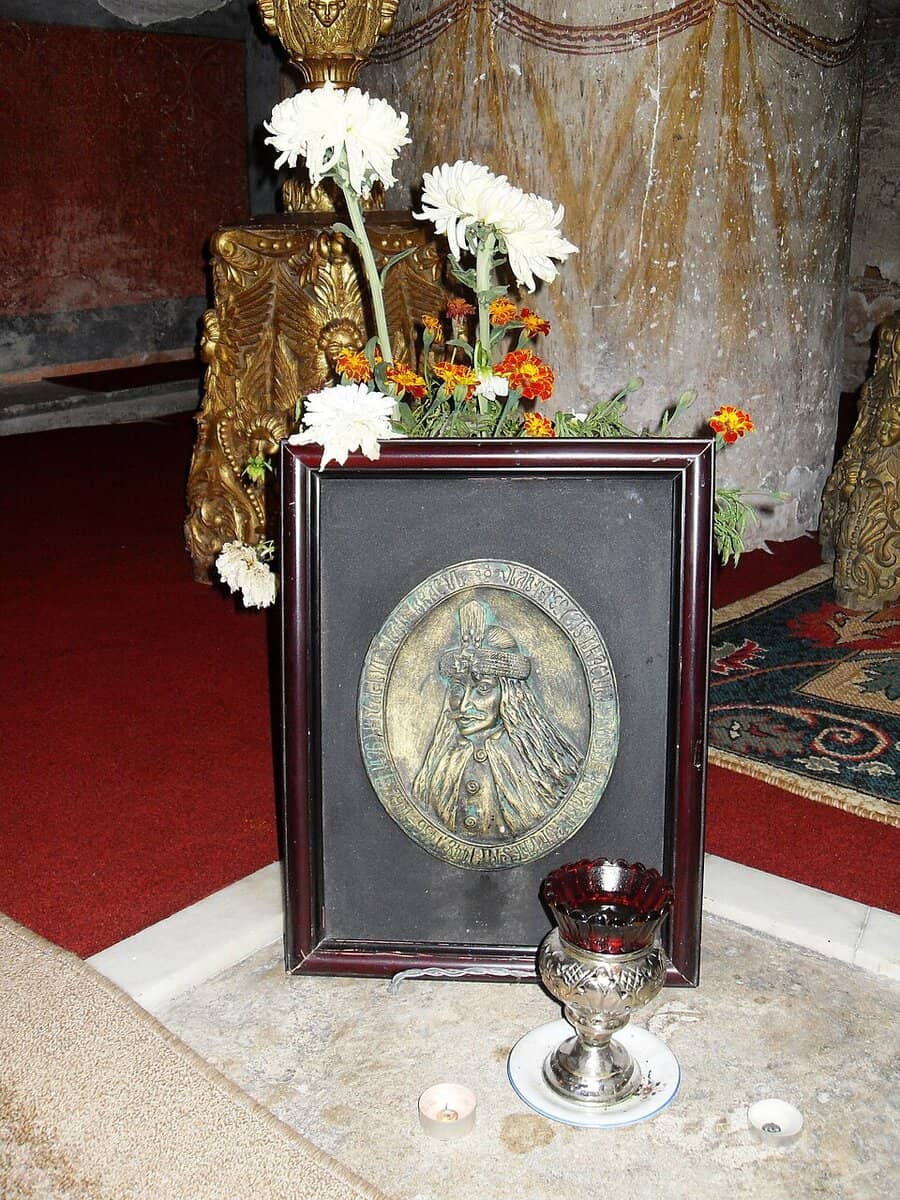
The exact burial site of Vlad III is still debated. Some believe he was buried at Snagov Monastery, while others argue for different locations.
Archaeological investigations have produced conflicting evidence. This uncertainty adds another layer to the Dracula legend.
A missing grave fuels speculation and myth. The absence of clear remains makes it easier for stories of survival or transformation to flourish.
For his family legacy, this mystery keeps the historical figure suspended between fact and folklore.
8. Bram Stoker Revived the Family Name
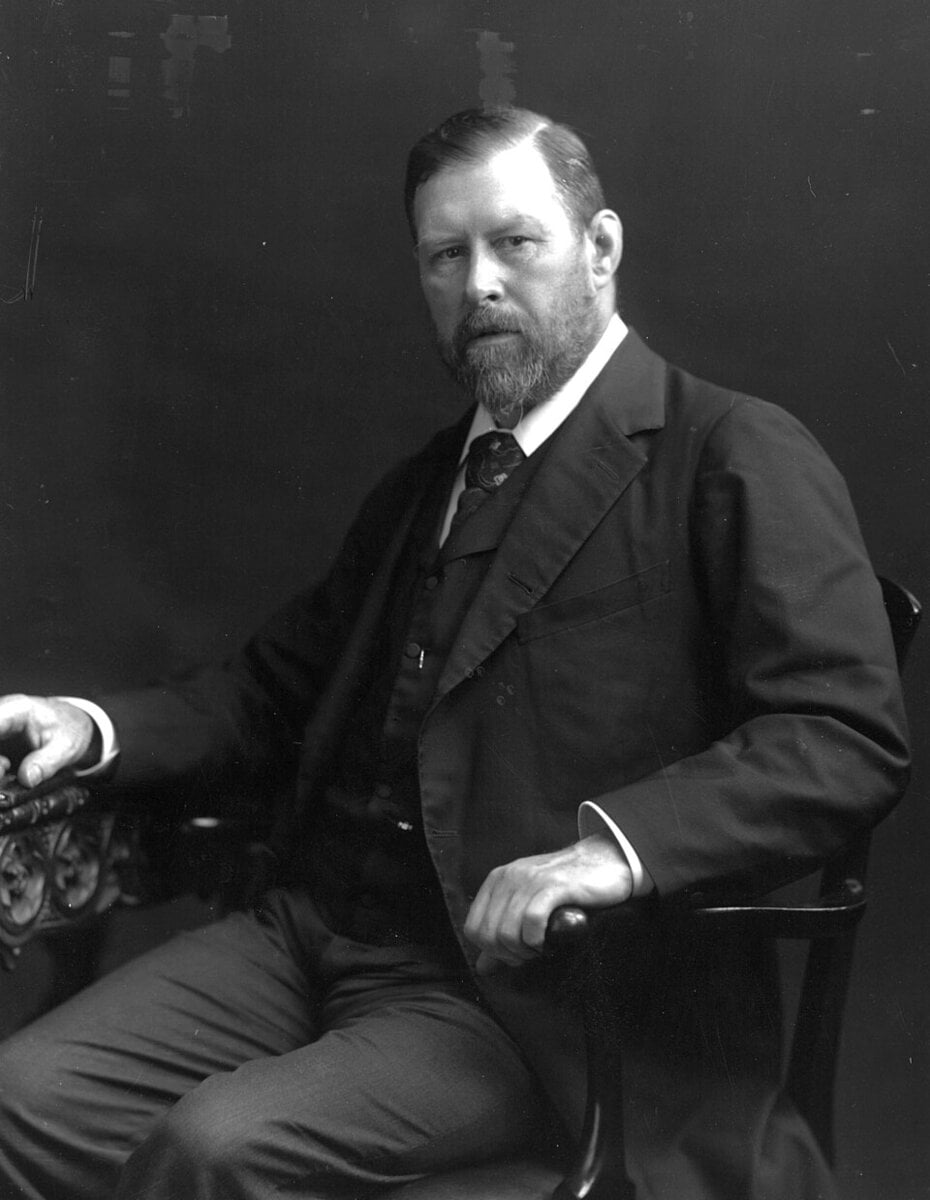
Centuries later, Irish author Bram Stoker borrowed the Dracula name for his 1897 novel, Dracula.
Stoker likely encountered the name in historical research and was intrigued by its meaning.
However, his fictional vampire Count shares only a limited connection with the real Vlad III. The novel transformed a regional ruler into a global symbol of horror.
Through literature, the Dracula family legacy moved from medieval politics into popular culture. The dragon of a knightly order became the bat of a Gothic legend.
9. The Dragon Symbol Still Represents Heritage
In Romania today, Vlad III is often viewed as a national figure who defended his land against invasion.
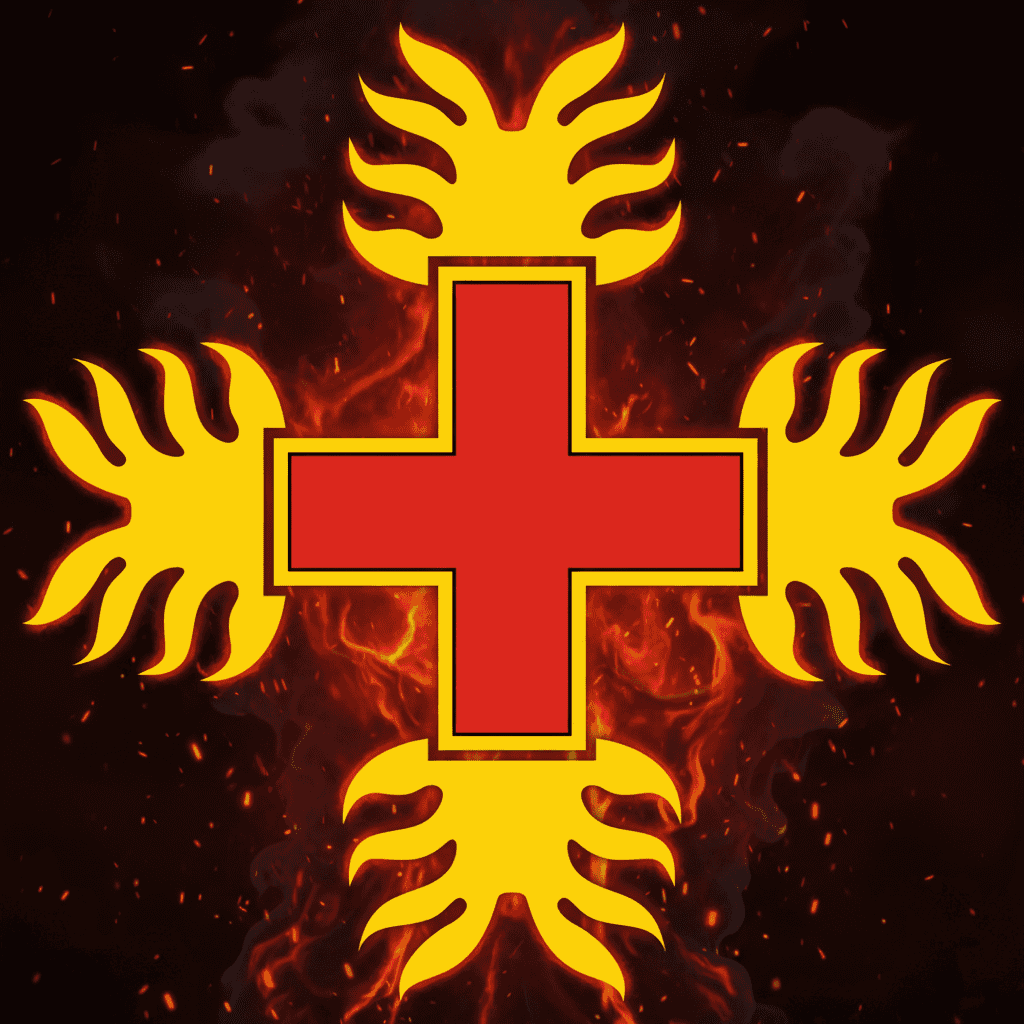
The dragon symbol linked to his father is part of that historical memory. Rather than focusing only on cruelty, some view the family as protectors of sovereignty.
The Order of the Dragon’s emblem remains a reminder of medieval alliances and religious conflict.
The legacy is complex, balancing heroism and brutality. This dual image keeps the story of Dracula’s lineage alive in cultural discussions and historical studies.
10. Dracula’s Legacy Blends History and Myth
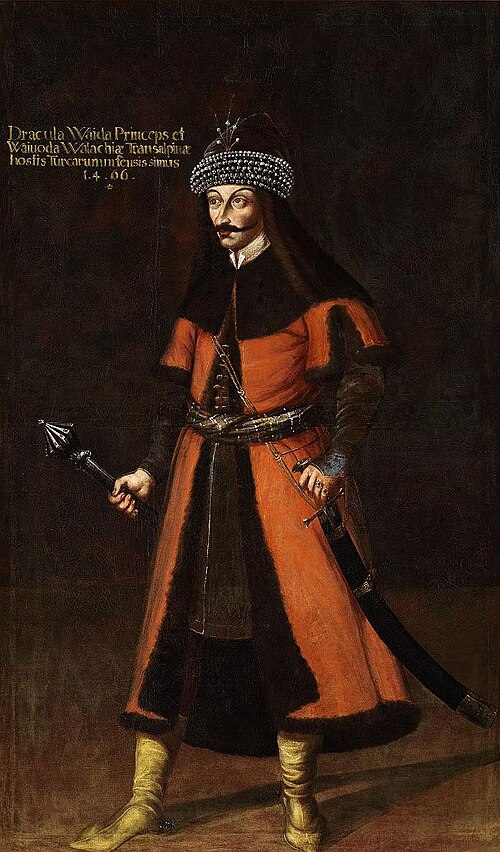
The real Dracula’s family legacy cannot be separated from myth. The Dragon Order gave the family its powerful name.
Political struggles shaped their violent reputation. Early propaganda amplified fear. Later fiction immortalized it.
Today, the story of Vlad III and his father stands at the crossroads of documented history and imaginative legend.
The dragon that once symbolized faith and loyalty evolved into a global symbol of darkness.
This surprising transformation ensures that the Dracula family name remains one of the most enduring and fascinating legacies in European history.

Ho sempre sentito una forte connessione con il Divino fin dalla mia nascita. Come autrice e mentore, la mia missione è aiutare gli altri a trovare l'amore, la felicità e la forza interiore nei momenti più bui.