

The idea that marriage guarantees stability has been stale for a while now.
More and more couples are choosing to stay independent, even when they have children, and divorce is seen as a better alternative to a bad marriage.
Being a single mother has stopped being something society frowns at.
But what about those women who are married yet still carry the weight of being caregivers and providers all on their own?
They’re creatively called “married single mothers,” and their struggles reflect a glaring issue in our society – a terrible imbalance in partners’ responsibilities.
1. What Is a Married Single Mother?

In the 21st century, we have the luxury of marrying for reasons other than stability, like love and companionship.
But despite being married, many women find themselves shouldering the entire load of childcare and house chores, while also having to be financially responsible.
This creates a sad paradox: they technically have a partner, but they live as single mothers.
The reasons vary; husbands might be emotionally and physically absent, or simply refuse to share the load.
Women’s roles have grown in the past century, and they now entail education, career, motherhood, self-improvement, housework, care for relatives…
However, it seems like most men continue to stick to their one traditional role of a financial provider.
The scales are far from balanced.
2. The Hidden Struggles

For married single mothers, everyday life is a constant struggle. Juggling lavoro, house chores, partnership, e parenting leaves no room for self-care.
They often sacrifice their own health just to keep everything afloat.
Add to it the weight of unfairness they’re forced to swallow by having a partner who gets to come home from work and take the rest of the day off.
This breeds shame and resentment.
It’s a dynamic that ruins connection and intimacy within a marriage. Not to mention, society still expects women to do it all without complaining, which adds another level of pressure.
The emotional toll can lead some women to despair.
Society rarely acknowledges the radical change that needs to happen when it comes to gender roles, refusing to see how draining this balancing act truly is.
3. When Marriage Lacks Partnership

It’s revealing how many women are functioning as single parents, even though they’re married.
They’re the ones waking up early, managing schedules, going to work, cooking, cleaning, and disciplining the kids.
Meanwhile, their husbands might be at home, but not present.
This creates a sense of loneliness and resentment.
These women’s struggles are often dismissed by saying they should just ask their husbands for help, but that’s not partnership; that’s more managing.
An equal partner shouldn’t be asked to pick up their share of work. They ought to prestare attenzione and simply do their part.
When one person is carrying the entire family on their shoulders, then they only have a spouse on paper.
This pattern is way too common, and it creates a dynamic that’s unsustainable and unfair.
At this rate, divorce rates shouldn’t even come as a surprise.
4. Expectations and Gender Roles
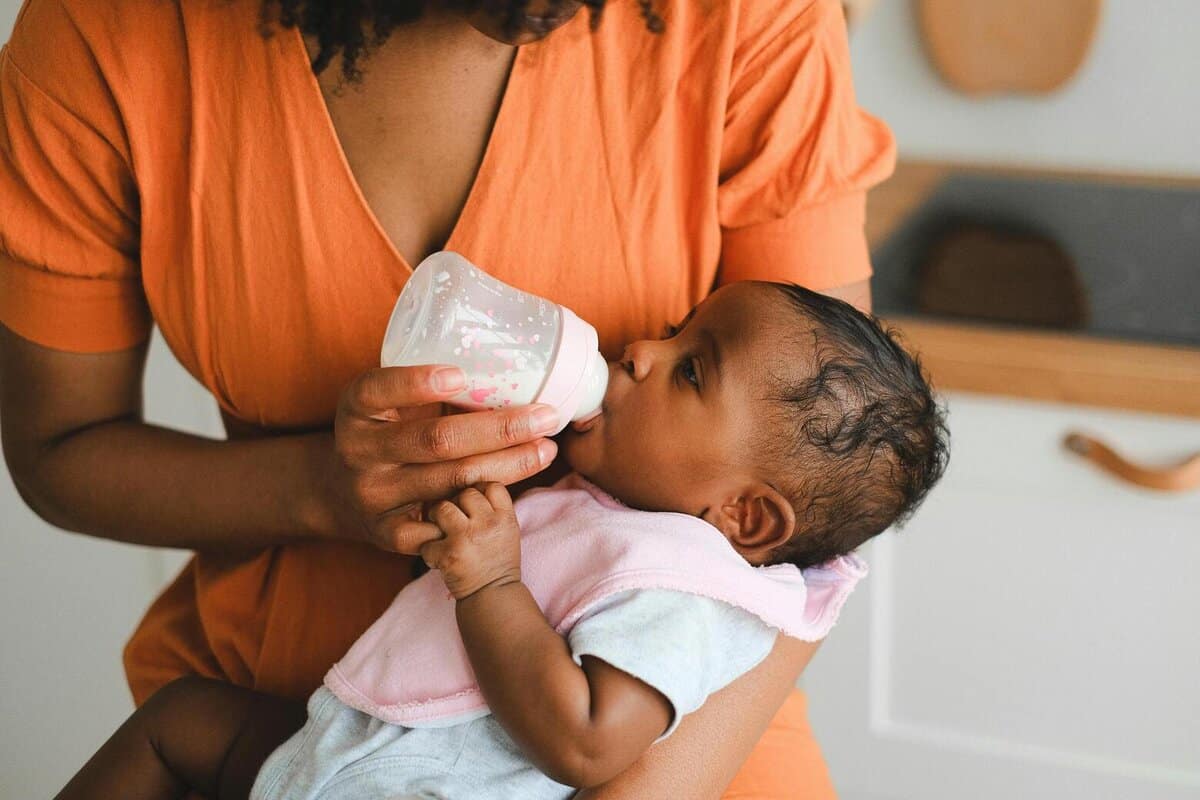
Women’s political position in society has improved, but in the domestic sphere, it seems to have gotten worse.
Women still do nearly all the chores and care for the family members, but they’re also expected to go to work and provide financially as well.
As a matter of fact, housewives are typically described as sitting at home and not working – as though housework doesn’t take up as much time as a shift at a job.
Men are rarely expected to actively participate in domestic life, which reinforces the cycle of women doing it all.
Shared responsibility is still a relatively new idea, and it’s still an exception and not a rule among married couples.
Gender roles should accommodate real life and real partnerships instead of being stuck in the last century.
5. A Change in Men’s Roles
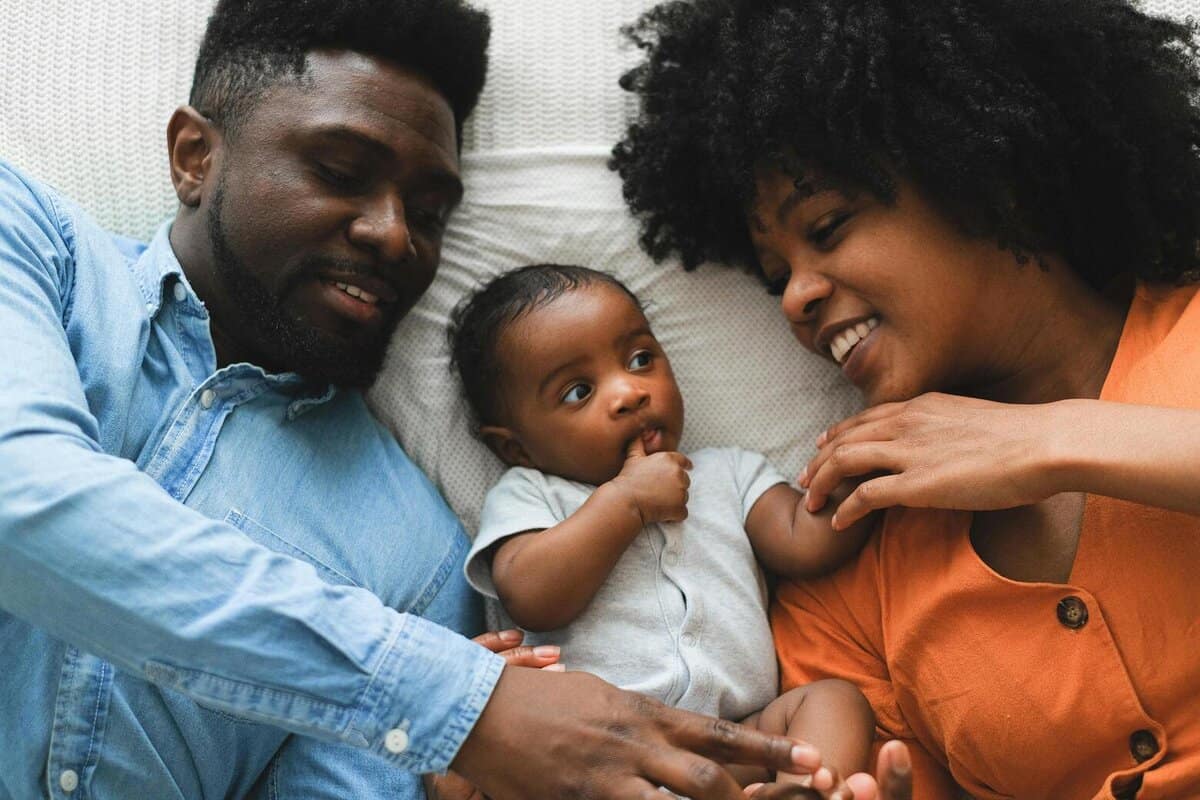
Thankfully, things are slowly changing. More young men sono stepping up, taking active roles in parenting and chores.
This is vital because it eases the burden on women and improves marriages.
Besides, an involved father creates a healthier environment for children.
This invites a more balanced view of masculinity, as it challenges the stereotype of men being providers. The economy has changed decades ago – everyone’s a provider now!
Though any cultural change comes slowly, young couples make us all hopeful. Many young men treat their wives as true partners and their homes as their spaces.
They don’t expect to be catered to, but they actively take part in domestic life. This is the only way to prevent women from turning into married single mothers.
6. The Cost of Unhealthy Dynamics

Many married women who live as single mothers eventually decide to divorce.
The emotional toll and constant stress can only be endured for so long. They realize that, since they must do everything alone, they might as well essere solo.
Women are tired of being invisible caregivers, especially since most women have careers that also demand a lot of their energy.
This situation creates resentful, unhappy individuals who see their passive partner as just another onere.
Addressing these issues requires honest discussion about gender roles and our expectations for each other.
Marriage has to be based on partnership, or divorce rates will continue to climb.
7. What Society Can Do

To fix this imbalance, society needs to start valuing the work women do at home and in relationships.
House chores take up hours, as does daily cooking, and child care. However, emotional labor is also draining, although people continue to dismiss it.
Being the only one who has to plan the family life, track appointments, manage others’ feelings, and be asked for everything can drive one mad.
Single mothers struggle with this on a daily basis, and married single mothers even have to deal with their partners’ expectations on top of that.
Proper education and teaching the importance of lavoro di squadra from an early age is crucial.
Men providing financially and women providing domestically worked at some point in time; that point was a long time ago. We need to move on.

A little Aquarius, devoted to writing and embroidery. Through my writing, I hope to empower readers to align with their true selves and navigate life’s mysteries with confidence.