

A home reflects a person’s lifestyle, thoughts, and habits. Your home doesn’t need to be expensive or perfect to be interesting. The key ingredients are character, variety, and evidence of life.
If a room appears too uniform or void of personality, it may indicate that something is routine-driven without having an element of creativity or spontaneity.
If it is not eliminated, it may be indicative of a condition where there has not been much change or interest from the occupant. There are many small indicators throughout the house that can provide insight into daily routines.
Although these are often very faint indicators, they can imply a monotonous and limiting lifestyle.
1. Completely Empty Walls
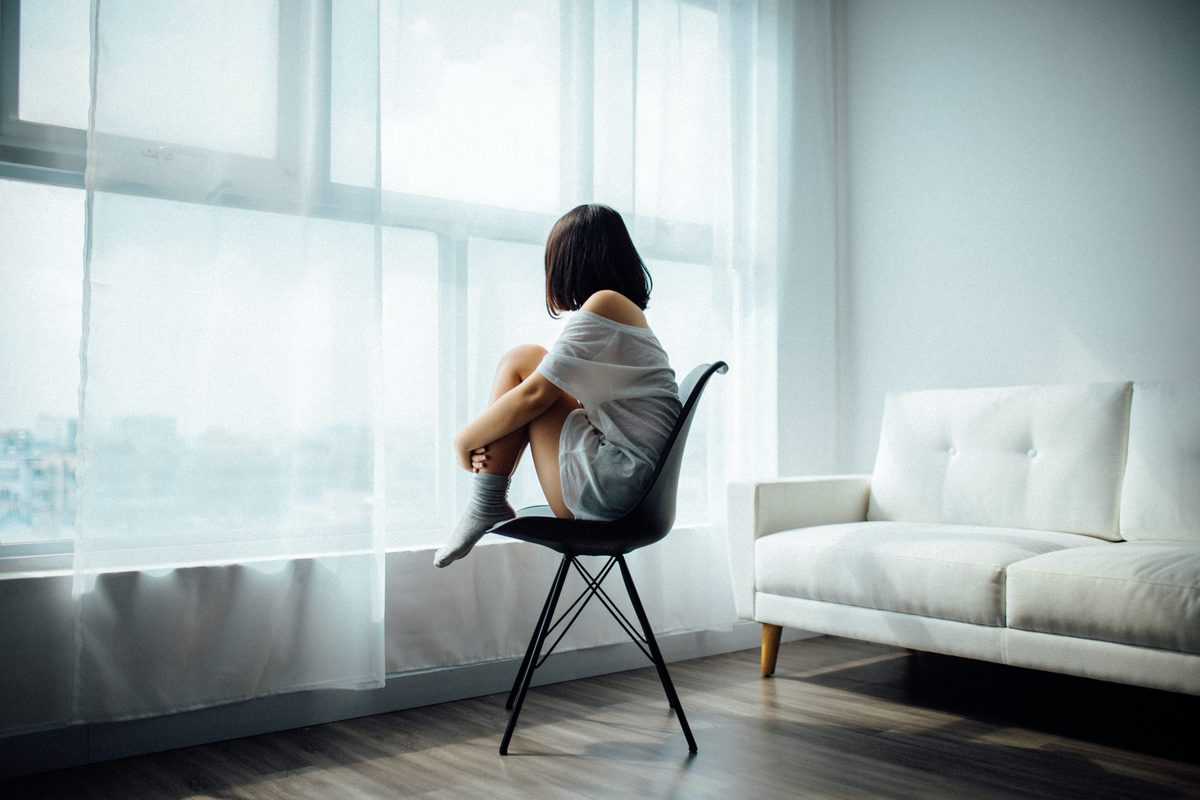
Naked walls often leave a space non ispirato, creating an impression that it is incomplete and that someone has not invested their time into showing their interests or personality through art, photos, or even small decorative elements.
Then, when those items are absent from your walls, your house may seem bland and forgettable. You do not need to spend a lot of money on these items to enhance your walls.
Many simple, everyday things or knick-knacks will also provide some individuality to the space. By putting your own touch on the space, the house will be more lively and connected to those who live in it.
2. Only Basic Furniture
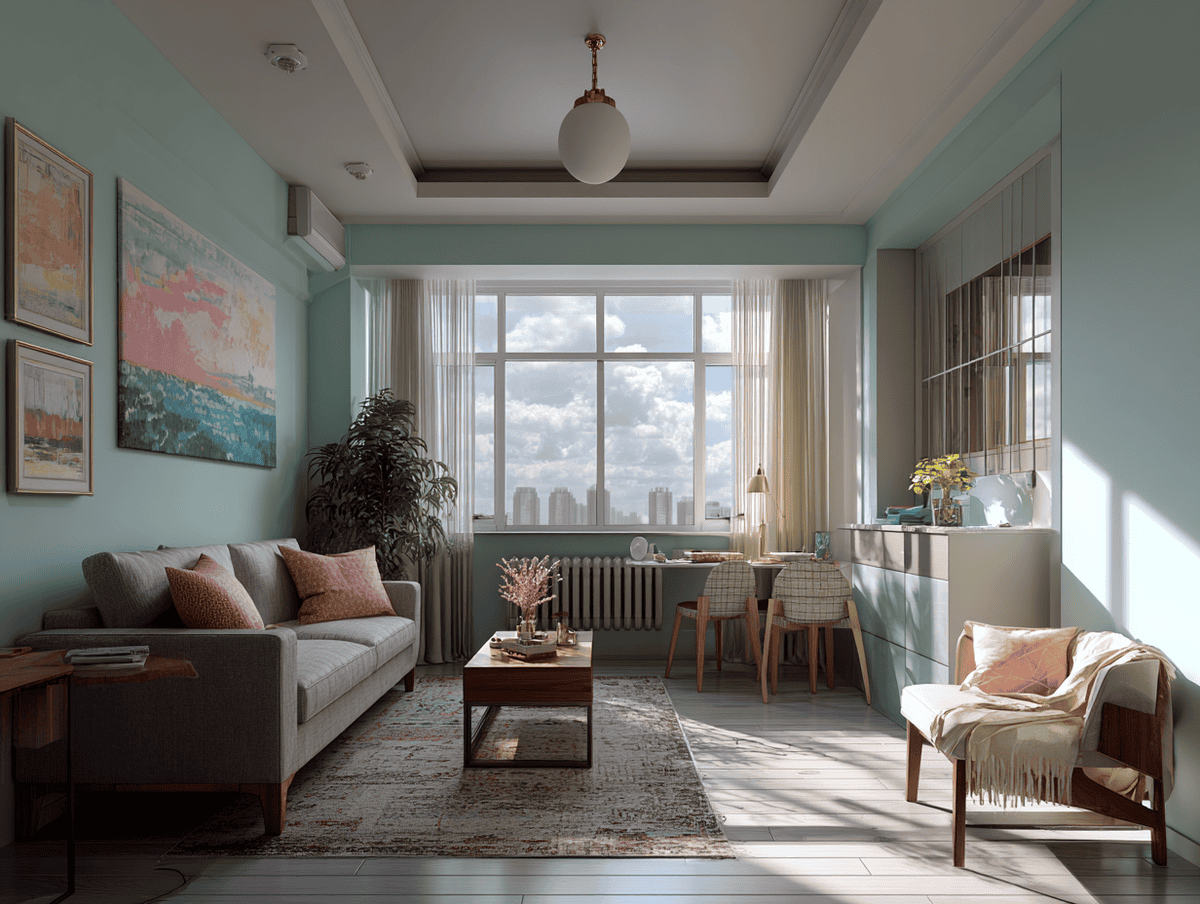
Essentially furnished homes can undoubtedly be cozy; however, sometimes the furnishings do not create an inviting environment.
This is not necessarily bad for the purpose of providing a functional home, but it can show that the owner (or family) is uninterested in making the space comfortable (or aesthetically pleasing).
Therefore, how a piece of furniture is styled or arranged will communicate to others what the owner enjoys about their lifestyle.
3. No Books Or Reading Material
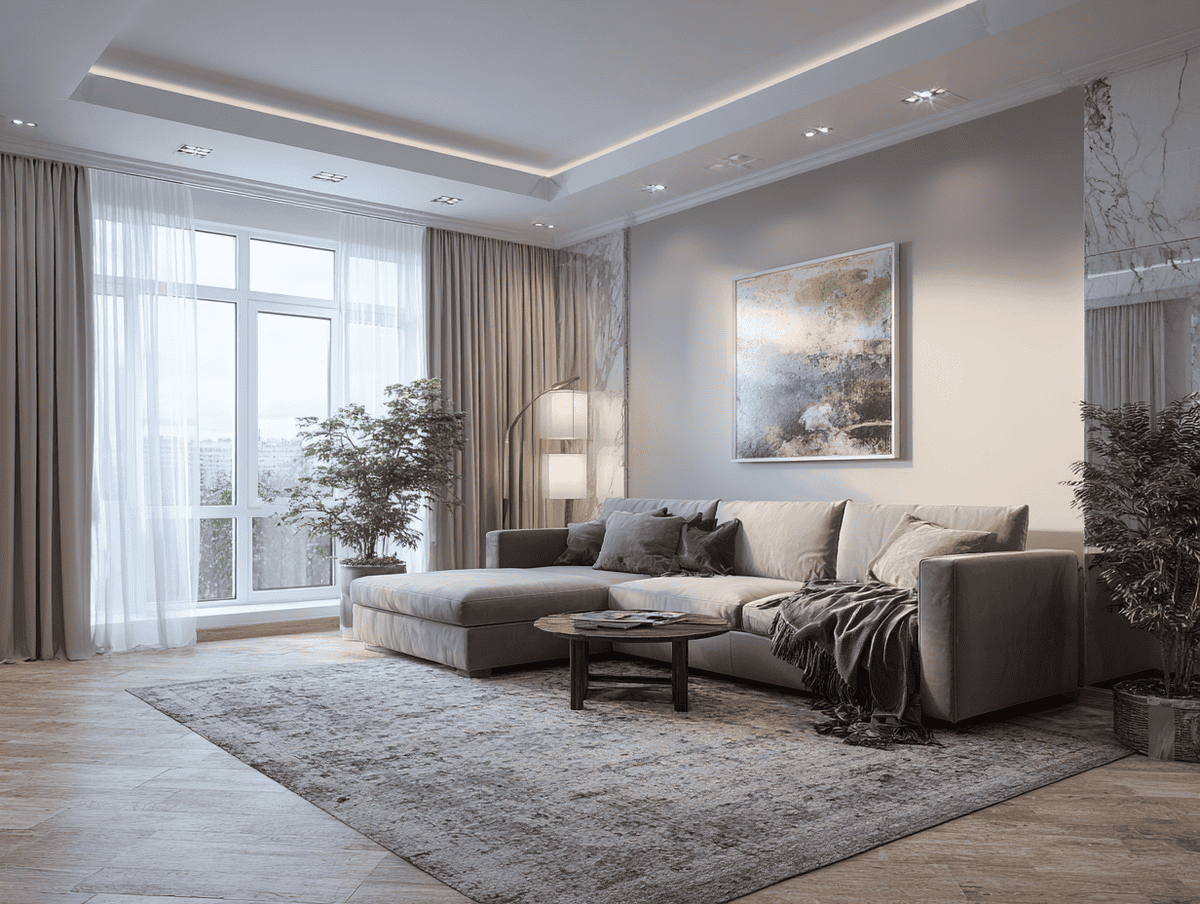
Books show curiosity, teach new ideas, and provide personal growth. Books don’t have to be put on display; even a few books indicate that a person enjoys learning.
Without books in your possession, your house will feel more stagnant. Not everyone has to like reading. However, if there is no form of intellectual stimulation in the home, it may indicate a limited/stagnant way of living.
Roughly speaking, having books within your home adds depth to the space and indicates value for knowledge/exploration of the world around you.
4. Identical Decorations Everywhere
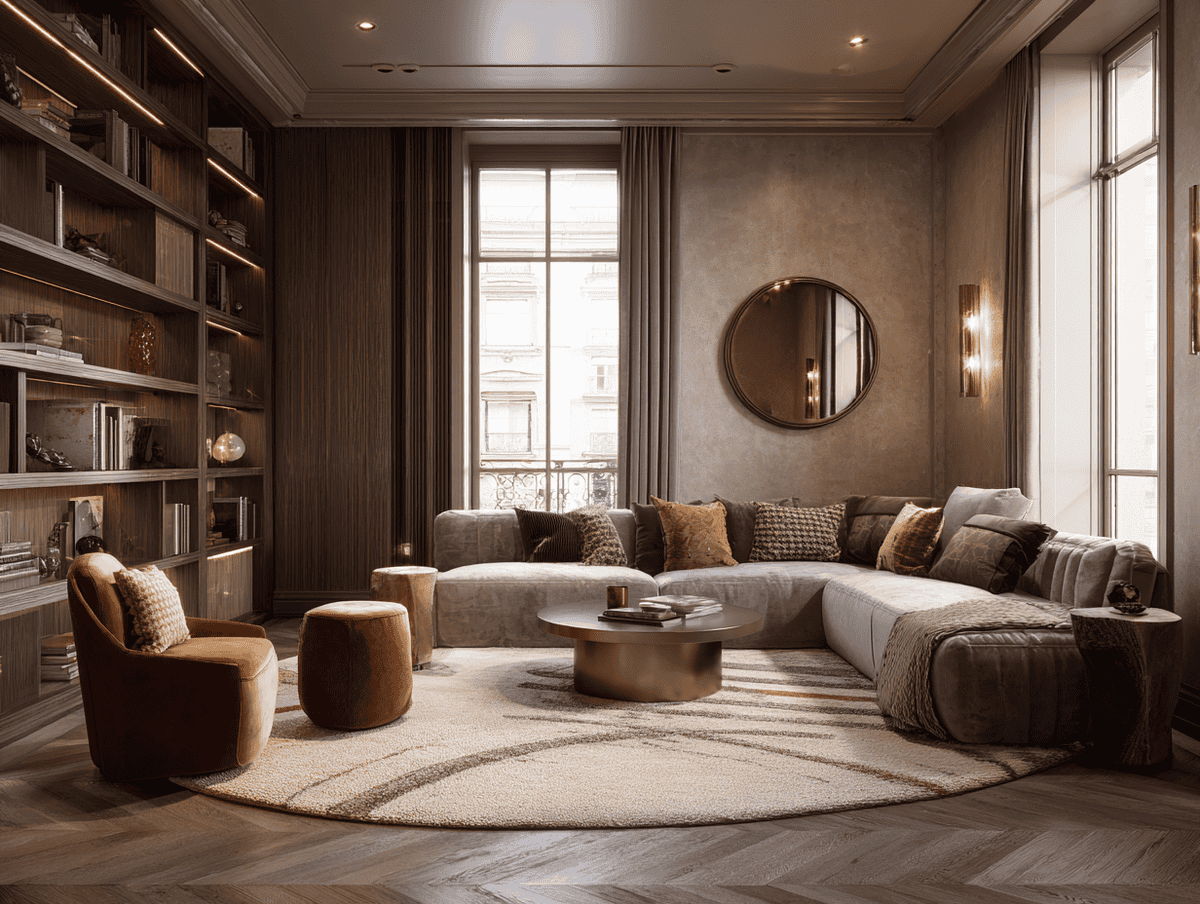
Applying the same style or color of decoration to all spaces can create a repetitive look throughout your home.
While it is important to maintain a consistent look in terms of decoration, too much consistency will remove character from your home. Having a variety of elements will provide more interest and reflect a more flexible way of thinking.
If you have a space that has everything perfectly matched, it creates a staged appearance instead of a homely look.
5. No Personal Photos
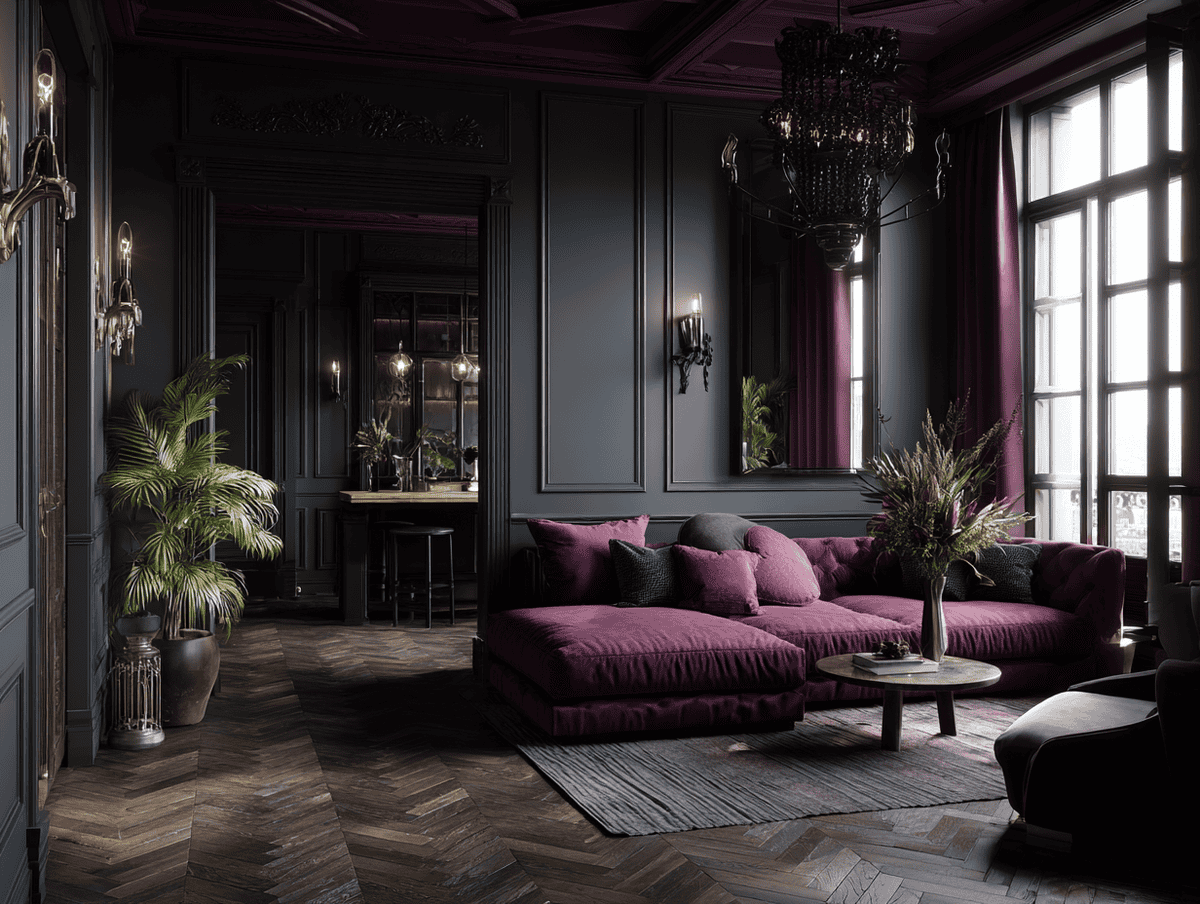
A home missing personal pictures can seem very cold.
Pictures tell stories and capture significant moments; without them, there is often no significant emotional connection with the physical arrangement; thus, it implies there are no reflections of your personal history within that space.
You do not need to have numerous personal pictures to create a warm feel; a few will be sufficient to provide reminders of relationships and experiences to others who visit your house.
6. Everything Looks Unused
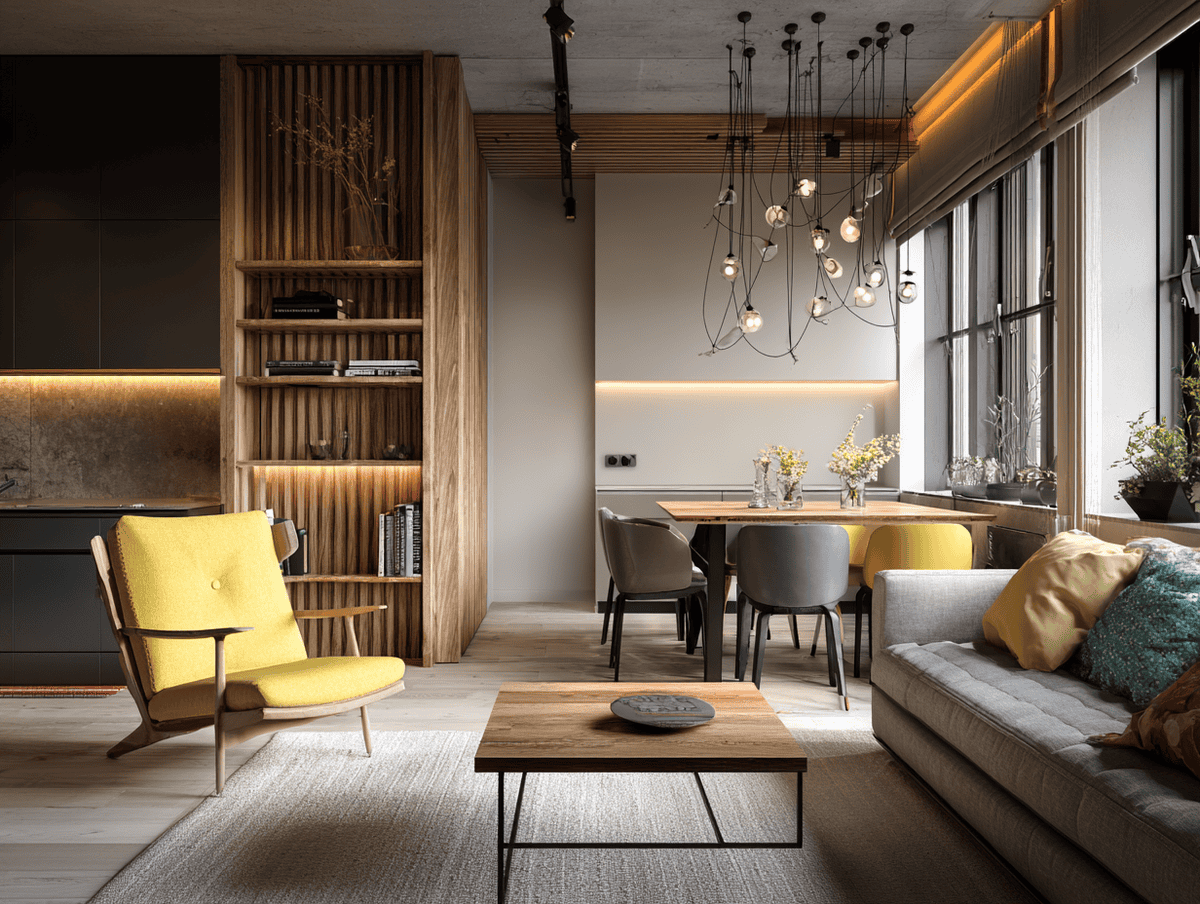
A place where everything is pristine can give off a lack of liveliness or activity because it feels like none of the objects are being utilized or interacted with.
Home is about daily life and should reflect that through small signs, such as worn or moved items.
If everything is in perfect condition, it creates an image of a routine that is fairly similar every day.
7. No Hobbies Visible
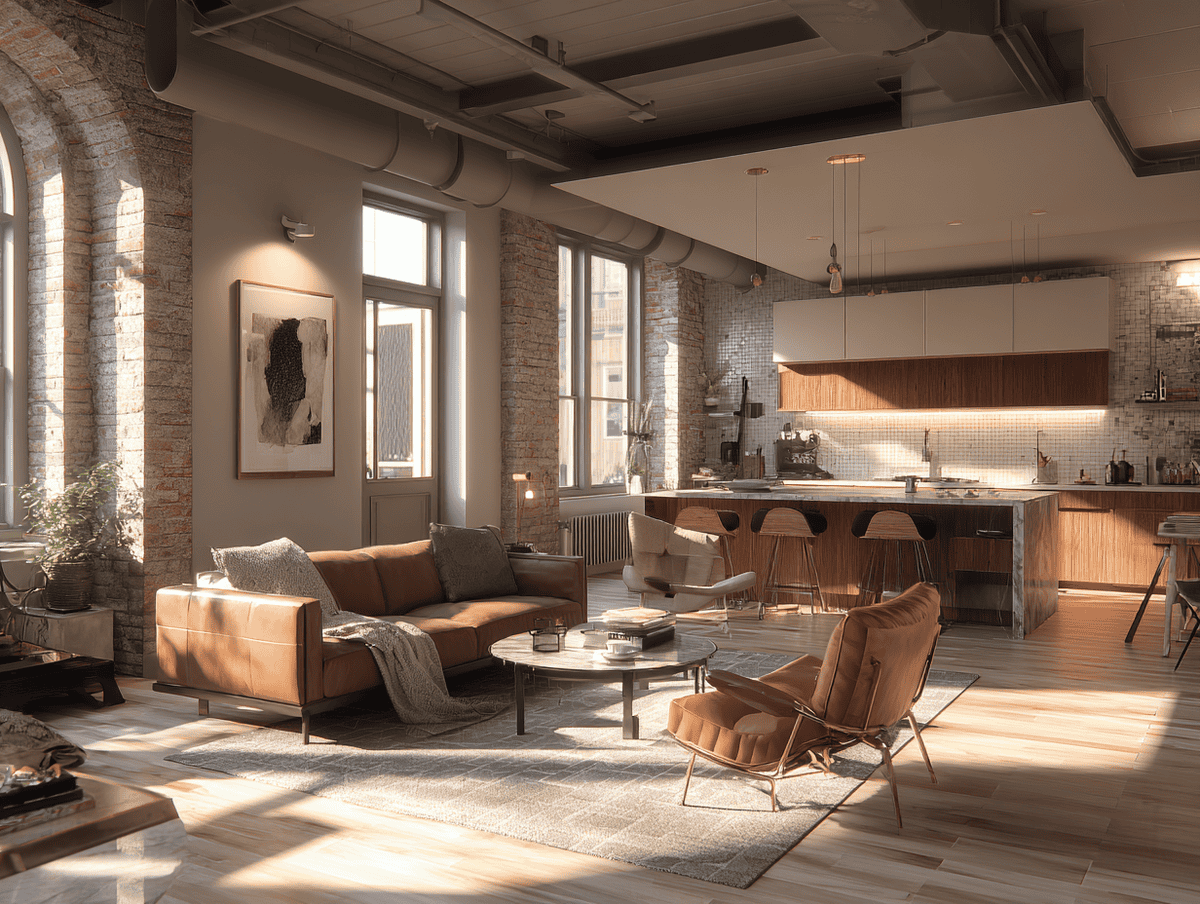
Traces of hobbies are often left around the house; for example, a person will have a variety of equipment, materials, or small projects that indicate how they spend their leisure time.
If there are no indications of hobbies in the space, it can feel somewhat empty; rather, it appears that the person only does the basics of routine functions every day.
Hobbies give a person’s home character and diversity, help a person’s creativity and enjoyment grow, and improve a person’s overall quality of life.
8. Overly Neutral Colors
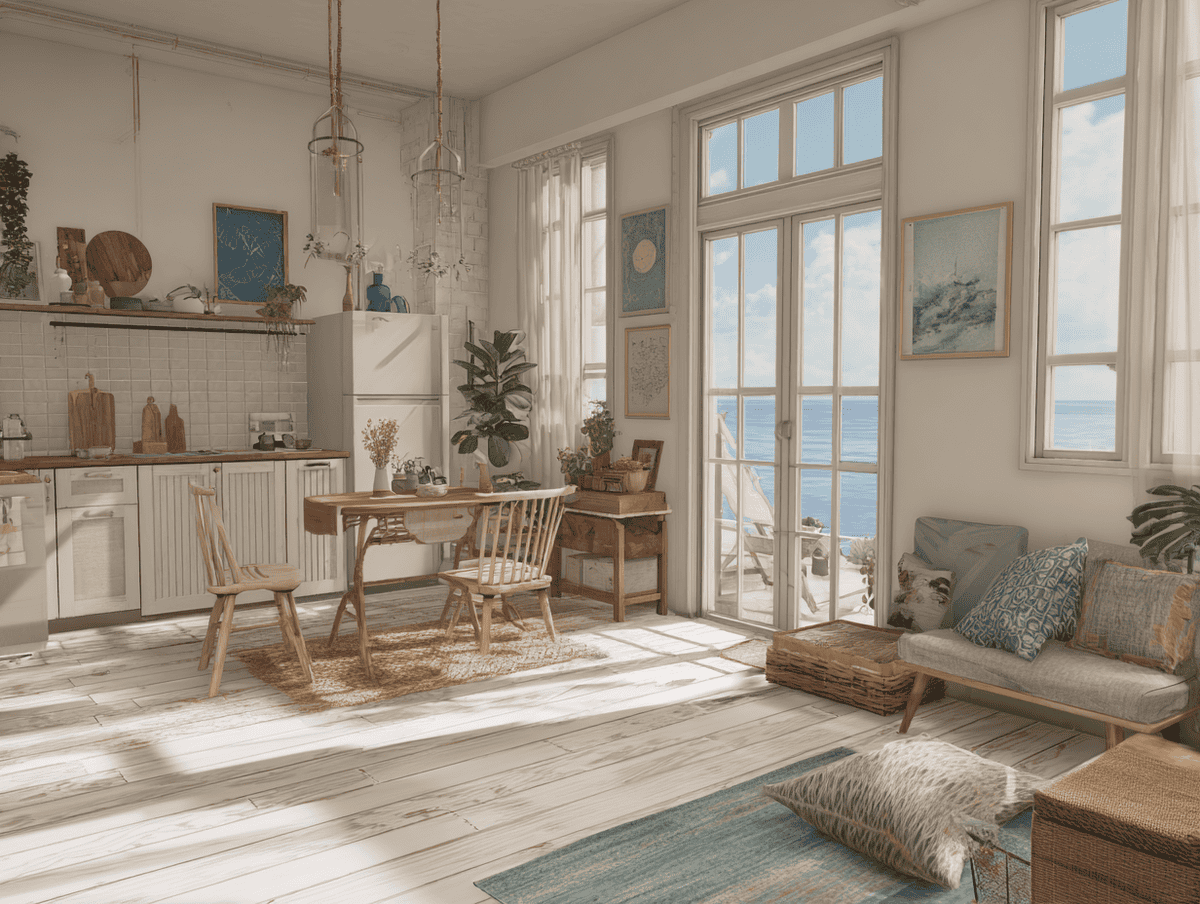
Using only neutral colors creates calmness, but overusing them makes a room feel bland. Too few colors may indicate that ‘safety’ is valued more than creativity.
Adding even minor accent colors can change the ambiance of an area. Color shows mood and personality. When everything is a neutral color, the area feels boring.
This does not mean you have to use really bright or intense colors; using minor variations in color can add interest. A balanced use of color tends to represent an expressive, involved lifestyle.
9. No Signs Of Change
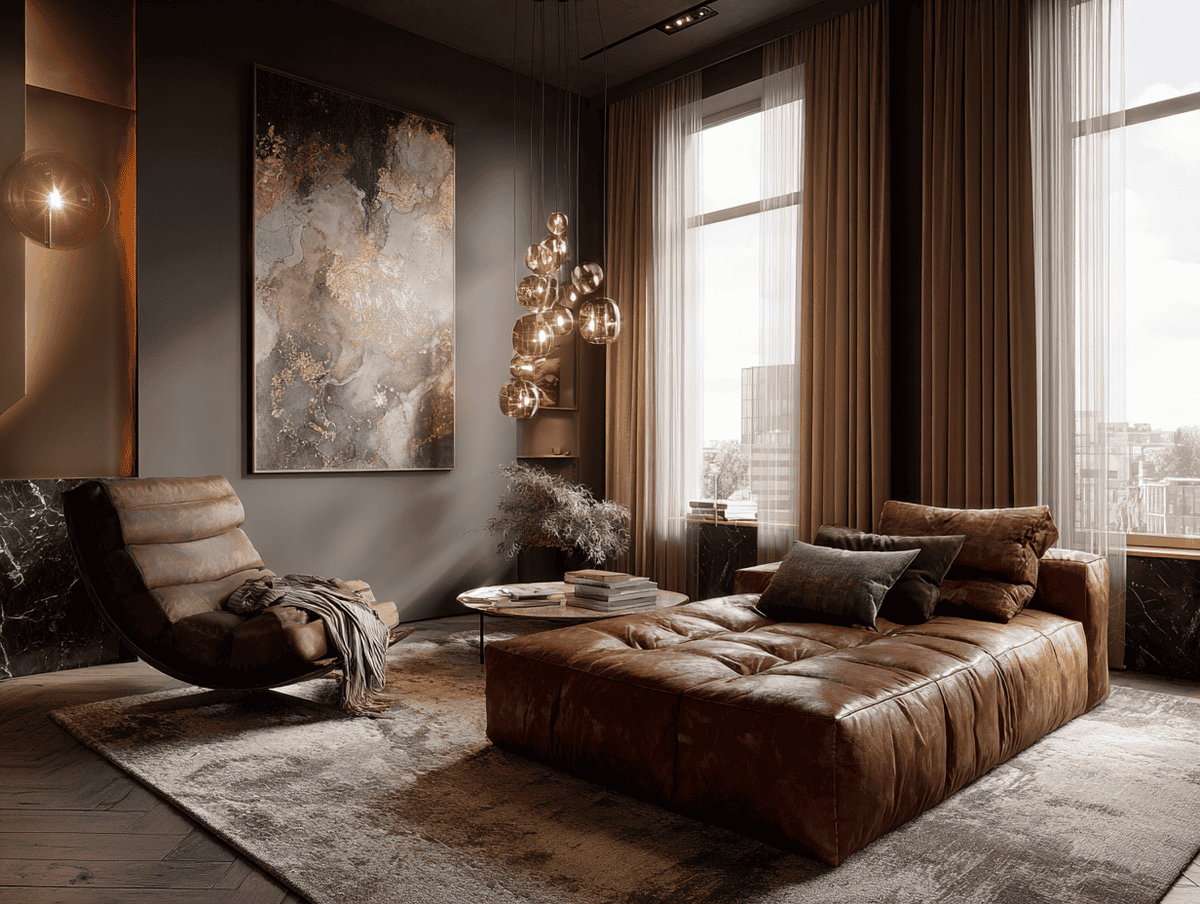
If your home has remained constant for years at a time, it usually feels stagnant and repetitive.
You can breathe life into your space by making small upgrades to your furniture, adding new items, or simply changing some details (for instance, by rearranging furniture).
If you do not make changes to your home, it could also mean that you are living an unchanging lifestyle, and your routine rarely changes.
10. Only Practical Items
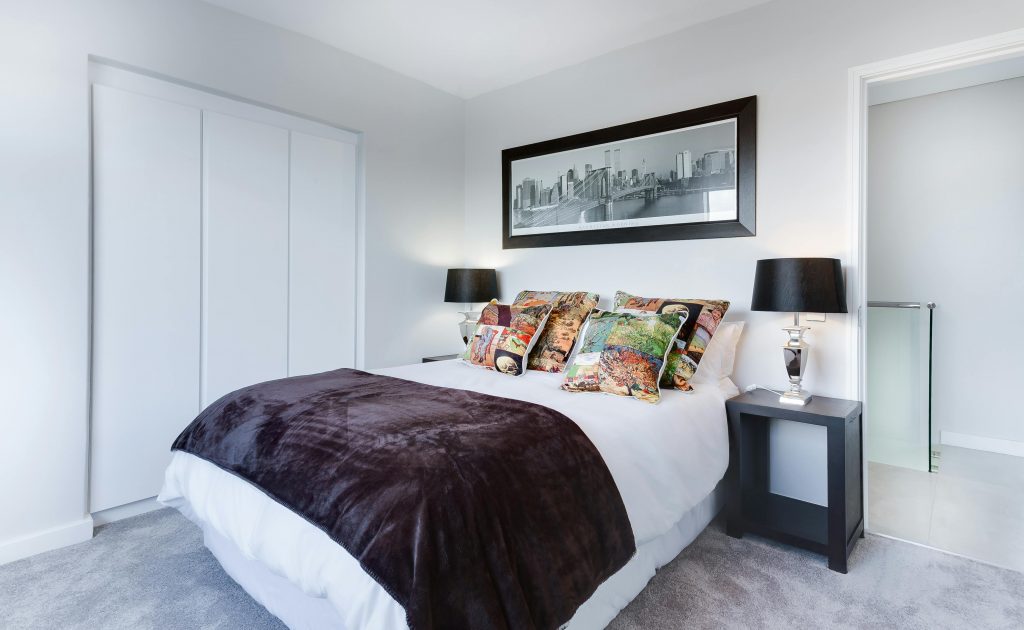
Having only practical items in a home may allow you to function, but it creates limitations. The use of practicality without consideration of aesthetics implies an absence of enjoyment or creativity.
Decorative or non-essential items reflect your interests and are connected to you emotionally. If you remove all of those items from the space and only utilize items based on functionality, it becomes a routine driven by nothing but necessity.
Adding even one or two smaller items that are meaningful can create a more balanced room and tell others that you appreciate both practical use and your own ability for personal expression.

Born and raised in Bosnia and Herzegovina. Ever since I was a little girl, my imagination knew no bounds. I remember vividly how I’d scribble down short stories, each page bursting with adventures and characters conjured up from the whimsy of my mind. These stories weren’t just for me; they were my way of connecting with my friends, offering them a slice of my fantasy world during our playtimes. The joy and excitement on their faces as we dived into my fictional realms motivated me to keep writing. This early passion for storytelling naturally evolved into my pursuit of writing, turning a childhood hobby into a fulfilling career.