
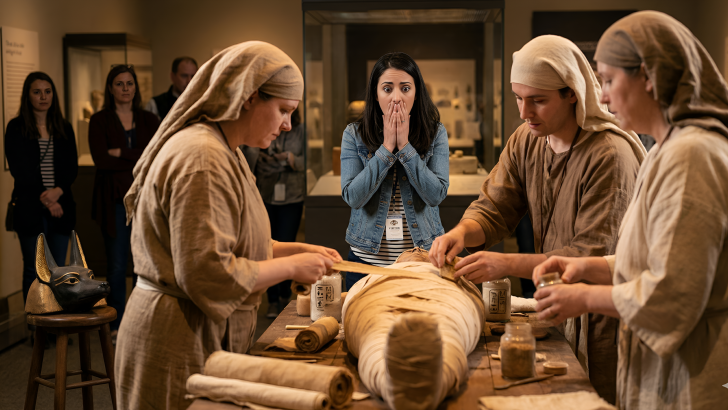
Burial traditions around the world are as varied as the cultures that create them.
People have unique ways of honoring the dead, often reflecting beliefs about life, death, and the afterlife.
Some of these practices seem strange to outsiders but carry deep meaning for the communities that perform them.
They can involve unusual ceremonies, unusual locations, or even unusual treatments of the body.
Many traditions are designed to help the deceased transition to the next life, protect the living, or maintain a connection between the dead and their families.
Studying these customs gives insight into how different societies understand mortality, respect ancestors, and cope with grief.
From sky burials to boat funerals, burial rituals tell stories about culture, belief, and human imagination.
Here are eight strange burial traditions from around the world that highlight how diverse human customs can be.
1. Sky Burial in Tibet
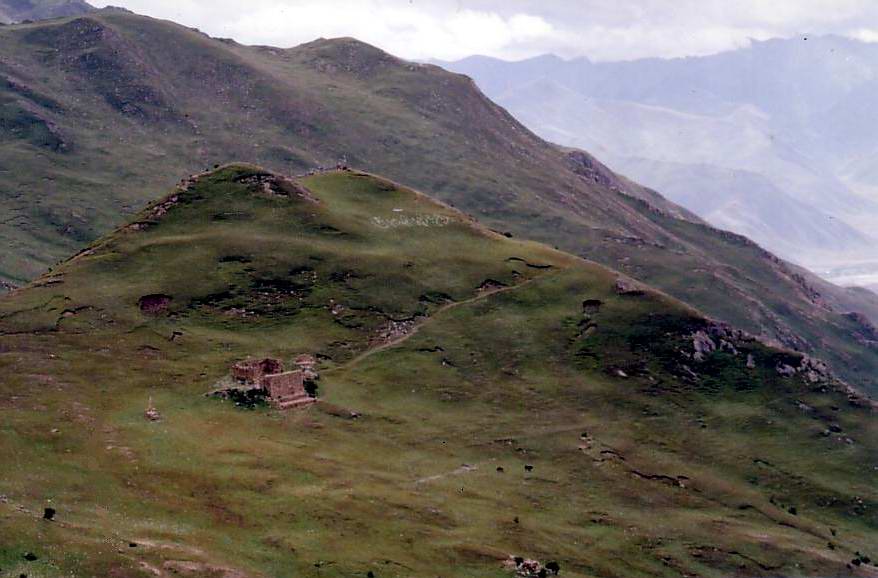
In Tibet, some people practice sky burial, where the body of the deceased is placed on a mountaintop for vultures to eat.
This practice comes from Tibetan Buddhist beliefs that the body is just a shell and that helping animals eat it is an act of generosity.
It also prevents the body from polluting the land or water in a region where the soil is hard and forests are sparse.
Families see this as a compassionate and practical way to return the body to nature. It is not meant to be shocking but rather to honor the cycle of life.
Outsiders often find it strange because it is very different from burial or cremation. Yet in Tibet, sky burials are respected and deeply spiritual.
The ritual includes prayers and ceremonies to guide the soul. It reflects a worldview where life, death, and nature are closely connected, showing that even unusual practices can have deep meaning.
2. Toraja Funeral Ceremonies in Indonesia
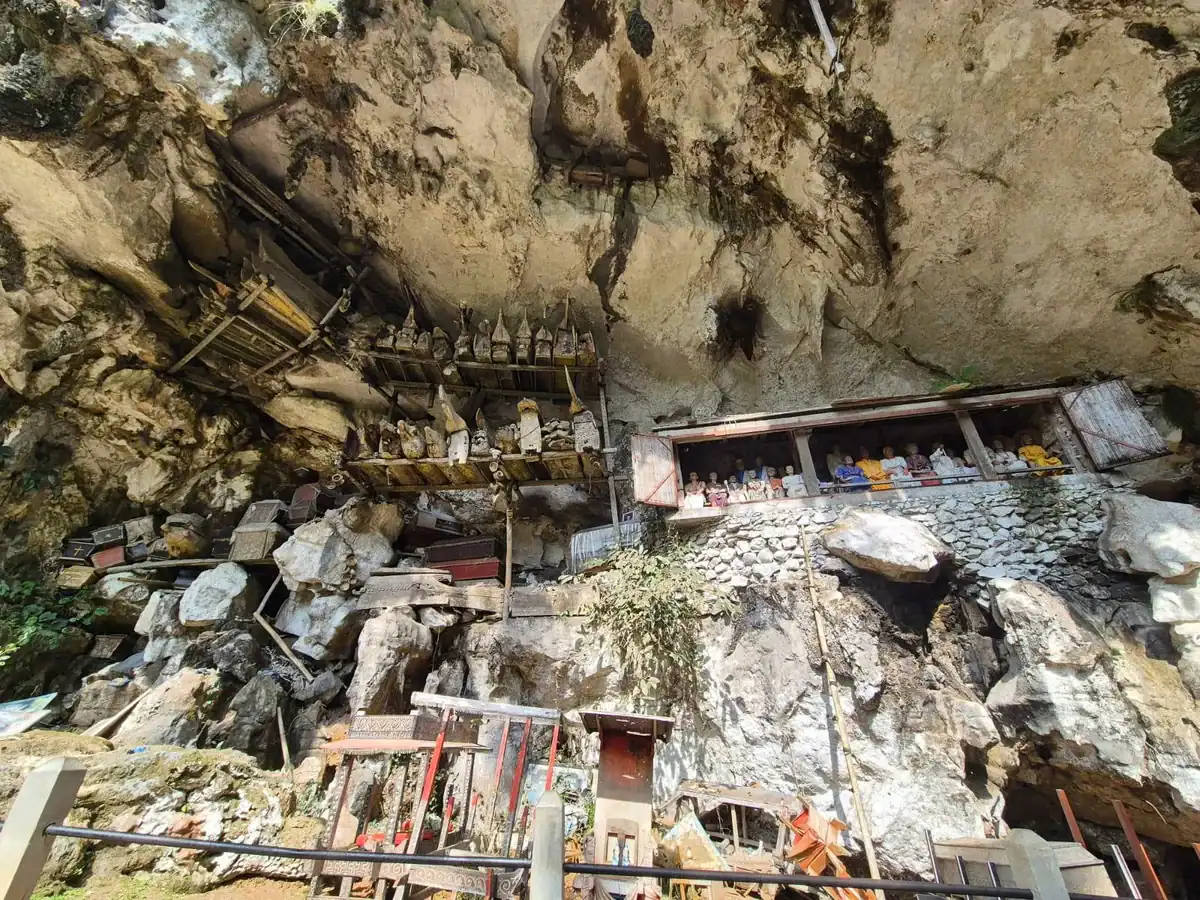
In Indonesia, the Toraja people have elaborate funeral ceremonies that can last for days.
These ceremonies are not just about burying the dead. They are also a way to celebrate life and social status.
The body may be kept in the home for months or even years until the family can afford a proper funeral. During the ceremony, relatives perform dances, sacrifices, and rituals.
Sometimes the deceased are dressed in fine clothes and seated in a chair as if alive. It may seem strange to outsiders, but for the Toraja, it honors ancestors and ensures a safe journey to the afterlife.
Funerals also strengthen family bonds and the community, reflecting how death and social life are connected.
The process is expensive and complicated, showing that these rituals carry both cultural and spiritual importance.
This tradition highlights the idea that death is not the end, and the living maintain a relationship with the deceased through ceremony and care.
3. Burial in Trees in Madagascar
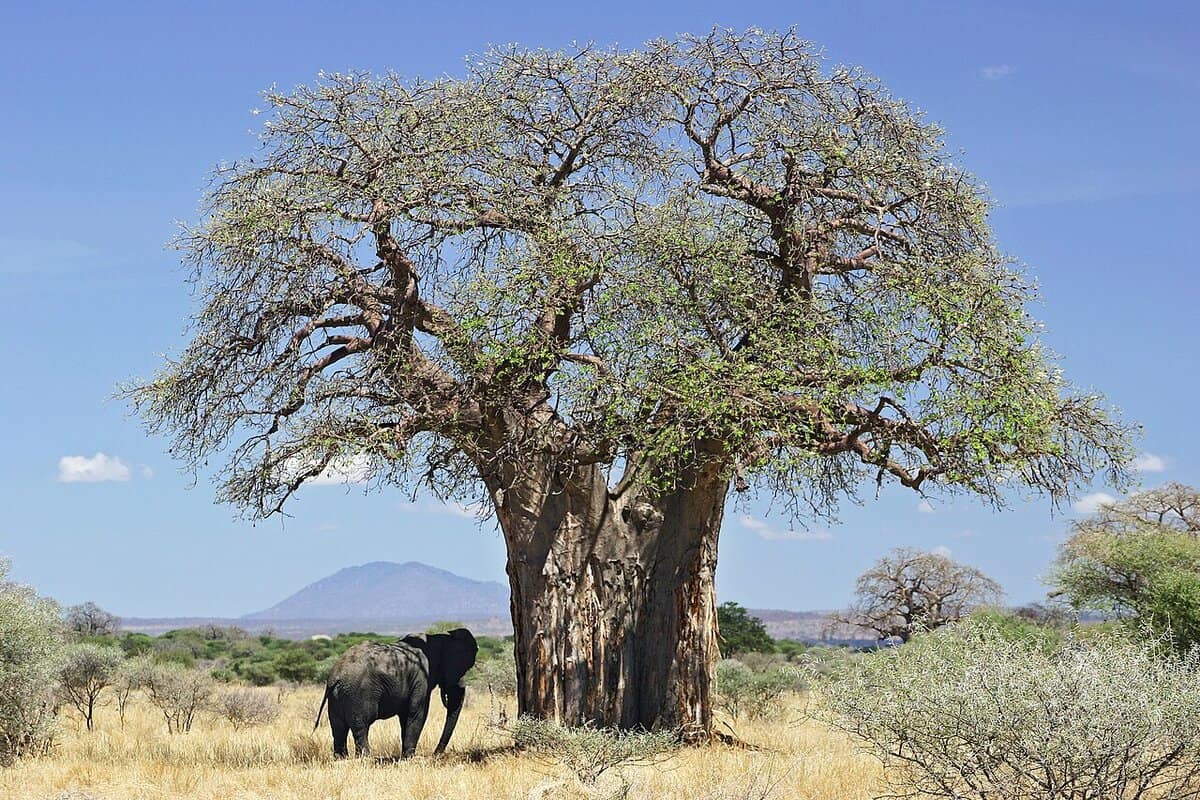
In Madagascar, some communities bury their dead in hollowed-out trees. This practice reflects the belief that the spirit of the deceased remains close to nature and the living.
The trees protect the body and connect it with the surrounding forest. Sometimes, bodies are placed in special positions or wrapped in cloth before being placed in the tree.
This unusual method is a way to honor ancestors while respecting environmental limitations. It also allows families to visit the deceased more easily than if buried underground.
In Madagascar, it is seen as a way to maintain harmony between the living, the dead, and the natural world.
The tree becomes a sacred site, symbolizing protection, growth, and spiritual connection.
4. Viking Ship Burials in Scandinavia
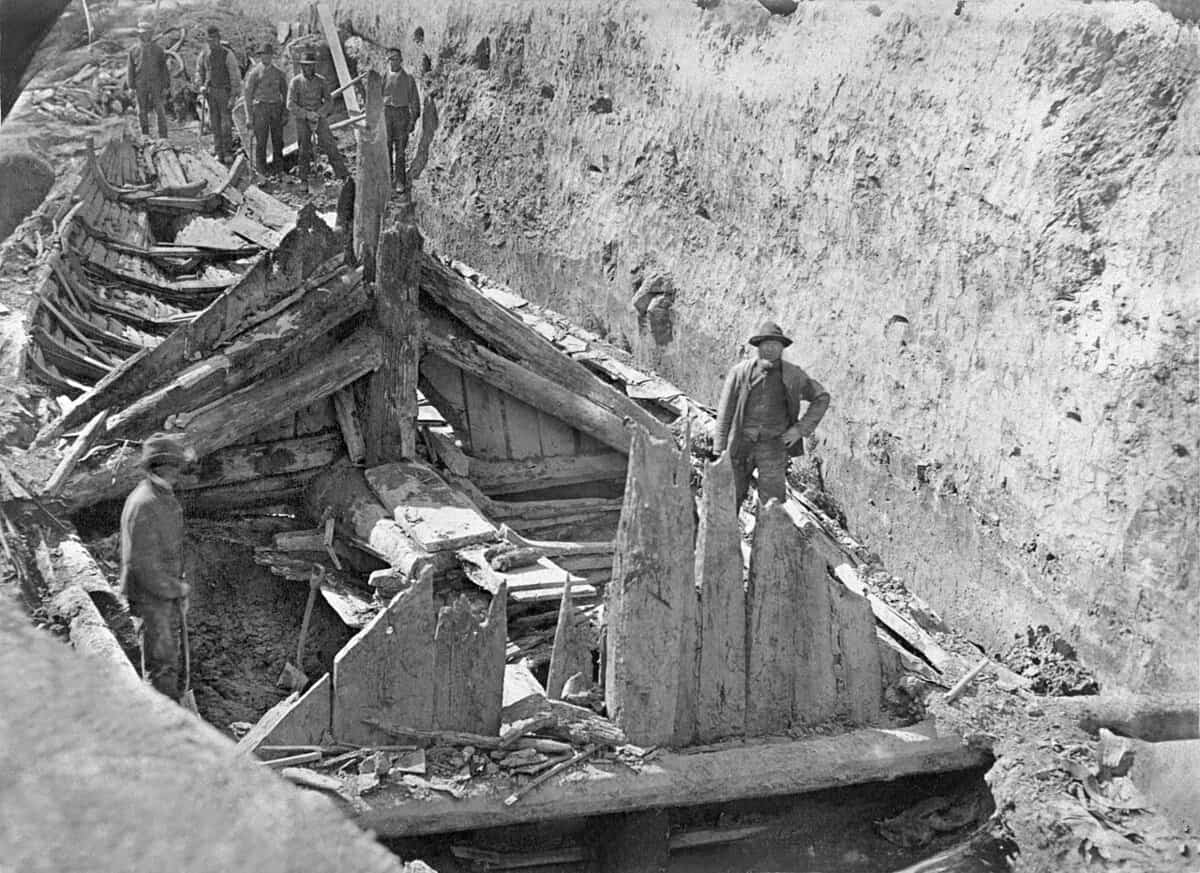
In ancient Scandinavia, Vikings sometimes buried their dead in ships. The ship symbolized a journey to the afterlife and often contained treasures, weapons, and personal belongings.
Some ship burials were set on fire, while others were buried under large mounds of earth. The ritual reflected beliefs in an afterlife where the deceased would need their possessions and status.
It was also a way to honor leaders and warriors, showing respect and providing a spectacle for the community.
Today, archaeologists study these sites to understand Viking culture and beliefs. The combination of a boat, personal items, and ceremonial practices makes this burial unique.
It also reflects the Vikings’ connection to the sea and their understanding of life and death.
The ship burial shows how death rituals can be both practical and symbolic, celebrating the journey of the soul.
5. Sky Burial Towers in Mongolia
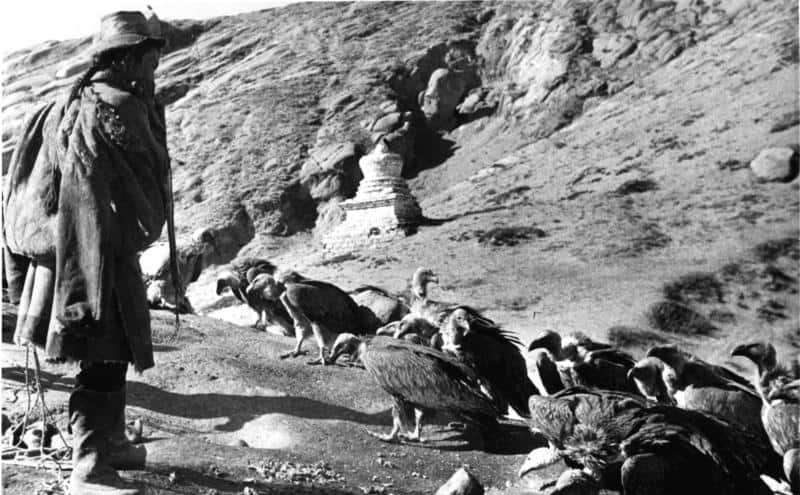
In Mongolia, some nomadic groups use tower burials where the body is placed on a raised platform.
Like Tibet, this practice allows nature, including birds, to consume the body. The tower elevates the deceased, making them closer to the heavens.
The ritual may include prayers, offerings, and careful positioning of the body. It reflects the belief that death is a return to the natural world and a passage to the spiritual realm.
Families view it as respectful and practical because the land is often frozen or rocky, making underground burial difficult.
Outsiders may find it shocking, but the practice has deep spiritual meaning. It demonstrates how environment, belief, and tradition influence burial methods.
6. Mummification in Ancient Egypt
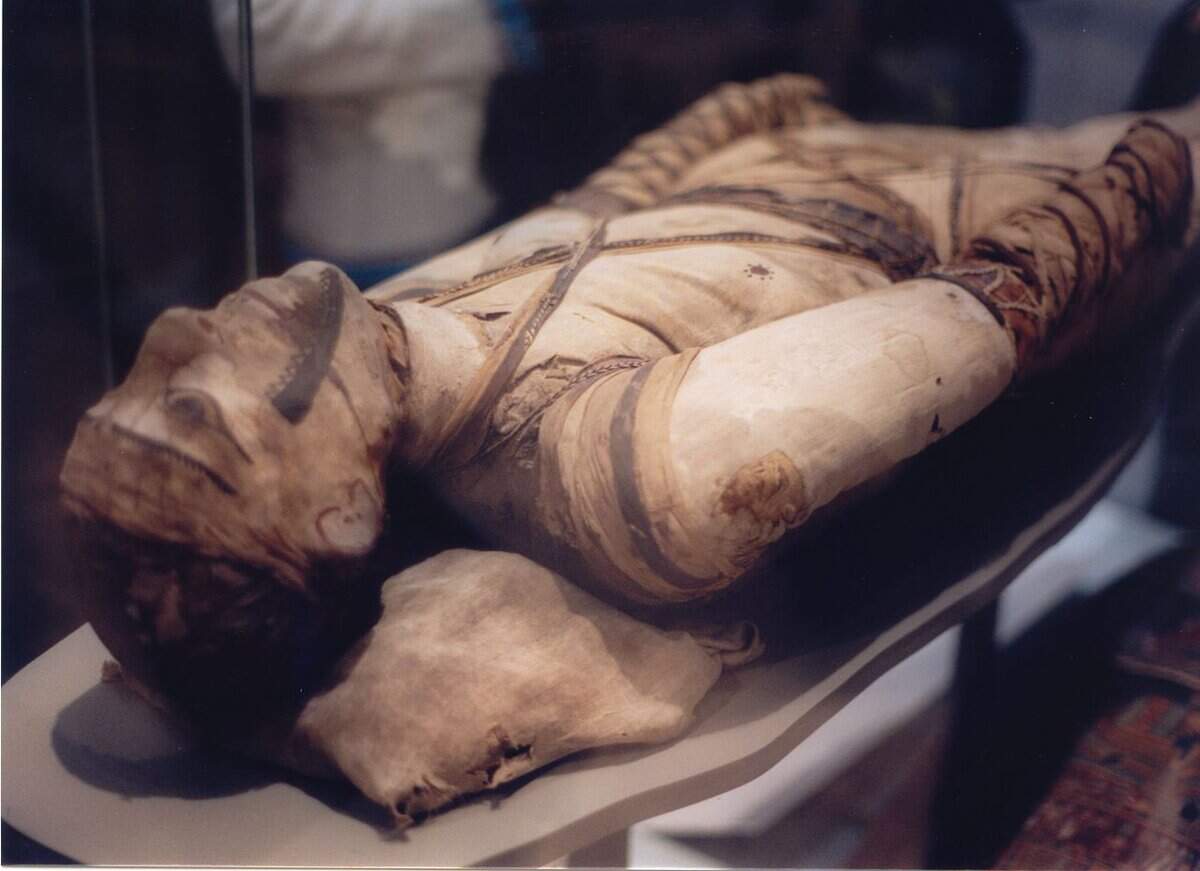
Ancient Egyptians are famous for mummifying their dead, preserving bodies for the afterlife. The process involved removing internal organs, drying the body with special salts, and wrapping it in linen.
They believed the soul needed a preserved body to live in the next world. Tombs were decorated with paintings, treasures, and texts to guide the deceased.
Mummification required skill, time, and resources, showing the importance of spiritual preparation.
To modern eyes, the method seems strange or even gruesome, but for Egyptians, it was a sacred duty.
The practice reflects a belief in immortality and the connection between body, soul, and divine power. It also created a cultural legacy that fascinates historians and archaeologists today.
7. Jazz Funeral in New Orleans
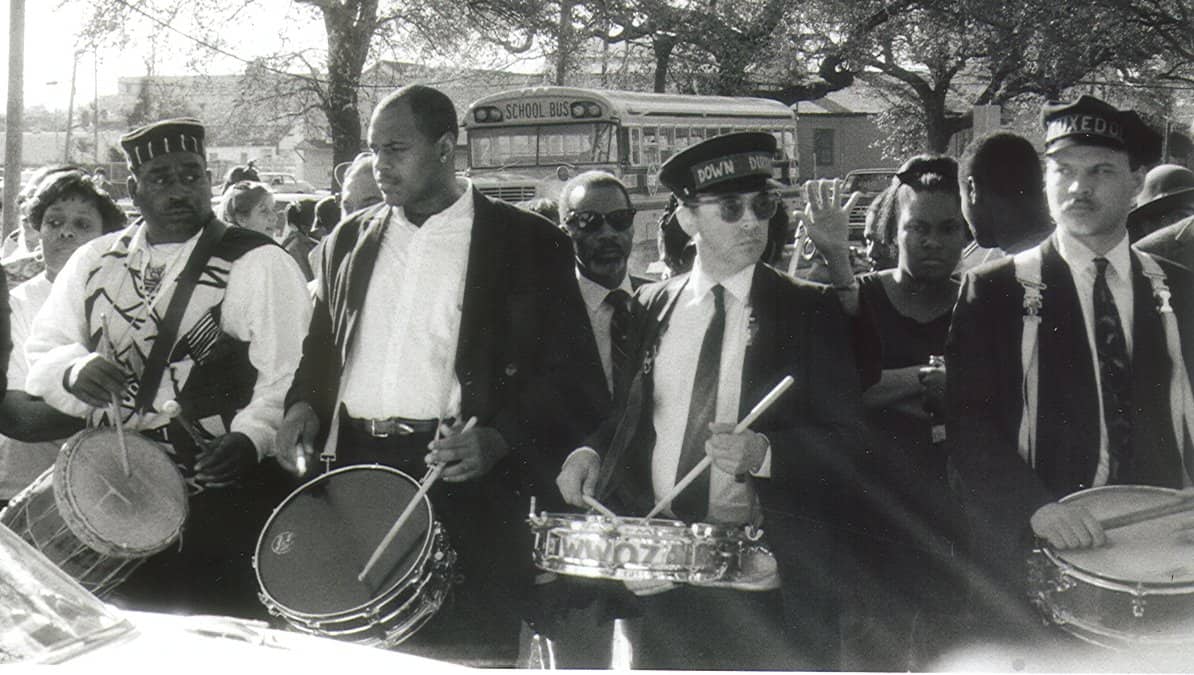
In New Orleans, African American communities developed a unique funeral tradition called the jazz funeral.
The body is taken to the cemetery with music, dancing, and celebration. Musicians play somber tunes on the way to the grave and upbeat songs afterward.
This reflects a belief that death is part of life and a time to honor and celebrate the deceased. While it might seem strange to outsiders, the ritual is deeply meaningful.
It combines mourning with joy, showing that the living can support the dead through music and ceremony.
8. Cryonics in Modern Times

Some people today choose cryonics, a modern burial method that preserves the body at very low temperatures.
The goal is to prevent decay with the hope that future technology can revive the person.
While it may seem strange or science fiction-like, supporters believe it is a way to extend life and explore possibilities beyond death.
Cryonics shows how burial practices continue to evolve with technology and belief. It reflects human desire to control death and preserve identity.
Although highly experimental and controversial, it is part of the modern story of how humans approach the end of life.
This practice shows that burial traditions remain diverse, creative, and influenced by culture and hope.

Ho sempre sentito una forte connessione con il Divino fin dalla mia nascita. Come autrice e mentore, la mia missione è aiutare gli altri a trovare l'amore, la felicità e la forza interiore nei momenti più bui.