

Your date of birth reveals the trauma you’ve had to overcome in your life or that you’re still struggling through.
Can you relate?
1. The Struggle to Be Heard (3, 16, 28)

If you were born on any of these dates, your trauma often revolves around feeling misunderstood or not being taken seriously.
You might have grown up feeling like your voice was ignored. Your emotions might have been dismissed by the people closest to you.
This can lead to a fear of speaking up, even when you know you’re right.
You may have learned to overexplain yourself or hide your true feelings just to avoid conflict.
It’s exhausting, and it’s a pattern that’s very hard to break. It’s hard to believe your insight matters when it’s been dismissed for so long.
2. The One-Sided Effort (2, 17, 29)
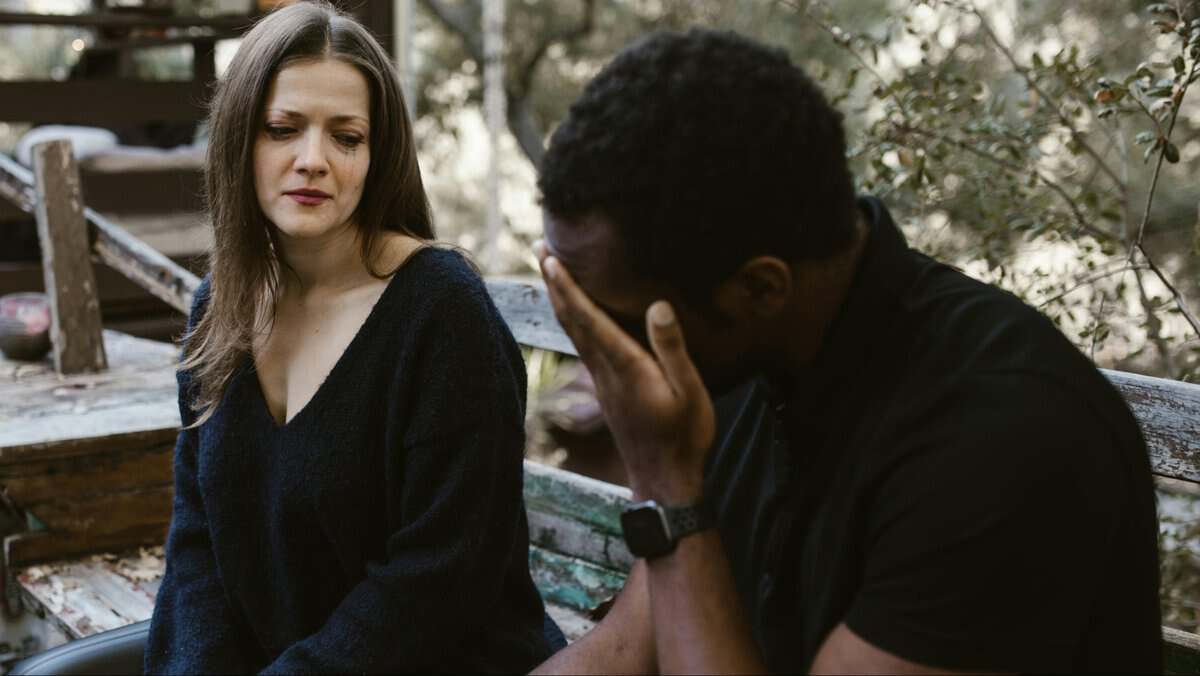
Your trauma often stems from having felt overlooked in the past. You’ve likely been the one who gives a 100% while others barely agree to meet you halfway.
Whether in friendships, relationships, or among family, you’ve felt the sting of putting in the effort with no reciprocation.
It leaves you feeling drained and resentful.
This trauma can also leave you with the idea that kindness and generosity are liabilities when they’re virtues.
Healing involves demanding mutual effort, and it’s a long way to get there.
It’s really hard to set these boundaries with the same people who’ve been taking advantage of you all these years.
3. The Burden of Emotional Responsibility (6, 19, 27)

You’ve probably carried the weight of others’ emotions since childhood.
You’ve had to mediate conflict and be the therapist in the relationship, but who’s there to mediate and listen when you need it?
This trauma leads to burnout and a loss of identity, as you’ve been prioritizing others over yourself for so long.
It’s a heavy burden, and once you’re healed, you’ll learn to release it. It’s not your job to fix everyone.
Sometimes, it’s also about you, so it’s okay to put yourself first.
4. The Pressure to Always Be Strong (1, 13, 26)

Your trauma likely centers around feeling like you had to be the strong one growing up. You might have been the eldest child or the peacemaker in the family.
You learned to suppress your proprio esigenze so you don’t rock the boat, which left you feeling isolated and overwhelmed.
You were made to believe that strength means suffering in silence, but you’re also allowed to be vulnerable and ask for help.
People’s worth isn’t determined by how much they can endure.
It’s okay to step back when you feel overwhelmed and take up as much spazio as everyone else.
5. The Battle for Acceptance (8, 18, 22)

For those born on any of these dates, your trauma often revolves around feeling like you’ve had to prove your worth to be accepted.
Perhaps you grew up in an environment where love and validation were conditional, earned through achievements and fulfilling expectations.
This can lead to perfectionism and a fear of failure, since you’ve learned to tie your self-esteem to external validation.
Being imperfect is absolutely normal, and healing this trauma involves learning to accept that imperfection.
6. The Fear of Instability (4, 11, 23)

Your trauma may come from growing up in an environment where stability felt uncertain.
Whether it was financial struggles or emotional unpredictability, you’ve likely carried a deep fear of the rug being pulled out from under you.
You might have a hard time trusting others or relaxing, and you might be constantly bracing for the next problem.
Once you’re healed, you’ll understand that you can create your own stability. It’s okay to depend on others, but you also don’t have to.
When you develop a sense of stability within yourself, these disruptions don’t affect you.
7. The Need for Freedom (5, 14, 30)

Your trauma might revolve around feeling restricted or like you didn’t have the space to express yourself.
A controlling environment or rigid expectations might have stifled your true nature.
Fear of commitment is a typical result of this trauma. You’ve felt trapped for so long that any form of responsibility and commitment feels like prison.
However, freedom isn’t only found in evasione; it’s found in being unapologetically yourself.
When you’re in the right place, surrounded by the right kind of people, you’ll learn that freedom and commitment can go hand in hand.
8. Being Misunderstood (7, 10, 25)

Your trauma comes from feeling alone, even when you’re surrounded by people.
You might have felt like no one truly got you, leading to a sense of isolation. This can make it hard to open up to new people, as you become afraid of judgment.
But you’re not as alone as you think.
Many people out there struggle with family and friends who don’t have the capacity to understand them.
When you find your tribe, the kind of people who will try to understand you, your healing will begin.
Take small steps to share your true self, even when it’s scary.
9. The Weight of Expectations (9, 15, 24, 31)

Your trauma often stems from feeling pressured to fulfill others’ expectations in order to feel accepted.
Maybe you were the golden child everyone had high hopes for, so little room was left for your own desires.
So, you spent years chasing approval when the goal post keeps shifting.
Healing means radically understanding that others’ expectations have nothing to do with you. They might project them on you, but it’s ultimately their problem.
Reclaim your proprio percorso, even if it disappoints some people.
10. The Pain of Being Sidelined (12, 20, 21)

If your birthdate falls on one of these dates, your trauma comes from being sidelined by loved ones.
Maybe you were too quiet, so you always came in second. This can leave deep scars and make you feel like you’ll never be a priority.
Healing means demanding space and attention, although it’s uncomfortable.
Stop trying to be an important side character in someone else’s story; be the lead in your own.

A little Aquarius, devoted to writing and embroidery. Through my writing, I hope to empower readers to align with their true selves and navigate life’s mysteries with confidence.