

Food has always been more than just fuel for the body. Across civilizations, it has carried deep emotional meaning, often tied to memory, identity, celebration, grief, love, and community.
Certain foods become symbols because they are shared during important life moments, passed down through generations, or connected to cultural rituals.
A simple dish can represent comfort after hardship, joy during celebrations, or a connection between families and communities.
Even today, people often associate specific foods with feelings rather than just taste.
A smell or flavor can instantly bring back memories or emotions from childhood, family gatherings, or important life events.
This emotional connection to food exists in nearly every culture, even if the meanings differ.
Some foods represent abundance, while others represent survival, healing, or spiritual connection.
In this article, we explore ten foods that carry emotional meaning across different civilizations and why they continue to hold symbolic importance in human life.
1. Bread

Bread is one of the oldest and most universal emotional foods in human history. Across many civilizations, it represents survival, nourishment, and daily life.
Because it is simple and essential, bread often symbolizes stability and comfort. In many cultures, breaking bread together is also a sign of trust and friendship.
Bread is often connected to family meals, community gatherings, and rituals of gratitude. Its emotional meaning comes from both its simplicity and its importance in sustaining life.
Even today, many people associate bread with home, warmth, and safety, making it a powerful symbol of comfort across generations.
2. Rice
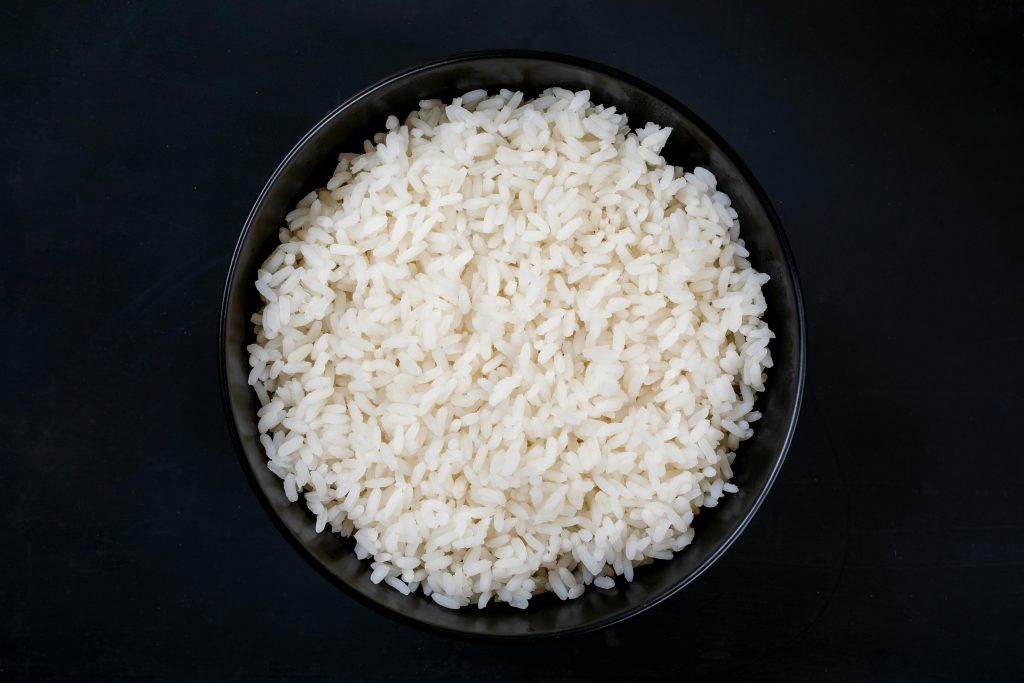
Rice holds deep emotional and cultural meaning in many parts of the world, especially in Asia. It is often seen as a symbol of life, fertility, and abundance because it feeds billions of people daily.
In many cultures, rice is present in both joyful celebrations and everyday meals, making it a constant part of emotional and family life.
It is often shared during weddings, festivals, and important gatherings, representing unity and prosperity.
Rice also symbolizes patience and hard work, since it requires careful cultivation. It is connected to nourishment not only of the body but also of tradition and cultural identity.
3. Apples

Apples carry emotional meaning in many Western cultures, often symbolizing knowledge, temptation, health, and even love.
In everyday life, apples are associated with care and wellness, as they are commonly linked to health and simplicity.
They also appear in myths, stories, and religious symbolism, giving them deeper emotional layers.
For many people, apples represent childhood memories, school days, or simple home snacks. Their bright color and crisp taste make them feel fresh and familiar.
Emotionally, apples often represent innocence, learning, and the balance between desire and wisdom in human experience.
4. Honey

Honey is widely seen as a symbol of sweetness, healing, and natural abundance. Across civilizations, it has been used both as food and medicine, giving it strong emotional and cultural significance.
In ancient traditions, honey was often associated with divine blessings and prosperity because it is naturally produced without human intervention.
It represents the idea of nature’s generosity and reward. Tasty honey is linked with comfort, care, and affection, often used in soothing drinks and remedies.
Its sweetness also connects it to love and kindness, making it a universal symbol of emotional warmth and gentle healing.
5. Milk

Milk is often associated with nurturing, motherhood, and early life. Across many cultures, it represents care, protection, and the beginning of growth.
It is one of the first foods humans consume, which gives it a strong emotional connection to safety and dependence.
In symbolic meanings, milk often represents purity and innocence. It is also used in rituals and traditions to symbolize nourishment and blessing.
The milk is connected to comfort and gentle care, reminding people of childhood, family, and the sense of being looked after and supported.
6. Salt

Salt carries deep emotional and symbolic meaning across civilizations, often representing preservation, loyalty, and value.
In ancient times, salt was extremely important for survival, making it a symbol of worth and respect.
It was also used in rituals and agreements, where it represented honesty and lasting bonds.
Also, salt is sometimes associated with tears and human emotion, connecting it to sadness, healing, and truth.
It represents the idea that even small, simple things can hold great importance. Across cultures, salt reflects both practical life and emotional depth.
7. Fish

Fish have strong emotional and symbolic meaning in many cultures, often representing abundance, spirituality, and transformation.
In coastal civilizations, fish were a main source of food, making them closely tied to survival and community life.
It is also present in many religious and mythological traditions, where it symbolizes deeper spiritual ideas.
Fish represent flow, adaptability, and life’s natural cycles. Fish carry both practical and symbolic emotional importance.
This food is often connected to reflection and inner peace, especially in cultures where water is seen as a symbol of emotion and depth.
8. Dates

Dates are especially significant in Middle Eastern and North African cultures, where they symbolize hospitality, generosity, and spiritual blessing.
They are often shared during religious observances and gatherings, making them deeply connected to tradition and community.
Rich dates represent warmth, care, and welcoming energy. Their natural sweetness makes them a symbol of comfort and nourishment.
In many traditions, offering dates is a sign of respect and kindness. They are also associated with endurance and survival, since they grow in harsh environments.
9. Herbs

Herbs carry emotional meaning across many civilizations as a symbol of calmness, connection, and reflection.
Herbs are often used in moments of rest, healing, conversation, and hospitality. In many cultures, sharing herbs is a social ritual that represents friendship and respect.
Different types of herbs carry different symbolic meanings, but overall, it represents healing, nurturing, and slowing down.
Herbs are often part of daily routines, making them a comforting emotional anchor in everyday life across many societies.
10. Chocolate

Chocolate is widely associated with love, pleasure, and emotional reward in many modern and historical contexts.
It was once considered a sacred and valuable food in ancient civilizations, often reserved for special occasions.
Today, it is strongly linked with affection, celebration, and comfort. Sweet chocolate represents joy, indulgence, and emotional satisfaction.
It is often given as a gift to express care or romantic feelings. Its rich taste and comforting texture make it strongly tied to positive emotional experiences.
Across cultures, chocolate has become a universal symbol of emotional pleasure and connection.

Ho sempre sentito una forte connessione con il Divino fin dalla mia nascita. Come autrice e mentore, la mia missione è aiutare gli altri a trovare l'amore, la felicità e la forza interiore nei momenti più bui.