
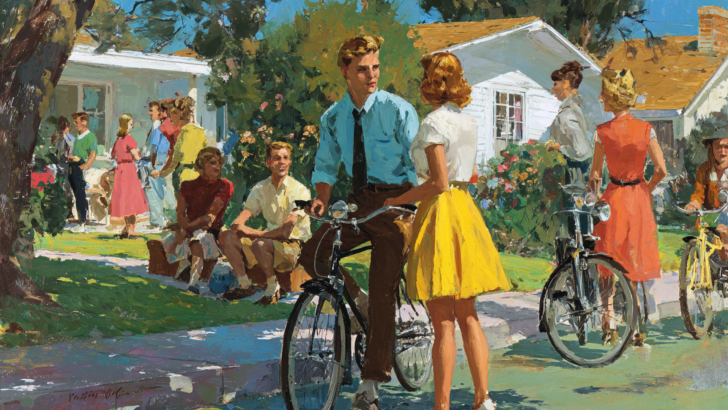
Language and communication are always changing; slang even more so. Each generation develops its way of speaking based on its cultural, media, and everyday life influences.
Slang created by each generation is not typically designed to be long-term; it is temporary in nature and provides insight into how people are communicating during that era.
Some slang phrases fade away as time passes; others continue to be recognized over and over. Here are the most memorable phrases from each generation.
1. The Silent Generation (Pre-1946)
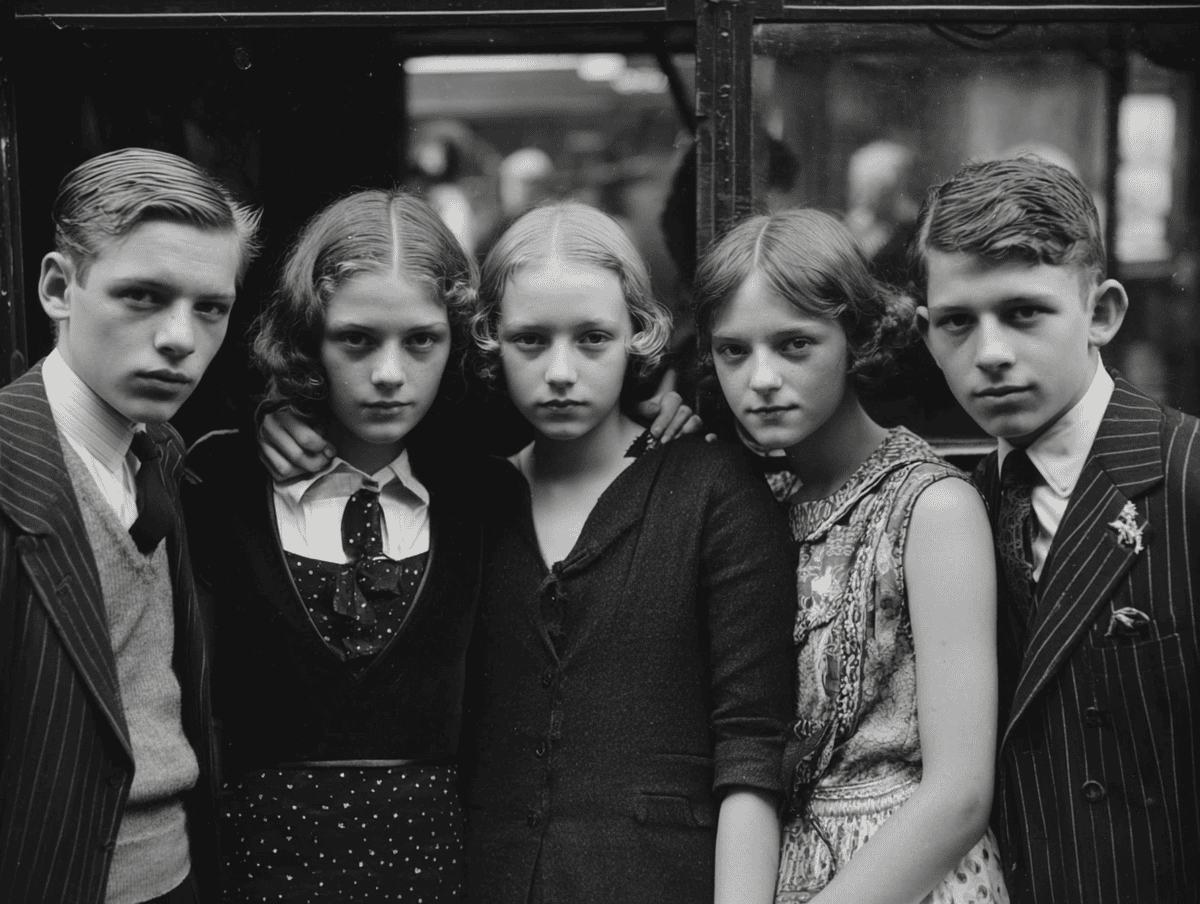
The slang of the Silent Generation tended to be more limited in nature and tied directly to everyday life experiences. Positive adjectives like “swell” and “neat” were frequently used.
The words were simple, direct, and reflective of a time characterized by an overall formal communication style.
Slang existed but was not the predominant form of expression in uninformed conversations. Rather, slang was a welcome addition to the conversation when used.
2. The Baby Boomers (1946-1964)
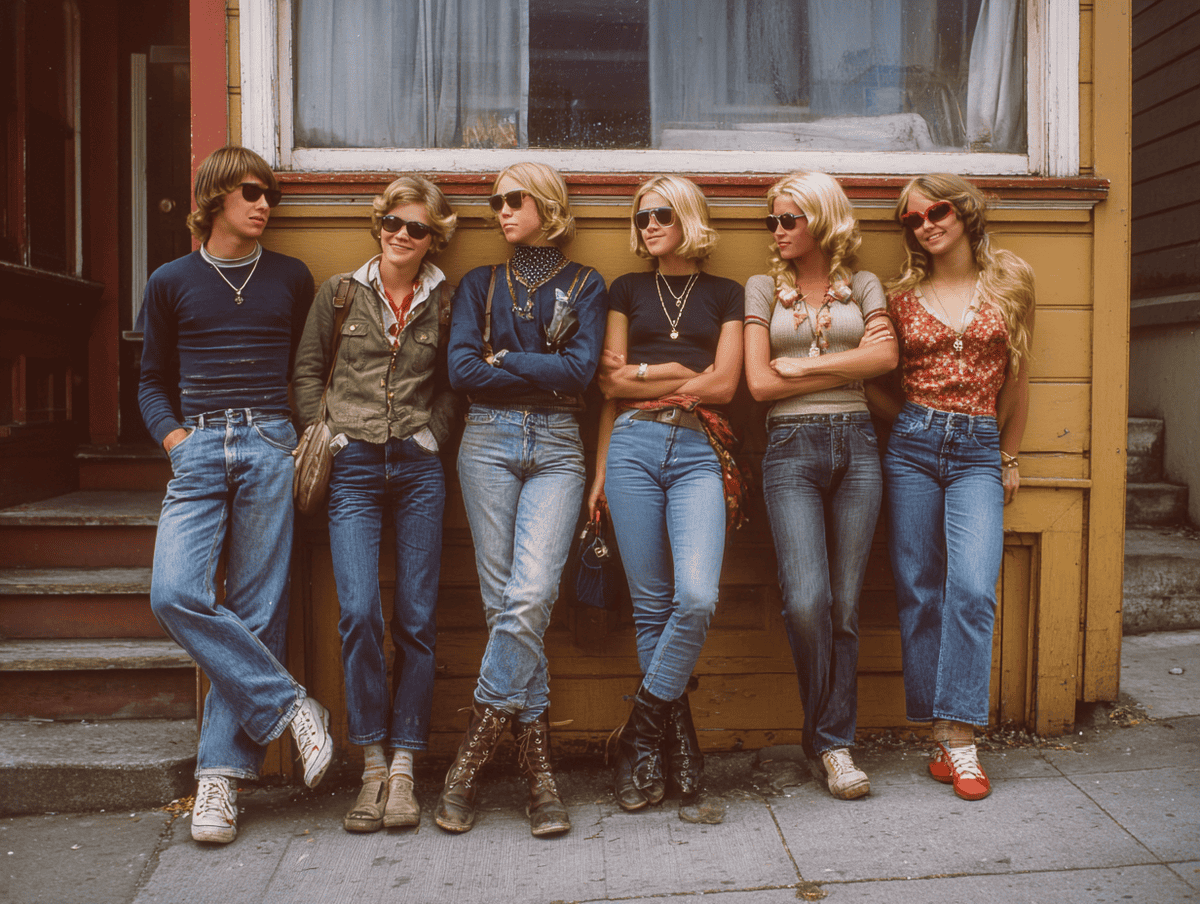
The Baby Boomer generation was responsible for the introduction of a more informal style of language into the spoken word. Words such as “fresco” were widely used and continue to be known by the majority of the population today.
Other commonly used slang in this era reflected and had a strong connection to societal changes and cultural movements (groovy, gnarly, etc.).
The Baby Boomers were affected by the influences of music, television, and the changing of social norms. As a result of these influences, the Baby Boomer generation helped to make their style of communication less formal (and taught the following two generations to do the same).
3. Generation X (1965-1980)
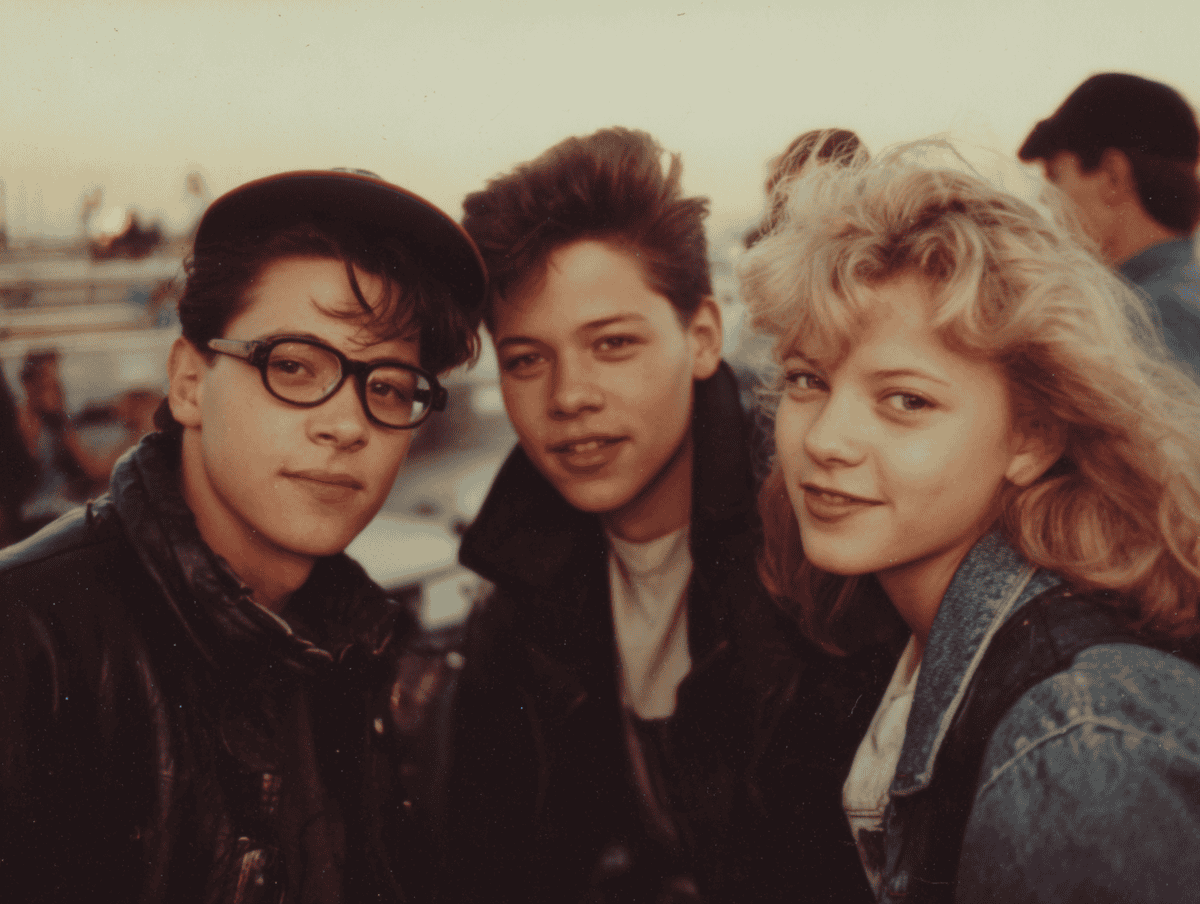
The slang of Generation X tended to reflect a greater level of independence and a more relaxed mindset. Words such as “whatever” or “bogus” became commonplace.
Slang of this generation signified distance or lack of emotion. It was also mostly cynical and influenced by popular magazines/movies.
That’s why much of today’s slang has very short meaning / few words, and is simple and to-the-point due to influences from television, movies, and the early internet from this era.
4. Millennials (1981-1996)
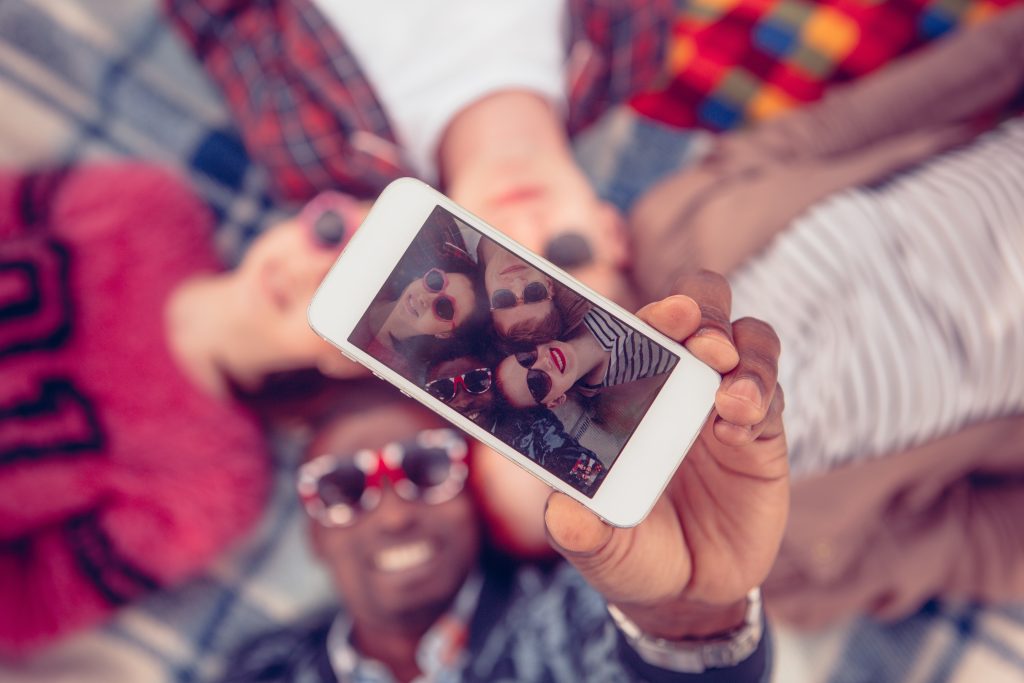
Millennials also helped change how words are used, especially when they started developing their own unique set of online words and phrases that were created through texting and social media.
Words like “ghosting,” “selfie,” “meme,” and “shook” described the feelings they experienced online and offline.
This generation used the Internet more than any other generation before, and this created a boom in new words and slang.
5. Generation Z (1997-2012)

Gen Z’s use of slang has changed rapidly because it is used so much in short-form content. “Slay!” “Bet” and “No cap” are examples of commonly used phrases that have many definitions, depending on context.
What has also made the slang evolve so rapidly has been the rapid pace at which new slang or words have developed from social media (TikTok) and other online sources.
Due to the increase in the use of short words, people have become accustomed to fast communication and will rarely accept any long-form communication.
6. Alpha Generation (2013 and Later)

The Alpha Generation is presently too young to have developed/used slang, but studies indicate that their slang (if/when they develop it) will be highly influenced by digital media.
Many of their slang creations will come from watching videos online and/or playing video games.
Slang will be created and used by the Alpha Generation based on whatever is viewed or used most recently.
7. How Slang Reflects Identity

Slang is considered an extension of one’s personal identity, as it provides a means for people to demonstrate and develop their connections to a specific group of people or generation.
By using a particular word or phrase, an individual reflects his or her shared life experiences and interests with a group of people who are their peers.
Given this connection, when an individual moves through various social groups, their manner and/or frequency of using specific slang terms will likely change, which reveals that the overall concept of personal identity is the result of both fluidity and having an association with a certain generation.
8. Why Some Slang Stays and Others Fade
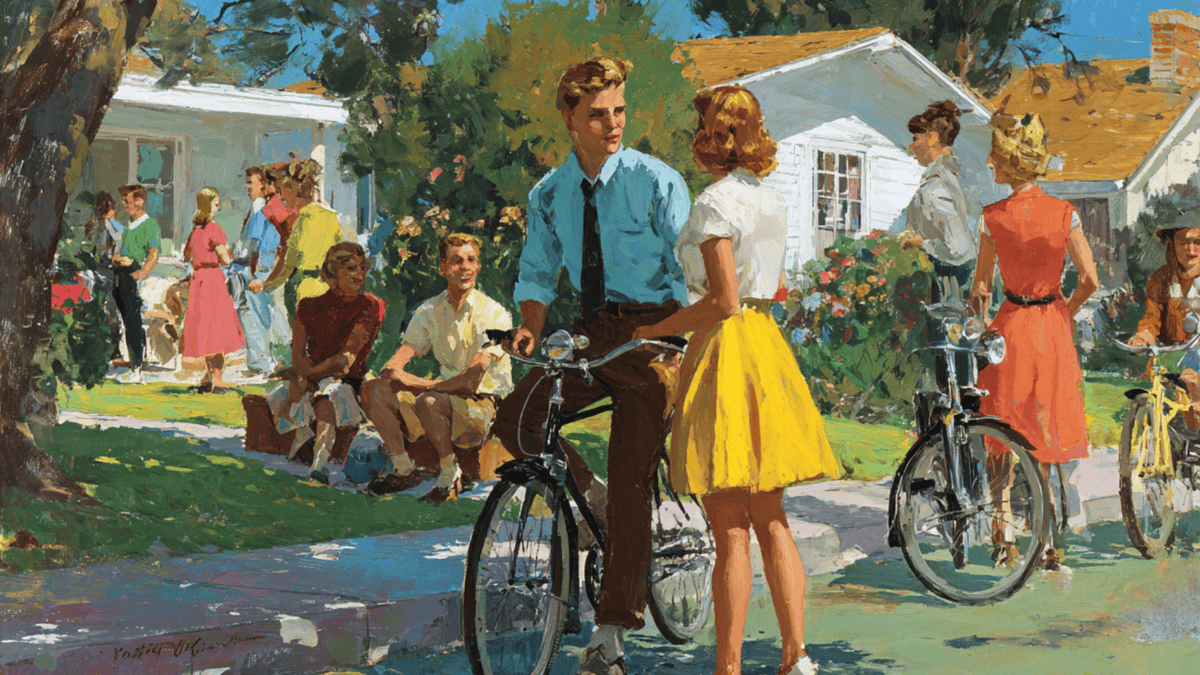
The longevity of slang terms is significantly impacted by factors such as their level of “user-friendliness” and the number of users who adopt them.
When a slang term can easily “fit” into how people communicate daily, it will continue to remain relevant. On the flip side, when a slang term is no longer popular, or as trends change, that slang term will likely fall out of usage.
This demonstrates that language is an adaptable system that retains its most useful components while letting go of those that have become obsolete.

Born and raised in Bosnia and Herzegovina. Ever since I was a little girl, my imagination knew no bounds. I remember vividly how I’d scribble down short stories, each page bursting with adventures and characters conjured up from the whimsy of my mind. These stories weren’t just for me; they were my way of connecting with my friends, offering them a slice of my fantasy world during our playtimes. The joy and excitement on their faces as we dived into my fictional realms motivated me to keep writing. This early passion for storytelling naturally evolved into my pursuit of writing, turning a childhood hobby into a fulfilling career.