
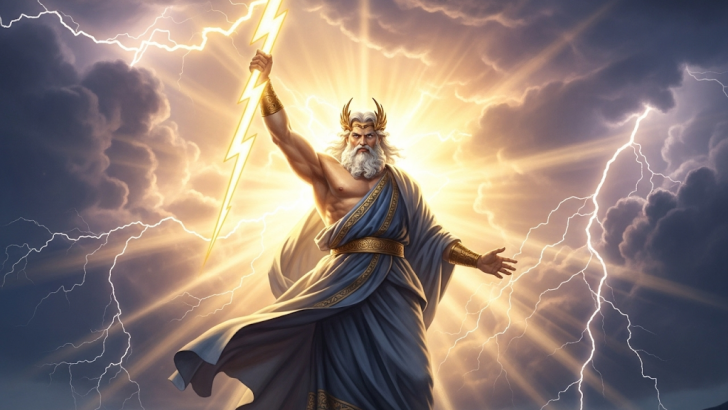
Before weather apps, meteorologists, and that one friend who insists they can “smell rain coming,” ancient people looked up at a thunderstorm and thought, “Ah yes, someone powerful is clearly having a moment.” Thunder wasn’t just noise—it was divine drama. Lightning wasn’t random—it was a message (or, more likely, a warning to behave).
Across cultures, thunder gods ruled the skies with style, attitude, and a slightly concerning tendency to throw things when annoyed. Whether they wielded hammers, bolts, or just pure chaotic energy, these deities didn’t just control the weather—they were the weather. Let’s meet the original sky bosses who made storms feel personal.
1. Thor (Norse Mythology)
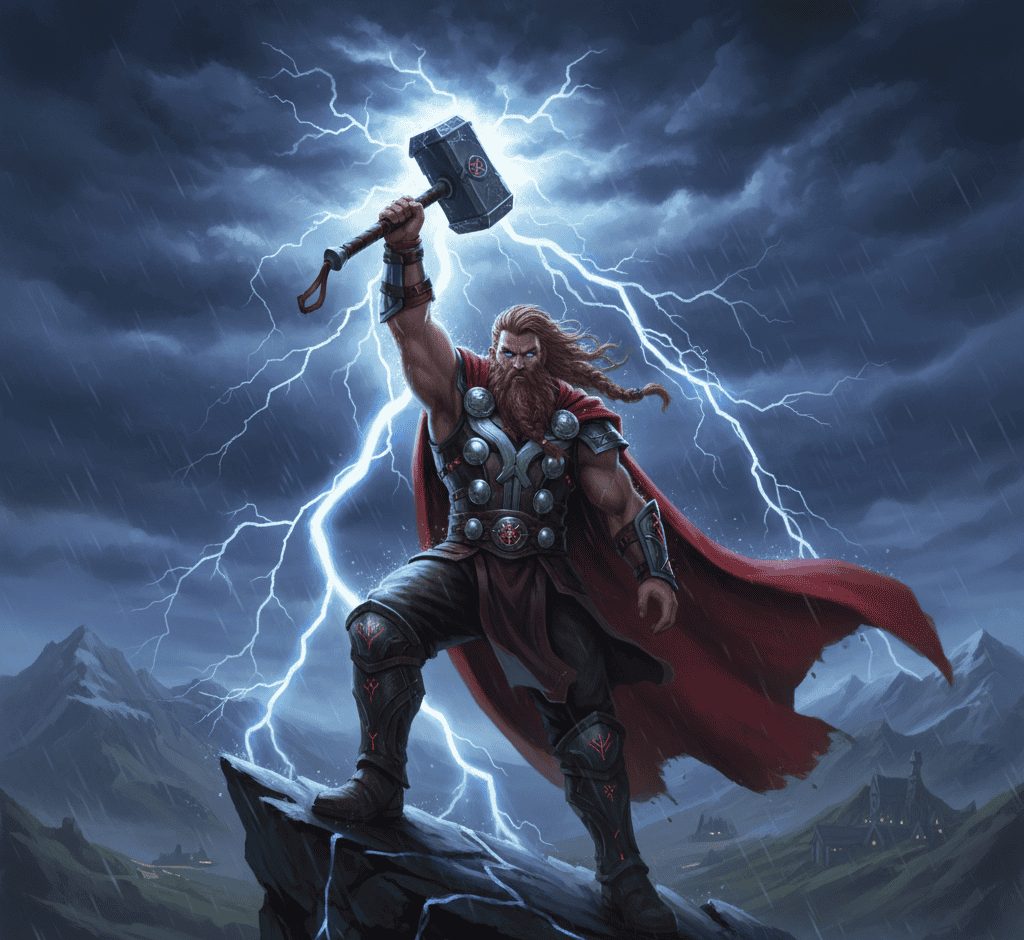
If thunder gods had a popularity contest, Thor would win by a landslide—and probably smash the trophy for dramatic effect. Known for his iconic hammer Mjölnir, Thor is the Norse god of thunder, lightning, storms, and protecting humanity (while also occasionally overreacting).
Thor’s whole vibe is “golden retriever with godlike strength.” He’s brave, loyal, and always ready to fight giants, who, frankly, can’t seem to stop causing problems. Every time you hear thunder in Norse mythology, it’s basically Thor rolling through the sky in his chariot, probably mid-battle.
What makes Thor stand out is that he’s not just a destroyer—he’s also a protector. Farmers prayed to him for rain, and regular people saw him as their divine bodyguard. Sure, he might accidentally level a mountain or two, but his intentions are (mostly) wholesome.
2. Zeus (Greek Mythology)
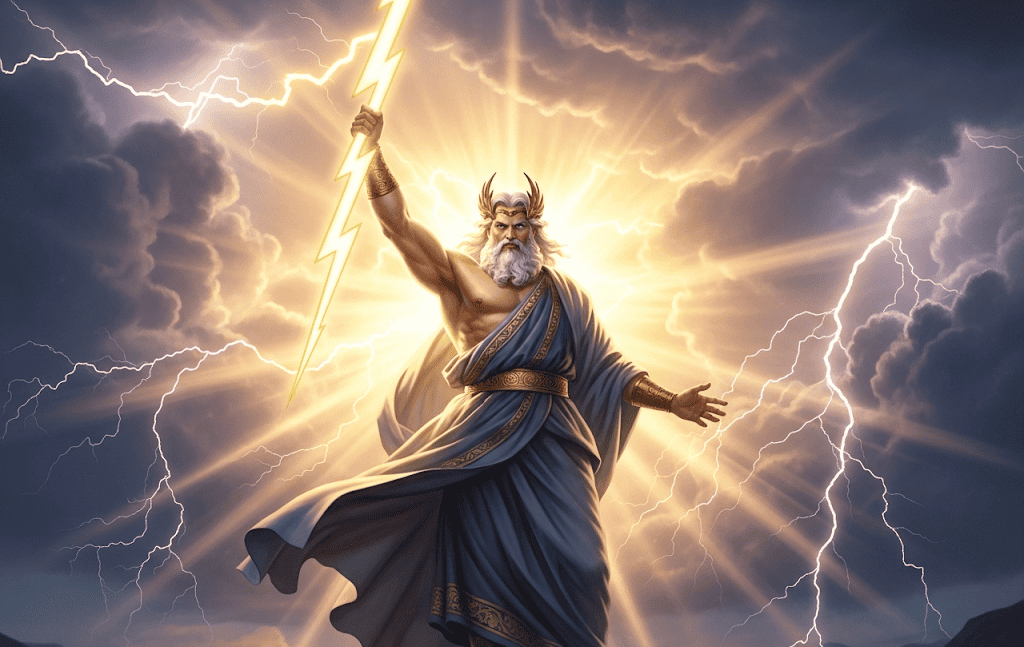
Zeus is the CEO of Mount Olympus and absolutely knows it. Armed with his signature lightning bolt, he rules the sky with authority, confidence, and a molto complicated personal life.
As the king of the Greek gods, Zeus controls thunder, lightning, and basically everything else if we’re being honest. When storms hit, it’s often because Zeus is either making a point or expressing his displeasure—which could be triggered by anything from broken oaths to someone forgetting to sacrifice a goat.
Zeus represents power in its purest form: commanding, unpredictable, and occasionally dramatic. He’s not just a weather god—he’s the enforcer of order (even if his own behavior sometimes suggests otherwise). If thunder had a voice, it would probably sound like Zeus saying, “I told you so.”
3. Indra (Hindu Mythology)
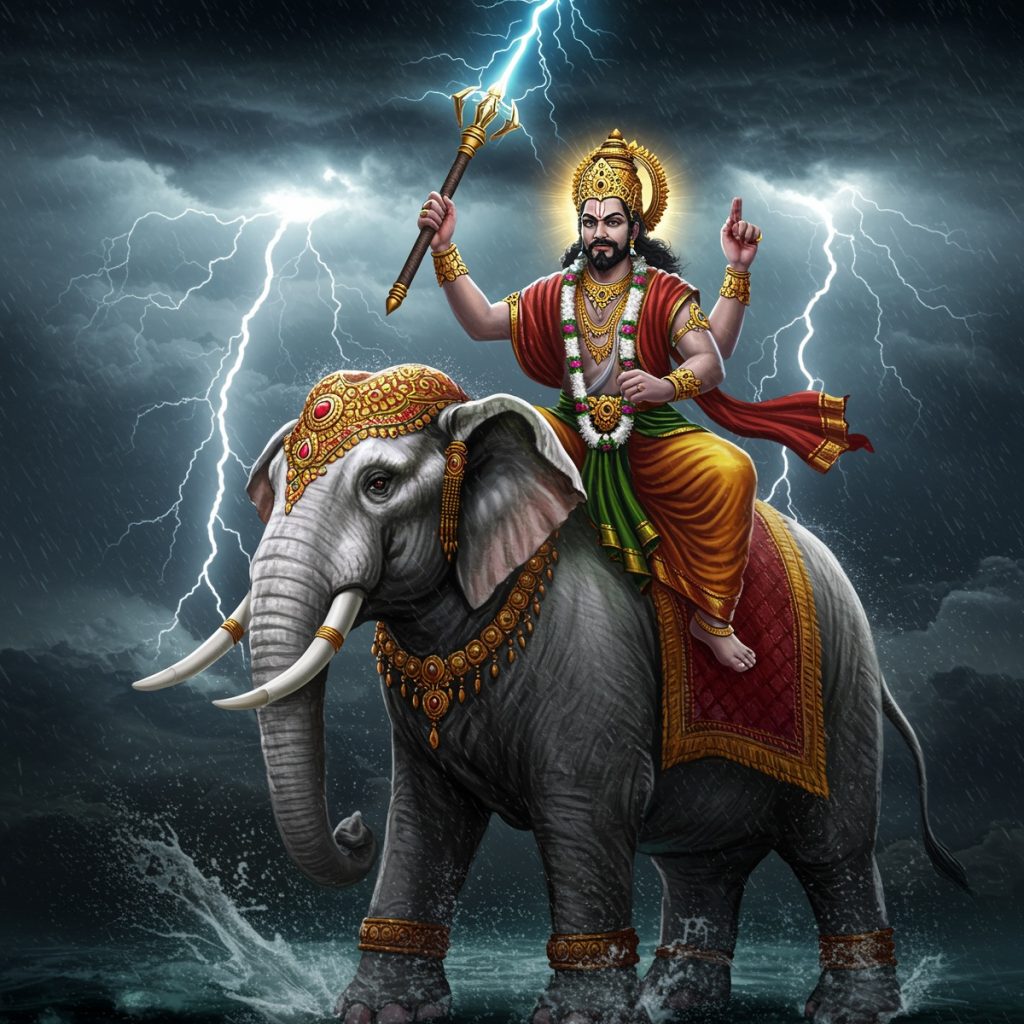
Indra is what happens when you combine warrior energy with storm control and a flair for heroic storytelling. As the king of the gods in early Hindu mythology, Indra wields a thunderbolt weapon called the Vajra and spends a lot of time battling demons—particularly ones that mess with the natural order.
His most famous feat? Slaying the serpent Vritra, who was hoarding the world’s waters like a mythological villain with a hoarding problem. By defeating Vritra, Indra releases rain back to the earth, making him not just a storm god, but a literal bringer of life.
Indra’s personality is bold, heroic, and occasionally a bit… impulsive. He’s powerful, respected, and essential to the balance of nature. Basically, if the sky needed a champion, Indra would already be mid-speech about it.
4. Perun (Slavic Mythology)

Perun is the Slavic god of thunder, lightning, and war—and he takes all three very seriously. Often depicted with an axe or hammer, Perun is known for hurling weapons from the sky, which conveniently explains lightning strikes.
He’s locked in an eternal rivalry with Veles, a trickster god associated with chaos and the underworld. Their ongoing battle is basically the mythological version of a never-ending feud, with thunderstorms representing Perun chasing Veles across the skies.
Perun’s energy is intense, disciplined, and very no-nonsense. He’s the kind of god who doesn’t say much but lets thunder do the talking. If a storm rolls in suddenly, you can bet Perun is handling business—loudly.
5. Raijin (Japanese Mythology)
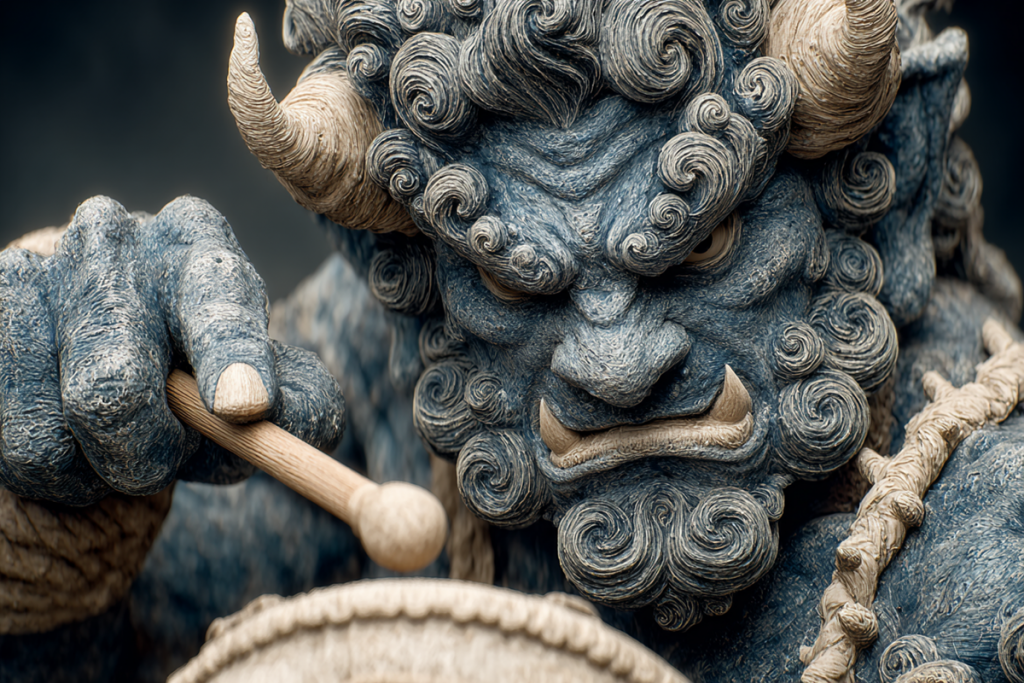
Raijin brings a slightly different aesthetic to the thunder god lineup—less “royal ruler,” more “chaotic drummer of the skies.” In Japanese mythology, Raijin creates thunder by beating drums, which explains why storms can sometimes feel like a full-on concert.
Often depicted as wild-looking and surrounded by drums, Raijin has a mischievous side. He’s not always destructive, but he’s definitely unpredictable. One minute it’s calm, the next minute—boom, percussion solo from the heavens.
Despite his chaotic energy, Raijin is also respected and even feared. Storms weren’t just natural events—they were performances, and Raijin was the headliner. Honestly, if thunder had a soundtrack, he’d be the composer.
6. Shango (Yoruba Mythology)
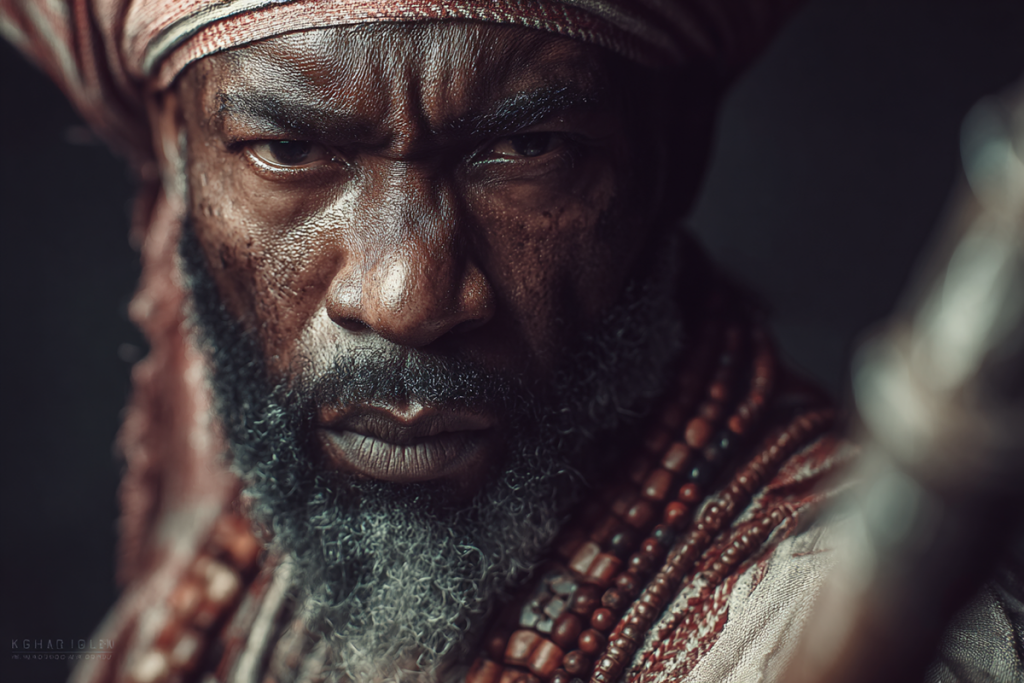
Shango (also spelled Sango) is a thunder god with undeniable charisma. In Yoruba mythology, he’s associated with lightning, fire, and justice—and he brings a powerful presence wherever he goes.
Unlike some thunder gods who feel distant, Shango is deeply connected to human life. He’s seen as a former king who became a deity, which gives him a relatable edge (well, as relatable as a lightning-wielding god can be). His storms are often viewed as expressions of divine justice—so if lightning strikes, it might not be random.
Shango’s personality is bold, passionate, and commanding. He’s not just about power—he’s about presence. When Shango shows up, you know something important is happening.

Lover of good music, reading, astrology and making memories with friends and spreading positive vibes! 🎶✨I aim to inspire others to find meaning and purpose through a deeper understanding of the universe’s energies.