
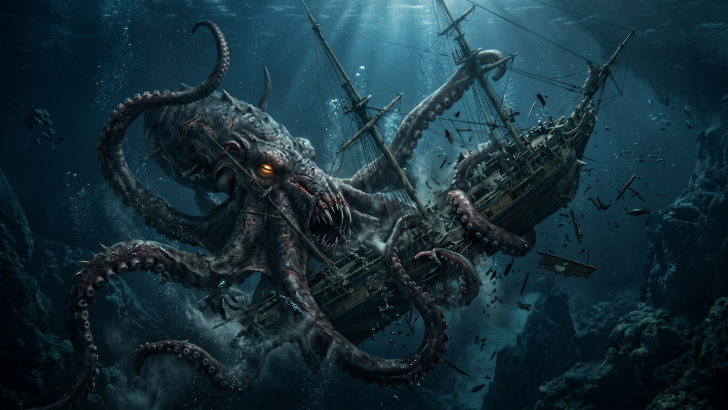
Stories of the Kraken come from old maritime folklore, especially in the northern parts of Europe.
This legendary sea creature was said to live deep in the ocean and appear near ships, creating fear among sailors.
While modern science has explained many ocean mysteries, the Kraken remains a powerful symbol of the unknown sea.
It represents fear, imagination, and the dangers of deep waters that were once unexplored and unreachable by early explorers.
In many old stories, sailors described giant shapes moving beneath the waves, which may have inspired the legend.
Across Scandinavia, these tales were passed down for generations, growing more dramatic over time.
In this article, we explore ten important things about the Kraken, its origins, symbolism, and why it still fascinates people today across modern culture and storytelling traditions worldwide.
1. The Kraken Comes From Old Scandinavian Folklore
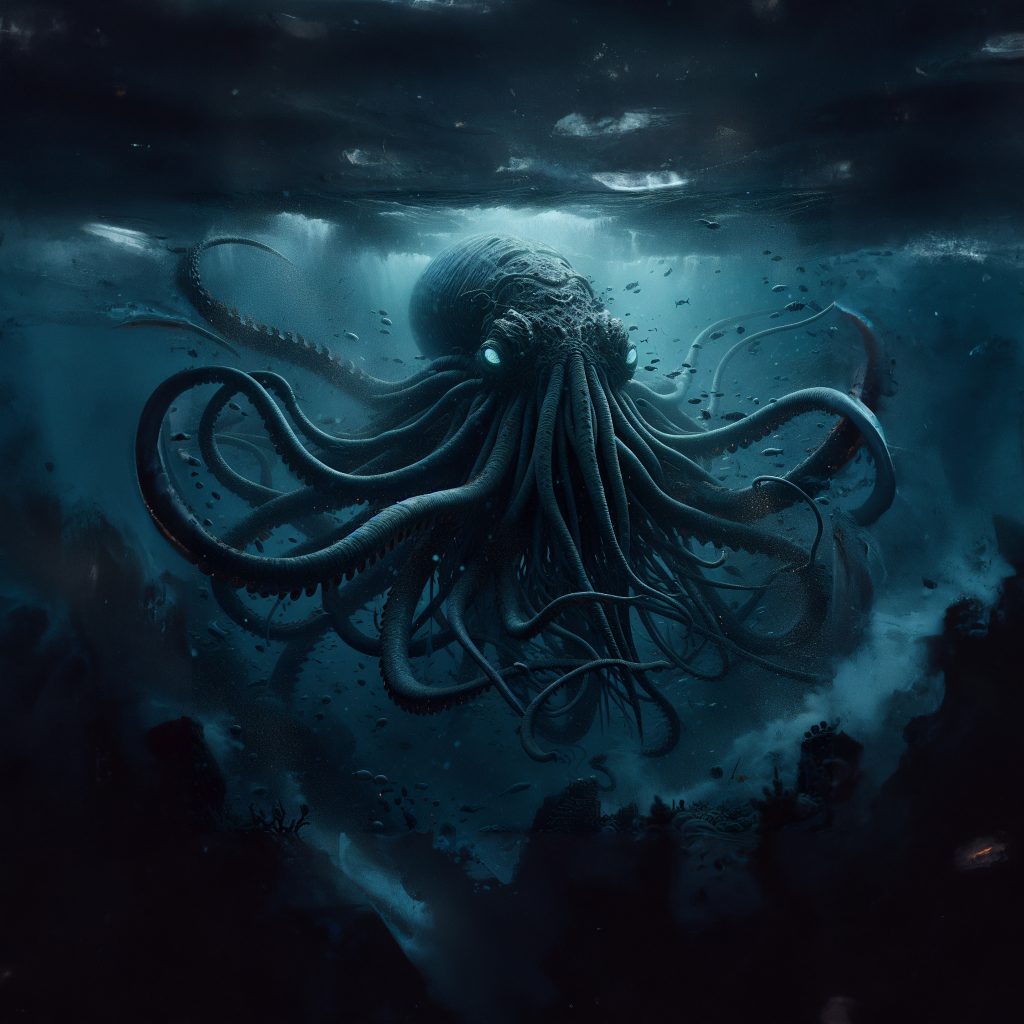
The Kraken originates from old stories told by sailors in Scandinavia. These tales described a massive sea creature living deep in the ocean, far from human reach and exploration.
The legend likely developed from real encounters with large sea animals, combined with imagination and fear of the unknown sea environment.
Because ocean exploration was limited in the past, people often filled gaps in knowledge with dramatic stories and symbolic creatures.
The Kraken became one of the most famous examples of this, symbolizing mystery, danger, and respect for deep waters that humans could not easily understand or control at that time.
2. It Was Described as Enormous in Size
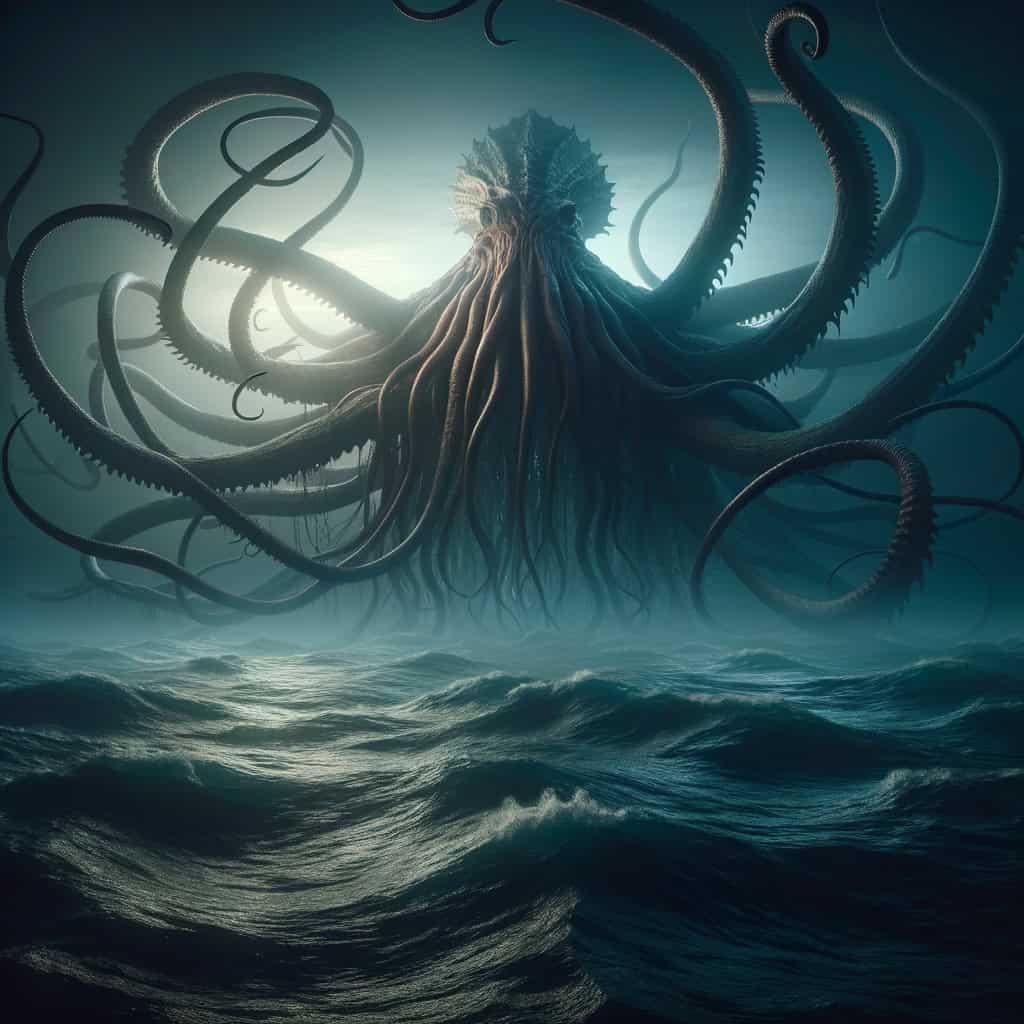
Stories describe Kraken as being so large that it could surround entire ships with its body or massive tentacles extending far into the sea.
This exaggeration reflects how sailors perceived the ocean as vast, powerful, and completely uncontrollable in dangerous conditions.
In reality, these descriptions may have been inspired by sightings of giant squids or other large deep-sea animals rarely seen near the surface.
However, in myth, the Kraken grew far beyond any real creature, becoming almost world-sized in imagination.
Its size made it a powerful symbol of fear, respect, and the overwhelming force of nature that humans could not fight against.
3. Sailors Believed It Could Sink Ships
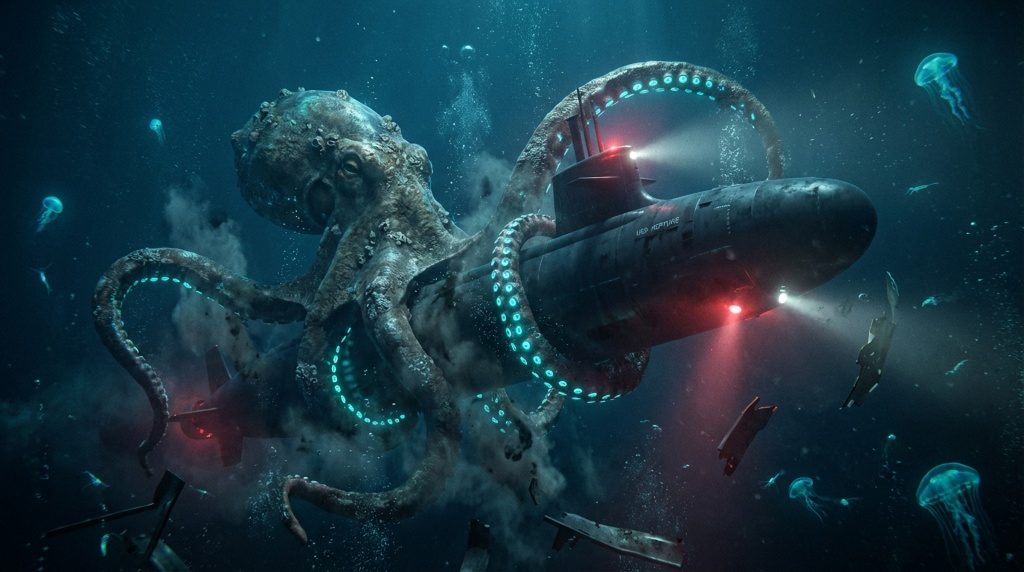
In many stories, the Kraken was believed to be capable of sinking entire ships during voyages across dangerous waters.
It was said to drag vessels underwater or create powerful whirlpools when it surfaced near the sea.
These ideas likely came from real dangers such as storms, strong currents, hidden rocks, and sudden ocean changes that caused shipwrecks.
Without a scientific understanding of these natural forces, sailors used the Kraken as an explanation for tragic and mysterious losses at sea.
This helped them make sense of unpredictable and often deadly ocean conditions. Over time, the creature became a symbolic explanation for disaster.
4. It Was Associated With Deep Ocean Waters
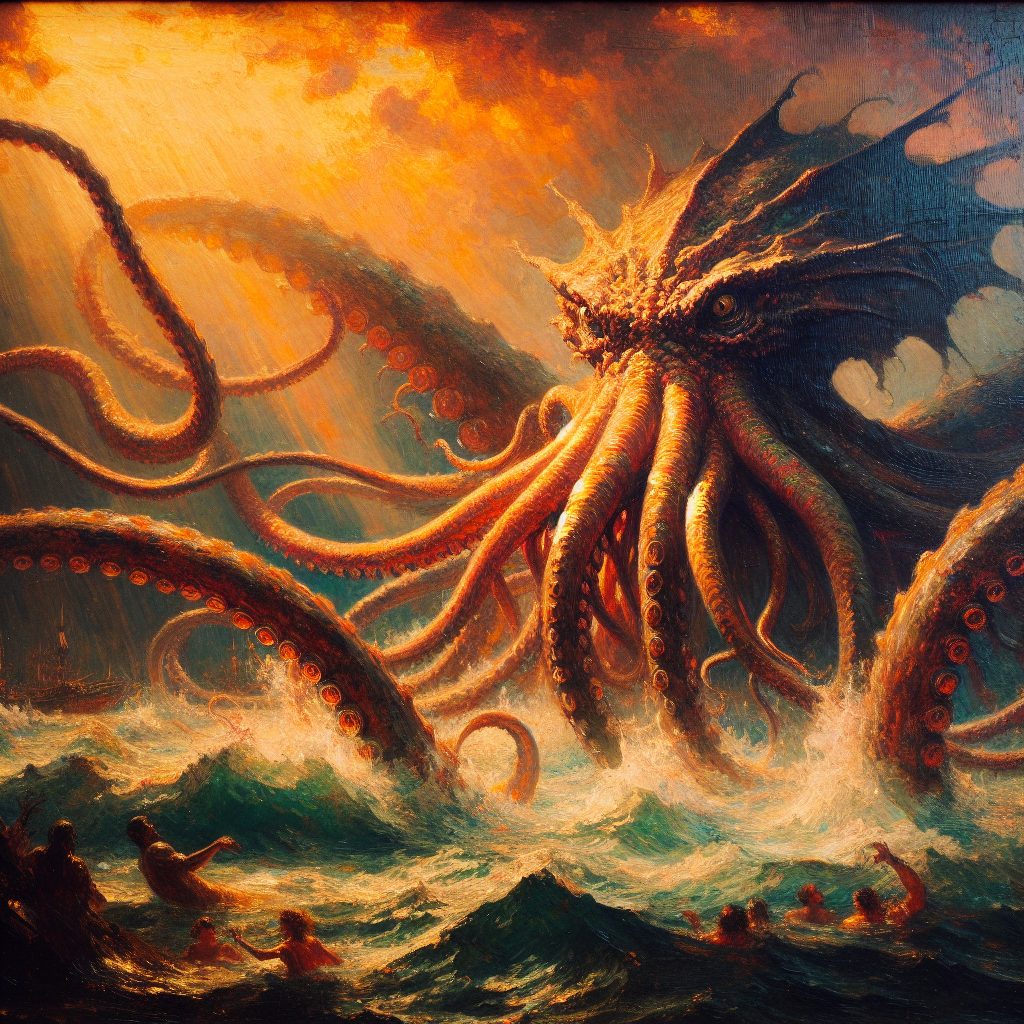
The Kraken was always said to live in the deepest parts of the ocean, far away from land and human activity.
This made it even more mysterious, since deep-sea exploration was impossible in earlier historical periods.
The unknown depths of the ocean were often imagined as home to strange and powerful creatures beyond human understanding.
In Scandinavian folklore, the deep sea represented both danger and mystery, a place where imagination filled the gaps left by knowledge.
The Kraken embodied everything people feared about what they could not see beneath the surface.
It became a symbol of hidden worlds, unknown forces, and the limits of human exploration in nature’s vast underwater environment.
5. It May Have Been Inspired by Real Animals
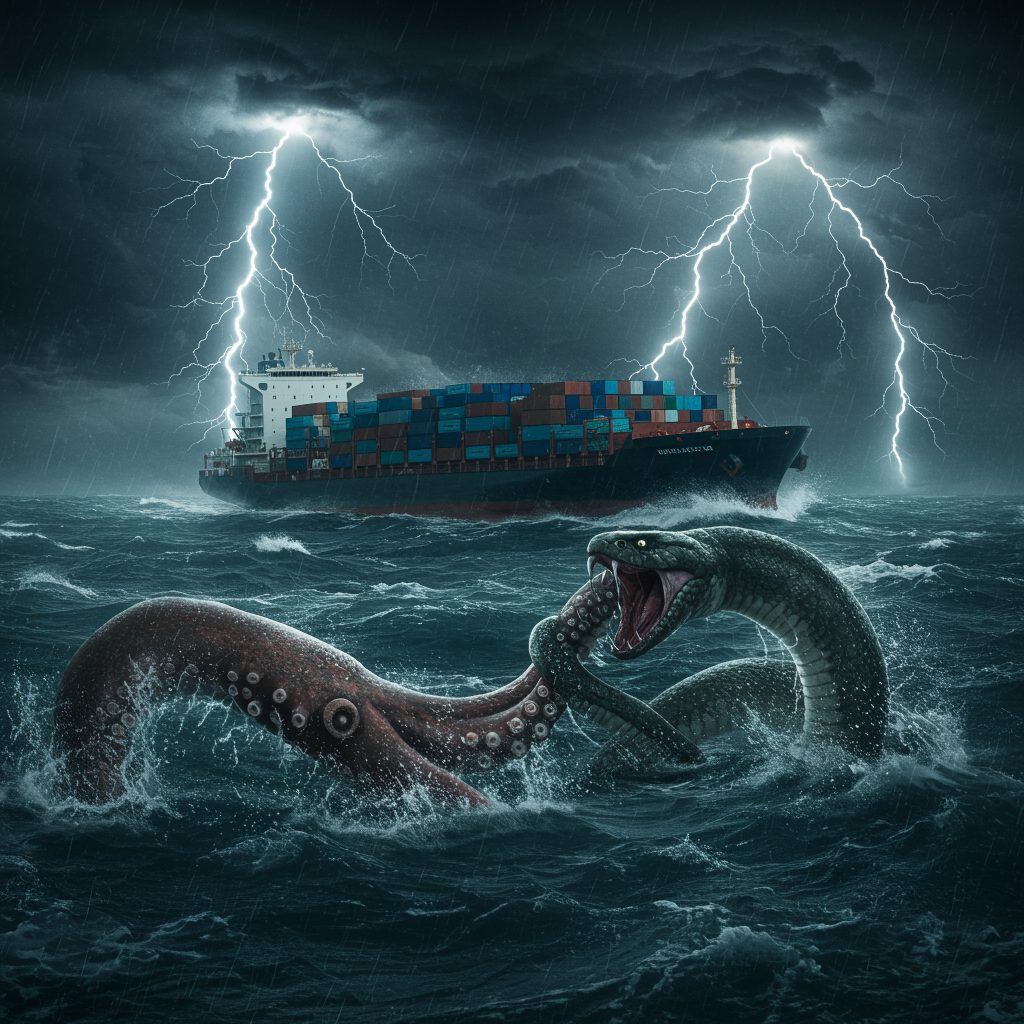
Many historians believe the Kraken myth may have been inspired by real sea creatures, especially giant squids and other deep ocean animals.
These creatures can grow very large and live in environments that are difficult for humans to explore or observe closely.
Early sailors who encountered them might have exaggerated their size, movements, and behavior in storytelling after returning from voyages.
Over time, these descriptions evolved into the idea of a massive sea monster with almost supernatural strength.
6. It Symbolized the Fear of the Unknown Sea
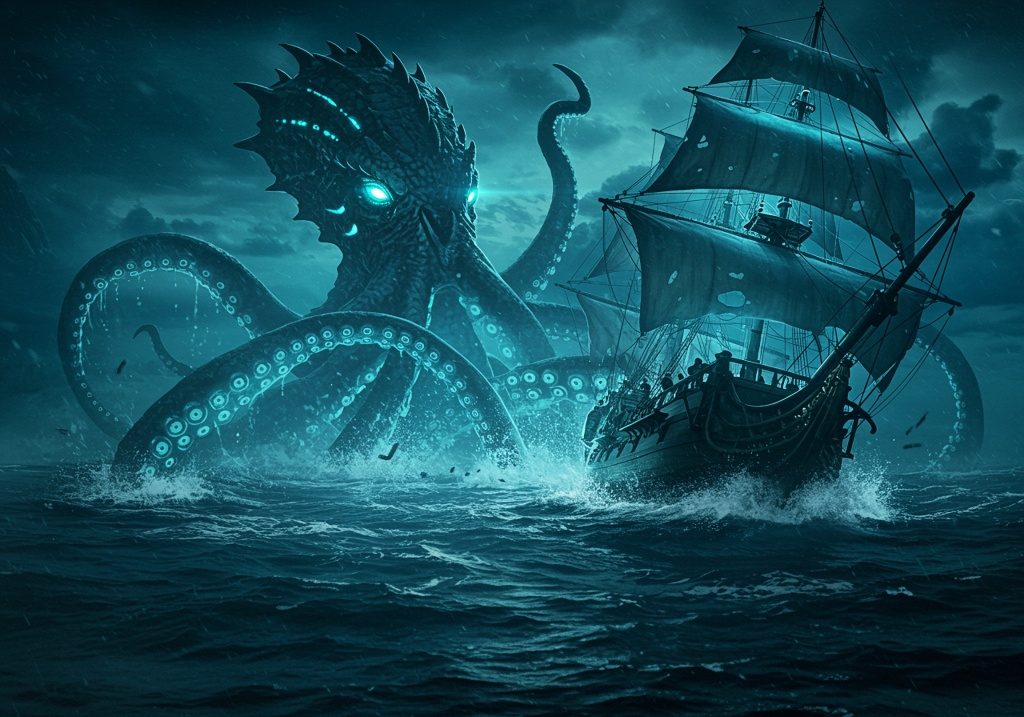
The ocean was once one of the least understood parts of the world for people living in Scandinavia.
The Kraken became a powerful symbol of everything unknown and uncontrollable in these vast waters.
It represented fear of what might be hidden beneath the waves, waiting unseen in the darkness. This symbolic meaning made the creature more than just a monster in stories.
It became a reflection of human uncertainty, imagination, and respect for forces of nature that could not be predicted or controlled by sailors or early explorers navigating dangerous seas.
7. The Kraken Appeared in Many Sailor Stories
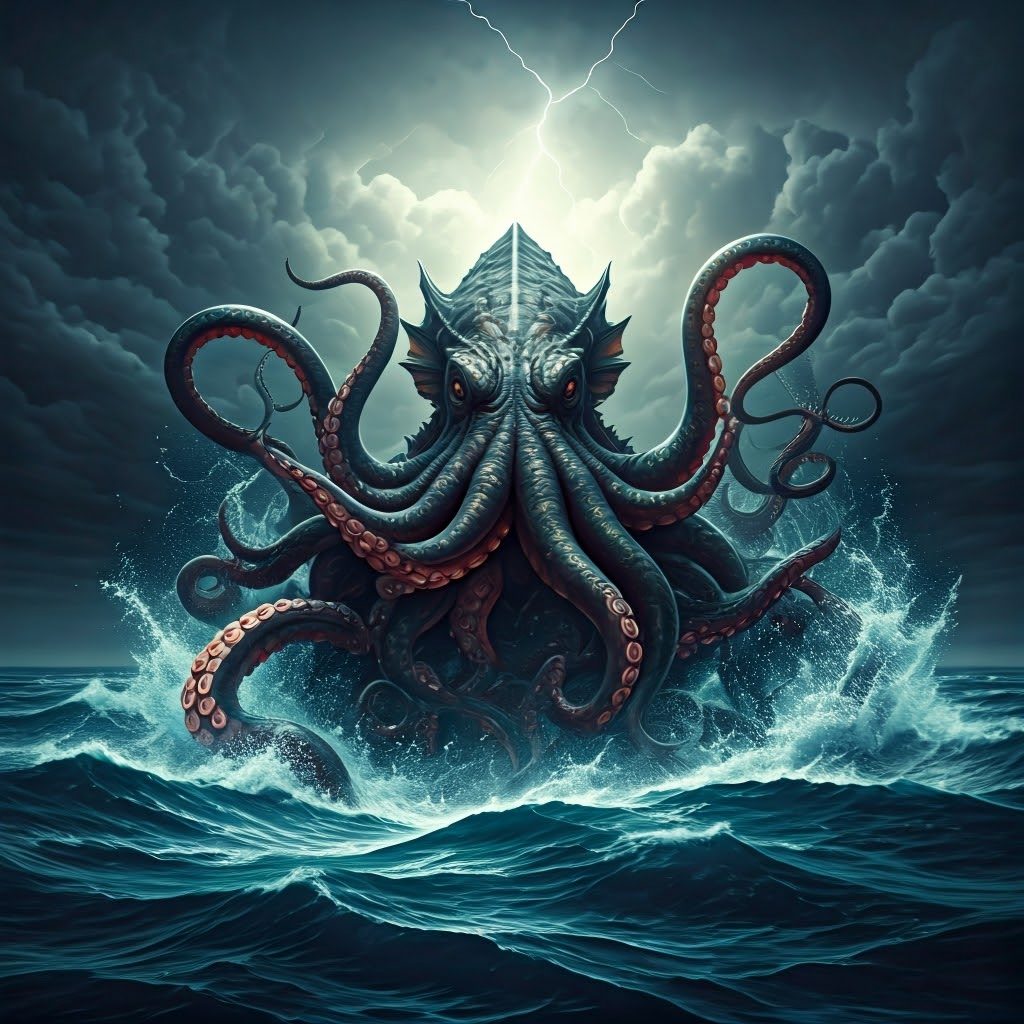
Sailor stories played a major role in spreading the legend of the Kraken across different coastal communities.
These stories were shared during long journeys, in ports, and in gatherings, often becoming more dramatic with each retelling over time.
Because sailors regularly faced real dangers at sea, storytelling helped them explain and cope with unpredictable experiences.
The Kraken became a common figure in these narratives, representing both danger and mystery in the ocean. Over time, repeated storytelling helped strengthen the belief in the creature.
Even when details changed, the core idea of a massive sea monster remained consistent, showing how oral tradition shaped folklore across generations of seafaring cultures.
8. It Became a Symbol of Ocean Power
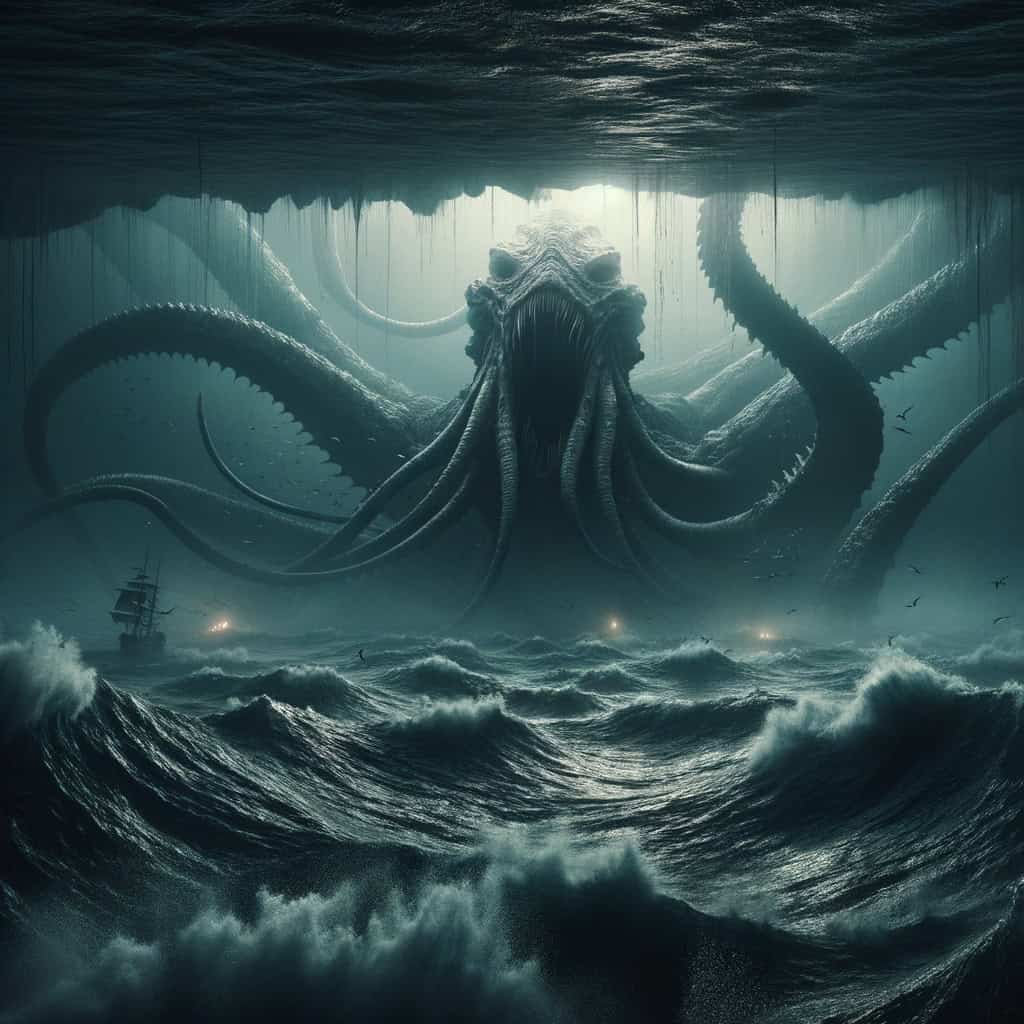
Over time, the Kraken stopped being just a feared creature and became a broader symbol of the ocean’s immense and uncontrollable power.
It represented how small and vulnerable humans are compared to the vastness of nature.
In Scandinavian storytelling traditions, the sea was often respected as a force that demanded caution, humility, and awareness.
The Kraken embodied this respect in physical form, reminding people of the strength, unpredictability, and mystery of deep waters.
It became less about a literal monster and more about representing nature’s dominance over human effort, exploration, and survival in the open ocean.
9. The Kraken Still Fascinates Modern Culture
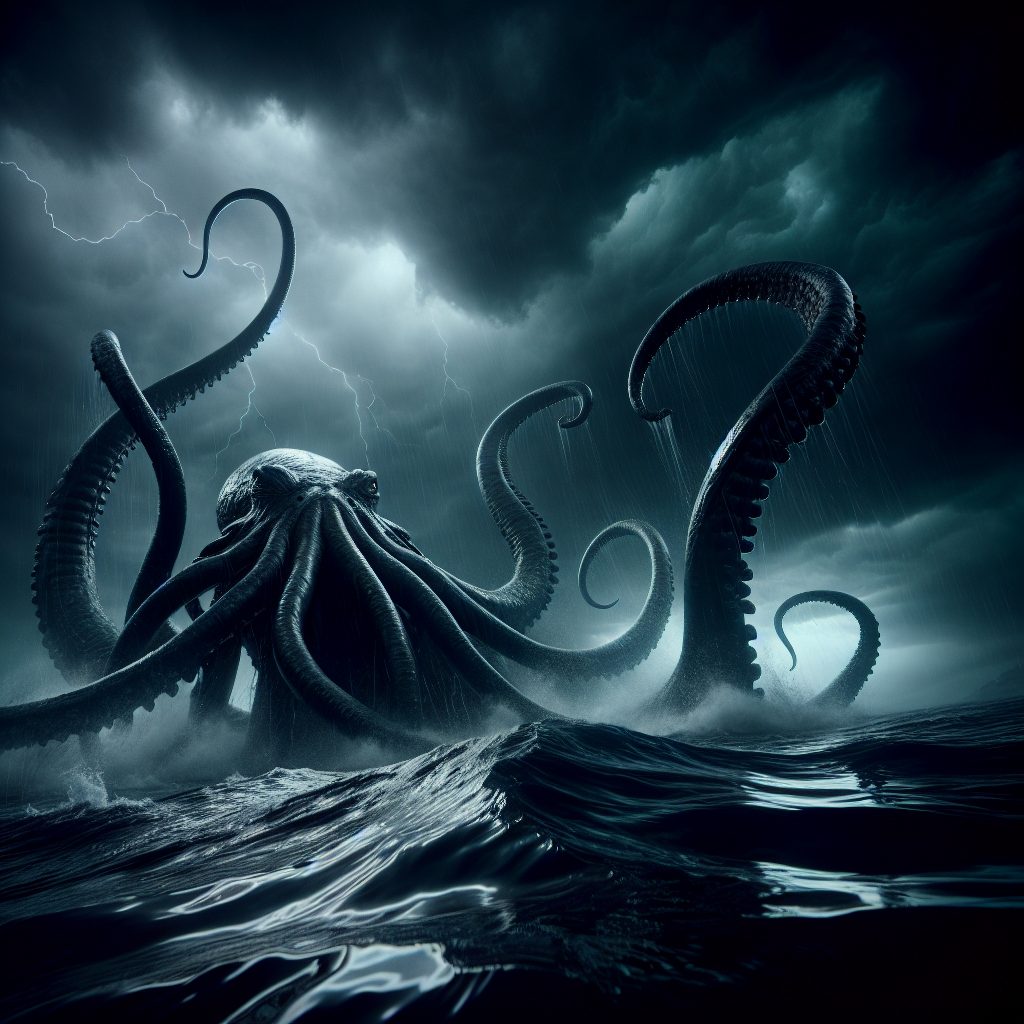
Today, the Kraken remains a popular figure in books, films, games, and modern storytelling.
Even though it is not believed to be real, it continues to capture the imagination across different cultures and generations.
It represents mystery, fear, and the unknown depths of the ocean that still inspire curiosity.
Modern science has explored much of the sea, but deep waters still hold many unanswered questions and hidden ecosystems.
The Kraken continues to symbolize humanity’s fascination with what lies beyond understanding, reminding us that even in a modern world, mystery still plays a powerful role in storytelling and imagination.

Ho sempre sentito una forte connessione con il Divino fin dalla mia nascita. Come autrice e mentore, la mia missione è aiutare gli altri a trovare l'amore, la felicità e la forza interiore nei momenti più bui.