
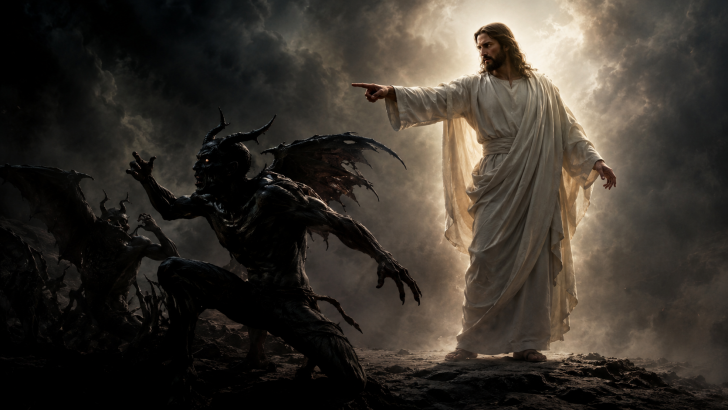
When reading the Gospels, one detail stands out almost immediately. Many people around Jesus seem confused about who he really is.
Some admire him. Some doubt him. Some argue with him. Even his own disciples take time to fully understand what they are witnessing.
Yet the demons respond very differently. The moment Jesus appears, they seem to know exactly who he is. They call him the Son of God.
They tremble. They beg him not to torment them. It is one of the most dramatic patterns in the New Testament.
The beings associated with darkness show instant recognition, while many human beings remain uncertain. This contrast has fascinated readers for centuries.
Why would demons recognize Jesus before so many other people did? The answer touches on deep ideas about spiritual knowledge, authority, and the difference between knowing a truth and willingly accepting it.
Here are five important ways to understand this striking theme in the Gospels.
1. Demons Belong to the Spiritual Realm
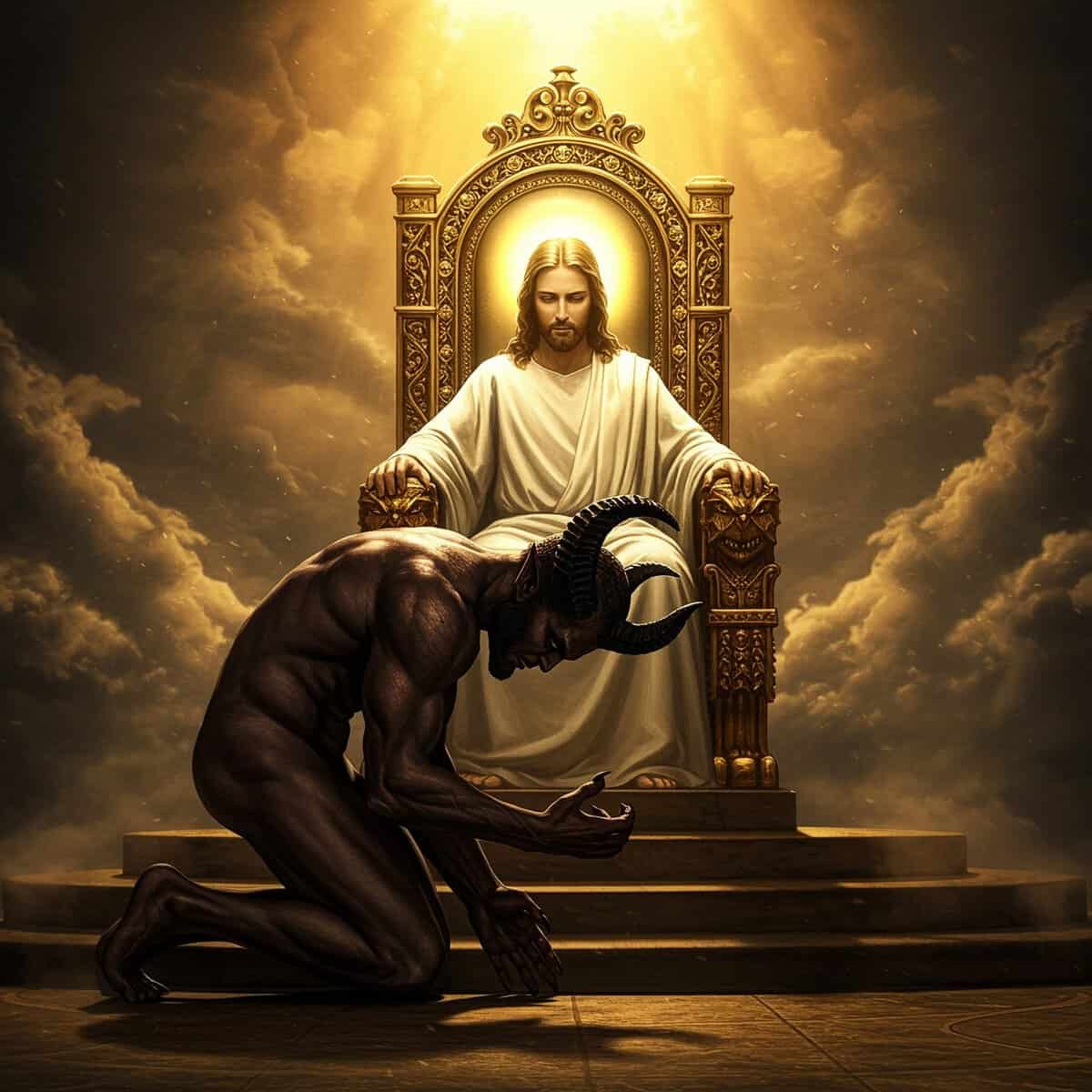
One simple reason demons recognize Jesus immediately is that they belong to the spiritual realm. According to Christian belief, they are not limited to ordinary human perception.
They do not need to watch miracles or listen to long sermons to figure out who Jesus is. They already know the reality of the unseen world.
This makes the Gospel scenes especially dramatic. Imagine people standing around wondering whether Jesus is a prophet, while the demons are already terrified.
They understand that they are not facing a teacher or healer alone. They are standing before the one who holds authority over them.
This idea creates an interesting contrast. Human beings often need time, faith, and personal experience to recognize spiritual truth.
Demons, by contrast, recognize it immediately. Their knowledge is instant, but it does not lead to love or repentance.
That distinction matters. Knowing who Jesus is and surrendering to him are not the same thing.
The Gospels use these encounters to reveal something profound. Spiritual beings see clearly, but they remain opposed.
Their recognition highlights Jesus’ true identity, even as they resist his authority.
In this way, the demons become unwilling witnesses. They confirm what many humans are still trying to understand.
2. They Remember Who Jesus Was Before His Earthly Ministry
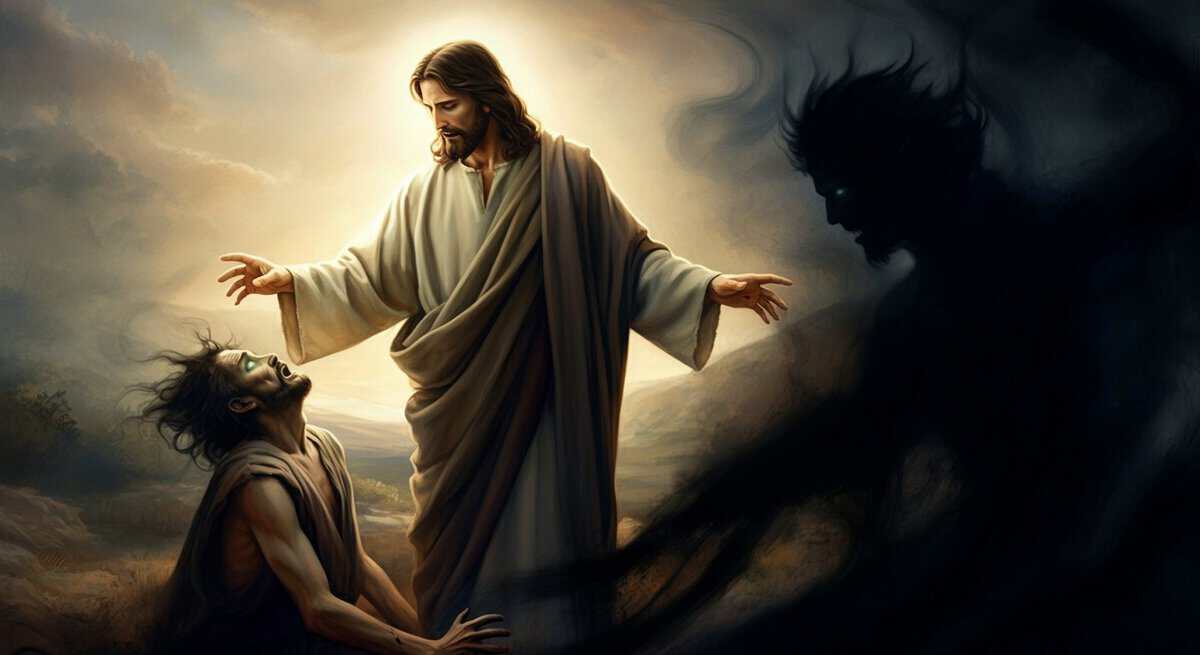
Christian theology teaches that Jesus existed before his human birth. Demons, as fallen spiritual beings, would already know who he is.
They are not discovering him for the first time in Galilee. This gives the Gospel stories a powerful emotional dimension.
Jesus appears in human form, walking dusty roads and speaking to ordinary people. To many, he looks like a humble teacher from Nazareth. But the demons see beyond that appearance.
They recognize the same divine authority they once knew in the heavenly realm. That is why their reactions are immediate and intense.
There is something striking about this image. The one who appears ordinary to human eyes is instantly recognized by hostile spiritual beings.
It is a reminder that outward appearances can hide profound realities. Many people saw a carpenter’s son. The demons saw the Son of God.
Their recognition underscores one of the central claims of Christianity: Jesus’ identity did not begin in Bethlehem. His earthly life was part of a much larger story.
3. They Know Their Defeat Is Coming

When demons encounter Jesus, they often respond with fear. In several Gospel accounts, they ask whether he has come to torment them before the appointed time.
This reveals that they understand something important. They know that Jesus’ arrival marks the beginning of their ultimate defeat.
There is almost a sense of dread in these scenes. The demons realize that the person standing before them represents the collapse of their power.
This helps explain why they react so strongly. They are not simply identifying Jesus. They are confronting the one who will judge them.
The Gospels present these moments as small previews of a larger victory still unfolding.
Even before the crucifixion and resurrection, Jesus’ presence alone causes fear among spiritual forces opposed to God.
That image can be deeply comforting to believers. It suggests that evil recognizes the authority of Christ even when human beings struggle to see it clearly.
4. Recognition Does Not Mean Obedience
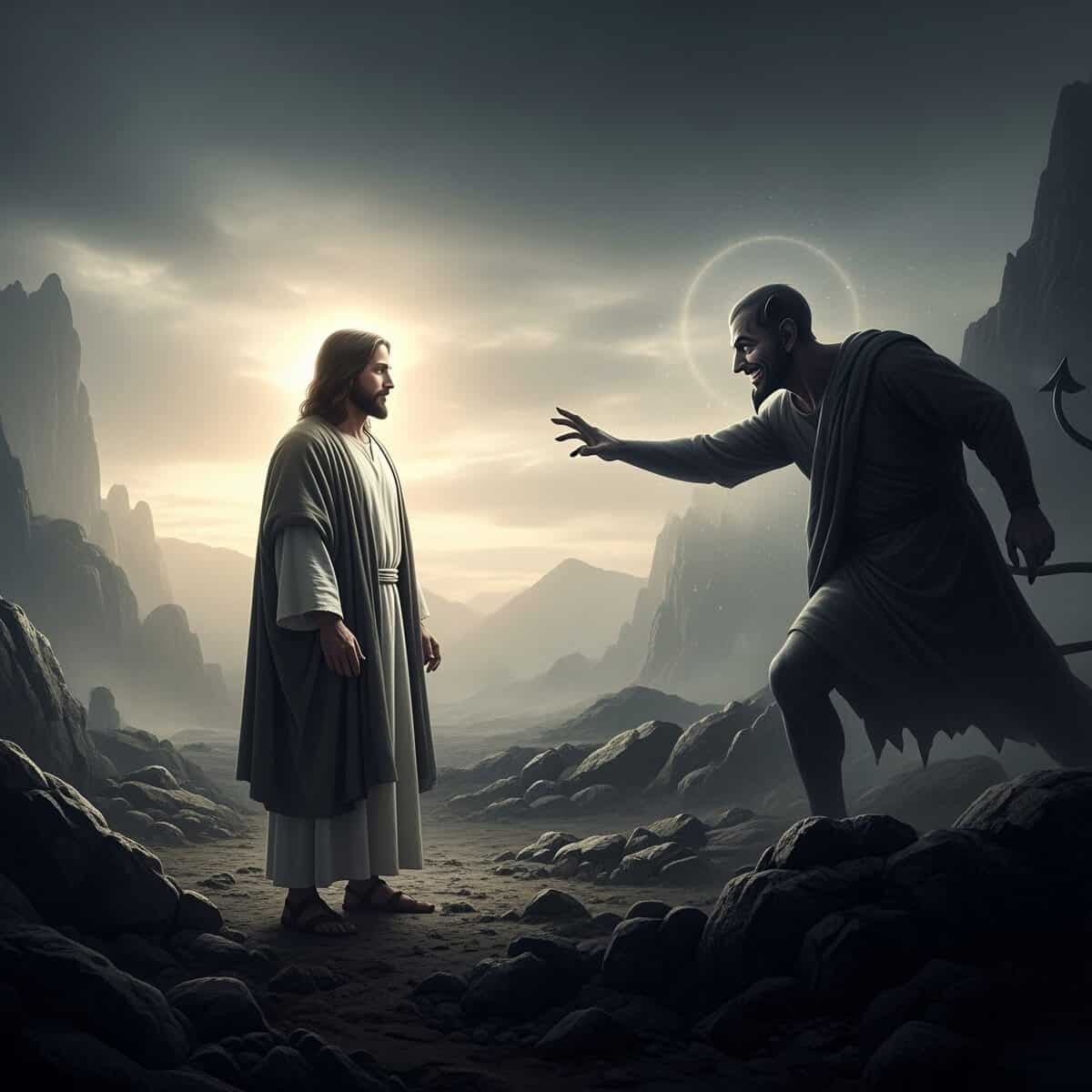
One of the most important lessons in these stories is that recognition does not equal faith. The demons know exactly who Jesus is, but they do not love him or submit willingly.
This distinction is deeply meaningful. A person can understand a truth intellectually while still resisting it.
The demons are perhaps the clearest example of this idea. Their knowledge is accurate, but their hearts remain opposed.
This theme appears elsewhere in the New Testament. Genuine faith involves trust, surrender, and transformation, not mere awareness.
That makes these stories surprisingly practical. They challenge readers to ask whether their knowledge of spiritual truth has become personal and life-changing.
The demons recognize Jesus immediately, but recognition alone does not save them.
5. Their Fear Highlights Jesus’ Authority

In the end, the demons’ reactions serve an important purpose in the Gospel narrative. They emphasize Jesus’ authority.
Again and again, the demons beg, plead, and obey when commanded. They may resist, but they cannot overpower him.
This creates some of the most dramatic moments in the New Testament. Crowds watch as chaotic, tormented situations are brought under control with a word.
The contrast is powerful. Forces associated with fear and disorder collapse in the presence of Jesus.
For believers, this offers reassurance. The spiritual world, no matter how mysterious, is not beyond Christ’s authority.
That is why these stories continue to resonate. The demons recognize Jesus immediately because they know they are standing before someone infinitely greater than themselves.

Ho sempre sentito una forte connessione con il Divino fin dalla mia nascita. Come autrice e mentore, la mia missione è aiutare gli altri a trovare l'amore, la felicità e la forza interiore nei momenti più bui.