

For creatures that invented smartphones, mapped the human genome, and can order tacos with two taps on a screen, humans remain remarkably committed to occasionally saying, “Okay, but explain che.” We live in a world of science, technology, and searchable information—yet ghost stories still thrive, haunted house videos still get millions of views, and nearly everyone has at least one sentence that begins with: “I’m not saying I believe in the supernatural, but…"
Because here’s the thing: humans are weird. We are emotional, pattern-seeking, meaning-hungry little beings wandering around on a giant rock floating through space. And while science explains an incredible amount, our brains still love mystery. Sometimes we experience things that feel impossible. Sometimes we want comfort. Sometimes our brains glitch in fascinating ways. And sometimes your hallway really does look deeply haunted at 2:14 a.m.
So why do people still believe in the supernatural? The reasons are surprisingly human—and occasionally hilarious.
1. Our Brains Are Basically Pattern-Making Machines With Trust Issues
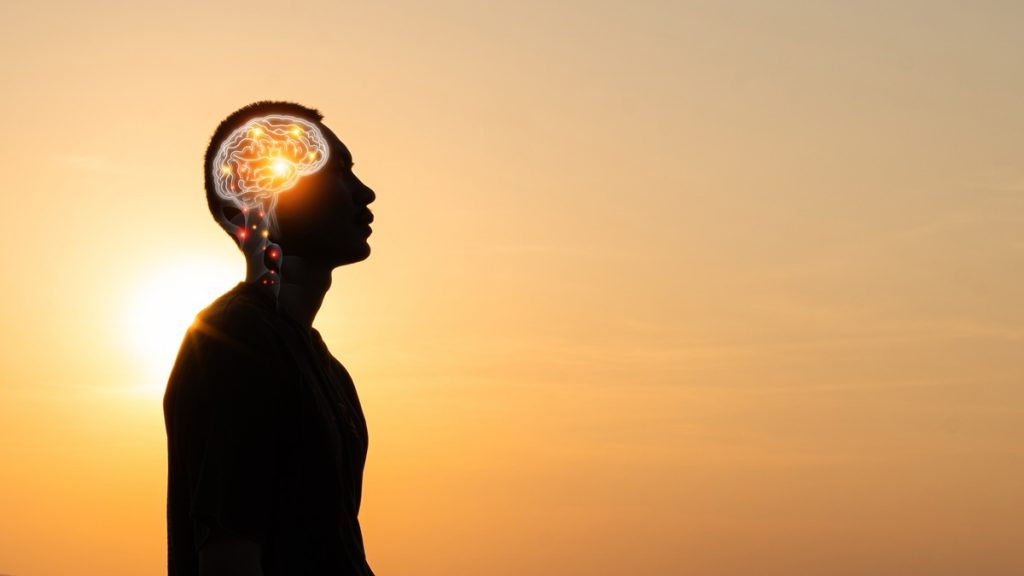
Human brains are incredible at spotting patterns. In fact, they’re almost anche good at it.
Thousands of years ago, this skill helped our ancestors survive. Hearing rustling in bushes and assuming “possible tiger” was usually safer than assuming “probably wind.” Evolution rewarded caution. Better to accidentally panic over leaves than become lunch.
Unfortunately, our brains never fully retired from that job.
Now we see faces in clouds, hear hidden messages in random sounds, and immediately decide strange coincidences mean something. You hear a creak in your house immediately after thinking about ghosts and suddenly your brain becomes a low-budget paranormal investigator.
Meanwhile the actual explanation might be: your heating system exists.
This tendency is called pattern recognition, and it’s one of the biggest reasons supernatural beliefs survive. Humans naturally connect dots—even when those dots have absolutely no relationship whatsoever.
To be fair, though, our brains sometimes create extremely convincing stories. Because when three weird things happen in a row, logic quietly exits the room while your imagination grabs a flashlight.
2. Coincidences Feel Personal and Our Brains Love Drama
You think about an old friend and they suddenly text you. You dream about something weird and then a version of it happens two days later. You randomly hear the same unusual phrase three times in one week.
Immediately your brain goes:
“Interesting. The universe appears to be contacting me personally.”
Humans are terrible at accepting coincidence because coincidence feels deeply unsatisfying. We want narratives. We want purpose. We want answers.
“Random chance” is scientifically reasonable but emotionally disappointing.
The supernatural often steps in because it gives strange events a storyline. Suddenly it’s fate. A sign. Cosmic timing. A spiritual message.
And honestly? Humans adore stories.
We’re the species that gives names to cars and apologizes to chairs after bumping into them.
Of course we’re going to turn bizarre coincidences into elaborate narratives.
Because somewhere deep inside us is a tiny screenwriter screaming: “Everything must connect!”
3. We Hate Not Knowing Things

Humans can tolerate many things.
Stress? Sometimes.
Embarrassment? Unfortunately.
Group projects? Barely.
But uncertainty? Absolutely not.
When something strange happens and there isn’t an immediate explanation, our brains become deeply uncomfortable. We want closure. We want certainty. We want to know why.
The supernatural often fills gaps that science hasn’t answered yet—or that individuals personally don’t understand.
For centuries people explained storms, illness, and natural disasters through supernatural beliefs because uncertainty feels unsettling. Even today, mystery creates tension.
And when answers don’t arrive quickly enough, humans become surprisingly creative.
It’s the same reason people convince themselves WebMD says they have twelve rare diseases after sneezing twice.
Our brains dislike empty spaces. We fill them.
Sometimes with facts.
Sometimes with ghosts.
4. Weird Experiences Feel Very Real When They Happen to You
Here’s where things get complicated.
Many people genuinely experience strange events: sleep paralysis, vivid dreams, unexplained sensations, déjà vu, or moments that feel impossible to explain.
And when something happens directly to voi, logic becomes much harder.
You can read twenty articles explaining why sleep paralysis occurs scientifically. But if you wake up unable to move while your half-awake brain invents a shadow figure in the corner?
Congratulations. You have temporarily joined the cast of your own horror film.
Experiences feel more powerful than explanations because emotions leave stronger impressions than facts.
People trust their own memories and senses—even though human memory occasionally behaves like a reality show editor creating dramatic storylines.
Most supernatural experiences have potential explanations.
But in the moment?
At three in the morning?
With one eye open?
Absolutely not.
5. We Secretly Want the World to Be More Magical
Let’s be honest.
Part of us wants mystery.
Not necessarily terrifying mystery involving haunted dolls and basement noises—but meaningful mystery. Magic. Wonder. Possibility.
The idea that reality contains hidden layers is deeply appealing.
Because ordinary life involves emails, laundry, taxes, and accidentally liking a social media post from 2018.
The supernatural suggests there may be more.
Maybe signs exist.
Maybe unexplained things happen.
Maybe the universe contains mysteries beyond our understanding.
Humans don’t just crave answers—we crave wonder.
Children naturally imagine magical worlds because imagination feels exciting. Adults aren’t really different; we’re just better at pretending we have everything figured out.
Then someone tells a genuinely creepy story and suddenly everyone in the room forgets science for approximately six minutes.
6. Ghost Stories Survive Because Humans Love Being Scared Safely
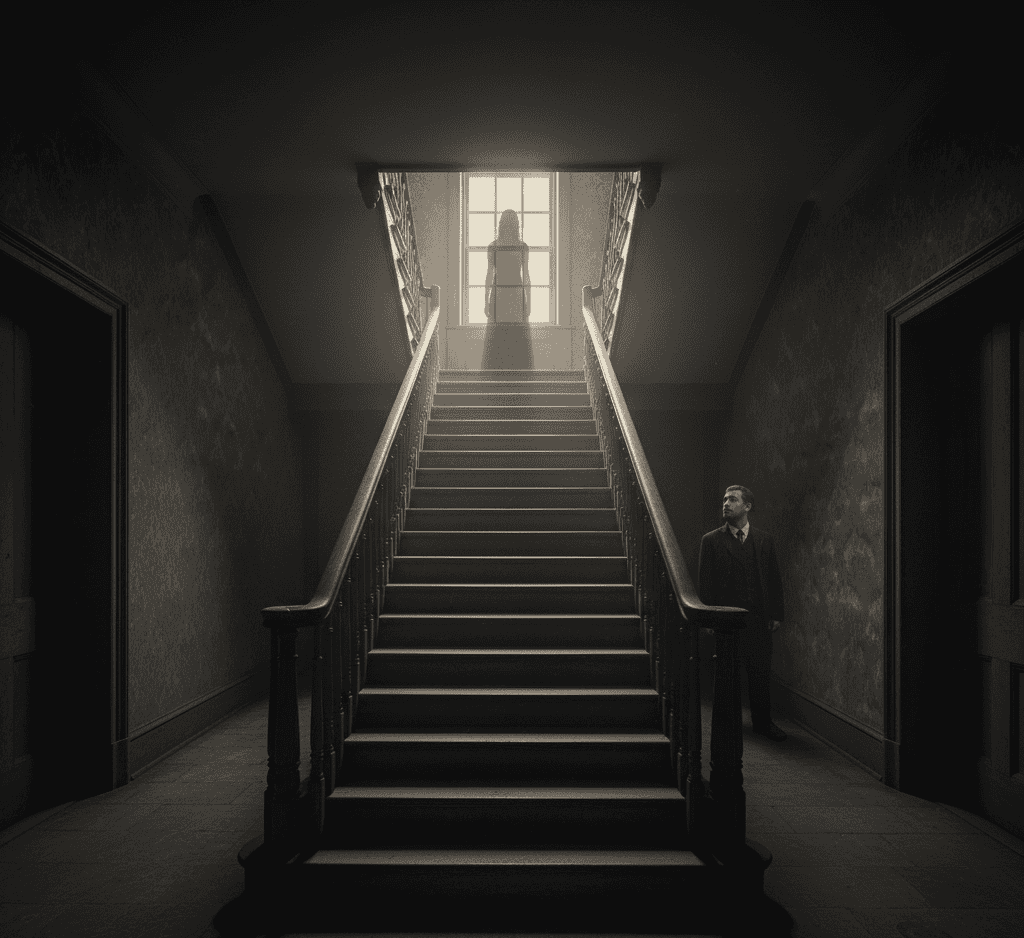
Humans have a strange hobby: voluntarily terrifying ourselves.
We watch horror movies. Visit haunted houses. Listen to spooky podcasts before bed and then act shocked when walking to the bathroom suddenly feels dangerous.
Why?
Because fear in controlled situations creates excitement.
Ghost stories especially survive because they blend mystery, danger, and storytelling together perfectly. They spread easily. They’re memorable. They evolve over time.
Also, supernatural stories usually begin with phrases like:
“I didn’t believe this either…”
Which immediately captures attention.
Even skeptics lean in.
Because humans love suspense. We love asking “what if?”
And honestly, hearing a ghost story at midnight with friends activates something ancient in our brains.
Even if everyone pretends not to be scared.
Even if someone definitely sleeps with the hallway light on afterward.
Not naming names.
7. Deep Down, Humans Want Meaning More Than Certainty

Perhaps the biggest reason supernatural beliefs survive isn’t fear or confusion.
It’s hope.
People want to feel connected to something larger than themselves. They want meaning during grief, uncertainty, and difficult experiences.
Supernatural beliefs often provide emotional comfort. They suggest life may have purpose beyond randomness. They suggest people aren’t alone.
Science excels at explaining come things happen.
But humans also ask perché.
And “why” questions often drift toward philosophy, spirituality, and mystery.
That doesn’t mean every unexplained event has a supernatural answer.
But it does explain why humans continue believing.
Because beneath all our intelligence and technology, we remain storytellers searching for meaning.
Also because every single person who claims they don’t believe in ghosts somehow starts sprinting after turning off basement lights.
A fascinating coincidence, really.

Lover of good music, reading, astrology and making memories with friends and spreading positive vibes! 🎶✨I aim to inspire others to find meaning and purpose through a deeper understanding of the universe’s energies.