
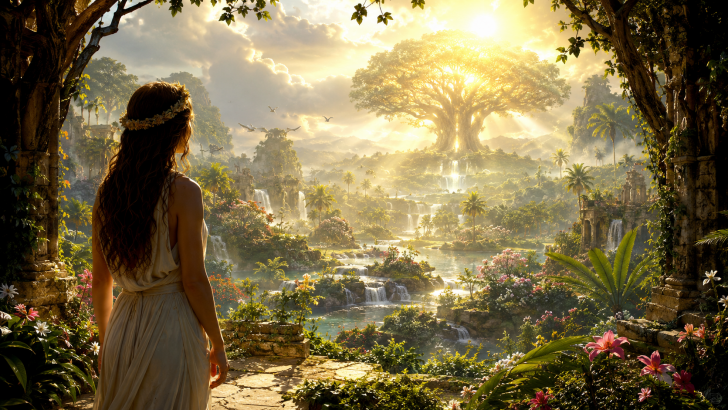
The Garden of Eden is one of the most famous places in the Bible.
Described as the home of Adam and Eve before the Fall, it has fascinated theologians, historians, archaeologists, and ordinary readers for centuries.
According to Scripture, Eden was a beautiful paradise filled with abundant life, flowing rivers, and direct fellowship with God.
Yet despite its importance, no one knows exactly where Eden was located.
Over the years, many theories have emerged. Some suggest Eden was a real place that once existed on Earth.
Others believe it was symbolic, representing humanity’s original relationship with God.
Because the Bible provides only limited geographical details, the mystery continues to inspire debate and curiosity.
Here are ten fascinating theories about the Garden of Eden.
1. Eden Was Located in Ancient Mesopotamia
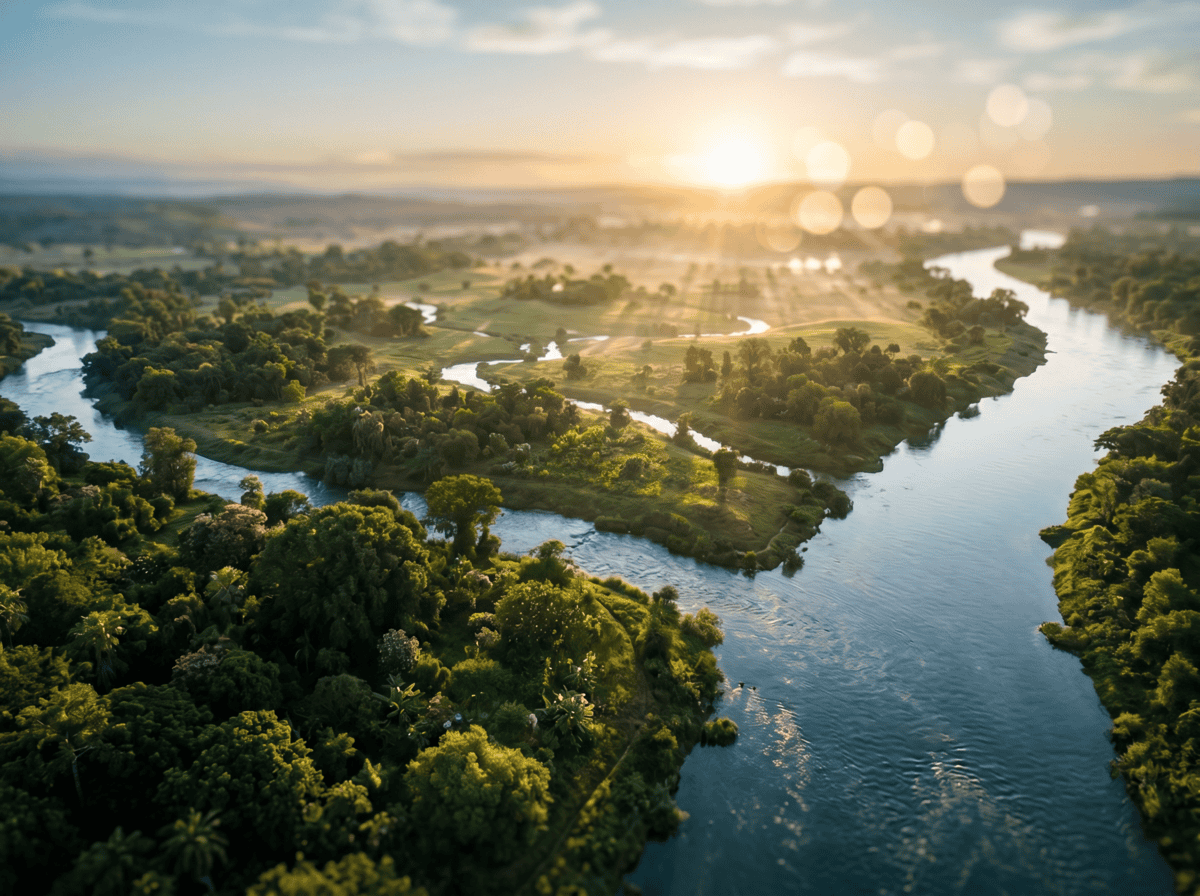
One of the most popular theories places Eden in ancient Mesopotamia.
The Bible mentions four rivers connected to the garden, including the Tigris and Euphrates.
Since both rivers flowed through parts of ancient Mesopotamia, many researchers have looked to this region as a possible location.
Modern-day areas of Iraq, Syria, and nearby lands are often included in this theory.
Supporters argue that the biblical description fits the geography better than many other proposed locations.
Mesopotamia was also home to some of the world’s earliest civilizations.
While no definitive evidence exists, the connection between the rivers and the region makes this one of the most widely discussed possibilities.
2. Eden Was Hidden Beneath the Persian Gulf

Some researchers have suggested that the Garden of Eden may now lie beneath the waters of the Persian Gulf.
Thousands of years ago, sea levels were lower than they are today. Large areas that are now underwater may once have been dry land.
Supporters of this theory believe an ancient fertile region could have existed where the gulf now sits.
Over time, rising waters may have submerged the area completely. This idea is particularly attractive because it could explain why no trace of Eden has ever been found.
If the location is underwater, discovering evidence would be extremely difficult.
The theory remains speculative, but it continues to interest both historians and archaeologists.
3. Eden Was Located Near Armenia
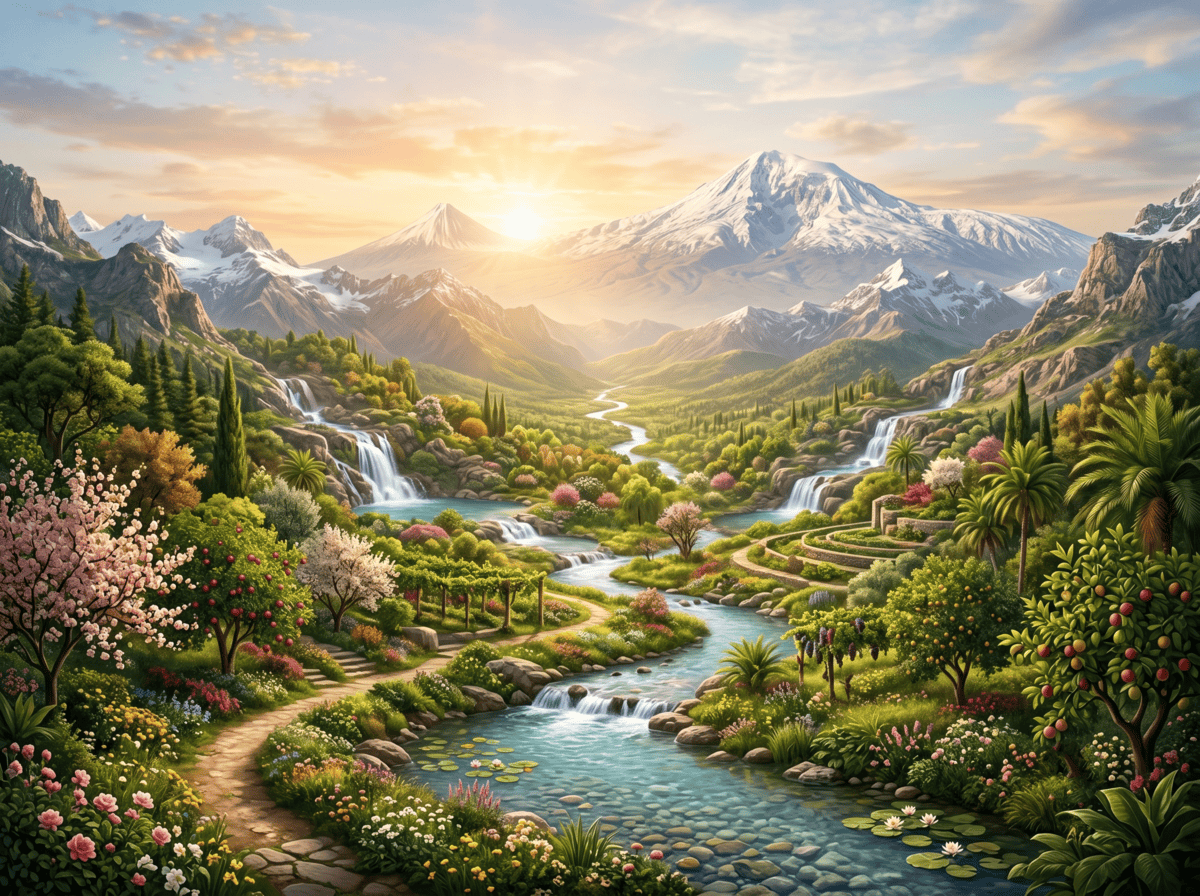
Another theory places Eden near the mountains of ancient Armenia. Some scholars point to the fact that the Tigris and Euphrates rivers originate in this general region.
If the rivers began there, perhaps Eden was located close to their source rather than farther downstream.
This interpretation focuses on where the rivers start instead of where they eventually flow.
The mountainous landscape also contains many ancient sites connected to biblical traditions.
Supporters believe this area deserves more attention than it often receives.
Although evidence remains limited, the theory continues to attract interest among those studying biblical geography.
4. Eden Was a Real Place Destroyed by a Catastrophe
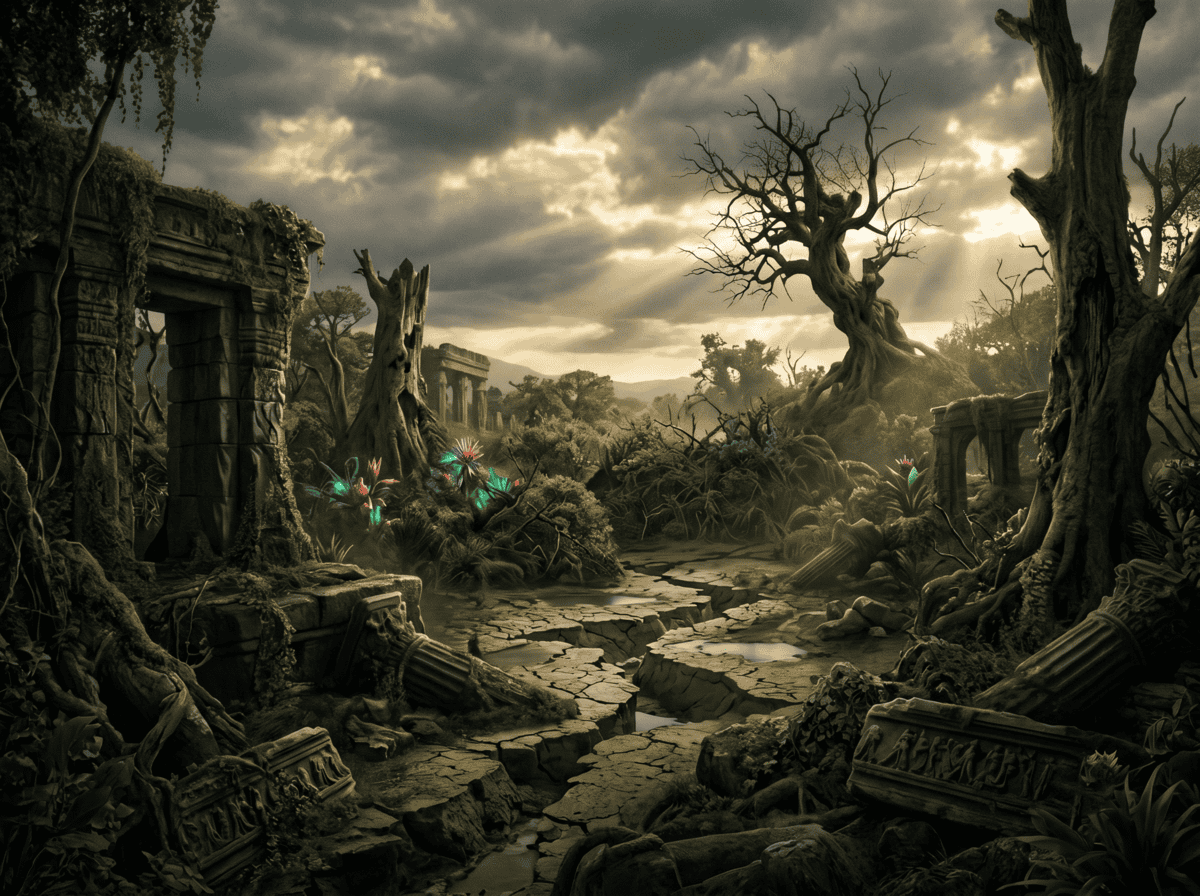
Some people believe Eden truly existed but was destroyed by a major natural disaster.
According to this view, floods, earthquakes, climate changes, or other ancient events may have erased much of the original landscape.
If such a catastrophe occurred thousands of years ago, identifying the location today could be nearly impossible.
Supporters argue that many ancient sites have disappeared over time. Entire cities have been buried, submerged, or altered beyond recognition.
A dramatic environmental event could explain why Eden remains undiscovered.
This theory allows for a historical garden while acknowledging the challenges of locating it in the modern world.
5. Eden Was Symbolic Rather Than Geographical

Not everyone believes the Garden of Eden was intended to be a physical location. Some theologians interpret Eden symbolically.
According to this view, the garden represents humanity’s original relationship with God rather than a specific place on a map.
The focus becomes spiritual meaning rather than geography. The story illustrates innocence, fellowship with God, human responsibility, and the consequences of disobedience.
Supporters argue that the theological message is more important than identifying an exact location.
This interpretation remains influential among many biblical scholars and readers today.
6. Eden Existed Before the Flood

Another theory suggests that Eden existed in a world dramatically different from the one we know today.
According to this idea, the global Flood described in Genesis may have altered the earth’s geography so extensively that Eden can no longer be identified.
Rivers may have changed course. Landscapes may have been reshaped. Geographical markers could have disappeared entirely.
Supporters believe this explains why modern searches have produced no clear results.
If the Earth was transformed by a catastrophic flood, locating Eden using present-day geography would become extremely difficult.
This theory is common among those who interpret Genesis literally.
7. Eden Was Connected to a Sacred Mountain
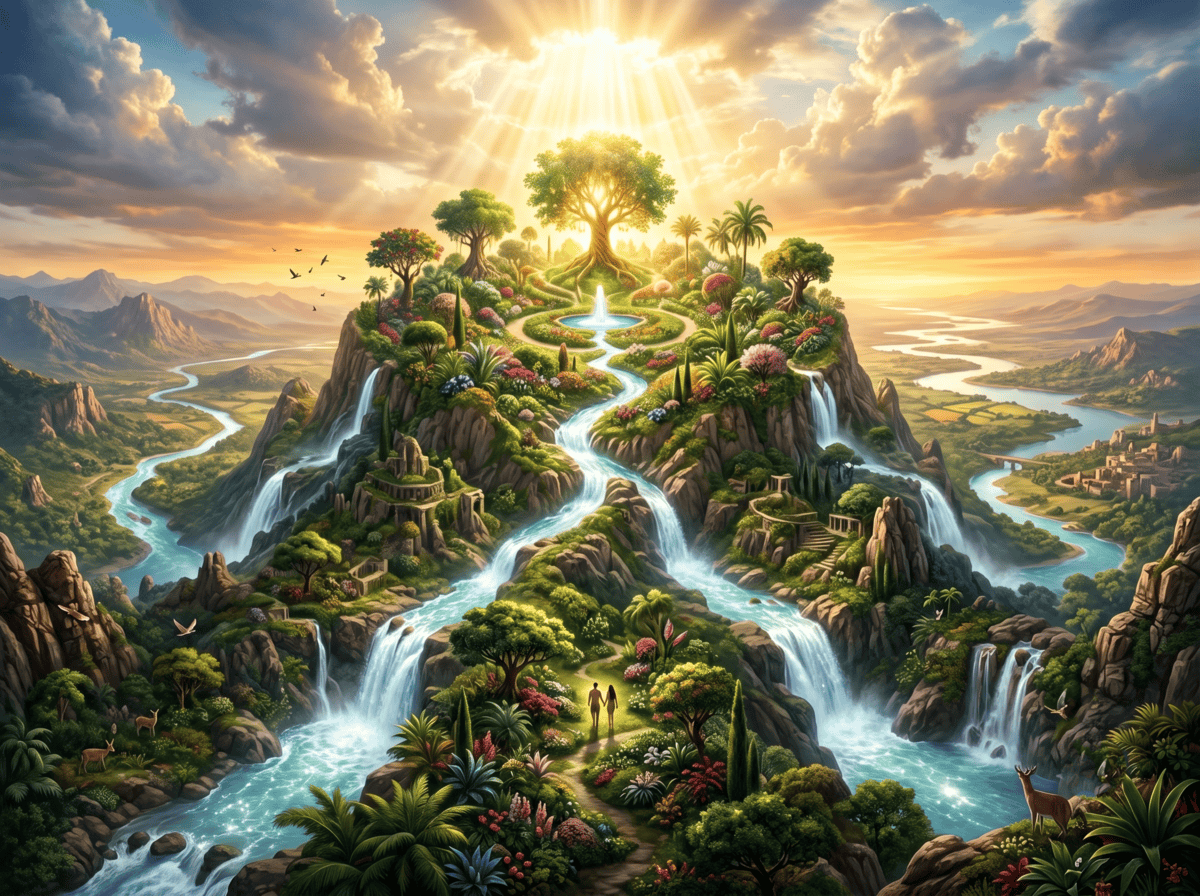
Some ancient traditions associate Eden with a sacred mountain. In many cultures, mountains were viewed as places where heaven and earth met.
Certain biblical passages and later interpretations have encouraged some scholars to explore this possibility.
According to the theory, Eden may have been located on or around a holy mountain from which rivers flowed outward.
This idea connects Eden with themes of divine presence and worship. Rather than focusing solely on geography, it highlights the garden’s spiritual significance.
The mountain theory remains an intriguing part of ongoing discussions about Eden.
8. Eden Inspired Similar Stories Across the Ancient World

Some researchers believe memories of Eden may have influenced other ancient traditions.
Several cultures from the ancient Near East preserved stories about paradise, sacred gardens, or lost golden ages.
Supporters of this theory suggest these similarities may reflect distant memories of a shared event or tradition.
Others view them as examples of common human themes appearing in different cultures. Either way, the parallels are fascinating.
They demonstrate how the idea of a perfect paradise has captured human imagination across civilizations and throughout history.
9. Eden Could Be Impossible to Find
A simple but compelling theory is that Eden cannot be found because it no longer exists in any recognizable form.
Even if it was once a real location, thousands of years of natural changes could have altered it beyond identification.
Rivers move. Forests disappear. Cities rise and fall. Entire landscapes transform over time.
Supporters argue that expecting Eden to remain unchanged may be unrealistic. The passage of millennia may have erased the clues needed to locate it.
This possibility helps explain why so many searches have ended without definitive answers.
10. The True Location May Never Be Known

Perhaps the most widely accepted conclusion is that the true location of Eden remains a mystery.
Despite centuries of study, no theory has produced conclusive evidence. Each proposal offers interesting possibilities, but significant questions remain.
For many believers, the spiritual lessons of Eden matter more than its exact geographical position.
The story continues to speak about humanity, free will, temptation, and the relationship between God and creation.
Whether Eden was a physical place, a symbolic reality, or something that combined elements of both, its influence remains extraordinary.
The mystery itself may be one reason the Garden of Eden continues to fascinate people thousands of years after it was first described.

Ho sempre sentito una forte connessione con il Divino fin dalla mia nascita. Come autrice e mentore, la mia missione è aiutare gli altri a trovare l'amore, la felicità e la forza interiore nei momenti più bui.