
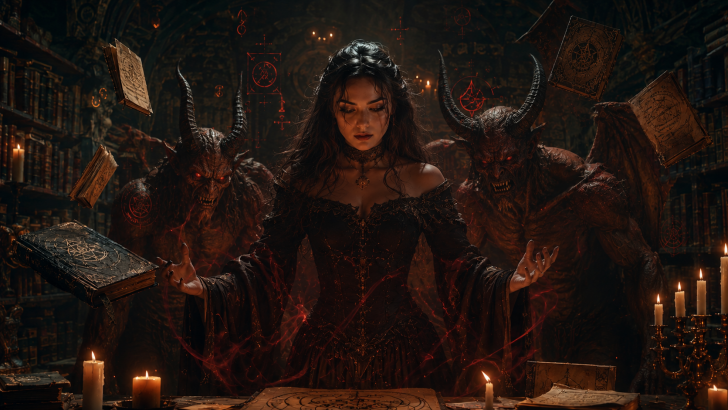
During the Middle Ages, theologians, scholars, and writers produced a variety of texts that attempted to classify and describe demons.
These works combined religious beliefs, folklore, ancient traditions, and popular legends.
Many of the names that appear in modern books, movies, and fantasy stories can be traced back to medieval demonological writings.
It is important to remember that descriptions of these figures vary widely between sources.
Medieval demonology was not a single unified system. Different authors often gave different ranks, powers, and stories to the same entity.
Even so, several names appeared repeatedly and became some of the most recognizable figures in demonological tradition.
Here are seven demonic names frequently found in medieval demonology.
1. Belial
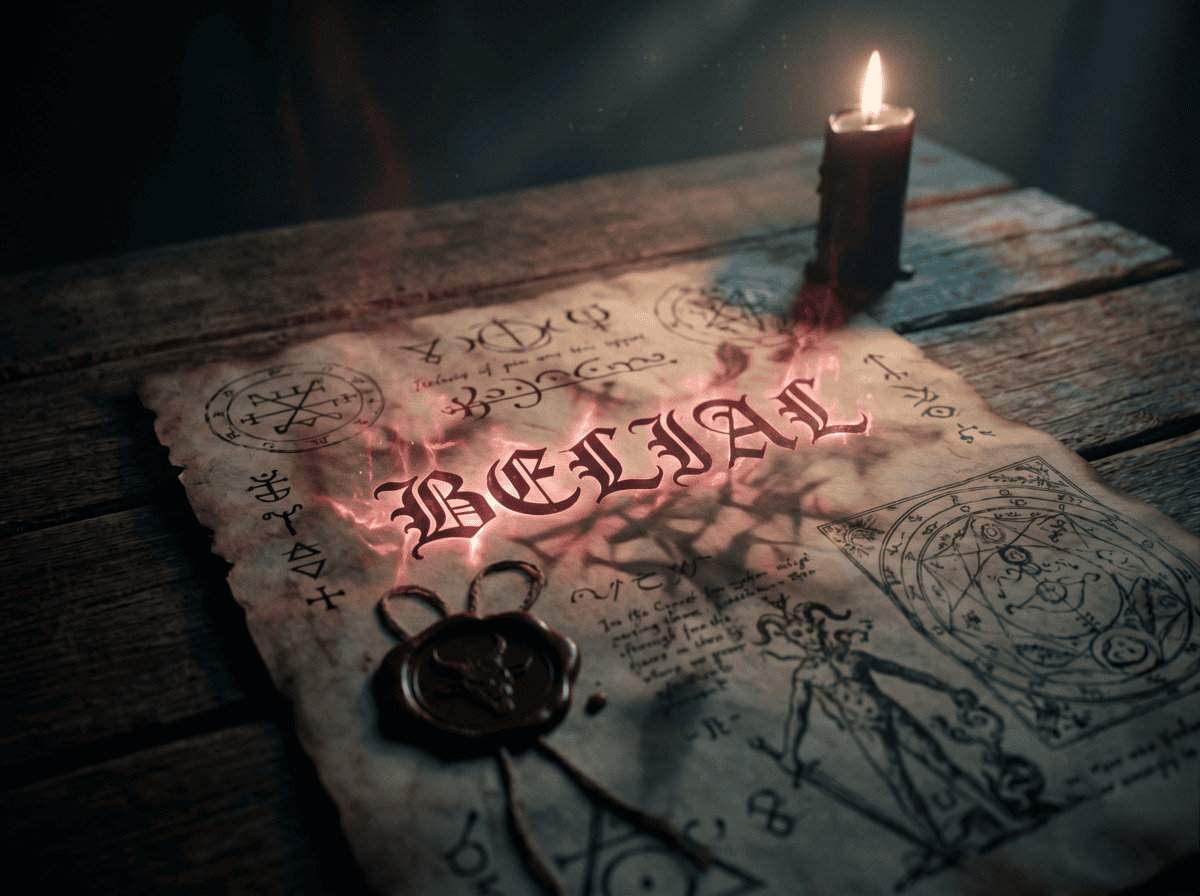
Belial is one of the oldest and most frequently mentioned names associated with demonological traditions.
The name appears in ancient texts long before the Middle Ages, but medieval writers expanded his role considerably.
In many demonological works, Belial was portrayed as a powerful demon connected with corruption, pride, deception, and lawlessness.
Some authors described him as a high-ranking infernal ruler with significant influence over humanity.
What makes Belial particularly interesting is how differently he was portrayed from one source to another.
Certain texts focused on his ability to tempt people through vanity and selfish ambition. Others emphasized his cunning nature and persuasive speech.
As demonology became more organized during the medieval period, Belial was often included among the most important demonic figures.
His reputation as a master deceiver helped cement his place in later folklore, occult writings, and literature.
Today, he remains one of the most recognizable names associated with medieval demonological traditions.
2. Asmodeus
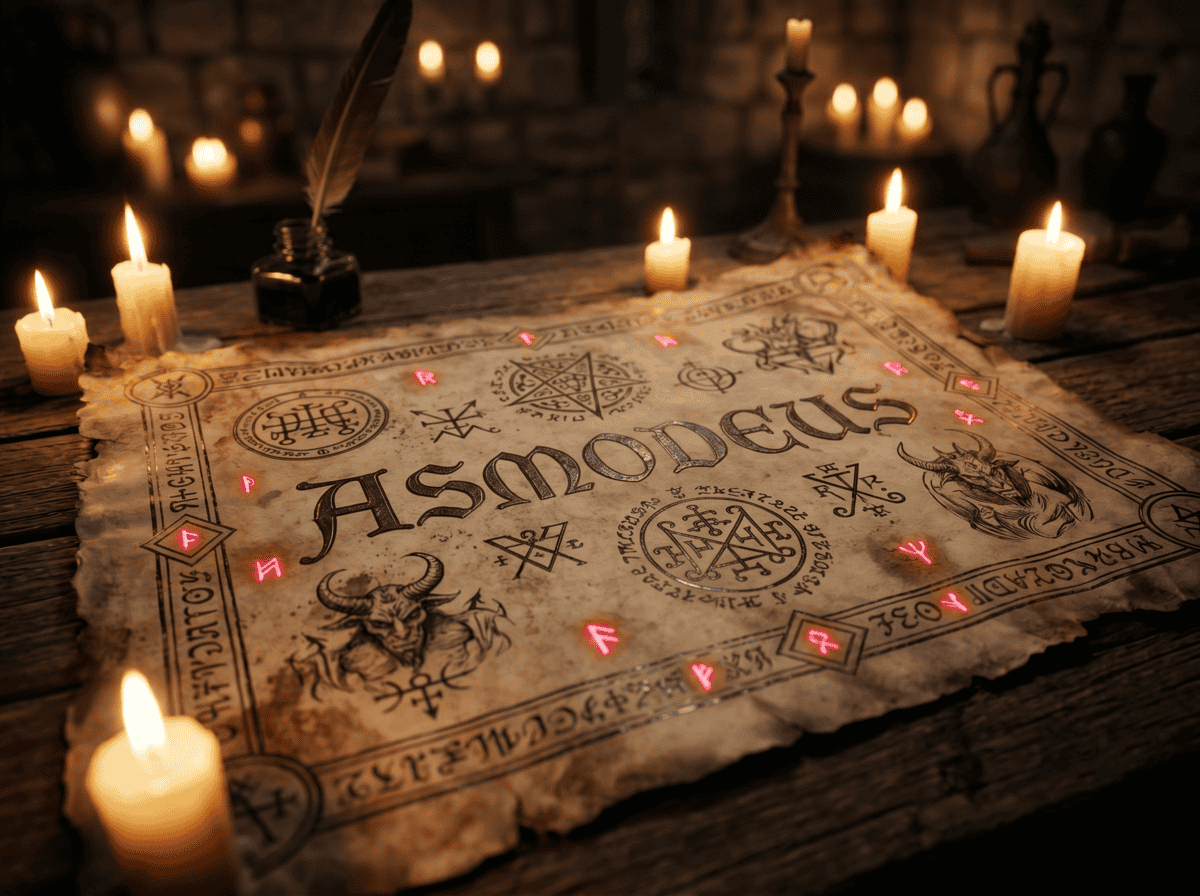
Asmodeus became one of the most famous demons in medieval lore. His origins can be traced to earlier traditions, but medieval writers greatly expanded his legend.
Many demonological texts associated Asmodeus with temptation, desire, and destructive passions.
Because of these connections, he often appeared in discussions about moral struggles and human weakness.
Various authors assigned him different ranks within infernal hierarchies. Some described him as a king, while others placed him among the powerful princes of darkness.
Medieval illustrations and stories sometimes portrayed him with unusual physical features intended to symbolize his chaotic nature.
Asmodeus gained additional popularity because he appeared in several religious and legendary narratives that circulated widely throughout Europe.
These stories helped transform him into one of the most recognizable names in demonology.
3. Astaroth
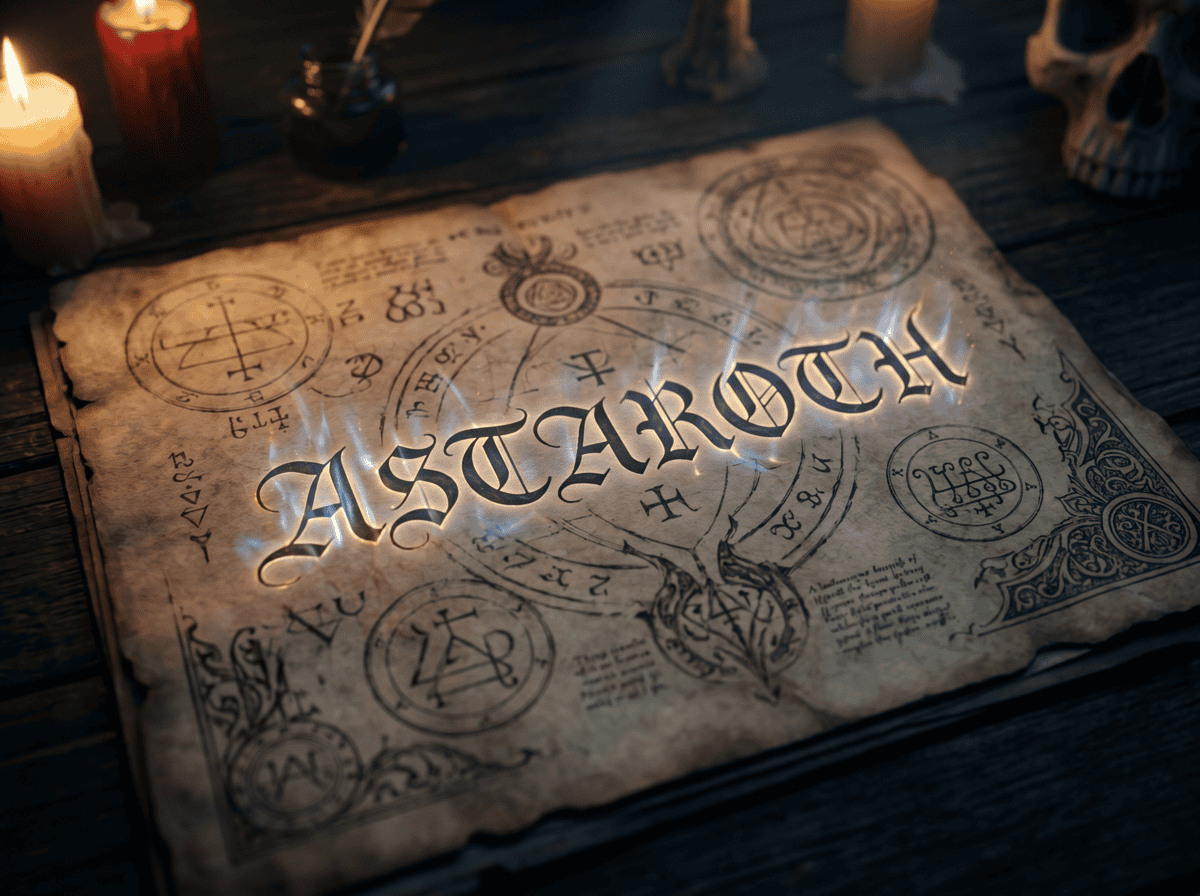
Astaroth occupies a prominent place in many medieval demonological texts. Writers often described Astaroth as a high-ranking demon possessing vast knowledge and influence.
Unlike some figures associated mainly with violence or destruction, Astaroth was frequently portrayed as an entity connected with hidden wisdom, forbidden knowledge, and secret teachings.
Descriptions varied greatly depending on the source. Some authors depicted Astaroth as a duke of hell who commanded numerous subordinate spirits.
Others emphasized his role as a tempter who offered information in exchange for loyalty or service.
The name likely evolved through a complex history involving older religious traditions and later medieval interpretations.
By the time demonological manuals became popular, Astaroth had become firmly established within many infernal hierarchies.
4. Beelzebub
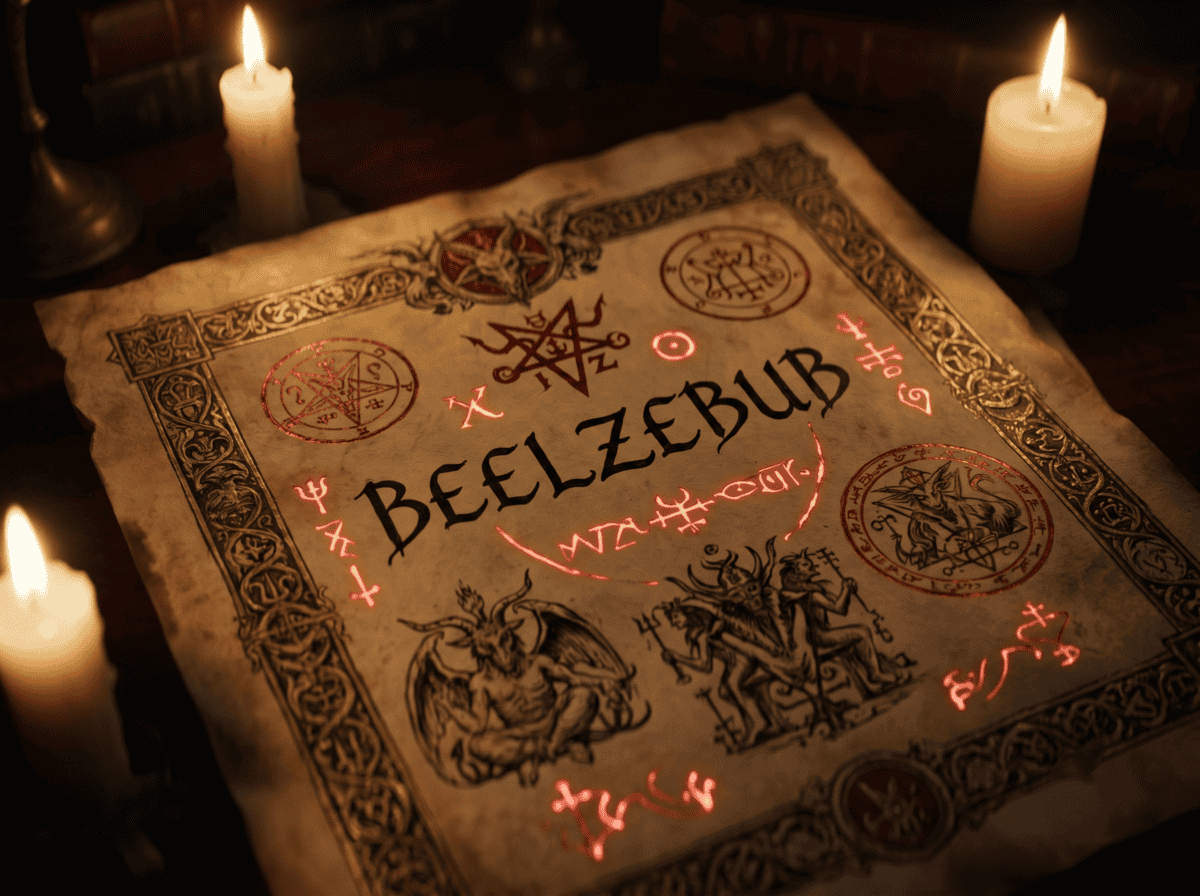
Beelzebub is among the most famous names associated with demonic traditions.
During the Middle Ages, many demonologists considered Beelzebub one of the highest-ranking infernal powers.
He frequently appeared in lists of major demons and was often portrayed as a ruler of significant authority.
The name carried a long and complex history before entering medieval demonology.
Over time, theologians and writers developed elaborate descriptions that expanded his role within supernatural hierarchies.
Some texts associated him with pride, corruption, or false worship. Because of his prominence, Beelzebub often appeared alongside other major figures such as Satan, Belial, and Asmodeus.
Medieval authors sometimes treated him as one of the chief leaders among demonic forces.
5. Bael
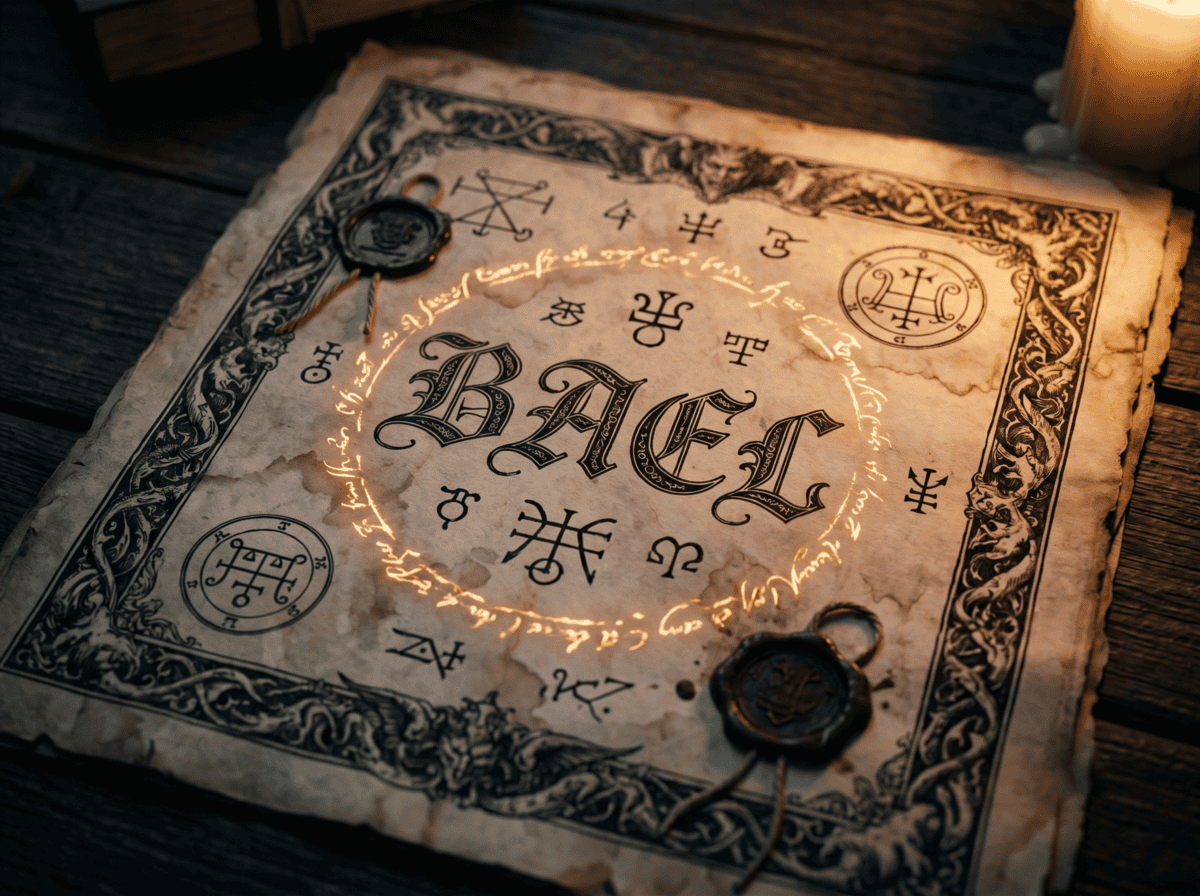
Bael appears in several influential demonological works from the late medieval and early modern periods.
Many texts describe Bael as a powerful king who commands numerous spirits.
According to some traditions, he was considered the first principal ruler listed within certain demonological hierarchies.
As with many figures in medieval demonology, accounts of Bael varied considerably depending on the source.
Different authors assigned different powers, responsibilities, and characteristics to him. Despite these differences, Bael remained a recurring figure in occult manuals and demonological catalogs.
His repeated appearance in influential texts ensured that his name survived long after the medieval period ended and continues to be recognized today.
6. Buer
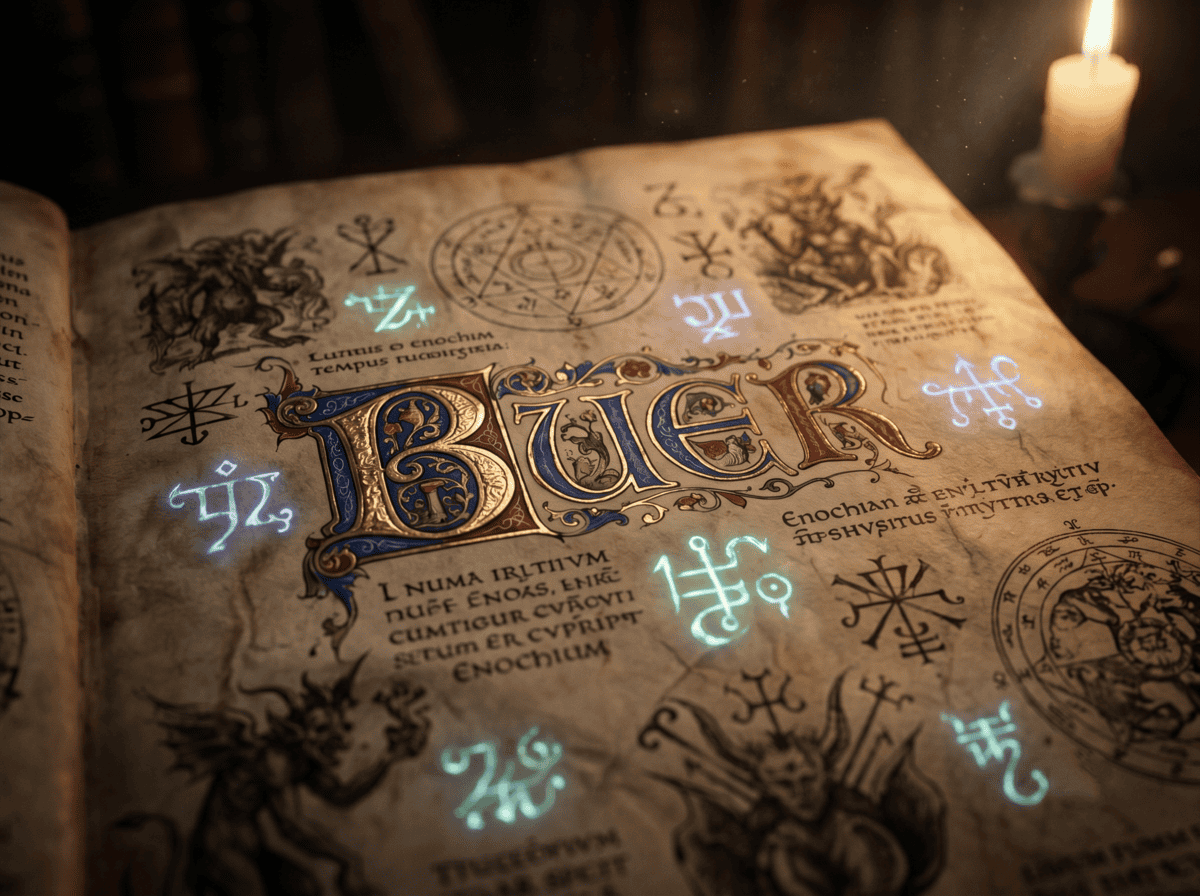
Buer is one of the more unusual names found in demonological literature. Buer became known primarily through descriptions contained in catalogs of spirits.
Medieval and later demonological sources often assigned him a specific rank and listed particular abilities associated with knowledge and instruction.
One reason Buer stands out is the strange imagery attached to him in certain texts.
Illustrations produced centuries later frequently portrayed him in highly imaginative forms that reflected the symbolic nature of demonological art.
Writers often described Buer as possessing knowledge of philosophy, logic, or natural subjects. These characteristics made him distinct from many other figures in infernal hierarchies.
Although he is less famous than names such as Beelzebub or Belial, Buer remains an important example of how medieval authors attempted to organize and classify supernatural beings.
7. Paimon
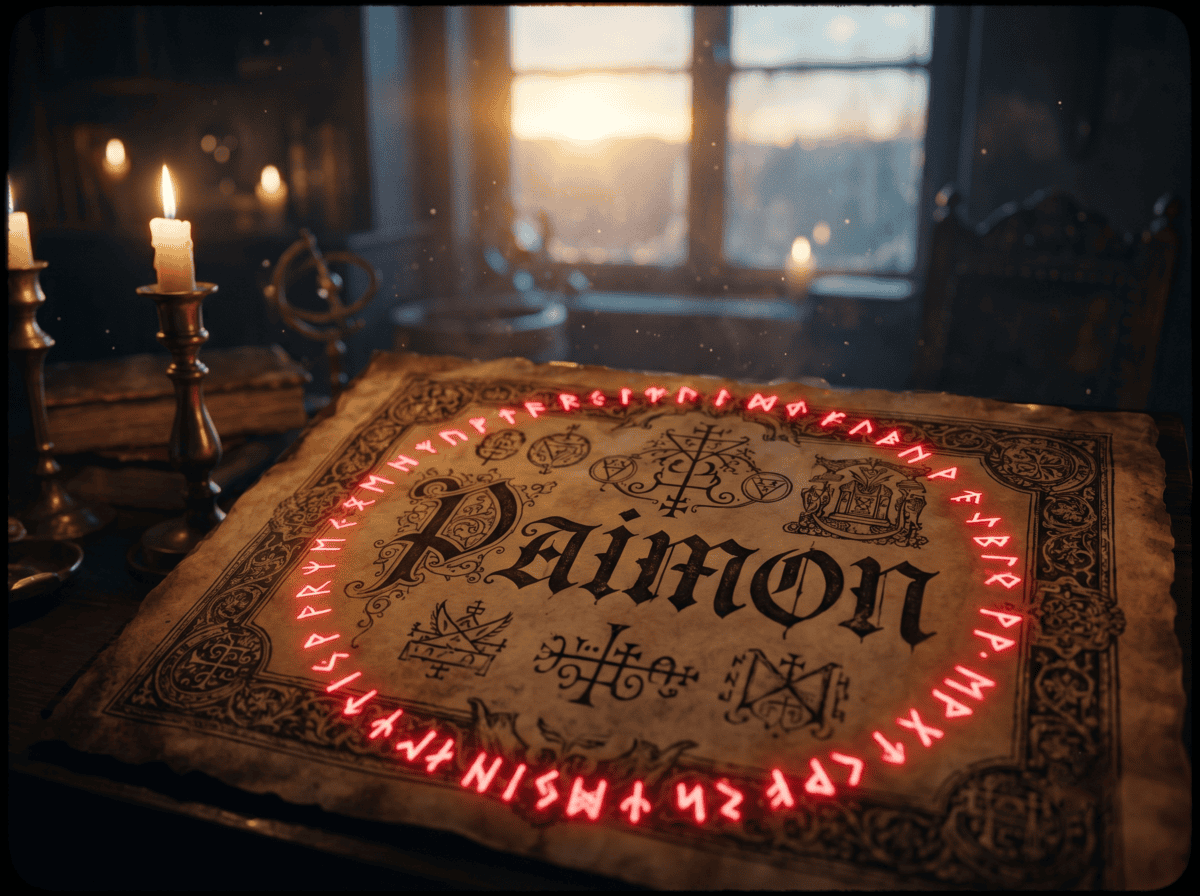
Paimon became one of the most frequently discussed figures in later demonological writings influenced by medieval traditions.
Many sources describe Paimon as a powerful king who commands a large number of subordinate spirits.
Authors often associated him with knowledge, secrets, and influence over human affairs.
Because of these traits, he was commonly listed among the more significant rulers within infernal hierarchies.
Descriptions of Paimon often included elaborate imagery involving processions, attendants, and displays of authority.
Such details reflected the tendency of demonological writers to create highly structured supernatural kingdoms that mirrored earthly systems of rank and governance.
Over time, Paimon’s reputation spread far beyond the original texts that mentioned him. His name appeared in occult literature, folklore, and eventually modern popular culture.
Today, Paimon remains one of the best-known figures connected to historical demonology.
His enduring popularity demonstrates how medieval classifications and legends continue to influence modern fascination with supernatural traditions.

Ho sempre sentito una forte connessione con il Divino fin dalla mia nascita. Come autrice e mentore, la mia missione è aiutare gli altri a trovare l'amore, la felicità e la forza interiore nei momenti più bui.