
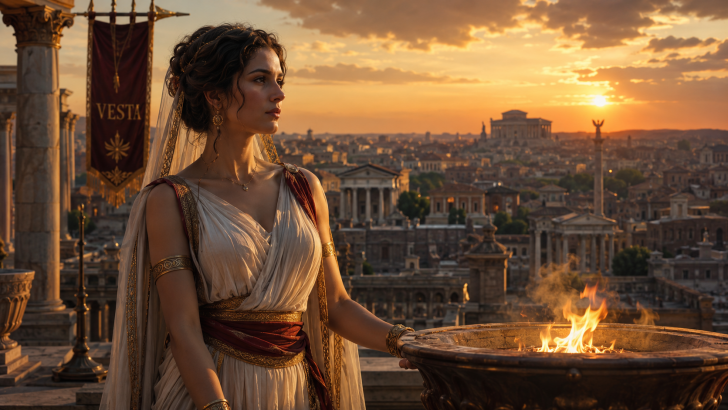
Have you ever wondered why a simple flame was one of the most important symbols in ancient Rome?
Among all the gods and goddesses worshiped by the Romans, Vesta held a uniquely respected position.
Unlike many deities who were associated with war, storms, or dramatic myths, Vesta represented something much closer to everyday life.
She was the goddess of the hearth, the home, family stability, and the sacred flame that symbolized the well-being of Rome itself.
Although she was one of the most important figures in Roman religion, Vesta was rarely portrayed in grand myths like some other deities.
Instead, her influence was seen through rituals, traditions, and the sacred fire that burned in her honor.
Here are eight fascinating facts about Vesta, Rome’s sacred goddess.
1. Vesta Was the Goddess of the Hearth
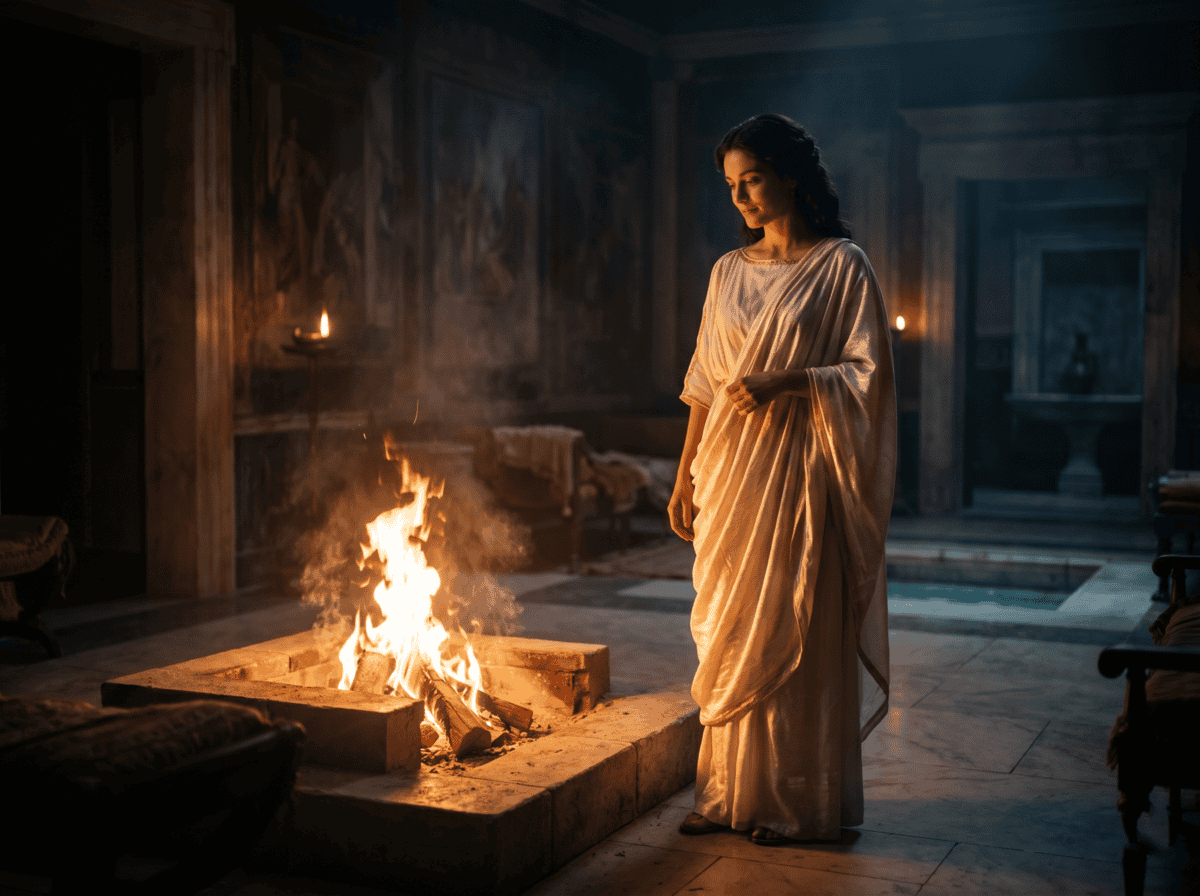
Vesta was best known as the goddess of the hearth. In the ancient world, the hearth was much more than a place for cooking meals.
It served as the center of family life, providing warmth, light, and a gathering place within the home.
Because of this, the hearth became a powerful symbol of security and stability.
Vesta was believed to watch over both individual households and the Roman state itself.
Romans viewed the well-being of the home as closely connected to the well-being of society.
By protecting the hearth, Vesta symbolically protected families and communities.
Her role may seem simple compared to the gods associated with battles and adventures, but the Romans considered her influence essential.
Without a stable home and family life, they believed society could not flourish. This made Vesta one of the most respected goddesses in the Roman religion.
2. Her Sacred Flame Was Never Allowed to Go Out
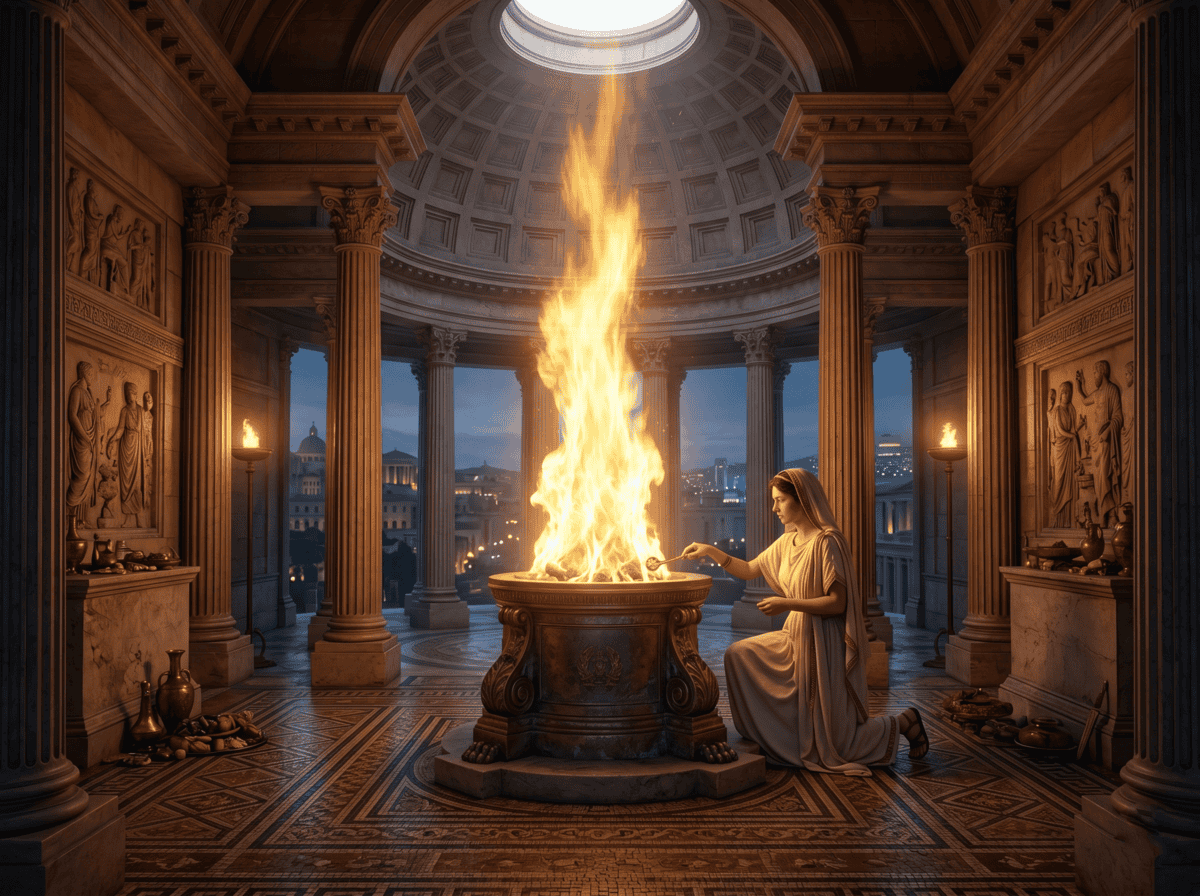
One of the most famous symbols connected to Vesta was her sacred flame. A fire burned continuously in her temple in Rome.
The flame represented the life, protection, and continuity of the Roman state.
As long as it remained lit, many Romans believed the city continued to enjoy divine favor and protection.
Allowing the flame to go out was considered a serious warning sign.
It could be interpreted as evidence that Rome had lost the goddess’s blessing.
Because of its importance, great care was taken to keep the fire burning at all times.
The eternal flame became one of the most recognizable religious symbols in the Roman world.
It reminded citizens that the security of their city depended not only on armies and leaders but also on maintaining sacred traditions.
3. Vesta Had One of Rome’s Most Important Temples
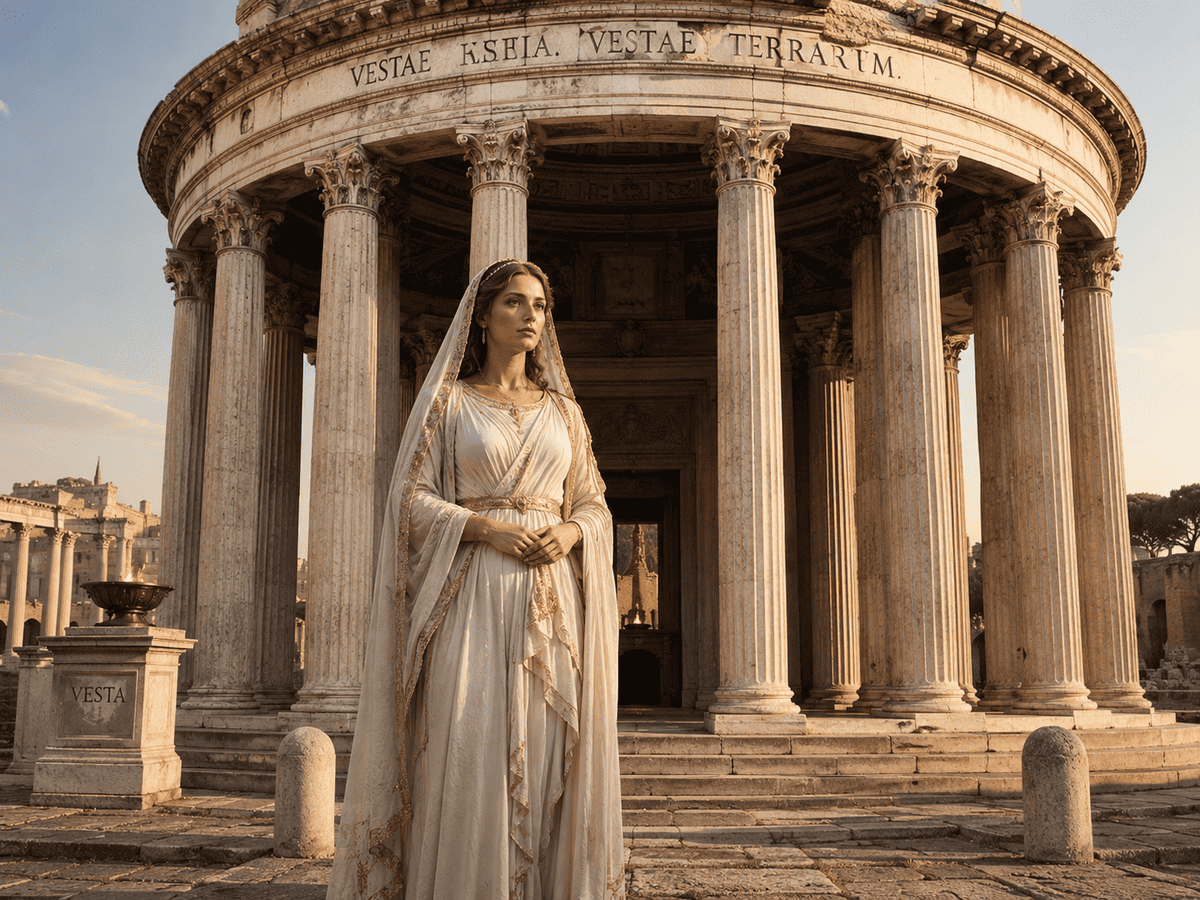
The Temple of Vesta was among the most significant religious sites in ancient Rome.
Located in the Roman Forum, it housed the sacred flame and served as a center of worship for the goddess.
Unlike many Roman temples, which were rectangular, the Temple of Vesta was circular.
Historians believe this design may have reflected the shape of early Roman huts and hearths.
The structure emphasized Vesta’s connection to home life and family traditions.
The temple was regarded as a sacred place where important rituals took place throughout the year.
Because it protected the eternal flame, it held immense symbolic value.
For centuries, the temple remained one of the spiritual centers of Roman religious life and was treated with great respect by both citizens and officials.
4. The Vestal Virgins Served Vesta
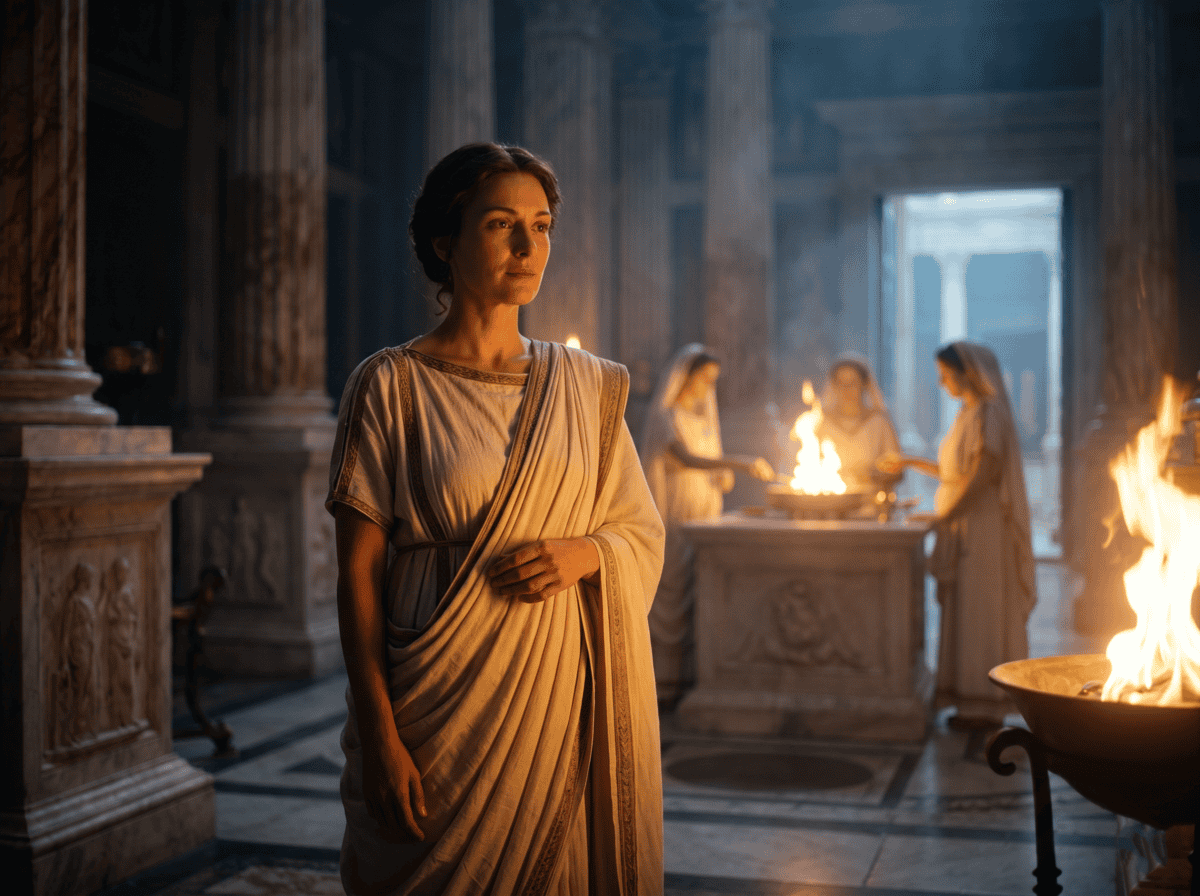
One of the most famous groups in Roman history was the Vestal Virgins. These priestesses were chosen to serve Vesta and care for her sacred flame.
Selected as young girls, they dedicated many years of their lives to religious service. The Vestals held a unique position within Roman society.
Unlike most women of the time, they enjoyed certain privileges and protections.
They could own property, participate in public ceremonies, and were treated with great honor.
Their most important responsibility was ensuring that Vesta’s sacred fire never went out.
Because the flame symbolized Rome’s well-being, this duty carried enormous importance.
The Vestal Virgins became symbols of dedication, purity, and service to the state, making them some of the most respected religious figures in ancient Rome.
5. Vesta Was Rarely Depicted in Mythology
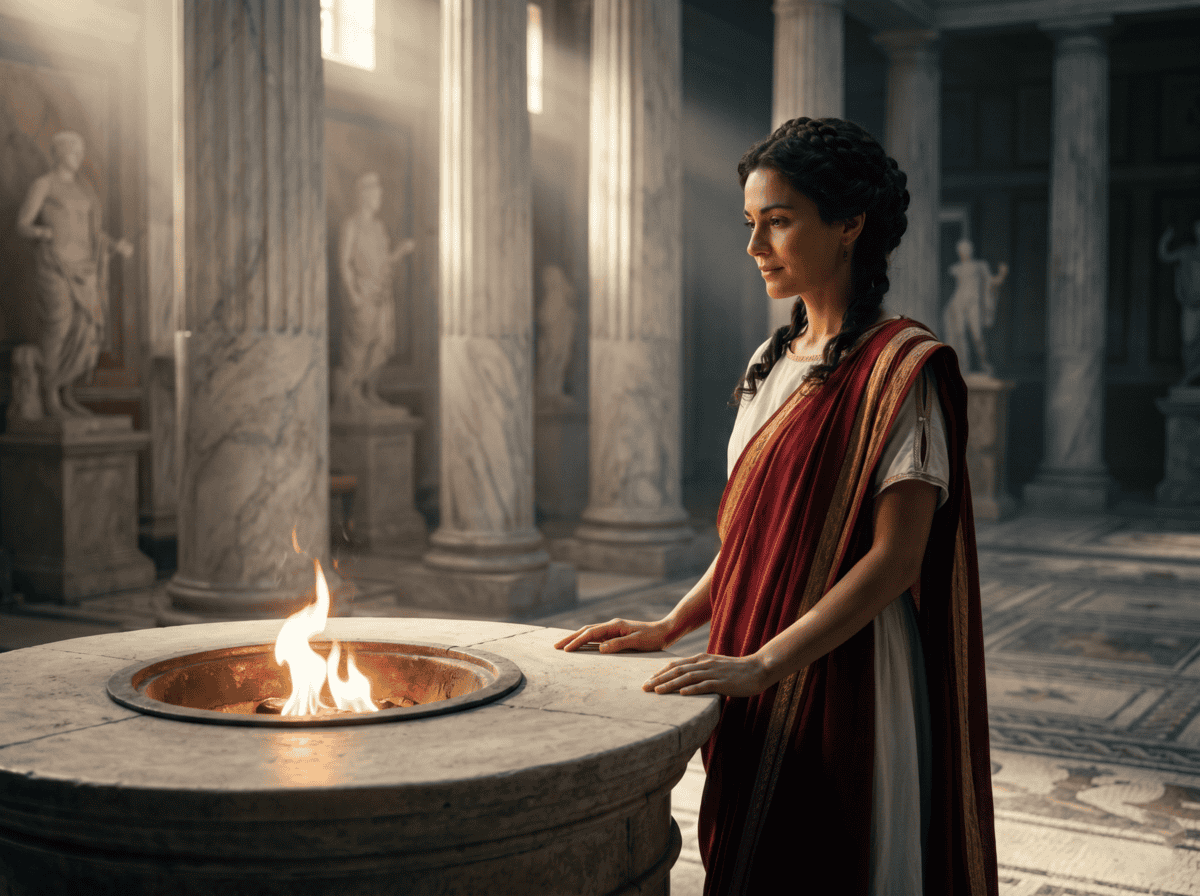
Unlike gods such as Jupiter, Mars, or Venus, Vesta appears in relatively few myths.
She was not known for dramatic adventures, epic battles, or elaborate romances.
Instead, her importance came from her role in daily life and religious practice.
Romans respected Vesta because she represented stability and continuity rather than excitement and conflict.
Her influence was felt through rituals and traditions rather than stories.
This unusual position helped distinguish her from many other Roman deities.
While poets and storytellers often focused on more dramatic figures, Vesta remained deeply important to ordinary people.
Her quiet presence reflected the values of family, responsibility, and order that were central to Roman society.
6. She Was Closely Connected to Family Life

Vesta’s influence extended into nearly every Roman household.
Families often maintained their own hearth fires and performed simple acts of devotion connected to the goddess.
The hearth represented unity, hospitality, and domestic harmony.
Because of this, Vesta became closely associated with the bonds that held families together.
Romans believed that caring for the home was both a practical and spiritual responsibility.
Vesta’s protection was sought not only for physical safety but also for peace and stability within the household.
Her connection to family life made her one of the most personally relevant deities in the Roman religion.
Even those who rarely visited temples would encounter the symbolism of the hearth in their daily lives.
7. Vesta Was the Roman Equivalent of Hestia
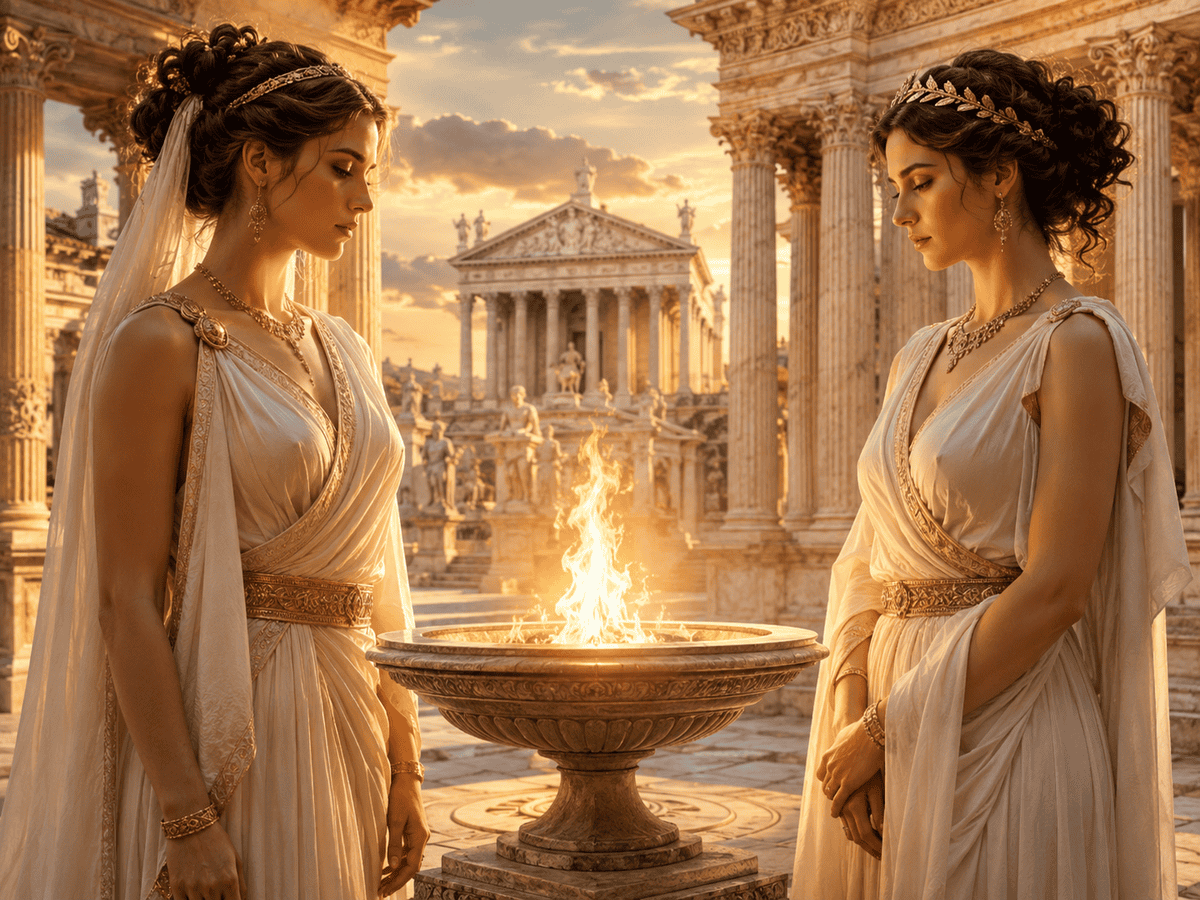
Vesta shared many similarities with Hestia from Greek mythology.
Both goddesses were associated with the hearth, family life, and sacred fire.
As Roman culture absorbed influences from Greece, many deities became linked with Greek counterparts.
Vesta and Hestia are among the clearest examples of this connection.
Despite their similarities, Roman worship of Vesta developed its own traditions and practices.
The Vestal Virgins, the eternal flame, and the specific rituals performed in Rome gave Vesta a unique identity within Roman religion.
The comparison between the two goddesses highlights how cultures often adapt and reshape religious ideas while preserving important themes and symbols.
8. Vesta Symbolized the Stability of Rome Itself
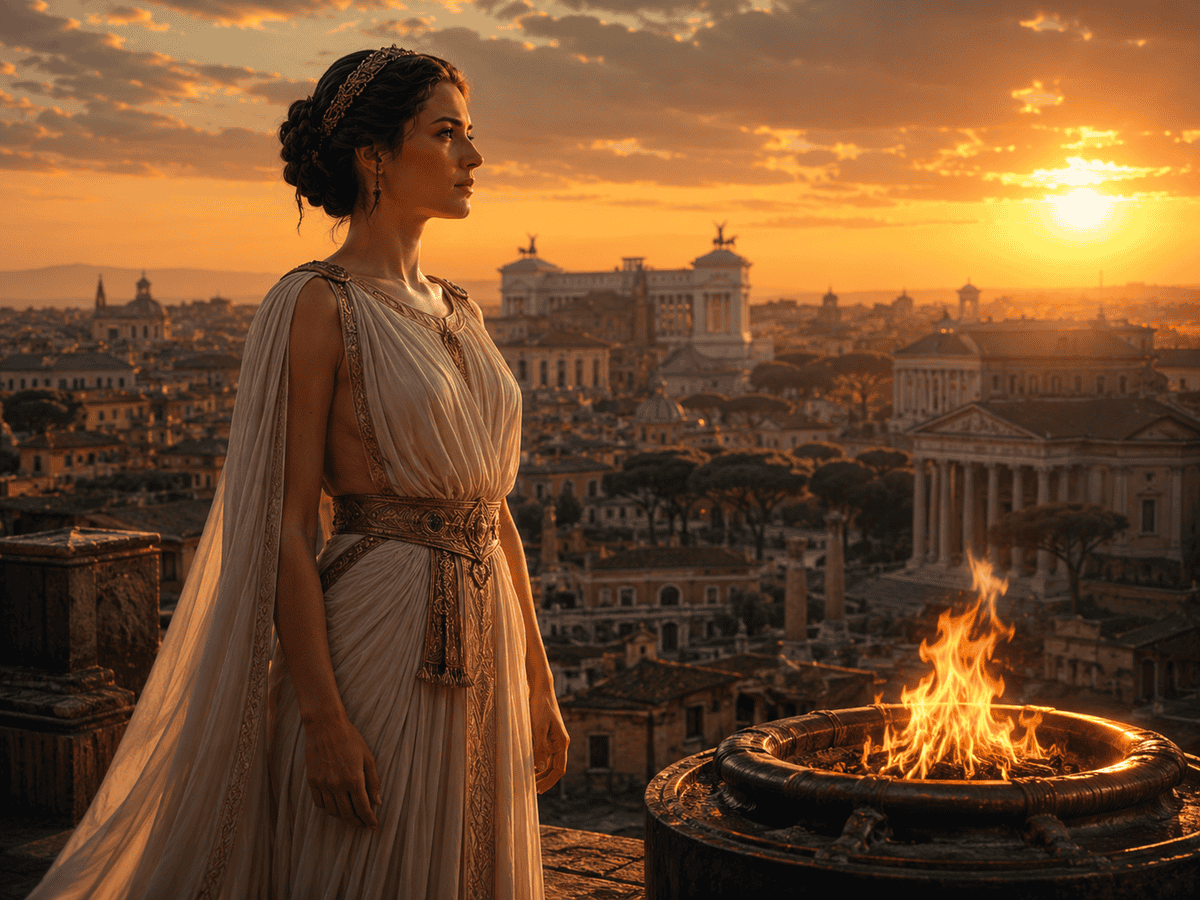
Perhaps the most important aspect of Vesta’s role was her connection to the Roman state.
The sacred flame in her temple was more than a religious symbol. It represented the life and continuity of Rome itself.
As long as the flame burned, many Romans believed their city remained under divine protection.
This connection elevated Vesta beyond the household hearth. She became a symbol of national unity, civic responsibility, and cultural identity.
Her worship reminded Romans that the strength of their empire depended not only on military victories but also on preserving the traditions and values that held society together.
For centuries, Vesta embodied the ideals of stability, order, and continuity, making her one of the most revered and enduring goddesses in all of Roman religion.

Ho sempre sentito una forte connessione con il Divino fin dalla mia nascita. Come autrice e mentore, la mia missione è aiutare gli altri a trovare l'amore, la felicità e la forza interiore nei momenti più bui.