
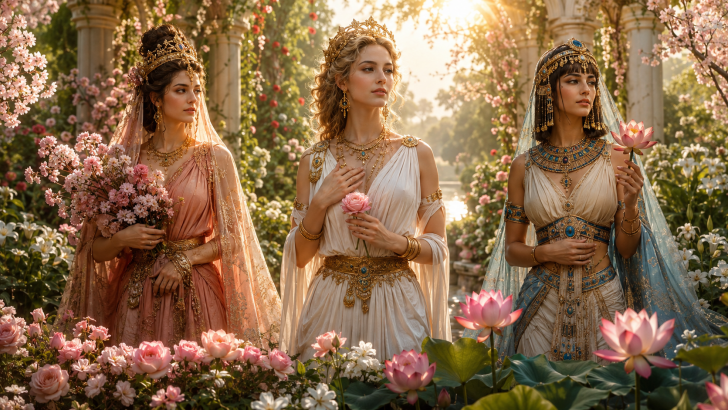
Across many civilizations, flowers were more than simple decorations. They appeared in myths, religious ceremonies, sacred artwork, and cultural traditions.
Many blossoms became closely associated with goddesses of love because of their beauty, fragrance, symbolism, or connection to legendary stories.
From the temples of ancient Rome to the sacred rivers of India, flowers often represented attraction, fertility, devotion, and emotional connection.
Different cultures chose different blossoms, yet many carried remarkably similar meanings.
Here are eight flowers connected to love goddesses from cultures around the world.
1. Rose and Venus

Few flowers are more closely associated with love than the rose.
In Roman mythology, the rose was sacred to Venus, the goddess of love, beauty, desire, and fertility.
Ancient Romans used roses during festivals, celebrations, and ceremonies honoring Venus.
The flower’s soft petals, beautiful appearance, and sweet fragrance made it a natural symbol of romance.
Over time, artists frequently depicted Venus surrounded by roses or standing within rose gardens.
The connection became so strong that roses eventually became one of the most recognized symbols of love in the Western world.
Even today, giving roses remains one of the most popular expressions of affection.
The flower’s enduring association with Venus demonstrates how ancient mythology continues to influence modern traditions surrounding romance and beauty.
2. Myrtle and Aphrodite

In Greek mythology, the myrtle flower and plant were sacred to Aphrodite.
According to ancient traditions, Aphrodite was strongly connected with myrtle, which symbolized love, beauty, marriage, and devotion.
The plant was often used in wedding ceremonies and religious celebrations dedicated to the goddess.
Ancient Greeks believed myrtle represented both romantic attraction and lasting commitment.
Because of its pleasant fragrance and evergreen nature, it became a symbol of enduring affection.
Poets and artists frequently linked Aphrodite with myrtle groves and flowering branches.
Its importance remained strong for centuries throughout the Mediterranean world.
The flower’s connection to Aphrodite helped establish myrtle as one of the most meaningful plants associated with love in ancient Greek culture.
3. Lotus and Lakshmi

The lotus is one of the most sacred flowers in the Hindu tradition and is closely associated with Lakshmi.
Lakshmi is associated with beauty, fortune, prosperity, grace, and abundance.
She is often depicted standing or seated upon a fully opened lotus blossom.
The flower symbolizes purity, spiritual beauty, and growth despite difficult surroundings.
Because the lotus rises from muddy waters while remaining clean and beautiful, it became a powerful symbol of inner and outer beauty.
Its elegant appearance also reflects qualities often associated with divine love and blessing.
Throughout India, images of Lakshmi and the lotus frequently appear together in art, temples, and religious celebrations.
Their connection remains one of the most recognizable pairings between a goddess and a flower anywhere in the world.
4. Lily and Freyja

The lily is often associated with Freyja, one of the most beloved goddesses in Norse mythology.
Freyja was connected with love, beauty, fertility, desire, and abundance.
While Norse myths do not focus on flowers as heavily as some other traditions, later European symbolism frequently linked lilies with qualities associated with Freyja.
The flower’s graceful appearance and elegant shape made it a fitting symbol for beauty and feminine power.
Lilies have long represented admiration, affection, and devotion in various cultures.
Their striking blossoms often appear in artwork connected to themes of romance and fertility.
Because Freyja embodies many of these same qualities, the lily became a natural symbolic match for the famous Norse goddess.
5. Cherry Blossom and Konohanasakuya-hime
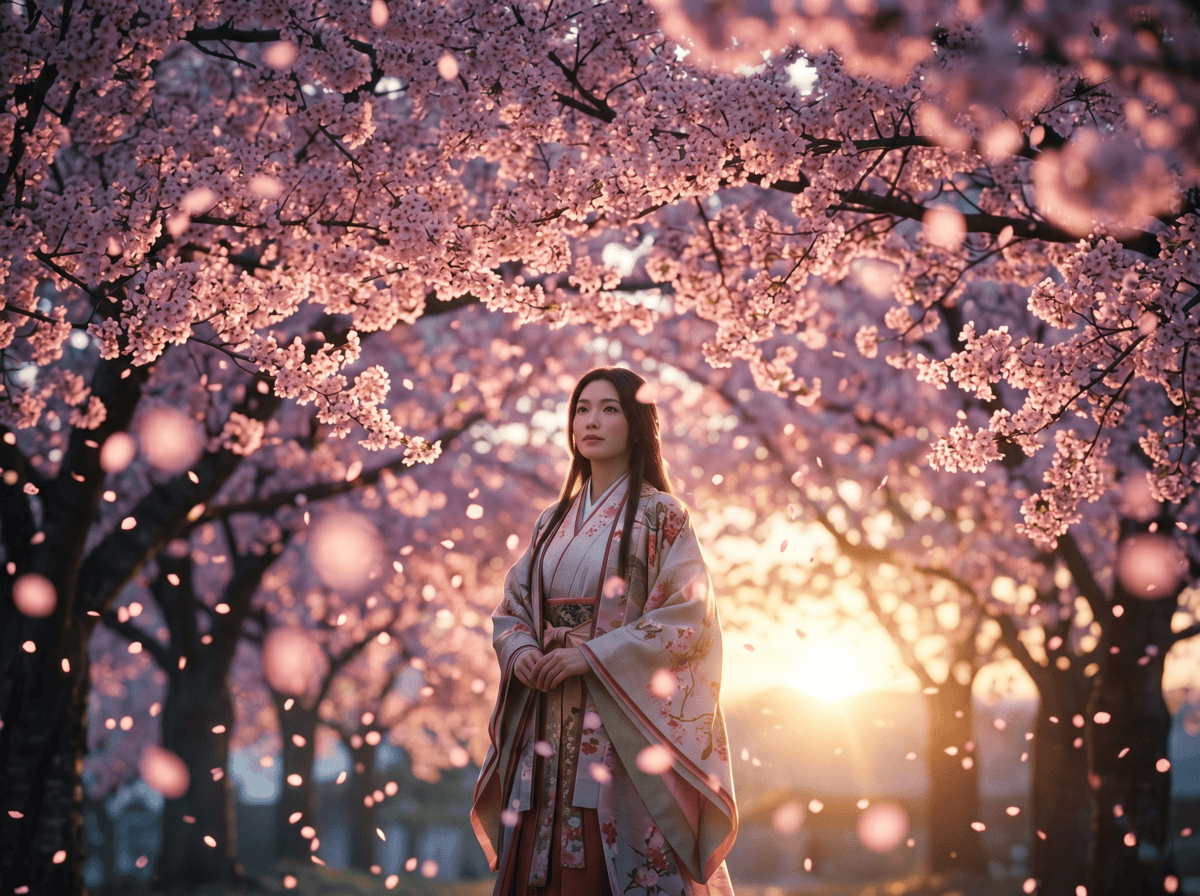
In Japanese tradition, the cherry blossom is closely connected to Konohanasakuya-hime.
Her name is often translated as “Princess Who Makes the Trees Bloom.”
She is associated with flowers, beauty, life, fertility, and the arrival of spring.
The delicate cherry blossom became one of the most beloved symbols in Japanese culture because of its brief yet spectacular beauty.
The blossoms remind people that life is precious and fleeting.
Every spring, vast numbers of visitors gather beneath flowering trees to celebrate their arrival.
The connection between Konohanasakuya-hime and cherry blossoms highlights themes of beauty, renewal, and appreciation for life’s most meaningful moments.
This association has endured for centuries and remains deeply important in Japanese tradition.
6. Jasmine and Oshun
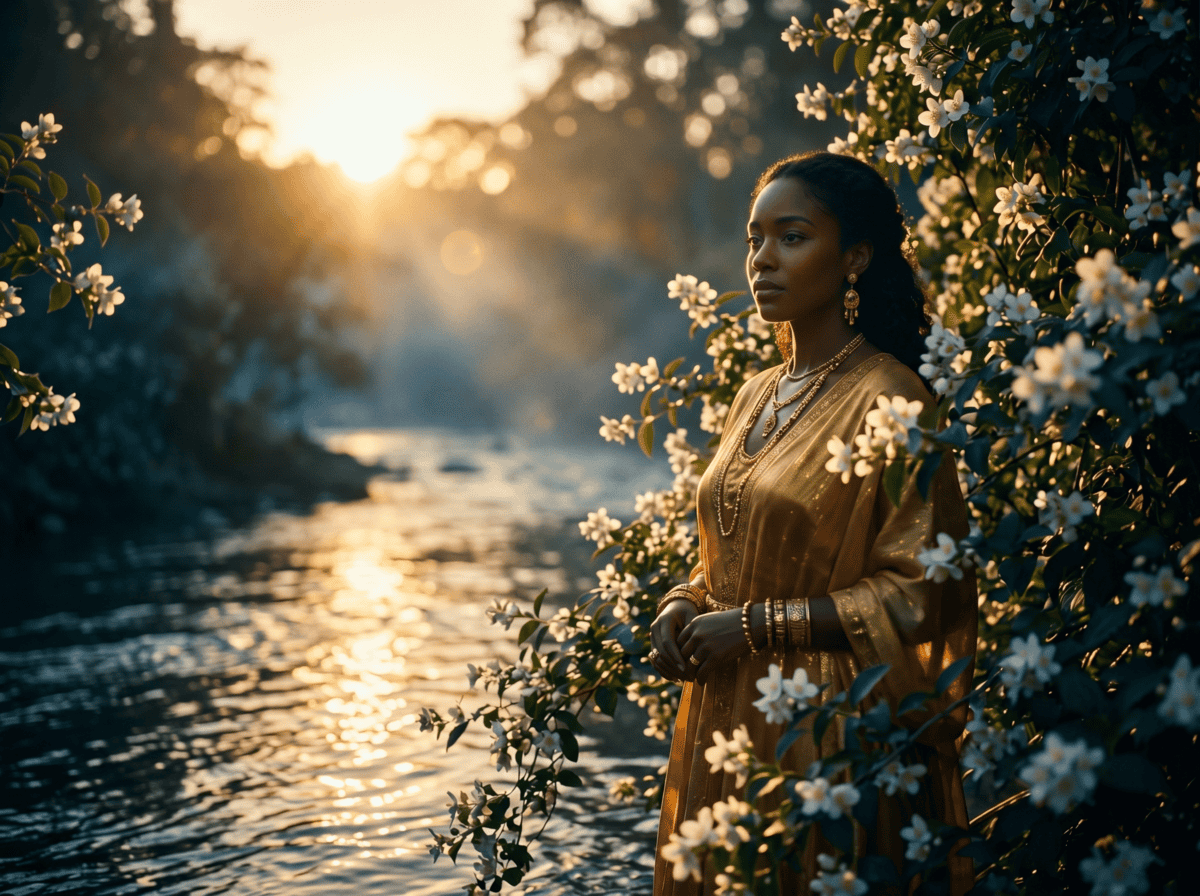
Jasmine is often associated with Oshun, a beloved goddess in Yoruba tradition.
Oshun is connected with love, beauty, fertility, rivers, prosperity, and emotional healing.
The sweet fragrance of jasmine has made it a symbol of attraction and affection in many cultures.
Its delicate white blossoms are admired for both their beauty and their scent.
Because Oshun is strongly associated with charm, grace, and romantic relationships, jasmine became a fitting flower to symbolize her.
In various spiritual traditions influenced by Yoruba beliefs, flowers are sometimes offered as expressions of respect and devotion.
Jasmine’s elegance and appeal reflect many of the qualities traditionally associated with Oshun, helping strengthen the connection between the flower and the goddess.
7. Apple Blossom and Blodeuwedd
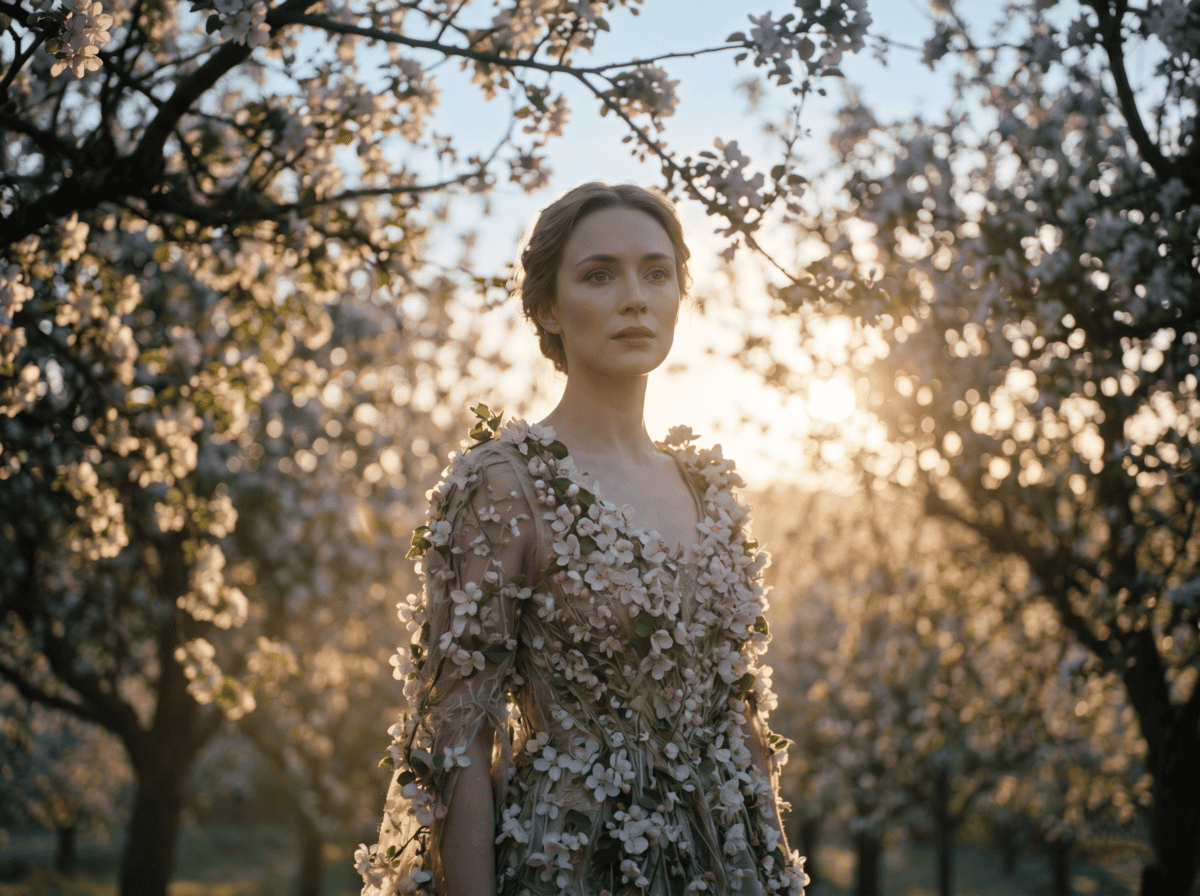
The apple blossom is often linked to Blodeuwedd from Welsh mythology.
Blodeuwedd has one of the most unusual origins in Celtic legend. According to the myth, she was magically created from flowers.
While several blossoms were involved in her creation, apple blossoms are frequently associated with her because they symbolize beauty, attraction, and springtime renewal.
The soft pink and white flowers appear before fruit develops, making them symbols of potential and new beginnings.
Blodeuwedd’s story explores themes of love, transformation, choice, and destiny.
Her connection to flowers makes her unique among many mythological figures.
The apple blossom remains one of the most fitting floral symbols for this fascinating Welsh goddess.
8. Red Hibiscus and Pele

The red hibiscus is strongly associated with Pele in Hawaiian tradition.
Although Pele is primarily known as a goddess of volcanoes and fire, many stories also connect her with passion, powerful emotions, beauty, and intense love.
The vibrant red hibiscus reflects these qualities perfectly. Its brilliant color and dramatic appearance symbolize energy, attraction, and vitality.
The flower has become one of Hawaii’s most recognizable natural symbols.
In local traditions and artwork, hibiscus blossoms are frequently connected to themes of beauty and feminine strength.
The association between Pele and the red hibiscus highlights how flowers can represent not only gentle affection but also the powerful and transformative aspects of love that appear throughout mythology.

Ho sempre sentito una forte connessione con il Divino fin dalla mia nascita. Come autrice e mentore, la mia missione è aiutare gli altri a trovare l'amore, la felicità e la forza interiore nei momenti più bui.