
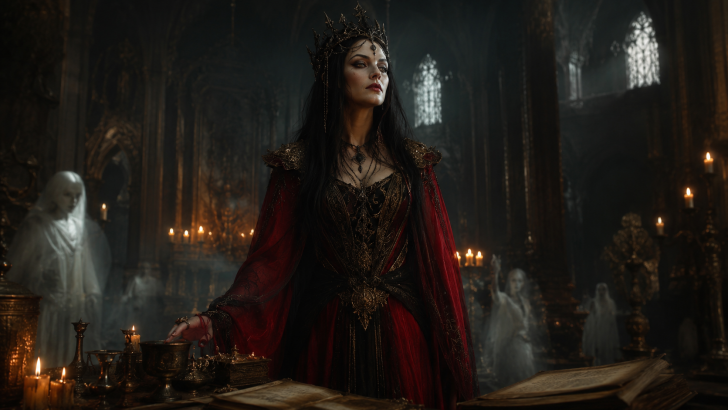
Have you ever heard of Eisheth Zenunim, one of the most mysterious figures in Jewish folklore and medieval demonology?
While names such as Lilith have become widely known in modern culture, Eisheth Zenunim remains a far more obscure figure despite appearing in several mystical traditions.
She is often described as one of the powerful demon queens associated with the night and the unseen world.
Most information about Eisheth Zenunim comes from medieval folklore, mystical writings, and later traditions rather than from the Hebrew Bible itself.
Because these stories developed over centuries, different sources sometimes describe her in very different ways.
Here are eight fascinating facts about Eisheth Zenunim, the legendary Queen of Hell in later folklore.
1. She Does Not Appear in the Hebrew Bible

Many people assume Eisheth Zenunim comes directly from the Bible, but that is not the case.
Her name does not appear in the Hebrew Bible or the New Testament.
Instead, references to her are found in later mystical writings and medieval traditions that explored angels, demons, and the supernatural world in far greater detail than earlier religious texts.
This distinction is important because it separates biblical teachings from later folklore and legend.
Today, scholars generally study Eisheth Zenunim as part of Jewish mysticism and folklore rather than as a figure from Scripture itself.
2. Her Name Is Often Translated as “Woman of Prostitution”
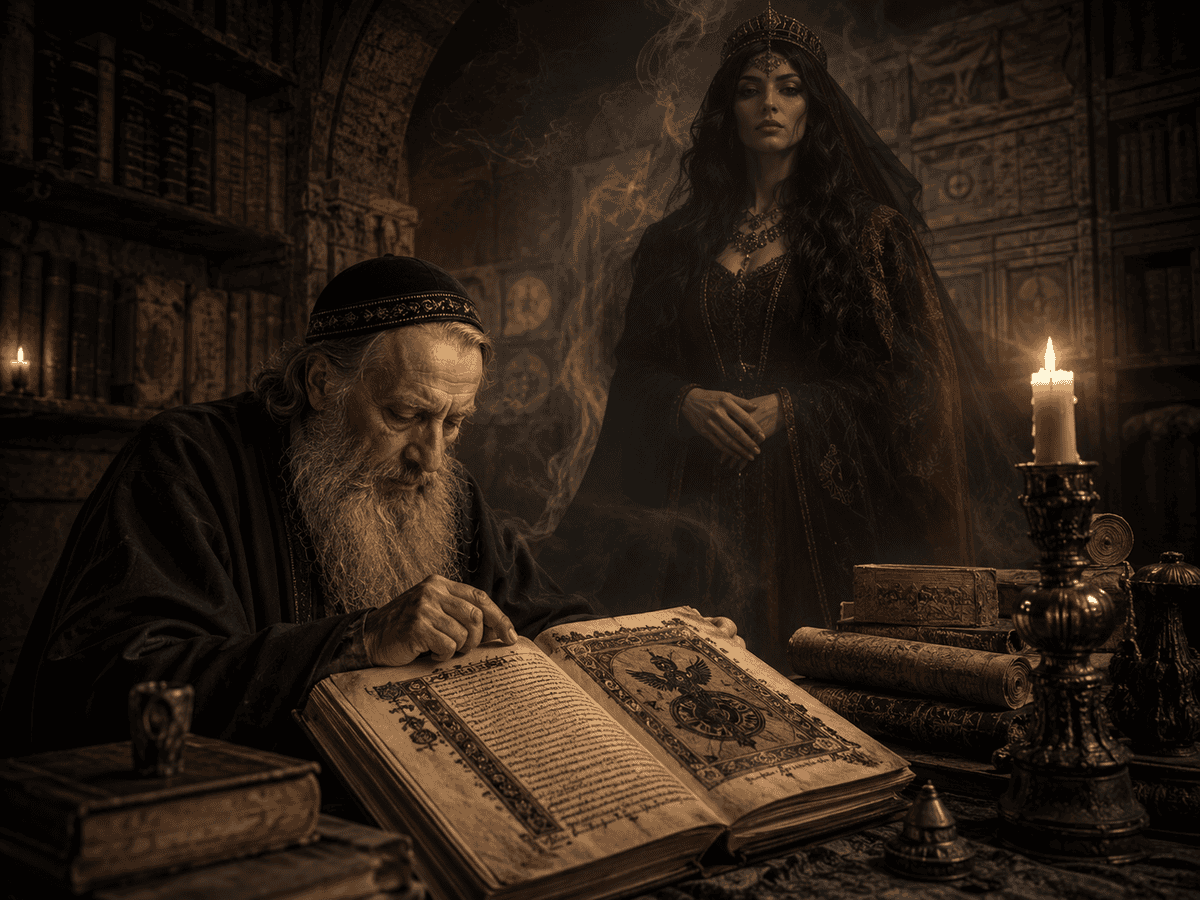
The name Eisheth Zenunim carries symbolic meaning in Hebrew traditions.
The phrase is often translated as “woman of prostitution” or “woman of harlotries,” although scholars continue to debate the exact meaning and implications of the title.
In many medieval texts, names were chosen for symbolic or moral purposes rather than historical ones.
Because of this, the name likely reflected ideas and fears present within the culture that produced the stories.
Its meaning contributed greatly to her reputation in later folklore and mystical literature.
3. She Was Considered One of the Four Demon Queens
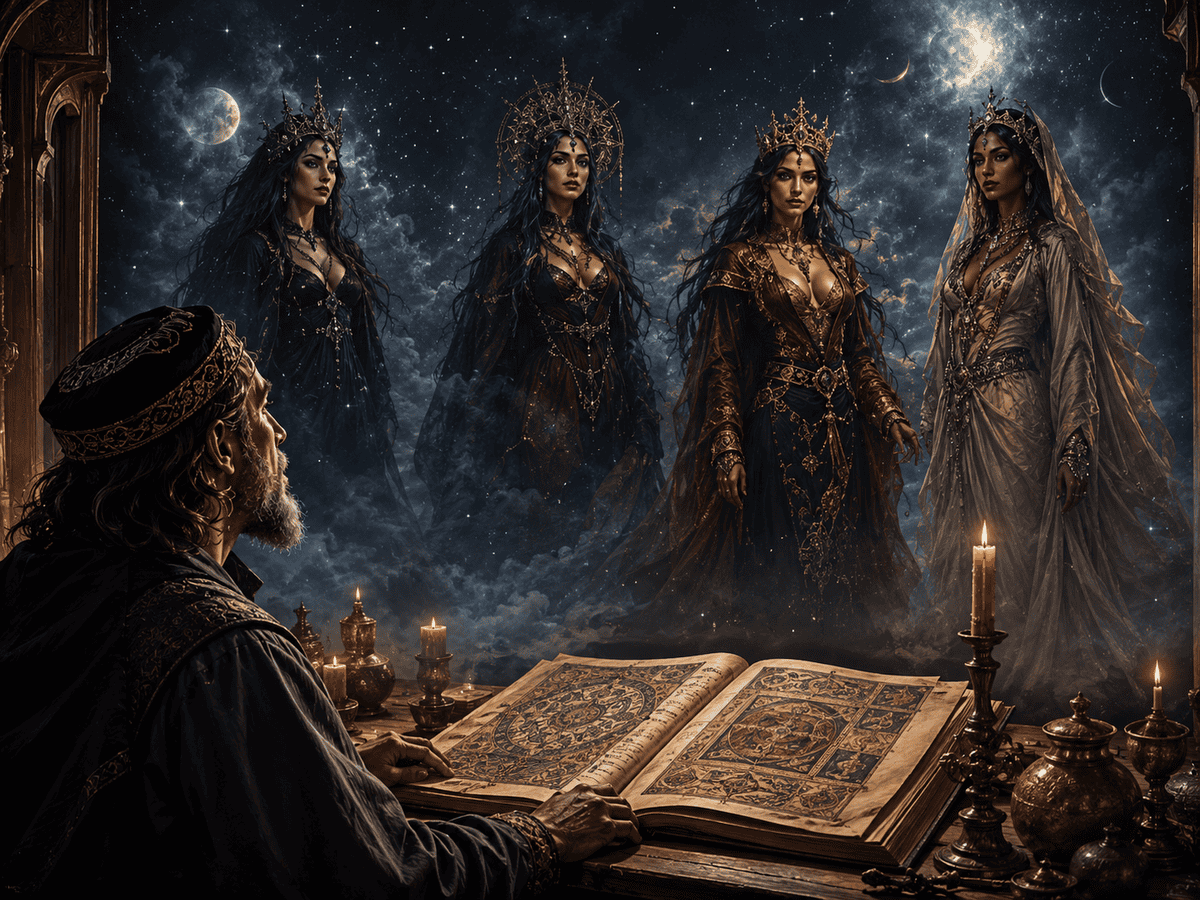
In several traditions, Eisheth Zenunim was counted among four powerful female demon queens.
The exact lists vary between sources, but she is frequently mentioned alongside Lilith, Agrat bat Mahlat, and Naamah.
Together, these figures were said to rule over different groups of spirits or supernatural beings.
These traditions belong primarily to medieval mystical literature rather than earlier religious writings.
Her inclusion among these famous names helped establish her place as one of the most prominent female figures in later demonology traditions.
4. She Was Associated With the Night
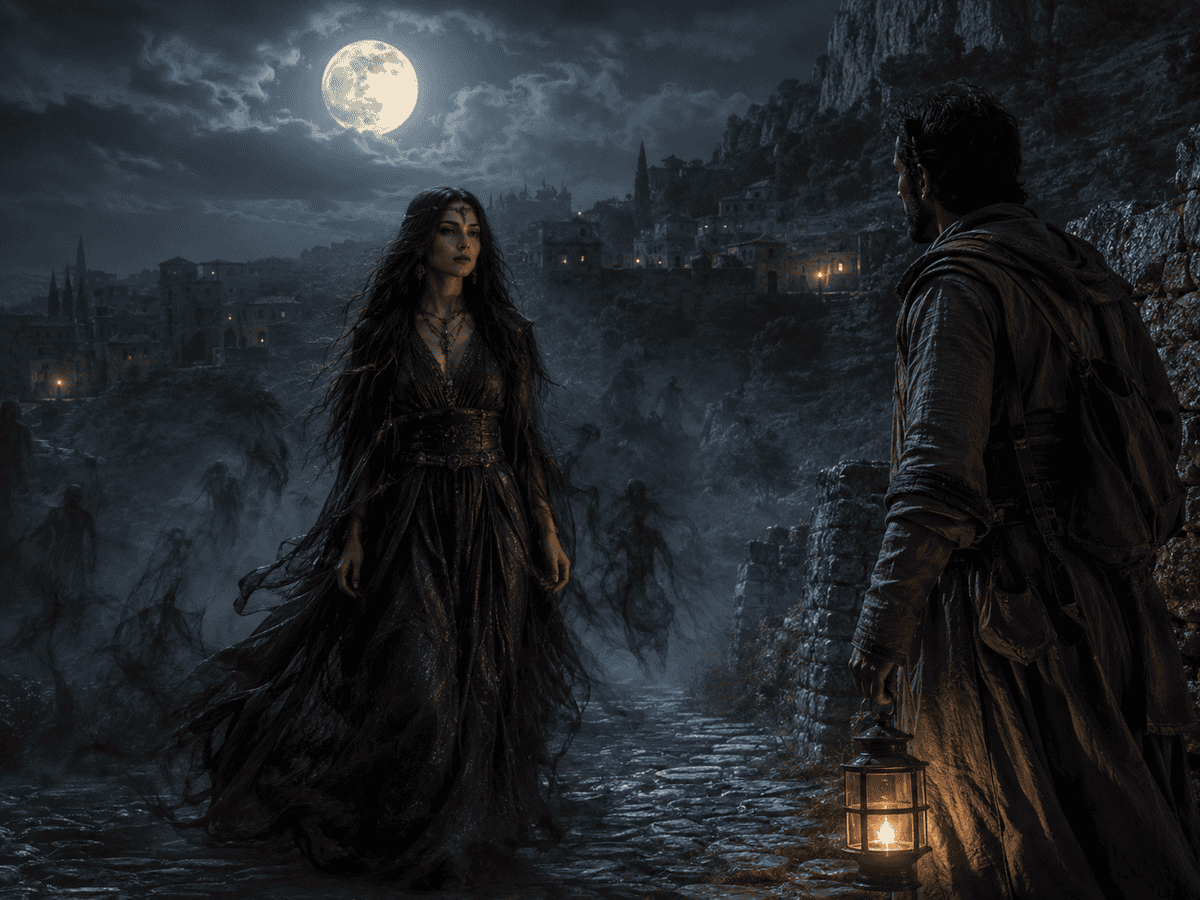
Like several other figures from folklore, Eisheth Zenunim was often connected with darkness and nighttime.
Many ancient cultures viewed the night as a mysterious period when unseen forces became more active.
Without modern lighting, darkness could feel dangerous and unpredictable, making it a natural setting for supernatural stories.
As a result, many legends placed spirits and demons under the cover of night.
Her connection with darkness reflects these broader cultural fears rather than historical events or religious teachings.
5. Her Stories Mostly Come From Mystical Traditions
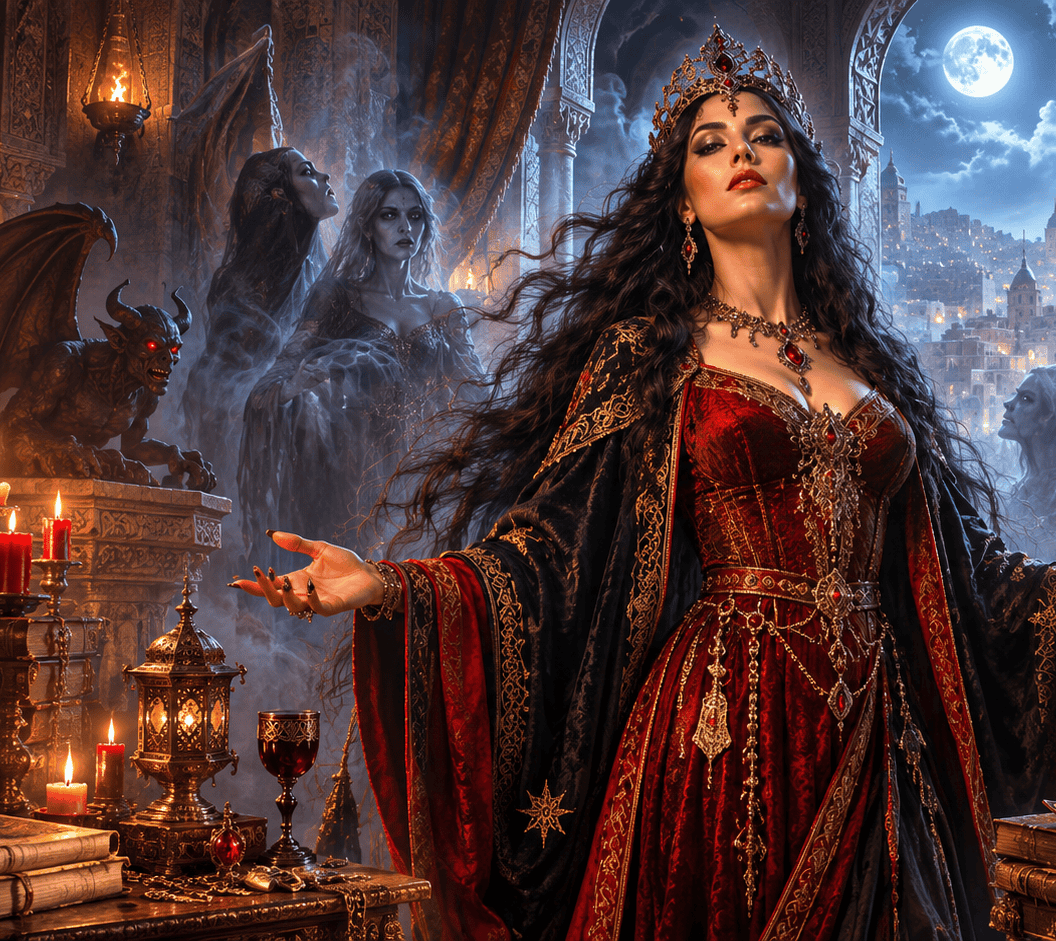
Unlike major biblical figures, Eisheth Zenunim appears mainly in mystical and esoteric writings.
These texts often explored hidden knowledge, symbolic meanings, angels, and supernatural realms.
Because different authors contributed to these traditions over centuries, descriptions of Eisheth sometimes changed significantly from one source to another.
Some stories emphasized her authority, while others focused on symbolism or moral lessons.
This variety makes it difficult to create a single definitive version of her legend.
6. Medieval Writers Expanded Her Story
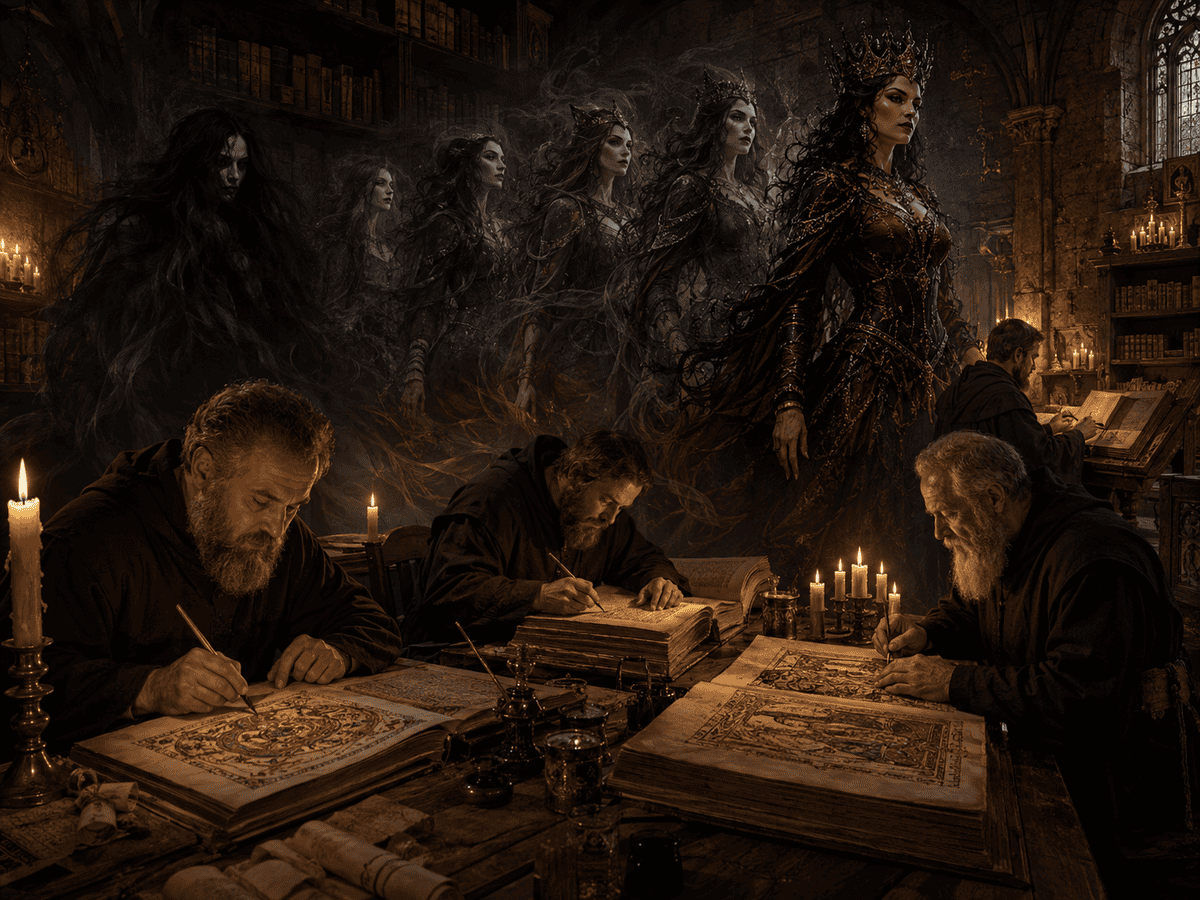
As folklore spread through different regions, many writers added new details to Eisheth Zenunim’s character. This process is common in mythology and folklore around the world.
Stories evolve as they pass from one generation to another, with each community emphasizing different themes or lessons.
Over time, this transformed Eisheth from a relatively obscure figure into a more elaborate character within later demonological traditions.
Her changing story demonstrates how legends can grow and develop long after their earliest appearances.
7. Historians Study Her as a Cultural Figure
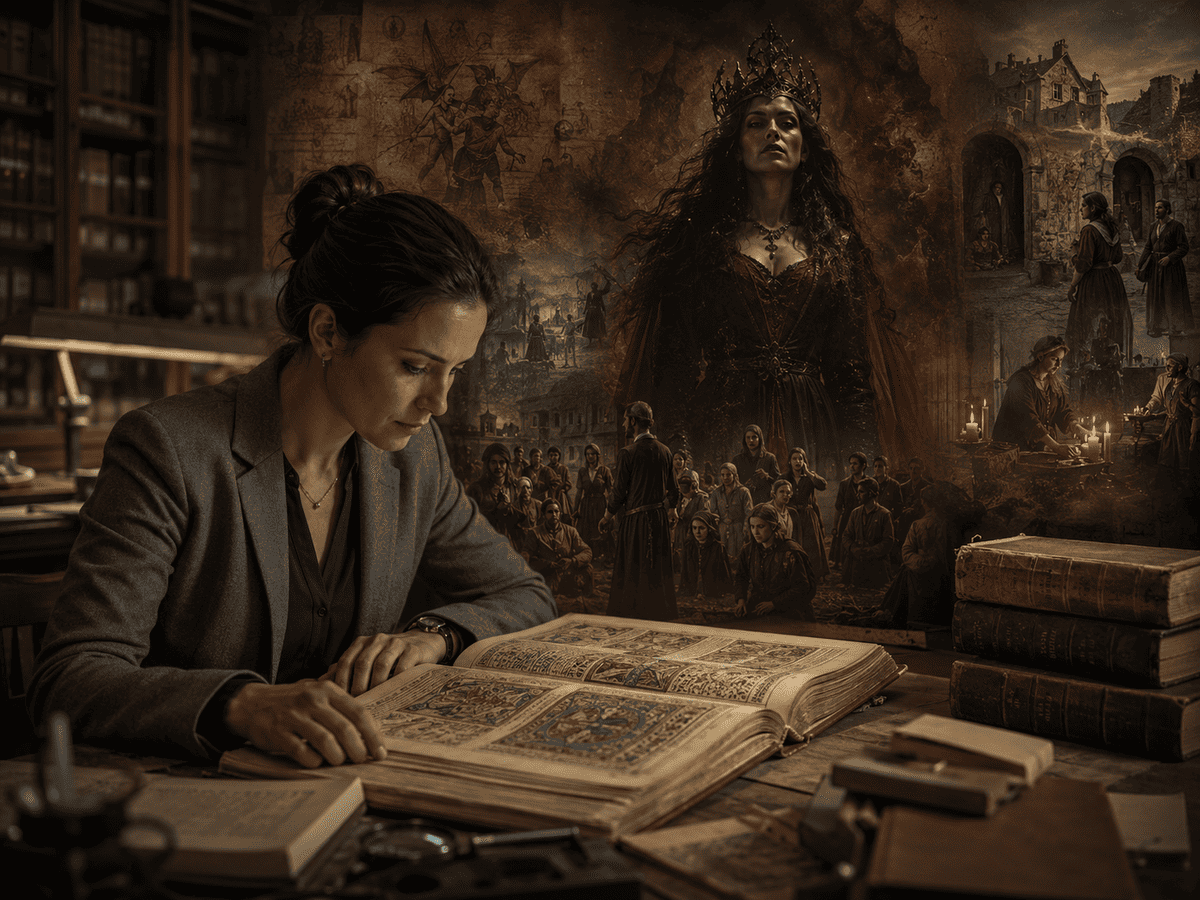
Modern historians and scholars do not study Eisheth Zenunim as a historical person. Instead, they examine her as part of the beliefs, fears, and imagination of medieval societies.
Folklore often reveals what people worried about, valued, or struggled to explain during a particular period of history.
Figures such as Eisheth provide valuable insight into the spiritual and cultural world of earlier generations.
For researchers, these stories offer an important window into medieval religious thought and popular imagination.
8. She Reflects the Power of Folklore to Shape Legends
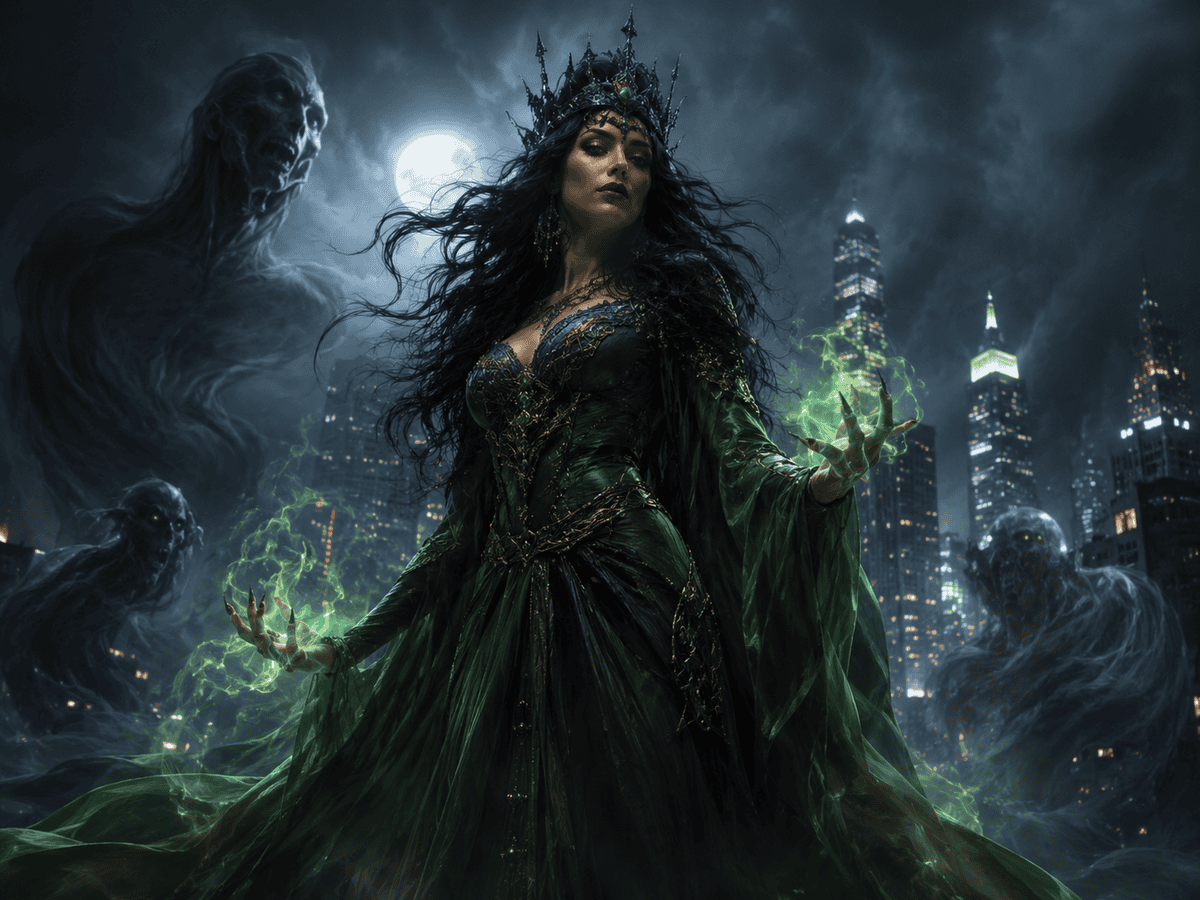
One reason Eisheth Zenunim remains fascinating today is because her story demonstrates how folklore evolves over time.
Unlike characters with one fixed narrative, her legend changed as new writers, communities, and traditions retold it in different ways.
Each generation added its own interpretations and symbolism, creating multiple versions of the same figure. This flexibility is one of the reasons folklore survives for centuries.
Whether viewed as mythology, symbolism, or cultural history, Eisheth Zenunim remains an intriguing example of how stories can grow, change, and continue capturing human curiosity long after they were first told.

Ho sempre sentito una forte connessione con il Divino fin dalla mia nascita. Come autrice e mentore, la mia missione è aiutare gli altri a trovare l'amore, la felicità e la forza interiore nei momenti più bui.