
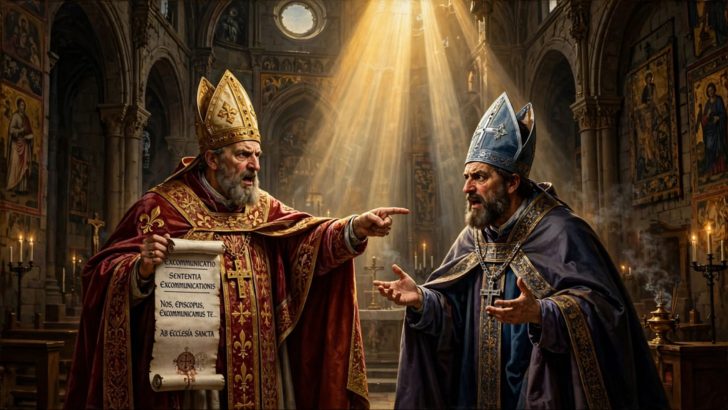
Up until 1054, the Christian Church was unified. The institution had survived persecution, controversy, and the collapse of Rome, but then it was split into two branches.
The Great Schism left us with two enormous traditions, both of which claim to be the legitimate continuation of the ancient faith.
However, the split didn’t happen suddenly. It had culminated over centuries.
Let’s see exactly what led to the Great Schism!
1. The Church Before the Split
The Great Schism happened so long ago that it’s hard to imagine what the Christian Church looked like united.
For the first one thousand years of Christianity, the West and East Church share the same beliefs and sacraments.
The political, cultural, and linguistic differences were present, but there was a formal unity.
Five great centers governed the entire Christian world: Rome, Constantinople, Alexandria, Antioch, and Jerusalem.
Each one was autonomous and governed by its own bishop, but they all understood that they belonged to one, undivided Christian Church.
Naturally, there were theological debates, disaccordi, competition, and tensione, but there was also mutual recognition.
2. It All Started With Politics
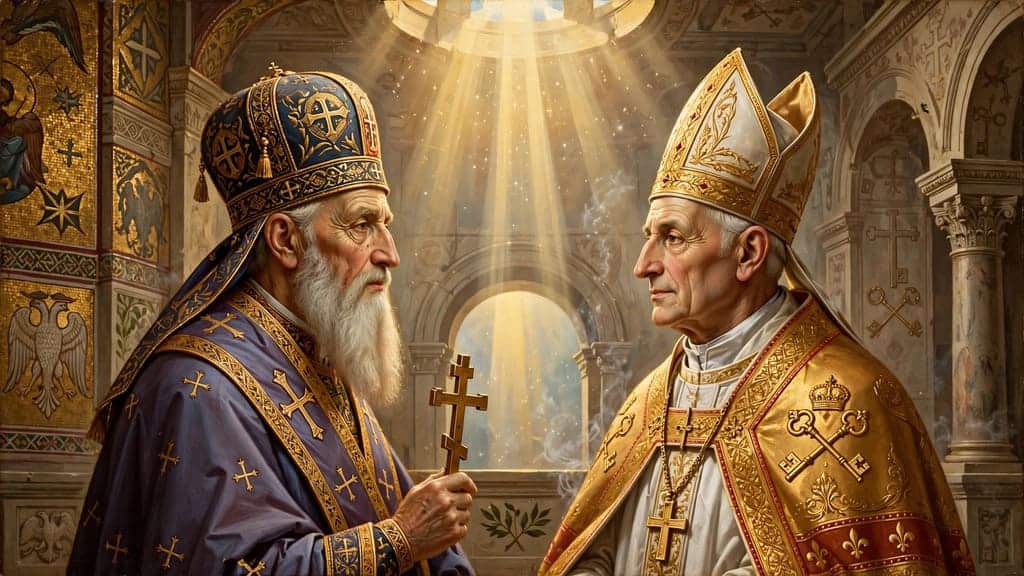
Long before the Great Schism formally happened, the fall of the Western Roman Empire had separated the two halves of the Christian world politically (476 AD).
This led them to develop differently in almost every way.
The West became more and more Latin in language and culture, centered on Rome and its legal tradition.
The East kept the Greek language and tradition, which brought a different religious sensibility. It became centered on Constantinople as the New Rome and the Byzantine imperial culture.
It already started to look like the split was inevitable. Language shapes theology, and culture shapes worship.
The two churches started to look very different in the way they expressed, organized, and understood the faith of Jesus Christ.
3. The Filioque
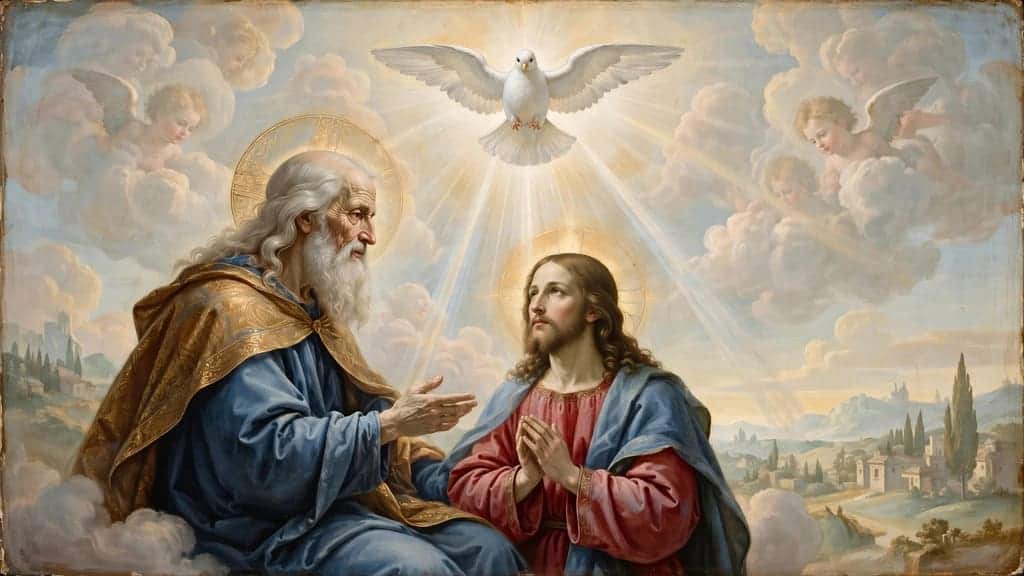
Of all the theological disagreements between the churches, the Filioque controversy might be the most obvious one.
Besides the issues of the Papal authority, many consider it the biggest cause for the Great Schism.
Il Nicene Creed was the statement of Christian faith shared by the entire Church. It stated that the Holy Spirit “proceeds from the Father.”
In the early Middle Ages, the Western Church added the words “and the Son” (filioque).
This suggested that the Holy Spirit came from both the Father and the Son.
This addition was made locally, then regionally, and eventually became standard in the Western Church without any formal agreement with the East.
The Eastern Church held and still holds that the Holy Spirit proceeds from the Father alone because Jesus said so Himself in John 15:26.
The main issue here isn’t the theology, but autorità; an attempt to change a foundational common text without seeking counsel.
4. The Papal Authority
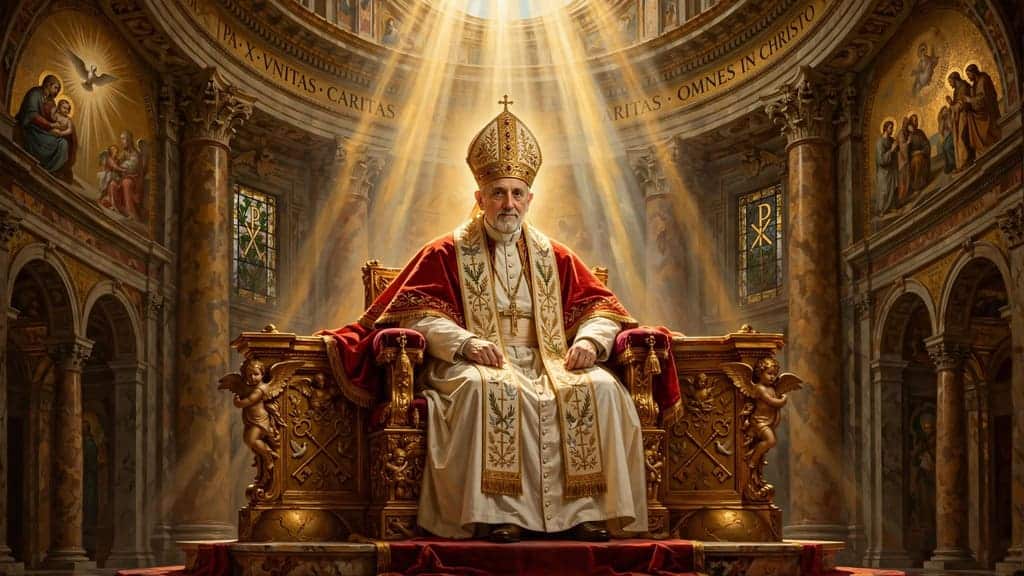
Each Christian center had its own bishop who had complete authority over its region.
The relationship between the bishops was meant to be collegial. And in the entire Church, the Bishop of Rome was held in honor, regarded as the first among equals.
Over the centuries, the Western Church gradually developed a theology of papal authority over all Christians everywhere.
By the time of the Schism, papal authority over the entire Church was a given in the West, while in the East, it was categorically rejected.
This was a fundamental disagreement in how the Church should be organized.
5. Smaller Disputes
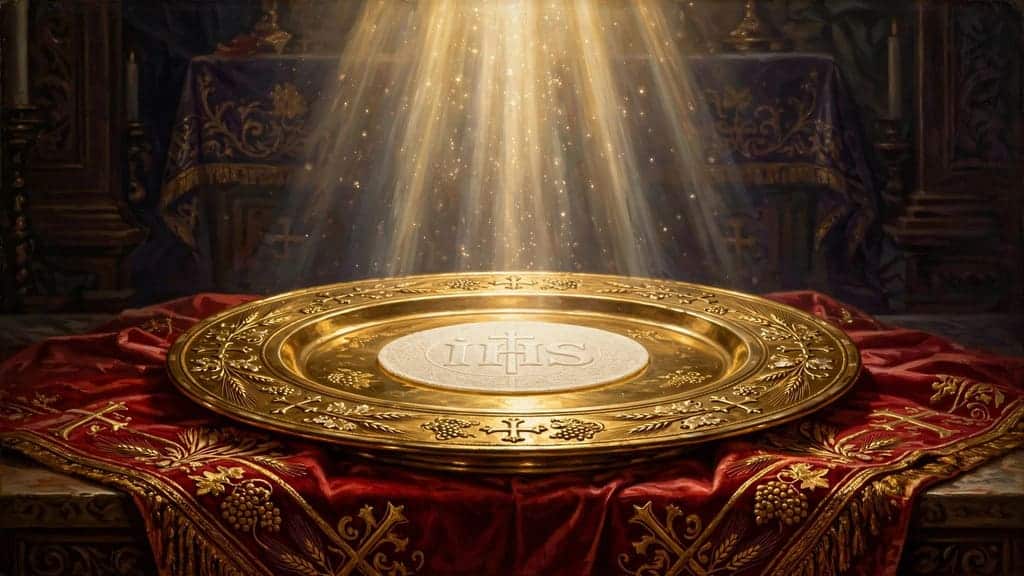
Of course, the Filioque and papal authority were only the biggest among countless reasons for the Schism.
Each of these issues could have been resolved individually, but together, they made the unity of the Church difficult to maintain.
All of it led to mistrust e incomprensioni, even in situations that didn’t call for it.
For instance, the Western Church used unleavened bread in the Eucharist while the Eastern Church used leavened bread. Both considered the other’s practice to be problematic.
Clerical celibacy was becoming standard in the West, while the Eastern Church allowed its priests to marry, while monks and bishops would stay celibate.
Jurisdiction over newly converted territories, like the Balkans, stoked competition between the two sides, as each fought to spread its influence first.
6. Rome and Constantinople
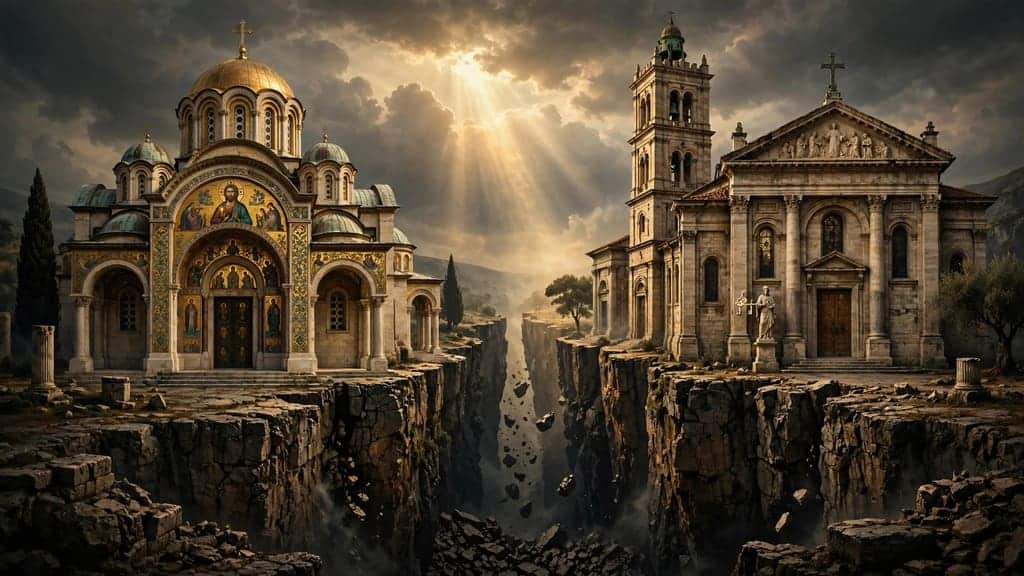
By the 11th century, the relationship between Rome and Constantinople had gotten so bad that the Schism became seriously considered.
Pope Leo IX e Patriarch Michael Cerularius contributed to the whole thing by being radical and vengeful.
Cerularius had ordered the closure of Latin churches in Constantinople, which was seen as offensive and provocative.
The theological, cultural, and political differences have been accumulating for centuries, and on top of it all, the leaders of the Church were too defensive and proud to search for the middle ground.
There was genuine conviction in what each side believed was right for the Church, but at the center of it all was a fight for power.
7. The Great Schism
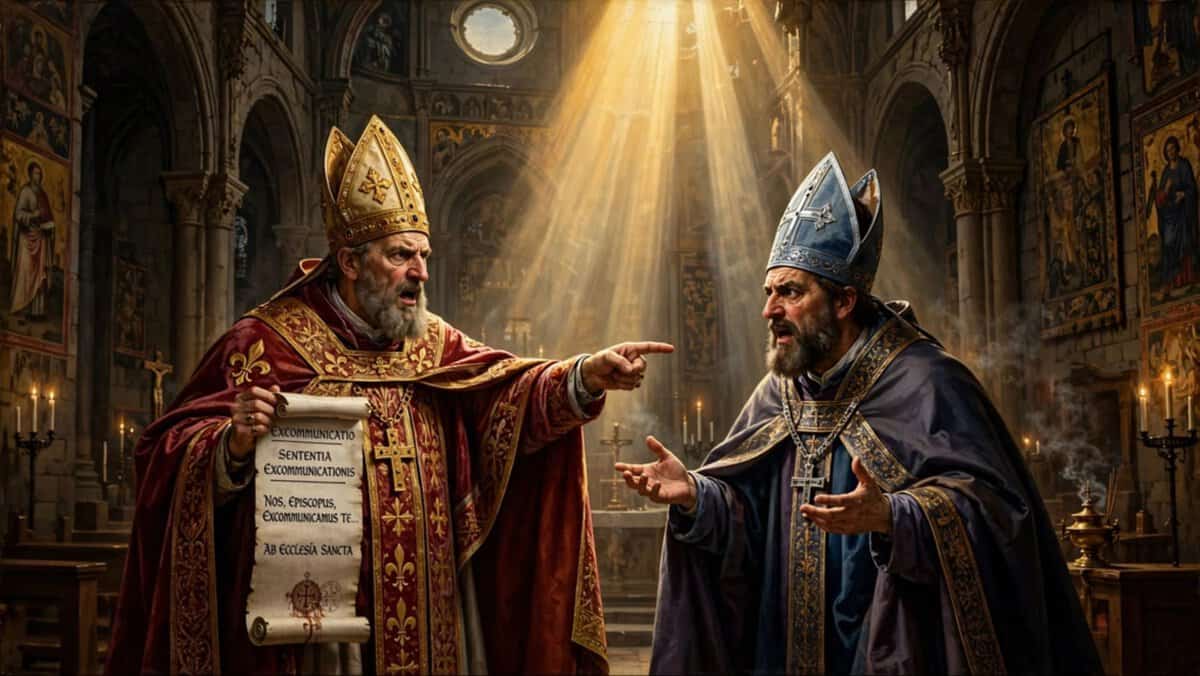
The Great Schism was formalized in July of 1054, and it all started in Hagia Sophia, in Constantinople.
During the Divine Liturgy, Cardinal Humbert entered the church and placed a bull of excommunication on the altar.
The bull condemned Patriarch Michael Cerularius and all who followed him.
In return, the Patriarch issued his own act of excommunication against Cardinal Humbert and the papal delegates.
Many people on both sides didn’t actually want the split to happen, but these excommunications proved to everyone that communion was no longer possible.
8. The Fourth Crusade
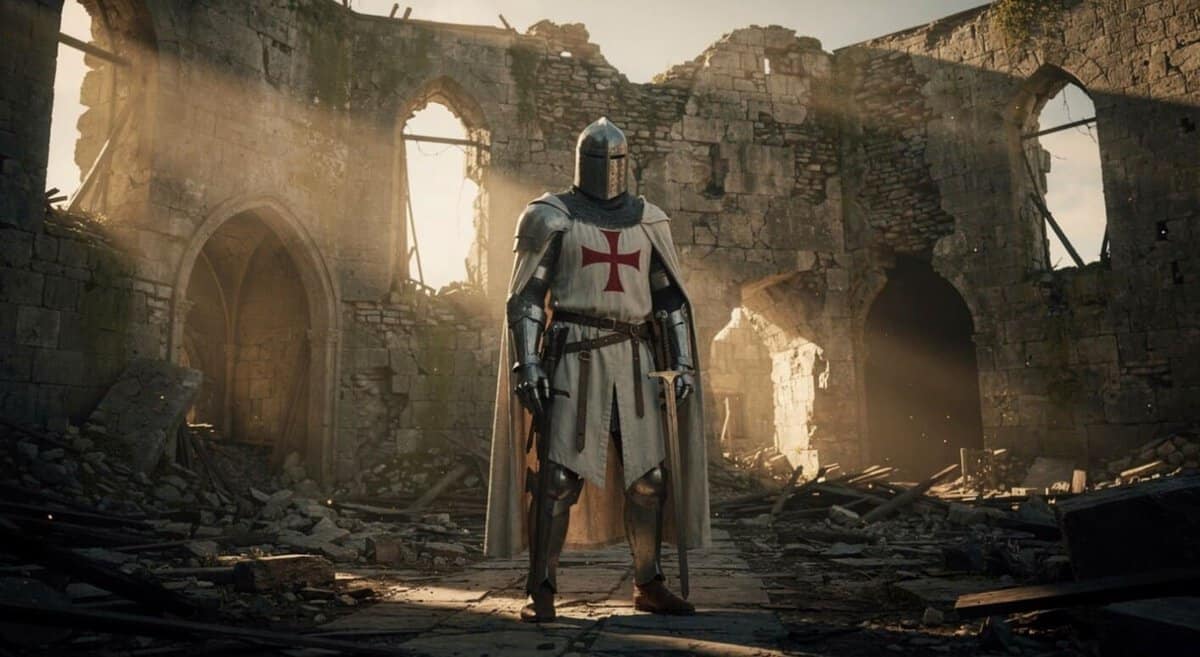
If the formal Schism wasn’t bad enough, the year 1204 would bring an event that would erase any chance of reconciliation.
The Fourth Crusade, meant to defend the Holy Land against Muslim forces, ended with the Crusaders sacking Constantinople.
The city was stormed and looted with extraordinary brutality. Churches were desecrated, and holy relics were stolen.
The Eastern Church remembers the Crusade as a painful betrayal, done under the sign of the cross.
9. What Each Church Preserved
After the Schism, the two churches developed separately, becoming truly different traditions.
However, each side sought to preservare il ancient tradition of Christ’s Church, although they approached it differently.
The Eastern Church claims that it’s preserving the original faith and worship of the early Christians, the theology of the Greek Fathers, the councils, and the liturgy.
The Roman Church preserved the faith and teachings of the early Church under the guidance of the papacy.
Both churches maintained the apostolic succession of their clergy, both administered the same seven sacraments, and both preserved the creeds and scripture of the ancient Church.
In recent times, the communication between the two churches has increased, though formal unity still looks unlikely.
Even the mutual excommunications were lifted in 1964, and the theological conversations continue.

A little Aquarius, devoted to writing and embroidery. Through my writing, I hope to empower readers to align with their true selves and navigate life’s mysteries with confidence.