
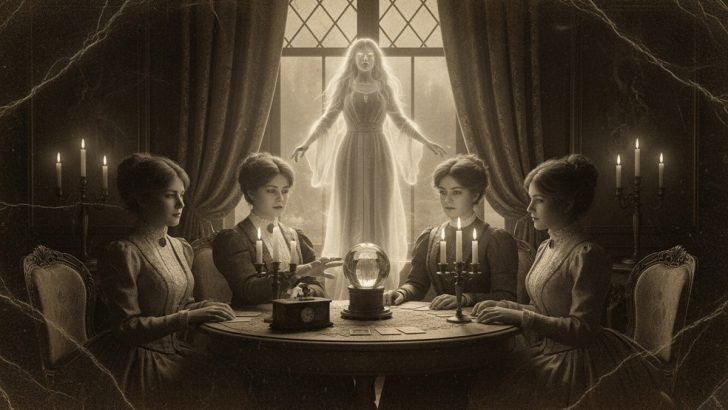
Death has never exactly been humanity’s favorite conversation topic. We know it is inevitable, yet for thousands of years, people have looked for ways around the silence it leaves behind. From ancient diviners and necromancers to Victorian séances and modern-day mediums, the desire to communicate with the dead seems remarkably persistent. Apparently, even death cannot stop us from thinking, “But what if I could just ask them one more question?”
Mediumship, in its modern sense, became particularly famous during the 19th century, when Spiritualism transformed communication with the dead into a religious movement, social phenomenon and, occasionally, full-blown parlor entertainment. The story is filled with grief, genuine belief, elaborate performances, scientific investigations, fraud scandals and some extremely dramatic séances. But beneath all the mystery is something surprisingly ordinary: people wanting reassurance, answers and a sense that the people they loved might still exist somewhere beyond the grave.
Here is how our fascination with talking to the dead developed.
1. Talking to the Dead Is Much Older Than Mediumship
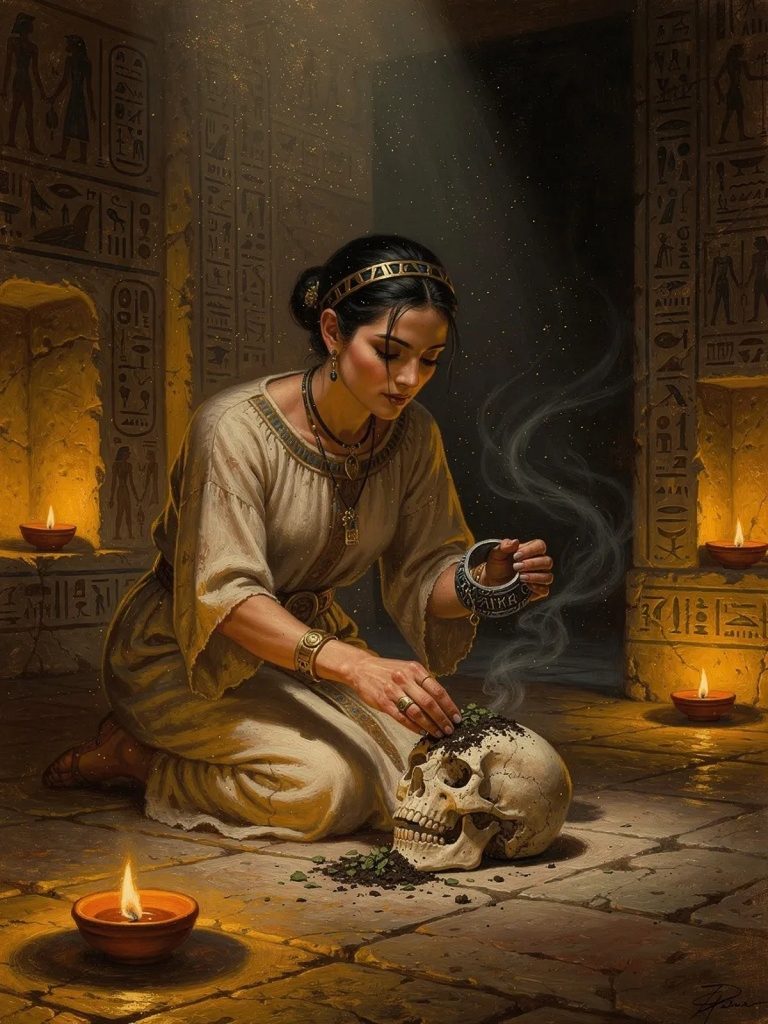
Long before Victorian ladies gathered around tables in darkened parlors, humans were already trying to communicate with the dead. Ancient cultures developed rituals, divination practices and religious traditions concerning spirits, ancestors and the afterlife. In many societies, the dead were not necessarily thought of as completely gone; they could remain part of family, religious or community life.
Stories of people consulting the dead also appear in ancient literature and religious traditions. The famous biblical account of the Witch of Endor, for example, describes King Saul seeking out a woman believed capable of summoning the deceased prophet Samuel. Whether viewed as theology, folklore or historical tradition, stories like this demonstrate that the basic idea behind mediumship is hardly a modern invention.
What changed in the 19th century was not humanity’s desire to contact the dead, but the way that desire became organized. Instead of one mysterious person whispering that the spirits had something to say, communication with the deceased increasingly became a structured practice involving mediums, séances and supposedly repeatable methods. Humanity essentially went from “Perhaps the dead can speak” a “Okay, everyone sit down, hold hands and let’s see what happens.”
2. The Fox Sisters Helped Launch Modern Spiritualism
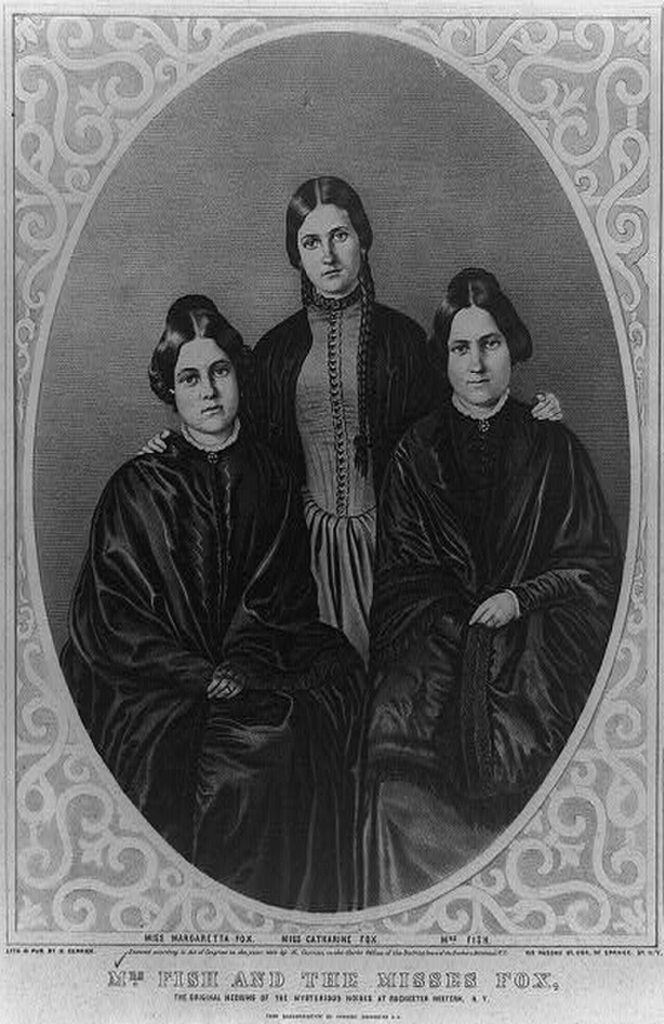
When people discuss the history of modern mediumship, the conversation almost inevitably arrives at Hydesville, New York, in 1848. That was where sisters Kate and Margaret Fox became associated with mysterious knocking sounds that were interpreted as communication from a spirit. The story quickly attracted attention, and the sisters became famous as mediums.
The alleged spirit supposedly communicated through a system of knocks, with different numbers of raps representing different responses. It was, in effect, an early paranormal messaging service — except the notifications were coming from the walls.
The story spread rapidly, and the sisters began demonstrating their supposed abilities publicly. Modern Spiritualism emerged around this period and soon expanded beyond the Fox family. Séances, spirit circles and other forms of mediumship became increasingly popular in the United States and eventually Europe. Historical sources describe the Fox phenomenon as a major starting point for the modern Spiritualist movement, although the authenticity of the phenomena was heavily disputed.
And there was an important complication: in 1888, Margaret Fox publicly confessed that the famous rappings had been produced through trickery, even though the story surrounding the sisters remained controversial afterward.
So yes, one of the most famous origin stories in modern mediumship comes with a rather enormous asterisk.
3. The Victorian Era Turned Grief Into a Spiritual Movement
The enormous popularity of Spiritualism during the Victorian era was not simply because people suddenly became fascinated by ghosts. The period was saturated with death. Child mortality was high, infectious diseases were widespread, medical treatment was limited and wars claimed enormous numbers of lives.
That created a huge population of grieving people who desperately wanted reassurance that death had not completely separated them from their loved ones. Spiritualism offered one possible answer: perhaps the dead were still conscious, still loving and, with the assistance of a medium, still capable of communicating.
The American Civil War intensified this emotional environment. Families lost husbands, sons, brothers and fathers, while new forms of photography and mass communication made the scale of death more visible than ever. Spiritualism offered some people a way to imagine that the person they had lost had not simply vanished.
This helps explain why mediumship was more than entertainment. For believers, it could provide comfort during some of the worst experiences imaginable. Of course, grief also creates vulnerability, which meant the movement attracted both sincere practitioners and people who saw an opportunity to make money.
Unfortunately, humanity has never been particularly good at resisting the combination of grief and a profitable business model.
4. Séances Became the Paranormal Dinner Party
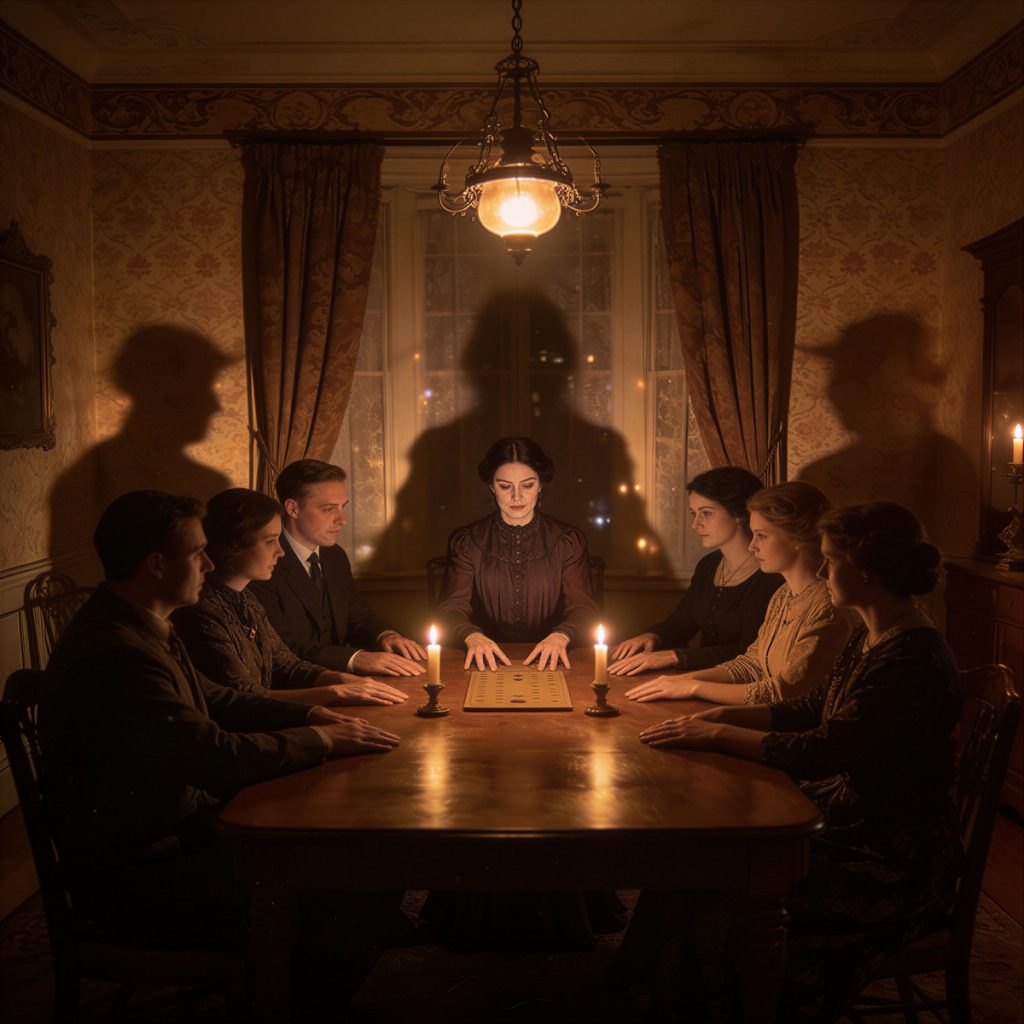
The séance became one of the defining rituals of 19th-century Spiritualism. A group would gather, usually in a dimly lit room, often around a table, with a medium acting as the supposed intermediary between the living and the dead.
Depending on the medium and the era, alleged phenomena could include mysterious raps, table movements, automatic writing, trance speaking, mysterious lights or even supposed materializations of spirits. Some séances were serious religious gatherings; others developed a distinctly theatrical quality.
That theatrical side is important because Spiritualism existed at the intersection of religion, entertainment and emerging media culture. Historical research into Victorian Spiritualism has shown how séances could resemble performances, with mediums becoming public figures and audiences choosing between different practitioners much as modern audiences might choose entertainment.
And naturally, once people discovered that audiences would pay money to watch supernatural phenomena, some performers became rather creative. Rope tricks, hidden mechanisms, sleight of hand and other forms of deception entered the history of mediumship.
The dead may have been mysterious. The ticket prices were not.
5. Mediums Became Unusually Powerful Public Figures
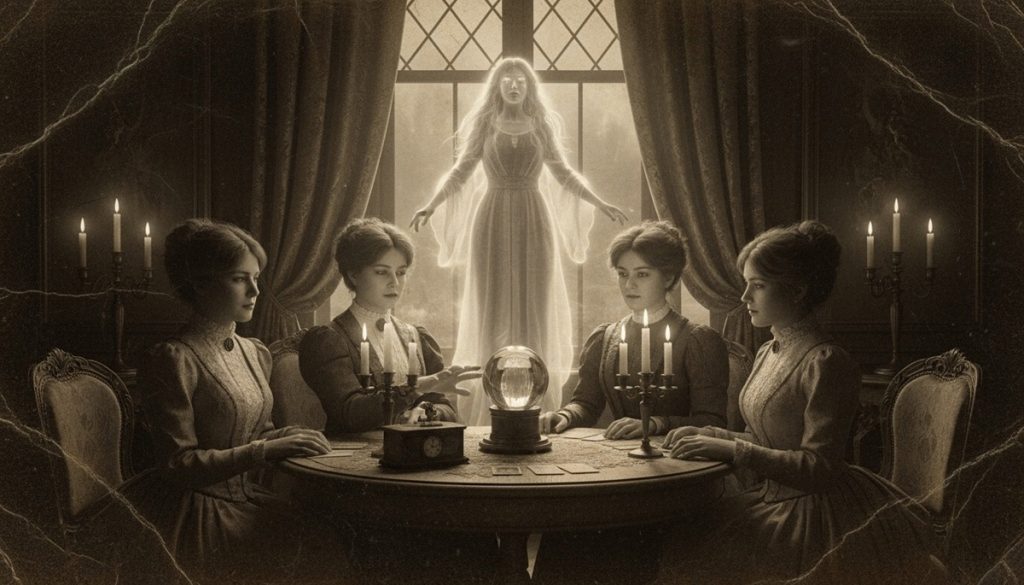
One fascinating aspect of 19th-century mediumship was the role it gave women. Victorian society offered women relatively few opportunities to speak publicly, control organizations or establish themselves as intellectual and spiritual authorities.
Mediumship could provide an unusual alternative.
Women could enter a trance, speak supposedly through spirits, lecture before audiences and become central figures in Spiritualist communities. The movement therefore sometimes gave women a public voice that conventional institutions denied them. Historians have noted the relationship between Spiritualism, gender and the changing opportunities available to women during the period.
This does not mean Spiritualism was automatically progressive. The movement contained plenty of contradictions and could reproduce the prejudices of its era. But its emphasis on female mediums created an unusual cultural space in which women could become authorities.
In other words, the séance table was occasionally more socially revolutionary than it looked.
6. Scientists Started Asking an Awkward Question: Is Any of This Real?
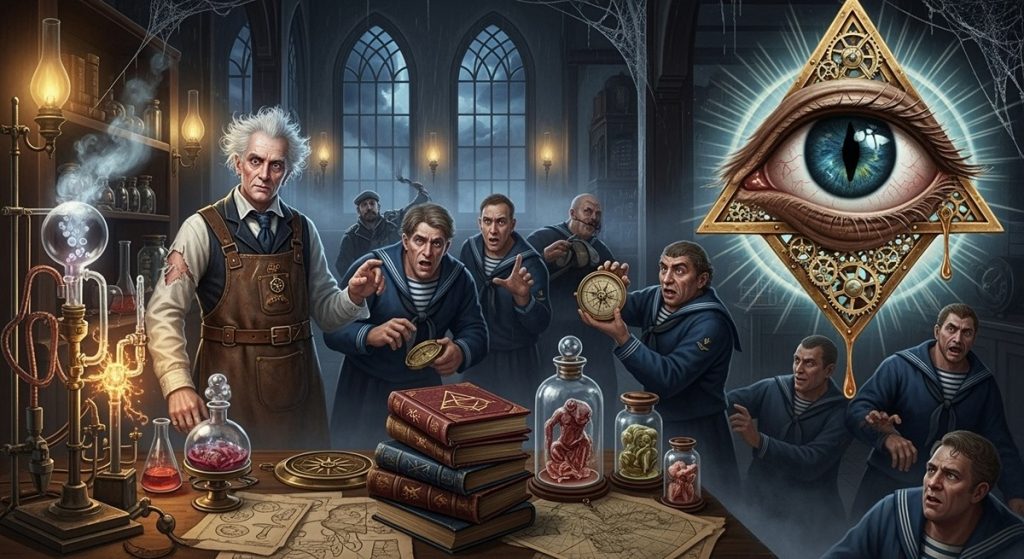
As mediumship became increasingly popular, skeptics began demanding evidence. This led to a fascinating chapter in the history of psychical research.
Some scientists and intellectuals were genuinely interested in determining whether unusual phenomena could be explained through previously unknown forces. Others suspected fraud, suggestion, hallucination or psychological effects. Researchers investigated séances, mediums and supposed supernatural events, often with wildly different conclusions.
The important point is that the debate was not simply believers versus people who thought the entire subject was ridiculous. Some serious researchers believed the phenomena deserved investigation, while others attempted to expose the techniques used by fraudulent mediums.
A later scientific perspective remains cautious. Historical discussions of mediumship have documented both claims of extraordinary phenomena and extensive evidence of deception, while distinguishing genuine psychological experiences from proof of communication with the dead remains difficult.
Basically, the paranormal world accidentally invented its own version of peer review — although not everyone enjoyed receiving the criticism.
7. Allan Kardec Gave Spirit Communication a Philosophical Framework
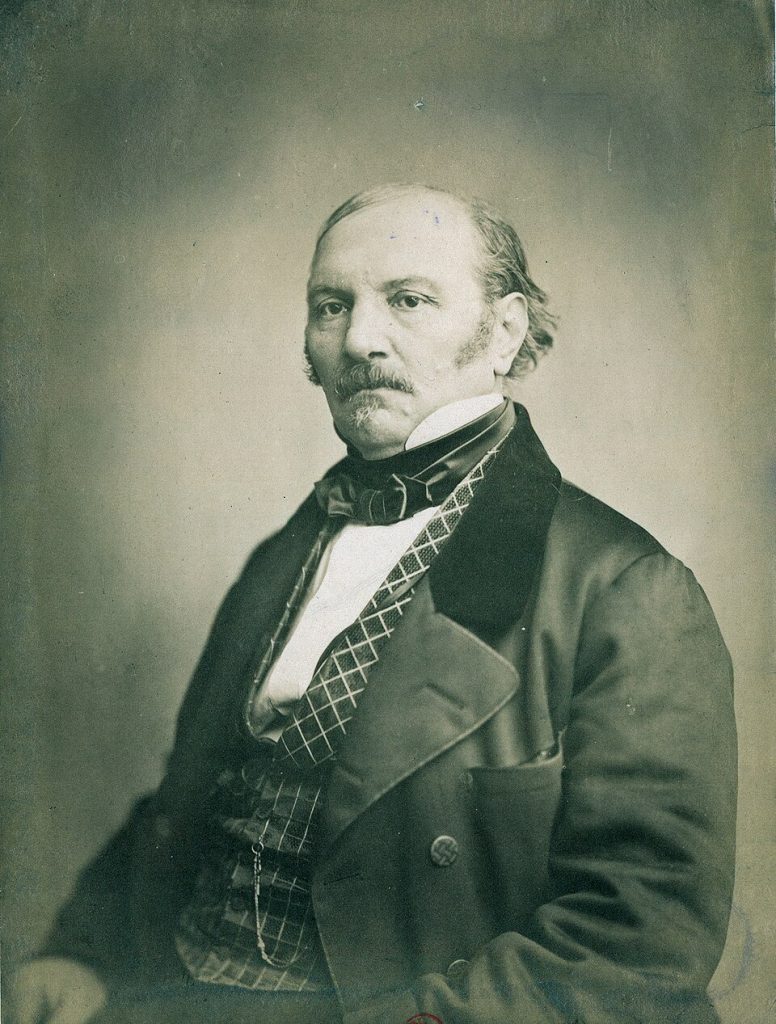
Mediumship did not develop in exactly the same way everywhere. In France, the movement became closely associated with Allan Kardec, the pseudonym of educator Hippolyte Léon Denizard Rivail.
Kardec became interested in reported spiritual phenomena during the 1850s and attempted to organize them into a broader philosophical and religious system. His The Spirits’ Book, published in 1857, became foundational to what he called Spiritism. He later established a society devoted to studying spiritual phenomena and published a journal dedicated to the subject.
Kardec’s approach is particularly interesting because he did not simply present mediumship as spooky entertainment. He attempted to investigate different explanations for reported phenomena, considering possibilities ranging from fraud and hallucination to psychological mechanisms and, ultimately, communication with discarnate minds.
His ideas became enormously influential, especially in Brazil, where Kardecist Spiritism developed into a major religious tradition.
So the history of mediumship isn’t just about ghosts saying hello. It also became an attempt to answer enormous philosophical questions about consciousness, morality, reincarnation and what might happen after death.
8. Fraud Became One of Mediumship’s Biggest Problems
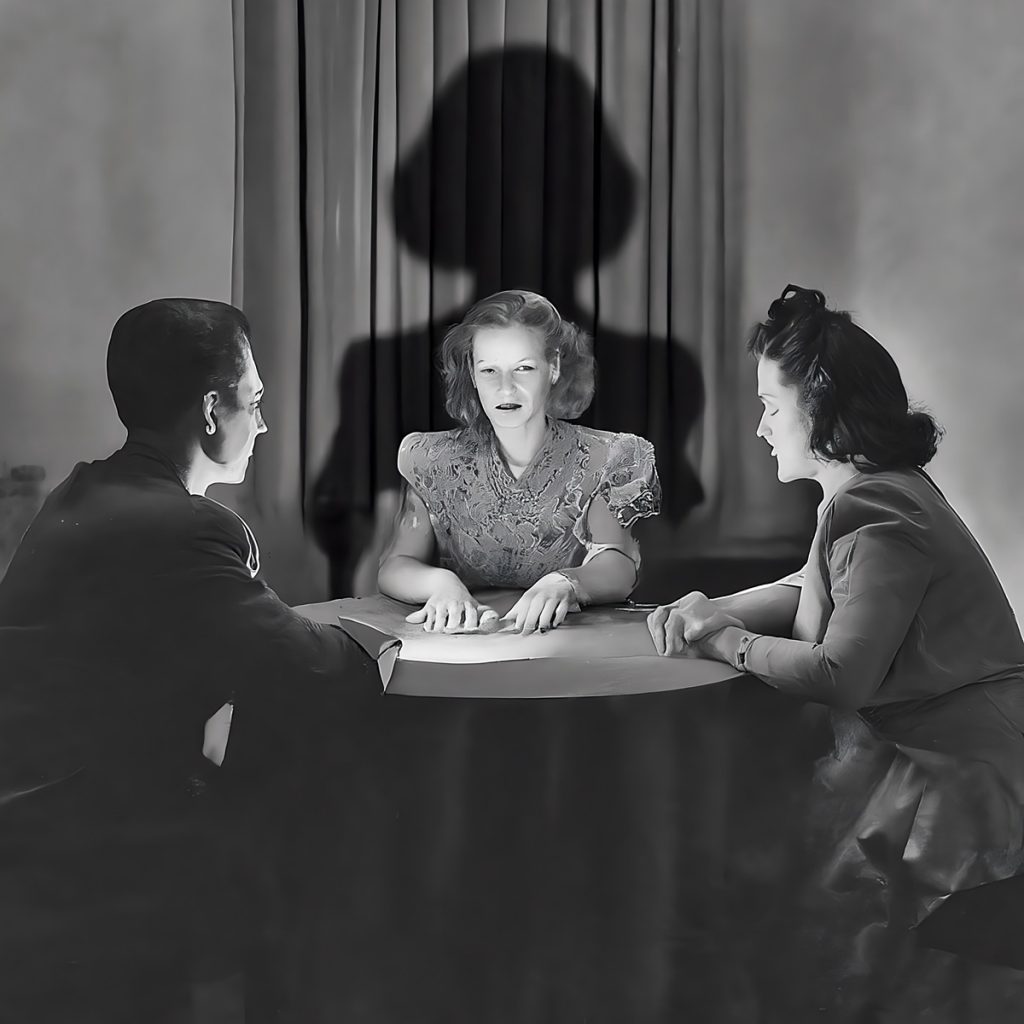
If mediumship had one persistent enemy, it was probably not science. It was the medium who got caught cheating.
As séances became popular, numerous mediums were accused of using tricks to create supernatural effects. Some were caught producing noises themselves, secretly moving objects or using concealed equipment. Others were exposed by investigators who carefully searched rooms and controlled the conditions of séances.
The Fox sisters’ later confession became one of the most famous scandals, but they were far from the only mediums whose reputations became entangled with allegations of deception. Historical investigations repeatedly found examples of fraudulent practices within Spiritualism.
This does not automatically prove that every person who claimed to experience mediumistic phenomena was deliberately lying. Some practitioners may have sincerely believed in their abilities, while others clearly treated séances as performances.
But it created an enduring problem: once a medium has been caught hiding a trick under the table, people naturally become rather suspicious of everything else happening on top of it.
9. The Death of Spiritualism’s Golden Age Didn’t Kill Mediumship
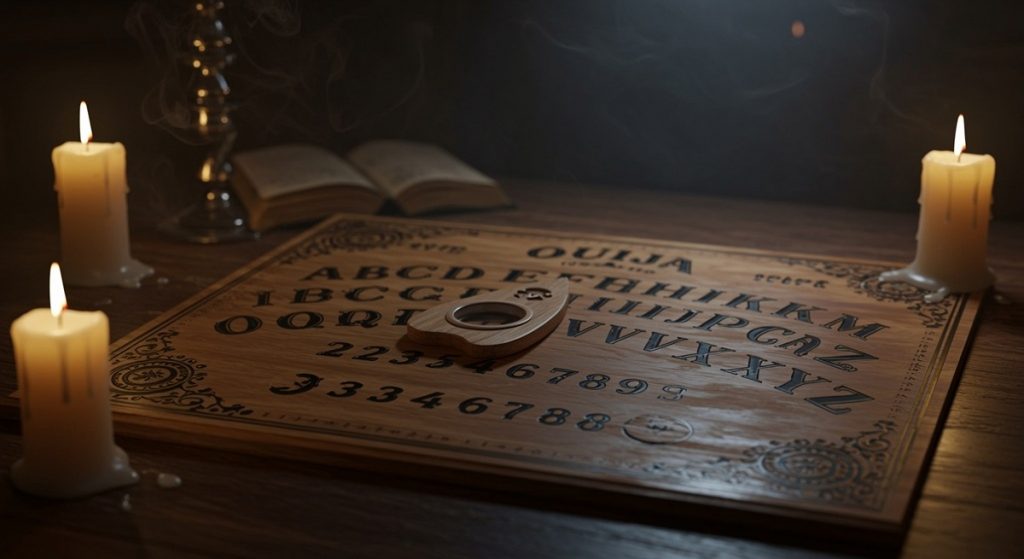
By the early 20th century, public enthusiasm for classic Victorian Spiritualism had declined in many places. The novelty wore off, fraudulent mediums were exposed, scientific skepticism increased and alternative explanations for unusual experiences became more prominent.
But the desire to communicate with the dead did not disappear.
Instead, mediumship evolved. New spiritual movements, occult traditions, psychic practices and eventually New Age spirituality continued to explore communication with spirits, guides and deceased loved ones. Mediums remained part of popular culture, while séances gradually became less associated with respectable Victorian parlors and more associated with paranormal entertainment.
The basic promise, however, remained remarkably similar: someone who has died may still have something to say.
That is a difficult promise to abandon because it speaks directly to one of humanity’s oldest emotional problems — the fact that sometimes the person we most want to talk to is precisely the person we can no longer call.
10. So Why Do We Still Want to Talk to the Dead?
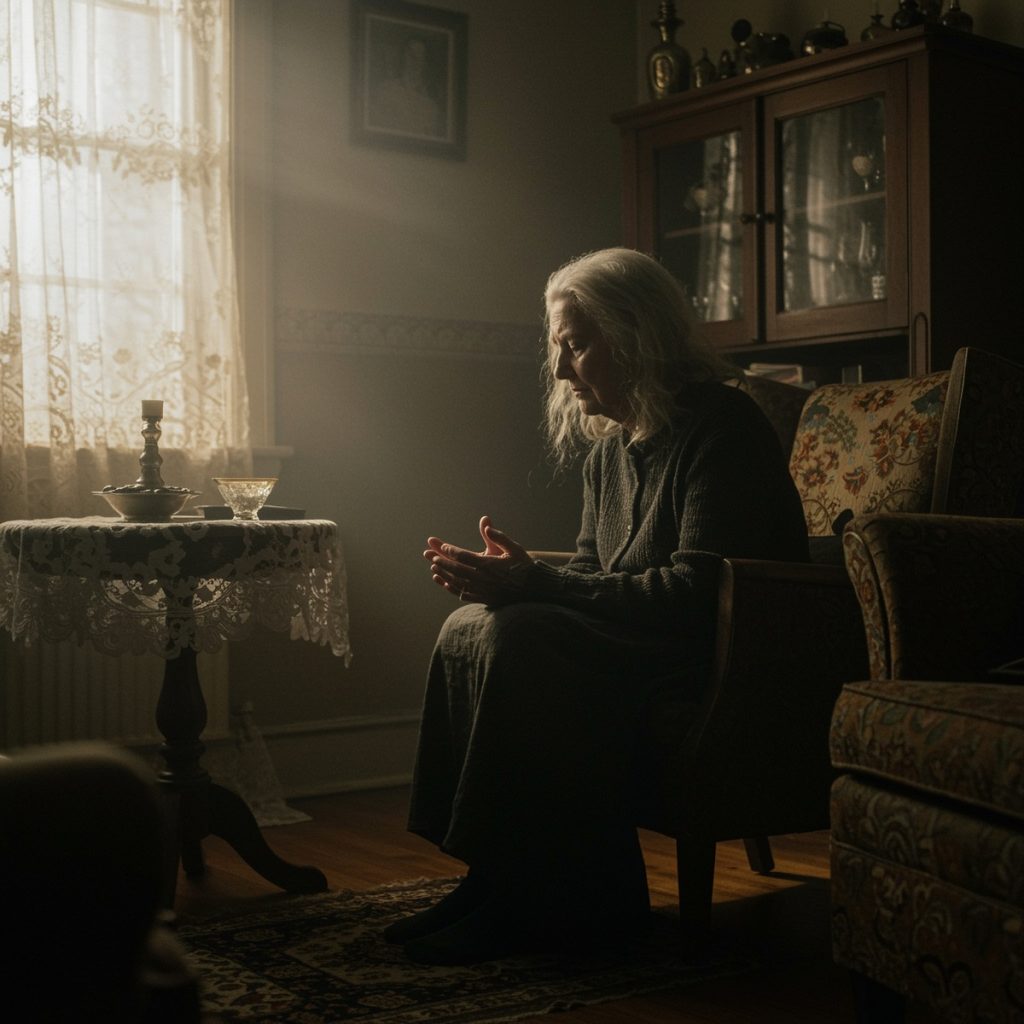
The enduring popularity of mediumship probably says as much about the living as it does about the dead.
People want closure. They want reassurance. They want to know that their loved ones are safe, that they are remembered and that death did not completely erase the relationship. Sometimes people simply have unfinished conversations. There is always that one thing they wish they had said, asked or done differently.
Mediumship provides a framework for imagining that the conversation might not be completely over.
Whether someone interprets mediumship as genuine communication, spiritual practice, psychological experience, entertainment or a mixture of all three depends heavily on their beliefs and evidence standards. There is no reliable scientific consensus establishing that mediums can communicate with deceased people, and the historical record contains plenty of documented fraud. At the same time, the emotional experiences people have around grief, remembrance and perceived contact can be profoundly meaningful.
Perhaps that is why the fascination refuses to disappear.
We keep trying to talk to the dead because, in a very human way, we don’t necessarily want to believe that love ends simply because someone’s heartbeat does. And honestly, if the afterlife ever does develop customer service, humanity will probably spend eternity asking for one thing: “Can I just speak to my grandma for five minutes?”

Lover of good music, reading, astrology and making memories with friends and spreading positive vibes! 🎶✨I aim to inspire others to find meaning and purpose through a deeper understanding of the universe’s energies.