
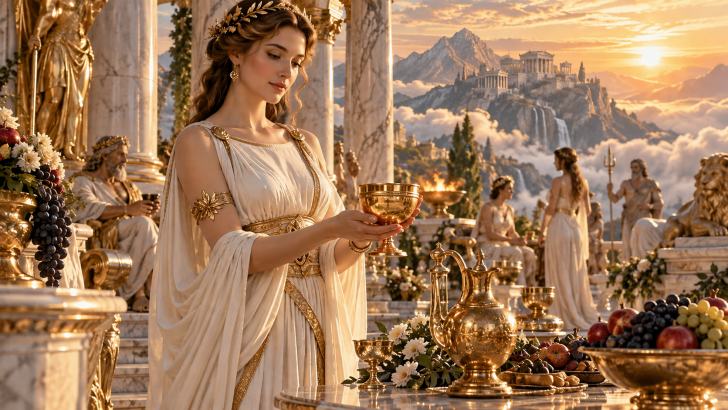
What did the Greek gods drink when they gathered on Mount Olympus? The usual answer is nectar.
Nectar is often mentioned together with ambrosia, the mysterious food of the gods. Ancient writers were not always consistent about which one was the food and which one was the drink.
Still, nectar is commonly described as the divine drink served to the Olympians. But it was more than a fancy heavenly beverage.
Stories about nectar and ambrosia connect these divine substances with immortality, beauty, preservation, and even the treatment of the dead.
Some of their powers are also easy to mix up. Ancient sources often speak about nectar and ambrosia together, so we cannot always say that one specific effect belonged only to nectar.
With that in mind, here are ten amazing things nectar could do according to Greek mythology.
1. It Was the Drink of the Gods
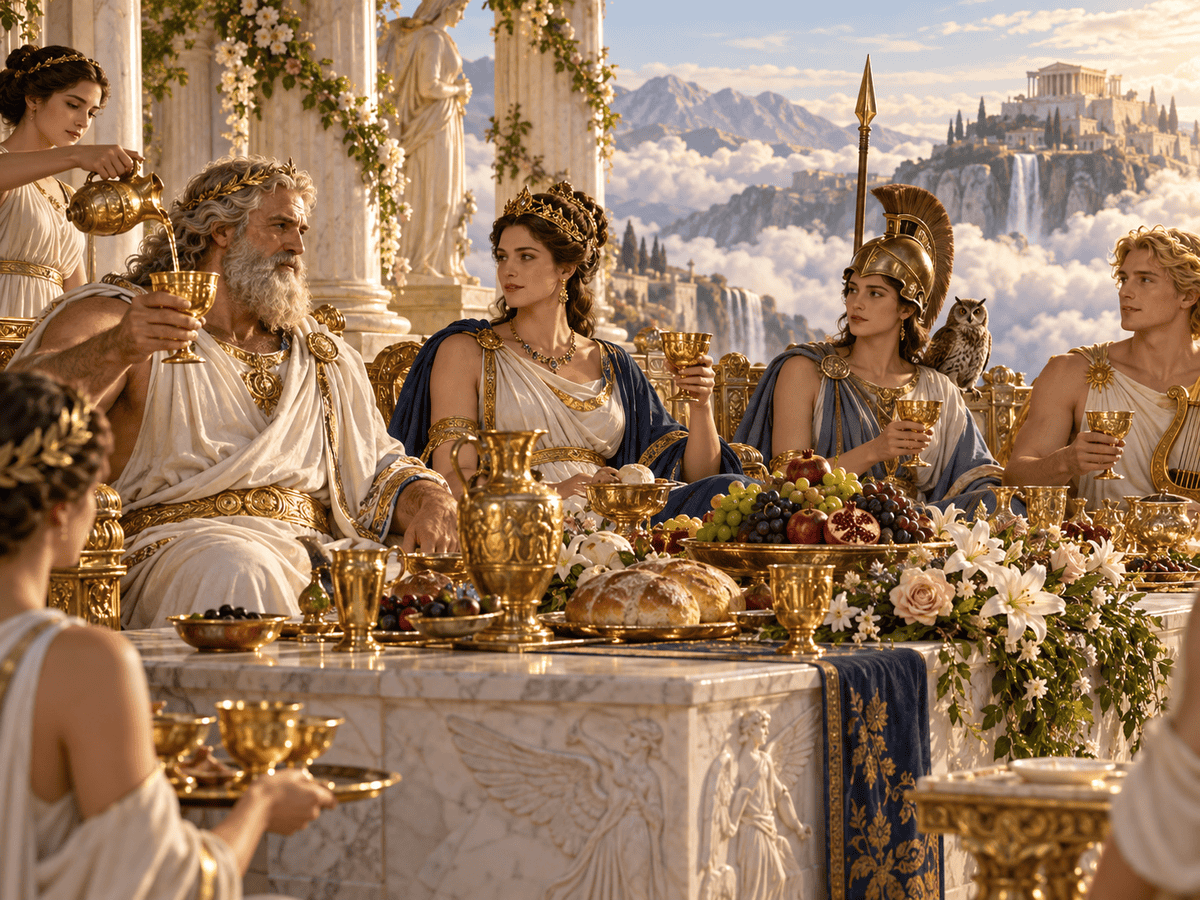
The most basic purpose of nectar was simple. The gods drank it.
On Mount Olympus, nectar was part of divine feasts. It appears alongside ambrosia as something meant for the gods rather than ordinary humans.
Homer describes the gods enjoying these special foods and drinks while humans live on very different things. That difference matters.
Greek gods often look and act surprisingly human. They argue. They become jealous. They fall in love. They celebrate victories and hold feasts.
But nectar reminds us that they are not human at all. A mortal person drinks wine and eats bread.
A god receives nectar and ambrosia. Even something as simple as a meal becomes a sign that Olympus belongs to a completely different world.
2. It Was Connected With Immortality
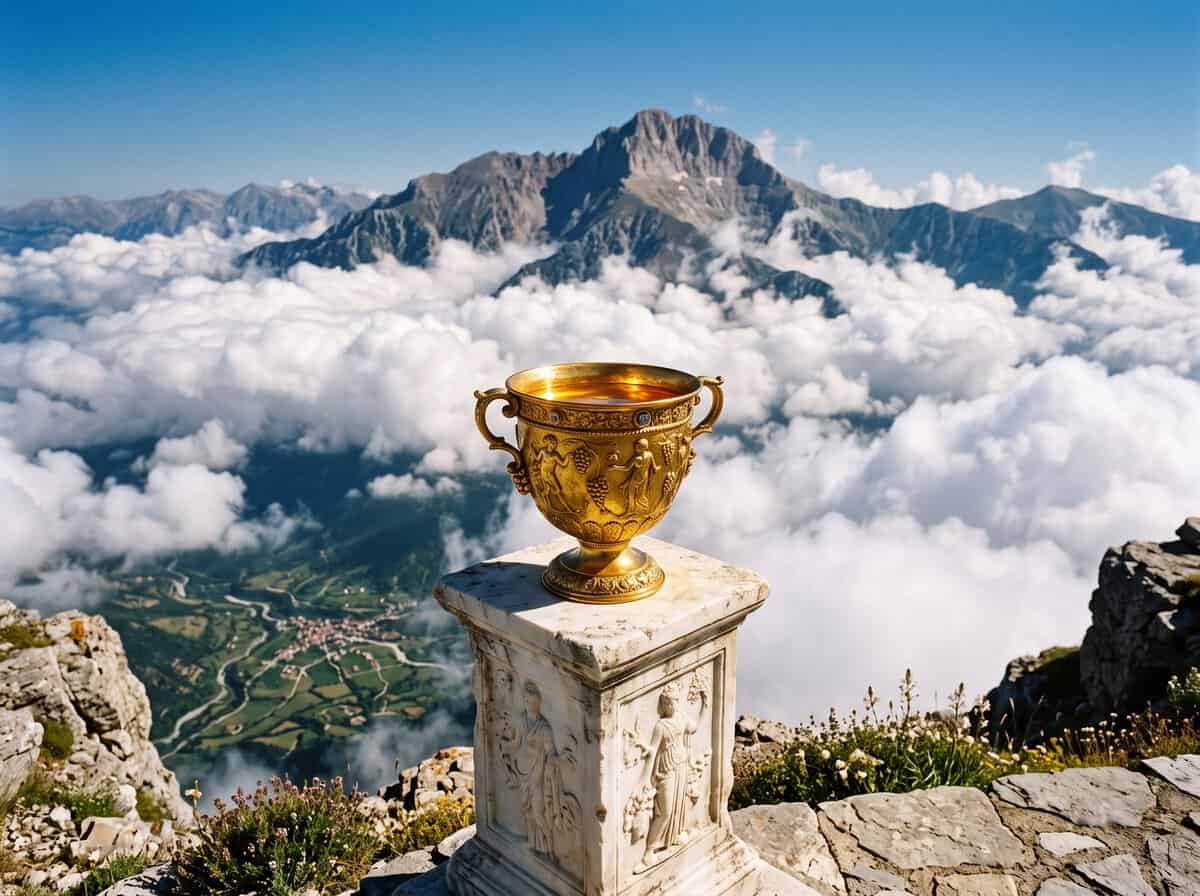
Nectar is strongly linked with the deathless nature of the gods. That does not necessarily mean Greek myths describe a god taking one sip and instantly becoming immortal.
The idea is more subtle. Nectar and ambrosia belong to beings who do not live under the same rules as humans.
The gods consume divine substances, while humans eat mortal food and eventually die.
Later stories and popular retellings often make nectar sound almost like a magical immortality drink.
Ancient mythology is not always that clear. Still, the connection between divine food and eternal life is hard to miss.
Nectar was something humans could dream about but normally could not possess.
To drink what the gods drank was, in a sense, to reach for the kind of life that belonged only to them.
3. It Could Help Preserve a Body

One of the stranger uses of divine substances appears in stories involving death.
In Homer’s Iliad, the body of Patroclus becomes a serious concern after he is killed.
Achilles worries about what will happen to his friend’s body while he delays the funeral.
The goddess Thetis promises that it will be protected. She uses ambrosia and nectar to help preserve Patroclus’s body.
This is a very different use from drinking nectar at a feast. Here, divine substances protect a mortal body from normal decay.
The story shows just how unusual nectar and ambrosia were supposed to be.
Even after death, they could interfere with something humans normally had no power to stop.
4. It Could Be Used to Honor the Dead
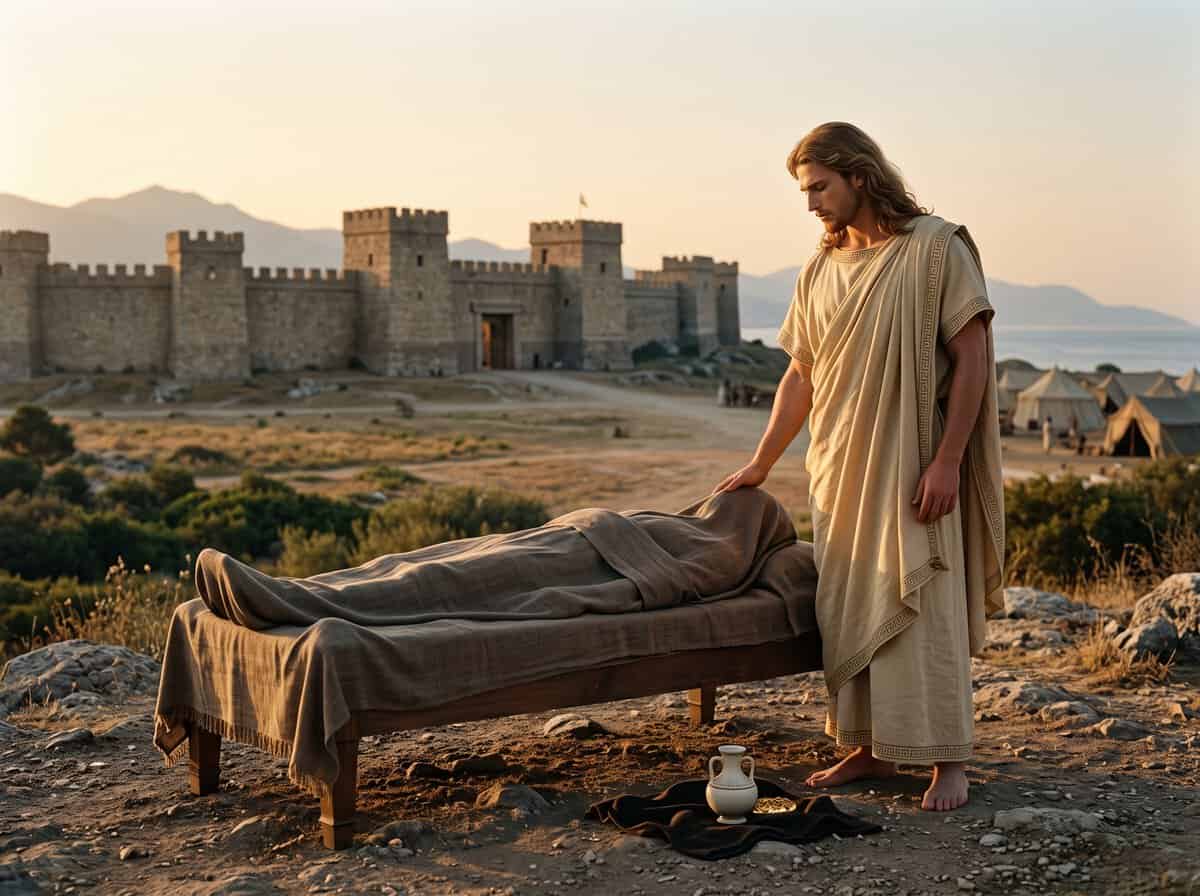
Patroclus is not the only dead hero connected with divine substances. Hector also receives supernatural protection after his death.
Achilles treats Hector’s body harshly because of his anger over Patroclus. Yet Apollo protects Hector, and the gods make sure the body does not suffer.
Different divine substances appear in the story, including ambrosia. This tells us something important about how Greeks imagined divine care.
Nectar and ambrosia were not simply treats sitting on an Olympian dinner table. They could become part of the way gods protected someone.
Even death did not completely place a person beyond divine attention.
5. It Could Be Connected With Divine Beauty
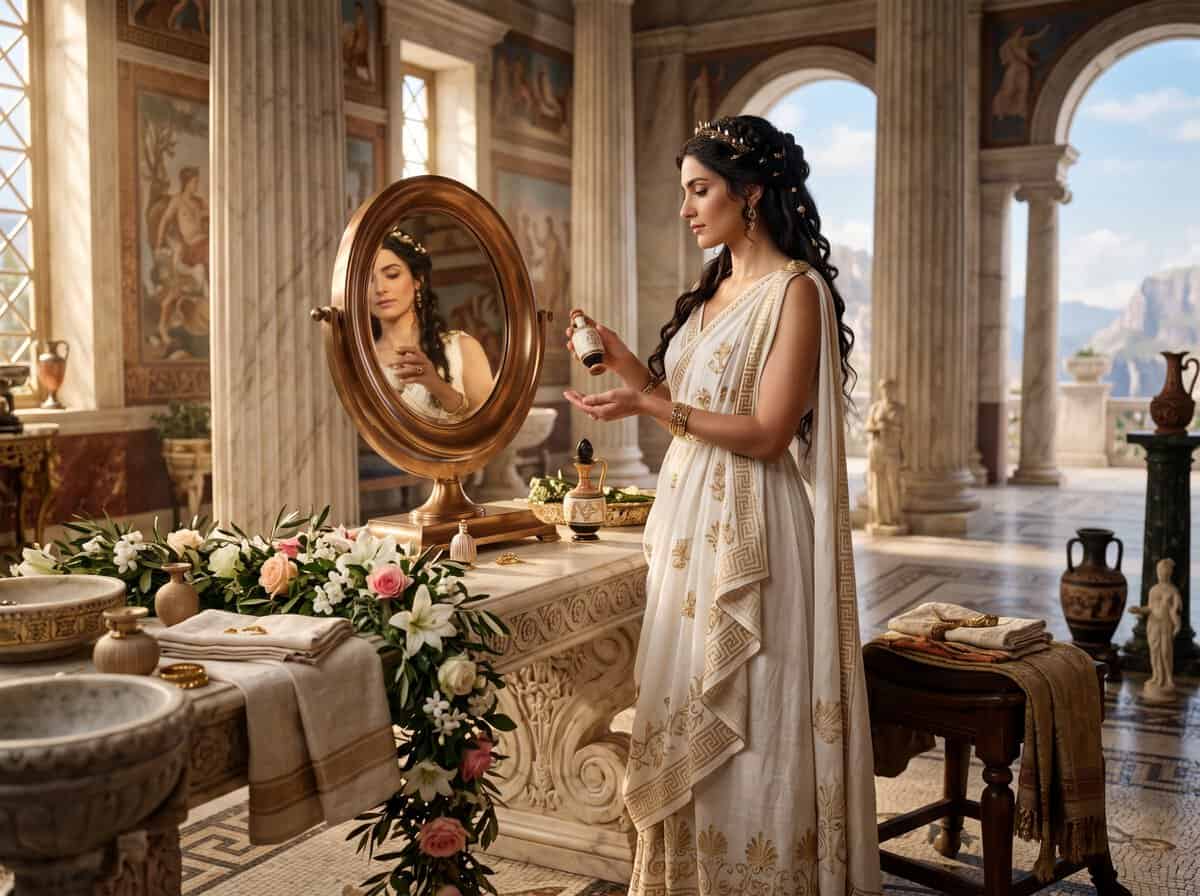
The gods of Greek mythology are often described as having an appearance that immediately separates them from ordinary humans.
Nel Iliad, Hera prepares herself before meeting Zeus. She cleans her body and uses ambrosial oil as part of her preparation.
This example involves an ambrosial substance rather than a cup of nectar, but it belongs to the same larger world of divine products.
These things are not ordinary cosmetics. They carry the scent and quality of Olympus.
This is one reason nectar and ambrosia later became connected so strongly with perfect beauty.
Anything used by the gods was imagined as being beyond normal human experience.
Even their fragrance could reveal that something divine was nearby.
6. Nectar Could Be Served by Divine Cupbearers
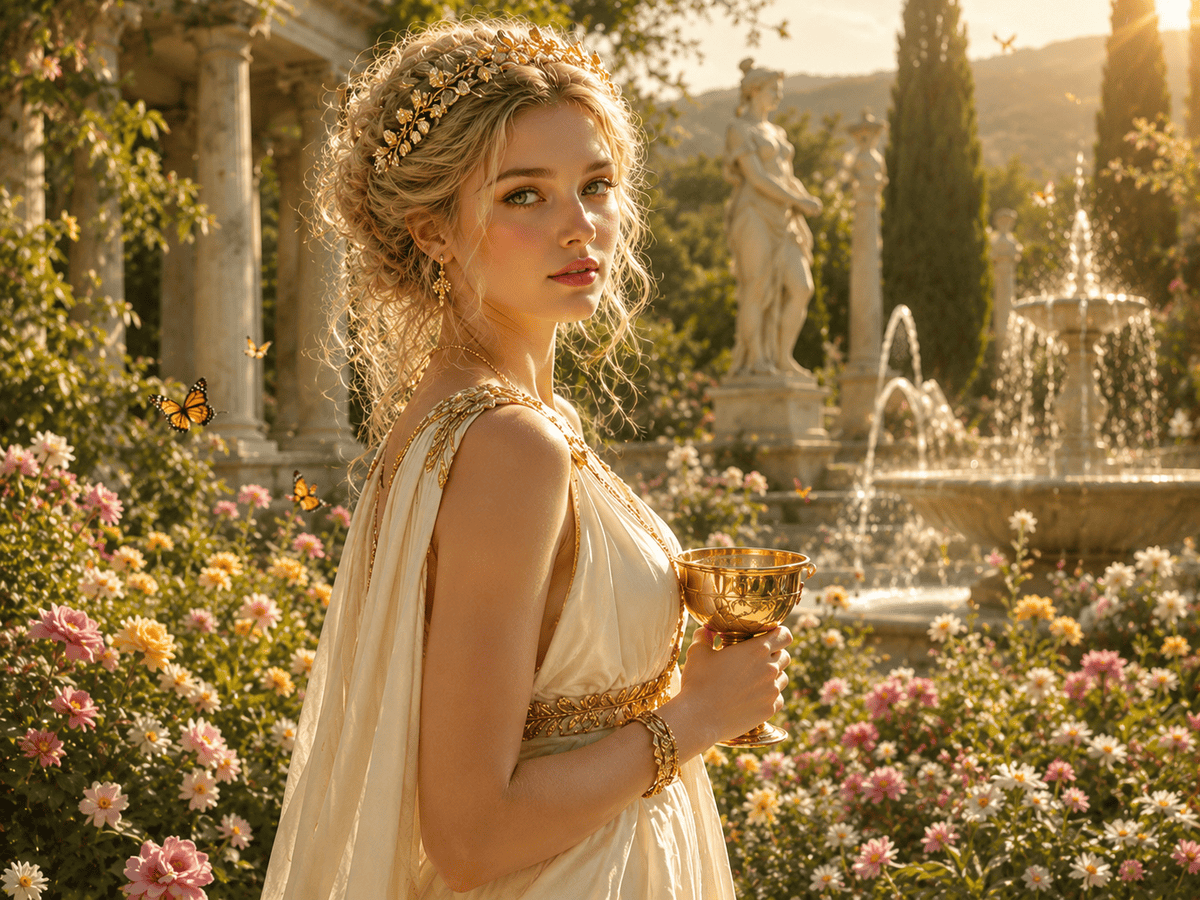
Someone still had to pour the drinks on Olympus. One famous divine cupbearer was Hebe, the goddess of youth and daughter of Zeus and Hera.
She is described serving the gods at their gatherings. Later, another famous figure takes on the role of cupbearer.
Ganymede was a beautiful Trojan youth whom Zeus brought to Olympus. He became associated with serving nectar to the gods.
This might sound like a small job compared with controlling thunder or ruling the sea. But serving nectar placed someone right at the center of divine life.
The cupbearer stood among the Olympians and handled a drink that belonged to the gods themselves.
For Ganymede especially, nectar becomes part of his move from the human world into the divine one.
7. Humans Were Not Supposed to Have Easy Access to It
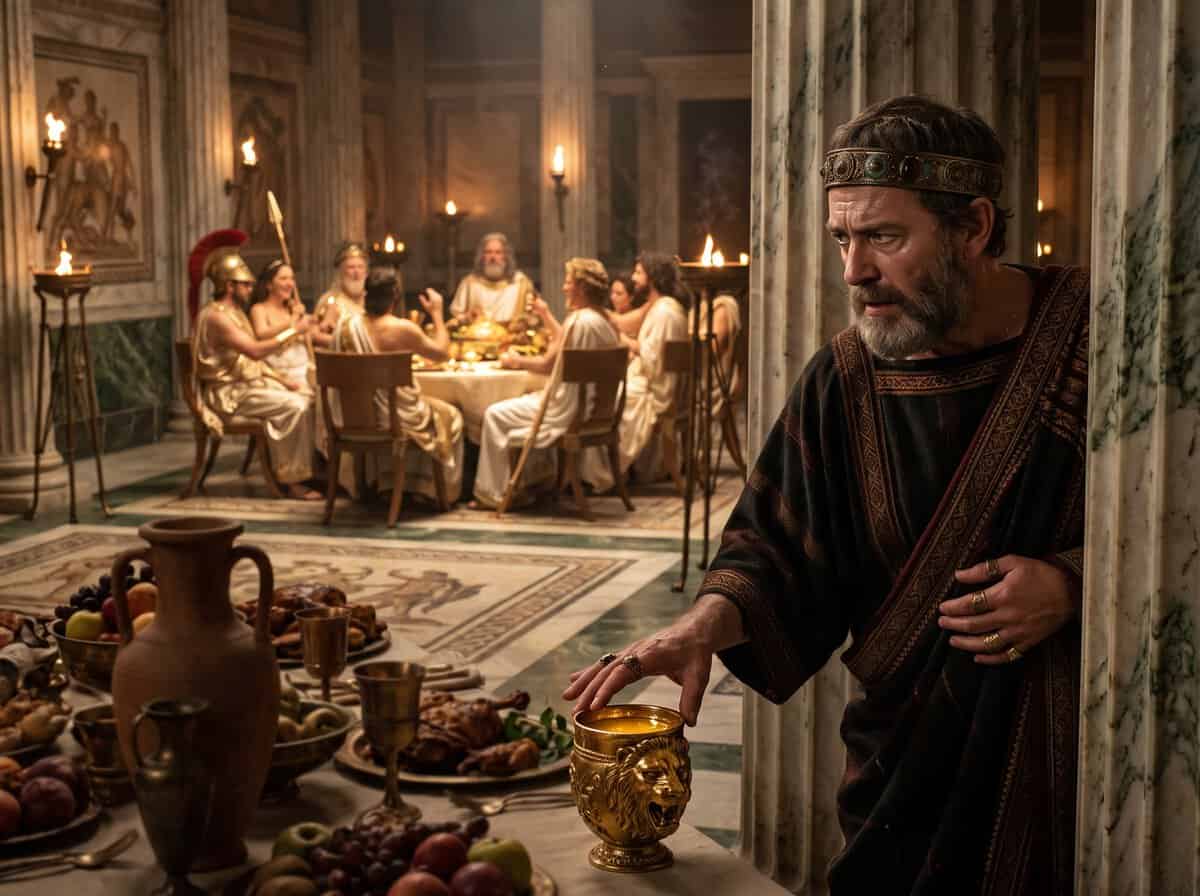
Nectar belonged to the gods. That made the boundary around it important.
Greek mythology contains many stories about humans trying to gain things that belong to the divine world.
These stories rarely end simply. One famous example is Tantalus.
Ancient versions of his story differ, but some later traditions say he stole nectar and ambrosia from the gods and shared them with humans.
Tantalus eventually became one of mythology’s great examples of terrible punishment.
His story is another reminder that divine privileges were not meant to be taken casually.
Humans could receive gifts from gods. Stealing the gods’ own food and drink was something else entirely.
Nectar represented a boundary between Olympus and the mortal world. Crossing that boundary could have consequences.
8. It Could Mark Someone as Belonging to the Divine World
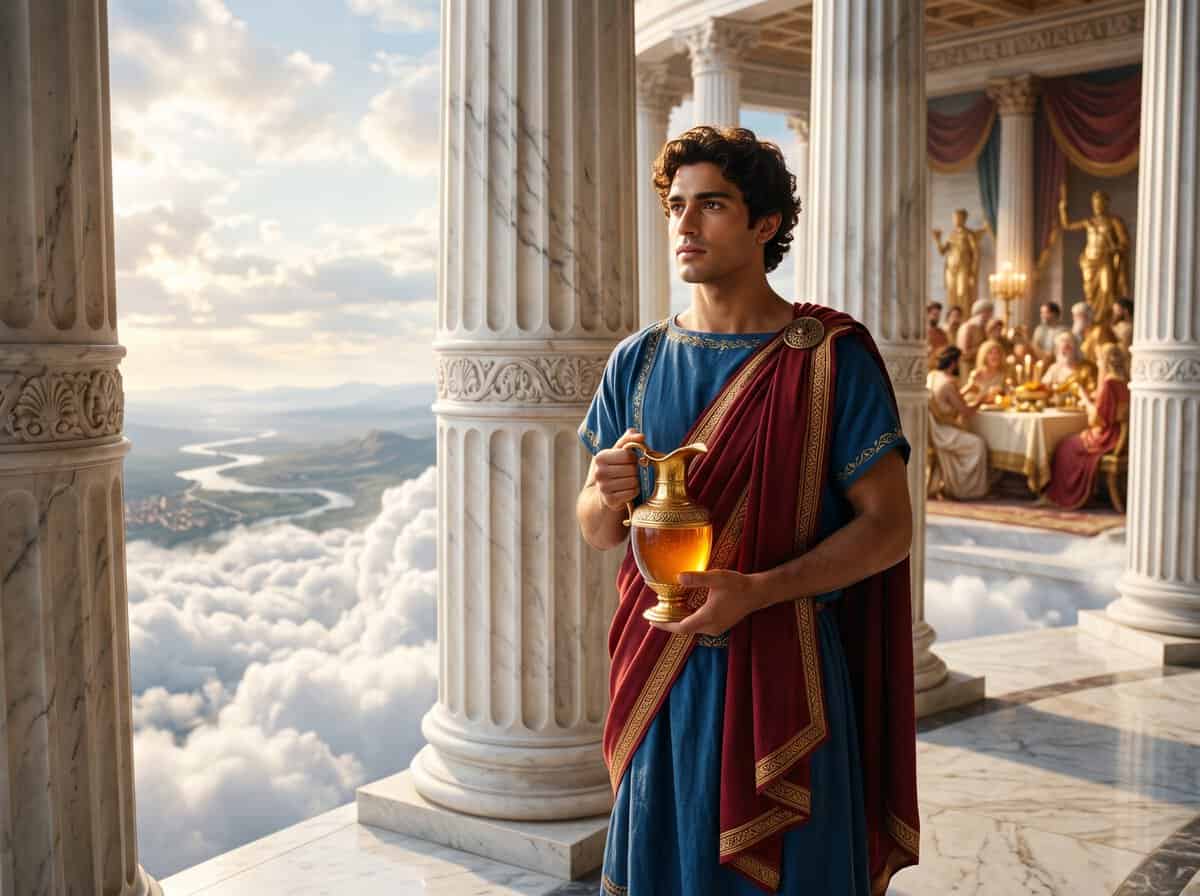
Eating and drinking are surprisingly important symbols in mythology. What you eat can show where you belong.
Humans eat human food. Gods consume divine food.
That is why nectar can represent more than immortality. It can represent membership in the world of the gods.
Ganymede is a good example. He begins as a mortal Trojan prince, but after being taken to Olympus, he becomes part of divine life.
Other myths use ambrosia in similar ways when mortals come close to receiving divine status. The message is easy to understand.
Nectar is not something you would casually order at an ancient Greek tavern. It belongs somewhere else.
To be surrounded by nectar and ambrosia means you have entered the world of Olympus.
9. It Could Separate Gods From Ordinary Mortals
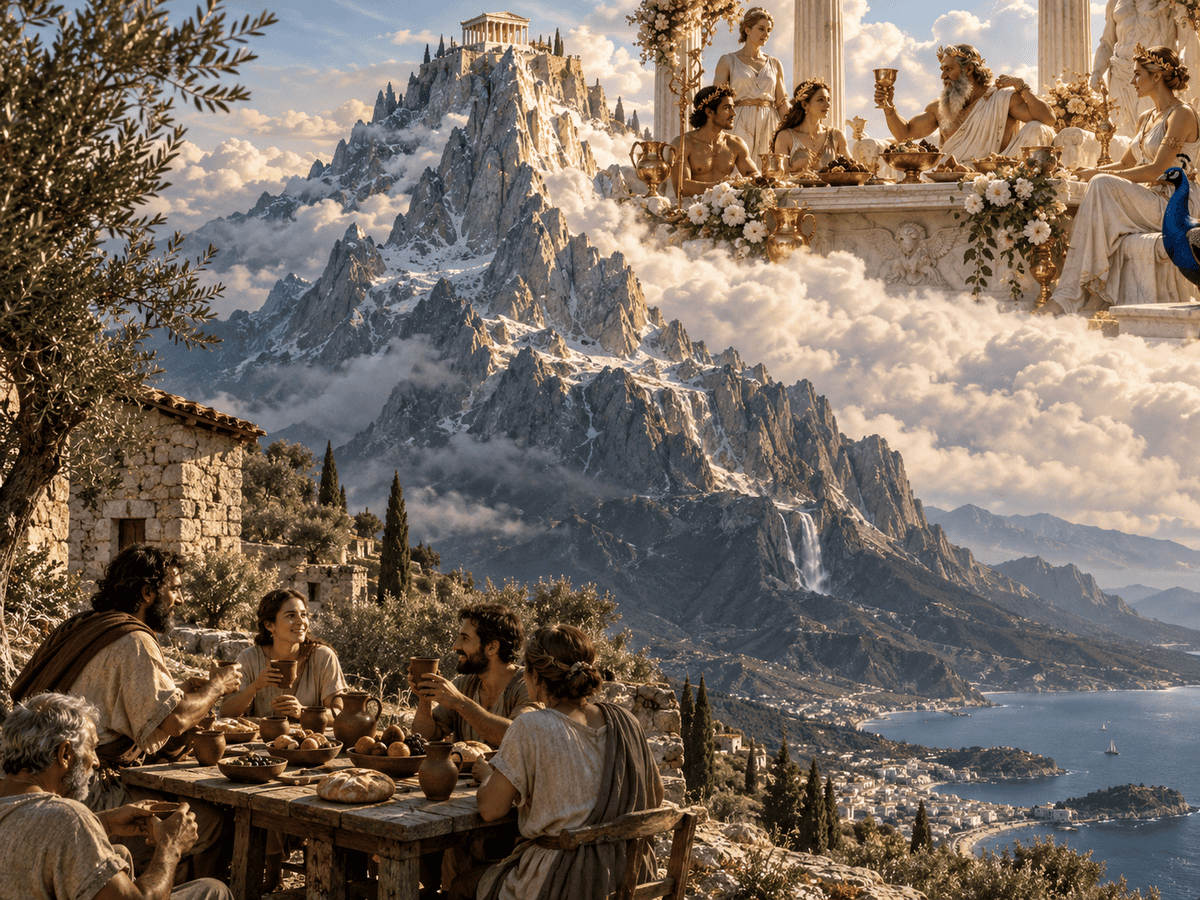
Greek gods are strange because they can seem so human. Zeus becomes angry.
Aphrodite falls in love. Ares loses fights. Hera holds grudges. Apollo plays music. Athena gives advice.
If we only looked at their personalities, we might sometimes forget that these beings were supposed to be divine.
Nectar helps restore that difference. Humans need ordinary food and drink to survive. They grow old and eventually die.
The gods feast on substances unavailable to mortals and remain deathless. Nectar works almost like a symbol of divine status.
It tells the audience that no matter how human the Olympians may act, there is still a huge gap between them and us.
A mortal can sit beside a god for a moment. That does not automatically make the mortal one of them.
10. Its Exact Powers Are Still a Mystery
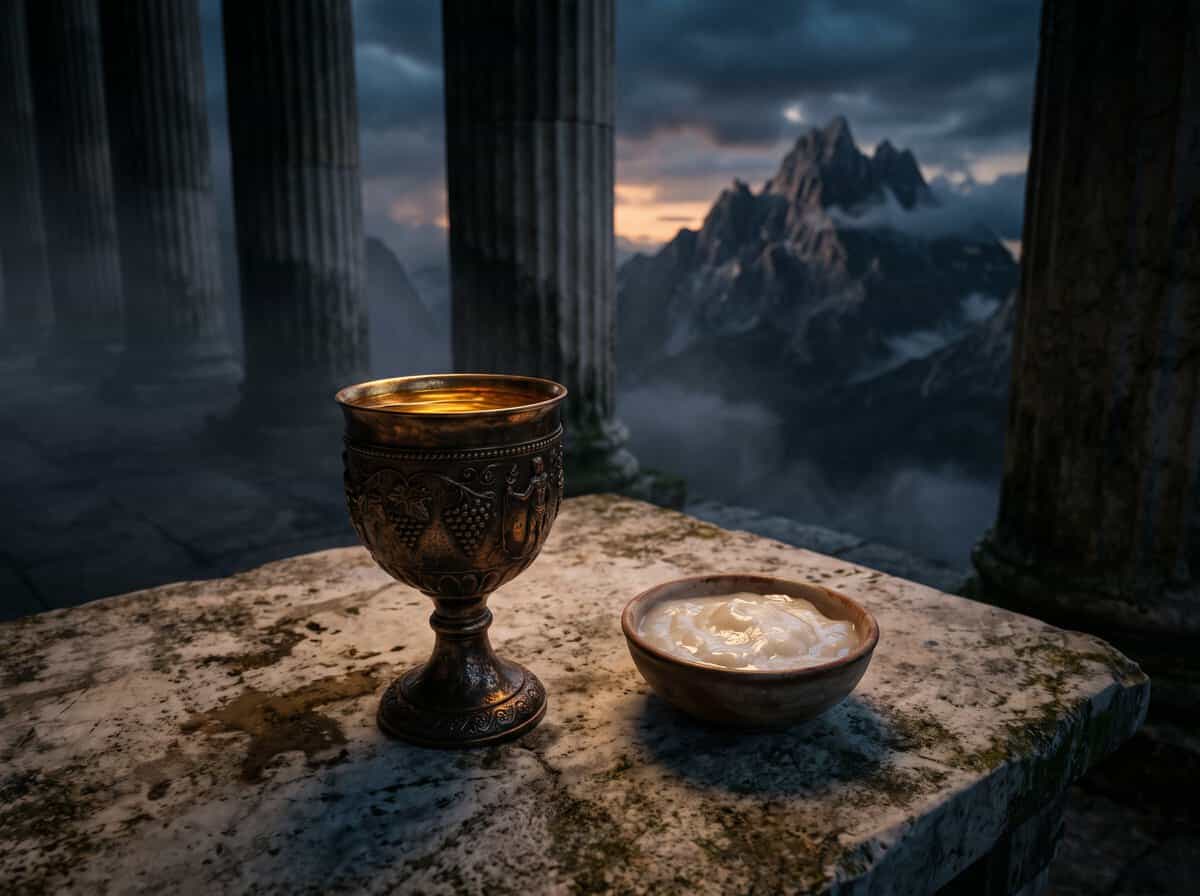
Perhaps the most interesting thing about nectar is that Greek mythology never gives us a perfect list of its powers.
Ancient writers were not creating a fantasy game with fixed rules. One poet might describe nectar as a drink.
Another might place it beside ambrosia in a completely different situation.
Sometimes ambrosia seems to be food. Sometimes it can be a fragrant substance or something placed on a body.
Nectar can also appear in contexts beyond simply being poured into a cup.
That makes it difficult to say exactly where the powers of nectar end and those of ambrosia begin.
Modern stories often simplify everything by saying nectar and ambrosia make anyone immortal.
The ancient myths are much less tidy. And that actually makes nectar more interesting.
We know it belonged to the gods. We know mortals normally could not have it. We know it was connected with the strange, deathless world of Olympus.
But the Greeks never handed us a recipe. Nectar remains exactly what a drink of the gods probably should be:
Familiar enough to imagine, but mysterious enough that no mortal can fully explain it.

Ho sempre sentito una forte connessione con il Divino fin dalla mia nascita. Come autrice e mentore, la mia missione è aiutare gli altri a trovare l'amore, la felicità e la forza interiore nei momenti più bui.