
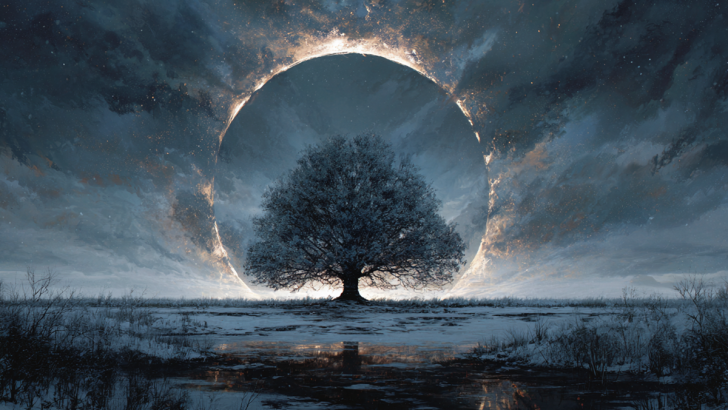
Every December, the Winter Solstice arrives with a quiet kind of authority — a stillness that people can feel in their bones, even if they’re not the type to track the Sun’s movements or talk about energy shifts out loud. It marks the longest night, il shortest day, and a turning point that humans have celebrated, feared, and mythologized for thousands of years.
But what makes the Winter Solstice feel so different — emotionally, spiritually, even physically? It’s not just superstition; it’s a mix of cosmic mechanics, collective psychology, and ancient symbolism that still shapes us today.
Here’s why Solstice energy hits harder and deeper than most seasonal transitions.
1. Astronomically, It’s a Full-Body Reset
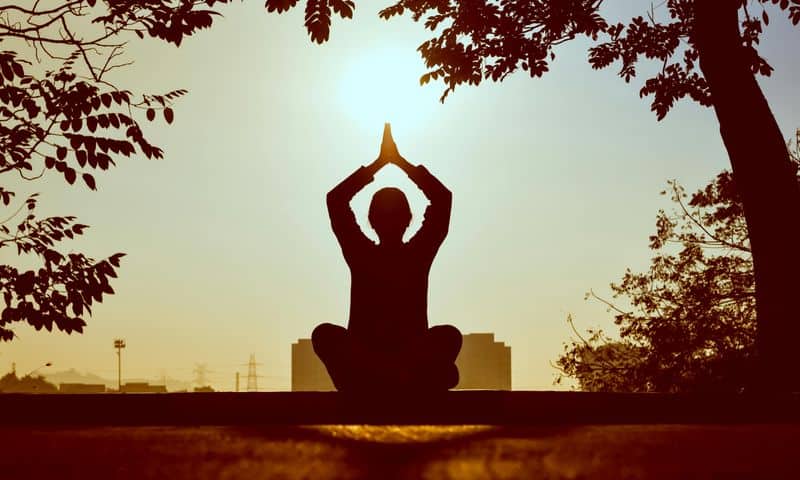
The Winter Solstice occurs when the Sun reaches its lowest point in the sky, appearing to “stand still” before slowly climbing again. This pause — this cosmic inhale — has a physical impact on us.
Less daylight means:
- reduced serotonin
- increased melatonin
- heightened sensitivity
- a stronger pull toward introspection and rest
Your body is literally responding to Earth’s tilt. The cycle of light slows down, your nervous system recalibrates, and your internal rhythms shift from outward expression to inward reflection.
The Solstice doesn’t feel symbolic — it feels cellular.
2. Spiritually, It Marks a Threshold Moment
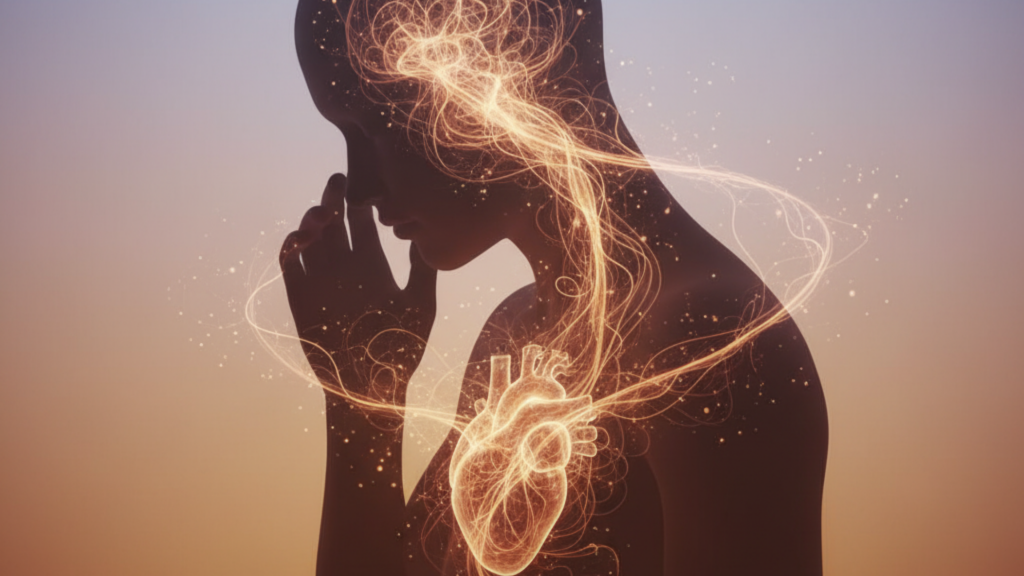
Across cultures, the longest night has always been seen as a spiritual doorway. Ancient people understood the Solstice as a moment where the veil thinned, clarity sharpened, and intuition became louder.
The symbolism is universal:
the dark reaches its peak and then slowly gives way to light.
This is why the Solstice feels like:
- chiusura
- rinnovo
- emotional honesty
- quiet revelations
- the sense of “I’m done with this version of myself”
It’s not dramatic; it’s profound in a slow, steady way.
3. Astrologically, It Opens Capricorn Season
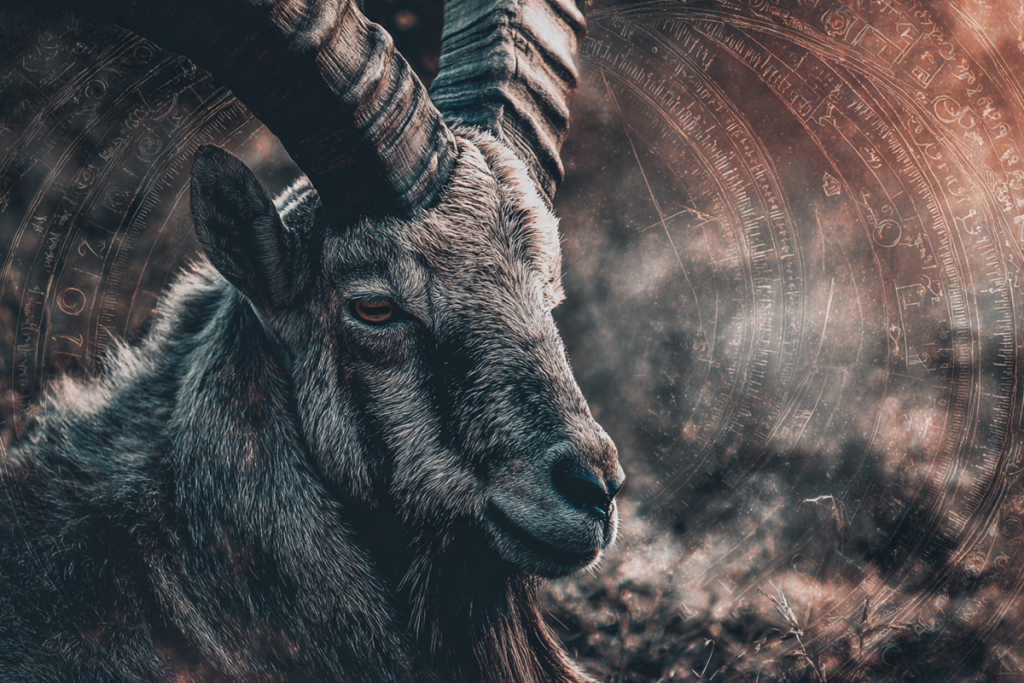
The Solstice doubles as the start of Capricorn season, ruled by Saturn — the planet of discipline, boundaries, responsibility, and long-term vision.
This shift creates a mental and emotional tone change:
- Sagittarius season is expansive and bold.
- Capricorn season is grounding, strategic, focused.
This planetary pivot explains why, around the Solstice, many people suddenly want to:
- get organized
- reflect on the year
- set goals
- simplify their lives
- upgrade their standards
It’s not “New Year” energy — it’s Saturn energy, rooting you back into your purpose.
4. Psychologically, We’re Wired for Seasonal Meaning
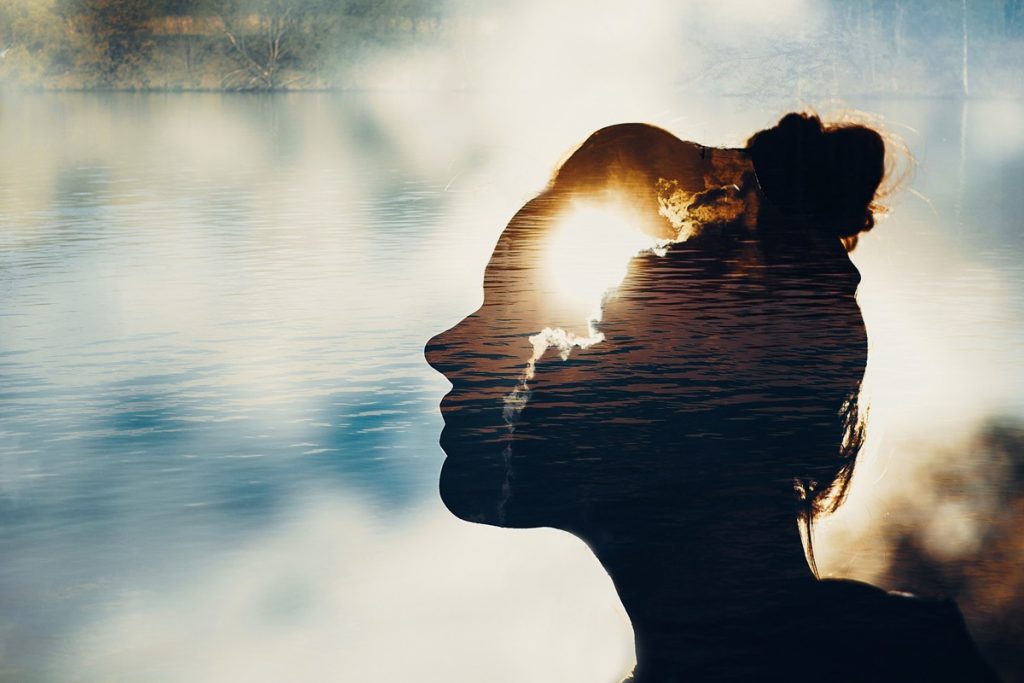
Even if you don’t consciously track seasonal cycles, your brain does. Humans have always marked time through light, shadow, and seasonal shifts. The Solstice taps into something ancient in us — the need for rituals, transitions, and narrative points.
This moment triggers a subtle psychological awareness of:
- finali
- inizi
- personal evolution
- sopravvivenza
- the promise of return
It feels like the story arc of the year is reaching a turning point, because it is.
5. Emotionally, the Quiet Is Loud

The Solstice is still, but not empty.
There’s a natural pause — a slowness — that makes unprocessed emotions easier to feel and harder to brush aside. This is why you might experience:
- heightened intuition
- chiarezza emotiva
- deeper empathy
- nostalgia
- the urge to release something
In the darkness, everything soft and internal becomes more visible.
6. Energetically, It’s the Moment the Light Begins to Return
The day after the Solstice, daylight grows again — slowly, almost imperceptibly — but the shift is real. Humans have celebrated this return of the light for millennia because it symbolizes:
- rinnovo
- speranza
- sopravvivenza
- forza
- resistenza
- the promise that cycles turn
The Solstice energy hits different because it’s the immediate before-and-after — the cosmic hinge between shadow and growth.
7. Culturally, It’s the Hidden Heart of Winter Holidays
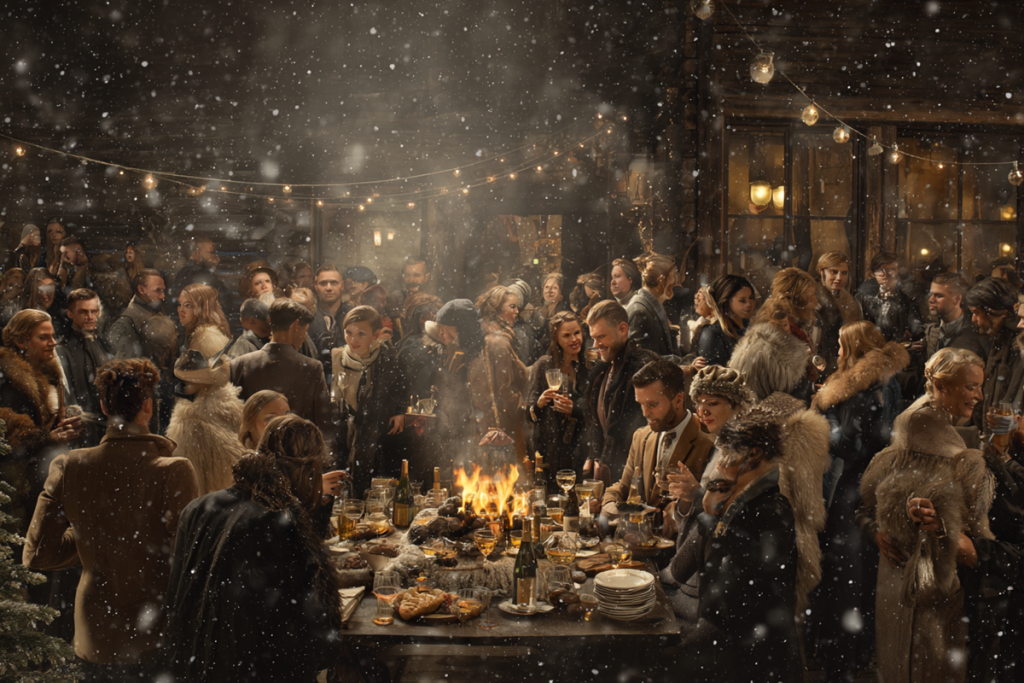
Long before modern celebrations existed, the Solstice was the original winter festival: feasts, fires, candles, evergreen decorations, and rituals meant to push back the darkness.
Even today, the Solstice is embedded in:
- Christmas lights
- candles in windows
- evergreen trees
- gift-giving
- communal gatherings
We’re participating in ancient Solstice traditions without even trying.
The Takeaway: The Solstice Feels Different Because Noi Are Different During It
It’s not just a moment about darkness — it’s a pivot point, a psychological reset, a spiritual mirror, and an astrological threshold.
The Winter Solstice asks:
What are you ready to release?
What are you ready to renew?
And who are you becoming as the light returns?
It’s subtle, quiet, powerful, and deeply human — which is why it hits differently every single year.

Lover of good music, reading, astrology and making memories with friends and spreading positive vibes! 🎶✨I aim to inspire others to find meaning and purpose through a deeper understanding of the universe’s energies.