
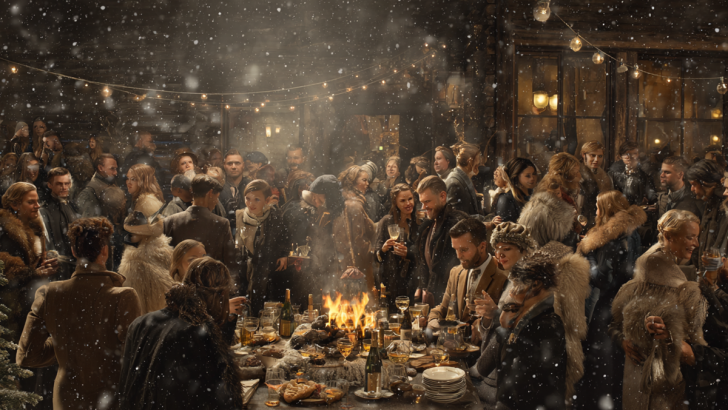
Winter Solstice — the shortest day and longest night of the year — has always carried a special kind of magic.
Long before fairy lights and countdown clocks, humans marked this turning point with fire, feasts, rituals of renewal, and a shared belief that the light always returns.
Today, across continents and cultures, the Solstice is still honored in ways both ancient and evolving. Here are ten of the most fascinating and meaningful traditions worldwide.
1. Yule Celebrations (Northern Europe)
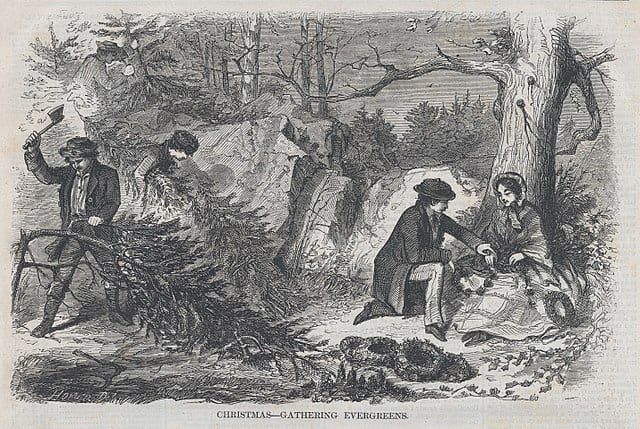
Across Scandinavia, Germany, and other parts of Northern Europe, Yule is an ancient festival honoring the rebirth of the sun. People burn Yule logs, decorate homes with evergreens, and exchange small handmade gifts.
Much of modern Christmas imagery — wreaths, candles, feasts — traces its roots back to these old solstice rites.
2. Dongzhi Festival (China, Taiwan, and East Asia)
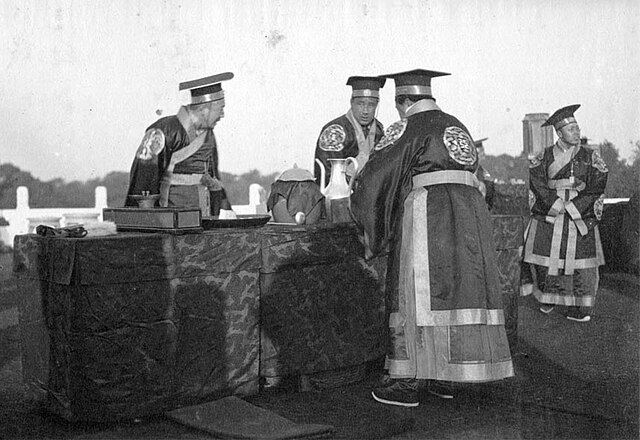
Dongzhi marks the return of longer daylight, symbolizing balance and harmony. Families gather for a feast, often with tangyuan, the sweet glutinous rice balls that represent family unity.
It’s also a time to honor ancestors and perform rituals for good fortune in the coming year.
3. Inti Raymi (Peru – revived)
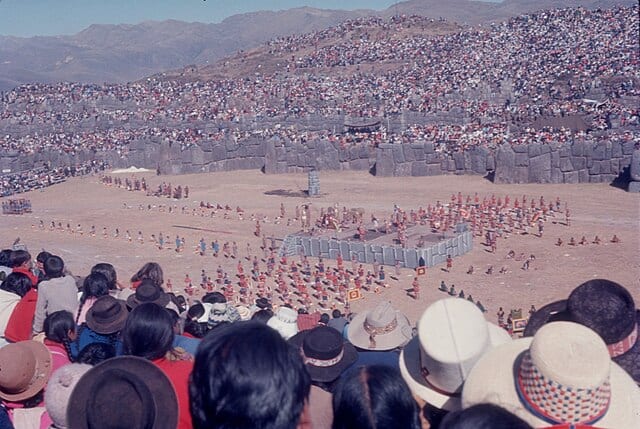
While traditionally celebrated at the June Solstice in the Southern Hemisphere, the spirit of Inti Raymi — the Incan Sun Festival — mirrors midwinter rites worldwide: welcoming the sun’s power back.
In Cusco, modern reenactments honor the ancient rituals, featuring offerings, dances, and symbolic invocations of Inti, the Sun God.
4. Shab-e Yalda (Iran)
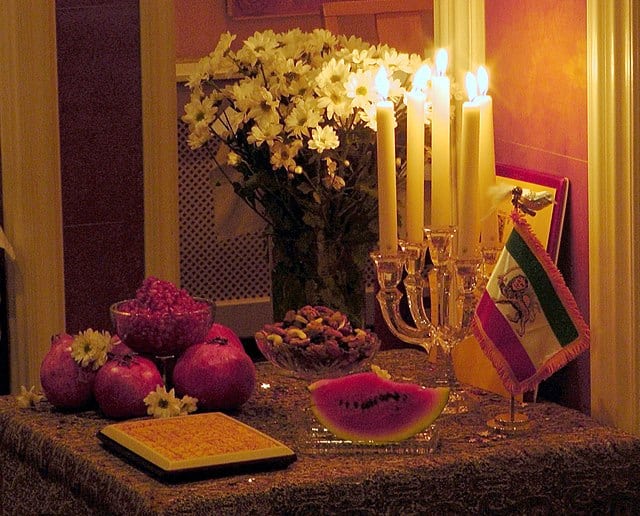
Iranians spend Yalda Night gathered with loved ones, reading poetry (especially Hafez), eating pomegranates and watermelon, and staying up late to “keep the darkness at bay.”
It’s a celebration of resilience and the promise of light, deeply rooted in Zoroastrian cosmology.
5. Saturnalia (Ancient Rome – modern revivals)
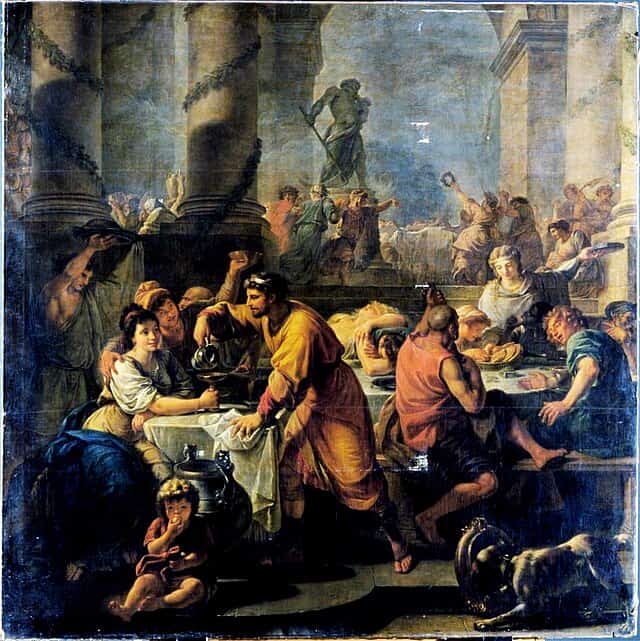
While ancient, Saturnalia’s influence still lingers in contemporary winter festivities. The Romans celebrated with feasting, gift-giving, reversed social roles, and evergreen decorations.
Some modern Pagan and historical societies continue to honor the festival today with community feasts and symbolic rituals.
6. Soyal (Hopi and other Pueblo peoples, North America)
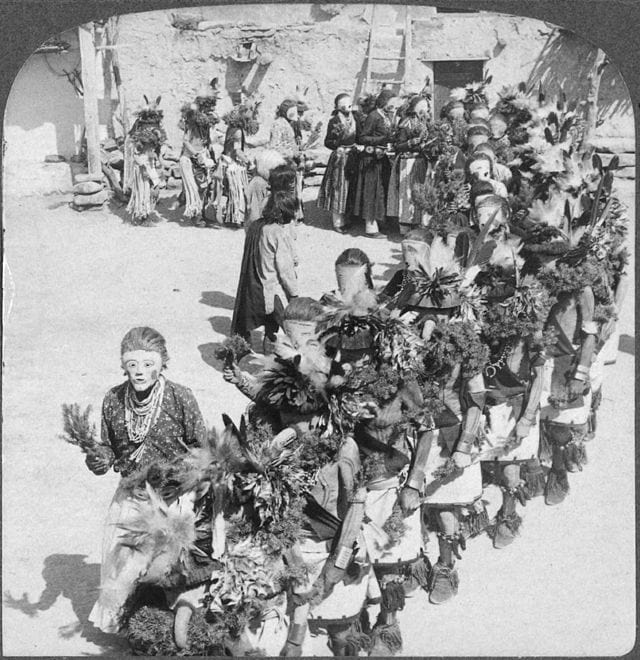
For the Hopi, Soyal marks a ceremonial period of purification, prayer, and renewal. Kachina spirits are welcomed back to ensure fertility and harmony.
Ritual dances, prayer sticks, and community gatherings help invite the sun’s return and bless the coming agricultural cycle.
7. Alban Arthan (Modern Druidry, British Isles)
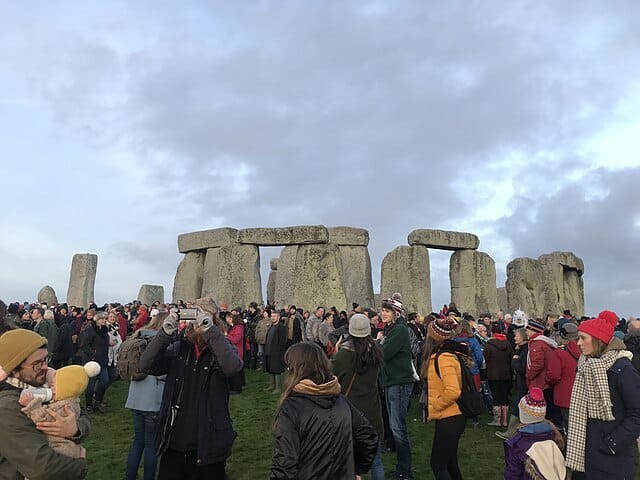
In Druidic tradition, Alban Arthan — “Light of the Bear” — symbolizes the still point of midwinter and the quiet rebirth of the sun.
Druids often gather at stone circles like Stonehenge for sunrise ceremonies, honoring the turning of the wheel of the year with chants, offerings, and meditative rituals.
8. Korochun / Koliada Traditions (Slavic Regions)
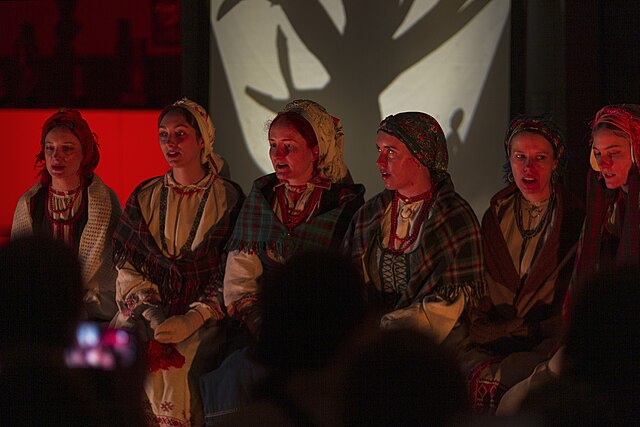
Across Eastern Europe, ancient Slavic midwinter festivals include lighting fires, singing koliada carols, and honoring spirits who guard the household through winter.
The rituals blend old pagan customs with Christian-era winter celebrations, but their original purpose was always the same: calling back the sun.
9. Goru Festival (Zambia — Bemba people)
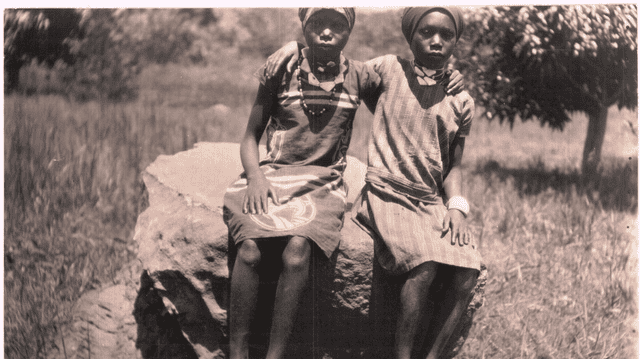
This lesser-known solstice-related festival honors ancestral spirits and the seasonal shift. Rituals often involve drumming, dance, and community offerings.
While not tied strictly to the astronomical solstice, it aligns with the symbolic transition to new seasonal cycles, similar in meaning to midwinter rites elsewhere.
10. Modern Winter Solstice Gatherings (Global)
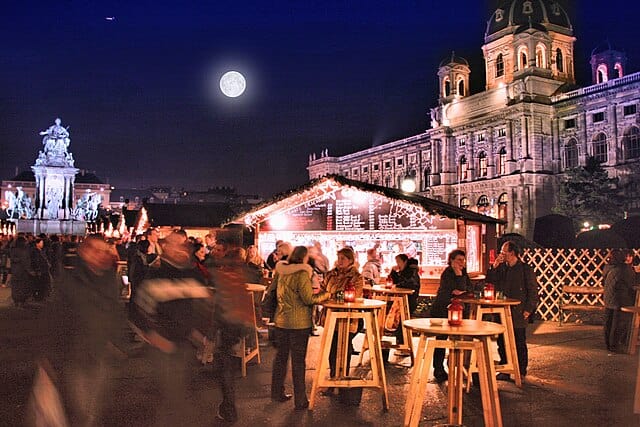
From fire festivals in the UK to candlelit yoga sessions in New York to sunrise meditations in Australia, modern solstice celebrations are experiencing a revival.
Many focus on mindfulness, intention-setting, and reconnecting with nature. In cities worldwide, people gather at sunrise or sunset to mark the moment when the Earth tilts us back toward the light.

Lover of good music, reading, astrology and making memories with friends and spreading positive vibes! 🎶✨I aim to inspire others to find meaning and purpose through a deeper understanding of the universe’s energies.