
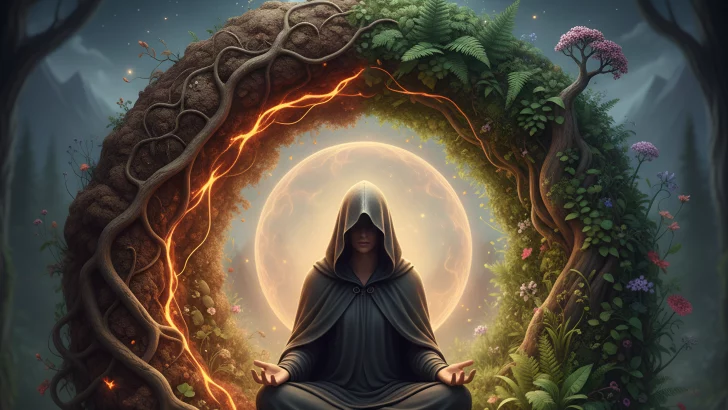
Across history, people from many cultures have believed that nature provides powerful protection.
Long before modern tools and science, humans turned to stones, plants, metals, and natural elements to guard against danger, illness, and negative energy.
These materials were not chosen at random. They were observed, respected, and passed down through tradition.
Protection was seen not only as physical safety, but also emotional, spiritual, and energetic balance.
Below are seven natural materials that have been used for protection across cultures, explained clearly and in depth.
1. Salt
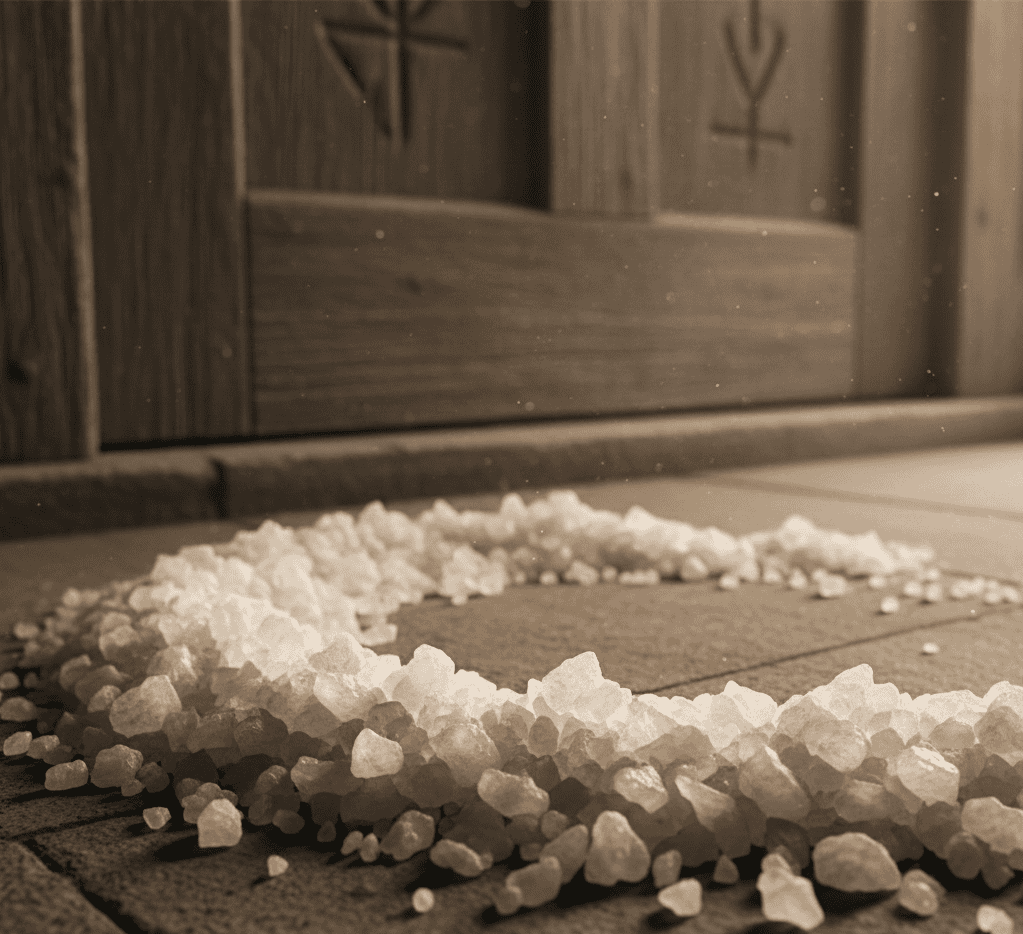
Salt is one of the oldest and most widely used protective materials in the world. Nearly every culture has viewed salt as more than just a food seasoning.
It was seen as a purifier that could drive away harmful forces and restore balance.
In ancient times, salt was valuable and sometimes used as currency. Spiritually, it was believed to absorb negative energy.
Many cultures sprinkled salt at doorways, windows, or around homes to prevent unwanted energies from entering.
In some traditions, salt was placed under beds or carried in small pouches for personal protection.
Salt is also linked to preservation. Because it prevents decay, people believed it symbolized stability and endurance.
In everyday life, salt baths were used to cleanse emotional heaviness and stress.
Even today, many people instinctively turn to salt for grounding and protection, showing how deeply rooted this belief remains across cultures.
2. Iron
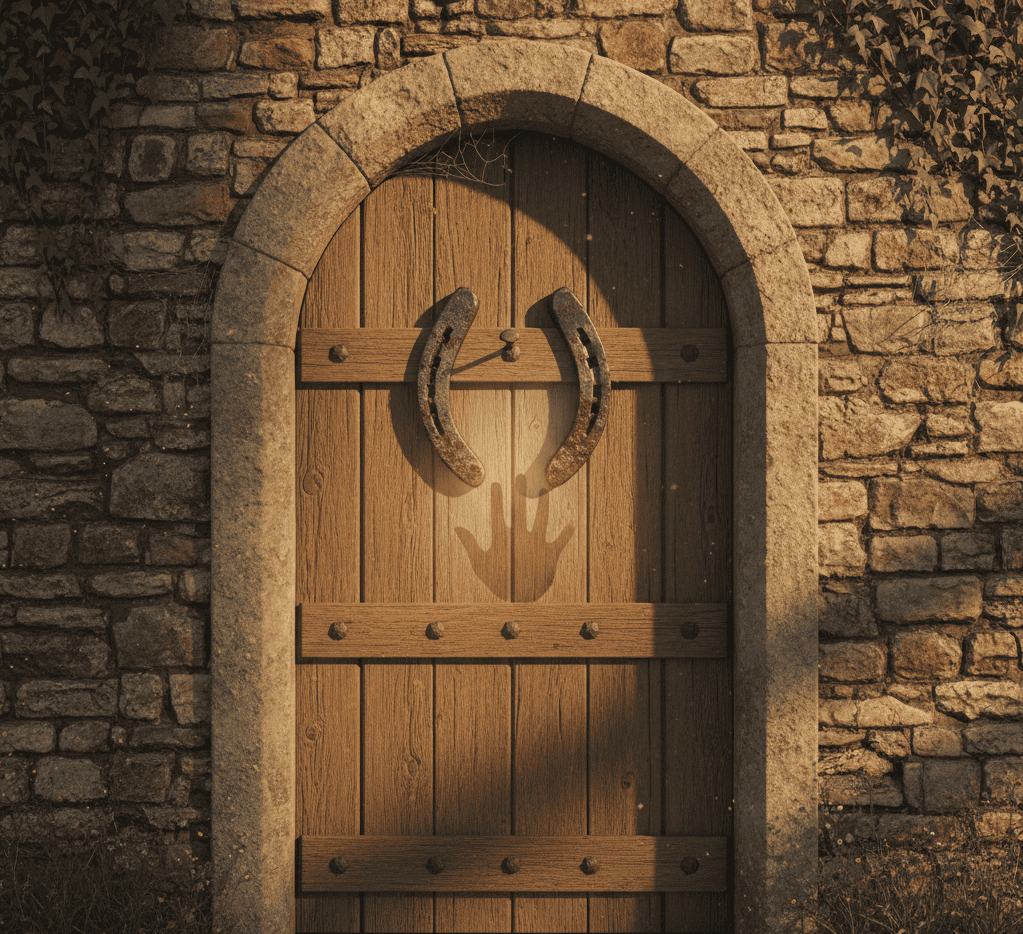
Iron has long been associated with strength and defense. Across Europe, Asia, and parts of Africa, iron was believed to repel harmful spirits and negative forces.
Blacksmiths were often seen as powerful figures because they worked with fire and iron, two elements linked to protection.
Iron objects were placed near doors, worn as jewelry, or hidden in homes. Horseshoes made of iron were especially popular as protective symbols, often hung above entrances.
The belief was that iron disrupted negative energy and prevented harmful beings from crossing thresholds.
Iron also represents resilience. It is strong, durable, and resistant to damage. Symbolically, people believed iron could strengthen the spirit just as it strengthened tools and weapons.
Even today, iron remains a symbol of grounding and physical protection, deeply tied to human survival and security.
3. Wood

Wood has been used for protection across cultures because it comes directly from living trees.
Trees were often seen as sacred beings that connected earth and sky. Different types of wood were believed to carry different protective qualities.
Oak, for example, symbolized strength and endurance. Cedar was used for purification and protection against illness.
Birch was linked to renewal and new beginnings. Wooden charms, staffs, and carvings were common protective items in many traditions.
Homes built with wood were thought to feel warmer and safer, not just physically but emotionally.
Wood was believed to absorb harmful energy and create a natural barrier against chaos.
Its use shows how protection was often connected to life, growth, and connection to nature rather than fear alone.
4. Stones and Crystals
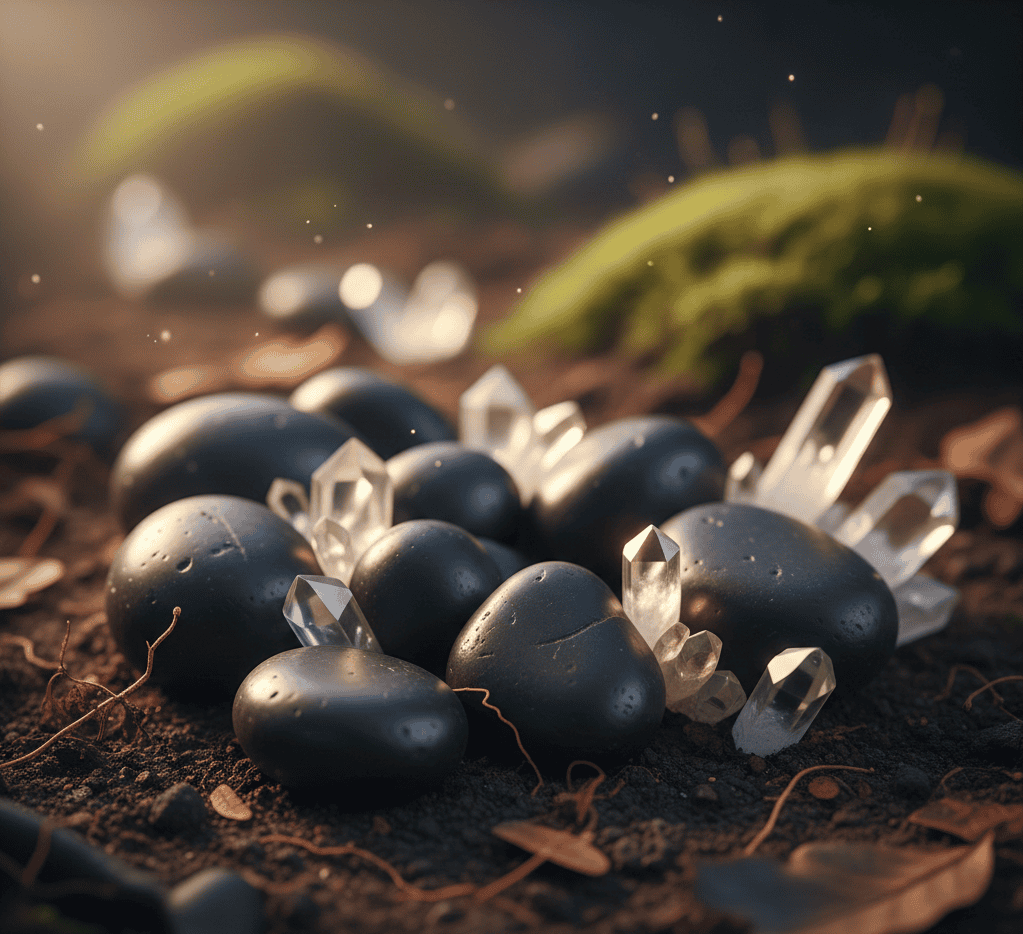
Stones and crystals have been used for protection for thousands of years. Ancient civilizations believed that stones formed deep within the earth carried powerful energy.
Each stone was thought to have a unique purpose. Black stones like obsidian and onyx were used to block negative energy.
Clear stones like quartz were believed to strengthen spiritual awareness. People wore stones as jewelry, carried them in pockets, or placed them in homes for protection.
Across cultures, stones were trusted because they were ancient and unchanging. They represented stability in a changing world.
Even without modern knowledge, people sensed that stones held memory and strength.
Protection through stones was about balance, grounding, and connection to the earth’s deep power.
5. Herbs and Plants
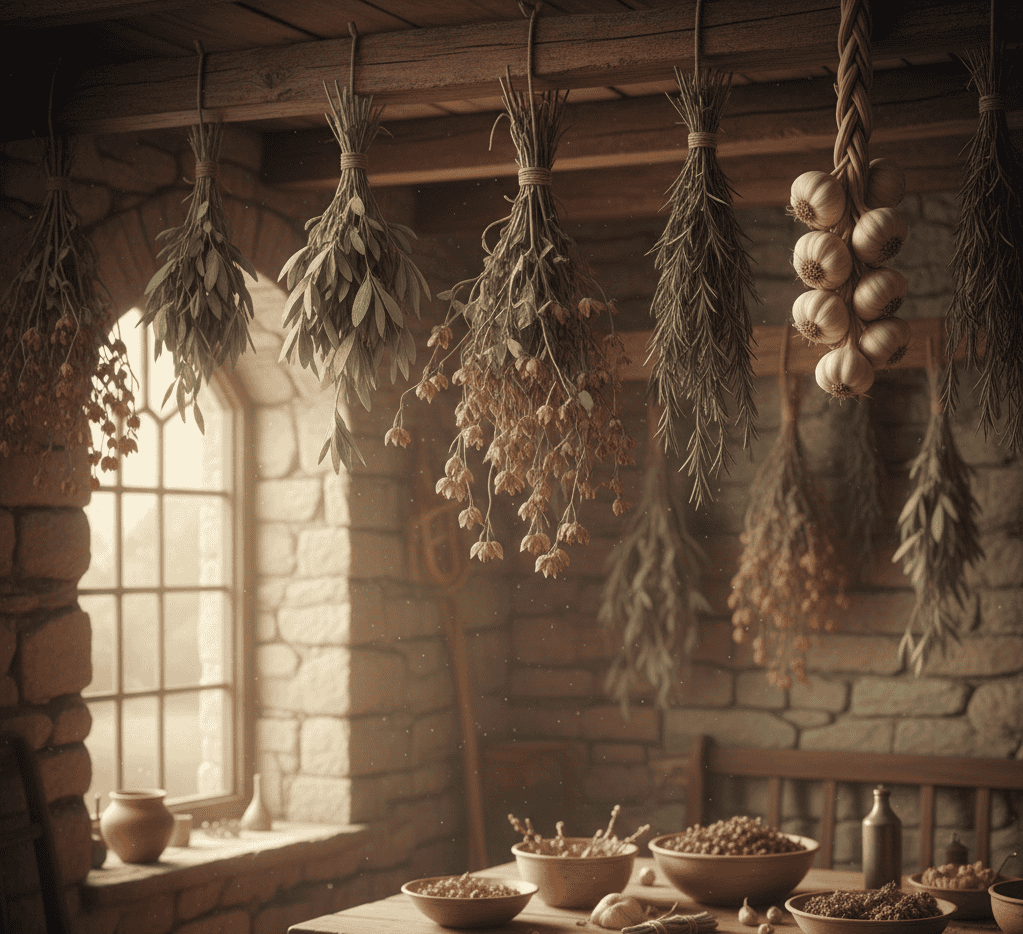
Herbs and plants have always been central to protection practices. From ancient healers to village elders, people trusted plants to guard against both physical illness and unseen harm.
Garlic was believed to repel harmful forces in many cultures. Sage was used to cleanse spaces and remove heavy energy.
Rosemary was linked to memory and protection. Plants were burned, carried, brewed into teas, or hung in homes.
The belief behind plant protection came from observation. Plants heal, grow, and adapt.
Their scents, oils, and properties affect the human body and mind.
Spiritually, plants were seen as allies that offered protection through balance rather than force. Using herbs reminded people that protection could be gentle, natural, and nurturing.
6. Animal Materials
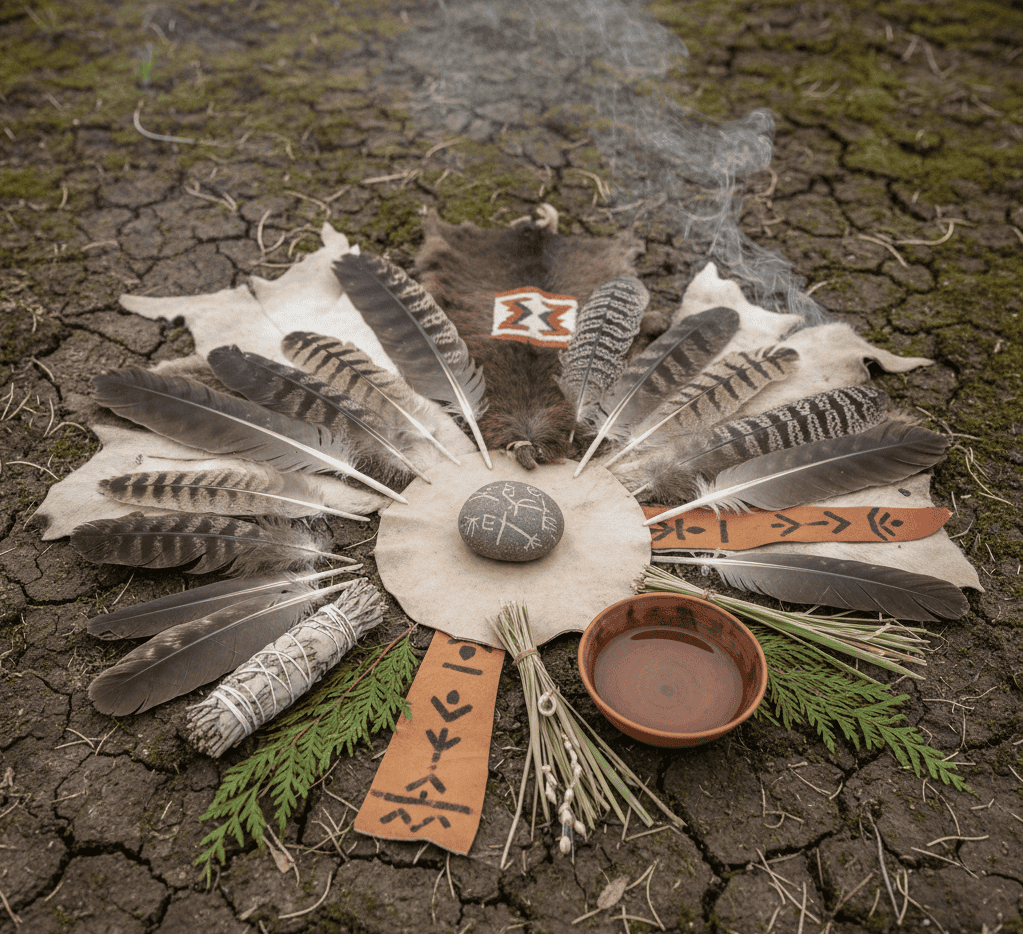
Animal materials such as bones, teeth, feathers, and hides were used for protection in many ancient cultures.
These materials were believed to carry the strength, awareness, or instincts of the animal they came from.
Feathers were linked to guidance and protection during travel. Teeth and claws symbolized defense and courage.
Hides were worn for warmth and spiritual shielding. These materials were not taken lightly. Rituals often honored the animal, showing respect rather than dominance.
Animal protection materials reflect humanity’s deep connection to nature. People believed animals understood survival and danger better than humans.
Carrying part of an animal was thought to offer guidance, alertness, and strength in uncertain situations.
7. Fire and Ash
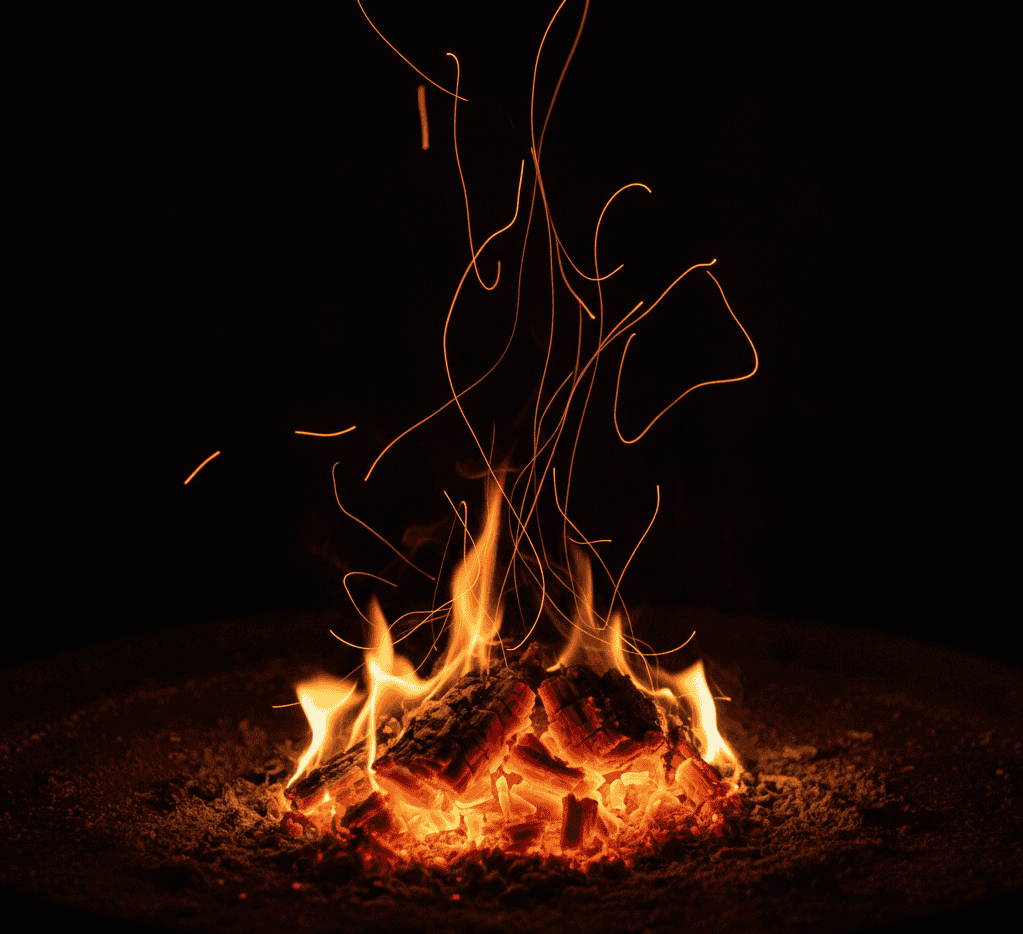
Fire is one of the most powerful natural elements associated with protection.
Across cultures, fire was believed to destroy harmful forces and purify what it touched. Ashes from sacred fires were often kept as protective substances.
Fire was used in rituals to cleanse spaces, mark transitions, and protect communities.
Ash was spread around homes or carried for protection. Even hearth fires were believed to guard families by creating warmth, light, and safety.
Fire represents transformation. It turns one form into another. Because of this, people believed it could break negative patterns and renew strength.
Fire protection was not about control, but about change and renewal, making it one of the most respected protective elements in human history.

Ho sempre sentito una forte connessione con il Divino fin dalla mia nascita. Come autrice e mentore, la mia missione è aiutare gli altri a trovare l'amore, la felicità e la forza interiore nei momenti più bui.