

Before Greek mythology seeped into Roman culture and reshaped their pantheon, they had their own spiritual world.
These early deities were closely tied to nature, everyday life, and societal functions.
The original religion of Rome was more focused on the ritual and maintaining the harmony of the universe. Their gods didn’t have the elaborate stories and personalities like the Greeks.
The religion was practical and focused on ensuring the well-being of the community.
1. Numina

At the core of early Roman religion were the numina – divine powers that weren’t gods but forze spirituali.
These spirits resided in natural objects like trees, rivers, fire, or even in abstract concepts and household items.
Unlike later gods with personalities and stories, numina were much more straightforward.
They represented the invisible divine energy that made the world work smoothly. People believed that respecting and honoring these spirits kept natural and social order intact.
Rituals often involved offering sacrifices to appease or acknowledge these powers, ensuring their favor.
Il numina were everywhere, and they were essential to early Roman life.
2. Lares and Penates
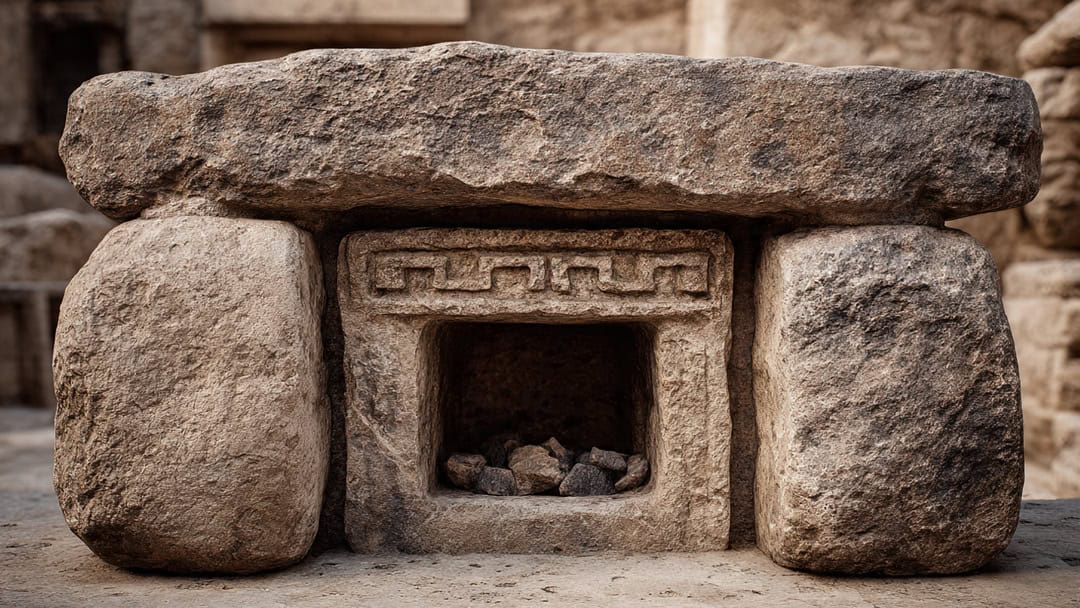
Early Romans believed in gods that protected their homes and families, and these were a vital part of daily life.
The Lares were the guardian spirits of the household, watching over the family and their property, while Penates protected the pantry and the food supply.
These deities didn’t have elaborate myths but were revered through small offerings and prayers performed daily.
The household altar was a sacred space where families communicated with these spirits.
Respecting the Lares and Penates helped maintain domestic harmony and prosperity. People also turned to them for good health.
Their worship was deeply personal and intimate, emphasizing the importance of family and community.
3. Deus and Dis Pater

In early Rome, “Deus” was a general word for a divine being, and it didn’t point to any specific deity.
It represented the abstract concept of divinity itself.
Dis Pater, on the other hand, was an indigenous god linked to the underworld and wealth – similar to Greek Hades.
Dis Pater was associated with the earth’s riches, underground minerals, as well as the afterlife realm.
He was feared and respected, often invoked in rituals for prosperity or to honor the dead.
These figures were primitive compared to the elaborate Greek pantheon, but they were strictly focused on fundamental divine functions: life, death, and wealth.
They helped the early Roman society make sense of the natural order.
4. Mars and Quirinus
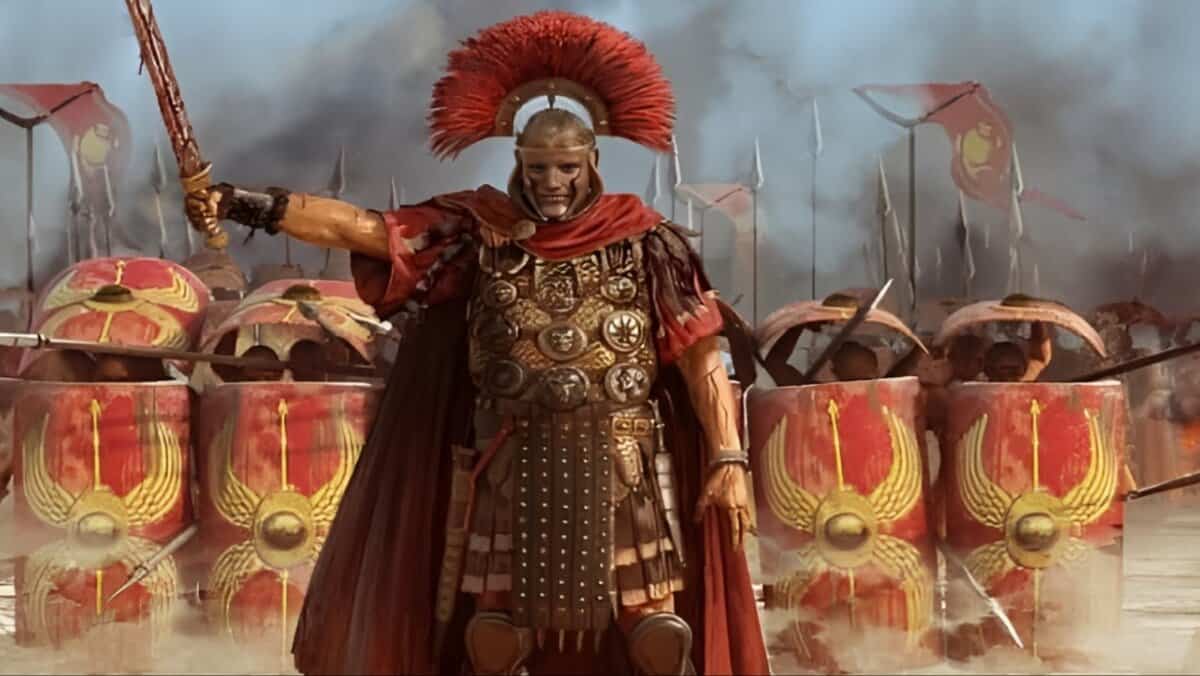
Mars was originally a god of agriculture and fertility, reflecting the importance of farming in early Roman society.
Over time, he became the primary deity associated with military strength and conquest, embodying Rome’s martial spirit.
Quirinus was a divine form of the Roman people, representing the collective identity and unity of Rome’s citizens.
Quirinus was often linked with Mars and was seen as the protector of the state.
These gods were the symbols of the community’s strength and survival.
Their worship reinforced social cohesion, highlighting that the strength of Rome depended both on its land and the unity of its people.
5. Jupiter

Jupiter was the supreme sky deity in early Roman religion, overseeing laws, social order, and the sovereignty of Rome itself.
He was seen as the guardian of justice, oaths, and stability. Evidently, his role went far beyond controlling the weather.
The Latin name Iuppiter also reflects his authority, meaning “Jove, father of gods."
Early rituals dedicated to Jupiter were communal and grand. His favor was essential for military success, as well as political and social stability.
His worship laid the foundation for the sense of divine right and sacred authority in Rome, even long before the Greek influences.
6. Rituals and Festivals
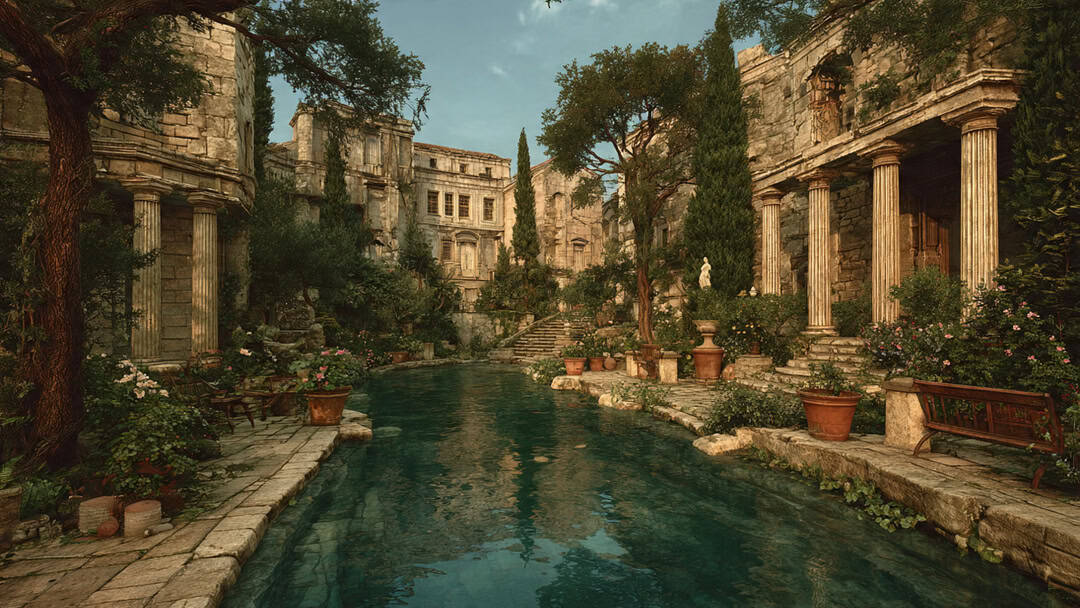
For early Romans, religion was a community affair. They have that in common with the Greeks.
Rituals and festivals – called fariae – played a crucial role in maintaining divine favor and social cohesion.
These celebrations honored specific gods or natural phenomena, often with public processions, sacrifices, and shared meals.
Festivals like the Fariae of Mars or the Parilia for shepherds created moments for togetherness.
Rituals were precise and adhered to tradition. They helped keep the gods happy, ensured good harvests, and kept chaos at bay.
Religion was a vital social glue that strengthened the people’s identity through shared experiences.
7. Augury and Auspices
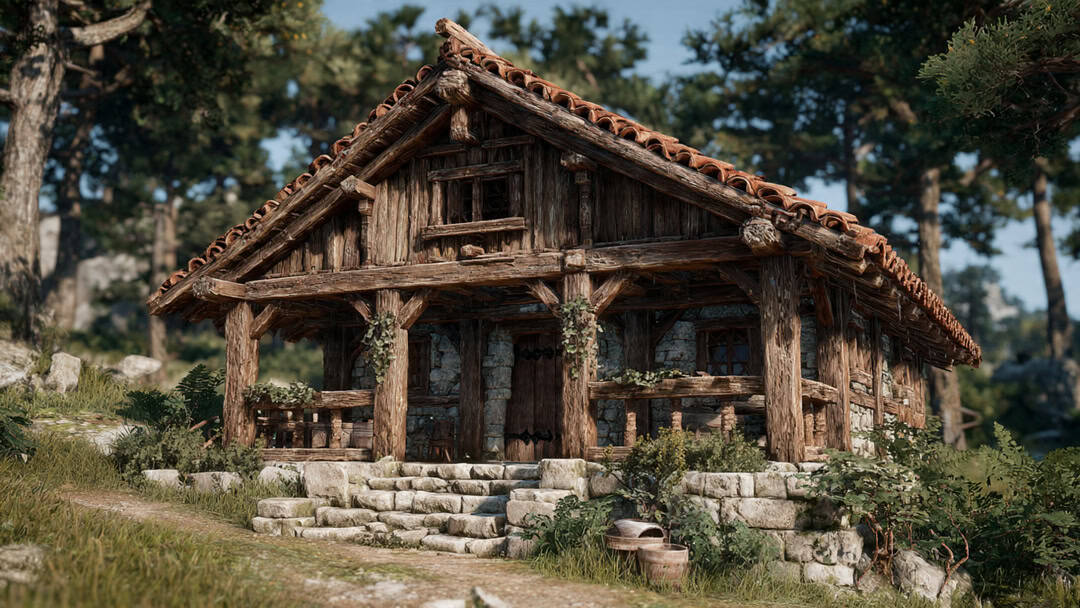
Early Roman religious practices relied heavily on interpreting signs and omens to guide important decisions.
Augurs read the flight patterns of birds to discern the gods’ will, which influenced military, political, and civic actions.
Auspices involved observing the behavior of birds and other natural signs during rituals, indicating whether the gods approved or disapproved.
The practices were integral to the state, as they gave divine legitimacy to its decisions.
Leaders would consult these signs before battles and other important events, believing that the divine realm communicated through natural signs.
This reliance on omens reflected a worldview where the divine was actively involved in everyday affairs.
8. Greek Influence

While the early religion of Rome was distinct, by the 4th century BC, Greek influence started to seep in, gradually blending with indigenous beliefs.
Greek gods like Zeus, Hera, and Ares began to be identified with Roman counterparts – Jupiter, Juno, and Mars.
Rome incorporated Greek myths and deities, and blended them with the existing spirituality, making the religion more familiar and culturally connected.
Still, even as Greek gods gained prominence, many of the core beliefs persisted, especially in rural areas and household worship.
This blending marked a transition from a practical belief system to a more mythological, elaborate one.
9. The Heart of Early Rome
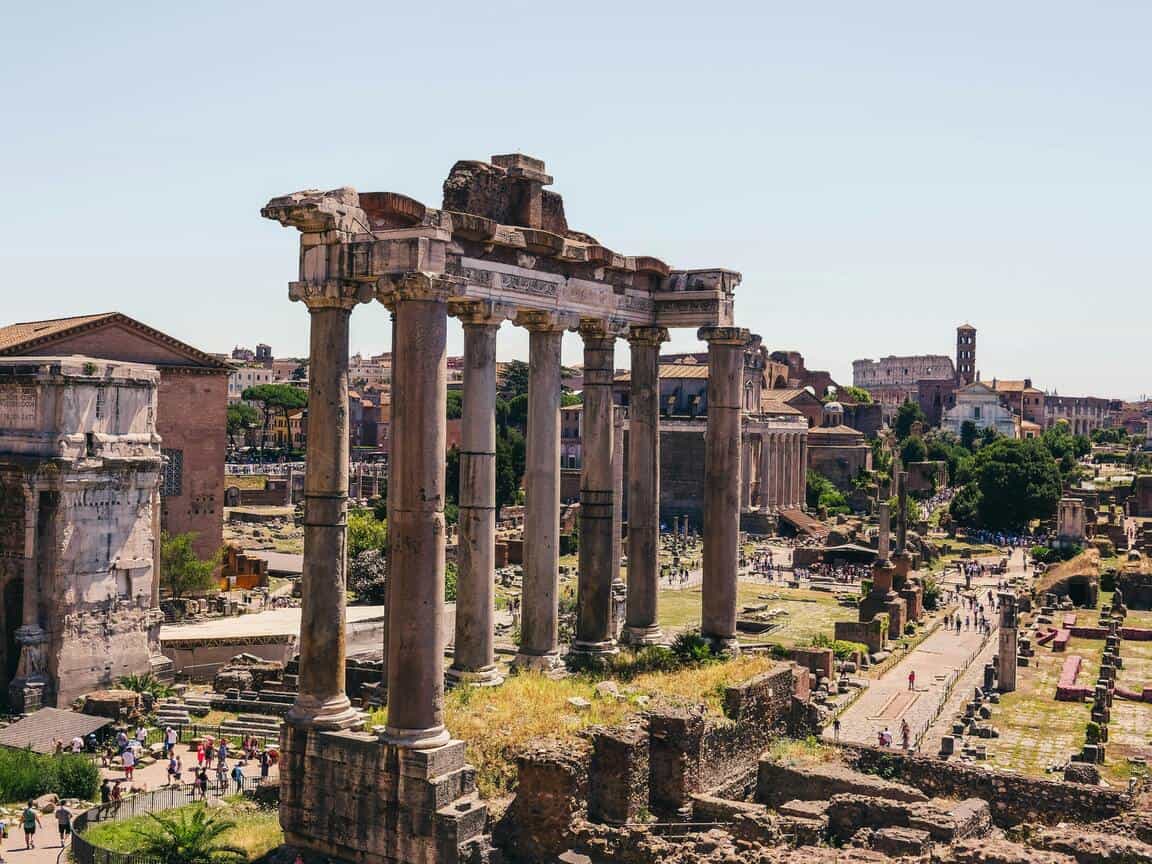
The early Roman gods and spirits were deeply practical and rooted in nature and daily life.
Their religion emphasized ritual, community, and the respect for invisible divine forces that maintained order.
Unlike later religion that came with Greek influence, these former deities were more primitive. Still, they shaped societal values and ensured the survival of Rome.
This ancient spiritual belief reveals a civilization focused on harmony with nature and collective identity.
It’s a faith built on function and tradition – an authentic spirituality that predates any outside influence.

A little Aquarius, devoted to writing and embroidery. Through my writing, I hope to empower readers to align with their true selves and navigate life’s mysteries with confidence.